
 English
 Chinese
 Dutch
 Arabic
 Spanish
 Portuguese
 Russian
 French
 Italian
 German
 Japanese
The Bible treats farming as work God gave people from the beginning, and as work that depends on God for its rain and growth. The first man is placed in a garden “to work it and take care of it” (Genesis 2:15), and Isaiah says God teaches the farmer how to plow and sow (Isaiah 28:24-26).
The law gives the land a rest every seventh year (Leviticus 25:4) and leaves the forgotten sheaf for the poor (Deuteronomy 24:19). Prophets, Jesus and the apostles also use sowing and reaping to speak about conduct and about the growth of God’s word: Hosea 10:12, Galatians 6:7-9, the parable of the sower (Matthew 13:8) and the seed that grows by itself (Mark 4:26-29). The Greek word for a farmer, geōrgos, appears in James 5:7 and 2 Timothy 2:6, and John 15:1 uses it for the Father as the one who tends the vine.
The ground from Eden to the flood
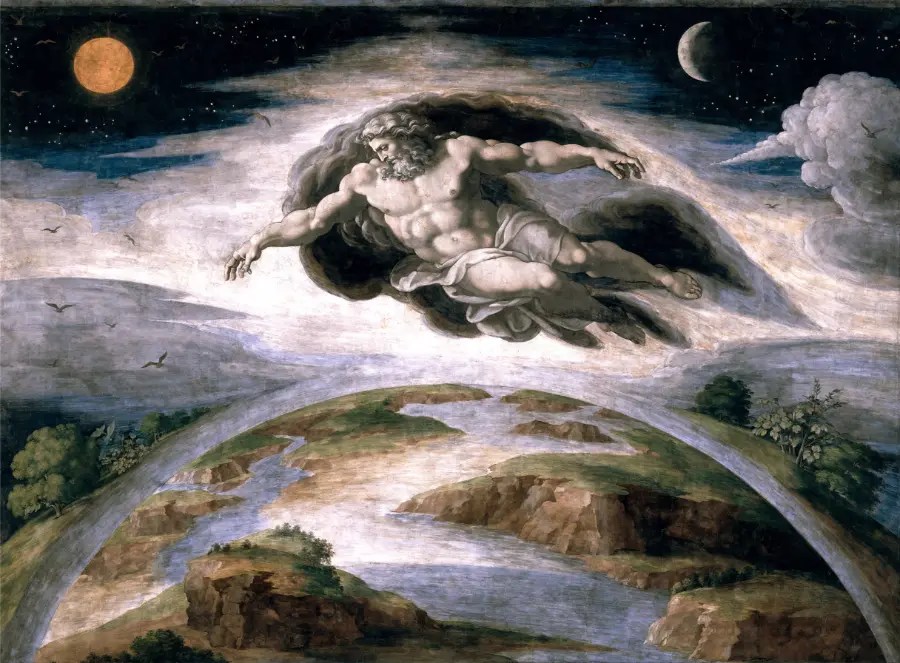
Genesis 2:15
“The LORD God took the man and put him in the Garden of Eden to work it and take care of it.”
Reflection: Genesis 2:5 notes that no plant had yet sprung up, in part because “there was no one to work the ground.” God plants the garden in Eden himself (2:8) and then puts the man in it with two tasks: to work it and to take care of it. The charge comes a chapter before the curse on the ground in Genesis 3.

Genesis 3:18-19
“It will produce thorns and thistles for you, and you will eat the plants of the field. By the sweat of your brow you will eat your food until you return to the ground, since from it you were taken; for dust you are and to dust you will return.”
Reflection: God speaks these words to Adam after he eats from the tree he was told not to eat from. The sentence begins in verse 17: “Cursed is the ground because of you; through painful toil you will eat food from it all the days of your life.” The work given in Genesis 2:15 goes on, now against thorns and thistles and by the sweat of the brow, and it ends when the man returns to the ground he was taken from.
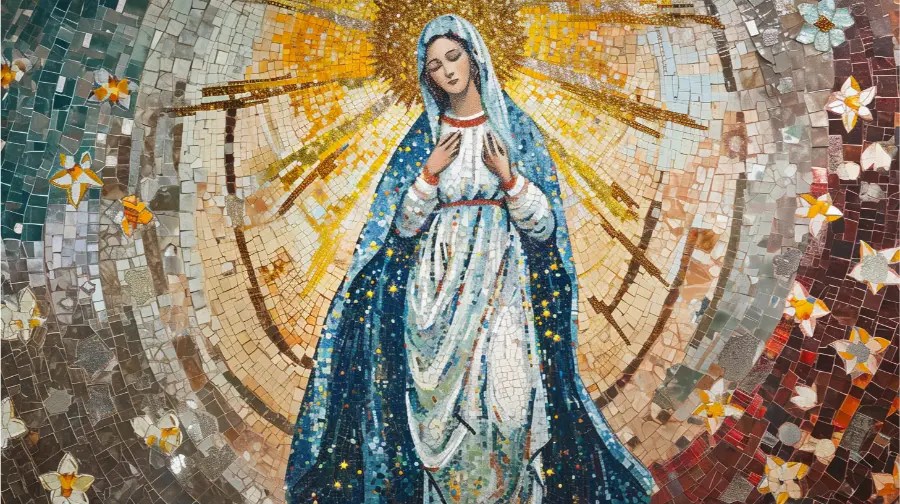
Genesis 8:22
“As long as the earth endures, seedtime and harvest, cold and heat, summer and winter, day and night will never cease.”
Reflection: After the flood Noah builds an altar and sacrifices burnt offerings, and the LORD says in his heart, “Never again will I curse the ground because of humans” (Genesis 8:21). The promise that follows is about the farming year: sowing and harvest, cold and heat, summer and winter will continue “as long as the earth endures.”
Laws for the land and the harvest
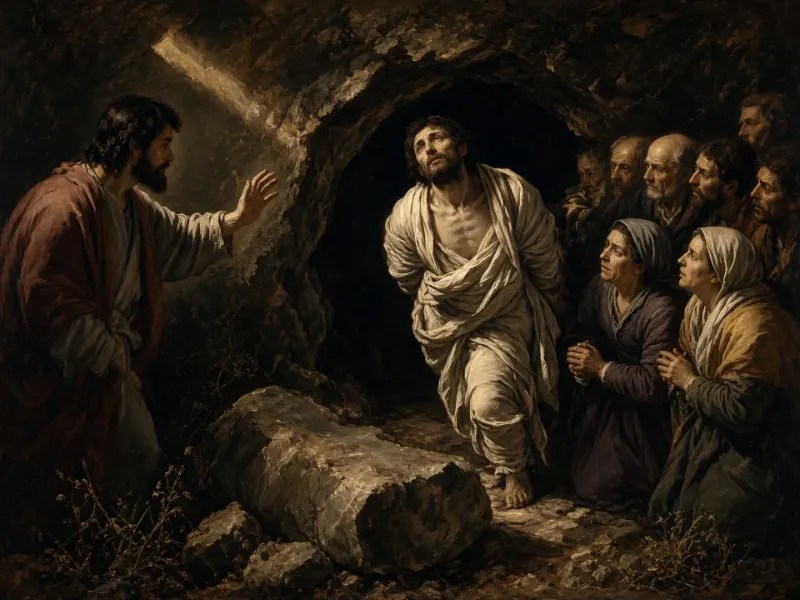
Leviticus 25:4
“But in the seventh year the land is to have a year of sabbath rest, a sabbath to the LORD. Do not sow your fields or prune your vineyards.”
Reflection: The LORD gives this law to Moses at Mount Sinai for the land Israel is about to enter (Leviticus 25:1-2). Fields are sown and vineyards pruned for six years; in the seventh the land rests, and whatever grows by itself is eaten but not reaped (25:5-7). Verses 20-22 take up the obvious question, “What will we eat in the seventh year?”, with a promise that the sixth year will yield enough for three years.
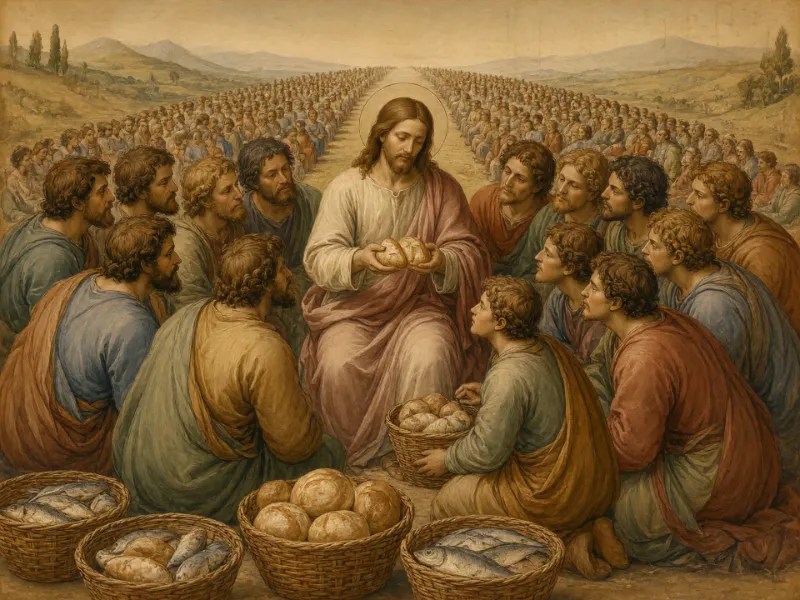
Deuteronomy 24:19
“When you are harvesting in your field and you overlook a sheaf, do not go back to get it. Leave it for the foreigner, the fatherless and the widow, so that the LORD your God may bless you in all the work of your hands.”
Reflection: A sheaf left behind by mistake stays in the field for the foreigner, the fatherless and the widow. The next two verses apply the same rule to olive trees and vineyards, and verse 22 gives the reason: “Remember that you were slaves in Egypt.” Leviticus 19:9-10 adds the edges of the field, and in Ruth 2 Ruth the Moabite goes out to “pick up the leftover grain” behind the harvesters in a field belonging to Boaz.
Skill, timing and a share of the crop
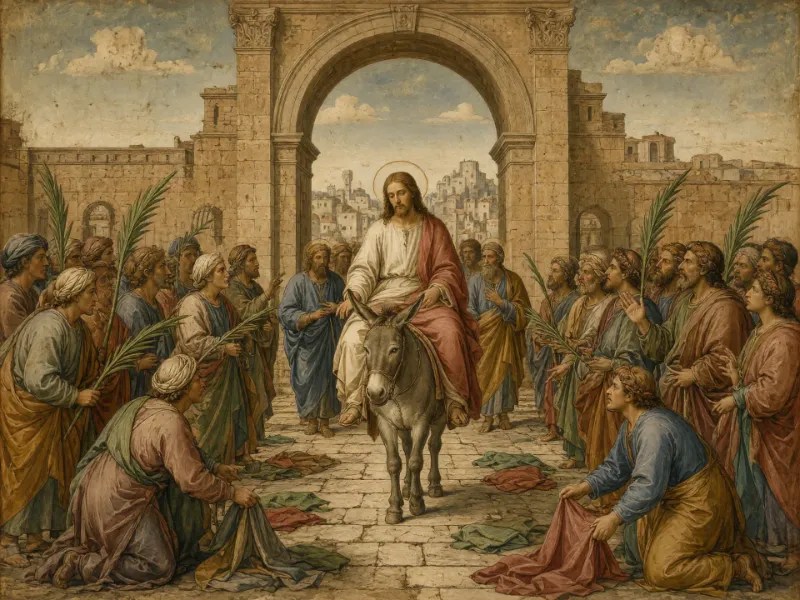
Isaiah 28:24-26
“When a farmer plows for planting, does he plow continually? Does he keep on breaking up and working the soil? When he has leveled the surface, does he not sow caraway and scatter cumin? Does he not plant wheat in its place, barley in its plot, and spelt in its field? His God instructs him and teaches him the right way.”
Reflection: Isaiah asks questions any farmer could answer: nobody plows forever, and once the ground is level each crop goes in its own place. Verse 26 says where that knowledge comes from. The following verses turn to threshing, each crop beaten out with its own tool, and end, “All this also comes from the LORD Almighty, whose plan is wonderful, whose wisdom is magnificent” (28:29). The farming lesson comes right after a warning of “destruction decreed against the whole land” (28:22).
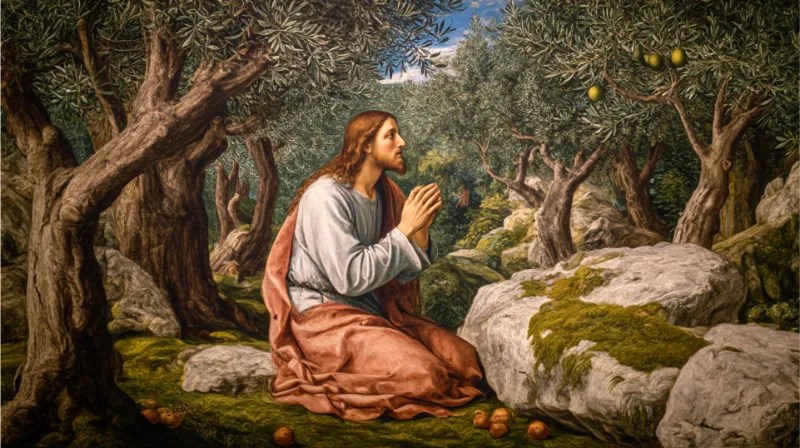
Proverbs 28:19
“Those who work their land will have abundant food, but those who chase fantasies will have their fill of poverty.”
Reflection: Proverbs 12:11 opens with the same line and ends differently: “those who chase fantasies have no sense.” Here the second half names the result: the one who chases fantasies instead of working the land ends in poverty.
Proverbs 20:4
“Sluggards do not plow in season; so at harvest time they look but find nothing.”
Reflection: The proverb ties hard work to its season: the sluggard does not plow when plowing is due, and at harvest time there is nothing to find. Proverbs 6:6-8 makes the same point from the other side with the ant, which “stores its provisions in summer and gathers its food at harvest.”
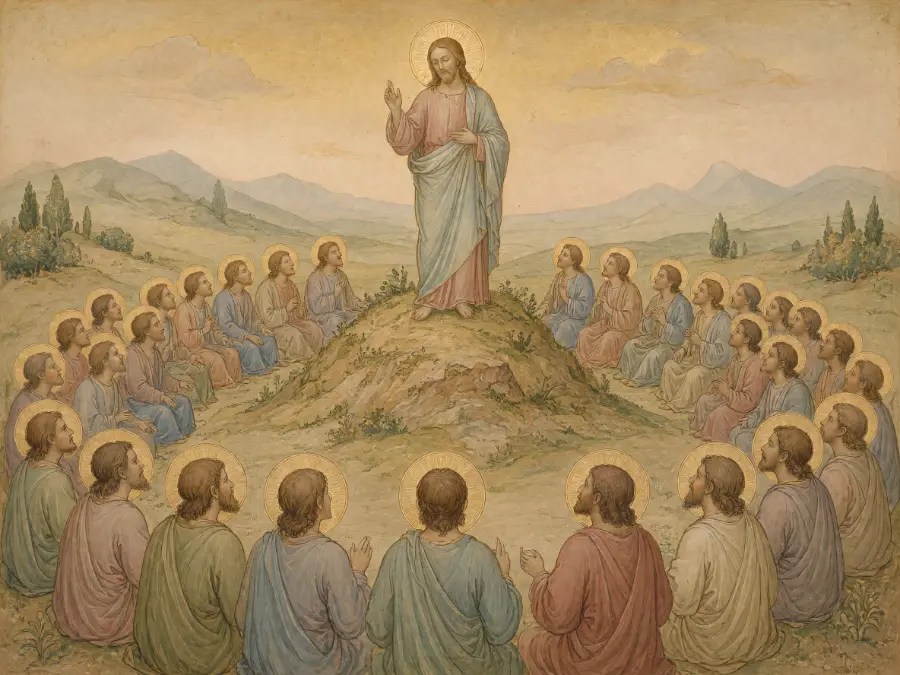
Ecclesiastes 11:4
“Whoever watches the wind will not plant; whoever looks at the clouds will not reap.”
Reflection: Ecclesiastes 11 argues from what people cannot know: “what disaster may come upon the land” (11:2) or “the path of the wind” (11:5). A farmer who waits to be sure of the weather does not sow at all. Verse 6 gives the counsel that follows: “Sow your seed in the morning, and at evening let your hands not be idle, for you do not know which will succeed.”
2 Timothy 2:6
“The hardworking farmer should be the first to receive a share of the crops.”
Reflection: Paul gives Timothy three pictures in a row: the soldier who tries to please his commanding officer, the athlete who competes according to the rules, and the hardworking farmer. The word is geōrgos, a tiller of the soil. Paul then writes, “Reflect on what I am saying, for the Lord will give you insight into all this” (2:7).
Rain and growth as God’s gift
Psalm 65:9-11
“You care for the land and water it; you enrich it abundantly. The streams of God are filled with water to provide the people with grain, for so you have ordained it. You drench its furrows and level its ridges; you soften it with showers and bless its crops. You crown the year with your bounty, and your carts overflow with abundance.”
Reflection: Every stage of the farm year is credited to God here: water in the streams, grain for the people, furrows drenched and ridges levelled, crops blessed, and “your carts overflow with abundance.” Verses 12-13 carry the praise out to the pastures and flocks, with valleys “mantled with grain.” The whole passage is addressed to God, and verses 9-13 say nothing of the farmer’s own work.
Joel 2:23-24
“Be glad, people of Zion, rejoice in the LORD your God, for he has given you the autumn rains because he is faithful. He sends you abundant showers, both autumn and spring rains, as before. The threshing floors will be filled with grain; the vats will overflow with new wine and oil.”
Reflection: These rains answer a disaster. The next verse has the LORD say, “I will repay you for the years the locusts have eaten” (2:25), and here the autumn and spring rains return “as before,” with threshing floors full of grain and vats overflowing with wine and oil. Two verses earlier the prophet speaks to the land itself: “Do not be afraid, land of Judah; be glad and rejoice.”
Sowing in tears and waiting for rain
Psalm 126:5-6
“Those who sow with tears will reap with songs of joy. Those who go out weeping, carrying seed to sow, will return with songs of joy, carrying sheaves with them.”
Reflection: The psalm opens by remembering when “the LORD restored the fortunes of Zion,” and then asks for it again: “Restore our fortunes, LORD, like streams in the Negev” (126:4). Its last two verses picture a sower who goes out weeping with seed and comes back singing, carrying sheaves.
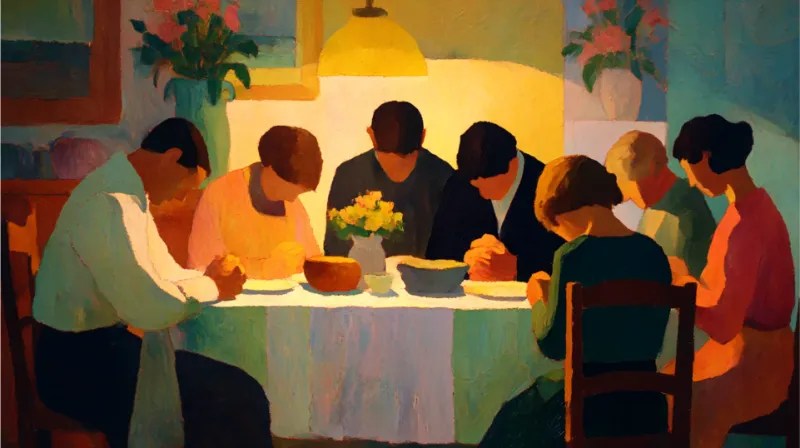
James 5:7-8
“Be patient, then, brothers and sisters, until the Lord’s coming. See how the farmer waits for the land to yield its valuable crop, patiently waiting for the autumn and spring rains. You too, be patient and stand firm, because the Lord’s coming is near.”
Reflection: James holds up the farmer, the geōrgos, as a model of patience while believers wait for “the Lord’s coming.” His crop depends on the autumn and spring rains, and he waits for both. James goes on to name the prophets and Job as examples of the same patience (5:10-11).
Sowing and reaping as a picture of conduct
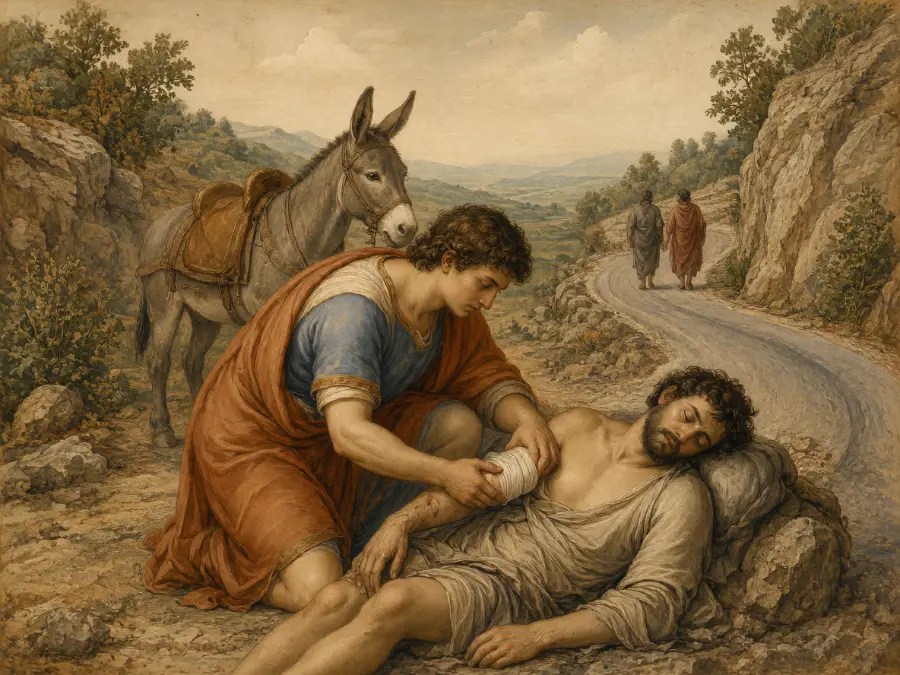
Hosea 10:12
“Sow righteousness for yourselves, reap the fruit of unfailing love, and break up your unplowed ground; for it is time to seek the LORD, until he comes and showers his righteousness on you.”
Reflection: Hosea describes Israel as a farm. In verse 11 Ephraim is “a trained heifer that loves to thresh,” now put under the yoke to plow. Verse 12 calls the people to sow righteousness and break up their unplowed ground, and verse 13 says what they did instead: “But you have planted wickedness, you have reaped evil.”
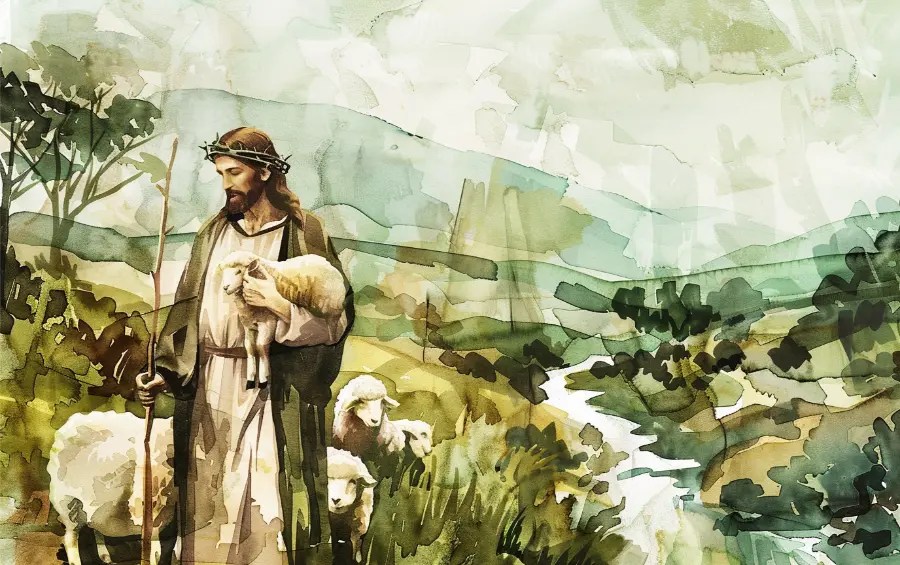
Galatians 6:7-9
“Do not be deceived: God cannot be mocked. A man reaps what he sows. Whoever sows to please their flesh, from the flesh will reap destruction; whoever sows to please the Spirit, from the Spirit will reap eternal life. Let us not become weary in doing good, for at the proper time we will reap a harvest if we do not give up.”
Reflection: Paul applies the rule every farmer knows, that the crop matches the seed, to two fields: the flesh, which yields destruction, and the Spirit, which yields eternal life. The harvest comes “at the proper time” to those who do not give up, and verse 10 turns the image into a command: “let us do good to all people.”
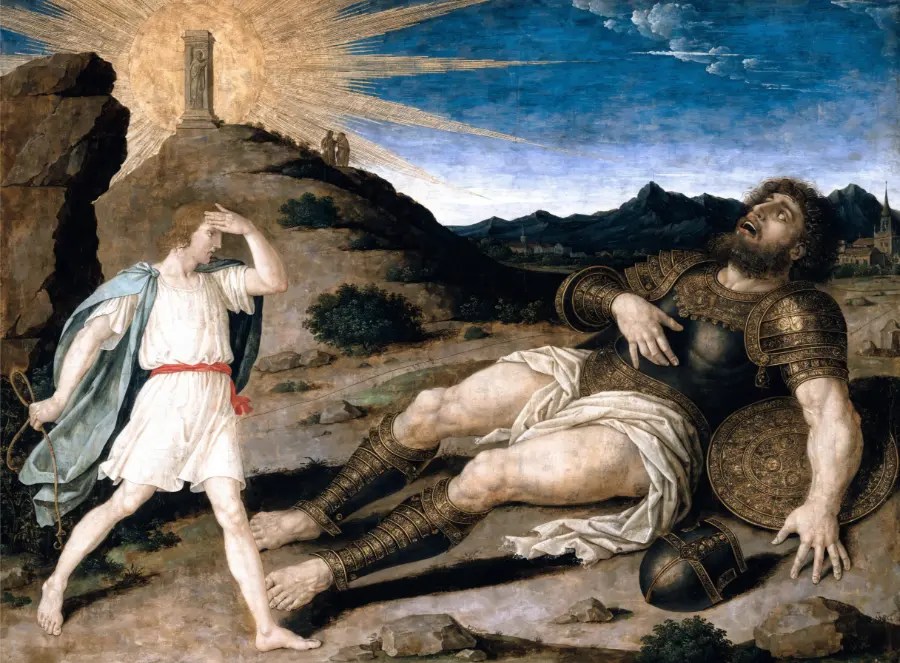
2 Corinthians 9:6
“Remember this: Whoever sows sparingly will also reap sparingly, and whoever sows generously will also reap generously.”
Reflection: The sowing in this verse is giving. The next verse says, “Each of you should give what you have decided in your heart to give, not reluctantly or under compulsion, for God loves a cheerful giver.” Verse 10 names God as the one “who supplies seed to the sower and bread for food,” nearly the phrase of Isaiah 55:10, and promises to “enlarge the harvest of your righteousness.”
God’s word and kingdom pictured as seed and harvest

Isaiah 55:10-11
“As the rain and the snow come down from heaven, and do not return to it without watering the earth and making it bud and flourish, so that it yields seed for the sower and bread for the eater, so is my word that goes out from my mouth: It will not return to me empty, but will accomplish what I desire and achieve the purpose for which I sent it.”
Reflection: The comparison runs from the farm year to God’s speech. Rain and snow do their work on the earth until it yields “seed for the sower and bread for the eater,” and God’s word likewise “will not return to me empty.”
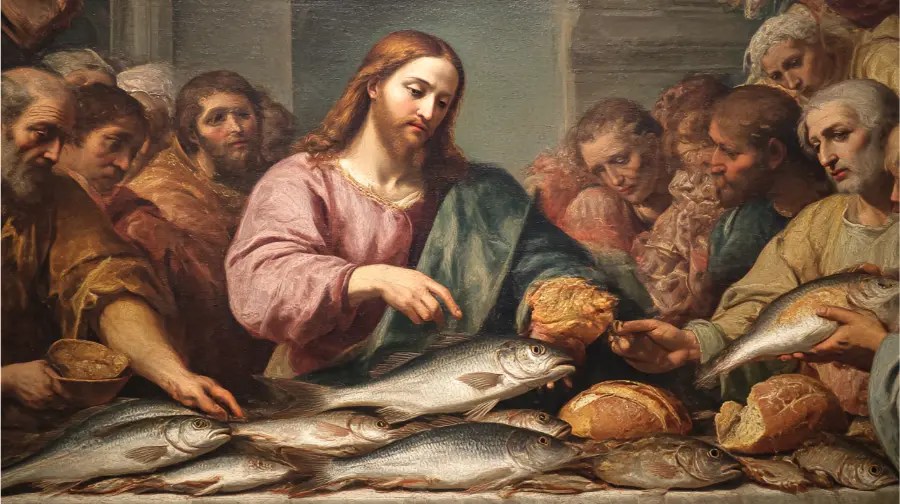
Matthew 13:8
“Still other seed fell on good soil, where it produced a crop—a hundred, sixty or thirty times what was sown.”
Reflection: The parable of the sower sets four kinds of ground side by side: the path, rocky places, thorns and good soil. Jesus explains it in Matthew 13:18-23: the seed is “the message about the kingdom,” and the good soil “refers to someone who hears the word and understands it.” The seed on the path is eaten, the rocky ground withers it and the thorns choke it, so the good soil is where the crop comes, at three different rates.

Mark 4:26-29
“This is what the kingdom of God is like. A man scatters seed on the ground. Night and day, whether he sleeps or gets up, the seed sprouts and grows, though he does not know how. All by itself the soil produces grain—first the stalk, then the head, then the full kernel in the head. As soon as the grain is ripe, he puts the sickle to it, because the harvest has come.”
Reflection: The man in this parable scatters seed and then sleeps and gets up while it grows in stages he cannot explain, from stalk to head to full kernel. His own work comes back at the end, when the grain is ripe and he puts in the sickle. Jesus introduces it as a picture of what “the kingdom of God is like.”

1 Corinthians 3:6-7
“I planted the seed, Apollos watered it, but God has been making it grow. So neither the one who plants nor the one who waters is anything, but only God, who makes things grow.”
Reflection: Paul writes to the Corinthians about himself and Apollos: “What, after all, is Apollos? And what is Paul? Only servants” (3:5). One planted and the other watered, but God gave the growth. Verse 9 finishes the picture: “you are God’s field.”
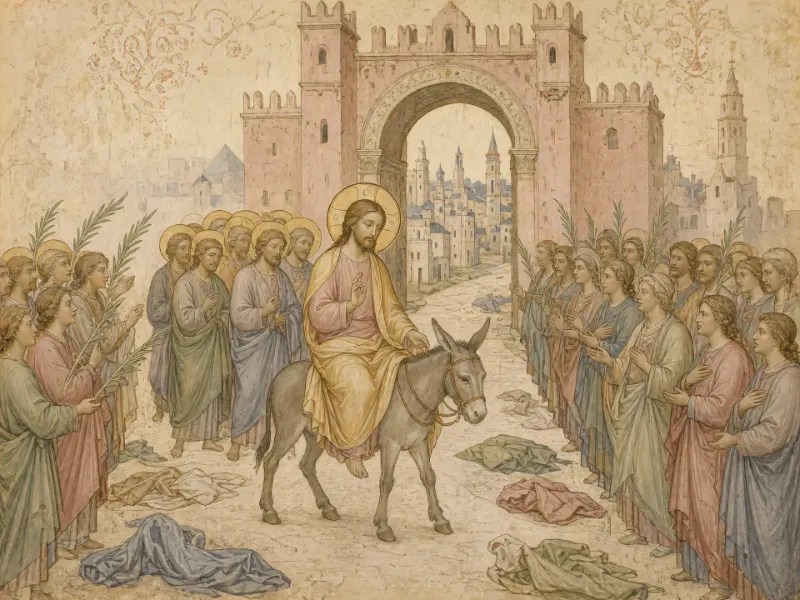
Matthew 9:37-38
“Then he said to his disciples, ‘The harvest is plentiful but the workers are few. Ask the Lord of the harvest, therefore, to send out workers into his harvest field.’”
Reflection: Jesus says this after going through the towns and villages and seeing crowds “harassed and helpless, like sheep without a shepherd” (9:36). The harvest here is people, and what is lacking is workers. His instruction is to ask “the Lord of the harvest” to send them.
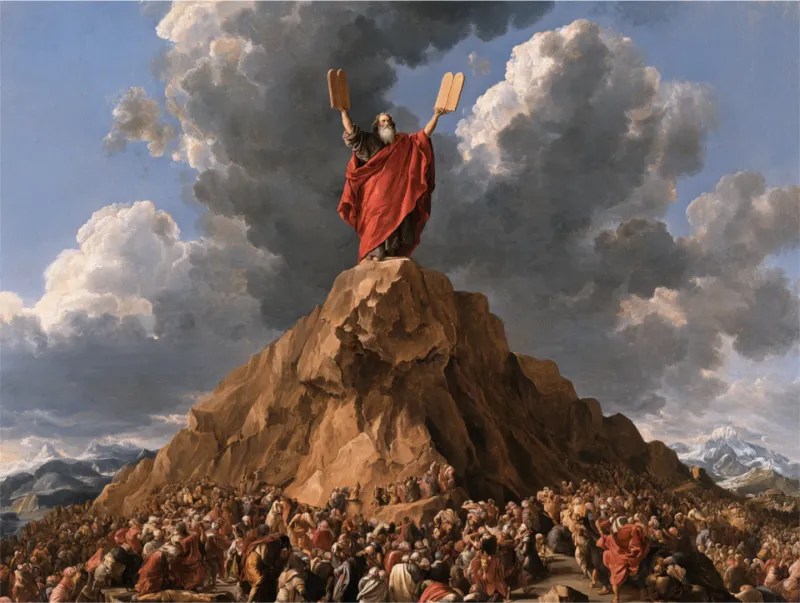
John 15:5
“I am the vine; you are the branches. If you remain in me and I in you, you will bear much fruit; apart from me you can do nothing.”
Reflection: In John 15:1 Jesus calls his Father the gardener, using geōrgos, the word James uses for the farmer. The gardener cuts off branches that bear no fruit and prunes those that do “so that it will be even more fruitful” (15:2). In verse 5 the disciples are the branches, and their fruit depends on remaining in the vine.


Leave a Reply