
 English
 Chinese
 Dutch
 Arabic
 Spanish
 Portuguese
 Russian
 French
 Italian
 German
 Japanese
The Bible speaks of going to heaven in two ways: being with the Lord at death, and rising in a new body when he returns. Jesus tells a dying criminal “today you will be with me in paradise” (Luke 23:43), and Paul expects the dead to rise “at the last trumpet” (1 Corinthians 15:52).
Revelation 21:3-4 describes God dwelling with people where “death shall be no more.” On the question of who goes there, Jesus answers Thomas, “No one comes to the Father except through me” (John 14:6), and Paul writes that “by grace you have been saved through faith” (Ephesians 2:8).
Jesus’ promise of a place
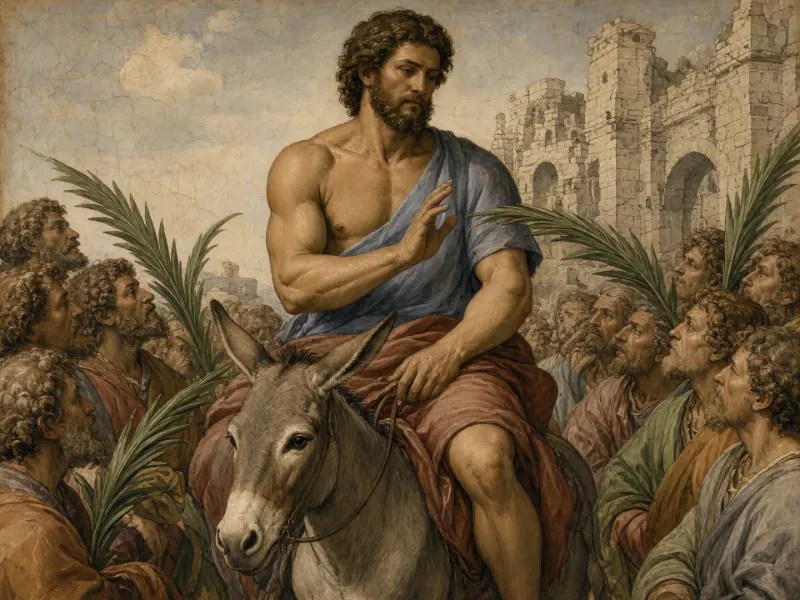
John 14:2-3
“In my Father’s house are many rooms. If it were not so, would I have told you that I go to prepare a place for you? And if I go and prepare a place for you, I will come again and will take you to myself, that where I am you may be also.”
Reflection: Jesus says this to his disciples at the supper of John 13, just after telling Peter, “Where I am going you cannot follow me now, but you will follow afterward” (John 13:36). The rooms are in “my Father’s house,” and the promise is personal: Jesus will come again and take them to himself, “that where I am you may be also.” The verse just before opens the passage with “Let not your hearts be troubled.”
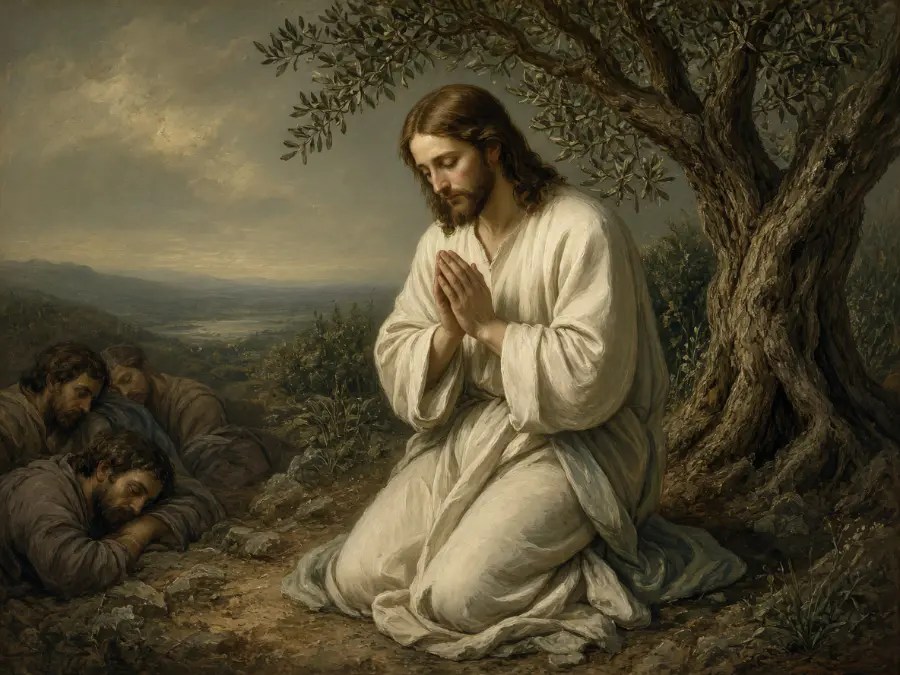
John 14:6
“Jesus said to him, ‘I am the way, and the truth, and the life. No one comes to the Father except through me.’”
Reflection: Thomas has just objected, “Lord, we do not know where you are going. How can we know the way?” Jesus answers with himself rather than a route, and he names the destination as the Father. The next verse adds that whoever has known him has known the Father also.
How a person is saved
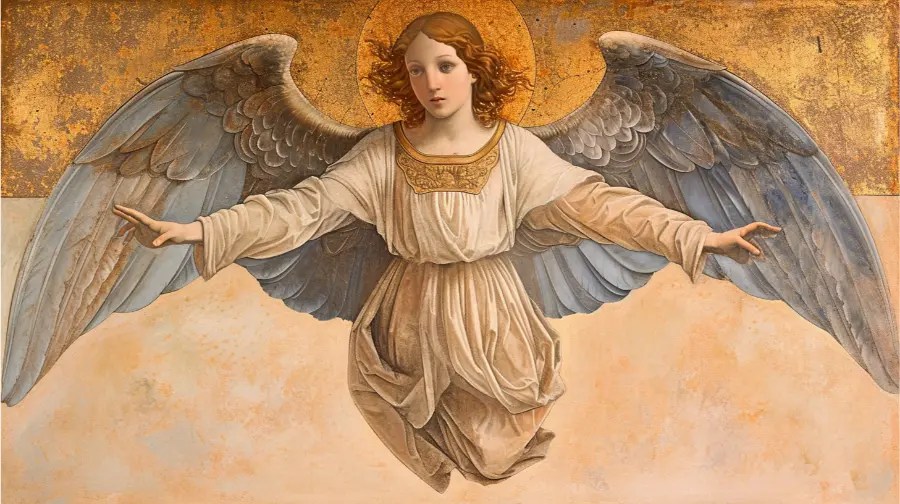
John 3:16
“For God so loved the world, that he gave his only Son, that whoever believes in him should not perish but have eternal life.”
Reflection: Jesus is speaking with Nicodemus, a Pharisee who came to him by night (John 3:1-2). Two verses earlier he compares himself to the bronze serpent Moses lifted up in the wilderness, and two verses later he says, “Whoever believes in him is not condemned.” John’s word for the promise here is “eternal life,” and the contrast he draws is with perishing.
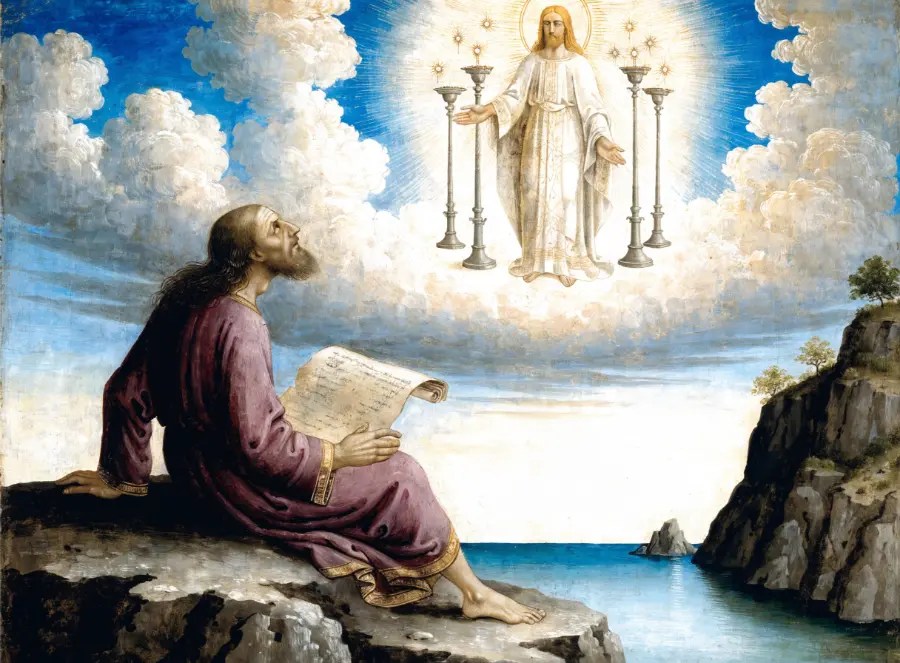
Ephesians 2:8-9
“For by grace you have been saved through faith. And this is not your own doing; it is the gift of God, not a result of works, so that no one may boast.”
Reflection: Paul has just said that God “made us alive together with Christ” when “we were dead in our trespasses” and “seated us with him in the heavenly places” (Ephesians 2:5-6), in the past tense. Salvation is God’s gift, received through faith, and not earned. Good works come after it: the next verse says believers are “created in Christ Jesus for good works.”
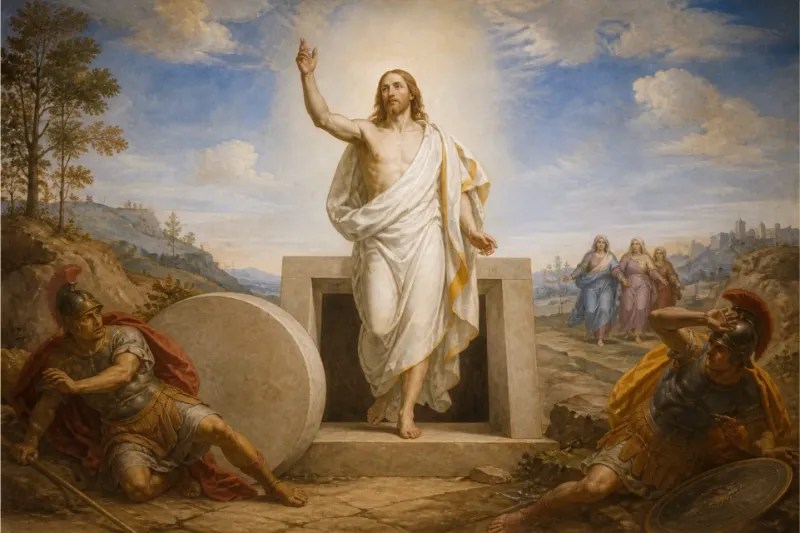
Romans 10:9
“because, if you confess with your mouth that Jesus is Lord and believe in your heart that God raised him from the dead, you will be saved.”
Reflection: Paul is explaining “the word of faith that we proclaim” (Romans 10:8): confessing Jesus as Lord with the mouth and believing in the heart that God raised him from the dead. A few verses later he widens it to everyone, “there is no distinction between Jew and Greek,” and adds “everyone who calls on the name of the Lord will be saved” (Romans 10:12-13).
When a believer dies
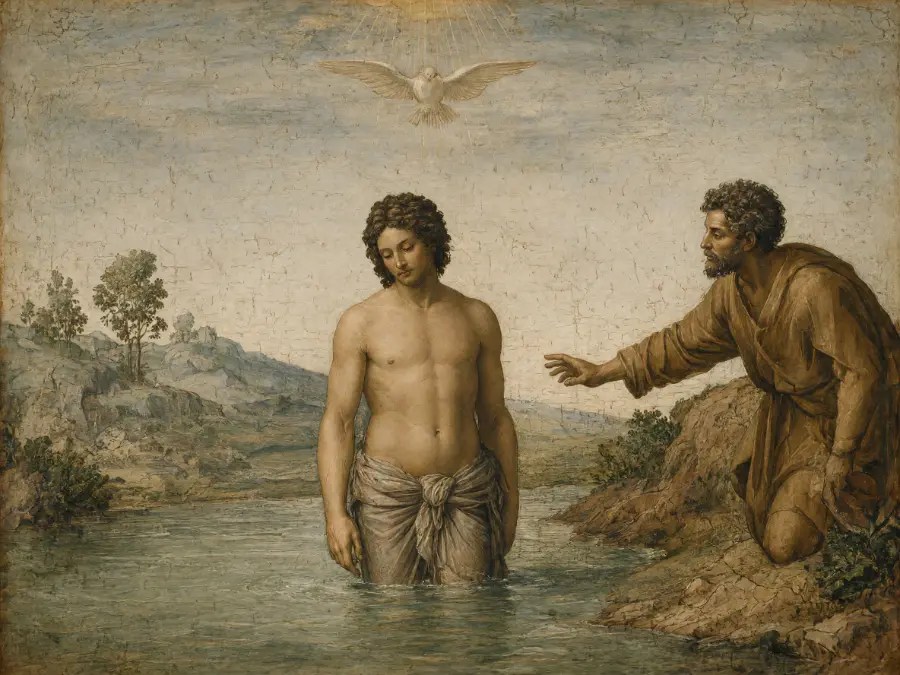
Luke 23:43
“And he said to him, “Truly, I say to you, today you will be with me in paradise.””
Reflection: One of the two criminals crucified with Jesus rebukes the other and asks, “Jesus, remember me when you come into your kingdom.” He asks to be remembered at some future coming. Jesus answers with “today” and names the place as paradise.
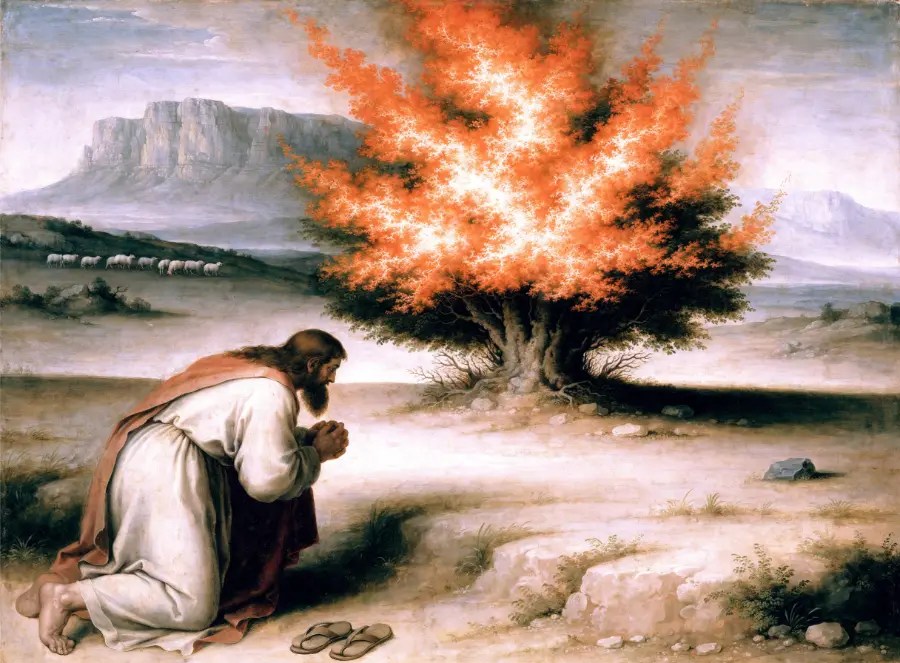
Philippians 1:23
“I am hard pressed between the two. My desire is to depart and be with Christ, for that is far better.”
Reflection: Paul writes from prison (Philippians 1:13) and weighs whether he will live or die: “to me to live is Christ, and to die is gain” (1:21). Dying would mean being with Christ, which he calls “far better.” He expects to stay, because remaining “is more necessary on your account” (1:24).
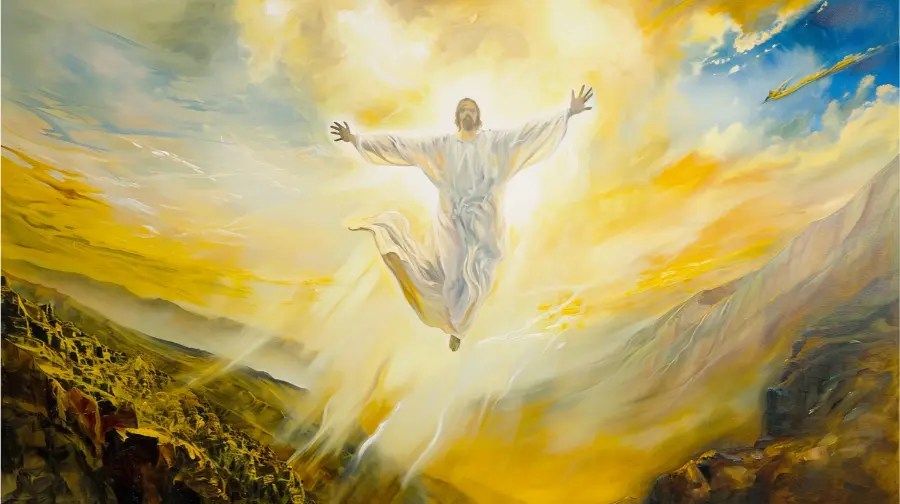
2 Corinthians 5:1
“For we know that if the tent that is our earthly home is destroyed, we have a building from God, a house not made with hands, eternal in the heavens.”
Reflection: Paul compares the body to a tent and what God gives to a building “not made with hands.” He does not long to be without a body: “not that we would be unclothed, but that we would be further clothed, so that what is mortal may be swallowed up by life” (5:4). A few lines on he says, “we would rather be away from the body and at home with the Lord” (5:8).
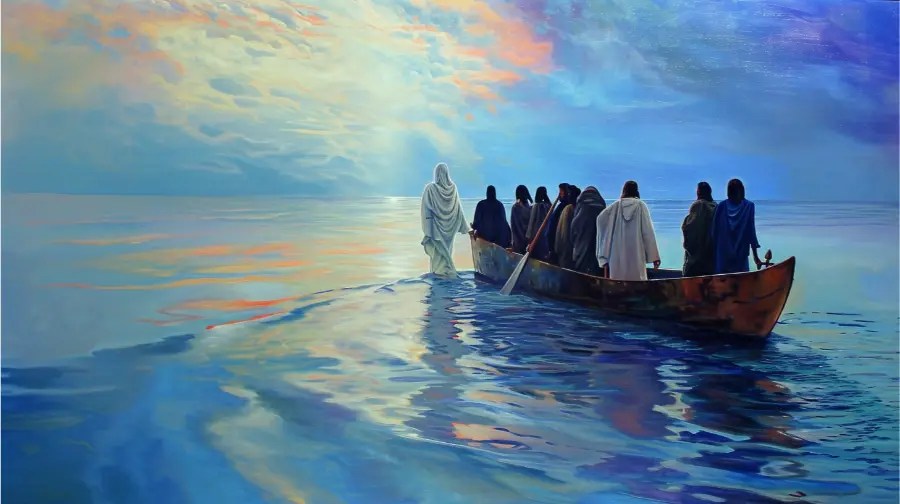
2 Timothy 4:8
“Henceforth there is laid up for me the crown of righteousness, which the Lord, the righteous judge, will award to me on that day, and not only to me but also to all who have loved his appearing.”
Reflection: Paul writes that “the time of my departure has come” and that he is “being poured out as a drink offering” (2 Timothy 4:6). He expects the crown of righteousness from the Lord “on that day,” and he extends the promise in the same sentence to “all who have loved his appearing.”
An inheritance kept in heaven
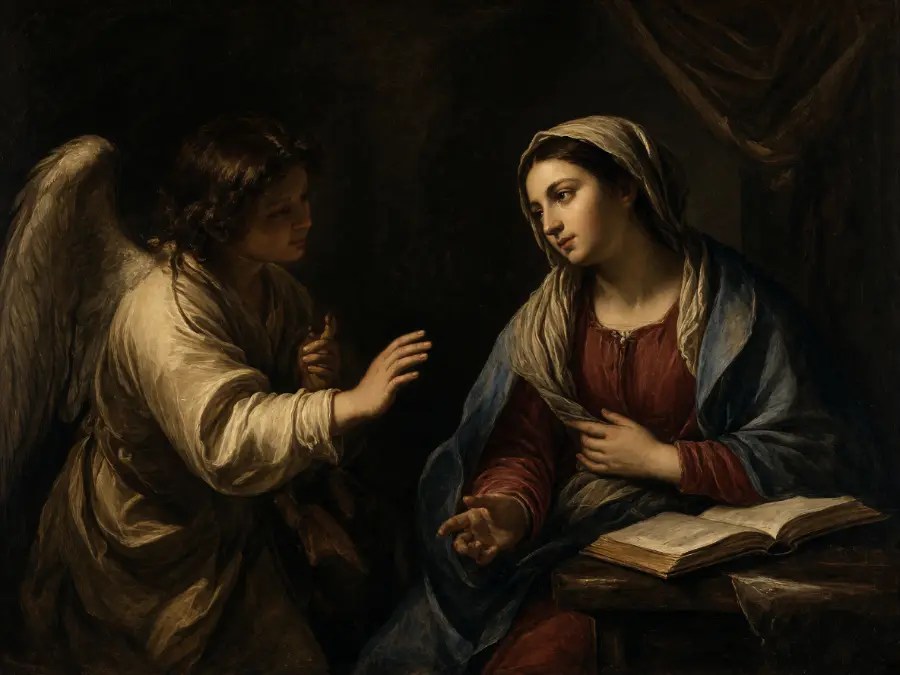
1 Peter 1:4
“to an inheritance that is imperishable, undefiled, and unfading, kept in heaven for you,”
Reflection: Peter describes the inheritance three ways, as imperishable, undefiled and unfading, and says it is “kept in heaven for you.” The next verse says the readers themselves are “being guarded through faith” by God’s power, so both the inheritance and its heirs are kept. The hope comes “through the resurrection of Jesus Christ from the dead” (1:3).
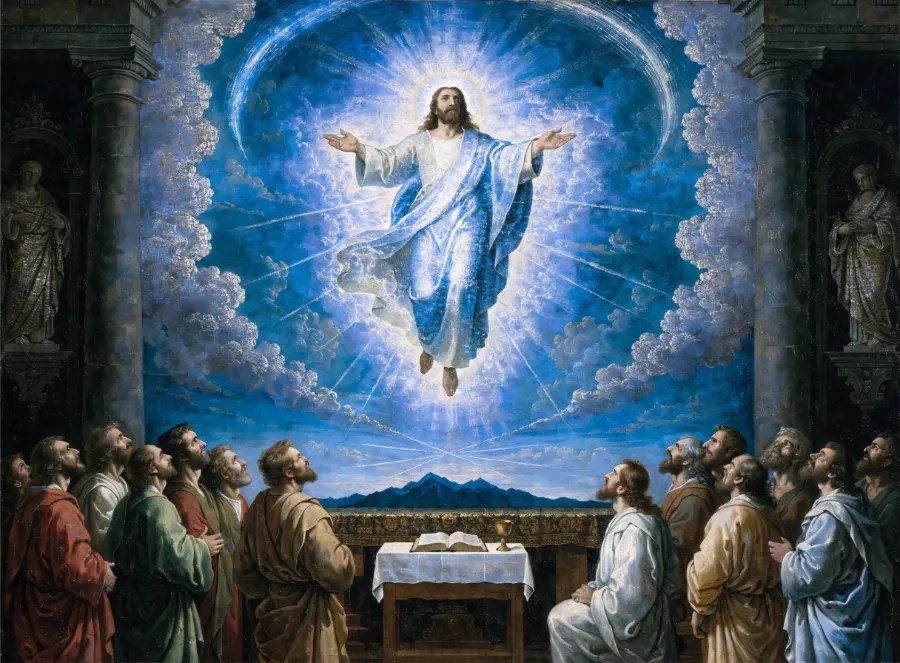
Hebrews 11:16
“But as it is, they desire a better country, that is, a heavenly one. Therefore God is not ashamed to be called their God, for he has prepared for them a city.”
Reflection: The chapter has been listing Abraham, Isaac, Jacob and others who “died in faith, not having received the things promised” and called themselves “strangers and exiles on the earth” (Hebrews 11:13). Abraham lived in tents because “he was looking forward to the city that has foundations, whose designer and builder is God” (11:10). Verse 16 says God has prepared that city for them.
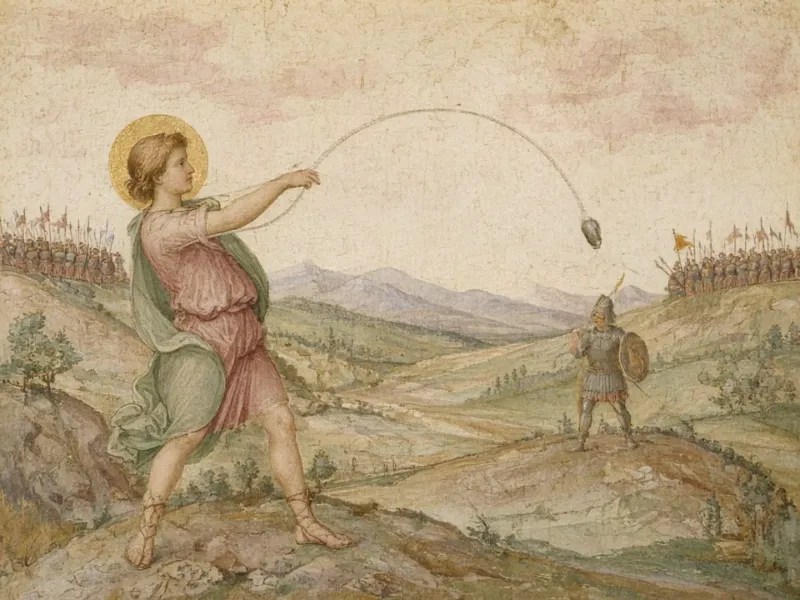
Matthew 25:34
“Then the King will say to those on his right, ‘Come, you who are blessed by my Father, inherit the kingdom prepared for you from the foundation of the world.’”
Reflection: Jesus describes the Son of Man on his throne, with all the nations gathered and separated like sheep from goats. The King gives his reason in the next verses: “I was hungry and you gave me food… I was sick and you visited me.” The righteous are surprised and ask when they did this, and he answers, “as you did it to one of the least of these my brothers, you did it to me” (25:40).
Resurrection and the life to come
1 Thessalonians 4:17
“And so we will always be with the Lord.”
Reflection: Paul writes about believers who have died so that the church in Thessalonica will “not grieve as others do who have no hope” (1 Thessalonians 4:13). The Lord descends from heaven, “the dead in Christ will rise first,” and those still alive are caught up with them to meet him. The next verse says what to do with this teaching: “encourage one another with these words.”

1 Corinthians 15:52-53
“in a moment, in the twinkling of an eye, at the last trumpet. For the trumpet will sound, and the dead will be raised imperishable, and we shall be changed. For this perishable body must put on the imperishable, and this mortal body must put on immortality.”
Reflection: Paul calls this “a mystery”: “We shall not all sleep, but we shall all be changed” (1 Corinthians 15:51). The dead and the living must both be changed because “flesh and blood cannot inherit the kingdom of God” (15:50), and both changes happen at the same trumpet. The change fulfills the saying “Death is swallowed up in victory” (15:54).
Philippians 3:20-21
“But our citizenship is in heaven, and from it we await a Savior, the Lord Jesus Christ, who will transform our lowly body to be like his glorious body, by the power that enables him even to subject all things to himself.”
Reflection: Paul sets this against people “with minds set on earthly things” (Philippians 3:19). Citizenship is in heaven, yet in this verse the movement is from heaven to earth: believers await a Savior who comes from there. When he comes he will transform their bodies to be like his own.
1 John 3:2
“Beloved, we are God’s children now, and what we will be has not yet appeared; but we know that when he appears we shall be like him, because we shall see him as he is.”
Reflection: John states what is already true, “we are God’s children now,” and what is not yet known, “what we will be has not yet appeared.” The one thing he says is known is that seeing Christ as he is will make believers like him. The next verse ties the hope to the present: “everyone who thus hopes in him purifies himself as he is pure.”
Psalm 16:11
“You make known to me the path of life; in your presence there is fullness of joy; at your right hand are pleasures forevermore.”
Reflection: David prays in the verse before, “you will not abandon my soul to Sheol, or let your holy one see corruption.” In Acts 2:25-31 Peter quotes the psalm and says David “foresaw and spoke about the resurrection of the Christ,” since David himself “died and was buried, and his tomb is with us to this day.” The joy in this verse is found “in your presence” and “at your right hand.”
A new heaven and a new earth

Isaiah 65:17
“For behold, I create new heavens and a new earth, and the former things shall not be remembered or come into mind.”
Reflection: God speaks through Isaiah, and the promise is set in a city: “I create Jerusalem to be a joy, and her people to be a gladness” (Isaiah 65:18). The verse after that adds, “no more shall be heard in it the sound of weeping and the cry of distress.” Revelation 21:4 uses the same phrase, “the former things.”
2 Peter 3:13
“But according to his promise we are waiting for new heavens and a new earth in which righteousness dwells.”
Reflection: Peter has just described the day of the Lord coming “like a thief,” when “the heavens will pass away with a roar” (2 Peter 3:10). He asks “what sort of people ought you to be” while waiting (3:11). What believers wait for is new heavens and a new earth, marked by righteousness, and Peter calls it God’s promise.
Romans 8:18
“For I consider that the sufferings of this present time are not worth comparing with the glory that is to be revealed to us.”
Reflection: The glory Paul expects reaches past people to the whole creation, which “will be set free from its bondage to corruption” (Romans 8:21). Creation and believers both groan as they wait, and what believers wait for is “the redemption of our bodies” (8:23).
Revelation 21:3
“And I heard a loud voice from the throne saying, ‘Behold, the dwelling place of God is with man. He will dwell with them, and they will be his people, and God himself will be with them as their God.’”
Reflection: John has just seen “a new heaven and a new earth” and the holy city, new Jerusalem, “coming down out of heaven from God” (Revelation 21:1-2). In this vision the city comes down to earth, and the voice from the throne says God’s dwelling is now with people.
Revelation 21:4
“He will wipe away every tear from their eyes, and death shall be no more, neither shall there be mourning, nor crying, nor pain anymore, for the former things have passed away.”
Reflection: The same voice continues, and the list of what ends is specific: tears, death, mourning, crying and pain. The one seated on the throne then says, “Behold, I am making all things new” (Revelation 21:5).
Revelation 22:5
“And night will be no more. They will need no light of lamp or sun, for the Lord God will be their light, and they will reign forever and ever.”
Reflection: The last vision of the city includes the river of the water of life and the tree of life, and says of God’s servants, “They will see his face” (Revelation 22:4). Revelation 21:23 has already said the city needs no sun or moon, “for the glory of God gives it light, and its lamp is the Lamb.”


Leave a Reply