
 Chinese
  English
  Dutch
Dutch  Arabic
  Spanish
  Portuguese
  Russian
  French
  Italian
  German
  Japanese
 “Behold, here is water. What is keeping me from being baptized?”
Acts 8:36
Baptism and First Steps
Six short Lessons for anyone preparing for a baptism, their own or a child’s: what baptism means, why Christians are baptized, what happens at the service, and what to do in the weeks after.
6 Lessons · About 80 minutes · Free
Who the course is for.
If you are preparing to be baptized.
Lessons 1 and 2 explain what baptism is and why Jesus commanded it, and Lesson 2 answers whether baptism still matters if you came to faith years ago and were never baptized. Lesson 4 walks through the service, and Lesson 6 covers the first weeks after it.
If you are a parent or godparent.
At a child’s baptism, the parents and godparents make promises out loud. Lesson 4 explains what those promises mean and what a godparent is asked to do. Lesson 3 sets out why some churches baptize babies and others wait until a child can profess faith.
If you were baptized long ago.
Lesson 1 explains what Christians believe happened in the water, and Lesson 3 answers whether someone baptized as a baby should be baptized again. Lesson 6 answers the question of what to do if you do not feel saved.
The six Lessons.
Each Lesson ends with a short practice and a prayer, and you can take them in any order.
01
What Baptism Is
What actually happens when a person is baptized?
Paul describes baptism as being buried with Christ and raised to a new life. Around the year 350, Cyril of Jerusalem told the people he had just baptized that the water was “at once your grave and your mother.”
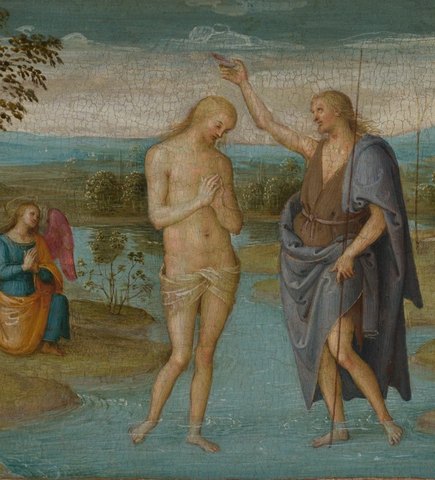
02
Why Christians Are Baptized
Why does the Christian life begin with water instead of a private decision?
Jesus went into the Jordan before anyone was baptized in his name. He then commanded baptism, and at Pentecost Peter told the crowd what it promised: the forgiveness of sins and the gift of the Holy Spirit.

03
One Baptism, Many Churches
If Christians disagree about babies, water, and meaning, what do they still share?
Churches agree on water and the name of the Father, the Son, and the Holy Spirit, and differ over who should be baptized, how, and what baptism does. The Lesson sets out each church’s case from its own documents, and explains christening and dedication.
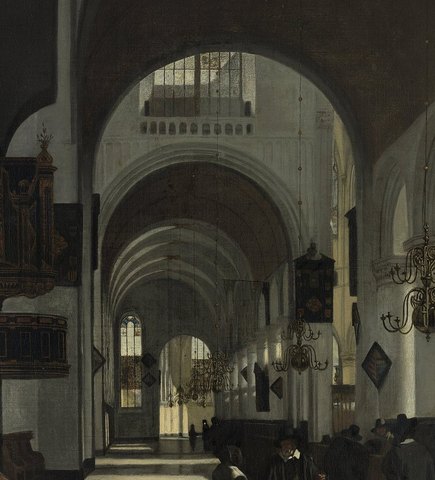
04
The Day Itself
What happens at a baptism, and what are parents and godparents promising?
In fourth-century Jerusalem, people renounced Satan facing west, then turned east to confess their faith, and churches still begin with that turning. The Lesson goes through the promises, the water, and the signs that follow, such as oil, a white garment, and a candle.
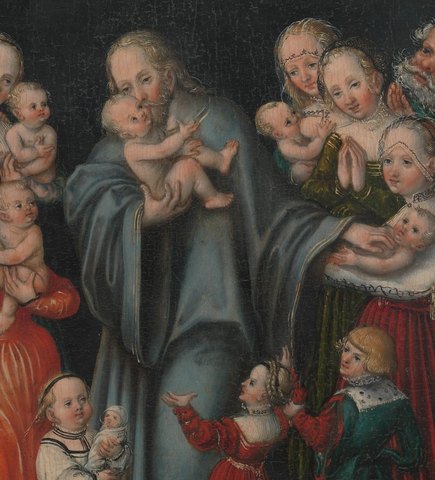
05
The Table That Follows
What is the Lord’s Supper, and why does it come after baptism?
Paul wrote down the words of the Lord’s Supper about twenty years after the crucifixion, and Justin Martyr described a Christian Sunday around the year 155. The Lesson explains why churches give the meal to the baptized, and what to ask before your first communion.
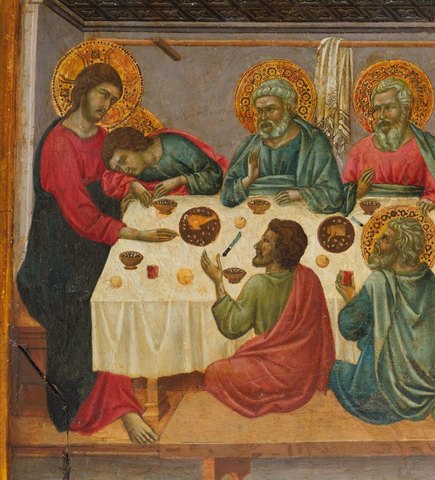
06
After the Water
What does a baptized life look like on an ordinary Tuesday, and what if you do not feel saved?
After Pentecost, the first Christians kept to the apostles’ teaching, fellowship, the breaking of bread, and prayer. The Lesson suggests five habits to start with, including praying morning and night and reading a chapter of Mark each day, and says what to do when faith feels thin.
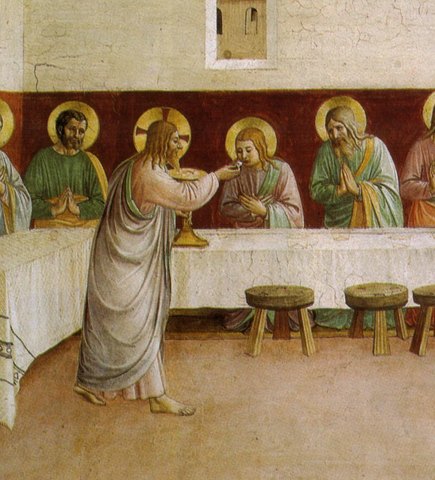
The opening of Lesson 1.
From Lesson 1, What Baptism Is
The oldest instructions we have for a baptism fit on an index card. A church manual called the Didache, written around the end of the first century, tells the reader to baptize “into the name of the Father, and of the Son, and of the Holy Spirit, in living water,” which means running water, a river or a spring. If there is none, use other water. If cold water cannot be had, warm will do. If there is not enough water for anything else, “pour out water thrice upon the head.”
Everything in that paragraph can bend except one thing. The water can be a river or a jug. It can be cold or warm, deep or a few handfuls. The name never changes.
The rest of Lesson 1 turns to Paul’s letter to the Romans and to Cyril of Jerusalem, takes up the question of whether baptism is only a symbol, and ends with a practice and a prayer.
Catholic, Orthodox, and Protestant.
All of them baptize with water in the name of the Father, the Son, and the Holy Spirit, and all teach that baptism joins a person to Christ and to his people.
They disagree about who should be baptized, how, and what baptism does. The course quotes six traditions from their own documents, listed here, and Lesson 3 suggests asking the church you belong to, or are joining, what it teaches and why.
Church documents quoted in the course
- CatholicCatechism of the Catholic Church
- OrthodoxThe Orthodox Faith, Orthodox Church in America
- LutheranLuther’s Small and Large Catechisms
- AnglicanThe Book of Common Prayer
- Reformed and PresbyterianWestminster Confession of Faith
- BaptistSecond London Baptist Confession
Where the teaching comes from.
Bible passages are quoted from the World English Bible, and every other quotation links to its source at the end of the Lesson. Among the writers you will read:
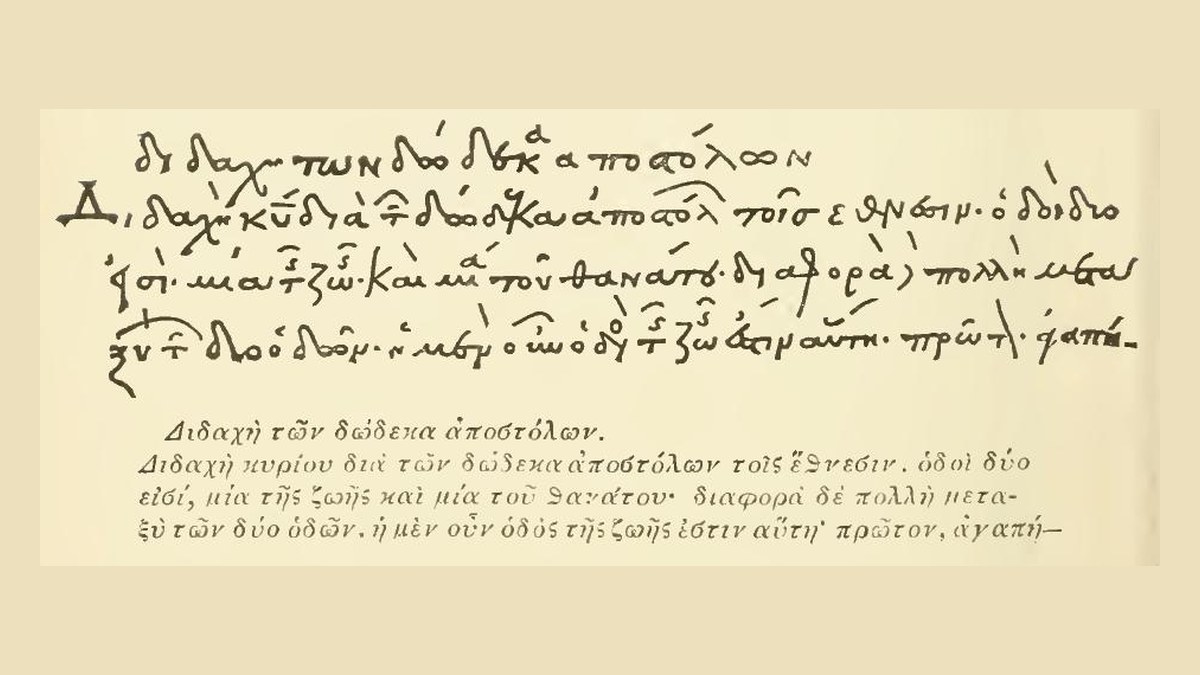
The oldest instructions we have for a baptism, written around the end of the first century.

Bishop of Jerusalem around 350, who described the night of baptism to the people he had just baptized.

The German reformer, who told Christians troubled by sin and conscience to say, “Nevertheless I am baptized.”
Questions and answers.
Does it cost anything?
No. The course is free, and you won’t be asked for a card. Christian Pure is a nonprofit.
Why do I need an account?
The account remembers which Lessons you have finished, on any device. It asks for your first name, an email address, and a password.
What emails will I get?
Four emails about the course over nine days, and our Sunday Letter each week, with a short letter, a prayer, and a few good things to read. Every email has an unsubscribe link.
What happens to my email address?
We use it to send those emails. Kit, the company that sends them for us, stores it, and our privacy policy explains the rest.
Does this replace my church’s preparation?
No. Your church does the baptizing and decides how it is done. The course helps you talk with them: Lesson 2 ends by asking you to name the pastor or priest you will speak to, and Lesson 4 by asking you to mark the promise you find hardest to say and bring it to them as a question.
I was baptized as a baby. Should I be baptized again?
That depends on your church. Catholic, Orthodox, Lutheran, Anglican, Reformed, and Methodist churches accept a baptism done with water in the name of the Father, the Son, and the Holy Spirit, and will not repeat it. A Baptist or Pentecostal church will most likely ask you to be baptized as a believer. Lesson 3 gives both sides’ reasons.
What if I am not sure what I believe?
The Lessons explain what churches teach and why, and you can read them while you make up your mind. If you are a parent and unsure about the promises you will be asked to make, Lesson 4 advises telling the minister before the day, because no pastor or priest wants anyone to say words they cannot mean.
How long does it take?
About 80 minutes in all, in six Lessons of twelve to fifteen minutes each. You can read them in one sitting or one a day.

Baptism and First Steps
“The promise is to you and to your children, and to all who are far off.” Peter said this at Pentecost to the crowd asking what they should do, and about three thousand people were baptized that day.

