 English
  Chinese
  Dutch
Dutch  Arabic
  Spanish
  Portuguese
  Russian
  French
  Italian
  German
  Japanese
 “Come and see.”
John 1:46
Christianity: What Christians Have Believed for 2,000 Years
Eighteen short lessons on what Christians believe and why: the story the Bible tells, the life, death and resurrection of Jesus, the creeds, worship, the Christian life, and the hope of the life to come.
6 parts · 18 lessons · Free
Who the course is for.
If you are curious about Christianity.
Parts 1 and 2 cover creation, the fall and Israel’s hope, then Jesus in his own time and place, his cross and his resurrection. Every lesson also takes up a hard question, such as whether belief in creation means rejecting evolution, or whether grief or legend could explain the resurrection stories.
If you are a Christian who wants the foundations.
Part 3 explains the Trinity, why the church confessed Jesus as truly God and truly human, and why Christians say the creed. Part 4 covers how the Bible came together, baptism and the Lord’s Supper, and worship.
If you are coming back to faith, or starting.
Part 5 covers grace and salvation, the commandments and the Beatitudes, and repentance and forgiveness. The last lesson suggests a four-week beginning in prayer, Scripture and church, without pretending to be certain or rushing to join a church.
The six parts.
Each lesson opens with a question, reads a passage of Scripture, looks at a painting or object from church history, answers a hard question, and ends with a practice. You can take the lessons in any order.
01
The Christian Story
A World Made and Loved · What Went Wrong · Promise, Covenant, and Israel’s Hope
Creation, human rupture, covenant, and Israel’s hope form the long story in which Christians understand Jesus.

02
Jesus Christ
Jesus in Judea and the Kingdom He Announced · The Cross · Resurrection and Christian Hope
The world of Jesus, the kingdom he announced, the cross, and the resurrection that stands at the center of Christian faith.

03
The Faith Christians Confess
One God: Father, Son, and Holy Spirit · Truly God and Truly Human · Why Christians Say the Creed
The one God, Father, Son, and Holy Spirit; the person of Christ; and the creeds that preserve the church’s common confession.
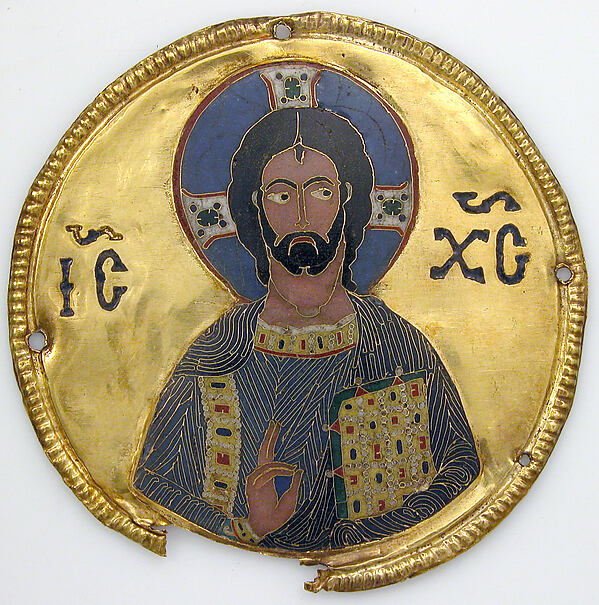
04
Scripture, Church, and Worship
How the Bible Became a Library · Baptism and the Lord’s Supper · Worship Across Christian Traditions
How the Bible became a library, how baptism and the Lord’s Supper form Christian belonging, and what worship holds in common across traditions.

05
The Christian Life
Grace, Faith, and Salvation · The Commandments, Beatitudes, and Love of Neighbor · Sin, Repentance, and Forgiveness
Grace, salvation, moral formation, repentance, forgiveness, vocation, justice, and mercy in ordinary life.
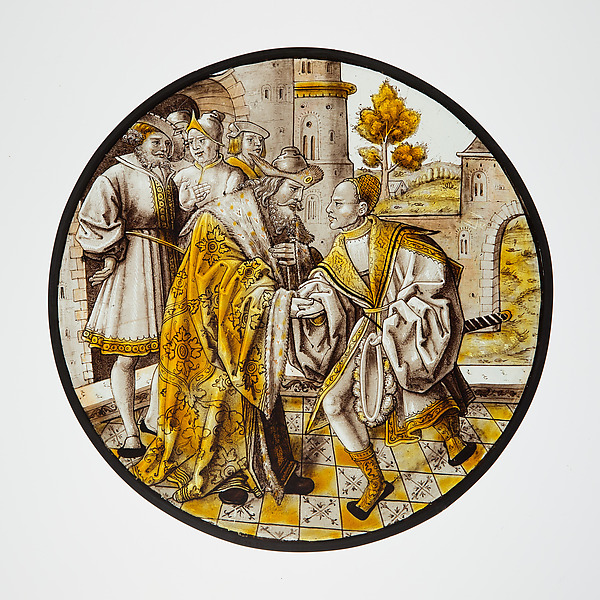
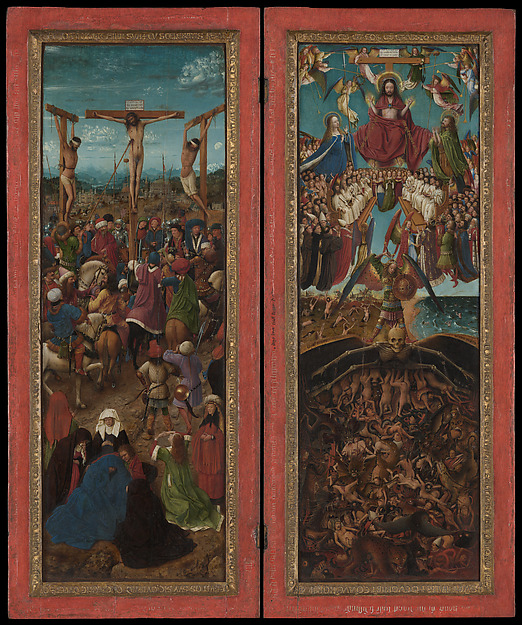
06
Death, Resurrection, and the Life to Come
Suffering, Lament, and the Presence of God · Death, Judgment, Resurrection, and New Creation · Beginning a Life of Faith
Lament, suffering, judgment, bodily resurrection, renewed creation, and a modest way to begin living the faith.
The opening of Lesson 1.
From Lesson 1, A World Made and Loved
Genesis opens without an argument for God. It opens with God at work. Light, water, land, plants, creatures, and human beings appear within an ordered gift. The repeated word is “good.” Before Scripture speaks of human failure, it says that existence itself is willed and welcomed.
That claim changes the posture of faith. Matter is not a prison from which souls must escape. Bodies, meals, work, rest, soil, animals, and human companionship belong to the world God loves. Christians may misuse creation, but they cannot call contempt for it holiness.
The rest of the lesson reads Genesis 1:26–31, looks at Giovanni di Paolo’s painted cosmos of 1445, asks whether belief in creation requires rejecting evolution or modern cosmology, and ends with a practice: receive one creature without using it.
What Christians share, and where they differ.
The course sets out what Christians have held in common for two thousand years. Where Catholic, Orthodox and Protestant churches differ, as they do on salvation, on which books belong in the Old Testament, and on worship, the lessons say so and explain each view.
What you will understand and practice
- Meet Jesus in his first-century setting and the earliest Christian confession.
- Understand what Christians mean by the Trinity.
- Practice prayer and read a biblical passage with care.
- Examine the historical case Christians make for the resurrection.
- Leave with a small, repeatable rhythm for ordinary faith.
Where the teaching comes from.
Bible passages are quoted from the World English Bible, and every lesson ends with its sources and further reading. Among the paintings you will study:
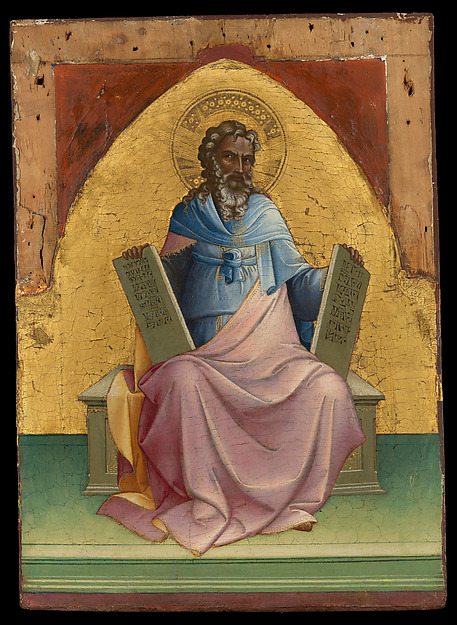
Lorenzo Monaco, about 1408–10, in the lessons on the covenant and the commandments.
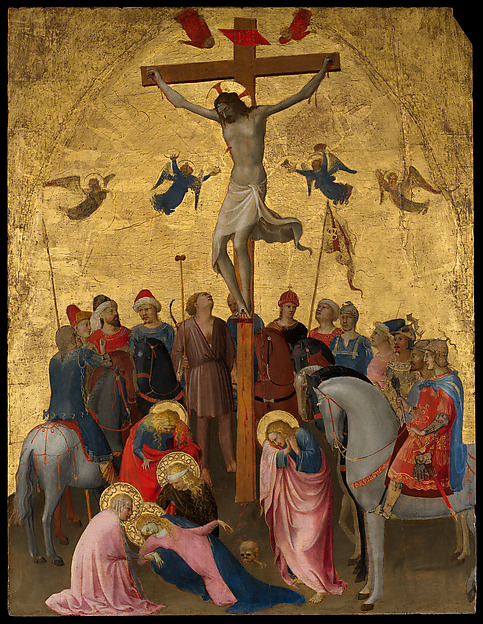
Fra Angelico, about 1420–23, in the lessons on the cross and on suffering.
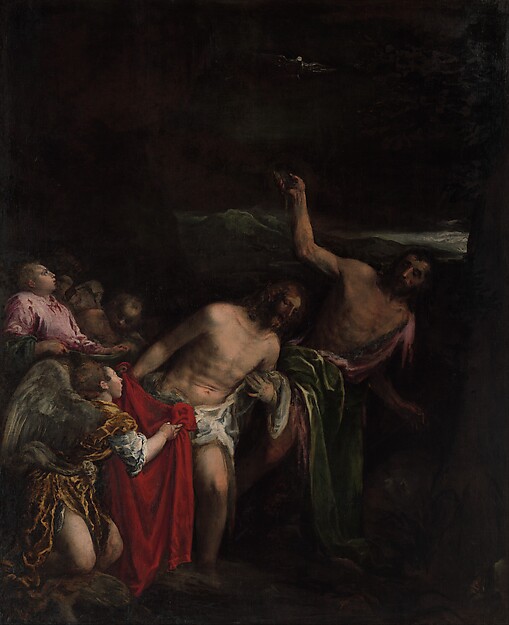
Jacopo Bassano, about 1590, in the lessons on baptism and on beginning a life of faith.
Questions and answers.
Does it cost anything?
No. The course is free, and you won’t be asked for a card. Christian Pure is a nonprofit.
Why do I need an account?
The account remembers which lessons you have finished, on any device. It asks for your first name, an email address, and a password.
What emails will I get?
A welcome email when you sign up, then our Sunday Letter each week, with a short letter, a prayer, and a few good things to read. Every email has an unsubscribe link.
What happens to my email address?
We use it to send those emails. Kit, the company that sends them for us, stores it, and our privacy policy explains the rest.
Do I have to be a Christian?
No. The lessons explain what Christians believe and the reasons they give, and each one answers an objection, such as why anyone should join a church when churches are divided, hypocritical, or harmful.
Which church is it written from?
None in particular. It sets out what Catholic, Orthodox and Protestant churches share, and where they differ it explains each view. The last lesson lists what to look for in a church, such as clear safeguarding and how reports of harm are handled.
Do I have to take the lessons in order?
No. You can open any lesson first, and the course remembers which ones you have finished.
How long does it take?
Each lesson takes four to eight minutes to read, about an hour and a half for all eighteen, and each ends with a practice.

Christianity: What Christians Have Believed for 2,000 Years
Nathanael asked, “Can any good thing come out of Nazareth?” Philip said to him, “Come and see.” (John 1:46)

