
 English
  Chinese
  Dutch
Dutch  Arabic
  Spanish
  Portuguese
  Russian
  French
  Italian
  German
  Japanese
What do Adam and Eve represent in the creation story?
In the beautiful account of Genesis, Adam and Eve stand as archetypes of humanity itself. Their names in Hebrew are rich with meaning – Adam (אָ×”ָם) derived from “adamah” (א×”מה), meaning “ground” or “earth,” and Eve (חַוָּה Chavah) meaning “life” or “living one.” In this linguistic symbolism, we see humanity’s dual nature – formed from the earth yet breathed into life by the divine.
I invite us to consider Adam and Eve as representations of the human psyche in its primordial state. They embody the innocence and potential of humanity before the complexities of moral choice and self-awareness fully emerge. Their story is, in many ways, the story of human consciousness awakening to itself and its place in the cosmos.
Historically, we must understand that the ancient Israelites, in crafting this narrative, were addressing fundamental questions about human nature and our relationship with the divine. Adam and Eve represent humanity’s original state of harmony with God and nature, as well as our subsequent alienation through disobedience. The story of the fall of man in the Garden of Eden contains deep symbolism and is open to interpretation, giving rise to many bible mysteries. It is a cautionary tale about the consequences of disobedience and the loss of innocence. The narrative also speaks to the human experience of temptation and the struggle for redemption.
In the broader context of Near Eastern creation myths, the story of Adam and Eve is unique in presenting humans not as afterthoughts or servants of the gods, but as the pinnacle of creation, made in the divine image. This elevates the status of humanity while simultaneously emphasizing our responsibility as stewards of creation.
Adam and Eve symbolize the unity of humankind. As our common ancestors in faith, they remind us of the fundamental equality and dignity of all people, regardless of race, ethnicity, or national origin. In a world often divided, this symbol of human unity is more crucial than ever.
The fall of Adam and Eve also represents the universal human experience of moral choice and its consequences. Their disobedience symbolizes humanity’s tendency to assert our will against divine wisdom, a tendency we all grapple with in our spiritual journeys.
Yet, even in their fall, Adam and Eve represent hope. God’s response to their disobedience is not final condemnation, but a promise of eventual redemption. This foreshadows the entire arc of salvation history, pointing towards the ultimate reconciliation offered in Christ.
How do Adam and Eve symbolize humanity’s relationship with God?
At the heart of this symbolism is the concept of imago Dei – that humanity is created in the image and likeness of God. This fundamental truth, expressed in Genesis 1:27, sets the stage for understanding the unique relationship between God and humankind. Adam and Eve, as the first humans, represent this divine image-bearing nature that is inherent in all of us.
In the Garden of Eden, we see Adam and Eve in perfect communion with God. This symbolizes humanity’s original state of grace, where our relationship with the Divine was unmarred by sin or separation. I invite us to consider this as a representation of the deepest longing of the human heart – to be in perfect union with our Creator, a longing that St. Augustine beautifully expressed when he said, “Our hearts are restless until they rest in You.”
The act of God breathing life into Adam (Genesis 2:7) symbolizes the intimate and personal nature of our relationship with the Divine. It speaks to the reality that our very existence is a gift from God, and that we are sustained by His ongoing presence in our lives. This breath of life can be seen as a symbol of the human soul, that spark of the divine within each of us.
But the story of Adam and Eve also symbolizes the tension in our relationship with God. The commandment not to eat from the tree of knowledge represents divine boundaries and the reality of human free will. God desires a relationship with us, but one based on love and free choice, not coercion.
The fall, precipitated by the serpent’s temptation, symbolizes the human tendency to assert our will against divine wisdom. It represents the rupture in our relationship with God that occurs when we choose our own way over God’s way. Yet, even in this moment of disobedience, we see God’s loving pursuit of humanity. The question “Where are you?” (Genesis 3:9) is not one of ignorance, but of invitation – God seeking to restore the broken relationship.
The consequences of the fall – shame, blame, and expulsion from the Garden – symbolize the various ways our relationship with God can be strained by sin. The coverings Adam and Eve make for themselves represent human attempts to hide from God and from our own vulnerability, a psychological defense we often employ in our spiritual lives.
Yet, even in pronouncing judgment, God provides hope. The protoevangelium – the first announcement of the Gospel in Genesis 3:15 – symbolizes God’s unwavering commitment to reconciliation. This points to the heart of our faith: that God’s love for humanity is stronger than our disobedience, and that He continually seeks to restore our relationship with Him.
What does the Garden of Eden symbolize?
Primarily, the Garden of Eden symbolizes the ideal state of creation as God intended it. It represents a world in perfect harmony, where the relationship between God, humanity, and nature exists in beautiful balance. I invite us to consider Eden as a symbol of the deepest longings of the human heart – for peace, for belonging, for purpose, and for intimate communion with our Creator.
Historically, we must understand that the concept of a primordial paradise is not unique to the Judeo-Christian tradition. Many ancient cultures had similar myths of a golden age or a perfect beginning. But the biblical account is unique in its emphasis on the relational aspect of this paradise – it is not just a place of abundance, but a place of intimate fellowship with God.
The four rivers mentioned in Genesis 2:10-14 that flow from Eden symbolize the life-giving nature of this paradise. Water, essential for life, represents God’s provision and the fecundity of creation. These rivers, reaching to the four corners of the earth, also symbolize the universal scope of God’s blessings intended for all of humanity.
The trees in the Garden, particularly the Tree of Life and the Tree of Knowledge of Good and Evil, are rich in symbolism. The Tree of Life represents immortality and ongoing communion with God. The Tree of Knowledge, while often seen negatively, can be understood as representing moral autonomy and the weighty responsibility of human free will.
Eden also symbolizes the concept of sacred space in many religious traditions. It is a sanctuary, a meeting place between the divine and the human. The idea that God walked in the Garden in the cool of the day (Genesis 3:8) beautifully captures this sense of divine presence and accessibility.
Psychologically Eden can be seen as a symbol of the human unconscious in its state of primal innocence. The expulsion from Eden might represent the emergence of self-consciousness and the psychological separation from a state of undifferentiated bliss that occurs as we mature.
The Garden also symbolizes humanity’s role as stewards of creation. Adam is placed in the Garden to “work it and take care of it” (Genesis 2:15), highlighting our responsibility to care for the earth. This aspect of the symbolism has powerful implications for our contemporary understanding of environmental stewardship.
The Garden of Eden serves as a powerful symbol of hope. Throughout scripture, there are echoes of Eden, promises of restoration and return to this state of harmony. The prophetic visions of a renewed creation and the New Jerusalem in Revelation draw on this Edenic imagery, pointing to God’s ultimate plan for reconciliation and renewal.
What is the symbolic meaning of the forbidden fruit?
The Bible does not specify the exact nature of this fruit. While popular imagination often depicts it as an apple, this is not stated in scripture. This ambiguity allows us to focus on its symbolic meaning rather than its literal identity. One interpretation of the fruit is that it represents the knowledge of good and evil that Adam and Eve gained when they disobeyed God. Another interpretation is that the fruit symbolizes the choice between obedience and rebellion. Regardless of the specific fruit, the biblical interpretation of Adam and Eve‘s actions and their consequences remains a central theme in Christian theology and storytelling.
The forbidden fruit, at its core, symbolizes the moral choice presented to humanity. It represents the reality of human free will and the responsibility that comes with it. God’s commandment not to eat from the tree of knowledge of good and evil (Genesis 2:17) establishes a boundary, symbolizing divine law and the moral order of creation.
Psychologically we might view the forbidden fruit as representing the allure of that which is prohibited. It symbolizes temptation – the human tendency to desire what is forbidden simply because it is forbidden. This aspect of the symbol speaks to the complex nature of human desire and the psychological tension between obedience and rebellion.
The fruit’s association with knowledge of good and evil is particularly major. It symbolizes moral awareness and the burden of ethical decision-making. In choosing to eat the fruit, Adam and Eve symbolically take upon themselves the weighty responsibility of moral discernment. I invite us to consider how this mirrors the human developmental journey from the innocence of childhood to the moral complexity of adulthood.
The forbidden fruit symbolizes the human desire for autonomy and self-determination. The serpent’s temptation, “you will be like God, knowing good and evil” (Genesis 3:5), speaks to the human aspiration for godlike knowledge and power. This can be seen as representing the human struggle with pride and the temptation to place our own judgment above divine wisdom.
The act of eating the forbidden fruit symbolizes humanity’s choice to define good and evil for ourselves, rather than trusting in God’s definition. It represents the human tendency to doubt God’s goodness and to seek fulfillment apart from Him. In this sense, it symbolizes the essence of sin – not just disobedience, but a fundamental mistrust in God’s love and provision.
The consequences of eating the fruit – shame, blame, and expulsion from Eden – symbolize the various ways sin impacts our relationships with God, with each other, and with creation. The immediate recognition of nakedness (Genesis 3:7) symbolizes a new self-consciousness and vulnerability that comes with moral awareness.
Yet, even in this act of disobedience, we see God’s mercy. The fact that Adam and Eve do not immediately die, as warned, when they eat the fruit (Genesis 2:17) symbolizes God’s grace and His desire for reconciliation rather than destruction. As is often the case with bible mysteries, this act of disobedience sets the stage for the unfolding of God’s redemptive plan for humanity. The consequences of Adam and Eve’s disobedience ultimately lead to the need for a Savior, foreshadowing the coming of Jesus Christ. This story serves as a reminder of the depth of God’s love and his unwavering commitment to restoring the relationship between Himself and His creation.
How do Adam and Eve represent male and female roles?
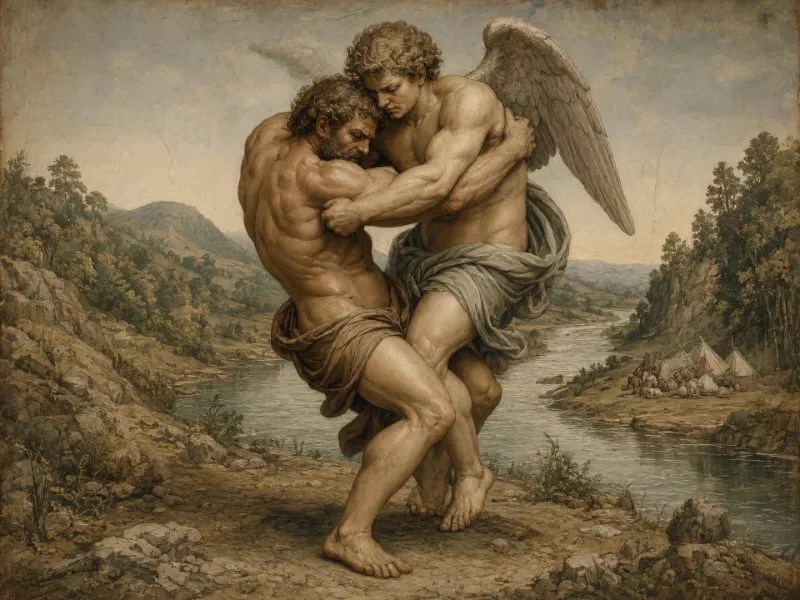
It’s crucial to recognize that both Adam and Eve are created in the image of God (Genesis 1:27). This fundamental equality before God is the bedrock of their relationship and should be the foundation of our understanding of gender roles. I invite us to consider how this divine image-bearing nature speaks to the inherent dignity and worth of both men and women.
The creation of Eve from Adam’s rib (Genesis 2:21-22) has often been interpreted as symbolizing the complementary nature of male and female. The Hebrew word for “rib” (צֵלָע – tsela) can also mean “side,” suggesting that Eve was taken from Adam’s side to be his partner, neither above nor below him. This symbolism points to a relationship of equality and mutual support.
Adam’s exclamation, “This is now bone of my bones and flesh of my flesh” (Genesis 2:23), symbolizes the powerful unity and intimacy intended in the male-female relationship. It speaks to a partnership that is both physical and spiritual, emphasizing companionship and mutual understanding.
The command to “be fruitful and multiply” (Genesis 1:28) given to both Adam and Eve symbolizes shared responsibility in procreation and nurturing of children. This joint mandate challenges simplistic divisions of roles into “breadwinner” and “homemaker,” suggesting instead a collaborative approach to family life.
But we must also honestly address the passages that have been historically interpreted as establishing gender hierarchy. The creation of Adam and Eve as a “helper suitable for him” (Genesis 2:18), has often been seen as justifying male leadership. Yet, the Hebrew word for helper (עֵזֶר – ezer) is also used to describe God in relation to Israel, suggesting strength and essential support rather than subordination.
The consequences pronounced after the fall (Genesis 3:16-19) have also been interpreted as defining gender roles. Eve’s pain in childbirth and Adam’s toil in work have sometimes been seen as divinely ordained spheres of influence. But we must be cautious about extrapolating universal principles from what is described as a consequence of sin.
I must note that interpretations of Adam and Eve’s roles have often reflected and reinforced the cultural norms of their times. We must be mindful of how our own cultural lenses might influence our reading of these texts. For example, some interpretations have portrayed Eve as the instigator of sin, reinforcing traditional gender stereotypes about women’s temptations. Similarly, Adam has been depicted as the dominant figure, reflecting patriarchal values. It is important to consider the language spoken by Adam and Eve, as it may shed light on their cultural context and the power dynamics at play in their relationship.
In our contemporary context, I believe we are called to look beyond rigid role definitions to the underlying principles of mutual love, respect, and support that the story of Adam and Eve embodies. Their relationship before the fall symbolizes an ideal of partnership and shared responsibility that we can strive towards in our families and communities.
We must remember that Christ, the new Adam, and Mary, the new Eve, offer us a renewed vision of male-female relationships. In Christ, as St. Paul reminds us, “There is neither Jew nor Gentile, neither slave nor free, nor is there male and female, for you are all one in Christ Jesus” (Galatians 3:28).
What does the serpent symbolize in the Adam and Eve story?
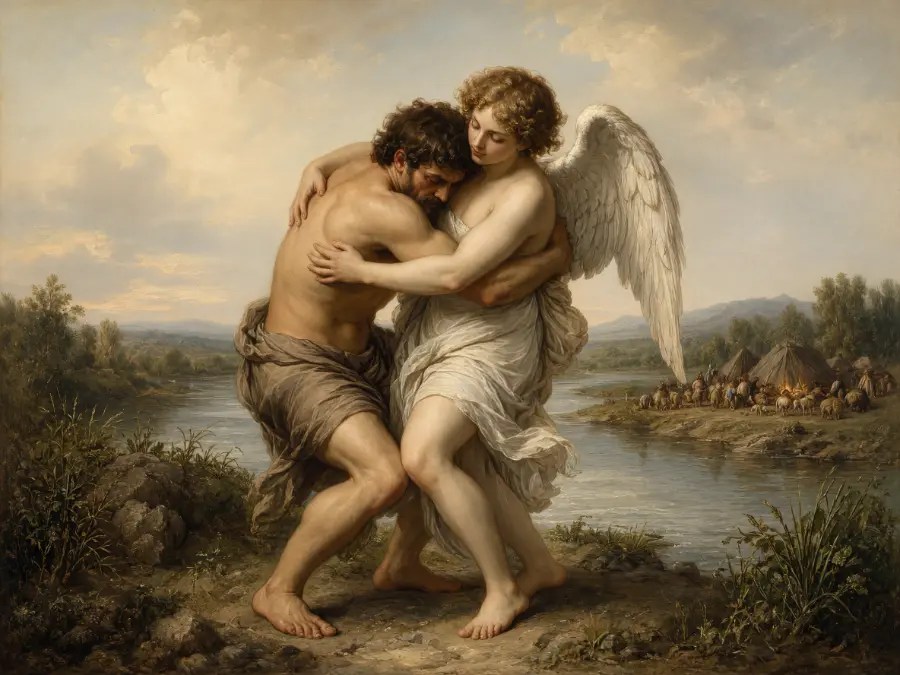
In the biblical account, the serpent is introduced as “more crafty than any of the wild animals the Lord God had made” (Genesis 3:1). This craftiness, symbolizes temptation in its most subtle and alluring form. I have noticed that the serpent represents those inner voices that whisper to us, challenging our convictions and enticing us to stray from the path of righteousness.
Historically, the symbolism of the serpent has deep roots in ancient Near Eastern cultures. In many pre-Christian traditions, serpents were associated with wisdom, fertility, and even immortality. This background enriches our understanding of why the biblical author chose the serpent as the vehicle of temptation – it embodies a paradoxical blend of wisdom and danger.
The Early Church Fathers, in their powerful reflections, often identified the serpent with Satan, the adversary of God and humanity. Saint Augustine, for instance, saw in the serpent the personification of pride and rebellion against divine order. This interpretation has had a lasting impact on Christian theology, shaping our understanding of the nature of evil and temptation (Chakraborty, 2017, pp. 156–165).
Yet, we must also consider the serpent as a symbol of the internal struggle within each human heart. I see in this figure the representation of our own capacity for self-deception. The serpent’s words to Eve – “You will not die” (Genesis 3:4) – echo the rationalizations we often make when faced with moral choices.
The serpent’s role in the narrative symbolizes the disruption of harmony between humanity and nature. Before the encounter with the serpent, Adam and Eve lived in perfect accord with their environment. The introduction of the serpent’s temptation marks a fracture in this relationship, reflecting the complex and often troubled interaction between humans and the natural world.
In our modern context, we might see the serpent as symbolizing those aspects of our consumer culture that constantly tempt us to desire more, to question the boundaries set for our well-being, and to prioritize immediate gratification over long-term flourishing (Honeyman, 2007, pp. 195–215).
How do Adam and Eve symbolize free will and moral choice?
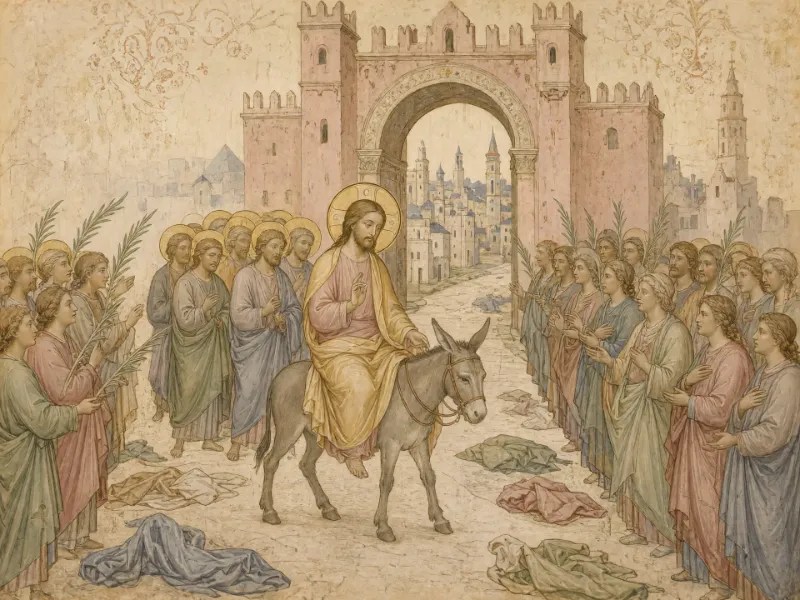
In the Garden of Eden, we see Adam and Eve presented with a fundamental choice: to obey God’s command or to exercise their own will in defiance of it. This, is the very heart of free will – the capacity to choose, even when that choice may lead us away from God’s perfect plan. I see in this narrative a powerful metaphor for the human condition, where we are constantly faced with decisions that shape our moral character.
The tree of knowledge of good and evil stands as a symbol of moral discernment. By placing this tree in the garden and instructing Adam and Eve not to eat from it, God creates the conditions for genuine free will. Without the possibility of disobedience, there can be no true obedience, no real love. This divine act demonstrates God’s desire for a relationship with humanity based on freedom rather than coercion (Jhunjhunwala, 2022).
Historically, this understanding of Adam and Eve as symbols of free will has profoundly influenced Western thought. From Augustine to Aquinas, theologians have grappled with the implications of this primordial choice. The concept of liberum arbitrium, or free choice, became central to Christian anthropology, shaping our understanding of human dignity and responsibility.
When Adam and Eve choose to eat the forbidden fruit, they exercise their free will in a way that fundamentally alters their relationship with God, with each other, and with creation. This act symbolizes the human tendency to assert our autonomy, even at the cost of harmony and communion. I note how this theme resonates through human history, from ancient myths to modern philosophical debates about the nature of freedom.
Yet, we must remember that even in this act of disobedience, Adam and Eve’s free will remains a gift from God. Their choice, while bringing consequences, does not negate their fundamental dignity as bearers of God’s image. Instead, it sets the stage for the great drama of redemption, where human free will and divine grace interplay in the mystery of salvation.
In our modern context, the symbolism of Adam and Eve continues to challenge us. In a world that often equates freedom with unbounded self-expression, their story reminds us that true freedom is found in relationship – with God, with others, and with our true selves. It invites us to see our moral choices not as arbitrary expressions of will, but as responses to the love that created us.
As we face our own “gardens of decision” each day, let us remember the lesson of Adam and Eve. Our free will is a precious gift, one that allows us to participate in God’s creative and redemptive work. May we use this gift wisely, choosing love over selfishness, communion over isolation, and the way of Christ over the temptations that surround us.
In this way, we honor the powerful symbolism of Adam and Eve, not merely as figures of a distant past, but as mirrors of our own daily struggle to choose the good, the true, and the beautiful in a world full of competing voices and values.
What did the early Church Fathers teach about the symbolism of Adam and Eve?
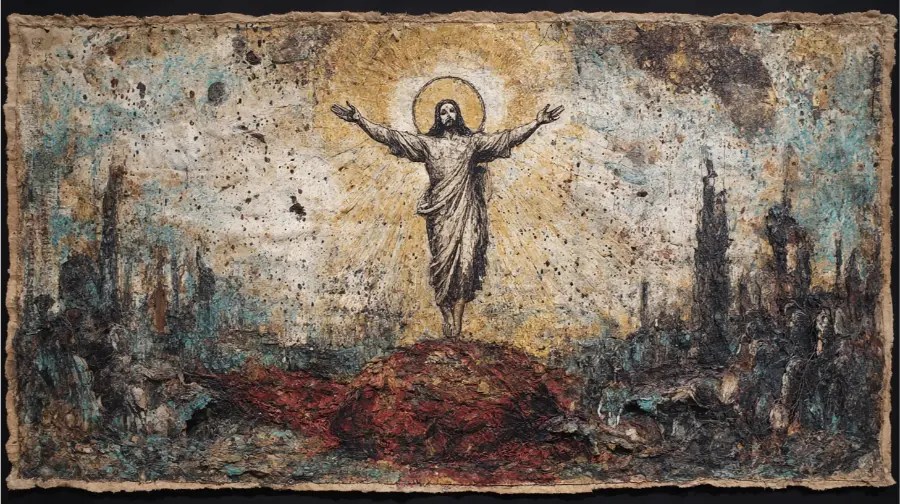
The Fathers of the Church saw in Adam and Eve not merely historical figures, but powerful symbols of the human condition and our relationship with God. Saint Irenaeus, that great defender of the faith, viewed Adam and Eve as representatives of all humanity. In his theology, their story was not just about a fall from grace, but about the education of humanity. He saw the Garden of Eden as a nursery where the first humans, like children, were to grow in wisdom and virtue (Anderson, 1989, pp. 121–148).
Origen, with his allegorical approach to Scripture, interpreted the nakedness of Adam and Eve as a symbol of the soul’s original purity and simplicity before God. Their clothing themselves after the fall represented, for him, the layers of complexity and confusion that sin introduces into our lives. I find in this a powerful metaphor for the ways in which our transgressions can obscure our true selves and complicate our relationships.
Saint Augustine, whose influence on Western Christianity can scarcely be overstated, saw in Adam and Eve a prefiguration of Christ and the Church. For Augustine, Adam’s sleep and the creation of Eve from his side symbolized the death of Christ and the birth of the Church from his wounded side. This typological interpretation beautifully links the creation narrative with the story of redemption, showing the unity of God’s plan throughout salvation history (Chakraborty, 2017, pp. 156–165).
Many of the Fathers, including John Chrysostom, emphasized the equality and complementarity of Adam and Eve before the fall. They saw in their original state a model of harmony between the sexes, which sin disrupted but which grace seeks to restore. This teaching reminds us of the fundamental dignity of both men and women as bearers of the divine image (Mavropoulos, 2023).
The Fathers also reflected deeply on the symbolism of the forbidden fruit. Clement of Alexandria, for instance, saw it as representing premature knowledge – not evil in itself, but inappropriate for humanity in its spiritual infancy. This interpretation invites us to consider the importance of spiritual maturity and readiness in our own lives.
It is crucial to note, that the Fathers did not always agree in their interpretations. Their diverse perspectives remind us of the richness and complexity of our tradition. Some, like Tertullian, took a more literal approach to the Genesis account, while others, like Gregory of Nyssa, saw it as deeply allegorical.
I have noticed that these patristic interpretations were not developed in isolation. They were forged in dialogue with – and often in opposition to – various philosophical and heretical movements of their time. The Gnostics, for example, often interpreted the serpent positively as a bringer of liberating knowledge, a view the Fathers vigorously opposed.
In all these teachings, we see a common thread: the story of Adam and Eve is not merely about the distant past, but about our present reality and future hope. The Fathers saw in this narrative the entire sweep of salvation history – from creation, through fall, to redemption and ultimate restoration in Christ. The story of Adam and Eve also contains within it the mystery of human reproduction, which the Fathers of the Church saw as a reflection of the ongoing work of God in bringing forth new life and restoring the original harmony of creation. They saw in Adam and Eve a foreshadowing of the ultimate restoration of all things in Christ, when all of creation will be brought back into perfect unity with its Creator. This perspective on the Adam and Eve reproductive mystery provides a profound and hopeful insight into the Christian understanding of the human person and our place in God’s plan for the world. They saw in the story of Adam and Eve a foreshadowing of the coming of Christ, who would undo the effects of the fall and bring about a new creation. This interpretation of the biblical narrative reveals the deep and profound bible mysteries that continue to unfold as we seek to understand God’s plan for humanity. The story of Adam and Eve is just one example of the countless bible mysteries that can be uncovered through diligent study and reflection.
How does the symbolism of Adam and Eve relate to Jesus and salvation?
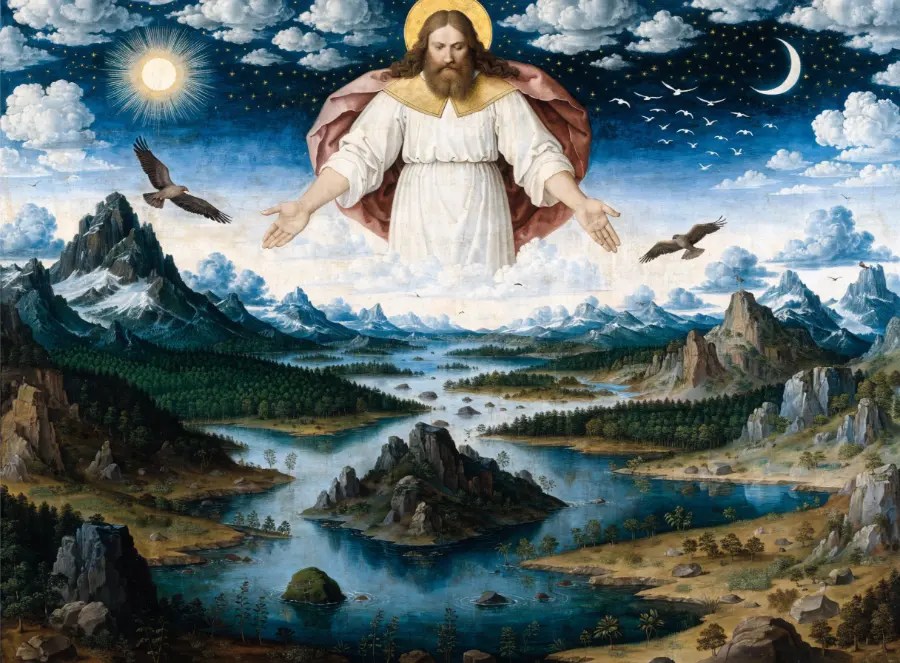
In the story of Adam and Eve, we see not only the origins of human sin but also the first glimmers of God’s redemptive purpose. The Early Church Fathers, in their wisdom, recognized Christ as the “New Adam” and Mary as the “New Eve.” This typological interpretation illuminates the cosmic scope of Christ’s saving work (Chakraborty, 2017, pp. 156–165).
I am struck by how this understanding developed in the early centuries of Christianity. Saint Paul, in his letter to the Romans, draws a direct parallel between Adam and Christ: “For just as through the disobedience of the one man the many were made sinners, so also through the obedience of the one man the many will be made righteous” (Romans 5:19). This comparison became a cornerstone of Christian soteriology.
The symbolism of the tree in Eden finds its counterpart in the cross of Christ. Where Adam’s disobedience at the tree brought death, Christ’s obedience on the tree of the cross brings life. This poetic symmetry speaks to the heart of our faith – that God’s love is stronger than human sin, capable of transforming even our gravest mistakes into occasions of grace.
Psychologically we can see in this symbolism a powerful truth about human nature and divine mercy. Adam and Eve’s attempt to “become like God” through their own efforts led to alienation. In Christ, we see the true path to divinization – not through grasping, but through self-giving love. This invites us to reflect on our own struggles with pride and our need for humility.
The nakedness of Adam and Eve after the fall, their shame and hiding from God, finds its resolution in Christ’s vulnerability on the cross. There, stripped of everything, Jesus reveals the fullness of God’s love and restores our capacity for intimacy with the Divine. I see in this a powerful metaphor for the healing of our deepest wounds and insecurities.
The expulsion from Eden is answered by Christ’s promise of paradise to the repentant thief. This shows us that the goal of salvation is not merely the undoing of the fall, but our elevation to an even more glorious communion with God. It speaks to the superabundance of divine grace, which does not merely restore but transforms and elevates.
The curse pronounced after the fall – toil, pain in childbirth, and death – finds its redemptive echo in Christ’s life and passion. His labor in ministry, his agony in Gethsemane and on Calvary, and his descent into death itself become the means by which these very curses are transformed into pathways of grace.
In our modern context, where the search for identity and purpose is often fraught, the Adam-Christ symbolism reminds us of our true calling. We are created in God’s image, marred by sin, yet through Christ, we are offered the chance to become even more fully what God intends us to be – participants in the divine nature.
May we, like Mary the New Eve, say our “yes” to God’s plan, allowing the symbolism of Adam and Eve to become in us a living reality of transformation and hope.
What lessons can Christians learn from the symbolic meaning of Adam and Eve?
The narrative of Adam and Eve reminds us of the fundamental goodness of creation and our place within it. I am struck by how this affirmation of creation’s goodness has shaped Christian thought through the centuries. It challenges us to see the world not as something to be escaped, but as a gift to be cherished and cared for. In our time of ecological crisis, this lesson takes on new urgency, calling us to be stewards of God’s creation (Weis, 2015, p. 33).
The story teaches us about the reality of temptation and the importance of discernment. The serpent’s subtle deception reminds us that evil often presents itself in attractive guises. I see in this a call to develop spiritual maturity, to learn to distinguish between the voice of God and the many other voices that clamor for our attention. In our digital age, where we are constantly bombarded with information and enticements, this lesson is particularly relevant (Honeyman, 2007, pp. 195–215).
The fall of Adam and Eve also teaches us about the nature of sin and its consequences. Sin, at its core, is a rupture of relationships – with God, with each other, and with creation. This understanding invites us to see sin not merely as breaking rules, but as a failure to love. It challenges us to examine our own lives and ask how our actions affect our relationships and the wider community.
The story of Adam and Eve highlights the importance of accepting responsibility for our actions. Their attempt to shift blame – Adam to Eve, Eve to the serpent – is all too familiar in our own experience. As Christians, we are called to cultivate a spirit of honesty and accountability, both in our personal lives and in our social structures.
The expulsion from Eden teaches us about the reality of suffering and the need for hope. Life outside the garden is marked by toil and pain, yet it is also where the drama of redemption unfolds. This reminds us that our present difficulties, whatever they may be, are not the final word. I have often spoken of the need for a “revolution of tenderness” in our world – this revolution finds its roots in the hope that springs from God’s promise of restoration.
The creation of Eve from Adam’s side symbolizes the powerful unity and complementarity of human beings. In a world often marked by division and conflict, this image calls us to recognize our fundamental interconnectedness and to work for reconciliation and mutual understanding (Arx & Kallis, 2002).
The nakedness of Adam and Eve before the fall speaks to us of the beauty of vulnerability and trust in our relationships with God and one another. Their subsequent shame and hiding remind us of how sin creates barriers and fear. As Christians, we are called to cultivate communities of openness and acceptance, where people can be truly known and loved.
Finally, the story of Adam and Eve points us toward Christ, the New Adam, and Mary, the New Eve. It reminds us that our Christian faith is not primarily about avoiding sin, but about participating in God’s grand project of redemption and renewal. We are called not just to return to Eden, but to journey toward the New Jerusalem.
As we contemplate these lessons, let us remember that the story of Adam and Eve is, in a sense, our own story. Each day, we face choices that can lead us closer to or further from God. May we, enlightened by the wisdom of this ancient narrative and empowered by God’s grace, choose the path of love, responsibility, and hope.
In this way, we honor the powerful symbolism of Adam and Eve not merely through intellectual assent, but through lives transformed by the love of Christ.
—
More from this seriesAdam and EveSee all 37 articles

Leave a Reply