
 English
 Chinese
 Dutch
 Arabic
 Spanish
 Portuguese
 Russian
 French
 Italian
 German
 Japanese
2121 is not a number in the Bible. If it arrived as 21:21, there is a verse at that reference which is the best answer in the Gospels to a question most of us have asked.
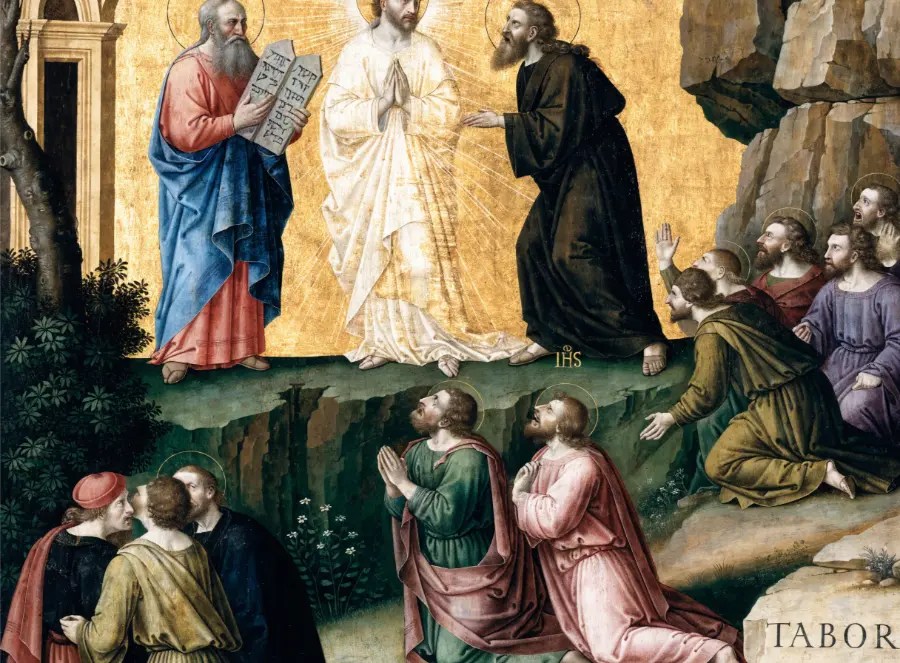
John 21:21
The setting is a beach after the resurrection. Peter has been asked three times whether he loves him, and told three times to feed the sheep, and then told plainly how he will die.
Then this:
When Peter saw him, he asked, “Lord, what about him?”
He has turned and seen John following. He has just been given the hardest possible piece of personal news, and his first move is to look sideways.
The answer is not gentle:
Jesus answered, “If I want him to remain alive until I return, what is that to you? You must follow me.” (John 21:22)
What is that to you. It is the only place in the Gospels where that question is answered with a refusal to answer it, and the refusal is the answer.
Why this scene is at the end
John’s Gospel could have ended a chapter earlier. Chapter 20 has a conclusion that reads like one.
Chapter 21 is added, and what it contains is a breakfast, a restoration, a prediction and this exchange. The last substantial thing the Gospel records, after the resurrection, is a man being told to stop comparing.
And there is a footnote. The rumour went round that John would not die, and the writer corrects it carefully: that is not what was said (John 21:23). Even the promise Peter thought he heard was not the promise given.
The other 21:21s
Truly I tell you, if you have faith and do not doubt… you can say to this mountain, “Go, throw yourself into the sea,” and it will be done. (Matthew 21:21)
And Revelation 21:21, the gates of pearl and the street of gold as pure as transparent glass — a city where the most valuable material anyone could name is what people walk on.
Why a four-digit number cannot be biblical
The biblical writers used no chapter or verse numbers, and the church used none for its first twelve centuries. Chapter divisions are generally credited to Stephen Langton, around 1227. Verse numbers came from a printing house: Robert Estienne added them to his Greek New Testament in 1551 and to a complete Bible in 1555.
A reference is a finding aid roughly four hundred years old — the Bible’s index, not its content.
What Scripture says about looking for signs
Do not practise divination or seek omens. (Leviticus 19:26)
The objection is not that God has gone quiet. It is that reading messages off the world’s noise makes us the interpreters of our own signs, and then binds us to the reading.
If the number has been appearing, the cause is usually attention rather than providence: once noticed, it is noticed again.
Underneath there is generally something specific, and it can be said directly: Do not be anxious about anything, but in every situation, by prayer and petition, with thanksgiving, present your requests to God. (Philippians 4:6)
The question worth taking home
“Lord, what about him?” is the most human sentence in the chapter, and it is asked by the man who had just been forgiven.
Comparison survives restoration. That is worth knowing about ourselves, and the answer given is short enough to remember.
Frequently asked
Does 2121 appear in the Bible?
No. Four-digit numbers of that kind have nothing in Scripture to refer to, because chapter and verse numbering was added long after the text was written.
What is John 21:21?
Peter, just restored and just told how he will die, looks at John and asks, “Lord, what about him?” The answer is “What is that to you? You must follow me.”
Why does John’s Gospel have a twenty-first chapter?
Chapter 20 already reads like an ending. Chapter 21 adds a breakfast, a restoration, a prediction, and a man being told to stop comparing.
When were chapters and verses added?
Chapters around 1227, credited to Stephen Langton. Verse numbers by the printer Robert Estienne, in 1551 and 1555.
More from this seriesBiblical NumerologySee all 53 articles

Leave a Reply