
 English
 Chinese
 Dutch
 Arabic
 Spanish
 Portuguese
 Russian
 French
 Italian
 German
 Japanese
The rapture is the moment, at Christ’s coming, when believers still alive are caught up with the risen dead to meet the Lord in the air. Paul describes it in 1 Thessalonians 4:16-17, and the English word is derived from the verb the Latin Vulgate uses for “caught up” in verse 17, rapiemur, “we will be caught up.”
Other passages speak of Christ coming for his people: 1 Corinthians 15:51-52 on the living changed “in the twinkling of an eye,” John 14:2-3 on Jesus coming back to take his disciples to be with him, and Matthew 24:30-31 on angels gathering the elect after “the distress of those days.” Christians differ over whether these describe one event, and over when believers are caught up in relation to Christ’s visible return. That question turns on verses such as 1 Thessalonians 5:9, 2 Thessalonians 2:1-2 and Revelation 3:10.
The dead raised and the living caught up
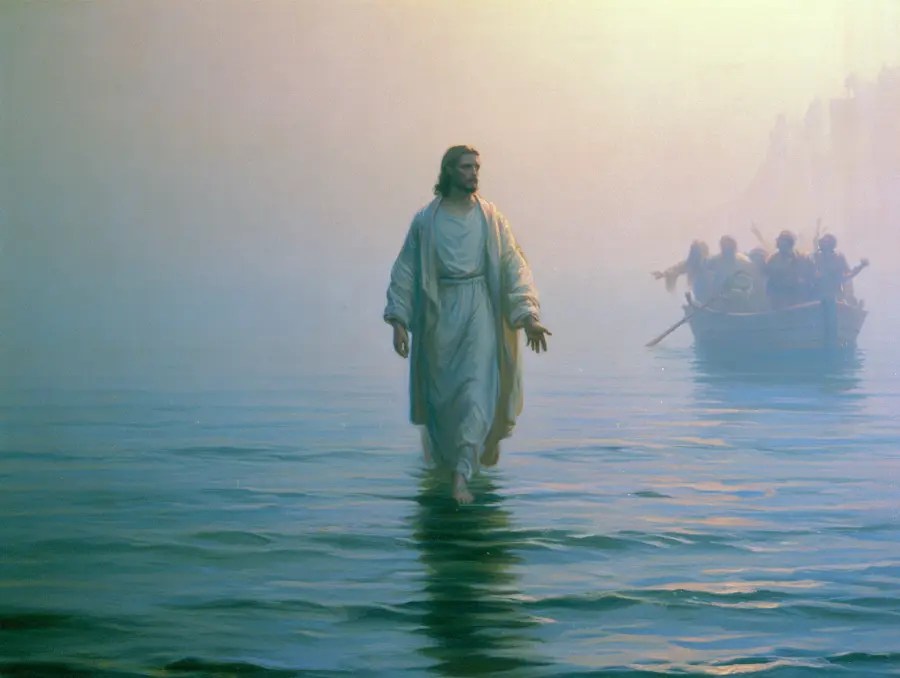
1 Thessalonians 4:16-17
“For the Lord himself will come down from heaven, with a loud command, with the voice of the archangel and with the trumpet call of God, and the dead in Christ will rise first. After that, we who are still alive and are left will be caught up together with them in the clouds to meet the Lord in the air. And so we will be with the Lord forever.”
Reflection: Paul is writing to believers in Thessalonica who were grieving over members of the church who had died (4:13). He tells them the living “will certainly not precede those who have fallen asleep” (4:15): the dead in Christ rise first, and the living are caught up with them. The verb for caught up is harpazo, to seize or snatch, and the Latin rapiemur translates it. Paul gives the passage a use in the next verse: “Therefore encourage one another with these words.”
1 Corinthians 15:51-52
“Listen, I tell you a mystery: We will not all sleep, but we will all be changed— in a flash, in the twinkling of an eye, at the last trumpet. For the trumpet will sound, the dead will be raised imperishable, and we will be changed.”
Reflection: Paul calls this a mystery: not every believer will die, but every believer will be changed, “at the last trumpet.” The verse before gives the reason a change is needed: “flesh and blood cannot inherit the kingdom of God.” Like 1 Thessalonians 4:16-17, the passage has a trumpet, the dead raised, and the living changed along with them.
Philippians 3:20-21
“But our citizenship is in heaven. And we eagerly await a Savior from there, the Lord Jesus Christ, who, by the power that enables him to bring everything under his control, will transform our lowly bodies so that they will be like his glorious body.”
Reflection: Paul sets these lines against people whose “mind is set on earthly things” (3:19). Believers are citizens of heaven, and they wait for a Savior to come from there. What he will do on arrival is transform “our lowly bodies” to be like his own glorious body, by the power that brings everything under his control.
1 John 3:2-3
“Dear friends, now we are children of God, and what we will be has not yet been made known. But we know that when Christ appears, we shall be like him, for we shall see him as he is. All who have this hope in him purify themselves, just as he is pure.”
Reflection: John says believers are already God’s children, but what they will be “has not yet been made known.” When Christ appears they will be like him, because they will see him as he is. The second verse of the pair ties that future to the present: whoever has this hope purifies himself, “just as he is pure.”
Jesus on his return and the gathering of his people
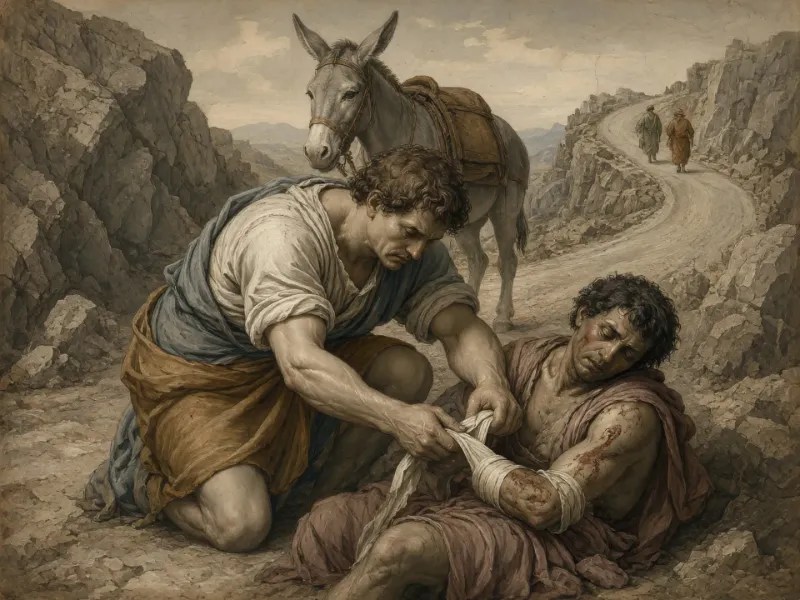
John 14:2-3
“My Father’s house has many rooms; if that were not so, would I have told you that I am going there to prepare a place for you? And if I go and prepare a place for you, I will come back and take you to be with me that you also may be where I am.”
Reflection: Jesus says this to his disciples at the evening meal of John 13, and he opens with “Do not let your hearts be troubled” (14:1). He promises to prepare a place in his Father’s house, then come back and take them to be with him. Dallas Theological Seminary’s doctrinal statement lists John 14:1-3 among the passages for its teaching that the Lord will come in the air to receive his own into heaven. The chapter does not say when he will come back.
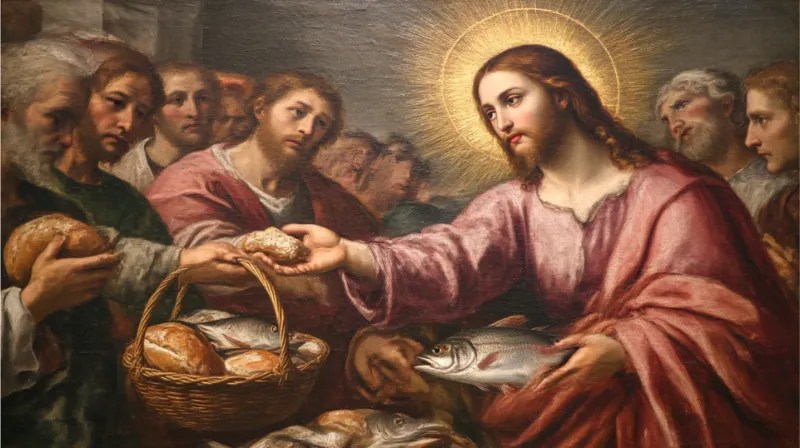
Matthew 24:30-31
“Then will appear the sign of the Son of Man in heaven. And then all the peoples of the earth will mourn when they see the Son of Man coming on the clouds of heaven, with power and great glory. And he will send his angels with a loud trumpet call, and they will gather his elect from the four winds, from one end of the heavens to the other.”
Reflection: Jesus is answering his disciples’ question about “the sign of your coming and of the end of the age” (24:3). Like 1 Thessalonians 4:16, this passage has a loud trumpet and the gathering of God’s people. Here the gathering comes “immediately after the distress of those days” (24:29), and “all the peoples of the earth” see the Son of Man coming on the clouds.
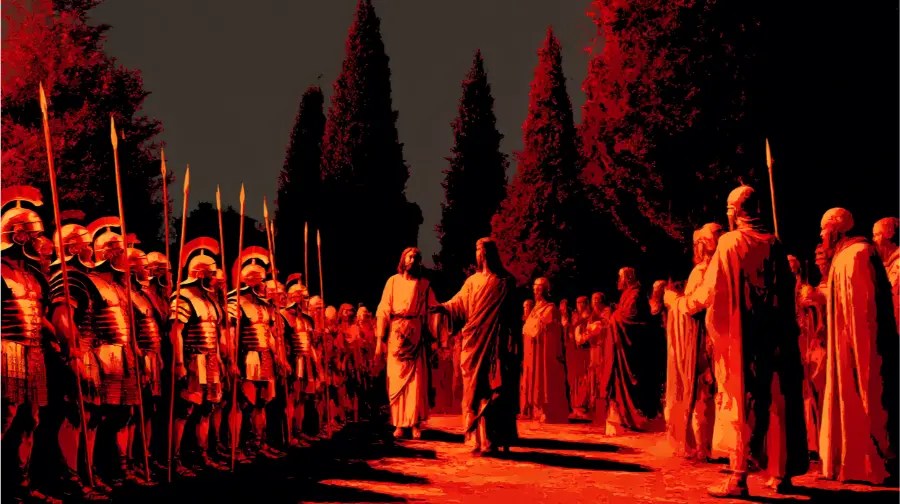
Matthew 24:40-41
“Two men will be in the field; one will be taken and the other left. Two women will be grinding with a hand mill; one will be taken and the other left.”
Reflection: Jesus compares his coming to the days of Noah, when people “knew nothing about what would happen until the flood came and took them all away” (24:39). In the flood the ones taken were those swept away, so readers differ over whether the one “taken” in these verses is gathered to Christ or removed in judgment. Jesus draws the conclusion in the next verse: “Therefore keep watch, because you do not know on what day your Lord will come.”

Luke 21:36
“Be always on the watch, and pray that you may be able to escape all that is about to happen, and that you may be able to stand before the Son of Man.”
Reflection: Luke’s account of the same discourse ends with this warning. Hearts “weighed down with carousing, drunkenness and the anxieties of life” will be caught by that day “like a trap,” since it will come on everyone on the face of the earth (21:34-35). Escaping what is about to happen is paired with being able to stand before the Son of Man. Earlier Jesus tells the disciples that when the signs begin they should “lift up your heads, because your redemption is drawing near” (21:28).
Old Testament passages on resurrection and a time of distress
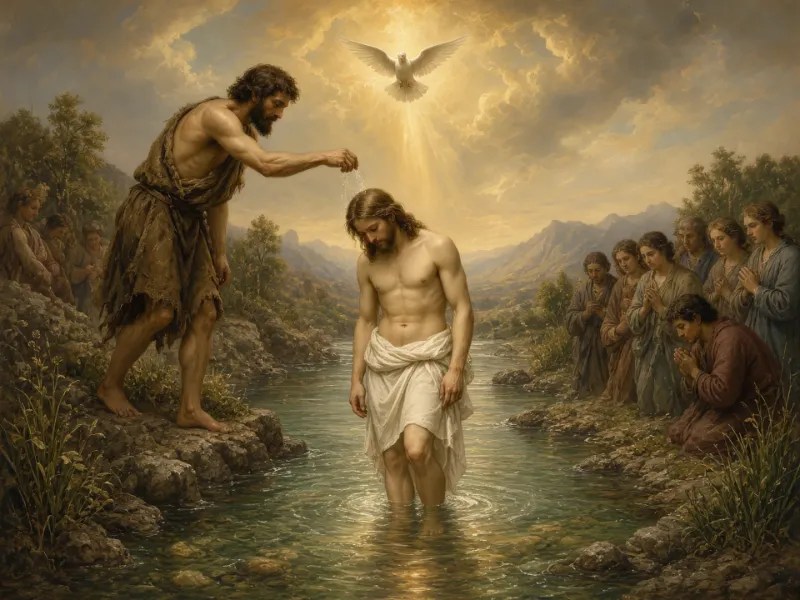
Daniel 12:1-2
“At that time Michael, the great prince who protects your people, will arise. There will be a time of distress such as has not happened from the beginning of nations until then. But at that time your people—everyone whose name is found written in the book—will be delivered. Multitudes who sleep in the dust of the earth will awake: some to everlasting life, others to shame and everlasting contempt.”
Reflection: Daniel is told of a time of distress “such as has not happened from the beginning of nations until then,” in which everyone whose name is written in the book will be delivered. Many who sleep in the dust will then wake, some to everlasting life and some to everlasting contempt. Jesus uses similar words in Matthew 24:21: “great distress, unequaled from the beginning of the world until now.” Daniel is told to seal the words “until the time of the end” (12:4).
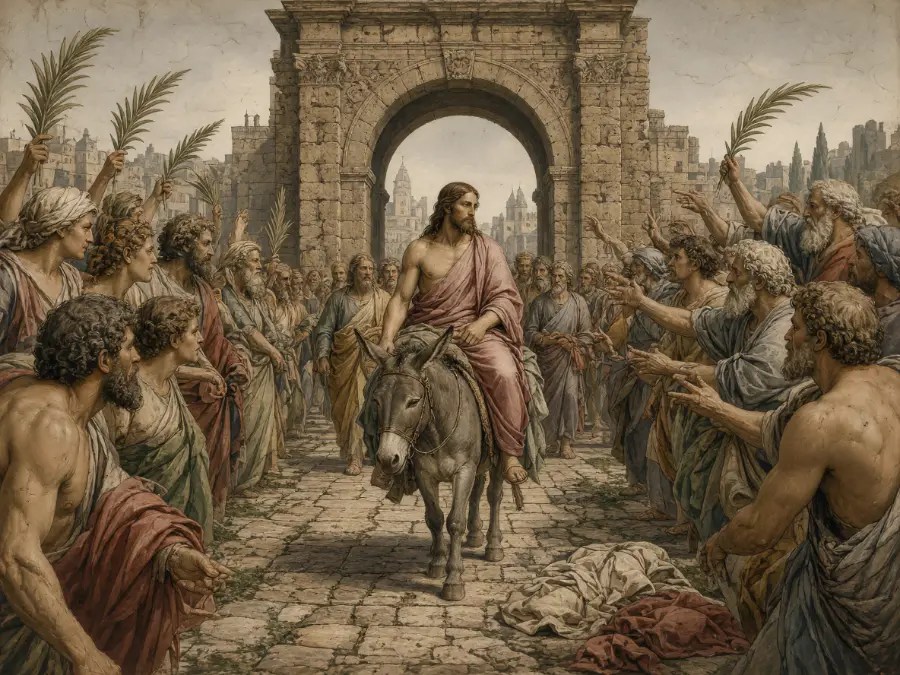
Isaiah 26:19-21
“But your dead will live, Lord; their bodies will rise— let those who dwell in the dust wake up and shout for joy— your dew is like the dew of the morning; the earth will give birth to her dead. Go, my people, enter your rooms and shut the doors behind you; hide yourselves for a little while until his wrath has passed by.”
Reflection: These lines belong to a song for “that day” in the land of Judah (26:1). After the people lament that they “gave birth to wind” (26:18), the prophet declares that the dead will live and the earth will give birth to her dead. God’s people are then told to go into their rooms, shut the doors, and hide “for a little while” while the Lord comes out to punish the earth. The shelter the passage describes is in the people’s own rooms; it does not mention their being taken up.
The verses in the debate over timing
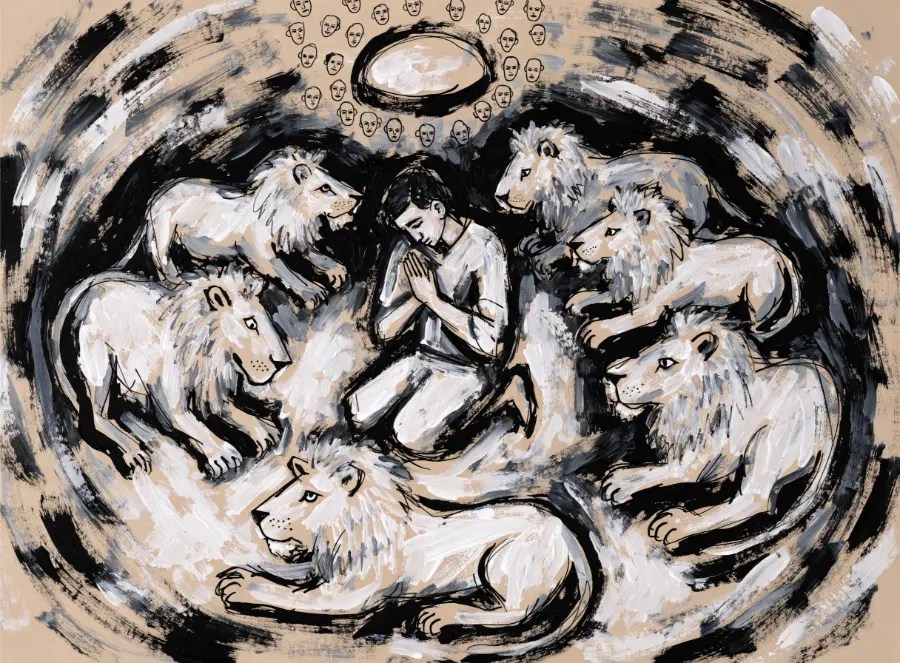
1 Thessalonians 5:9-10
“For God did not appoint us to suffer wrath but to receive salvation through our Lord Jesus Christ. He died for us so that, whether we are awake or asleep, we may live together with him.”
Reflection: Paul closes his section on the day of the Lord with a contrast. Those who say “Peace and safety” will meet sudden destruction and “will not escape” (5:3), but God did not appoint believers to wrath. The promise comes a few verses after the passage about being caught up, and it does not say whether believers are spared that wrath by being removed before it or by being kept through it, which is the point the timing views dispute. “Asleep” shifts meaning in the chapter: in 5:6-7 it means being unwatchful, while in 4:13-15 it meant believers who had died, so “whether we are awake or asleep” in verse 10 is read both ways.

Revelation 3:10
“Since you have kept my command to endure patiently, I will also keep you from the hour of trial that is going to come on the whole world to test the inhabitants of the earth.”
Reflection: The risen Christ speaks to the church in Philadelphia, which has “kept my word and have not denied my name” (3:8). Because it endured patiently, he promises to keep it from “the hour of trial that is going to come on the whole world,” and adds, “I am coming soon” (3:11). The promise is made to one church, and the verse does not say whether keeping it means removing it from that hour or keeping it safe through it.
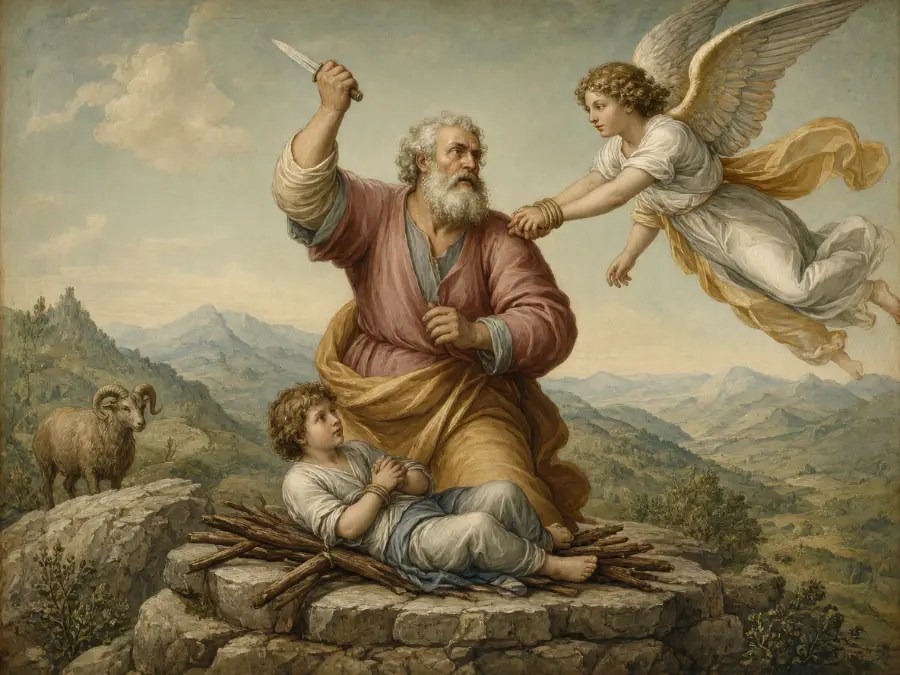
2 Thessalonians 2:1-2
“Concerning the coming of our Lord Jesus Christ and our being gathered to him, we ask you, brothers and sisters, not to become easily unsettled or alarmed by the teaching allegedly from us—whether by a prophecy or by word of mouth or by letter—asserting that the day of the Lord has already come.”
Reflection: Paul names two things together: “the coming of our Lord Jesus Christ and our being gathered to him.” The church had been told, by prophecy, report or a letter claiming to be from Paul, that the day of the Lord had already come. He answers that the day will not come “until the rebellion occurs and the man of lawlessness is revealed” (2:3).
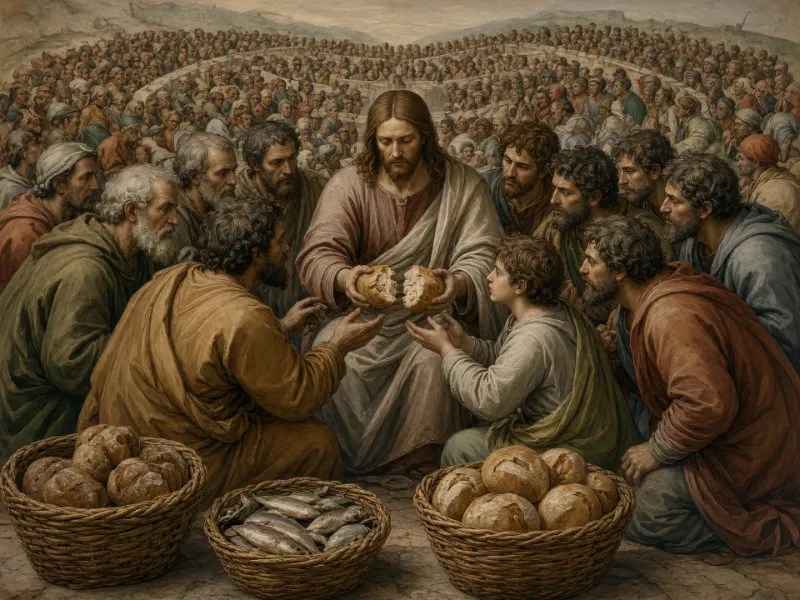
2 Thessalonians 1:7-10
“And give relief to you who are troubled, and to us as well. This will happen when the Lord Jesus is revealed from heaven in blazing fire with his powerful angels. He will punish those who do not know God and do not obey the gospel of our Lord Jesus. They will be punished with everlasting destruction and shut out from the presence of the Lord and from the glory of his might on the day he comes to be glorified in his holy people and to be marveled at among all those who have believed. This includes you, because you believed our testimony to you.”
Reflection: Paul writes to a church enduring “persecutions and trials” (1:4). He says the troubled will be given relief when the Lord Jesus is revealed from heaven in blazing fire with his angels. In the same passage that revelation is the day he punishes those who do not know God and is “glorified in his holy people,” so relief and judgment come on one day.
Revelation 1:7
“Look, he is coming with the clouds,” and “every eye will see him, even those who pierced him”; and all peoples on earth “will mourn because of him.” So shall it be! Amen.”
Reflection: This verse stands in John’s greeting to the seven churches (1:4-8). It echoes Daniel 7:13, where one like a son of man comes “with the clouds of heaven,” and Zechariah 12:10, where the people “will look on me, the one they have pierced, and they will mourn”; the NIV marks both borrowings with quotation marks. The coming described here is seen by “every eye” and mourned by all peoples on earth, as in Matthew 24:30. John answers it with “So shall it be! Amen.”
Waiting for a day no one can date
1 Thessalonians 5:2
“For you know very well that the day of the Lord will come like a thief in the night.”
Reflection: Paul turns from the dead and the living to “times and dates” and says he does not need to write about them, because the church already knows the day comes like a thief. The surprise, he goes on, falls on those in darkness: “But you, brothers and sisters, are not in darkness so that this day should surprise you like a thief” (5:4). Jesus uses the image of the thief in Matthew 24:43, and 2 Peter 3:10 repeats it.
Titus 2:13
“While we wait for the blessed hope—the appearing of the glory of our great God and Savior, Jesus Christ.”
Reflection: Paul tells Titus that the grace of God teaches believers to live “self-controlled, upright and godly lives in this present age” while they wait. What they wait for is “the appearing of the glory of our great God and Savior, Jesus Christ,” who gave himself “to purify for himself a people that are his very own” (2:14). Dallas Theological Seminary titles its article on the coming of the Lord in the air “The Blessed Hope” and cites Titus 2:11-14 there.
How churches read the timing
The Lutheran Church–Missouri Synod accepts that believers alive when Christ “returns visibly on the last day” will be caught up with the dead in Christ, and says that teaching of an “invisible” coming before a seven-year tribulation conflicts with the Lutheran position. Dallas Theological Seminary’s doctrinal statement calls the coming of the Lord in the air “the next great event in the fulfillment of prophecy” and says the church will be in heaven during Israel’s seventieth week.
The word “meet” in 1 Thessalonians 4:17 is the Greek noun apantesis. Matthew 25:6 uses it for the virgins who go out to meet the bridegroom and then go in with him to the wedding banquet, and Acts 28:15 for the believers from Rome who travel as far as the Forum of Appius to meet Paul, who then goes on to Rome. In both, people go out to meet someone who is on his way, and he continues to his destination with them. 1 Thessalonians 4:17 does not say where the Lord and those who meet him go next; it says, “And so we will be with the Lord forever.”


Leave a Reply