
 English
 Chinese
 Dutch
 Arabic
 Spanish
 Portuguese
 Russian
 French
 Italian
 German
 Japanese
The Bible treats order as part of the character of God and asks his people to reflect it in worship, leadership and daily work. Paul says God “is not a God of disorder but of peace” (1 Corinthians 14:33), and Genesis 1 describes God turning an earth that was “formless and empty” into day and night, sky, sea and land.
Scripture applies the same order to worship (1 Corinthians 14:40), to leaders sharing their work (Exodus 18:21; Acts 6:3; Titus 1:5), and to ordinary planning, from the ant of Proverbs 6:6-8 to the tower builder of Luke 14:28. The Greek word for disorder in 1 Corinthians 14:33, akatastasia, is the one James 3:16 uses for what is found wherever envy and selfish ambition are, and Proverbs 16:9 places every plan under God: people plan their course, “but the LORD establishes their steps.”
Order in creation

Genesis 1:2-3
“Now the earth was formless and empty, darkness was over the surface of the deep, and the Spirit of God was hovering over the waters. And God said, ‘Let there be light,’ and there was light.”
Reflection: Before God speaks, the earth is “formless and empty” and dark. The rest of the chapter sets it in order: God separates the light from the darkness and names them day and night, separates water from water with a vault he calls sky, and gathers the waters so that dry ground appears (Genesis 1:4-10). Each day closes with the same line, “And there was evening, and there was morning.”

Psalm 104:19
“He made the moon to mark the seasons, and the sun knows when to go down.”
Reflection: Psalm 104 praises God as the maker and keeper of the world. Verse 19 gives the moon and sun their tasks. The verses after it follow one day and night: God brings the darkness, the beasts of the forest prowl, the lions return to their dens when the sun rises, and “then people go out to their work, to their labor until evening” (Psalm 104:23).
Order in worship
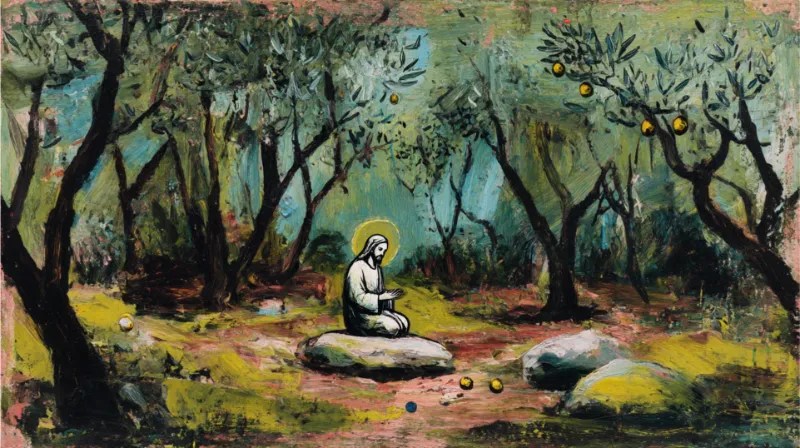
1 Corinthians 14:33
“For God is not a God of disorder but of peace—as in all the congregations of the Lord’s people.”
Reflection: Paul is setting rules for the Corinthian gatherings: two or three people speaking in tongues, one at a time and with an interpreter, and prophets speaking in turn, with the first stopping when a revelation comes to someone seated. Verse 33 gives the reason for the rules. The word translated disorder is akatastasia, confusion or instability, and Paul sets it against peace.
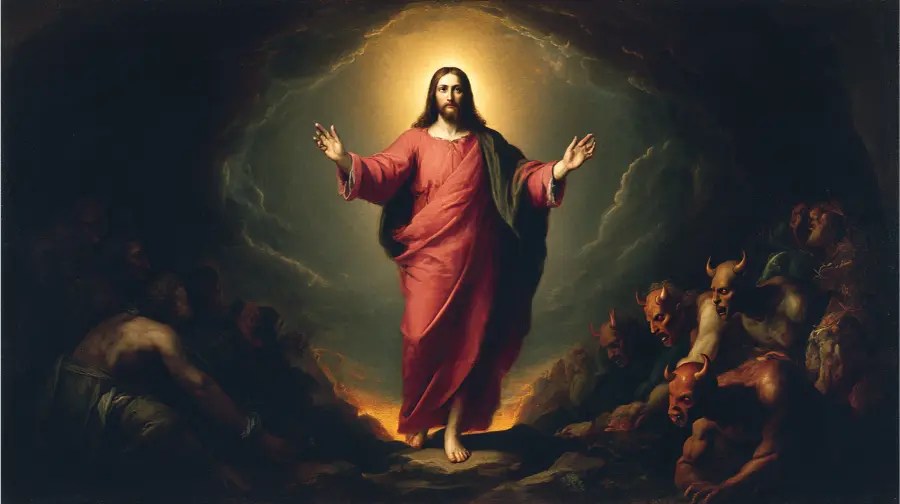
1 Corinthians 14:40
“But everything should be done in a fitting and orderly way.”
Reflection: This is the last line of the chapter. The verse before it tells the Corinthians to “be eager to prophesy, and do not forbid speaking in tongues,” and verse 40 follows with “But”: the instruction is about how the gifts are used in the gathering, alongside the command not to forbid them. “Orderly” translates kata taxin, “in order,” from taxis, arrangement or rank.
Sharing the work among leaders
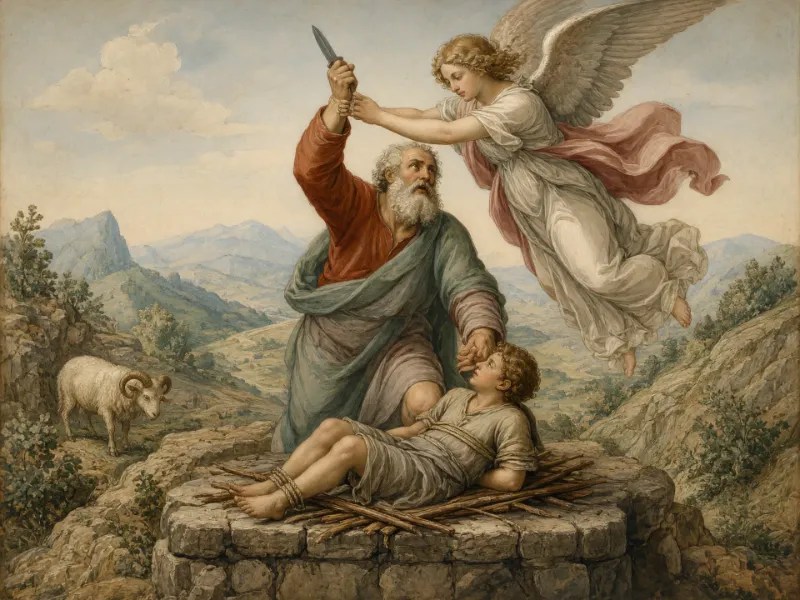
Exodus 18:21
“But select capable men from all the people—men who fear God, trustworthy men who hate dishonest gain—and appoint them as officials over thousands, hundreds, fifties and tens.”
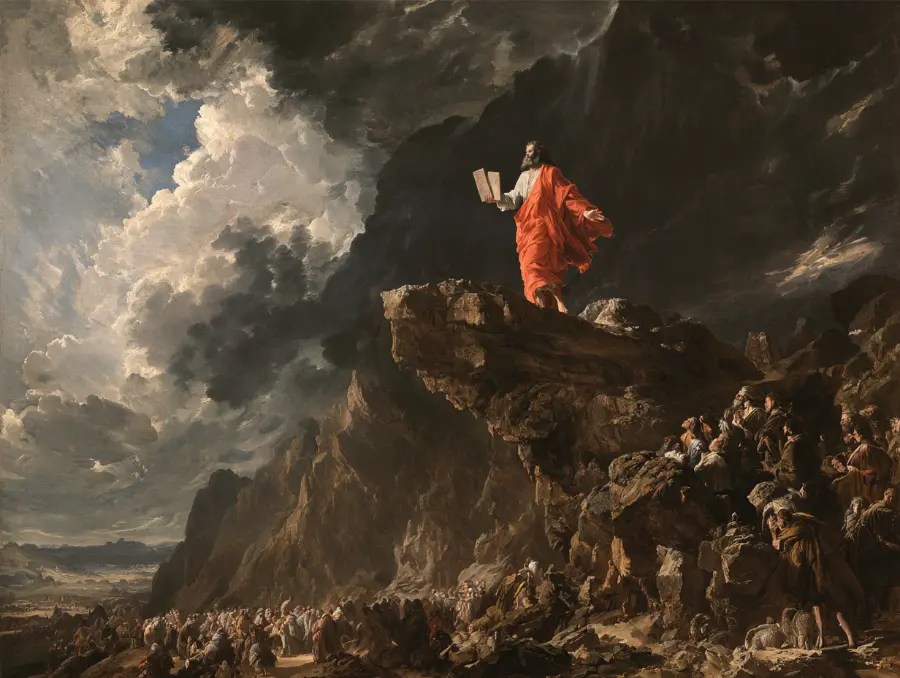
Reflection: Moses was judging the people alone “from morning till evening,” and his father-in-law told him, “The work is too heavy for you; you cannot handle it alone” (Exodus 18:18). In verse 21 Jethro names the men to choose, capable, God-fearing and trustworthy men who hate dishonest gain, and sets them over thousands, hundreds, fifties and tens. They would decide the simple cases and bring the difficult ones to Moses, and Moses “did everything he said” (Exodus 18:24).
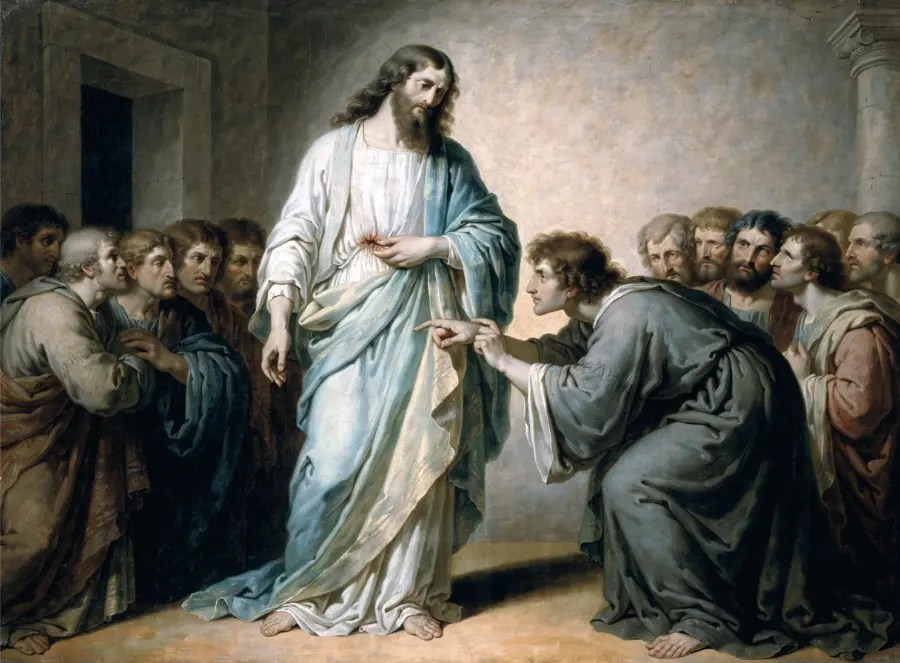
Acts 6:3
“Brothers and sisters, choose seven men from among you who are known to be full of the Spirit and wisdom. We will turn this responsibility over to them”
Reflection: The church in Jerusalem was growing, and the Hellenistic Jews complained that their widows were being overlooked in the daily distribution of food. The Twelve said it would not be right for them to leave the ministry of the word to wait on tables, and asked the disciples to choose seven men for the work. The proposal “pleased the whole group” (Acts 6:5); they chose Stephen, Philip and five others, and the apostles prayed and laid their hands on them.
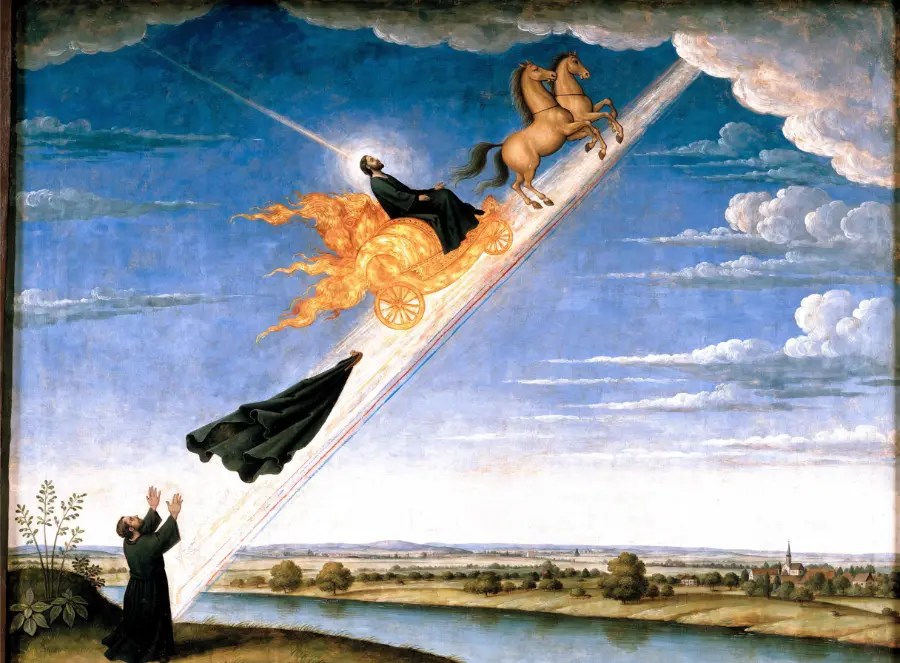
Titus 1:5
“The reason I left you in Crete was that you might put in order what was left unfinished and appoint elders in every town, as I directed you.”
Reflection: Paul left Titus in Crete with two tasks: to put in order what was left unfinished, and to appoint elders in every town. The verses that follow list what an elder must be, and verse 7 describes an overseer as one who “manages God’s household.”
Planning and preparation
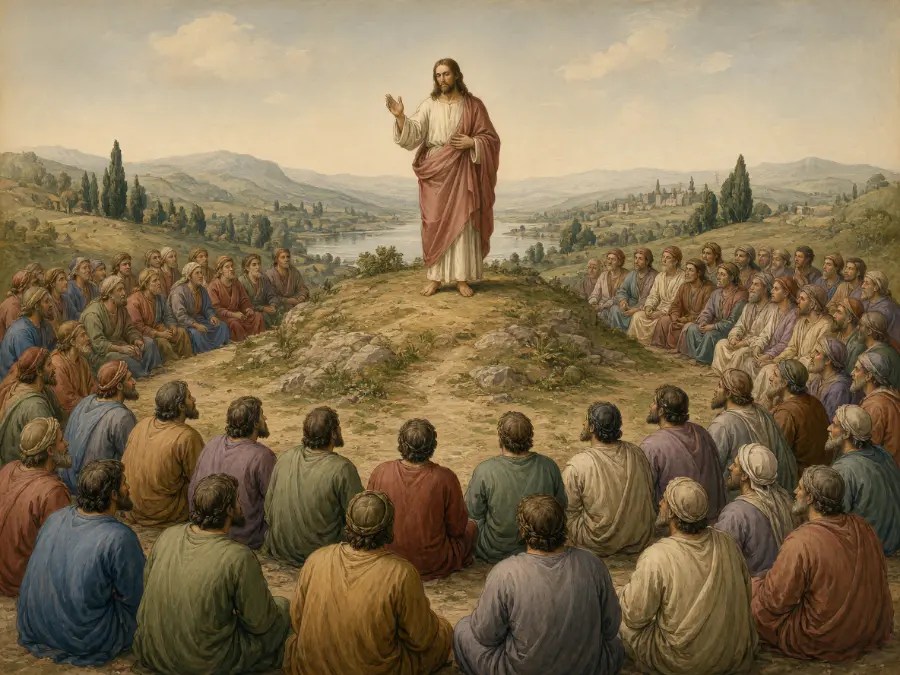
Ecclesiastes 3:1
“There is a time for everything, and a season for every activity under the heavens.”
Reflection: The Teacher opens a list of paired opposites, from “a time to be born and a time to die” to “a time for war and a time for peace” (Ecclesiastes 3:2-8). The list covers human activities and gives each one its season, including tearing down and building, keeping and throwing away, being silent and speaking.
Proverbs 6:6-8
“Go to the ant, you sluggard; consider its ways and be wise! It has no commander, no overseer or ruler, yet it stores its provisions in summer and gathers its food at harvest.”
Reflection: The sluggard is told to consider the ant, which has “no commander, no overseer or ruler,” yet stores its food in summer and gathers it at harvest. The verses that follow warn the sluggard that “a little folding of the hands to rest” brings poverty “like a thief” (Proverbs 6:10-11).
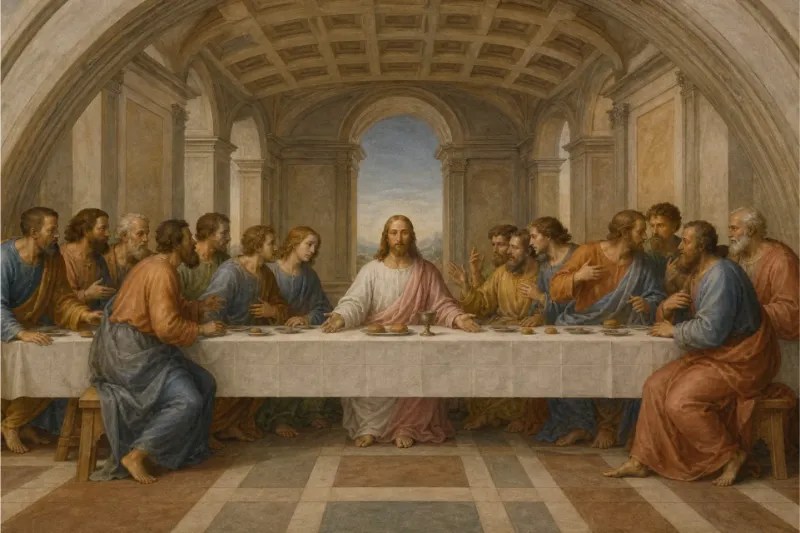
Proverbs 21:5
“The plans of the diligent lead to profit as surely as haste leads to poverty.”
Reflection: The proverb sets two ways of working side by side. Plans made with diligence lead to profit, and haste leads to poverty just as surely.
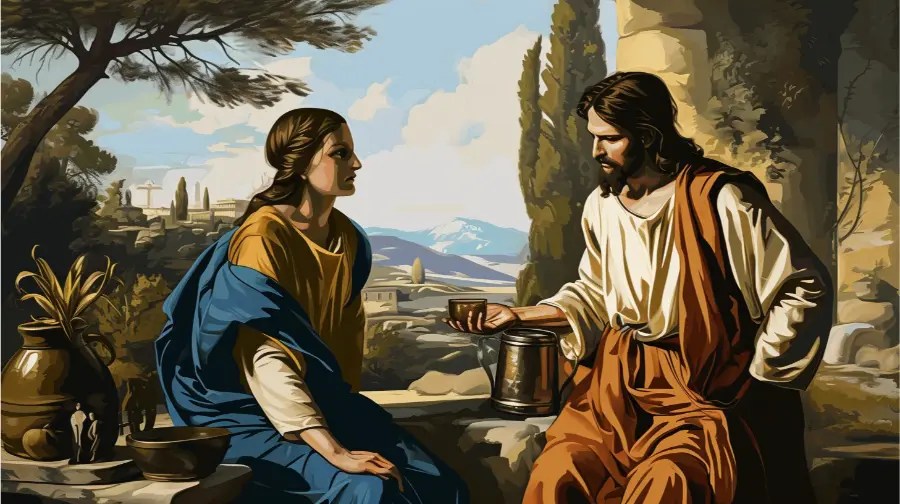
Proverbs 27:23
“Be sure you know the condition of your flocks, give careful attention to your herds.”
Reflection: The proverb tells a herdsman to keep track of his animals, and the next verse gives the reason: “for riches do not endure forever, and a crown is not secure for all generations.” Verses 25-27 list what the flocks provide: lambs for clothing, goats to pay for a field, and milk for the household.
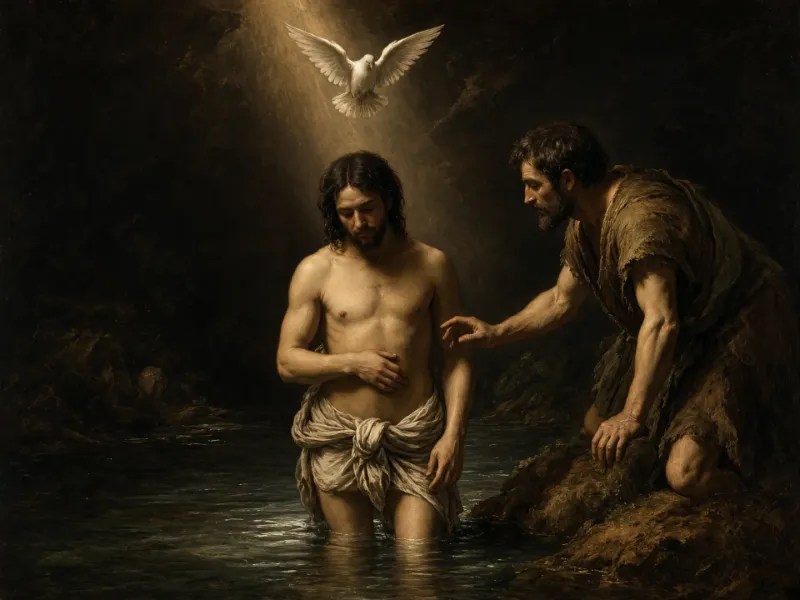
Luke 14:28
“Suppose one of you wants to build a tower. Won’t you first sit down and estimate the cost to see if you have enough money to complete it?”
Reflection: Jesus is speaking to the large crowds travelling with him. He pairs the builder who estimates the cost of a tower with a king who weighs whether ten thousand men can meet twenty thousand. Both pictures take it for granted that a sensible person plans before starting, and Jesus applies them to discipleship: “those of you who do not give up everything you have cannot be my disciples” (Luke 14:33).
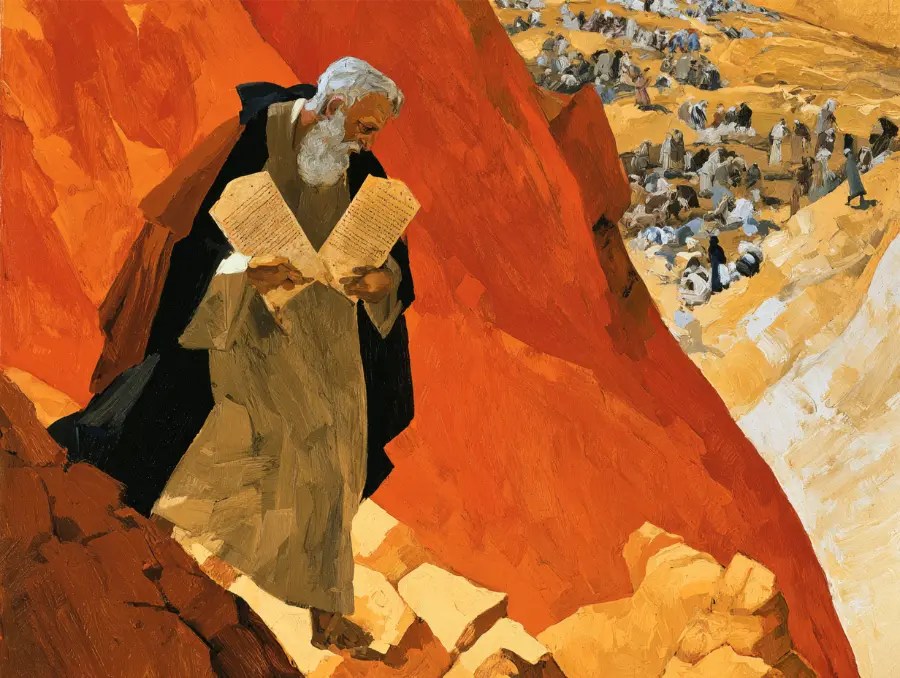
Proverbs 16:9
“In their hearts humans plan their course, but the LORD establishes their steps.”
Reflection: The verse places human plans under God’s direction. Proverbs 16:3 has the same pattern: “Commit to the LORD whatever you do, and he will establish your plans.” In both verses the person acts first, and the LORD establishes the outcome.
Where disorder comes from
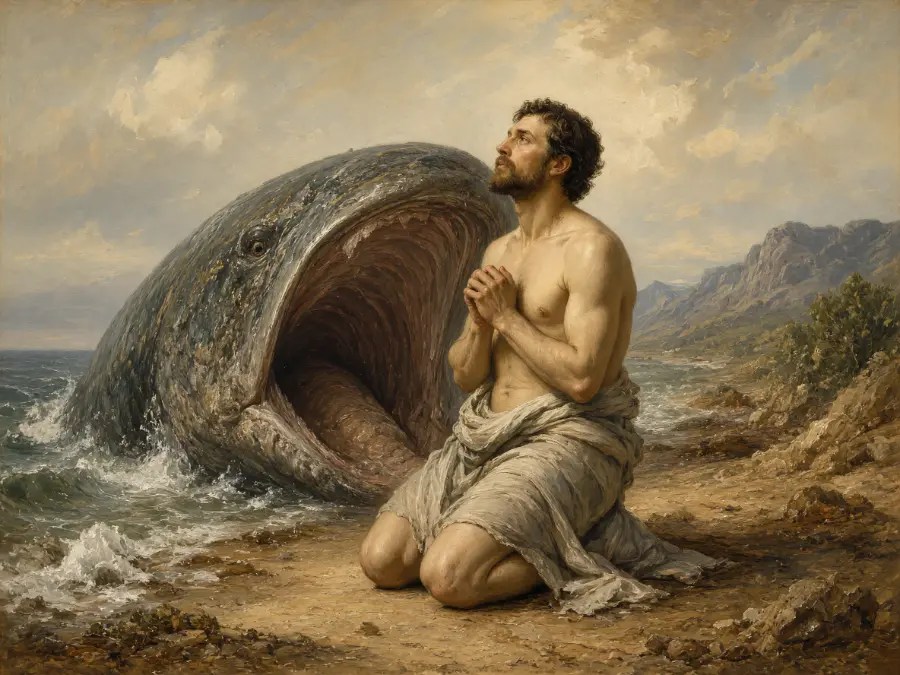
James 3:16
“For where you have envy and selfish ambition, there you find disorder and every evil practice.”
Reflection: James contrasts two kinds of wisdom. The one marked by envy and selfish ambition is “earthly, unspiritual, demonic,” and where envy and selfish ambition are, “there you find disorder,” the same word, akatastasia, that Paul uses in 1 Corinthians 14:33. The wisdom from heaven is “peace-loving, considerate, submissive” (James 3:17), and in both letters disorder stands opposite peace.
2 Thessalonians 3:6
“In the name of the Lord Jesus Christ, we command you, brothers and sisters, to keep away from every believer who is idle and disruptive and does not live according to the teaching you received from us.”
Reflection: “Idle and disruptive” translates the adverb ataktos, which the King James Version renders “disorderly.” The letter is from Paul, Silas and Timothy (2 Thessalonians 1:1), and the verses that follow explain the word: the three worked night and day so as not to be a burden, while some in Thessalonica “are not busy; they are busybodies” (2 Thessalonians 3:11). The writers “command and urge” such people to settle down and earn the food they eat.


Leave a Reply