
 English
 Chinese
 Dutch
 Arabic
 Spanish
 Portuguese
 Russian
 French
 Italian
 German
 Japanese
The Bible describes new beginnings for a nation, for a person and for the whole creation, and in the prophets God is the one who makes them. Exiles are promised a way home (Isaiah 43:18-19), scattered Israel a new heart (Ezekiel 36:26), and the one on the throne says “I am making everything new!” (Revelation 21:5).
Jesus tells Nicodemus that no one can see the kingdom of God “unless they are born again” (John 3:3). In the letters of Paul, anyone in Christ is “the new creation” (2 Corinthians 5:17), and believers are told to “put off your old self” (Ephesians 4:22).
Hope for a ruined and exiled nation

Isaiah 43:18-19
“Forget the former things; do not dwell on the past. See, I am doing a new thing! Now it springs up; do you not perceive it? I am making a way in the wilderness and streams in the wasteland.”
Reflection: The Lord speaks to Israel with a promise to bring down Babylon (Isaiah 43:14), and then recalls how he “made a way through the sea” and left Egypt’s chariots “extinguished, snuffed out like a wick” (verses 16-17). The former things the people are told to forget come straight after that memory of the exodus. The new thing is described in the same terms, a way through the wilderness instead of through the sea, with water in the dry land “to give drink to my people, my chosen” (verse 20).
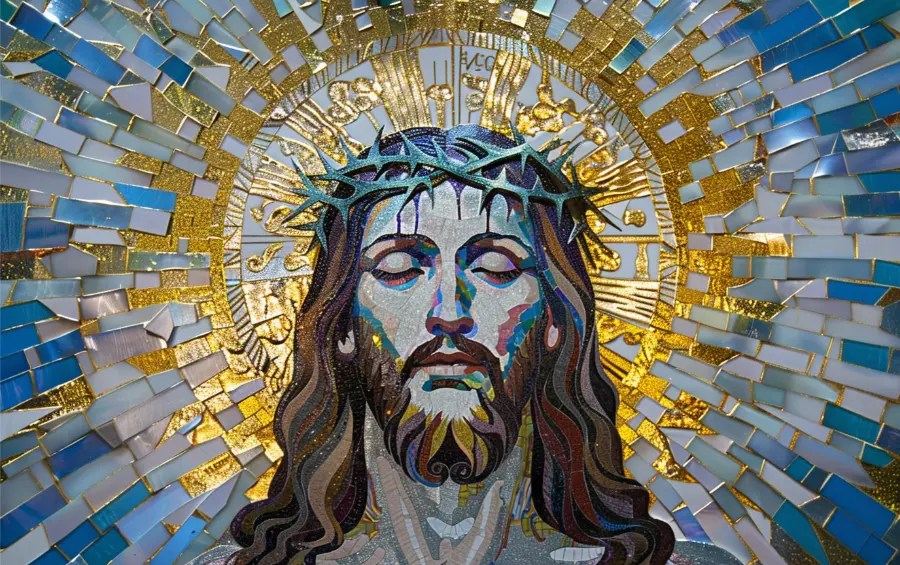
Jeremiah 29:11
“‘For I know the plans I have for you,’ declares the LORD, ‘plans to prosper you and not to harm you, plans to give you hope and a future.’”
Reflection: The message is addressed to “all those I carried into exile from Jerusalem to Babylon” (Jeremiah 29:4). Before the promise, the Lord tells the exiles to build houses, plant gardens, marry and “seek the peace and prosperity of the city” where they live, and he sets the return “when seventy years are completed for Babylon” (verse 10). The hope and future of verse 11 are that homecoming, and verse 14 ends with “I will bring you back to the place from which I carried you into exile.”
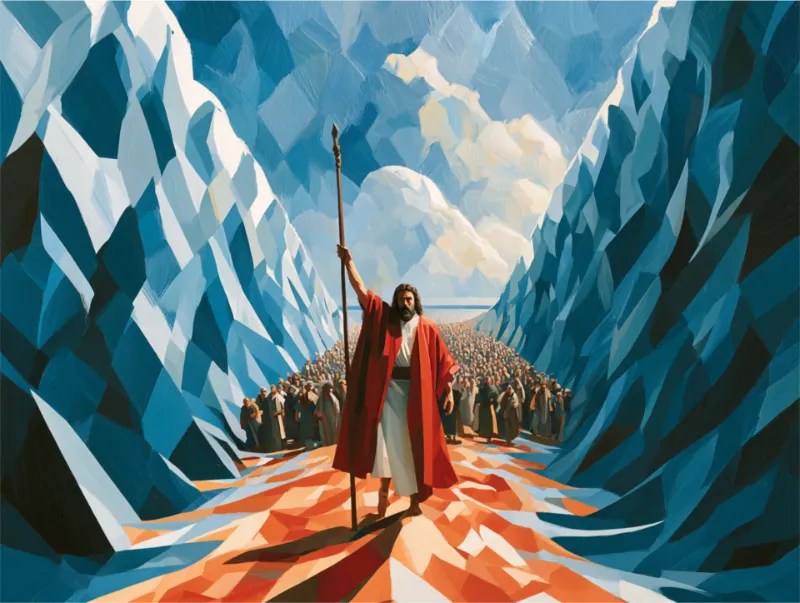
Lamentations 3:22-23
“Because of the LORD’s great love we are not consumed, for his compassions never fail. They are new every morning; great is your faithfulness.”
Reflection: Lamentations opens over a deserted Jerusalem, “once so full of people” (Lamentations 1:1). In chapter 3 the speaker first remembers “my affliction and my wandering, the bitterness and the gall,” and then turns: “Yet this I call to mind and therefore I have hope” (verses 19-21). The new thing each morning is the Lord’s compassion, and the lines that follow draw the conclusion that “it is good to wait quietly for the salvation of the Lord” (verse 26).
A new heart and a washed record
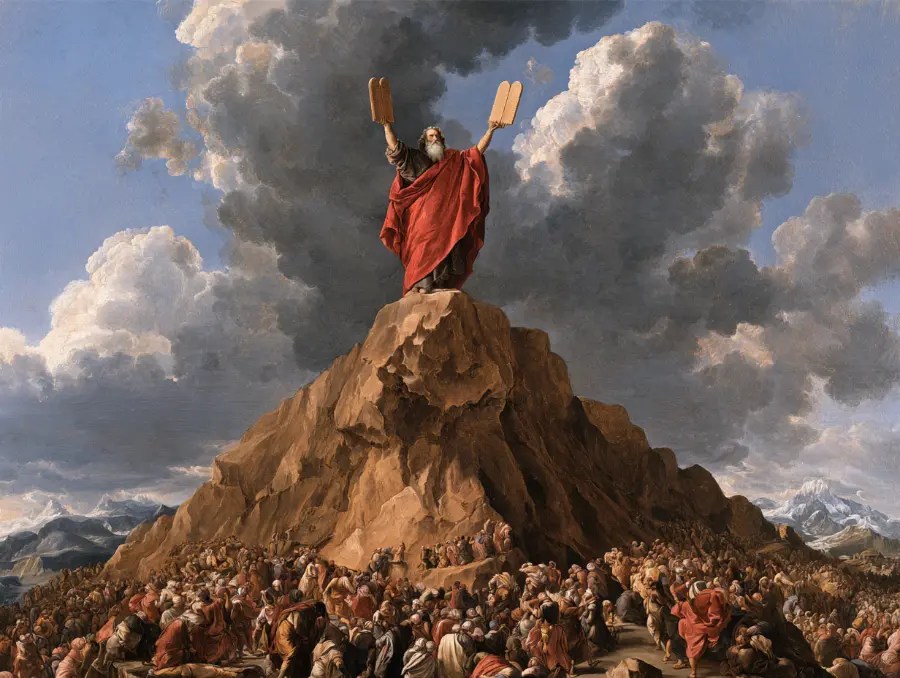
Isaiah 1:18
“‘Come now, let us settle the matter,’ says the LORD. ‘Though your sins are like scarlet, they shall be as white as snow; though they are red as crimson, they shall be like wool.’”
Reflection: Isaiah’s opening vision concerns “Judah and Jerusalem” (Isaiah 1:1). The offer of sins made white as snow comes directly after the commands “stop doing wrong. Learn to do right” and to defend the oppressed, the fatherless and the widow (verses 16-17). The next two verses make the fresh start conditional: “If you are willing and obedient, you will eat the good things of the land; but if you resist and rebel, you will be devoured by the sword.”
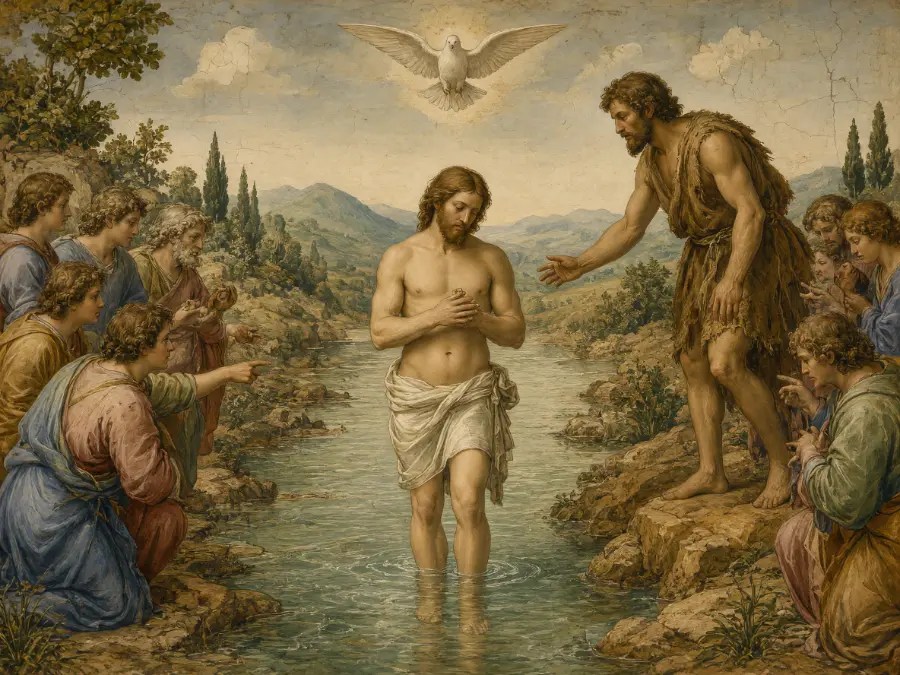
Psalm 51:10
“Create in me a pure heart, O God, and renew a steadfast spirit within me.”
Reflection: According to its heading, David wrote this psalm when Nathan came to him after the adultery with Bathsheba. Earlier he asks to be washed “whiter than snow” (verse 7), the same picture as Isaiah 1:18; here he asks God to create a pure heart and renew a steadfast spirit. The request is addressed to God, and the next line continues it: “Do not cast me from your presence or take your Holy Spirit from me.”
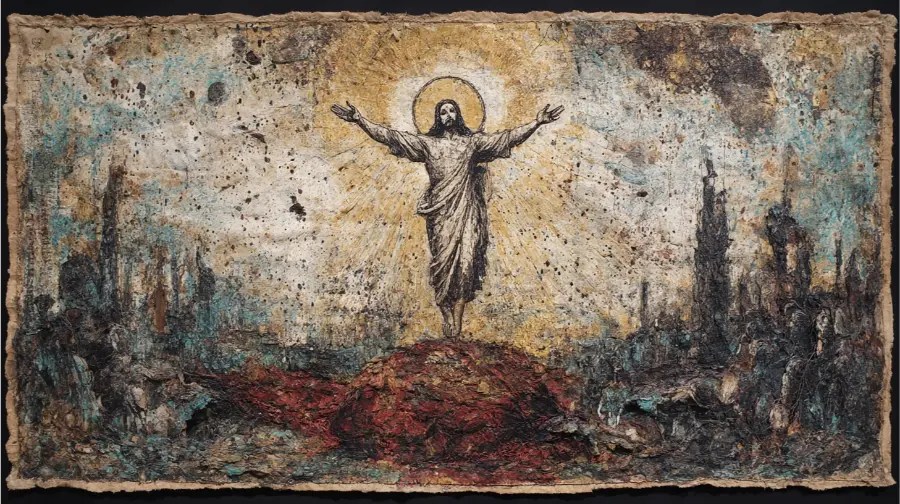
Ezekiel 36:26
“I will give you a new heart and put a new spirit in you; I will remove from you your heart of stone and give you a heart of flesh.”
Reflection: The promise is made to Israelites scattered among the nations, and the Lord says he acts “for the sake of my holy name” rather than for theirs (Ezekiel 36:22). The new heart comes in a sequence: gathering from the countries, sprinkling with clean water to cleanse them “from all your idols” (verse 25), a new heart and spirit, and then “I will put my Spirit in you and move you to follow my decrees” (verse 27).
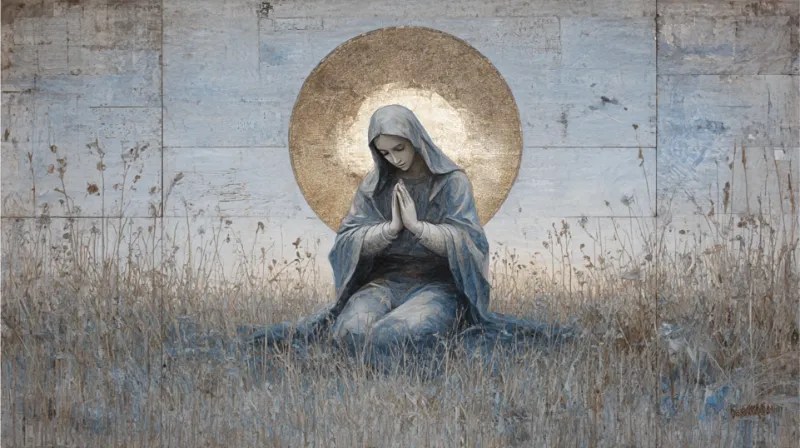
John 3:3
“Jesus replied, ‘Very truly I tell you, no one can see the kingdom of God unless they are born again.’”
Reflection: Nicodemus, a Pharisee and a member of the Jewish ruling council, came to Jesus at night (John 3:1-2). The Greek word translated “again”, anothen, can also mean “from above”. Nicodemus takes it as a second physical birth and asks how anyone can “enter a second time into their mother’s womb”, and Jesus answers that the birth he means is “of water and the Spirit” (verse 5), comparing it to the wind, which is heard but cannot be traced (verse 8).
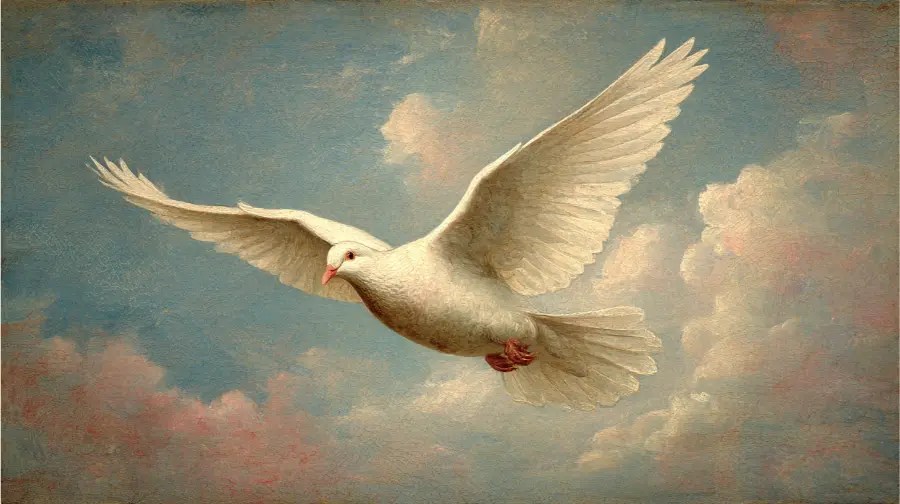
1 Corinthians 6:11
“And that is what some of you were. But you were washed, you were sanctified, you were justified in the name of the Lord Jesus Christ and by the Spirit of our God.”
Reflection: Paul has just listed wrongdoers who “will not inherit the kingdom of God”: the sexually immoral, idolaters, adulterers, men who have sex with men, thieves, the greedy, drunkards, slanderers and swindlers (verses 9-10). “And that is what some of you were” puts that list in the past for members of the church in Corinth. All three verbs that follow are past as well: washed, sanctified and justified, “in the name of the Lord Jesus Christ and by the Spirit of our God”.
Putting off the old self
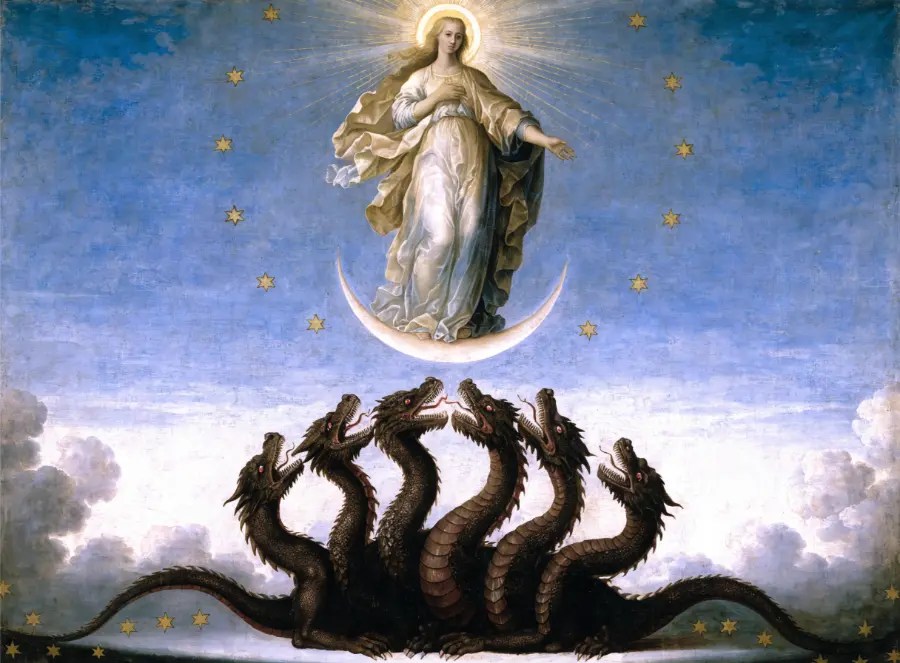
2 Corinthians 5:17
“Therefore, if anyone is in Christ, the new creation has come: The old has gone, the new is here!”
Reflection: The “therefore” reaches back two verses: Christ “died for all, that those who live should no longer live for themselves but for him who died for them” (verse 15), and so Paul regards no one “from a worldly point of view” (verse 16). The new creation belongs to “anyone” in Christ. Verse 18 names its source: “All this is from God, who reconciled us to himself through Christ.”
Ephesians 4:22-24
“You were taught, with regard to your former way of life, to put off your old self, which is being corrupted by its deceitful desires; to be made new in the attitude of your minds; and to put on the new self, created to be like God in true righteousness and holiness.”
Reflection: Paul sets this against the way of life he has just described, people “darkened in their understanding” and “separated from the life of God” (verse 18), and tells his readers, “That, however, is not the way of life you learned” (verse 20). The change has three parts: put off the old self, be made new in the attitude of the mind, and put on the new self. Verse 25 applies it at once: “put off falsehood and speak truthfully to your neighbor.”
Colossians 3:9-10
“Do not lie to each other, since you have taken off your old self with its practices and have put on the new self, which is being renewed in knowledge in the image of its Creator.”
Reflection: The same picture of old and new selves appears here, with the taking off described as already done: “you have taken off your old self.” The command not to lie rests on that fact, and it follows a list of things to “rid yourselves of”: anger, rage, malice, slander and filthy language (verse 8). The new self is “being renewed”, still in progress, and verse 11 says that in it there is no Gentile or Jew, slave or free, “but Christ is all, and is in all.”
Romans 12:2
“Do not conform to the pattern of this world, but be transformed by the renewing of your mind. Then you will be able to test and approve what God’s will is—his good, pleasing and perfect will.”
Reflection: Paul’s appeal in Romans 12:1 is made “in view of God’s mercy” and asks his readers to offer their bodies “as a living sacrifice”. Verse 2 sets two patterns side by side: conforming to the world, or being transformed by the renewing of the mind. The renewed mind has a use Paul names, to “test and approve what God’s will is”.
Philippians 3:13-14
“Brothers and sisters, I do not consider myself yet to have taken hold of it. But one thing I do: Forgetting what is behind and straining toward what is ahead, I press on toward the goal to win the prize for which God has called me heavenward in Christ Jesus.”
Reflection: In the verses before, Paul lists what he once relied on: circumcised on the eighth day, of the tribe of Benjamin, a Pharisee, zealous enough to persecute the church, and “faultless” in righteousness based on the law (verses 5-6). He now counts those things “garbage” beside knowing Christ (verse 8). He also says he has not “already arrived at my goal” (verse 12), so the forgetting goes with continued effort: “I press on.”
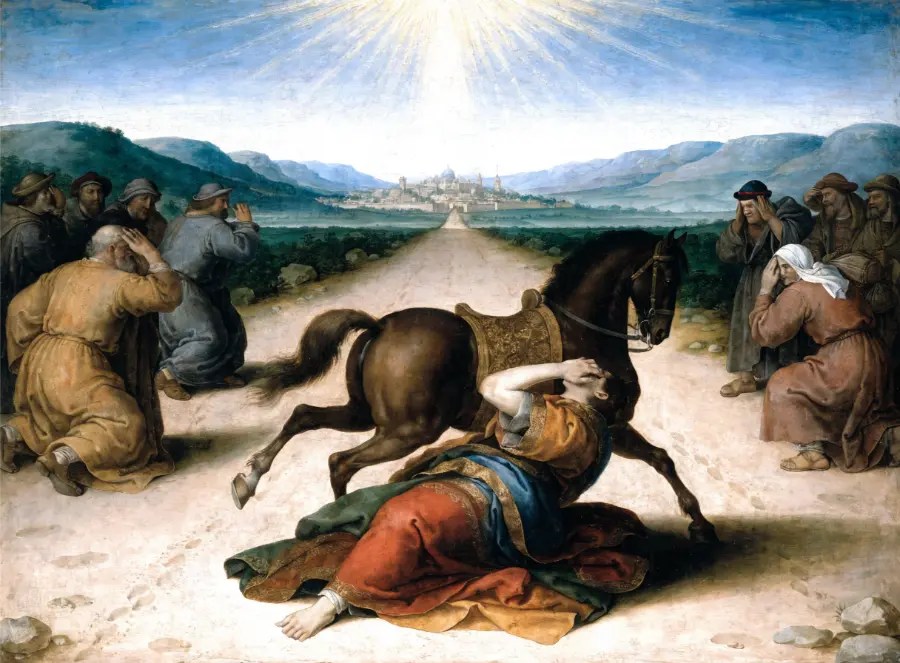
2 Corinthians 4:16-17
“Therefore we do not lose heart. Though outwardly we are wasting away, yet inwardly we are being renewed day by day. For our light and momentary troubles are achieving for us an eternal glory that far outweighs them all.”
Reflection: Paul writes that “we have this treasure in jars of clay” and that “we are hard pressed on every side, but not crushed” (verses 7-8). The outward wasting away and the inward renewal happen at the same time, “day by day”. Verse 18 says where they look instead: “we fix our eyes not on what is seen, but on what is unseen.”
When the new will not fit the old

Luke 5:37-38
“And no one pours new wine into old wineskins. Otherwise, the new wine will burst the skins; the wine will run out and the wineskins will be ruined. No, new wine must be poured into new wineskins.”
Reflection: Jesus tells this parable after he is told that the disciples of John and of the Pharisees “often fast and pray” while his own “go on eating and drinking” (Luke 5:33). Before the wineskins comes a patch torn from a new garment, which “will not match the old” (verse 36). Luke’s account ends with one more line: “no one after drinking old wine wants the new, for they say, ‘The old is better.’”
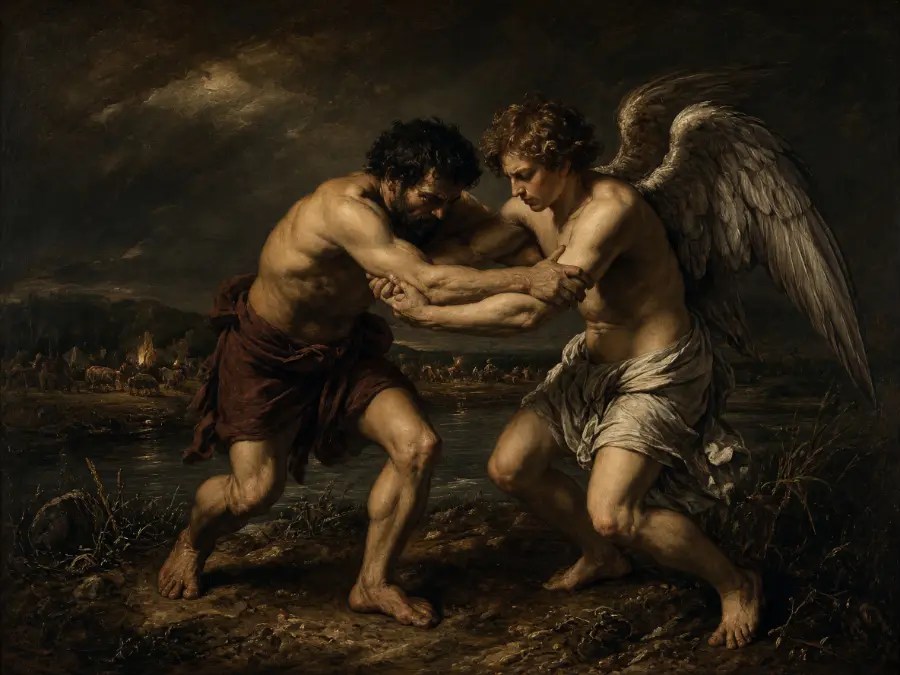
Hebrews 8:13
“By calling this covenant ‘new,’ he has made the first one obsolete; and what is obsolete and outdated will soon disappear.”
Reflection: Hebrews 8:8-12 quotes Jeremiah 31:31-34, the promise of a new covenant with the law written “on their hearts” and sins remembered “no more”. Verse 13 reasons from the single word “new”: to call a covenant new is to make the first one obsolete.
Seasons that change and everything made new
Ecclesiastes 3:1, 6
“There is a time for everything, and a season for every activity under the heavens… a time to search and a time to give up, a time to keep and a time to throw away.”
Reflection: The Teacher lists pairs of opposites, from “a time to be born and a time to die” to “a time for war and a time for peace” (verses 2-8). Keeping and throwing away sit in the same list as planting and uprooting, tearing down and building, weeping and laughing. Verse 11 adds that God “has made everything beautiful in its time”, and also that “no one can fathom what God has done from beginning to end.”
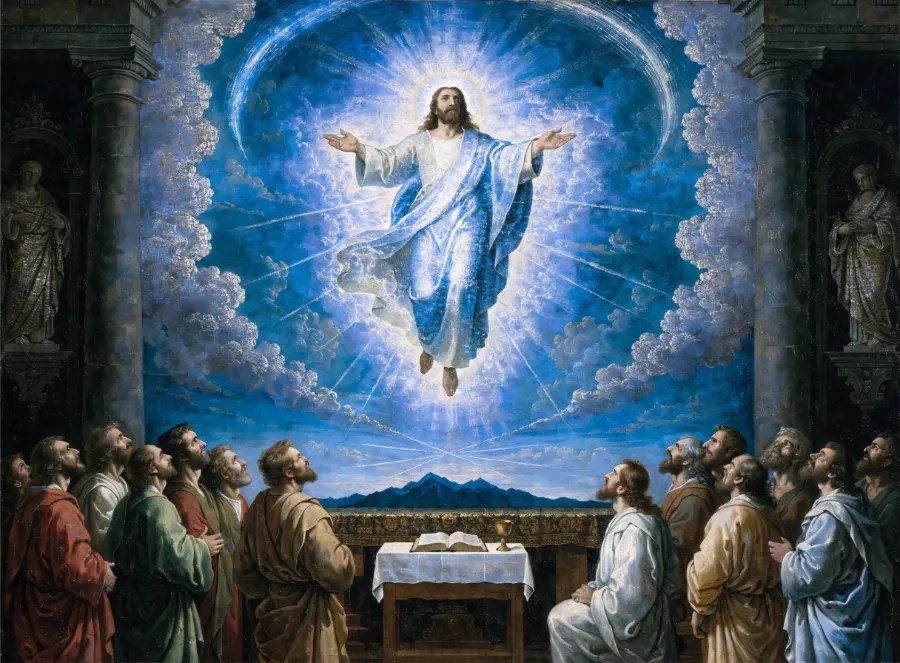
Revelation 21:5
“He who was seated on the throne said, ‘I am making everything new!’ Then he said, ‘Write this down, for these words are trustworthy and true.’”
Reflection: John sees “a new heaven and a new earth”, for the first ones “had passed away” (Revelation 21:1), and hears that God will wipe every tear from people’s eyes, “for the old order of things has passed away” (verse 4). Then the one seated on the throne speaks for himself and orders the words written down. Verse 6 follows: “It is done. I am the Alpha and the Omega, the Beginning and the End.”


Leave a Reply