
 English
 Chinese
 Dutch
 Arabic
 Spanish
 Portuguese
 Russian
 French
 Italian
 German
 Japanese
The Bible describes the community of believers as one body and one household, whose members love, carry, correct and forgive one another. Psalm 133:1 praises brothers who “dwell in unity”.
The first believers in Jerusalem met for teaching, meals and prayer and shared their property by need (Acts 2:42-45). Paul calls the church one body whose members are “individually members one of another” (Romans 12:5).
A people made one
Psalm 133:1
“Behold, how good and pleasant it is when brothers dwell in unity!”
Reflection: The heading calls this “A Song of Ascents. Of David.” The psalm compares unity to the anointing oil running down Aaron’s beard and to the dew of Hermon falling on Zion, and it ends, “For there the Lord has commanded the blessing, life forevermore.”

John 13:34-35
“A new commandment I give to you, that you love one another: just as I have loved you, you also are to love one another. By this all people will know that you are my disciples, if you have love for one another.”
Reflection: Jesus gives this commandment at supper on the night he washed the disciples’ feet, after telling them, “Little children, yet a little while I am with you.” He calls the commandment new and gives it a measure, “just as I have loved you.” Verse 35 makes that love the sign by which outsiders will recognise his disciples.

1 Corinthians 1:10
“I appeal to you, brothers, by the name of our Lord Jesus Christ, that all of you agree, and that there be no divisions among you, but that you be united in the same mind and the same judgment.”
Reflection: Paul writes because “Chloe’s people” have told him of quarrels in Corinth, where believers were lining up behind Paul, Apollos, Cephas or Christ. He answers with questions: “Is Christ divided? Was Paul crucified for you?” Agreement here is set against those rival loyalties to leaders.
Ephesians 4:3
“Eager to maintain the unity of the Spirit in the bond of peace.”
Reflection: Paul, writing as “a prisoner for the Lord”, asks the church to maintain “the unity of the Spirit.” Verse 2 describes how: “with all humility and gentleness, with patience, bearing with one another in love.” Verses 4-6 then list what the church already shares: one body, one Spirit, one hope, one Lord, one faith, one baptism, one God and Father.

Ephesians 2:19
“So then you are no longer strangers and aliens, but you are fellow citizens with the saints and members of the household of God.”
Reflection: The “you” are Gentile believers, whom verse 12 describes as once “alienated from the commonwealth of Israel and strangers to the covenants of promise.” Christ “has made us both one and has broken down in his flesh the dividing wall of hostility” (verse 14). The following verses picture this household as a building with Christ as cornerstone, growing into “a dwelling place for God by the Spirit.”
What the first believers did together
Acts 2:42
“And they devoted themselves to the apostles’ teaching and the fellowship, to the breaking of bread and the prayers.”
Reflection: The verse follows Peter’s sermon at Pentecost and the baptism of “about three thousand souls” (verse 41). It names four things the new believers kept up: the apostles’ teaching, the fellowship, the breaking of bread and the prayers.
Acts 2:44-45
“And all who believed were together and had all things in common. And they were selling their possessions and belongings and distributing the proceeds to all, as any had need.”
Reflection: Sharing was measured by need: the proceeds went “to all, as any had need.” Acts 4:32-35 describes the same practice again, adding that “there was not a needy person among them.” Verse 46 describes the same people day by day “attending the temple together and breaking bread in their homes,” eating “with glad and generous hearts.”
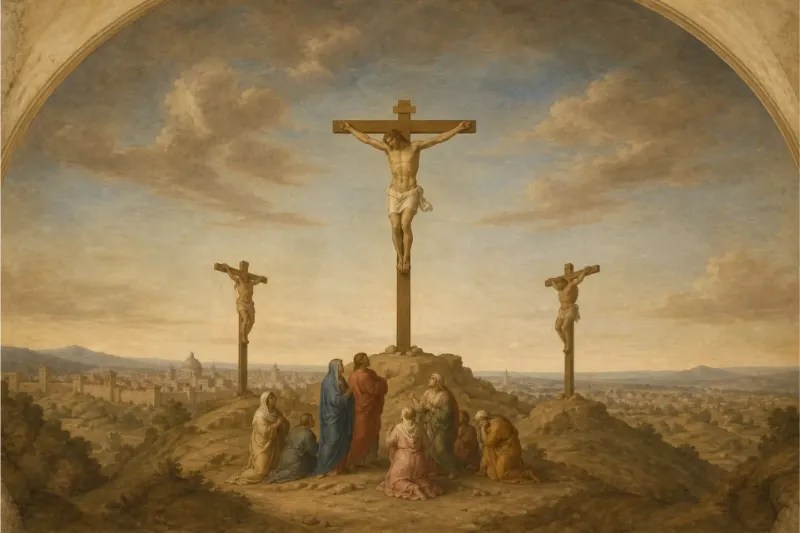
Hebrews 10:24-25
“And let us consider how to stir up one another to love and good works, not neglecting to meet together, as is the habit of some, but encouraging one another, and all the more as you see the Day drawing near.”
Reflection: The writer tells believers to think about how to “stir up one another to love and good works”, and names one habit that works against it: some had stopped meeting together. Meeting is tied to encouragement and to “the Day drawing near”; later in the chapter the writer quotes, “Yet a little while, and the coming one will come and will not delay” (verse 37). The verse before calls the readers to “hold fast the confession of our hope without wavering.”
One body with many members
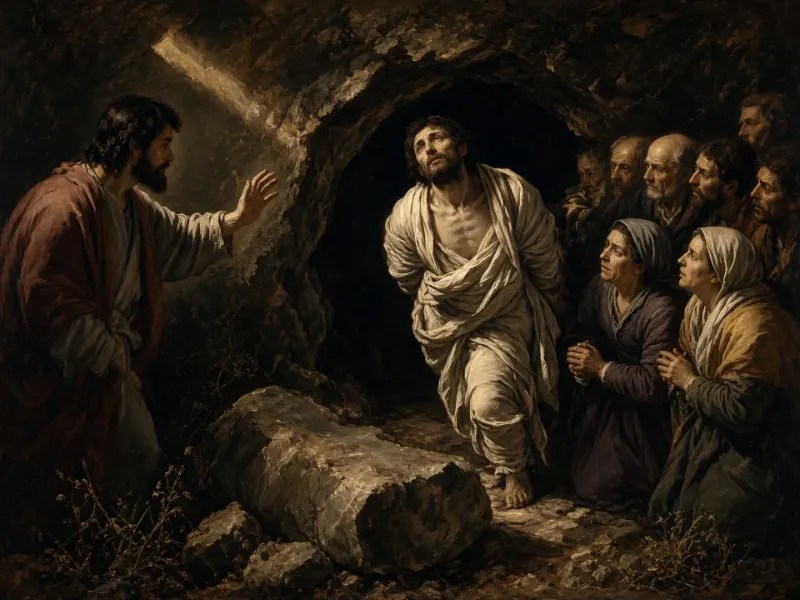
Romans 12:6-8
“Having gifts that differ according to the grace given to us, let us use them: if prophecy, in proportion to our faith; if service, in our serving; the one who teaches, in his teaching; the one who exhorts, in his exhortation; the one who contributes, in generosity; the one who leads, with zeal; the one who does acts of mercy, with cheerfulness.”
Reflection: Just before this list Paul writes, “so we, though many, are one body in Christ, and individually members one of another” (verse 5). Each gift is to be used as given: prophecy, service, teaching, exhortation, contributing, leading and acts of mercy. Verse 3 warns every member not to think of himself “more highly than he ought to think.”

1 Corinthians 12:25-26
“That there may be no division in the body, but that the members may have the same care for one another. If one member suffers, all suffer together; if one member is honored, all rejoice together.”
Reflection: Paul has just said that the eye cannot tell the hand “I have no need of you,” and that the weaker parts of the body “are indispensable.” God gives more honour to the parts that lack it so that the members care for one another. The chapter then states the point plainly: “Now you are the body of Christ and individually members of it.”

Ephesians 4:16
“From whom the whole body, joined and held together by every joint with which it is equipped, when each part is working properly, makes the body grow so that it builds itself up in love.”
Reflection: The body grows from Christ, its head, and builds itself up in love “when each part is working properly.” Verse 15 names the means: “speaking the truth in love, we are to grow up in every way into him who is the head.”
How members treat one another
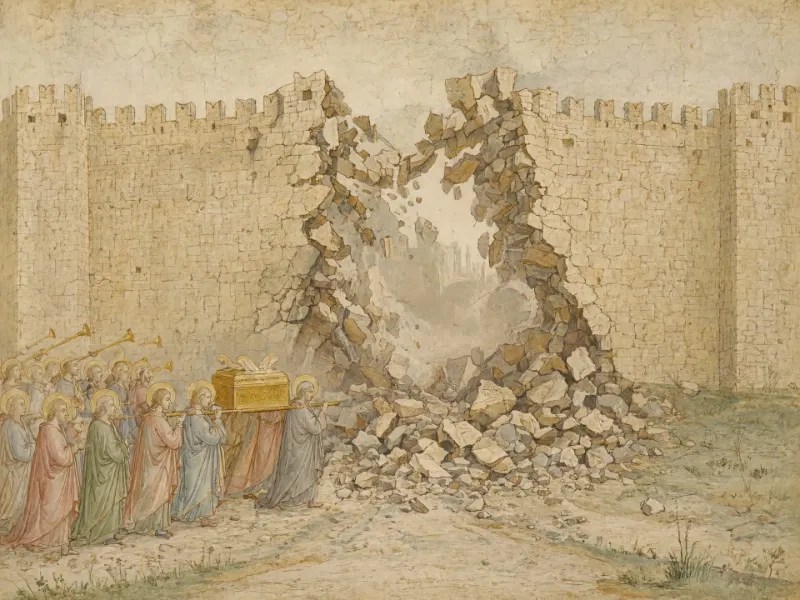
Romans 12:10
“Love one another with brotherly affection. Outdo one another in showing honor.”
Reflection: The verse belongs to the list that opens “Let love be genuine” (verse 9). Paul uses family language, “brotherly affection”, for people who are not related, and turns rivalry around: the contest is to show honour to others first.

Romans 12:15
“Rejoice with those who rejoice, weep with those who weep.”
Reflection: The line sits between “Bless those who persecute you” and “Live in harmony with one another.” It asks for both halves of sharing another person’s life, the joy as well as the grief.

Philippians 2:4
“Let each of you look not only to his own interests, but also to the interests of others.”
Reflection: Paul asks the Philippians to be “of the same mind, having the same love” (verse 2), and verse 3 tells them to count others “more significant than yourselves.” Verse 5 points to the example: “Have this mind among yourselves, which is yours in Christ Jesus.”

Galatians 6:2
“Bear one another’s burdens, and so fulfill the law of Christ.”
Reflection: The burdens follow straight after the instruction to restore someone caught in sin (verse 1). Three verses later Paul writes, “each will have to bear his own load” (verse 5), so carrying others’ burdens does not remove each person’s responsibility for his own work. “The law of Christ” connects with Galatians 5:14, where the whole law is fulfilled in “You shall love your neighbor as yourself.”
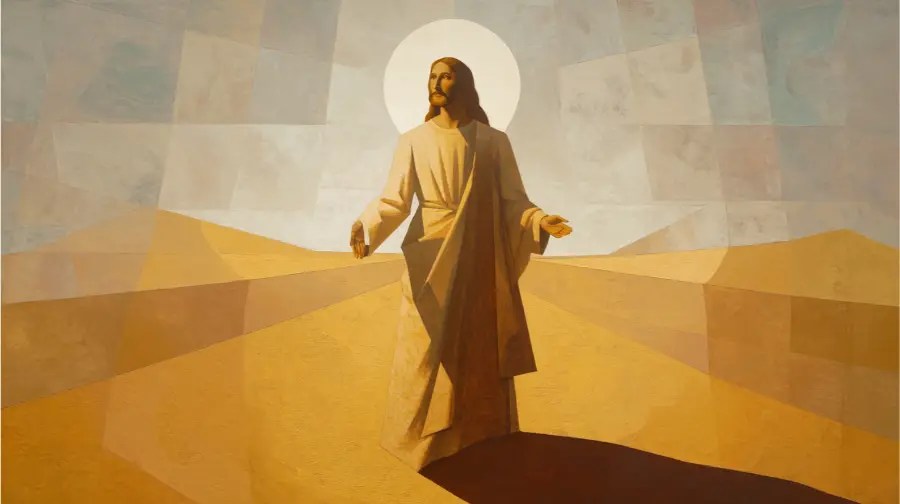
1 Thessalonians 5:11
“Therefore encourage one another and build one another up, just as you are doing.”
Reflection: The “therefore” follows Paul’s teaching on the day of the Lord, which comes “like a thief in the night” (verse 2), and his assurance that God has destined believers for salvation, so that “whether we are awake or asleep we might live with him” (verse 10). Chapter 4 ends the same way, after his teaching on believers who have died: “Therefore encourage one another with these words.” Paul adds that the Thessalonians are already doing this.
1 Peter 5:5
“Likewise, you who are younger, be subject to the elders. Clothe yourselves, all of you, with humility toward one another, for ‘God opposes the proud but gives grace to the humble.’”
Reflection: Peter first tells the elders to shepherd the flock “not domineering over those in your charge, but being examples” (verse 3), then tells the younger to be subject to the elders. Humility is then asked of “all of you”, toward one another. The quoted line, “God opposes the proud but gives grace to the humble,” is also quoted in James 4:6.
Galatians 6:10
“So then, as we have opportunity, let us do good to everyone, and especially to those who are of the household of faith.”
Reflection: Doing good reaches “everyone”, with a particular duty toward fellow believers, the “household of faith.” The verse before gives the reason to keep going: “in due season we will reap, if we do not give up.” Verse 6 names one example inside the household: the one taught the word should share good things with the teacher.
Forgiveness, correction and confession
Colossians 3:13
“Bearing with one another and, if one has a complaint against another, forgiving each other; as the Lord has forgiven you, so you also must forgive.”
Reflection: The verse belongs to a list of things God’s chosen ones are to “put on”: compassion, kindness, humility, meekness and patience. Forgiveness is measured by the Lord’s forgiveness of them. Verses 14-15 add love, “which binds everything together in perfect harmony,” and the peace of Christ, “to which indeed you were called in one body.”
Matthew 18:15
“If your brother sins against you, go and tell him his fault, between you and him alone. If he listens to you, you have gained your brother.”
Reflection: Jesus begins with a private conversation. If that fails, one or two others are brought in, then the matter is told to the church (verses 16-17). The same passage ends with “where two or three are gathered in my name, there am I among them” (verse 20), spoken in the setting of that process.
Galatians 6:1
“Brothers, if anyone is caught in any transgression, you who are spiritual should restore him in a spirit of gentleness. Keep watch on yourself, lest you too be tempted.”
Reflection: The person caught in sin is to be restored by “you who are spiritual”, and the manner is set: “in a spirit of gentleness.” The warning turns to the one doing the restoring, “lest you too be tempted.”
James 5:16
“Therefore, confess your sins to one another and pray for one another, that you may be healed. The prayer of a righteous person has great power as it is working.”
Reflection: The “therefore” follows instructions for the sick: they are to call the elders of the church, who pray over them and anoint them with oil, and “if he has committed sins, he will be forgiven” (verse 15). James then widens confession and prayer to the whole church, “one another”, and says of prayer that it “has great power as it is working.”


Leave a Reply