
 English
  Chinese
  Dutch
Dutch  Arabic
  Spanish
  Portuguese
  Russian
  French
  Italian
  German
  Japanese
 There is no Valentine in the Bible, and remarkably little about the man the day is named for.
The Roman martyrology carries a Valentine buried on the Via Flaminia, and in 1969 the Church quietly removed his feast from the general calendar because almost nothing beyond the name and the burial could be established. The flowers, the cards and the date all arrived later, from somewhere else. What Scripture does bring to a day about love is one entire book of desire, a set of passages about what love does when the feeling is unavailable, and — for anyone who finds the fourteenth of February a long day — a good deal more about friendship and loyalty than about romance. Sixteen passages below, sorted by who is reading them.
The book that is entirely about this

Song of Solomon 2:16
“My beloved is mine and I am his.”
Six words, and the whole book in miniature. The Song is the only part of Scripture given over completely to two people wanting each other, and it never pauses to justify itself to us.

Song of Solomon 8:7
“Many waters cannot quench love; rivers cannot sweep it away. If one were to give all the wealth of one’s house for love, it would be utterly scorned.”
The second half is the sharper half and it rarely makes it onto a card. The Song’s closing argument is that love cannot be bought, and that anyone who tries will be laughed at for it.
For the card
1 Corinthians 16:14
“Let all that you do be done in love.”
Five words at the end of a letter otherwise full of travel plans and a collection for Jerusalem. Paul drops it in among the practical arrangements, which is where most of us have to do it.

1 Thessalonians 3:12
“May the Lord make your love increase and overflow for each other and for everyone else, just as ours does for you.”
And for everyone else. Paul will not let the love stay inside the group he is writing to, and the clause is a quiet correction to how we usually use the word in February.
Romans 12:10
“Be devoted to one another in love. Honor one another above yourselves.”
Devoted translates a word for family affection — the loyalty we owe people we did not choose. Paul applies it to a congregation, and it is the least romantic and most durable word in the chapter.
Proverbs 31:10
“A wife of noble character who can find? She is worth far more than rubies.”
Noble character translates a phrase used elsewhere for soldiers and men of standing — capability, force, competence. It is closer to a warrior’s word than to a compliment about temperament.
What love does when the feeling is not available
1 Corinthians 13:4-7
“Love is patient, love is kind. It does not envy, it does not boast, it is not proud. It is not rude, it is not self-seeking.”
Fifteen statements and not one of them describes an emotion. Paul is listing behaviours, which is why we can use the passage as a checklist on a bad week and find so little in it on a good one.
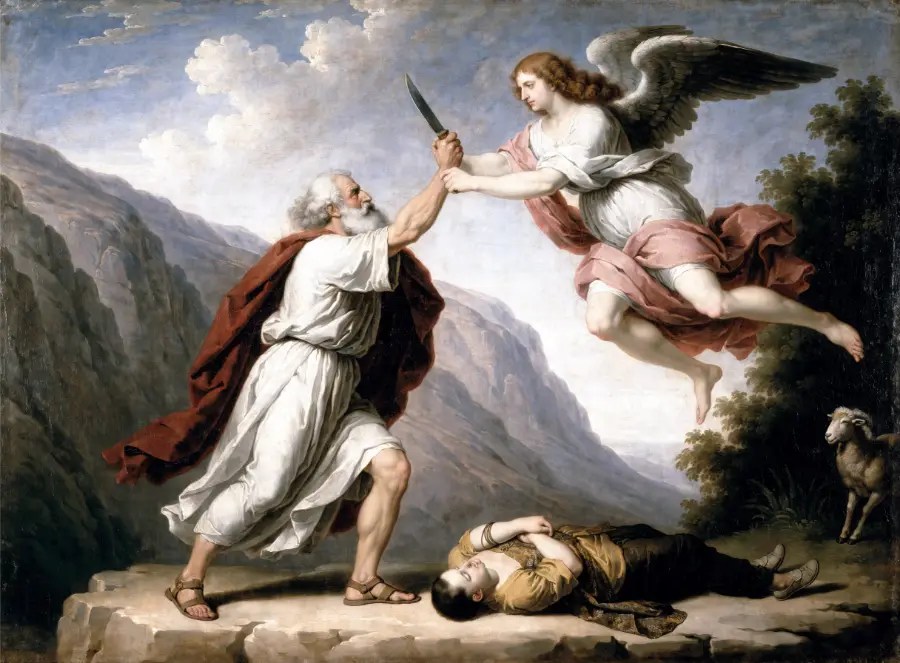
Proverbs 10:12
“Hatred stirs up conflict, but love covers all wrongs.”
Covers does not mean hides. Proverbs is describing the decision not to raise something again, which is a different act from pretending it did not happen.

Philippians 2:3
“Do nothing out of selfish ambition or vain conceit. Rather, in humility value others above yourselves.”
Value is a ledger word. It is an assessment we can make on an evening when we feel nothing at all, which is the only kind of instruction that survives a long winter.
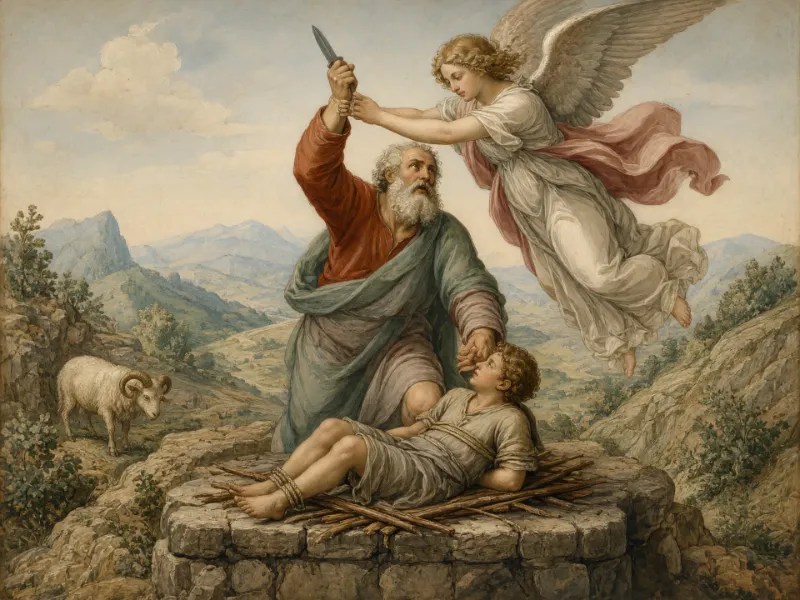
Galatians 5:22-23
“But the fruit of the Spirit is love, joy, peace, forbearance, kindness, goodness, faithfulness, gentleness and self-control.”
Fruit is singular in the Greek, and love heads the list, so we are not being handed nine separate targets. Paul is describing one thing with nine aspects rather than nine achievements, which changes what the list is for.
For anyone finding the day long
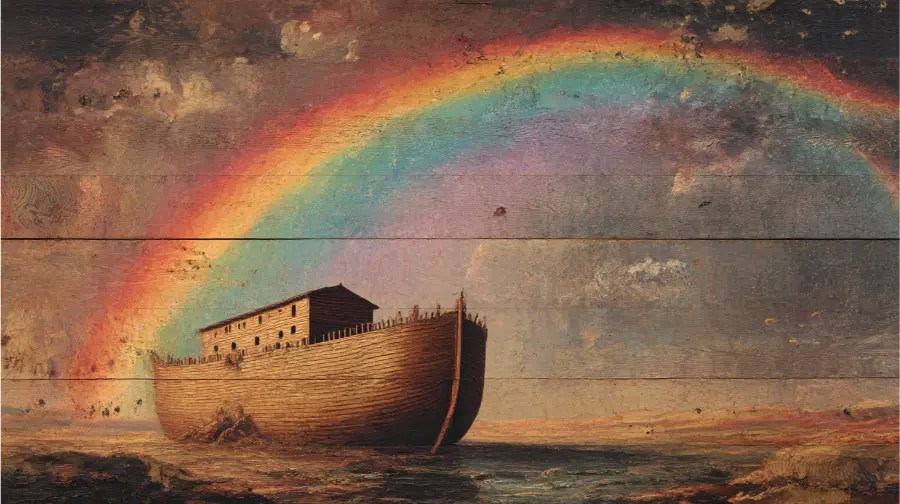
John 15:13
“Greater love has no one than this: to lay down one’s life for one’s friends.”
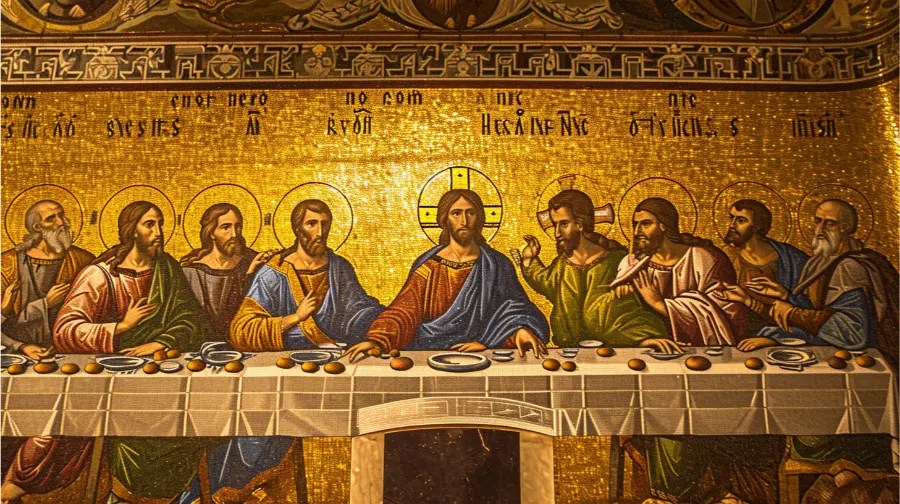
Friends, not spouses. The highest thing said about love anywhere in the Gospels is said about friendship, and Jesus says it to a room of men, on a night when he has no romantic attachment in the story at all.
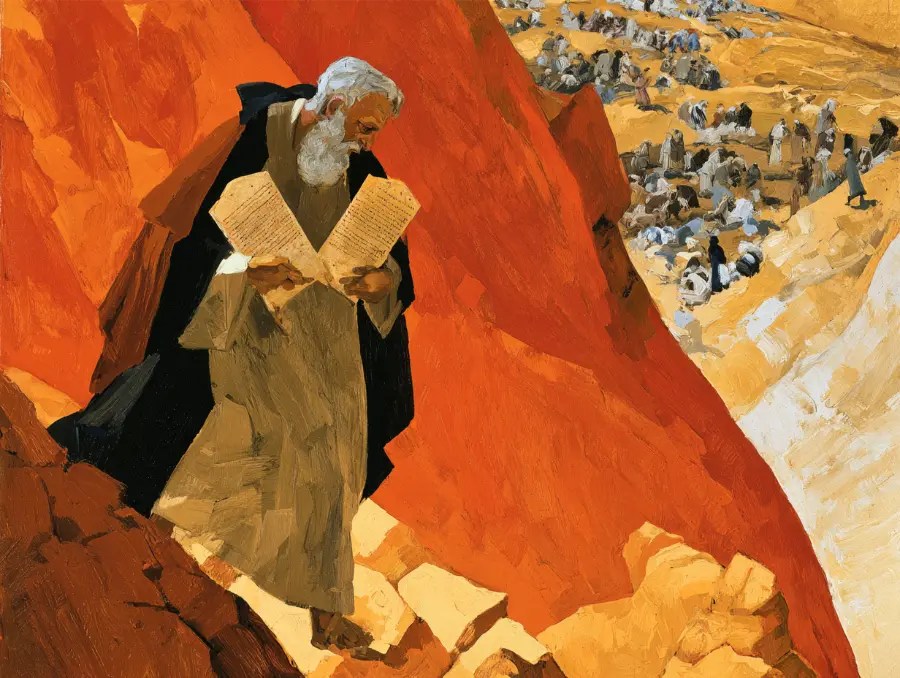
Proverbs 17:17
“A friend loves at all times, and a brother is born for a time of adversity.”
At all times covers the stretches when nothing is happening. Proverbs rates a friendship by how it behaves in a crisis and whether it persists in the gaps, and neither is something we can arrange for one day in February.
Ruth 1:16
“But Ruth replied, ‘Don’t urge me to leave you or to turn back from you. Where you go I will go, and where you stay I will stay. Your people will be my people and your God my God.’”
The most quoted vow in the English language was made by a widow to her mother-in-law, on a road, with no romance anywhere in the scene. We read it at weddings; Ruth said it to a woman who had twice told her to go home.
Zephaniah 3:17
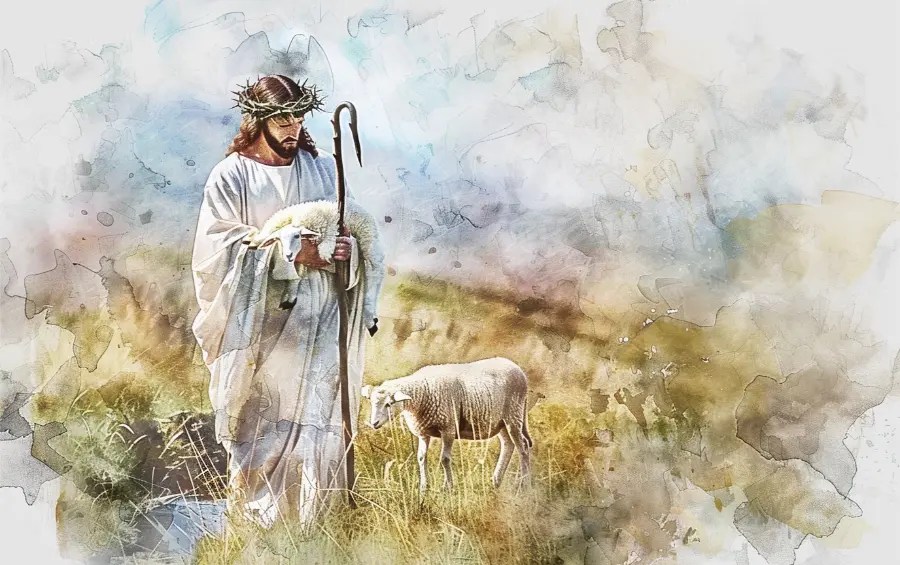
“The Lord your God is with you, the Mighty Warrior who saves. He will take great delight in you… but will rejoice over you with singing.”
Rejoice over you with singing is the most affectionate sentence in the prophets and it is addressed to nobody’s partner. It arrives at the end of a short, furious book, for people who had been told for two chapters that they were finished.
The love the day is borrowing from

1 John 4:9-10
“This is how God showed his love among us: He sent his one and only Son into the world… This is love: not that we loved God, but that he loved us.”
Not that we loved God. John is correcting the direction, and he does it in a letter written to people who already thought of themselves as loving. The initiative was never ours.

1 Peter 4:8
“Above all, love each other deeply, because love covers over a multitude of sins.”
Deeply translates a word for stretching — the strain of a muscle at full extension. Peter is not describing intensity of feeling but effort held past the point where it is comfortable.
What to do with a day the Bible never mentions
Nothing here forbids the flowers and nothing requires them. The date is borrowed, the saint is a name and a grave, and the Bible has no opinion about either. What it has instead is a book of frank desire that nobody has ever quite known what to do with, and a great many verses about a love that keeps going when nothing is being felt.
And it is worth saying plainly, on a day that can be lonely: the strongest sentence about love in the Gospels is about friends, and the most famous vow in Scripture was made between two widows on a road out of Moab. If the fourteenth is a hard day, the Bible’s own material is mostly on the other side of it. Love as Scripture describes it was never mainly a romantic subject.
