
 English
 Chinese
 Dutch
 Arabic
 Spanish
 Portuguese
 Russian
 French
 Italian
 German
 Japanese
The Bible describes love mainly as something done rather than felt. John’s letter defines it by pointing to the cross: “By this we know love, that he laid down his life for us” (1 John 3:16).
The rest of the New Testament’s teaching on love follows from that, including the passage in 1 Corinthians 13 read at many weddings. The nineteen verses below cover where love starts, what it is, what is commanded, and what it does between people.
Where it starts
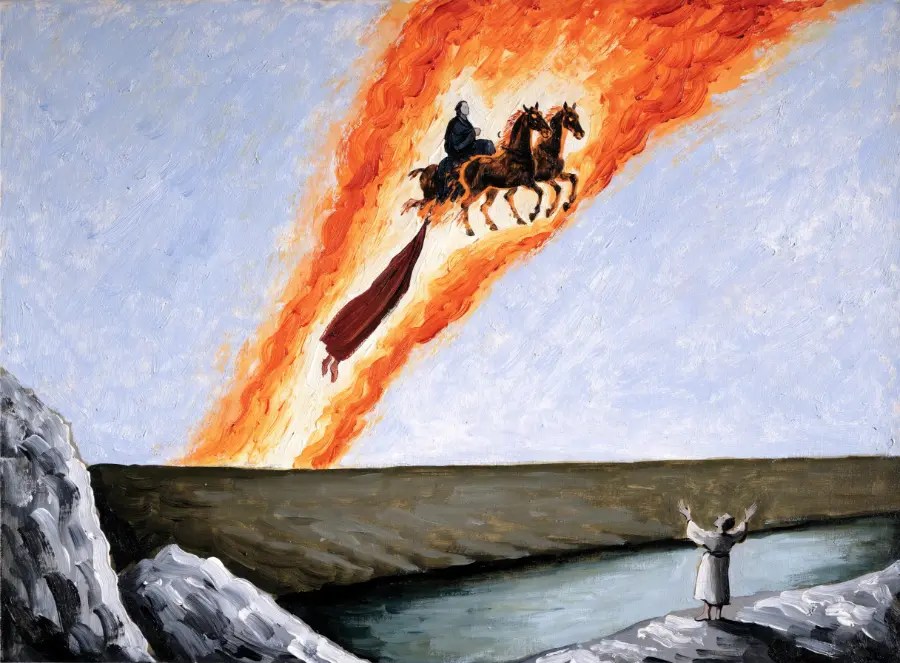
1 John 4:8
“Anyone who does not love does not know God, because God is love.”
Reflection: John says “God is love” twice in this chapter (4:8, 16). He also writes “God is light” (1:5), but love is the word he keeps returning to, and he ties knowing God to loving others.
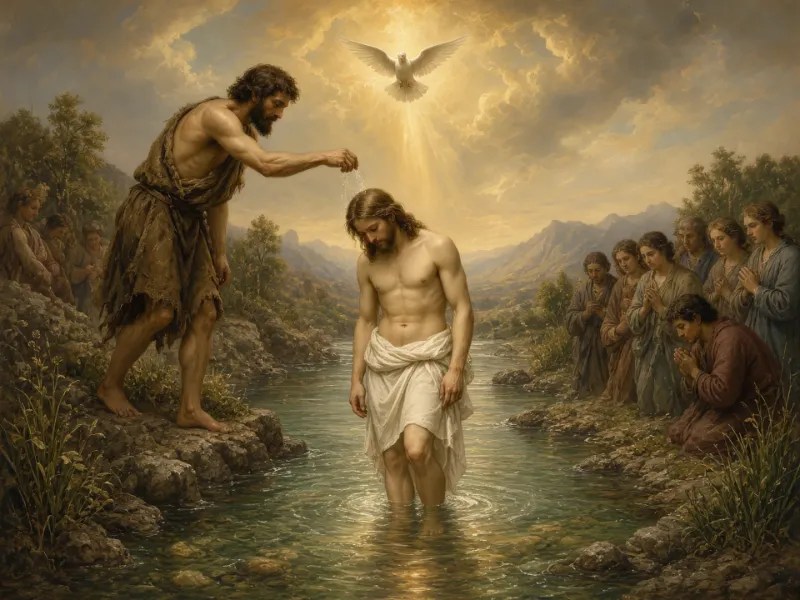
1 John 4:9-10
“In this the love of God was made manifest among us, that God sent his only Son into the world, so that we might live through him. In this is love, not that we have loved God but that he loved us.”
Reflection: John places the origin of love with God: “not that we have loved God but that he loved us.” It is his second definition of love, alongside 3:16.
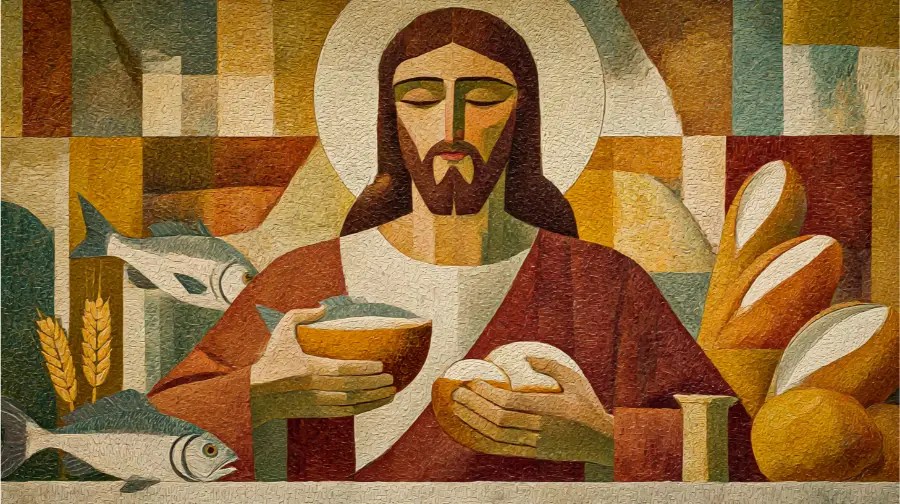
Romans 5:8
“But God shows his love for us in that while we were still sinners, Christ died for us.”
Reflection: Paul marks the timing: Christ died while we were still sinners, before any change or request.

John 3:16
“For God so loved the world, that he gave his only Son, that whoever believes in him should not perish but have eternal life.”
Reflection: The main verb is “gave.” Love is measured here by what the giver gave up.

1 John 4:19
“We love because he first loved us.”
Reflection: Love is a response: people love because God loved them first.
What it is

1 John 3:16
“By this we know love, that he laid down his life for us, and we ought to lay down our lives for the brothers.”
Reflection: The definition and the obligation are in the same verse. The act that defines love, the cross, is also the pattern for how believers are to love one another.

John 15:13
“Greater love has no one than this, that someone lay down his life for his friends.”
Reflection: Jesus says this at the Last Supper, the night before his death, and in the next verse he calls his disciples “my friends” (15:14).
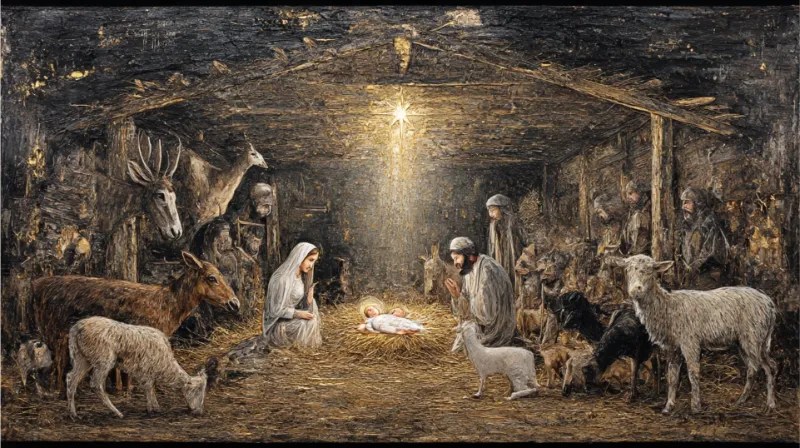
1 Corinthians 13:4-7
“Love is patient and kind; love does not envy or boast; it is not arrogant or rude. It does not insist on its own way; it is not irritable or resentful; it does not rejoice at wrongdoing.”
Reflection: Paul wrote this to a church where members were taking each other to court (6:1) and the poor were humiliated at the Lord’s Supper (11:21-22). Every item on the list is a behavior, so each can be done by someone who does not feel like it.

1 Corinthians 13:8
“Love never ends. As for prophecies, they will pass away; as for tongues, they will cease; as for knowledge, it will pass away.”
Reflection: The Corinthians were competing over spiritual gifts (chapters 12 and 14). Paul says prophecy, tongues and knowledge will pass away, and love will not.

1 Corinthians 13:13
“So now faith, hope, and love abide, these three; but the greatest of these is love.”
Reflection: Faith, hope and love all abide, and Paul names love as the greatest of the three.
What is commanded

Matthew 22:37-38
“And he said to him, ‘You shall love the Lord your God with all your heart and with all your soul and with all your mind. This is the great and first commandment.’”
Reflection: Asked which commandment was greatest, Jesus quotes the Shema, the command Israel was told to talk of “when you lie down, and when you rise” (Deuteronomy 6:7).

Deuteronomy 6:5
“You shall love the Lord your God with all your heart and with all your soul and with all your might.”
Reflection: Heart, soul and might together leave no part of a person outside the command.

John 13:34-35
“A new commandment I give to you, that you love one another: just as I have loved you, you also are to love one another. By this all people will know that you are my disciples.”
Reflection: Loving one’s neighbor was already commanded in Leviticus 19:18. What is new is the measure, “just as I have loved you,” and the sign by which the disciples of Jesus would be recognized.
John 14:15
“If you love me, you will keep my commandments.”
Reflection: Jesus connects love and obedience in a single sentence.

1 John 5:3
“For this is the love of God, that we keep his commandments. And his commandments are not burdensome.”
Reflection: John defines love for God as keeping his commandments, and adds that they are not burdensome.
What it does between people

Colossians 3:13
“Bearing with one another and, if one has a complaint against another, forgiving each other; as the Lord has forgiven you, so you also must forgive.”
Reflection: “Bearing with one another” assumes there will be complaints in any shared life, and the instruction is to forgive as the Lord forgave. For words to pray for those you live with, there are prayers for family.

1 Peter 4:8
“Above all, keep loving one another earnestly, since love covers a multitude of sins.”
Reflection: Peter echoes Proverbs 10:12. Covering sins means declining to keep a record of them.
Ephesians 4:32
“Be kind to one another, tenderhearted, forgiving one another, as God in Christ forgave you.”
Reflection: The standard is what believers have already received: forgiveness from God in Christ.
1 John 4:12
“No one has ever seen God; if we love one another, God abides in us and his love is perfected in us.”
Reflection: No one has seen God, John says, yet when believers love one another, God abides in them and his love is perfected in them.
What to do with all this
If love were only a feeling, most of these instructions would be impossible, because a feeling cannot be commanded. Paul’s list in 1 Corinthians 13 would describe a temperament rather than instruct a quarreling church.
Because love is an action, these verses can be followed on an ordinary day: bearing with someone, declining to keep a record of wrongs, being kind before the feeling arrives. The feeling often follows later.


Leave a Reply