
 English
 Chinese
 Dutch
 Arabic
 Spanish
 Portuguese
 Russian
 French
 Italian
 German
 Japanese
In the Bible God speaks to people directly, and Jesus says his sheep “know his voice”. God called Samuel by name (1 Samuel 3:10), spoke to Elijah in a gentle whisper (1 Kings 19:11-12) and told three disciples to listen to Jesus (Matthew 17:5).
Hebrews 1:1-2 says God spoke through the prophets “in various ways” and has now “spoken to us by his Son”. Jesus draws the picture of sheep and shepherd in John 10:3-4 and 10:27, and promises that the Holy Spirit will remind his disciples of everything he said (John 14:26) and guide them into all the truth (John 16:13); Paul calls Scripture “God-breathed” (2 Timothy 3:16), and 1 John 4:1 warns that not every spirit is from God and each has to be tested.
God speaking in the Old Testament
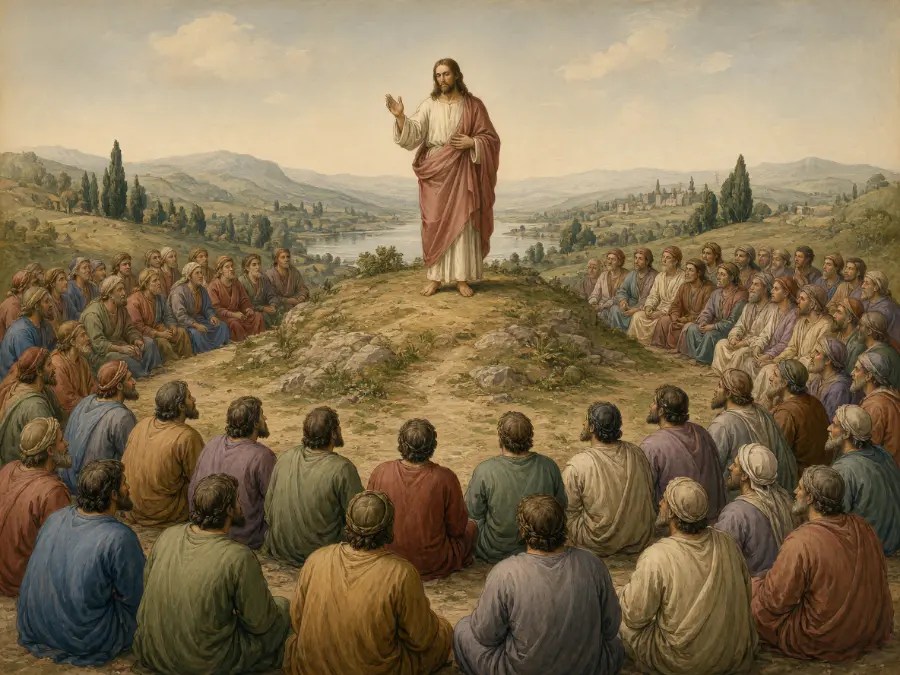
1 Samuel 3:10
“The LORD came and stood there, calling as at the other times, ‘Samuel! Samuel!’ Then Samuel said, ‘Speak, for your servant is listening.’”
Reflection: The chapter opens by saying that “the word of the LORD was rare; there were not many visions” (1 Samuel 3:1). Three times Samuel hears his name and runs to the old priest Eli, because he “did not yet know the LORD” (3:7). Eli is the one who realises who is calling and teaches the boy the reply he gives here. What follows is a message of judgment on Eli’s own house that will make the ears of everyone who hears it “tingle” (3:11).

1 Kings 19:11-12
“The LORD said, ‘Go out and stand on the mountain in the presence of the LORD, for the LORD is about to pass by.’ Then a great and powerful wind tore the mountains apart and shattered the rocks before the LORD, but the LORD was not in the wind. After the wind there was an earthquake, but the LORD was not in the earthquake. After the earthquake came a fire, but the LORD was not in the fire. And after the fire came a gentle whisper.”
Reflection: Elijah has run for his life from Jezebel’s threat and is hiding in a cave, telling God, “I am the only one left.” The Lord passes by, and the text says three times that he was not in the wind, the earthquake or the fire. After the fire comes “a gentle whisper”; Elijah covers his face and goes out, the voice repeats its question, “What are you doing here, Elijah?”, and then sends him back with work to do, starting with anointing Hazael king over Aram (19:15).
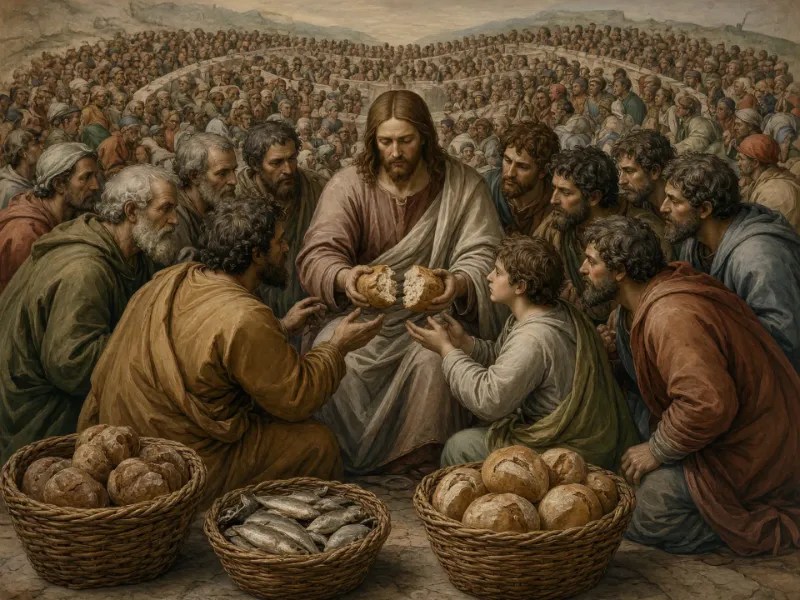
Isaiah 30:21
“Whether you turn to the right or to the left, your ears will hear a voice behind you, saying, ‘This is the way; walk in it.’”
Reflection: Isaiah addresses the people of Zion, who will “weep no more”, and says the Lord will answer as soon as he hears them cry for help (Isaiah 30:19). The verse does not name who speaks from behind. The line before it promises that “your teachers will be hidden no more”, and the verse after has the people throwing away their silver and gold idols.
God speaking through his Son

Hebrews 1:1-2
“In the past God spoke to our ancestors through the prophets at many times and in various ways, but in these last days he has spoken to us by his Son, whom he appointed heir of all things, and through whom also he made the universe.”
Reflection: The letter to the Hebrews opens with this contrast. The prophets received God’s word “at many times and in various ways”, and the Son is both the one through whom God now speaks and the one “through whom also he made the universe”. Verses 4-5 go on to set the Son above the angels.

Matthew 17:5
“While he was still speaking, a bright cloud covered them, and a voice from the cloud said, ‘This is my Son, whom I love; with him I am well pleased. Listen to him!’”
Reflection: On the mountain of the transfiguration, Peter is offering to put up three shelters, for Jesus, Moses and Elijah, when the cloud covers them and the voice interrupts him. The voice repeats the words spoken at Jesus’ baptism and adds one command: “Listen to him!” The disciples fall facedown, terrified, and when they look up they see “no one except Jesus” (17:8).
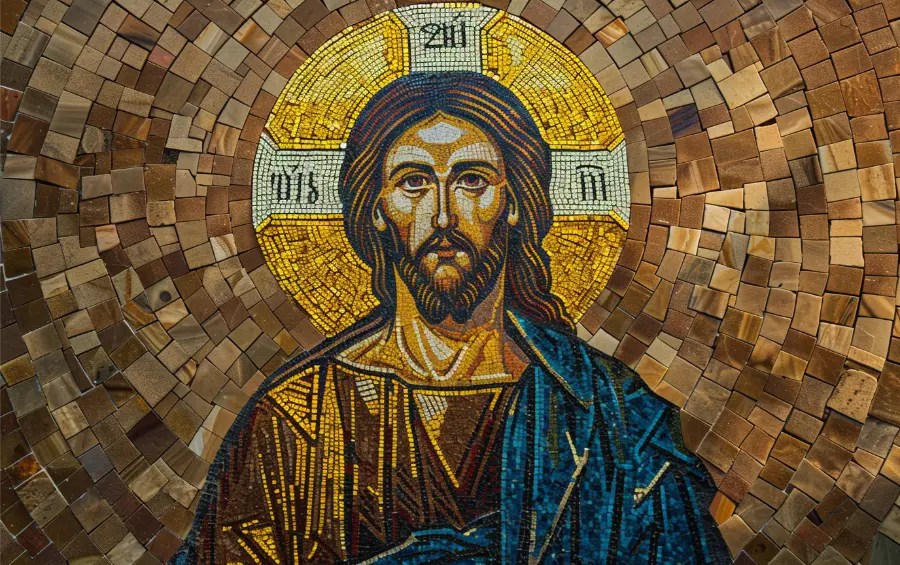
John 10:3-4
“The gatekeeper opens the gate for him, and the sheep listen to his voice. He calls his own sheep by name and leads them out. When he has brought out all his own, he goes on ahead of them, and his sheep follow him because they know his voice.”
Reflection: Jesus speaks this figure to Pharisees, and John says they “did not understand what he was telling them” (John 10:6). The shepherd calls his own sheep by name, and they follow because they know his voice. Verse 5 gives the other side: the sheep “will never follow a stranger” and run away because “they do not recognize a stranger’s voice.”

John 10:27
“My sheep listen to my voice; I know them, and they follow me.”
Reflection: At the Festival of Dedication, in winter, people in the temple courts press Jesus to tell them plainly whether he is the Messiah (John 10:24). He answers that they do not believe “because you are not my sheep”, and then describes his sheep: they listen, he knows them, and they follow. The next verse promises that no one will snatch them out of his hand.

Revelation 3:20
“Here I am! I stand at the door and knock. If anyone hears my voice and opens the door, I will come in and eat with that person, and they with me.”
Reflection: The words are addressed to the church in Laodicea, which says of itself “I am rich” and is told it is “wretched, pitiful, poor, blind and naked” (Revelation 3:17). The verse before is “Those whom I love I rebuke and discipline. So be earnest and repent.” The one knocking asks to be heard and let in, and the letter ends, “Whoever has ears, let them hear what the Spirit says to the churches” (3:22).
God’s voice in Scripture
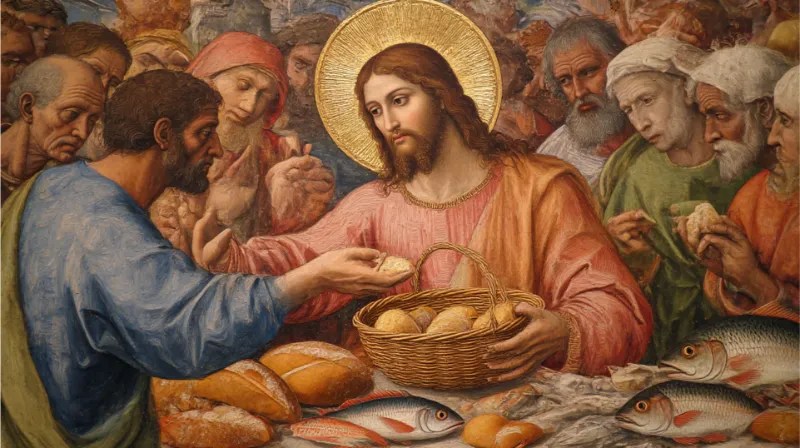
Psalm 119:105
“Your word is a lamp for my feet, a light on my path.”
Reflection: The psalmist speaks to God, and the word is “your word”. A lamp for the feet lights the next step, and the psalmist calls the word both that lamp and a light on the path.
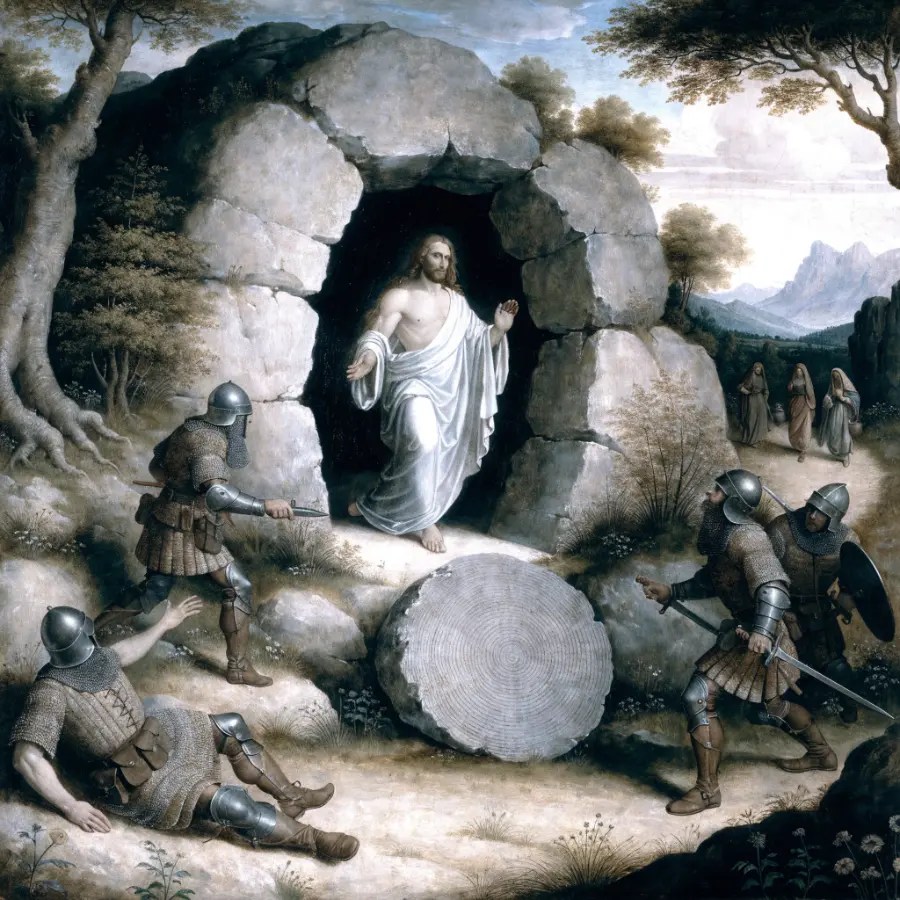
2 Timothy 3:16-17
“All Scripture is God-breathed and is useful for teaching, rebuking, correcting and training in righteousness, so that the servant of God may be thoroughly equipped for every good work.”
Reflection: Paul reminds Timothy that he has known “the Holy Scriptures” from infancy, and that they are “able to make you wise for salvation through faith in Christ Jesus” (2 Timothy 3:15). Calling all Scripture God-breathed places its origin with God; the uses Paul lists are teaching, rebuking, correcting and training, so that the servant of God is equipped for good work.
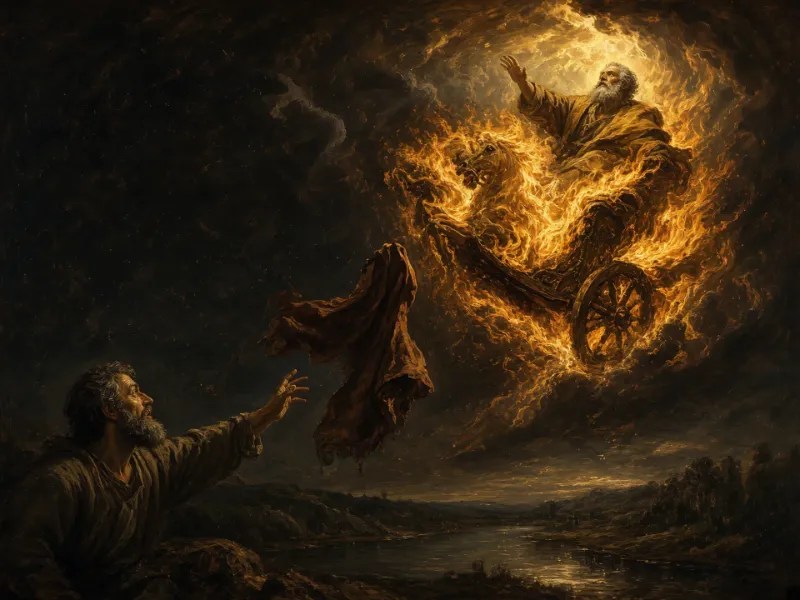
Hebrews 4:12
“For the word of God is alive and active. Sharper than any double-edged sword, it penetrates even to dividing soul and spirit, joints and marrow; it judges the thoughts and attitudes of the heart.”
Reflection: The verse comes at the end of a long reading of Psalm 95, which Hebrews quotes as God speaking through David: “Today, if you hear his voice, do not harden your hearts” (Hebrews 4:7). Hebrews 3:8 connects the warning to the rebellion in the wilderness. The next verse adds that nothing is hidden from God’s sight.
The Spirit who teaches and leads

John 14:26
“But the Advocate, the Holy Spirit, whom the Father will send in my name, will teach you all things and will remind you of everything I have said to you.”
Reflection: Jesus has just said, “These words you hear are not my own; they belong to the Father who sent me” (John 14:24). The Spirit’s work in this promise is tied to what Jesus has already said: to teach the disciples all things and to remind them of everything he told them while he was with them.
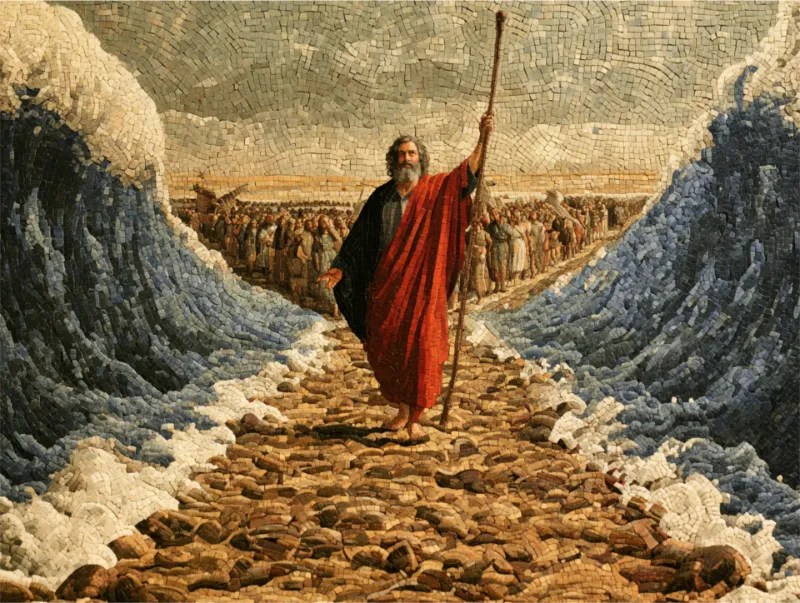
John 16:13
“But when he, the Spirit of truth, comes, he will guide you into all the truth. He will not speak on his own; he will speak only what he hears, and he will tell you what is yet to come.”
Reflection: Jesus begins by telling the disciples, “I have much more to say to you, more than you can now bear” (John 16:12). The Spirit will not speak on his own; he will speak only what he hears, and verse 14 says he will glorify Jesus “because it is from me that he will receive what he will make known to you.”
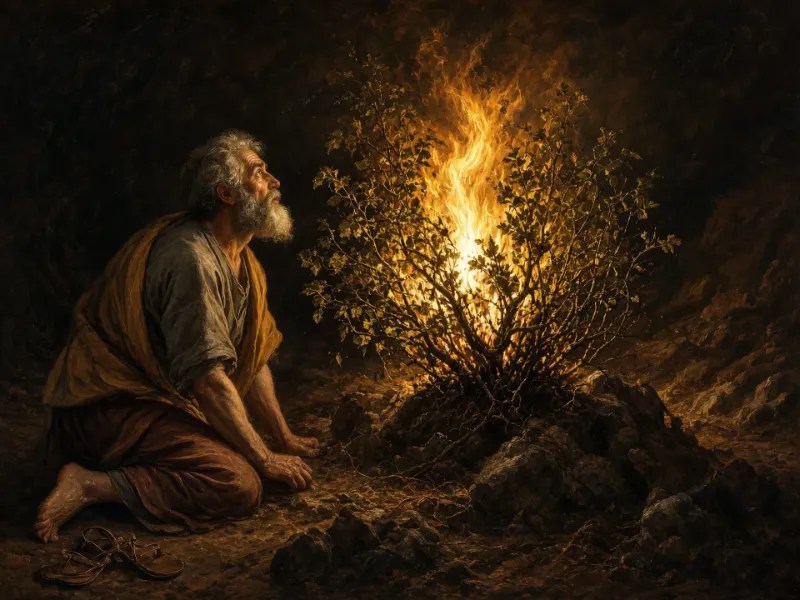
Romans 8:14
“For those who are led by the Spirit of God are the children of God.”
Reflection: The leading Paul describes here is tied to the verse before: “if by the Spirit you put to death the misdeeds of the body, you will live” (Romans 8:13). Two verses later he describes the Spirit bearing witness: “The Spirit himself testifies with our spirit that we are God’s children” (8:16), and by the Spirit believers cry “Abba, Father.”
Testing what claims to be God’s voice
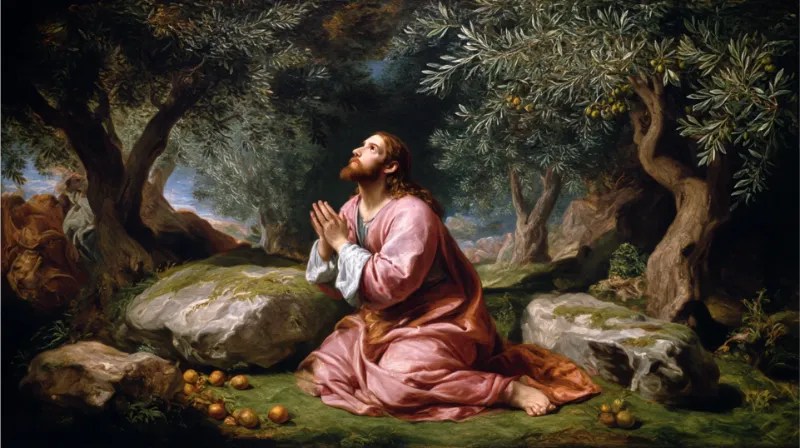
John 7:17
“Anyone who chooses to do the will of God will find out whether my teaching comes from God or whether I speak on my own.”
Reflection: Jesus is teaching in the temple courts halfway through a festival, and the Jews there are amazed and ask how he got such learning without having been taught (John 7:15). He answers that his teaching comes from the one who sent him, and that a person who chooses to do God’s will can tell whether it does. The next verse gives a second test: one who speaks on his own seeks his own glory.
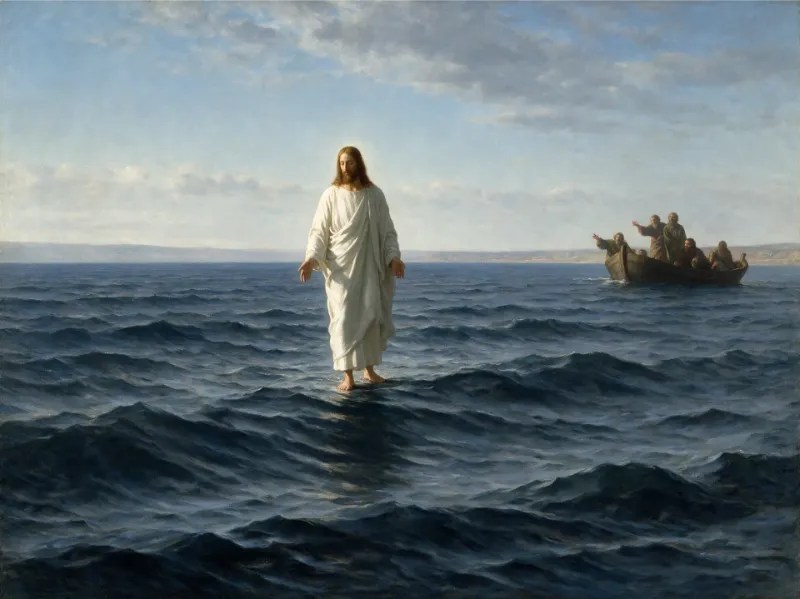
1 John 4:1
“Dear friends, do not believe every spirit, but test the spirits to see whether they are from God, because many false prophets have gone out into the world.”
Reflection: John gives the test in the next verse: “Every spirit that acknowledges that Jesus Christ has come in the flesh is from God” (1 John 4:2). He goes on to say that false prophets speak from the viewpoint of the world “and the world listens to them”, while “whoever knows God listens to us” (4:5-6).
Answering God’s voice
Samuel’s reply in 1 Samuel 3:10, “Speak, for your servant is listening”, is addressed to God, and Eli taught it to him for that purpose (3:9), so it can be prayed as written. Hebrews 3:7-8 quotes Psalm 95 as a warning to anyone who hears God’s voice, not a prayer: “Today, if you hear his voice, do not harden your hearts,” as the Israelites did in the wilderness.


Leave a Reply