
 English
 Chinese
 Dutch
 Arabic
 Spanish
 Portuguese
 Russian
 French
 Italian
 German
 Japanese
Category 1: The Divine Act of Forgiveness and Release
These verses focus on God’s initiative to wipe the slate clean. This is the foundation upon which we can build a new future, as it deals directly with the burden of guilt and the reality of divine pardon.
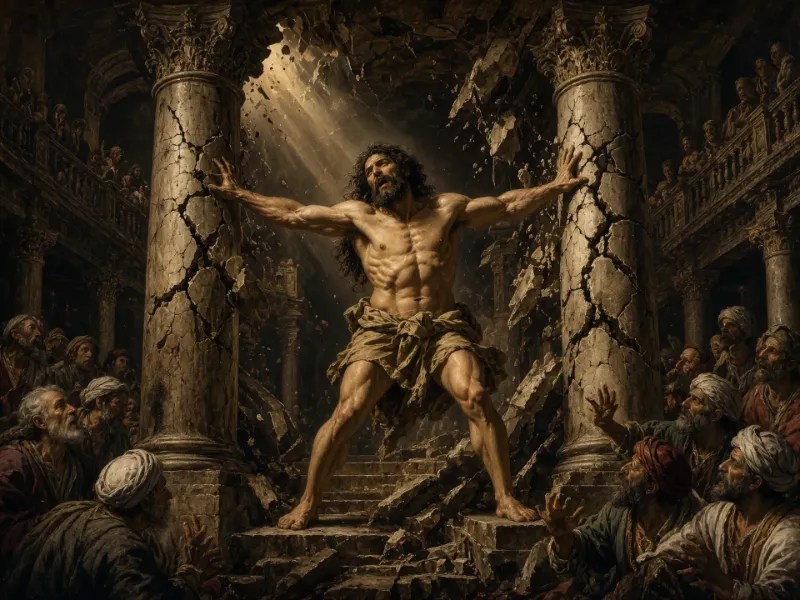
Psalm 103:12
“as far as the east is from the west, so far has he removed our transgressions from us.”
Reflection: This is a beautiful portrait of divine absolution. The east and west are points that can never meet, an image of infinite distance. This speaks to the totality of God’s forgiveness. Emotionally, it gives us permission to stop measureing the distance to our own past. When we feel the gravitational pull of old guilt, this verse reminds us that in the heart of God, that guilt is no longer tethered to us. It has been flung into infinity, and we are free to walk in the opposite direction.
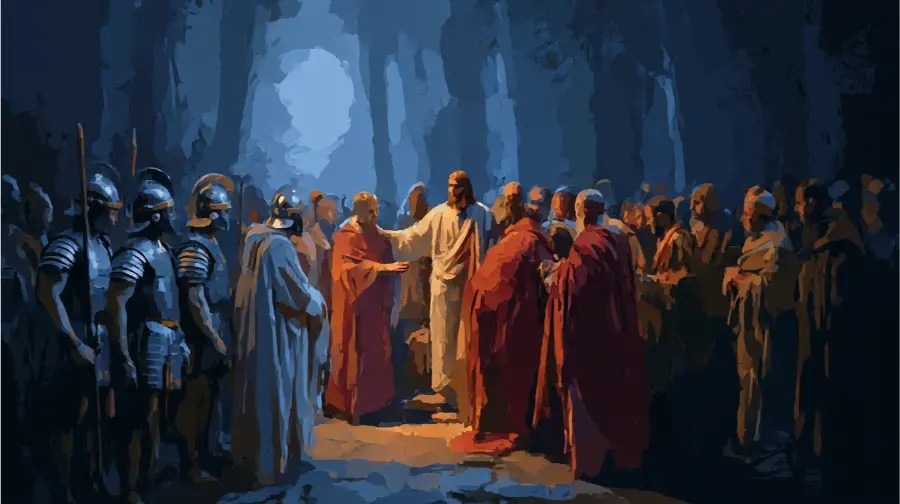
Isaiah 1:18
“‘Come now, let us reason together,’ says the LORD. ‘Though your sins are like scarlet, they shall be as white as snow; though they are red as crimson, they shall become like wool.’”
Reflection: The imagery here is transformative. Scarlet and crimson are colors of deep, set-in stains, much like how shame and regret can feel dyed into the fabric of our identity. The promise isn’t just to cover the stain, but to fundamentally change its nature to the purest white. This is a call to a new self-perception. We are invited to see ourselves not by the “scarlet letter” of our past but through the purifying lens of God’s grace, which reweaves our very being.
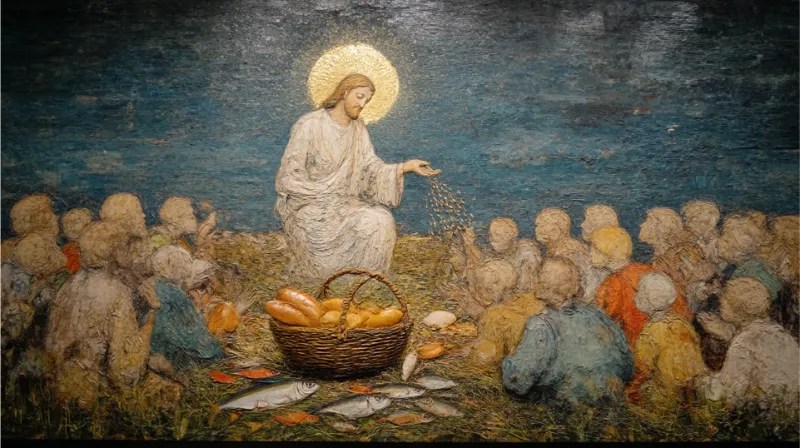
Micah 7:19
“He will again have compassion on us; he will tread our iniquities underfoot and hurl all our iniquities into the depths of the sea.”
Reflection: This verse offers a sense of finality to our failings. Our sins are not just forgiven; they are conquered (“tread underfoot”) and disposed of in a place from which they cannot be retrieved. For the soul that keeps dredging up old mistakes, this is a powerful emotional anchor. It gives us a concrete mental image to counter the recurring thoughts of past wrongs. Our failures are sunk, not floating on the surface waiting to be rediscovered.

Hebrews 8:12
“For I will forgive their wickedness and will remember their sins no more.”
Reflection: This is perhaps one of the most psychologically liberating truths in Scripture. To be in a relationship where the other party not only forgives but chooses not to remember the offense is the basis of ultimate security. It means we no longer have to live in fear of our past being brought up against us by God. This frees us from the exhausting work of trying to compensate for or hide from our history, allowing us to live with authenticity and unburdened sincerity.

1 John 1:9
“If we confess our sins, he is faithful and just and will forgive us our sins and purify us from all unrighteousness.”
Reflection: Here lies the sacred transaction for a clear conscience. Confession is the act of bringing our darkness into the light of God’s presence, an act of profound vulnerability. The response is not condemnation, but a twofold action: forgiveness (a legal pardon) and purification (an inner cleansing). It assures us that acknowledging our past honestly is the very pathway to being freed from its moral and emotional weight.
Category 2: Embracing a New and Renewed Identity
Once forgiven, the journey involves shifting our core identity. These verses speak to the new self that emerges when we are rooted in Christ, making the “old self” a thing of the past.

2 Corinthians 5:17
“Therefore, if anyone is in Christ, the new creation has come: The old has gone, the new is here!”
Reflection: This is the cornerstone of Christian identity. It’s not about mere improvement or turning over a new leaf; it’s about a complete ontological shift. We are not just a “better version” of our old selves; we are a “new creation.” This truth combats the narrative that our past defines our essence. It declares that our past identity has expired. The struggle to let go of the past is often a struggle to believe that we are truly, fundamentally, and irrevocably new.
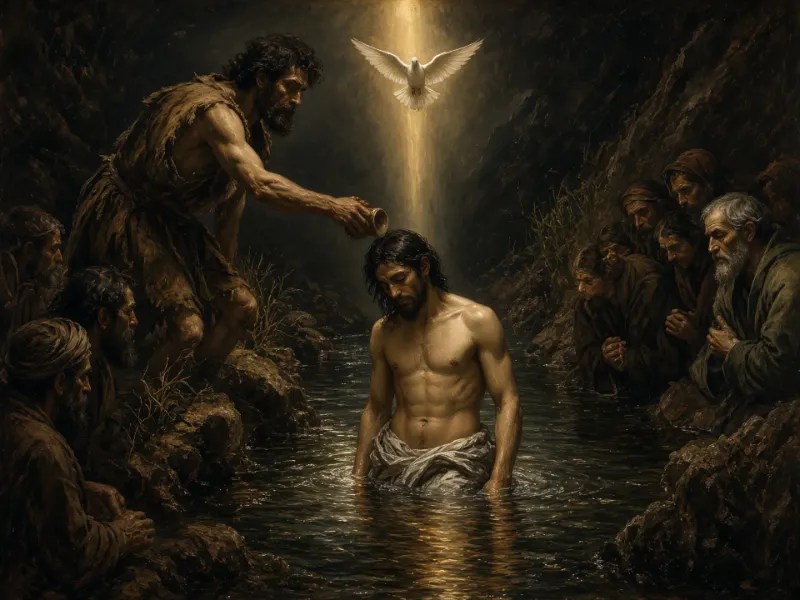
Ephesians 4:22-24
“You were taught, with regard to your former way of life, to put off your old self, which is being corrupted by its deceitful desires; to be made new in the attitude of your minds; and to put on the new self, created to be like God in true righteousness and holiness.”
Reflection: This passage uses the powerful metaphor of changing clothes. The “old self” is a garment that no longer fits, corrupted and worn out. We are called to the intentional act of taking it off. This isn’t passive; it’s an active, daily choice, renewed in the “attitude of our minds.” It acknowledges that our thought patterns are central to this transformation. We leave the past behind by consciously choosing to clothe ourselves in a new identity built on righteousness and holiness, an identity that truly reflects who we are created to be.

Galatians 2:20
“I have been crucified with Christ and I no longer live, but Christ lives in me. The life I now live in the body, I live by faith in the Son of God, who loved me and gave himself for me.”
Reflection: This verse describes the deepest form of leaving the past behind: co-crucifixion. Our old self, with its record of failures and shame, has been nailed to the cross with Jesus. The person who lives now is animated by a different source—the indwelling Christ. This radically reframes our personal story. My life’s narrative is no longer solely “my story” but is now part of His story of resurrection and redemption. This allows us to look at our past as belonging to a self that has already died.

Romans 6:4
“We were therefore buried with him through baptism into death in order that, just as Christ was raised from the dead through the glory of the Father, we too may live a new life.”
Reflection: Baptism is depicted here as a funeral for our old way of life. It’s a burial. Just as we don’t expect a buried person to walk around, we are empowered to consider our old life as finished. The purpose of this “death” is to clear the way for “new life”—a resurrection life. This gives us a powerful rite of passage to mark the end of one chapter and the beginning of another, providing a clear demarcation line between the past and the present.
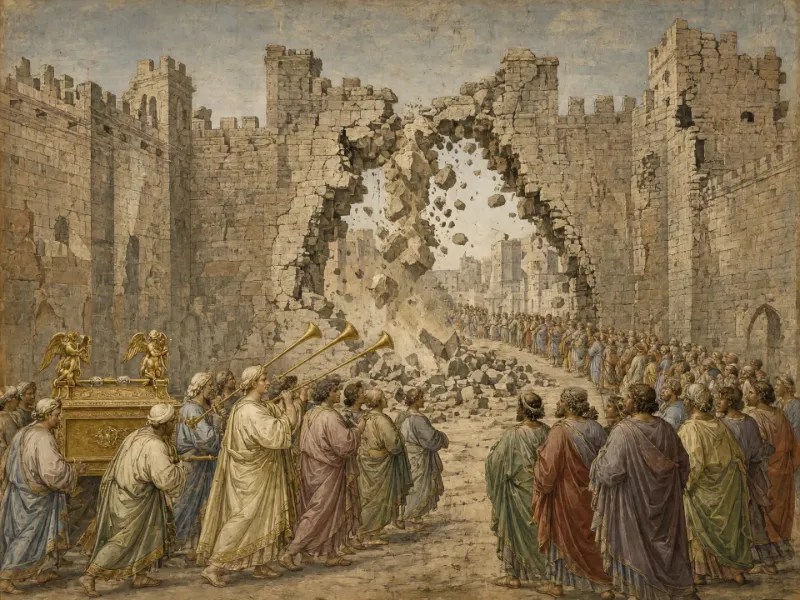
Colossians 3:9-10
“Do not lie to each other, since you have taken off your old self with its practices and have put on the new self, which is being renewed in knowledge in the image of its Creator.”
Reflection: Here, letting go of the past is directly linked to our present behaviors, like honesty. We are told to stop lying because it’s inconsistent with our new identity. It’s like wearing a tuxedo to go mud-wrestling; the behavior doesn’t match the new clothes. The past is left behind not just in our minds, but in our actions. Every time we choose a new, godly behavior, we reinforce the reality that the “old self” and its practices are truly in the past.
Category 3: The Intentional Act of Moving Forward
This group of verses emphasizes the human responsibility and choice involved. Letting go is not passive; it requires a conscious decision and a forward-looking posture.
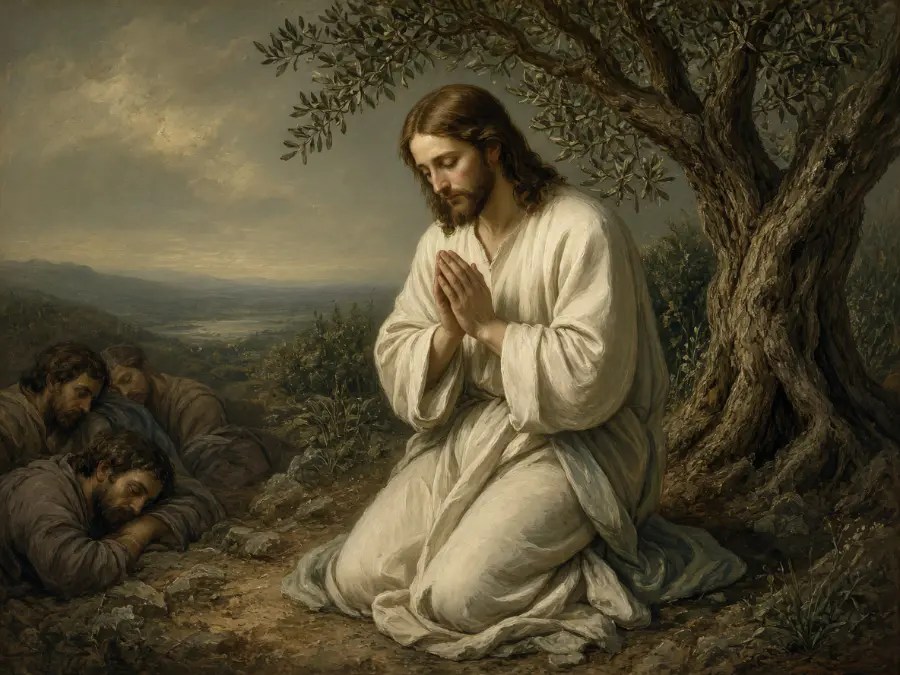
Philippians 3:13-14
“Brothers and sisters, I do not consider myself yet to have taken hold of it. But one thing I do: Forgetting what is behind and straining toward what is ahead, I press on toward the goal to win the prize for which God has called me heavenward in Christ Jesus.”
Reflection: This is the spiritual athlete’s mindset. “Forgetting” here isn’t a passive amnesia but an active refusal to be defined or hindered by the past, whether by past successes or past failures. The energy is channeled forward, “straining” and “pressing on.” This gives us a model for emotional and spiritual progress. We overcome the inertia of the past by being relentlessly pulled forward by a compelling vision of our future purpose in God.
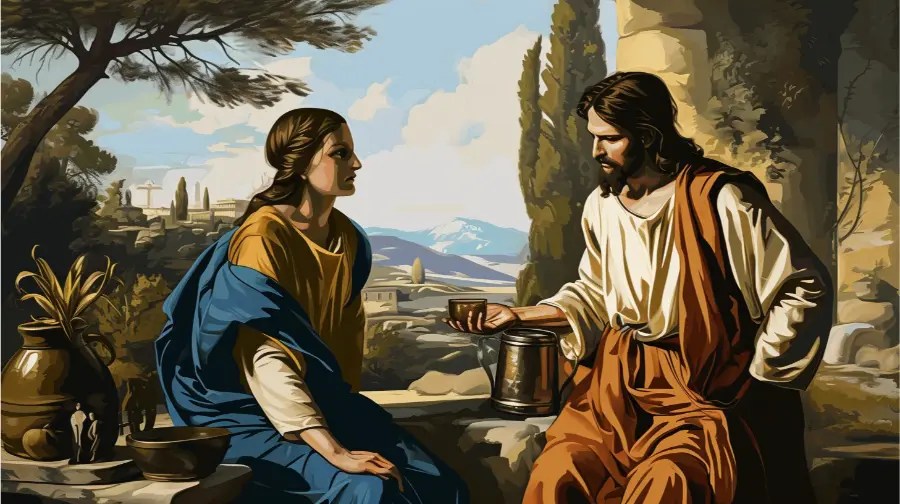
Isaiah 43:18-19
“Forget the former things; do not dwell on the past. See, I am doing a new thing! Now it springs up; do you not perceive it? I am making a way in the wilderness and streams in the wasteland.”
Reflection: God Himself commands us to shift our focus. “Do not dwell on the past” is a direct instruction against rumination, the unhealthy cycle of replaying failures. The antidote is perception: “See, I am doing a new thing!” We are prompted to look for evidence of new life, even in desolate emotional landscapes. This verse cultivates hope by assuring us that God’s creative power is at work right now, making a future possible where we can only see a barren past.
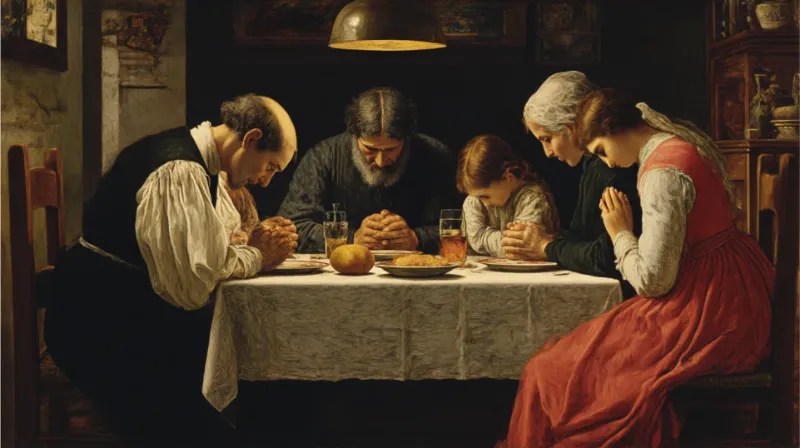
Hebrews 12:1-2
“Therefore, since we are surrounded by such a great cloud of witnesses, let us throw off everything that hinders and the sin that so easily entangles. And let us run with perseverance the race marked out for us, fixing our eyes on Jesus, the pioneer and perfecter of faith.”
Reflection: This passage identifies the past as baggage—a weight that “hinders” and “entangles.” To run our race effectively, we must intentionally “throw it off.” It’s an act of deliberate unburdening. The secret to doing this successfully is not to stare at the weight we are dropping, but to “fix our eyes on Jesus.” The past loses its power when our gaze is locked onto a greater, more compelling focus.
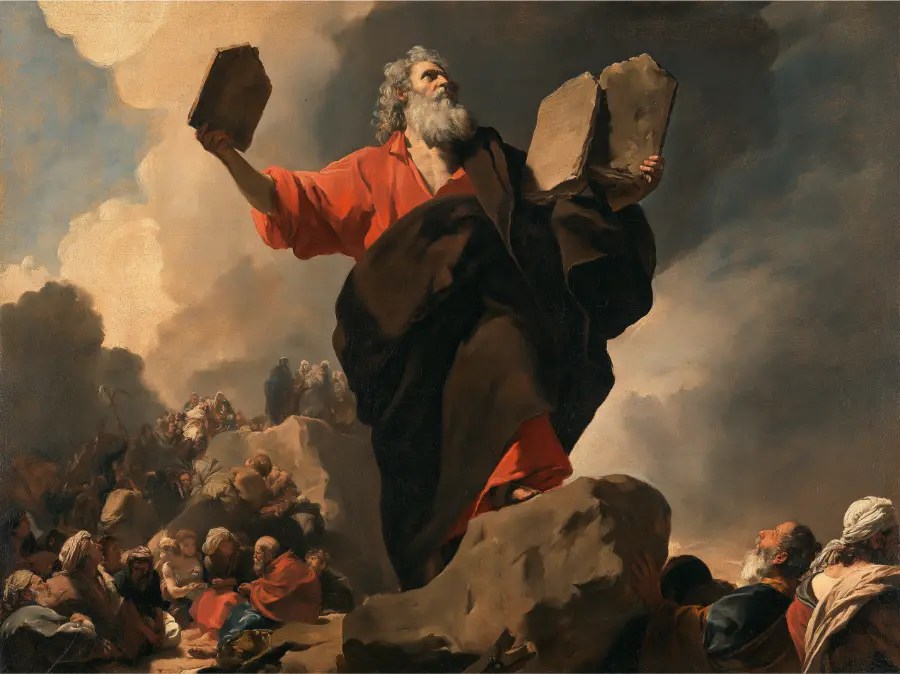
Luke 9:62
“Jesus replied, ‘No one who puts a hand to the plow and looks back is fit for service in the kingdom of God.’”
Reflection: This is a sobering and powerful analogy. Plowing requires a steady, forward gaze to create a straight furrow. Looking back causes the plow to veer off course, ruining the work. Jesus uses this image to teach that kingdom work—and by extension, a life of faith—demands our full, forward-facing attention. Nostalgia for a sinful past or preoccupation with old wounds makes us ineffective in the present. It’s a call to commit to the direction we are headed without the disorienting glance over our shoulder.
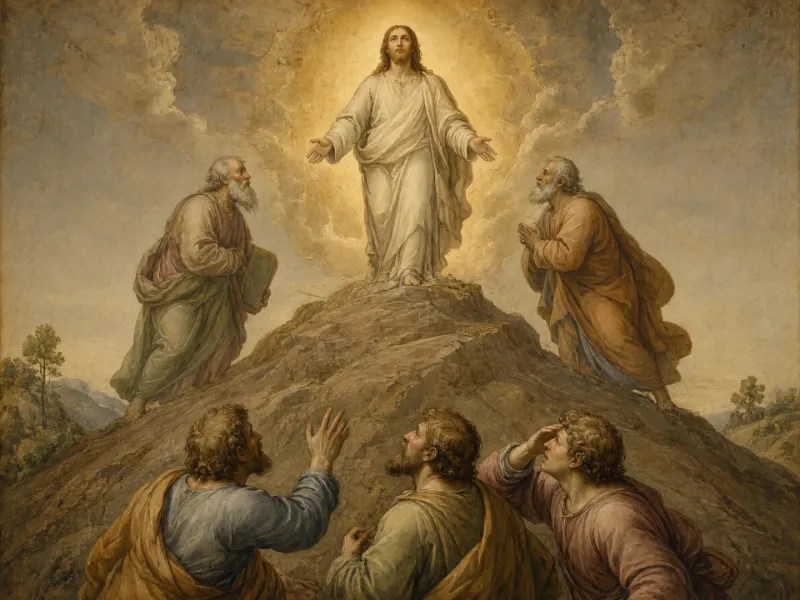
Genesis 19:26
“But Lot’s wife looked back, and she became a pillar of salt.”
Reflection: This is a stark, cautionary tale. Lot’s wife was not destroyed for a simple, curious glance. Her “looking back” represented a longing for the life she was commanded to leave, a deep-seated attachment to a place of brokenness. She became “a pillar of salt”—a monument of arrested progress, forever frozen in her past. This is a profound warning against spiritual and emotional paralysis. To be stuck looking at the past is to forfeit the life-giving future that lies ahead.
Category 4: Trusting God’s Redemptive Future
Letting go of a painful past is nearly impossible without a hopeful vision of the future. These verses ground us in the assurance that God is weaving a good and meaningful future, even from the broken threads of our past.
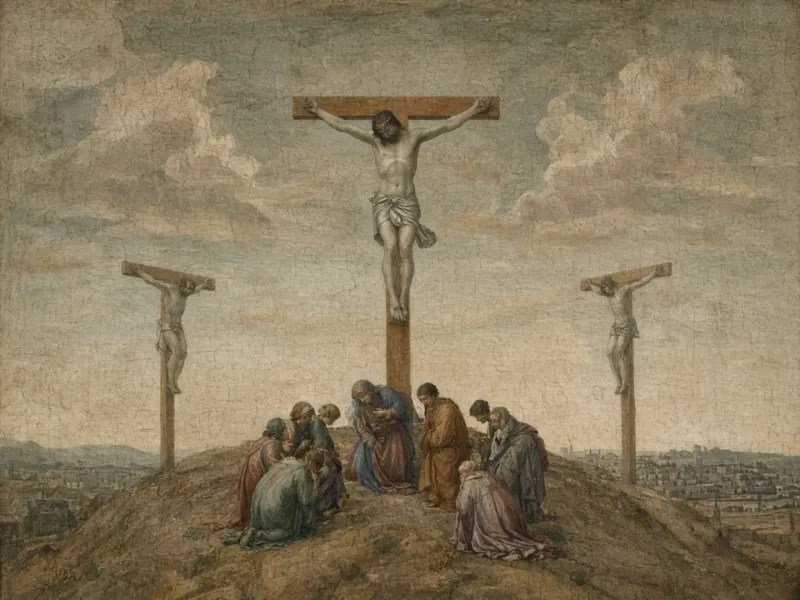
Jeremiah 29:11
“‘For I know the plans I have for you,’ declares the LORD, ‘plans to prosper you and not to harm you, plans to give you hope and a future.’”
Reflection: This promise is a direct counter-narrative to despair. When our past has been filled with harm, it is natural to feel anxious about the future. This verse reassures us of God’s benevolent intentions. To trust this promise is to believe that our story is not over and that the final chapter, written by God, is one of hope and well-being. This belief can be the anchor that allows us to finally cut the rope to a painful past.
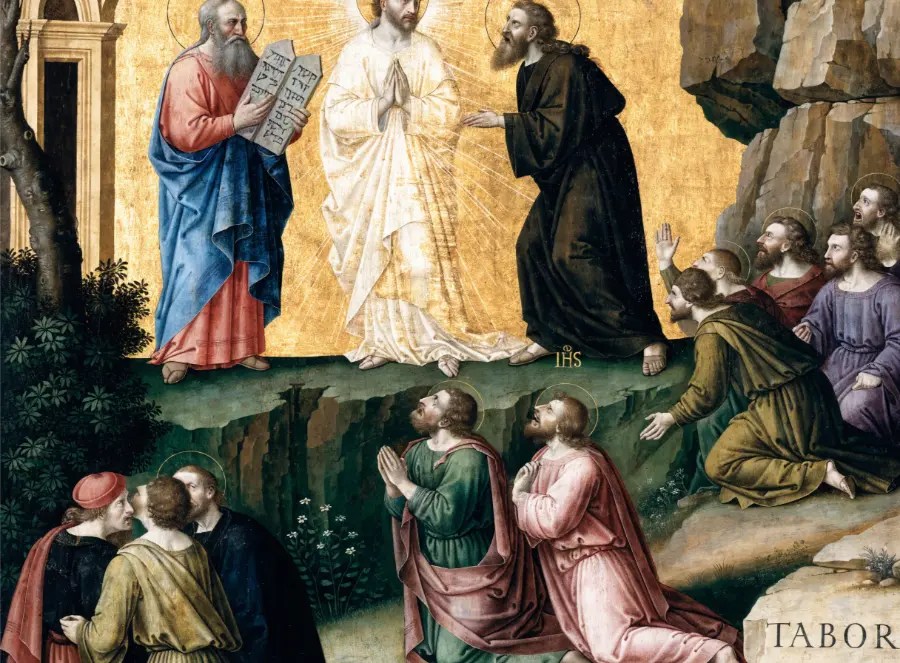
Romans 8:28
“And we know that in all things God works for the good of those who love him, who have been called according to his purpose.”
Reflection: This verse doesn’t say that all things are good, but that God can redeem all things for a good purpose. This is the essence of divine alchemy. It means that even the most painful and shameful parts of our past can become raw material in God’s hands for our ultimate good and His glory. This truth allows us to reframe our history, not as a meaningless series of tragedies, but as a part of a larger, purposeful, and ultimately redemptive story.
Lamentations 3:22-23
“Because of the LORD’s great love we are not consumed, for his compassions never fail. They are new every morning; great is your faithfulness.”
Reflection: This verse offers a rhythm for leaving the past behind: one day at a time. It acknowledges that the weight of yesterday can feel consuming. Yet, it declares that God’s compassion is not a one-time event but a daily sunrise. Each morning is a fresh offering of mercy, a chance to start again, unburdened by the previous day’s failures. This is a profound tool for anyone recovering from trauma or chronic regret; the past is left behind not in one grand gesture, but in 24-hour increments of fresh grace.

Isaiah 65:17
“See, I will create new heavens and a new earth. The former things will not be remembered, nor will they come to mind.”
Reflection: This is the ultimate hope for leaving the past behind. It points to a future so glorious and new that the pain of our current reality will not just be healed, but will cease to even enter our consciousness. While we strive now to forget what is behind, this is a promise that one day, the forgetting will be effortless and complete. This future hope can give us the strength to endure the present memories, knowing they have an expiration date.

Revelation 21:4
“‘He will wipe every tear from their eyes. There will be no more death’ or mourning or crying or pain, for the old order of things has passed away.”
Reflection: This is the tender, intimate climax of redemption. The image of God himself wiping away our tears speaks to a personal healing of every sorrow. The “old order of things”—the entire system of pain and brokenness that creates our regrets and traumas—will be gone. This is the final and complete “leaving behind.” Holding onto this ultimate promise provides a deep sense of peace, assuring us that our current struggle with the past is temporary and will culminate in total, painless freedom.
Category 5: Freedom from Condemnation and Shame
This final set of verses addresses the internal voice of accusation. To truly leave the past behind, we must silence the inner critic that uses our history to inflict ongoing shame and condemnation.
Romans 8:1
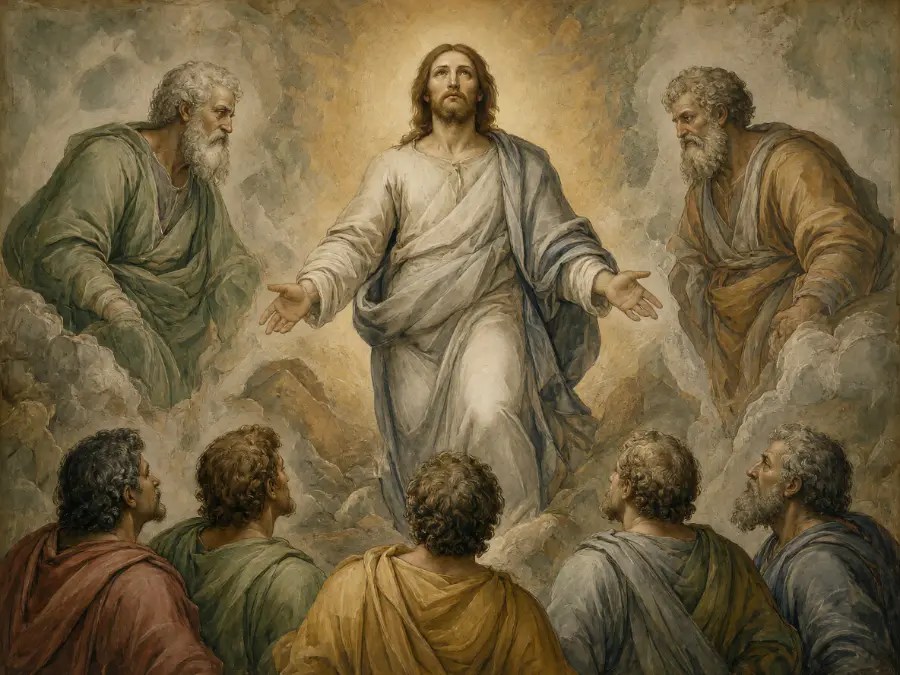
“Therefore, there is now no condemnation for those who are in Christ Jesus.”
Reflection: This is one of the most powerful and definitive declarations in all of scripture. It is a legal and spiritual verdict that silences all accusers, including our own conscience. The word “now” makes it an immediate, present-tense reality. For the person trapped in a cycle of self-condemnation, this verse is a gavel of divine justice, declaring them free. To internalize this truth is to dismantle the very foundation of shame that keeps us tethered to the past.

John 8:10-11
“Jesus straightened up and asked her, ‘Woman, where are they? Has no one condemned you?’ ‘No one, sir,’ she said. ‘Then neither do I condemn you,’ Jesus declared. ‘Go now and leave your life of sin.’”
Reflection: Here we see “no condemnation” in action. Jesus first silences the external accusers, then He silences the condemnation that might come from God Himself. His command is twofold: He offers freedom from her past record (“Neither do I condemn you”) and freedom for a new future (“Go now and leave your life of sin”). It is a beautiful model of grace followed by empowerment. We are freed from something for something.
Psalm 32:1-2
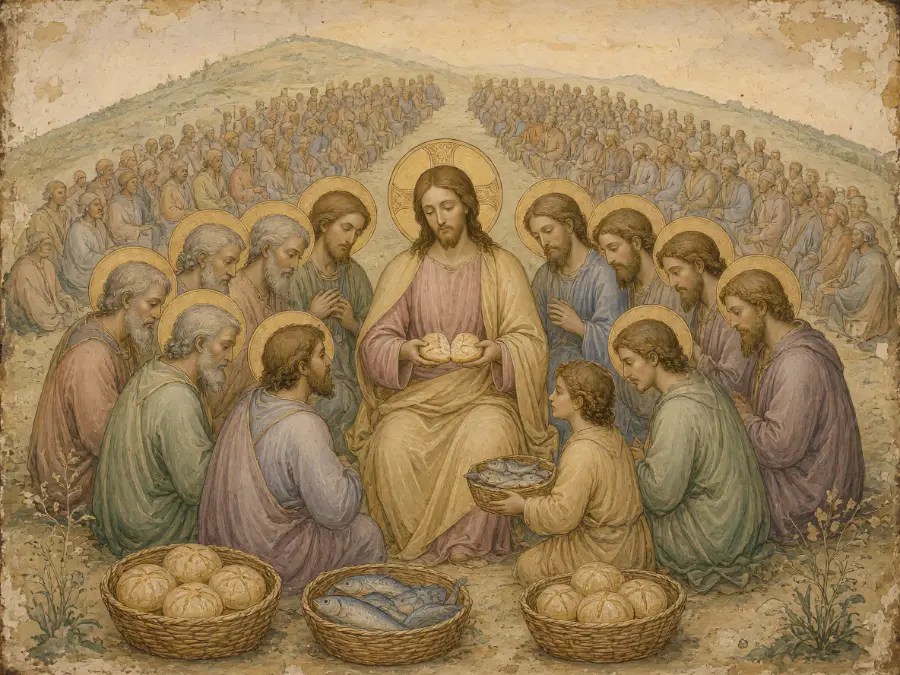
“Blessed is the one whose transgressions are forgiven, whose sins are covered. Blessed is the one whose sin the LORD does not count against them and in whose spirit is no deceit.”
Reflection: This psalm speaks to the deep psychological and spiritual relief—the “blessedness”—of being truly free from the past. It describes a state where sins are not just ignored but are “covered” and, most importantly, “not counted against” the person. This leads to a spirit with “no deceit,” a soul that no longer has to hide or posture. It is the peace that comes from living in the truth of one’s forgiveness, a state of emotional and spiritual integrity.

Hebrews 10:22
“let us draw near to God with a sincere heart and with the full assurance that faith brings, having our hearts sprinkled to cleanse us from a guilty conscience and having our bodies washed with pure water.”
Reflection: This verse explicitly links drawing near to God with the healing of our inner emotional state. The “guilty conscience” is the internal echo of our past failures. The solution offered is to be “sprinkled” clean by the work of Christ. It tells us that intimacy with God is the antidote to a guilt-ridden heart. When we feel the weight of our past, the prescribed action is not to retreat in shame but to draw near in faith, allowing His presence to cleanse the very source of our internal torment.


Leave a Reply