
 English
 Chinese
 Dutch
 Arabic
 Spanish
 Portuguese
 Russian
 French
 Italian
 German
 Japanese
The Bible treats legacy as what one generation hands to the next, including the knowledge of God, and as what remains after a death: a name, an inheritance, and deeds that follow the dead.
Moses tells parents to teach God’s words to their children through the ordinary day (Deuteronomy 6:6-7), and Psalm 78:4 commits God’s deeds to “the coming generation.” Proverbs 13:22 speaks of an inheritance left to grandchildren, Proverbs 22:1 ranks a good name above riches, and Paul, near death, looks back on a finished race (2 Timothy 4:7-8). Ecclesiastes 2:18-19 adds a doubt: a person cannot choose what an heir will do with what is left.
Handing on faith to children and grandchildren
Deuteronomy 6:6-7
“And these words that I command you today shall be on your heart. You shall teach them diligently to your children, and shall talk of them when you sit in your house, and when you walk by the way, and when you lie down, and when you rise.”
Reflection: Moses is addressing Israel before it crosses into the land, and “these words” are the command just given: “You shall love the Lord your God with all your heart and with all your soul and with all your might” (6:5). The teaching he asks for happens in the course of the day, at home, on the road, at bedtime and on waking. Verse 2 names the generations he has in view: “you and your son and your son’s son.”
Psalm 78:4
“We will not hide them from their children, but tell to the coming generation the glorious deeds of the LORD, and his might, and the wonders that he has done.”
Reflection: Asaph opens a long historical psalm by promising not to hide from children what “our fathers have told us.” Verses 5-6 extend the chain to “the children yet unborn,” who are to “arise and tell them to their children.” Verse 8 gives a second purpose: that the children “should not be like their fathers, a stubborn and rebellious generation.”
Psalm 145:4
“One generation shall commend your works to another, and shall declare your mighty acts.”
Reflection: In this song of praise attributed to David, the thing passed between generations is praise. One generation commends God’s works to the next, and the following verses move between the singer and the people: “I will meditate,” “They shall speak,” “I will declare your greatness.”
2 Timothy 1:5
“I am reminded of your sincere faith, a faith that dwelt first in your grandmother Lois and your mother Eunice and now, I am sure, dwells in you as well.”
Reflection: Paul names the two women from whom Timothy received his faith, his grandmother Lois and his mother Eunice. Acts 16:1 describes Timothy as “the son of a Jewish woman who was a believer, but his father was a Greek.” Two verses earlier Paul says he serves God “as did my ancestors,” and the next verse turns from the inheritance to Timothy’s own part: “fan into flame the gift of God, which is in you.”
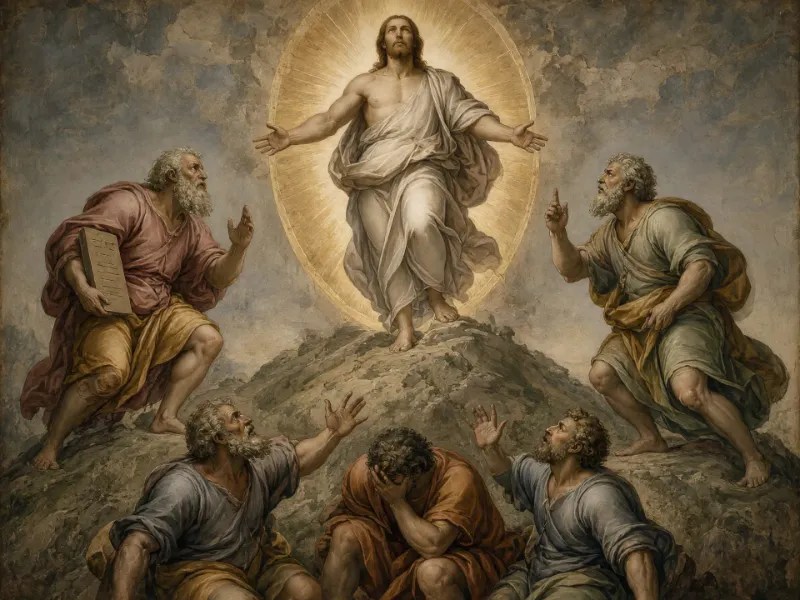
2 Timothy 2:2
“and what you have heard from me in the presence of many witnesses entrust to faithful men, who will be able to teach others also.”
Reflection: Here the chain runs through teaching rather than family. Paul hands on what he taught to Timothy, whom he calls “my child” in verse 1, and Timothy is to entrust it to faithful men who will teach others in turn. The verse describes four links: Paul, Timothy, the faithful men and the others they will teach.
A name and an inheritance
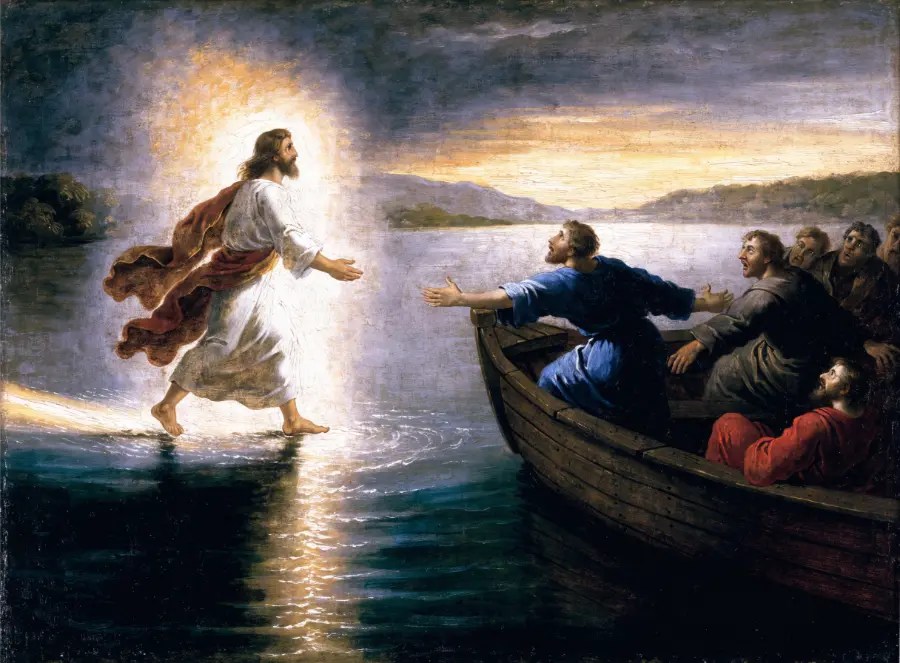
Proverbs 13:22
“A good man leaves an inheritance to his children’s children, but the sinner’s wealth is laid up for the righteous.”
Reflection: The proverb looks two generations ahead, to the good man’s grandchildren. Its second line says the sinner’s wealth ends up with the righteous, a point Ecclesiastes 2:26 also makes: God gives the sinner “the business of gathering and collecting, only to give to one who pleases God.”
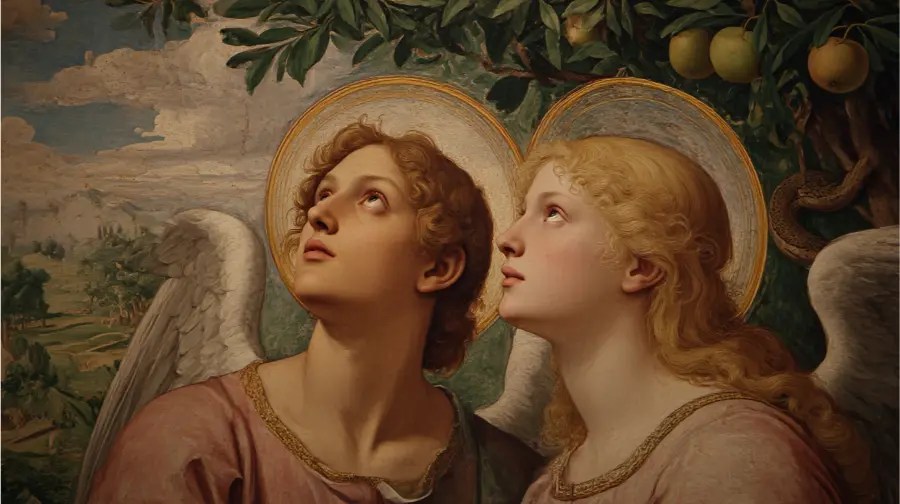
Ecclesiastes 2:18-19
“I hated all my toil in which I toil under the sun, seeing that I must leave it to the man who will come after me, and who knows whether he will be wise or a fool? Yet he will be master of all for which I toiled and used my wisdom under the sun. This also is vanity.”
Reflection: The Preacher hates the work of his life because he must leave it “to the man who will come after me,” who may be wise or a fool. He calls the prospect “vanity and a great evil” (2:21). The chapter’s answer is to enjoy the work itself: “There is nothing better for a person than that he should eat and drink and find enjoyment in his toil. This also, I saw, is from the hand of God” (2:24).
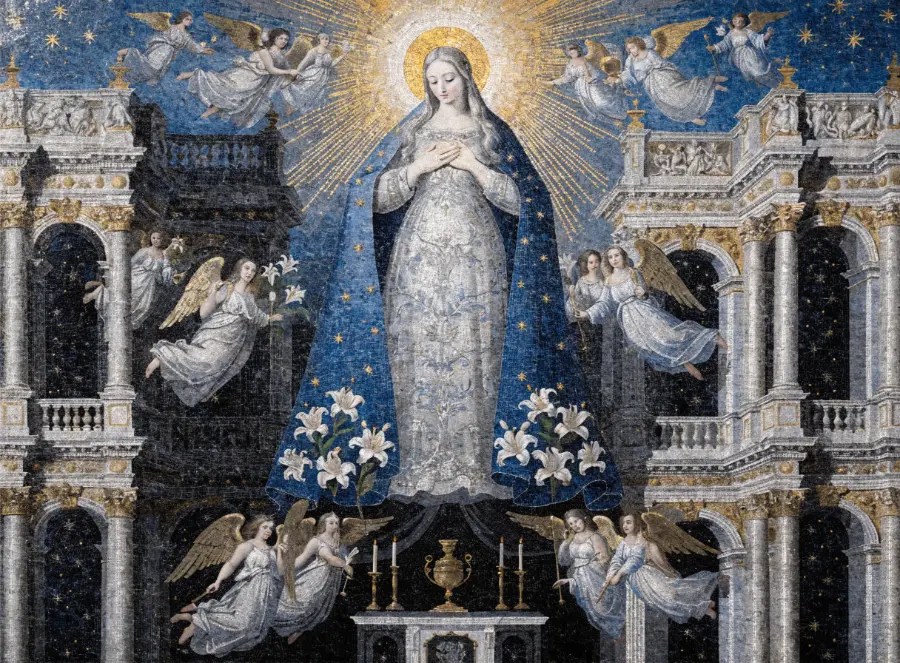
Proverbs 20:7
“The righteous who walks in his integrity—blessed are his children after him!”
Reflection: The proverb places the blessing on the righteous man’s children “after him,” in the generation that follows him. The first line names the father’s part: he “walks in his integrity.”
Psalm 37:25-26
“I have been young, and now am old, yet I have not seen the righteous forsaken or his children begging for bread. He is ever lending generously, and his children become a blessing.”
Reflection: The speaker offers his own long experience: “I have been young, and now am old.” The righteous man he describes lends generously, and his children “become a blessing.” The psalm contrasts that with the wicked, whose children “shall be cut off,” while “the righteous shall inherit the land and dwell upon it forever” (37:28-29).
Psalm 112:1-2
“Praise the LORD! Blessed is the man who fears the LORD, who greatly delights in his commandments! His offspring will be mighty in the land; the generation of the upright will be blessed.”
Reflection: The blessing on the man’s offspring rests on two things the psalm names at the start: fear of the Lord and delight in his commandments. The psalm goes on to describe the same generous lending as Psalm 37 (“It is well with the man who deals generously and lends,” 112:5) and says of him, “he will be remembered forever” (112:6).
Proverbs 22:1
“A good name is to be chosen rather than great riches, and favor is better than silver or gold.”
Reflection: Where Proverbs 13:22 values an inheritance of goods, this proverb ranks a good name above great riches and favor above silver and gold.
Proverbs 10:7
“The memory of the righteous is a blessing, but the name of the wicked will rot.”
Reflection: The righteous are remembered with blessing, while the name of the wicked “will rot.” The verse before makes the same contrast during life: “Blessings are on the head of the righteous, but the mouth of the wicked conceals violence.”
Work that outlasts a life
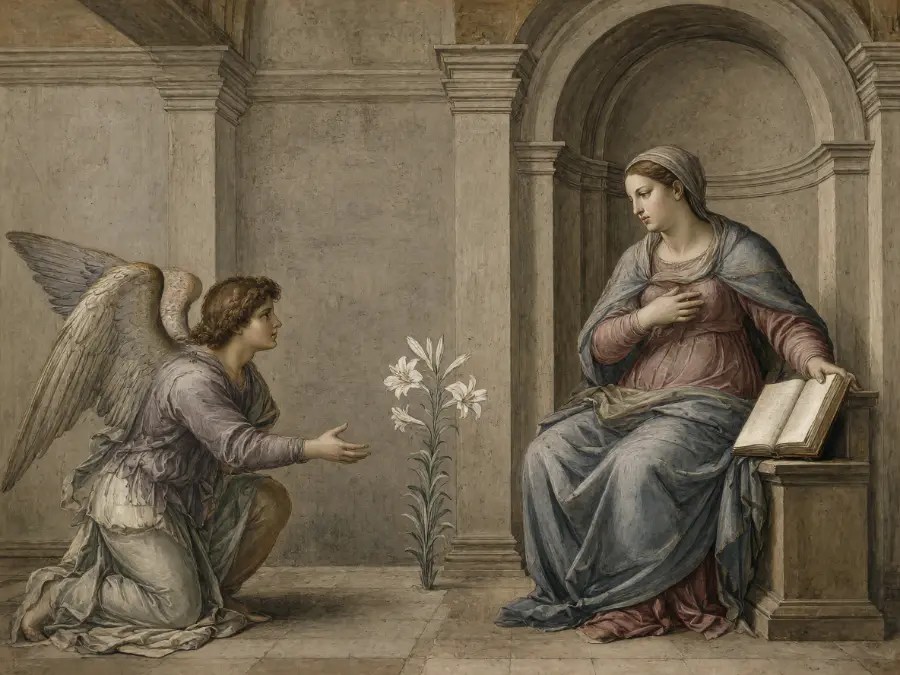
2 Timothy 4:7-8
“I have fought the good fight, I have finished the race, I have kept the faith. Henceforth there is laid up for me the crown of righteousness, which the Lord, the righteous judge, will award to me on that day, and not only to me but also to all who have loved his appearing.”
Reflection: Paul writes this knowing he is near death: “I am already being poured out as a drink offering, and the time of my departure has come” (4:6). He describes his life in terms of a fight, a race and a faith kept. The crown he expects is also for “all who have loved his appearing,” so the reward he looks to is shared with other believers.
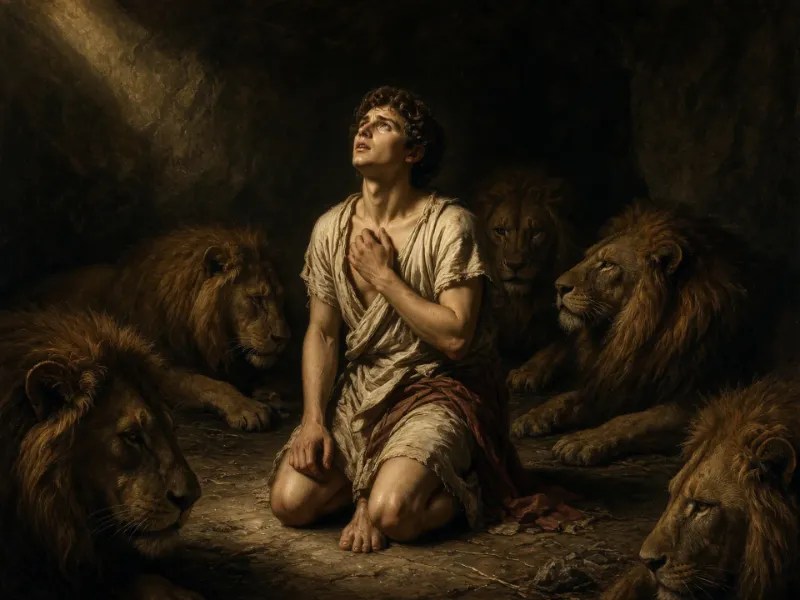
1 Corinthians 3:13-14
“…each one’s work will become manifest, for the Day will disclose it, because it will be revealed by fire, and the fire will test what sort of work each one has done. If the work that anyone has built on the foundation survives, he will receive a reward.”
Reflection: Paul uses the picture of a building: he laid the foundation, which is Jesus Christ, and “someone else is building upon it” (3:10-11). On “the Day” fire will test each builder’s work. Work that survives brings a reward; if it burns, the builder “will suffer loss, though he himself will be saved, but only as through fire” (3:15).
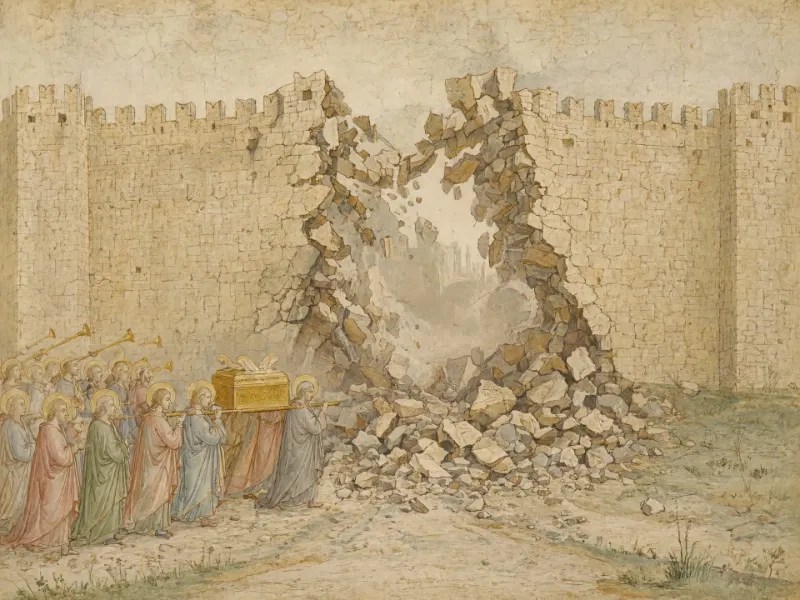
Revelation 14:13
“And I heard a voice from heaven saying, ‘Write this: Blessed are the dead who die in the Lord from now on.’ ‘Blessed indeed,’ says the Spirit, ‘that they may rest from their labors, for their deeds follow them!’”
Reflection: A voice from heaven gives this blessing right after a warning that those who worship the beast “have no rest, day or night” (14:11) and a call for “the endurance of the saints” (14:12). For those who die in the Lord, the Spirit promises rest from their labors, and their deeds go with them.
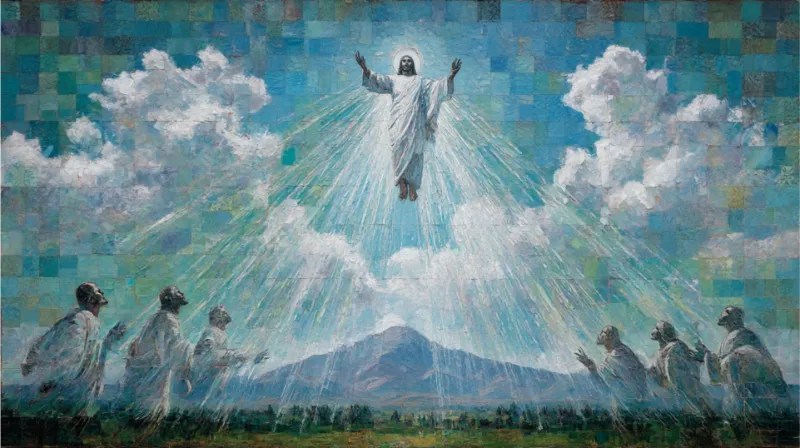
Daniel 12:3
“And those who are wise shall shine like the brightness of the sky above; and those who turn many to righteousness, like the stars forever and ever.”
Reflection: These words come at the end of the vision that begins in chapter 10, right after the promise that “many of those who sleep in the dust of the earth shall awake” (12:2). Those who are wise shine like the sky, and those who turn many to righteousness shine like the stars forever. The verse names two groups, the wise and those who turn others to righteousness, and in both lines the brightness is lasting.
What an heir does with a legacy
Proverbs 13:22 and Proverbs 20:7 speak of good passing to the children and grandchildren of the righteous. Ecclesiastes 2:19 admits that the heir may be a fool, and Psalm 78:8 hopes the coming generation will not be like their fathers, “a generation whose heart was not steadfast.”
Deuteronomy 6:7 and Psalm 78:4 are about teaching rather than property: Deuteronomy sets the telling in the ordinary course of the day, and Psalm 78:4 promises not to hide God’s deeds from the children. 2 Timothy 1:5-6 shows both sides, a faith received from a grandmother and mother, and a gift Timothy must still fan into flame himself.


Leave a Reply