
 English
 Chinese
 Dutch
 Arabic
 Spanish
 Portuguese
 Russian
 French
 Italian
 German
 Japanese
Category 1: God’s Tender Heart for the Poor & Vulnerable
These verses reveal the fundamental character of God as a defender and protector of those who are marginalized and in need. They provide a profound sense of divine solidarity with the suffering.
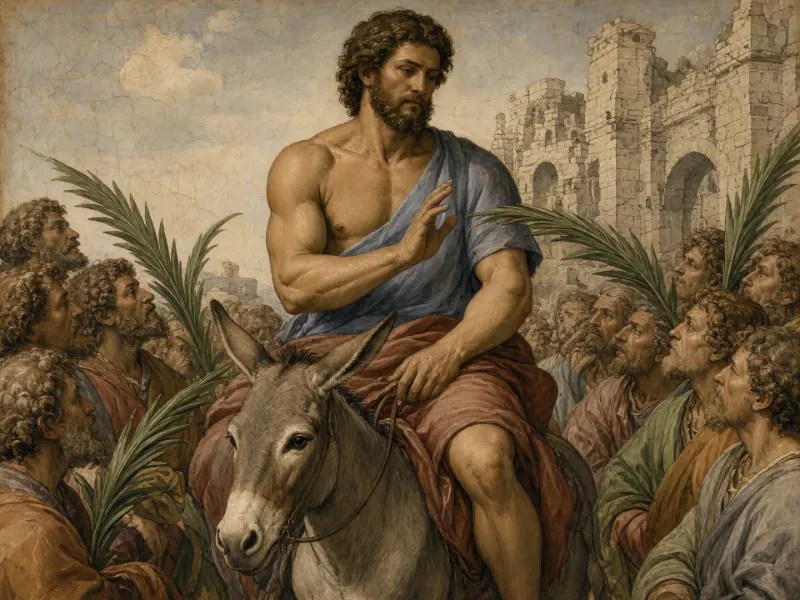
Psalm 146:7-9
“He upholds the cause of the oppressed and gives food to the hungry. The LORD sets prisoners free, the LORD gives sight to the blind, the LORD lifts up those who are bowed down, the LORD loves the righteous. The LORD watches over the foreigner and sustains the fatherless and the widow, but he frustrates the ways of the wicked.”
Reflection: This is a portrait of a God in motion, actively intervening in the world. For a person crushed by systemic injustice or personal tragedy, the feeling of being unseen is a profound emotional wound. This verse is a balm to that wound. It declares that not only are you seen, but the very nature of God is to move toward you, to lift your bowed-down head, and to sustain you. It offers a secure, divine attachment in a world of insecure human attachments.

Isaiah 41:17
“The poor and needy search for water, but there is none; their tongues are parched with thirst. But I the LORD will answer them; I, the God of Israel, will not forsake them.”
Reflection: Thirst is a primal, desperate feeling. It captures the agonizing essence of deep need. This promise is not abstract; it’s visceral. It speaks directly to the panic and despair that arise when our most basic needs go unmet. The assurance, “I will not forsake them,” is a powerful counter-narrative to the feeling of abandonment that so often accompanies poverty, anchoring a person’s spirit in hope.

Psalm 34:6
“This poor man called, and the LORD heard him; he saved him out of all his troubles.”
Reflection: In the vastness of the universe, it is easy to feel small and for one’s voice to feel lost. Poverty can amplify this feeling of insignificance. This verse is a testament to radical particularity. It wasn’t an anonymous cry; it was this poor man. The act of being truly heard is deeply validating. It affirms one’s existence and value, counteracting the shame and invisibility that poverty so often inflicts on the human soul.

Deuteronomy 10:18
“He defends the cause of the fatherless and the widow, and loves the foreigner residing among you, giving them food and clothing.”
Reflection: This verse challenges our natural human tendency to tribalism—to care only for our own. By specifically highlighting the “foreigner,” God’s heart is shown to be radically inclusive. It tugs at our conscience, demanding we expand our circle of moral concern. It instills in the marginalized a sense of divinely-given rights and dignity, independent of their social status or place of birth.

Isaiah 25:4
“You have been a refuge for the poor, a refuge for the needy in their distress, a shelter from the storm and a shade from the heat.”
Reflection: The language here is one of safety and protection. Poverty often brings a constant state of exposure—to the elements, to exploitation, to emotional distress. This verse paints God as a safe haven. For a psyche worn down by constant stress and hypervigilance, the image of a shelter and a shade is profoundly comforting. It speaks to the deep human need for a place of rest where one can finally feel secure.

Psalm 72:12-14
“For he will deliver the needy who cry out, the afflicted who have no one to help. He will take pity on the weak and the needy and save the needy from death. He will rescue them from oppression and violence, for precious is their blood in his sight.”
Reflection: This goes beyond simple charity; it speaks of rescue from violence and oppression. The phrase “precious is their blood in his sight” is emotionally shattering in its power. Poverty is often a form of violence; it robs people of life, opportunity, and dignity. This verse declares that your very life-force is cherished by God. It is a divine proclamation of worth against a world that may treat you as worthless.
Category 2: The Call to Justice and Compassion
This group of verses moves from God’s nature to our responsibility. They are direct commands and moral imperatives for how we are to live in light of God’s heart for the poor.

Proverbs 19:17
“Whoever is kind to the poor lends to the LORD, and he will reward them for what they have done.”
Reflection: This verse beautifully reframes our perception of giving. It is not a condescending act of pity from a superior to an inferior. It is a sacred transaction with God Himself. This elevates the dignity of both the giver and the receiver. It moves the motivation for generosity from a place of potential self-congratulation to a place of humble partnership with the Divine, aligning our heart with God’s own.
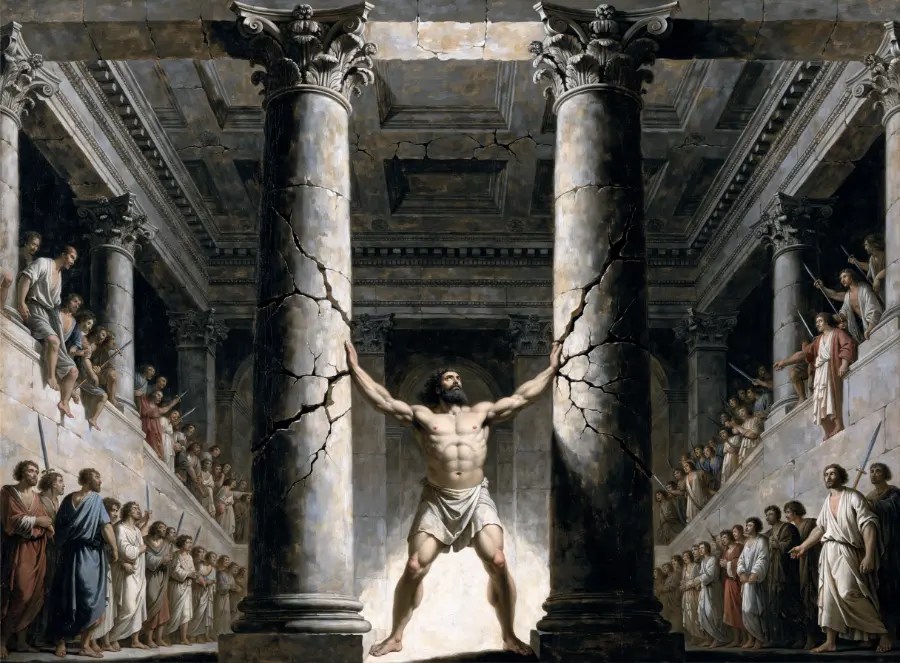
1 John 3:17-18
“If anyone has material possessions and sees a brother or sister in need but has no pity on them, how can the love of God be in that person? Dear children, let us not love with words or speech but with actions and in truth.”
Reflection: This is a piercing call for emotional and behavioral integrity. It exposes the painful cognitive dissonance of claiming spiritual affection for a God we cannot see while demonstrating emotional emptiness toward a person we can. It challenges a faith that is merely an internal, abstract feeling. True, integrated love is embodied; it must manifest in the material world through our hands and our resources.

Isaiah 58:6-7
“Is not this the kind of fasting I have chosen: to loose the chains of injustice and untie the cords of the yoke, to set the oppressed free and break every yoke? Is it not to share your food with the hungry and to provide the poor wanderer with shelter—when you see the naked, to clothe them, and not to turn away from your own flesh and blood?”
Reflection: This is a powerful critique of performative piety. It contrasts empty religious ritual with authentic, embodied spirituality. It tells us that the way we treat the vulnerable is our worship. It forces an uncomfortable self-examination: Is my spiritual life genuinely integrated with my social ethics? Or am I compartmentalizing, offering God sterile piety while my neighbor suffers from my indifference?
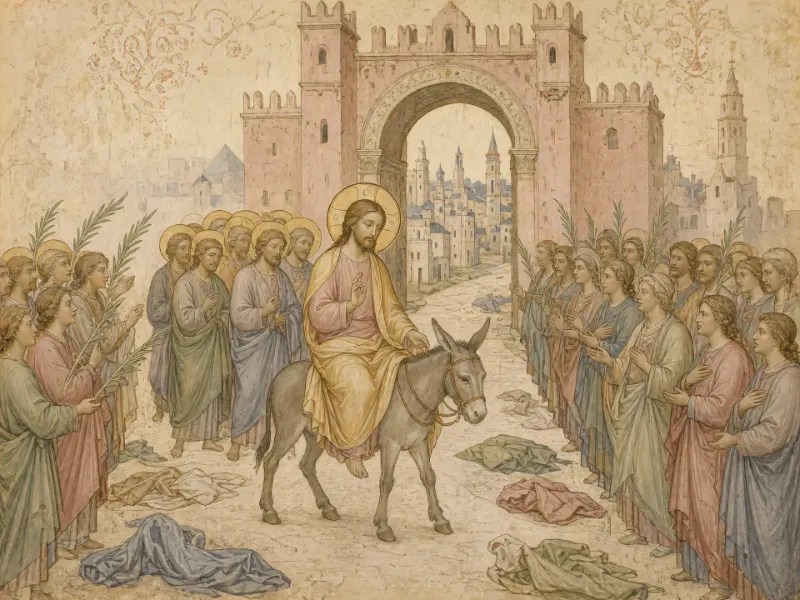
Micah 6:8
“He has shown you, O mortal, what is good. And what does the LORD require of you? To act justly and to love mercy and to walk humbly with your God.”
Reflection: This is a profound summary of a moral-emotional life. “Act justly” is the structural requirement—to fix broken systems. “Love mercy” is the heart’s posture—a deep, empathetic compassion. “Walk humbly” is the relational stance that prevents our justice from becoming self-righteous and our mercy from becoming patrónizing. It’s a call for a fully integrated self, where action, emotion, and posture are all aligned in service to God and neighbor.

Deuteronomy 15:7-8
“If anyone is poor among your fellow Israelites in any of the towns of the land the LORD your God is giving you, do not be hardhearted or tightfisted toward them. Rather, be openhanded and freely lend them whatever they need.”
Reflection: This verse speaks directly to our internal state—the “hard heart” and the “tight fist.” These are physical metaphors for psychological and spiritual realities. Our hearts can harden as a defense mechanism against the pain of others. Our fists can clench out of fear and a scarcity mindset. The command to be “openhanded” is a call to resist these impulses, to choose vulnerability and courageous generosity over self-protective fear.

Proverbs 14:31
“Whoever oppresses the poor shows contempt for their Maker, but whoever is kind to the needy honors God.”
Reflection: This verse inextricably links our theology to our sociology. The way we view and treat the person in need is a direct reflection of our view of God. There is no middle ground. To dehumanize someone through oppression or neglect is an act of spiritual contempt. Conversely, an act of simple kindness becomes an act of worship. It imbues our daily interactions with sacred weight and profound moral significance.
Category 3: Warnings to the Rich and Powerful
These verses serve as a sobering caution against the spiritual dangers of wealth and the moral blindness that can accompany comfort and power.

Amos 5:11-12
“You levy a straw tax on the poor and impose a tax on their grain. Therefore, though you have built stone mansions, you will not live in them; though you have planted lush vineyards, you will not drink their wine. For I know how many are your offenses and how great your sins—you who oppress the righteous and take bribes and deprive the poor of justice in the courts.”
Reflection: This is a raw cry against the numbness of the privileged. Wealth acquired through injustice creates a deep moral poison. The abuser can become so insulated by comfort that they lose all capacity for empathy. This prophetic word is meant to shatter that insular reality, to break through the defenses of a seared conscience and remind the powerful that their actions have inescapable consequences.

1 Timothy 6:9-10
“Those who want to get rich fall into temptation and a trap and into many foolish and harmful desires that plunge people into ruin and destruction. For the love of money is a root of all kinds of evil. Some people, eager for money, have wandered from the faith and pierced themselves with many griefs.”
Reflection: The psychological insight here is brilliant. It is not money, but the love of it—the disordered attachment—that is the trap. When wealth becomes our ultimate source of security and identity, it is a demanding idol. The imagery of “piercing themselves with many griefs” is not abstract. It describes the very real anxiety, paranoia, relational strife, and spiritual emptiness that haunt a life oriented around accumulation.

Luke 6:24
“But woe to you who are rich, for you have already received your comfort.”
Reflection: This is a shocking and deeply uncomfortable reversal of earthly values. It is the “anti-beatitude.” The warning here is about the soul-numbing danger of “false comfort.” When all our material needs are met and all our desires are satisfied, we can develop a profound spiritual deafness. We lose our felt need for God, our empathy for the suffering, and our awareness of our own inner poverty, leaving us comfortable but utterly desolate.

James 5:1-4
“Now listen, you rich people, weep and wail because of the misery that is coming on you. Your wealth has rotted, and moths have eaten your clothes. Your gold and silver are corroded. Their corrosion will testify against you and eat your flesh like fire. You have hoarded wealth in the last days. Look! The wages you failed to pay the workers who mowed your fields are crying out against you.”
Reflection: The imagery is terrifying and visceral. This isn’t just a warning; it’s a depiction of a soul in decay. Hoarded, un-just wealth is not inert; it is corrosive. It eats away at the moral fabric of its owner. The idea that unpaid wages “cry out” gives voice to the silenced victim. It is a powerful reminder that injustice creates a psychic and spiritual debt that festers and destroys from the inside out.

Proverbs 22:16
“One who oppresses the poor to increase his wealth and one who gives gifts to the rich—both come to poverty.”
Reflection: This verse reveals a broken moral economy. It describes a soul that has lost its compass, seeking to gain by exploiting the vulnerable and currying favor with the powerful. The outcome is ironic: this path leads to poverty. This may mean material ruin, but it more deeply suggests a terrifying spiritual and relational poverty—a complete destitution of character, empathy, and connection that leaves one utterly alone.
Category 4: The Spiritual Dignity of the Poor
These verses invert worldly status, highlighting a unique spiritual dignity and blessedness found in the state of poverty and dependence on God.

Matthew 5:3
“Blessed are the poor in spirit, for theirs is the kingdom of heaven.”
Reflection: This is the cornerstone of a counter-intuitive kingdom. While it can apply to all who recognize their profound need, it has a special resonance for those in material poverty. Hardship has a way of stripping away our illusions of self-sufficiency. This profound awareness of one’s need for God—this spiritual poverty—is not a curse but the very doorway into the kingdom. It is a state of open-hearted dependence that the comfortable and self-sufficient often struggle to find.

Luke 6:20
“Looking at his disciples, he said: ‘Blessed are you who are poor, for yours is the kingdom of God.’”
Reflection: Where Matthew speaks of being “poor in spirit,” Luke’s version is more direct and socially explosive. He says, “Blessed are you who are poor.” Period. For someone who feels cursed by their circumstances, hearing that they are “blessed” is a radical reorientation of their entire world. It is a declaration that God’s economy is an inversion of the world’s, and their present suffering is not the final word on their identity or destiny.

James 2:5
“Listen, my dear brothers and sisters: Has not God chosen those who are poor in the eyes of the world to be rich in faith and to inherit the kingdom he promised those who love him?”
Reflection: This verse directly confronts the shame associated with being “poor in the eyes of the world.” It reframes poverty from a state of being “less than” to a state of being “chosen.” For a person struggling with feelings of worthlessness and social rejection, this is a powerful infusion of dignity. It asserts that there is a divine perspective that sees them not as a failure, but as uniquely positioned to be “rich in faith.”

Proverbs 28:27
“Those who give to the poor will lack nothing, but those who close their eyes to them receive many curses.”
Reflection: This verse contrasts two internal experiences. Generosity flows from an open heart, trusting in a principle of abundance. The opposite is “closing one’s eyes”—an active psychological maneuver to avoid seeing need, to preserve a false sense of security. This willful ignorance, this shutting down of empathy, leads to a state of being cursed—a spiritual and emotional isolation that is its own form of poverty.
Category 5: The Grave Consequences of Injustice
These final verses are stark warnings about the personal and societal decay that results from ignoring the plight of the poor.

Proverbs 21:13
“Whoever shuts their ears to the cry of the poor will also cry out and not be answered.”
Reflection: This is a haunting verse of chilling reciprocity. The core of empathy is the ability to hear another’s cry. To “shut one’s ears” is to actively kill that empathy within oneself. The consequence is devastating: a universe that becomes deaf to you. It describes the profound isolation that is the natural end-point of a life lived without compassion. You cannot sever your connection to others without, in turn, becoming profoundly alone.

Ezekiel 16:49
“‘Now this was the sin of your sister Sodom: She and her daughters were arrogant, overfed and unconcerned; they did not help the poor and needy.’”
Reflection: This is a vital corrective to misinterpretations of the Sodom story. The foundational sin identified here is social and economic. It is the lethal combination of arrogance (pride), overabundance (gluttony), and unconcern (sloth/apathy). This is a portrait of a society so narcissistic and self-absorbed that it loses all moral feeling for its most vulnerable members. It is a grave warning that societal collapse is often preceded by a catastrophic failure of empathy.

Matthew 25:44-45
“They also will answer, ‘Lord, when did we see you hungry or thirsty or a stranger or needing clothes or sick or in prison, and did not help you?’ He will reply, ‘Truly I tell you, whatever you did not do for one of the least of these, you did not do for me.’”
Reflection: The most terrifying aspect of this passage is the genuine surprise of the condemned. “When did we see you?” They weren’t consciously malicious; they were simply unaware, unseeing. Theirs was a sin of omission, born of self-absorption. This is a profound warning against a life of unintentional neglect. It calls for a radical, active state of moral awareness, because our failure to see and respond to the human in front of us is a failure to see and respond to the divine presence in our midst.


Leave a Reply