
 English
 Chinese
 Dutch
 Arabic
 Spanish
 Portuguese
 Russian
 French
 Italian
 German
 Japanese
In the Bible, teaching is a gift given to the church, and those who teach “will be judged more strictly” (James 3:1). Jesus accepts the title Teacher after washing his disciples’ feet (John 13:13) and in Matthew 23:8 tells the crowds and his disciples, “you have one Teacher.”
Several of the passages below come from the letters to Timothy and Titus, whom Paul left in Ephesus and Crete (1 Timothy 1:3; Titus 1:5), and they set out what a teacher’s life and doctrine should look like (1 Timothy 4:16; Titus 2:7-8). Others concern the people being taught (Luke 6:40; 2 Timothy 4:3), children taught at home and on the road (Deuteronomy 6:7), and God as the teacher (Isaiah 54:13; John 14:26).
Jesus as Teacher
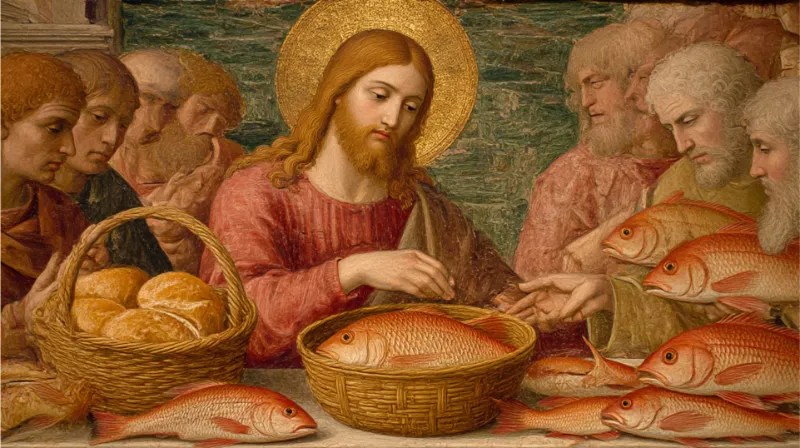
Matthew 7:28-29
“When Jesus had finished saying these things, the crowds were amazed at his teaching, because he taught as one who had authority, and not as their teachers of the law.”
Reflection: These lines close the Sermon on the Mount, which Matthew opens with “he began to teach them” (Matthew 5:2). In chapter 5 Jesus sets what “was said” beside his own “But I tell you” (Matthew 5:21-22, 43-44). The crowds compared him with “their teachers of the law,” the teachers they already had, and found the difference in his authority.
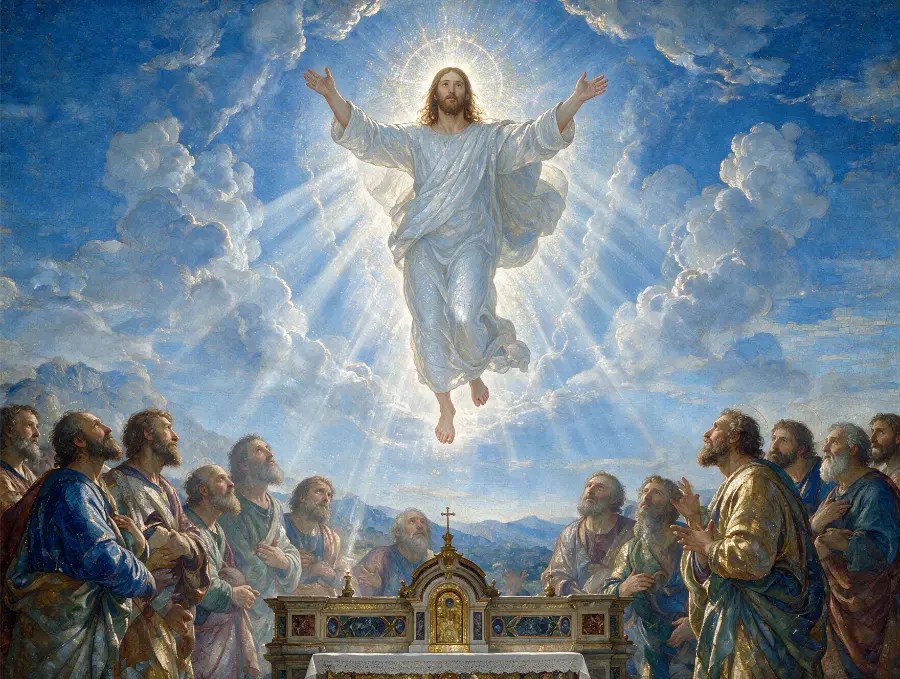
John 13:13-15
“You call me ‘Teacher’ and ‘Lord,’ and rightly so, for that is what I am. Now that I, your Lord and Teacher, have washed your feet, you also should wash one another’s feet. I have set you an example that you should do as I have done for you.”
Reflection: Jesus says this at the evening meal just before the Passover Festival, after wrapping a towel around his waist and washing the disciples’ feet (John 13:1-5). He accepts both titles, Teacher and Lord, and then makes the washing itself the lesson: “I have set you an example.” The next verse adds, “no servant is greater than his master.”
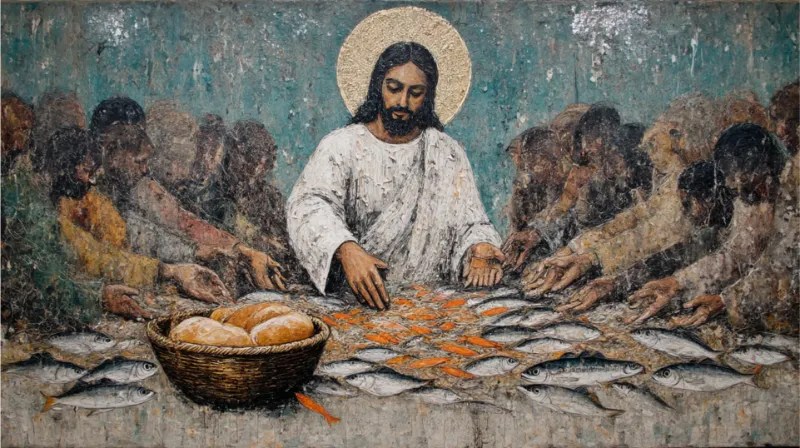
Matthew 23:8
“But you are not to be called ‘Rabbi,’ for you have one Teacher, and you are all brothers.”
Reflection: Jesus is speaking to the crowds and his disciples about the teachers of the law and the Pharisees, who love “to be called ‘Rabbi’ by others” (Matthew 23:7). John 1:38 translates Rabbi as “Teacher.” Earlier in the chapter Jesus tells the crowds to do what those teachers say but not what they do, “for they do not practice what they preach” (23:3). Verse 10 repeats the point with another title, “you have one Instructor, the Messiah,” and verse 11 adds, “The greatest among you will be your servant.”
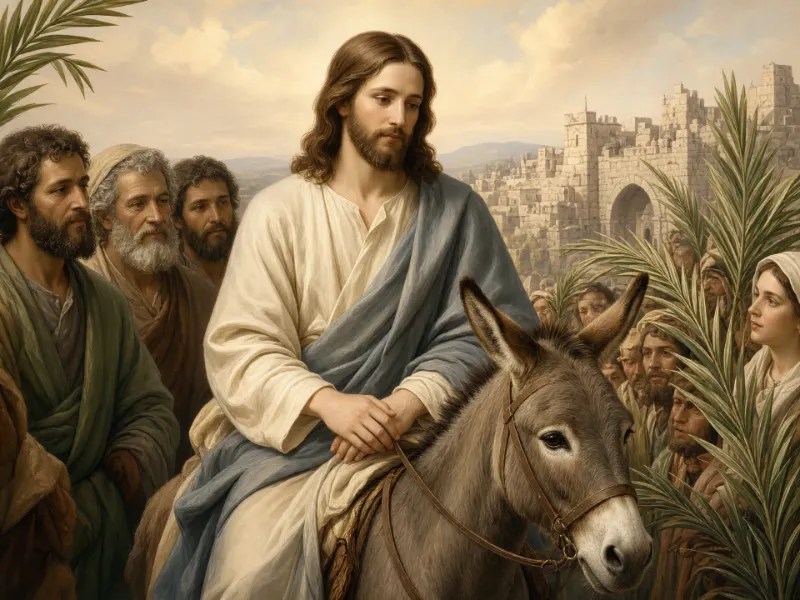
Matthew 28:19-20
“Therefore go and make disciples of all nations, baptizing them in the name of the Father and of the Son and of the Holy Spirit, and teaching them to obey everything I have commanded you.”
Reflection: The risen Jesus gives this command to the eleven disciples on the mountain in Galilee where he had told them to go (Matthew 28:16), after saying, “All authority in heaven and on earth has been given to me.” Teaching stands beside baptizing as part of making disciples, and its content is fixed: “everything I have commanded you.” The same verse ends with a promise to the ones sent: “And surely I am with you always.”
Teaching in the church

Romans 12:6-7
“We have different gifts, according to the grace given to each of us. If your gift is prophesying, then prophesy in accordance with your faith; if it is serving, then serve; if it is teaching, then teach;”
Reflection: Paul lists teaching among gifts given “according to the grace given to each of us,” after telling his readers not to think of themselves “more highly than you ought” (Romans 12:3). The gifts belong to one body with many members (12:4-5), and the instruction for each is to use the gift received: “if it is teaching, then teach.” In 1 Corinthians 12:28 teachers come third in the list of what God has placed in the church, after apostles and prophets.
Ephesians 4:11-12
“So Christ himself gave the apostles, the prophets, the evangelists, the pastors and teachers, to equip his people for works of service, so that the body of Christ may be built up”
Reflection: Teachers here are among the people Christ himself “gave,” alongside apostles, prophets, evangelists and pastors. The purpose follows in the same sentence: “to equip his people for works of service.” Verse 14 names what the church is to be kept from, being “blown here and there by every wind of teaching and by the cunning and craftiness of people in their deceitful scheming.”
2 Timothy 2:2
“And the things you have heard me say in the presence of many witnesses entrust to reliable people who will also be qualified to teach others.”
Reflection: Paul writes to Timothy, whom he calls “my son” (2 Timothy 2:1), and sets out a chain of teaching: from Paul to Timothy, from Timothy to “reliable people,” and from them to others. What is handed on was said “in the presence of many witnesses.” Later in the same letter Paul writes, “the time for my departure is near” (2 Timothy 4:6).
Colossians 3:16
“Let the message of Christ dwell among you richly as you teach and admonish one another with all wisdom through psalms, hymns, and songs from the Spirit, singing to God with gratitude in your hearts.”
Reflection: Here the whole church does the teaching: believers are to “teach and admonish one another.” Paul names the means in the same clause: “through psalms, hymns, and songs from the Spirit.” The verse before calls the readers “members of one body” (3:15).
What is asked of those who teach

James 3:1
“Not many of you should become teachers, my fellow believers, because you know that we who teach will be judged more strictly.”
Reflection: James counts himself among the teachers, “we who teach,” and in the next verse among those who fail: “We all stumble in many ways.” He ties the stumbling to speech: “Anyone who is never at fault in what they say is perfect” (James 3:2). The warning opens the chapter’s passage on the tongue, which “is a small part of the body, but it makes great boasts” (3:5).
1 Timothy 4:16
“Watch your life and doctrine closely. Persevere in them, because if you do, you will save both yourself and your hearers.”
Reflection: Timothy had been left in Ephesus to stop “certain people” from teaching false doctrines (1 Timothy 1:3). Just before this verse he is told not to let anyone look down on him for being young, and to devote himself “to the public reading of Scripture, to preaching and to teaching” (4:12-13). Verse 16 names two things to watch, his life and his doctrine, and ties both to the salvation of “your hearers” as well as his own.
Titus 2:7-8
“In everything set them an example by doing what is good. In your teaching show integrity, seriousness and soundness of speech that cannot be condemned, so that those who oppose you may be ashamed because they have nothing bad to say about us.”
Reflection: Titus, left in Crete to appoint elders (Titus 1:5), is told whom to teach: older men, older women, younger women through the older women, and young men (Titus 2:2-6). The charge then turns from what he teaches to how he lives: “set them an example by doing what is good.” The aim given is that opponents will “have nothing bad to say about us.”
2 Timothy 2:15
“Do your best to present yourself to God as one approved, a worker who does not need to be ashamed and who correctly handles the word of truth.”
Reflection: The verse sits between a warning against “quarreling about words” (2 Timothy 2:14) and the case of Hymenaeus and Philetus, who say “the resurrection has already taken place” (2:18). Of teachers like them Paul writes, “Their teaching will spread like gangrene” (2:17). The approval Timothy is to seek is God’s: “present yourself to God as one approved.”
2 Timothy 2:24-25
“And the Lord’s servant must not be quarrelsome but must be kind to everyone, able to teach, not resentful. Opponents must be gently instructed, in the hope that God will grant them repentance leading them to a knowledge of the truth.”
Reflection: “Able to teach” also appears in the list of what an overseer must be (1 Timothy 3:2). Here it stands among qualities of temper: not quarrelsome, kind to everyone, not resentful. Opponents are to be instructed gently, and the change hoped for is God’s to give: “in the hope that God will grant them repentance.” Verse 26 describes them as caught in “the trap of the devil.”
Teachers and those they teach
Luke 6:40
“The student is not above the teacher, but everyone who is fully trained will be like their teacher.”
Reflection: In Luke the saying follows the question “Can the blind lead the blind? Will they not both fall into a pit?” and comes just before the speck and the plank (Luke 6:41-42). Matthew 10:24-25 has the same saying in another setting, where students share their teacher’s treatment: “If the head of the house has been called Beelzebul, how much more the members of his household!”
Proverbs 9:9
“Instruct the wise and they will be wiser still; teach the righteous and they will add to their learning.”
Reflection: The verse follows a warning about who can be taught at all: “Whoever corrects a mocker invites insults… rebuke the wise and they will love you” (Proverbs 9:7-8). Instruction adds to people who already have some wisdom. The next verse names where that wisdom starts: “The fear of the LORD is the beginning of wisdom.”
Psalm 32:8
“I will instruct you and teach you in the way you should go; I will counsel you with my loving eye on you.”
Reflection: Psalm 32 is headed “Of David. A maskil.” and begins with sin confessed and forgiven: “I acknowledged my sin to you… And you forgave the guilt of my sin” (Psalm 32:5). Verse 7 speaks to God (“You are my hiding place”) and verse 9 to the hearer; the psalm does not name the speaker of verse 8. Verse 9 sets beside the promise of instruction the horse and the mule, “which have no understanding but must be controlled by bit and bridle.”

Hebrews 5:12
“In fact, though by this time you ought to be teachers, you need someone to teach you the elementary truths of God’s word all over again.”
Reflection: The writer has just named Melchizedek (Hebrews 5:10) and stops because the readers “no longer try to understand” (5:11). The verse expects that people taught for long enough become teachers themselves. Verse 14 gives the measure: “solid food is for the mature, who by constant use have trained themselves to distinguish good from evil.”

Galatians 6:6
“Nevertheless, the one who receives instruction in the word should share all good things with their instructor.”
Reflection: The verse begins “Nevertheless,” straight after “each one should carry their own load” (Galatians 6:5), and asks the one taught to share “all good things” with the one teaching. 1 Timothy 5:17-18 says that elders “whose work is preaching and teaching” are “worthy of double honor,” and quotes “The worker deserves his wages.”

2 Timothy 4:3-4
“For the time will come when people will not put up with sound doctrine. Instead, to suit their own desires, they will gather around them a great number of teachers to say what their itching ears want to hear. They will turn their ears away from the truth and turn aside to myths.”
Reflection: Paul gives this as the reason for the charge just before it: “Preach the word… correct, rebuke and encourage—with great patience and careful instruction” (2 Timothy 4:2). Here the hearers choose the teachers, and they choose them “to suit their own desires.” The result is that the hearers “turn aside to myths.”
Teaching children

Deuteronomy 6:6-7
“These commandments that I give you today are to be on your hearts. Impress them on your children. Talk about them when you sit at home and when you walk along the road, when you lie down and when you get up.”
Reflection: The command follows “Hear, O Israel: The LORD our God, the LORD is one” (Deuteronomy 6:4). The commandments are to be “on your hearts” before they are impressed on children, and the teaching happens in ordinary life: at home, on the road, lying down and getting up. Verses 20-21 prepare parents for a son’s question about the laws, and the answer they are given is a story: “We were slaves of Pharaoh in Egypt, but the LORD brought us out of Egypt with a mighty hand.”
Proverbs 22:6
“Start children off on the way they should go, and even when they are old they will not turn from it.”
Reflection: The saying belongs to the collection headed “The proverbs of Solomon” (Proverbs 10:1), which runs until the “sayings of the wise” begin at 22:17. It speaks of a whole life, from the start to “when they are old.” Nine verses later the same collection says, “Folly is bound up in the heart of a child, but the rod of discipline will drive it far away” (22:15).
God as teacher

Isaiah 54:13
“All your children will be taught by the LORD, and great will be their peace.”
Reflection: The promise is addressed to an “afflicted city, lashed by storms and not comforted” (Isaiah 54:11), which God says he will rebuild with precious stones. Its children are to have the LORD as their teacher. Jesus quotes the line in John 6:45, “They will all be taught by God,” and adds, “Everyone who has heard the Father and learned from him comes to me.”
John 14:26
“But the Advocate, the Holy Spirit, whom the Father will send in my name, will teach you all things and will remind you of everything I have said to you.”
Reflection: Jesus is speaking to his disciples before he leaves them: “All this I have spoken while still with you” (John 14:25). The Spirit’s teaching is tied to what Jesus has already said, since he “will remind you of everything I have said to you.” Earlier in the chapter Jesus calls him “the Spirit of truth” (14:17).


Leave a Reply