
 English
 Chinese
 Dutch
 Arabic
 Spanish
 Portuguese
 Russian
 French
 Italian
 German
 Japanese
The Bible calls for thanks to God because he is good and his love endures. Its passages include the refrain “Give thanks to the Lord, for he is good” (1 Chronicles 16:34, Psalm 107:1, Psalm 136:1), Paul’s “give thanks in all circumstances” (1 Thessalonians 5:18), and the healed man who came back to thank Jesus (Luke 17:15-16).
In the Psalms, give thanks usually translates the Hebrew verb yadah, which also means to praise or to confess, and thanksgiving translates todah, a word that also names the thank offering. In 1 Thessalonians 5:18 and Ephesians 5:20 the Greek verb is eucharisteo, to give thanks.
Thanks in Israel’s worship

1 Chronicles 16:34
“Give thanks to the Lord, for he is good; his love endures forever.”
Reflection: When the ark of God was set inside the tent David had pitched for it, David appointed Levites “to extol, thank, and praise the Lord” (16:4), with Asaph as their chief. This line comes from the psalm they sang that day, which closes with all the people saying “Amen” and “Praise the Lord” (16:36). The same line opens Psalm 107, where it is followed four times by “Let them give thanks to the Lord for his unfailing love” (107:8, 15, 21, 31), and Psalm 136, where “His love endures forever” answers every line of the psalm.

Psalm 100:4-5
“Enter his gates with thanksgiving and his courts with praise; give thanks to him and praise his name. For the Lord is good and his love endures forever; his faithfulness continues through all generations.”
Reflection: The NIV heading of Psalm 100 reads “A psalm. For giving grateful praise.” The Hebrew there is todah, the word translated thanksgiving in verse 4. Verse 5 opens with “For,” giving the reason for entering his gates and courts: the Lord’s goodness, his love and a faithfulness that “continues through all generations.”

Psalm 95:2-3
“Let us come before him with thanksgiving and extol him with music and song. For the Lord is the great God, the great King above all gods.”
Reflection: Psalm 95 begins as an invitation: “Come, let us sing for joy to the Lord; let us shout aloud to the Rock of our salvation” (95:1). Thanksgiving here is something a gathered people bring with music and song. Verse 3 gives the reason: the Lord is “the great King above all gods.”

Psalm 9:1
“I will give thanks to you, Lord, with all my heart; I will tell of all your wonderful deeds.”
Reflection: The heading names David, and the verse is spoken to God. Giving thanks “with all my heart” is paired with a second promise: “I will tell of all your wonderful deeds.” The next verse adds gladness and singing “the praises of your name, O Most High” (9:2).
Thanks given from trouble
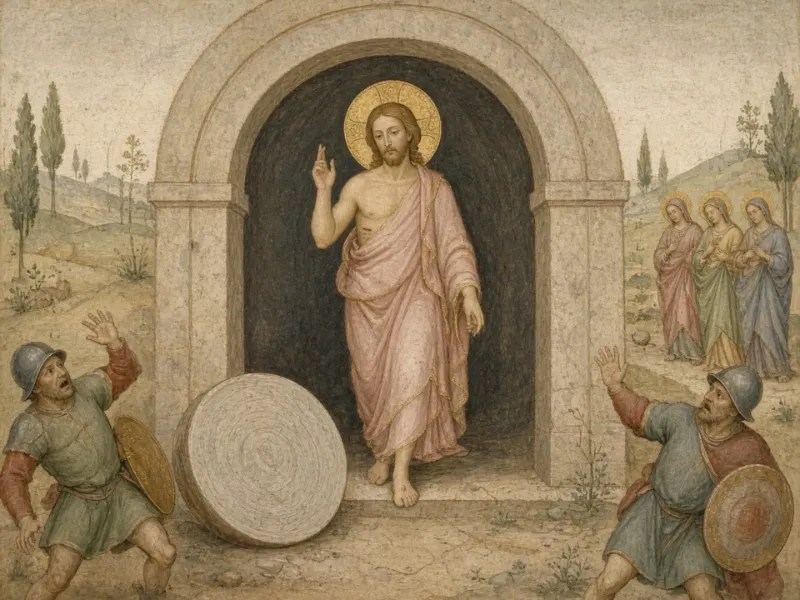
Psalm 28:7
“The Lord is my strength and my shield; my heart trusts in him, and he helps me. My heart leaps for joy, and with my song I praise him.”
Reflection: Psalm 28 opens with David asking the Lord not to “turn a deaf ear” (28:1) and to “hear my cry for mercy” (28:2). By verse 6 he says the Lord “has heard my cry for mercy,” and this verse is his answer: trust, help, joy and a song. The verb in the last line is yadah, to give thanks or to praise.
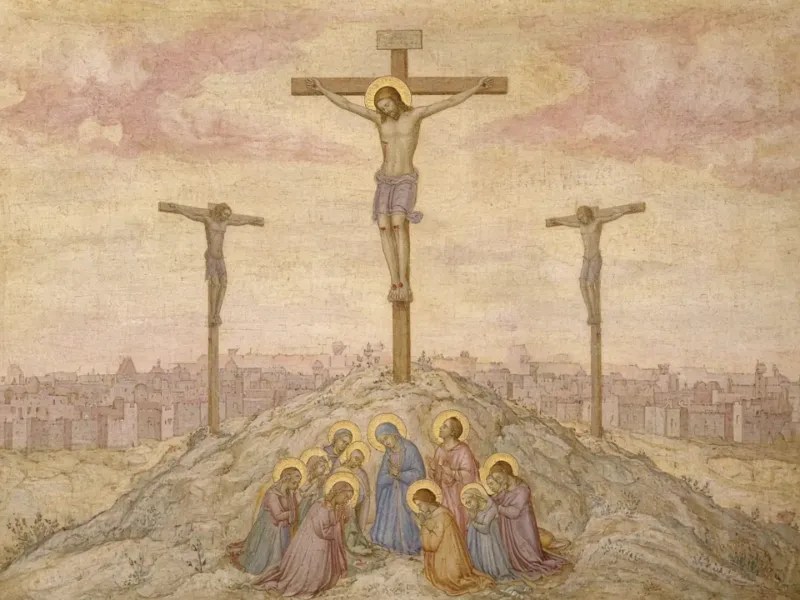
Psalm 69:30
“I will praise God’s name in song and glorify him with thanksgiving.”
Reflection: Psalm 69 opens with “the waters have come up to my neck” (69:1), and the verse just before this one still says “afflicted and in pain” (69:29). The promise to glorify God “with thanksgiving” is made while that trouble lasts. Verse 31 says the song “will please the Lord more than an ox, more than a bull with its horns and hooves.”
Giving thanks in all circumstances
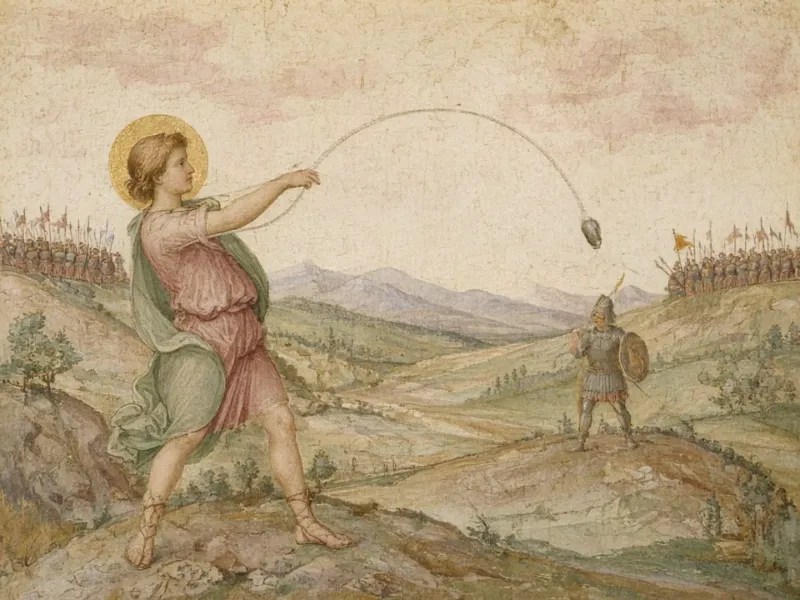
1 Thessalonians 5:18
“Give thanks in all circumstances; for this is God’s will for you in Christ Jesus.”
Reflection: Near the end of Paul’s letter to the church at Thessalonica comes a run of short commands, from “Rejoice always” (5:16) to “reject every kind of evil” (5:22). Giving thanks “in all circumstances” is the third, and it is the one Paul gives a reason for: “this is God’s will for you in Christ Jesus.”

Ephesians 5:20
“Always giving thanks to God the Father for everything, in the name of our Lord Jesus Christ.”
Reflection: Paul sets being “filled with the Spirit” against getting drunk on wine (5:18), and describes that life as speaking to one another with “psalms, hymns, and songs from the Spirit” (5:19). This verse finishes the sentence that begins “Sing and make music from your heart to the Lord,” and the thanks it adds is “for everything.”

Philippians 4:6-7
“Do not be anxious about anything, but in every situation, by prayer and petition, with thanksgiving, present your requests to God. And the peace of God, which transcends all understanding, will guard your hearts and your minds in Christ Jesus.”
Reflection: Paul writes to the Philippians while “in chains for Christ” (1:13). Requests go to God “with thanksgiving,” in the same prayer that asks. What verse 7 promises in answer is the peace of God guarding “your hearts and your minds in Christ Jesus.”
Thankfulness in the life of a church
Colossians 3:15-17
“Let the peace of Christ rule in your hearts, since as members of one body you were called to peace. And be thankful. Let the message of Christ dwell among you richly as you teach and admonish one another with all wisdom through psalms, hymns, and songs from the Spirit, singing to God with gratitude in your hearts. And whatever you do, whether in word or deed, do it all in the name of the Lord Jesus, giving thanks to God the Father through him.”
Reflection: Paul is writing to a church about its shared life: the peace of Christ to which its members were called “as members of one body.” “And be thankful” stands as a sentence of its own, and gratitude comes back twice more, in the singing of verse 16 and in verse 17, which extends thanks to “whatever you do, whether in word or deed.”
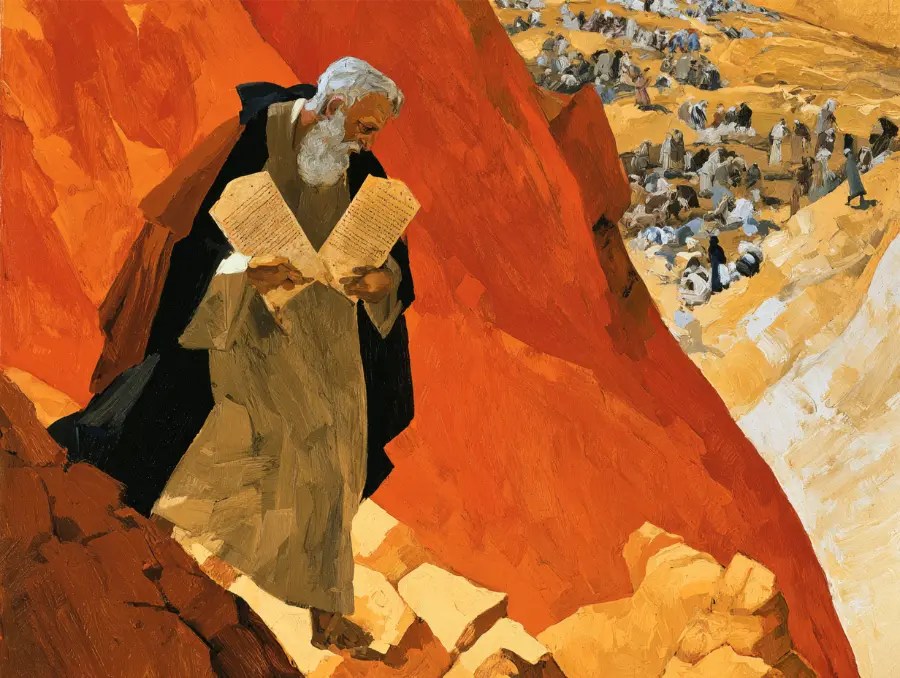
Colossians 2:6-7
“So then, just as you received Christ Jesus as Lord, continue to live your lives in him, rooted and built up in him, strengthened in the faith as you were taught, and overflowing with thankfulness.”
Reflection: Paul describes the Colossians with two pictures, a plant rooted in Christ and a building built up in him, and ends the list with “overflowing with thankfulness.” The next verse warns against being taken captive “through hollow and deceptive philosophy” (2:8).
Thanks for gifts, from God and from other people
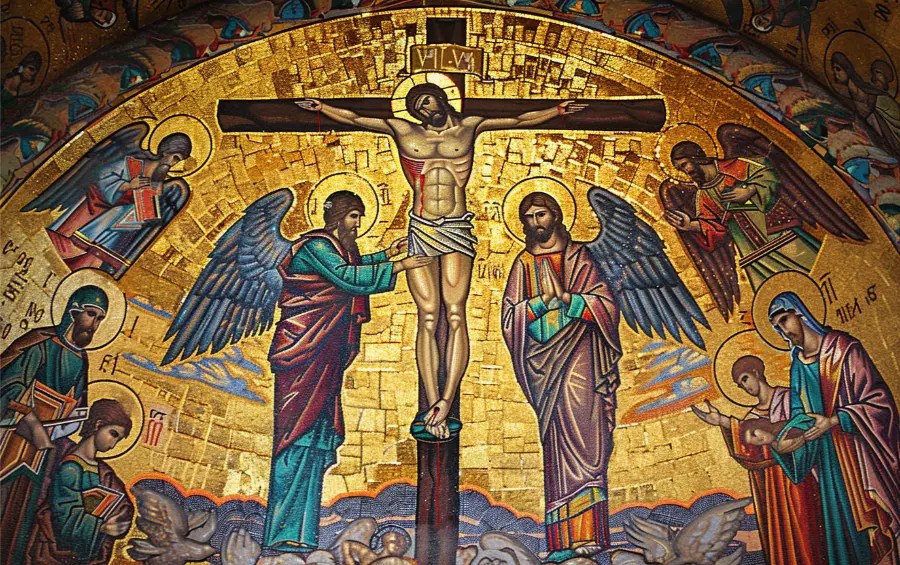
James 1:17
“Every good and perfect gift is from above, coming down from the Father of the heavenly lights, who does not change like shifting shadows.”
Reflection: The verse before it opens with a warning, “Don’t be deceived” (1:16). The giver is “the Father of the heavenly lights,” who “does not change like shifting shadows.” The next verse names one of his gifts: “He chose to give us birth through the word of truth” (1:18).

2 Corinthians 9:15
“Thanks be to God for his indescribable gift!”
Reflection: Paul ends his chapter on the Corinthians’ gift for “the Lord’s people” (9:1) with this line. The verses before it trace thanks outward: the Corinthians’ generosity “will result in thanksgiving to God” (9:11), and those who receive it will praise God and pray for the givers “because of the surpassing grace God has given you” (9:14). Paul does not name the indescribable gift.

Luke 17:15-16
“One of them, when he saw he was healed, came back, praising God in a loud voice. He threw himself at Jesus’ feet and thanked him—and he was a Samaritan.”
Reflection: Ten men with leprosy called to Jesus from a distance, and he sent them to show themselves to the priests; they were cleansed on the way (17:12-14). Only this one came back, and Jesus asks, “Were not all ten cleansed? Where are the other nine?” (17:17). He calls the man “this foreigner” (17:18), and Luke’s verb for “thanked” is eucharisteo.

Philippians 1:3
“I thank my God every time I remember you.”
Reflection: Paul opens the letter by thanking God for the people who will read it, “because of your partnership in the gospel from the first day until now” (1:5). Near its end he says he “rejoiced greatly in the Lord” that they had renewed their concern for him (4:10). The thanks is addressed to God and written to the people he is grateful for.
A verse for how you feel
Choose how you feel today and read a verse from Scripture.
I thank my God every time I remember you.
Get a verse each week
Thank you. Your first verse is on its way.
If nothing arrives in a few minutes, look in your spam or promotions folder.
Keep this for another day. A verse for how you feel has a page of its own, with our verses for each feeling.
Each verse is quoted from the Berean Standard Bible.


Leave a Reply