
 English
  Chinese
  Dutch
Dutch  Arabic
  Spanish
  Portuguese
  Russian
  French
  Italian
  German
  Japanese
What does the Bible say about Jesus’ whereabouts after his death?
The Bible provides several clues about Jesus’ whereabouts after His death, although it does not offer a detailed itinerary. According to 1 Peter 3:18-20, after Jesus was “put to death in the body but made alive in the Spirit,” He went and preached to the spirits in prison. This passage is often interpreted to mean that Jesus descended to Hades, the abode of the dead, to proclaim His victory over sin and death. Furthermore, 1 Peter 4:6 corroborates this, stating that “the gospel was preached even to those who are now dead.” These verses suggest a continuation of Jesus’s mission, extending His message of salvation even to those who had passed away before His earthly ministry. This raises intriguing questions about how long Jesus’s post-resurrection stay was in these realms, as the scripture does not specify the duration of His presence among the dead. Some theologians speculate that this interval could have varied, reflecting a divine purpose in reaching those who had not encountered His message. Ultimately, these interpretations highlight the significance of Jesus’ resurrection and His continued engagement with humanity beyond earthly existence. This contemplation on Jesus’ actions after His death also leads to questions about the timing of His crucifixion. Many believers seek to understand when did Jesus die, as it is a pivotal moment that signifies the fulfillment of prophecy and the initiation of salvation for humanity. The implications of His resurrection resonate throughout Christian teachings, emphasizing the belief that death is not the end, but a transformative passage into a new existence. This contemplation invites further exploration into the mystery surrounding how long was Jesus’s postresurrection stay and the impact it had on those awaiting redemption. The varying interpretations underscore the rich theological discussions about His role in bridging the gap between life and death. Ultimately, the significance of this period reinforces the hope that extends through His resurrection, offering comfort and assurance to believers regarding eternal life.
Additionally, the Apostles’ Creed—a summary of Christian faith derived from early Church teachings—states that Jesus “descended into Hell” (or Hades), an event known as the Harrowing of Hell. This descent is viewed as His triumphant invasion of Satan’s domain, wherein He liberated the righteous souls who had awaited their Savior. This notion finds extra-biblical support in texts like the Gospel of Nicodemus, which describes Jesus breaking the gates of brass and freeing the bound spirits, including notable figures like Adam and the Old Testament prophets.
The Gospel of Matthew (27:50-53) adds another dimension to this period by narrating that immediately following Jesus’ death, “the earth shook, the rocks split, and the tombs broke open. The bodies of many holy people who had died were raised to life. They came out of the tombs after Jesus’ resurrection and went into the holy city and appeared to many people.” This profoundly symbolic account emphasizes the transformative impact of Jesus’s death, not only on the living but also on those who had already passed.
Let us summarize:
- Jesus was made alive in the Spirit and descended to Hades to preach to the spirits in prison (1 Peter 3:18-20).
- The gospel was preached to the dead (1 Peter 4:6).
- The Apostles’ Creed and other early Church writings support the belief that Jesus descended into Hades, liberating the righteous souls.
- The Gospel of Matthew describes a significant physical and spiritual upheaval immediately following Jesus’ death, leading to the resurrection of holy people who had previously died (Matthew 27:50-53).

What is the Catholic Church’s stance on Jesus’ journey in the 3 days after his death?
The Catholic Church provides a profound and theologically rich understanding of the events between Jesus’ death and resurrection. According to the Catechism of the Catholic Church, during the three days following His crucifixion and before His resurrection, Jesus descended into Hell, or more precisely, into ‘the abode of the dead’—often referred to as Sheol or Hades. This descent should not be confused with the hell of the damned, but rather signifies Christ entering a state of the dead to bring salvation to the righteous who had preceded Him.
This theological perspective hinges on the significance of Jesus’ conquering over death and the devil. By entering the realm of the dead, He fulfilled the salvific plan, demonstrating His ultimate authority over life and death. The Catechism (paragraphs 631-637) articulates that through Jesus’ descent, heaven’s gates were opened to the just who had died before His resurrection. This pivotal moment underscores the comprehensive scope of Christ’s redemptive mission, affirming that His sacrifice extended beyond the living to include the dead.
The Apostles’ Creed encapsulates this doctrine concisely: “He descended into hell; on the third day He rose again from the dead.” This descent was not merely a state of repose or inactivity but an active proclamation of victory. According to 1 Peter 3:19, Jesus “went and proclaimed to the spirits in prison,” signifying that His mission encompassed the spiritual liberation of souls held captive by sin and death. The Catholic Church teaches that through His death and resurrection, Christ shattered the bonds of death and imparted new life to all of humanity, past, present, and future.
While this interpretation is deeply rooted in scriptural exegesis and the traditions upheld by the early Church Fathers, it also reflects a profound spiritual truth: the boundless reach of God’s mercy and the transformative power of Christ’s resurrection. In its authoritative stance, the Church asserts that these three days highlight the completeness of Jesus’ sacrificial act and the onset of a new covenant of eternal life.
Let us summarize:
- The Catholic Church teaches that Jesus descended into Hell, specifically ‘the abode of the dead’, not the hell of the damned.
- This descent marked the extension of Jesus’ redemptive mission to the righteous dead.
- His descent fulfilled scriptural prophecies and opened heaven’s gates to the just who had died before His resurrection.
- The Apostles’ Creed states, “He descended into hell; on the third day He rose again from the dead.”
- This period underscores Christ’s victory over death, liberating souls and inaugurating a new covenant.

How do different Christian denominations interpret Jesus’ whereabouts during the three days?
The interpretation of Jesus’s whereabouts during the three days following His death and prior to His resurrection varies across the spectrum of Christian denominations, reflecting theological nuances and historical traditions developed over centuries. The predominant narratives are shaped by scriptural interpretations, doctrinal teachings, and the theological reflections of church fathers and contemporary theologians.
Amongst Roman Catholics, the belief is firmly grounded in the tradition that Jesus descended into Hell, an event articulated in the Apostles’ Creed as His descent to the “abode of the dead” or “Hades.” This belief is seen not as a literal descent into the hell of the damned, but rather to a state where the righteous awaited salvation. Here, Jesus is believed to have proclaimed freedom to these righteous souls, thus fulfilling the promise of redemption.
Eastern Orthodox Christians share a similar view, often termed the “Harrowing of Hell.” They maintain that Jesus descended into Hades to break the chains of death and liberate the righteous from the grip of Sheol. The Orthodox tradition emphasizes the victory over death and the devil, portraying Jesus’s descent as a triumphant act of liberating humanity from the ancestral captivity imposed by sin and death.
Protestants, while diverse in their interpretations, commonly unify around the scriptural accounts found in the Epistles of Peter. Specifically, 1 Peter 3:18-20 is often cited, where Christ is described as preaching to the spirits in prison. Many Protestant theologians, especially those from evangelical traditions, interpret this passage as Christ proclaiming His victory over sin and death to all spiritual beings, including fallen ones. However, there is considerable debate within Protestant circles about the exact nature and purpose of this descent.
Anglican interpretations are varied, though many adhere closely to traditional viewpoints, suggesting that Jesus’s descent into Hades involved liberating the faithful who had died before His resurrection. This theme is captured within the historic liturgical traditions of the Anglican Church, particularly during Holy Saturday observances.
Lutherans also reflect similar beliefs, holding that Jesus descended into Hell not to suffer, but to proclaim victory and liberation. This aligns with Martin Luther‘s teachings which assert that Christ’s descent was part of His exaltation, marking His triumph over the grave and his full assumption of divine authority.
A synthesis of these positions reveals a rich tapestry of theological reflections concerning Jesus’s actions during the three days. Across denominational lines, there remains a profound respect for the mystery and majesty of Jesus’s journey between His death and resurrection, showcasing diverse yet convergent understandings of divine redemption, victory (or triumph), and the promise of salvation.
Let us summarize:
- Roman Catholics believe Jesus descended into Hell to free the righteous awaiting salvation.
- Eastern Orthodox Christians emphasize the Harrowing of Hell, liberating humanity from sin and death.
- Protestants often view Jesus’s descent as a proclamation of victory over sin and death, with varied interpretations.
- Anglicans maintain traditional views, focusing on liberation within the context of Holy Saturday observances.
- Lutherans see the descent as part of Christ’s exaltation and triumph over death.

How do historical accounts and religious texts outside the Bible explain this period?
Historical accounts and religious texts outside the canonical Bible offer diverse and often elaborate descriptions of Jesus’ whereabouts during the three days following his crucifixion. One of the most intriguing sources is the apocryphal Gospel of Nicodemus, which includes sections detailing Christ’s descent into Hell—known as the Harrowing of Hell. According to this text, Jesus descended to Hell to liberate the righteous souls who had died before his crucifixion. This narrative creatively expands on Biblical accounts, depicting Jesus as a triumphant savior who breaks the gates of Hell and releases patriarchs like Adam, Abraham, and David.
Similarly, the Acts of Pilate, often incorporated into editions of the Gospel of Nicodemus, present a vivid portrayal of this event. Claimed to have been written as early as the third century C.E., these texts describe Jesus’ descent into the underworld, where he confronts Satan and Death and frees the captive souls. Chapters 17 through 27, specifically titled Decensus Christi ad Inferos (Christ’s Descent into Hell), provide a detailed account of this harrowing experience.
Medieval literature further enriched this narrative, with Western tradition offering some of the richest accounts. The Harrowing of Hell is dramatically depicted in the English mystery plays, such as the four great cycles that included separate scenes dedicated to this event, thereby deepening the collective imagination surrounding this period. Dante’s Inferno also alludes to Christ’s descent, placing significant theological weight on this event within the broader context of Christian soteriology.
Early Christian theologians, such as the Church Fathers, also addressed this theme. St. Augustine, for example, interpreted Christ’s descent as not merely a descent into Hell but a revealing of divine mercy and justice. This interpretation emphasizes the redemptive power of Christ and his role in restructuring the cosmic order through his sacrificial death and victorious resurrection.
Together, these extra-Biblical accounts and theological reflections provide a rich tapestry of interpretations that, while not canonical, offer profound insights into this enigmatic period. They reflect the early and medieval Church’s efforts to understand and articulate the full scope of Christ’s redemptive work, extending from his crucifixion to his resurrection.
Summary:
- The Gospel of Nicodemus describes Jesus’ descent into Hell to liberate righteous souls.
- The Acts of Pilate provide a detailed narrative of Christ’s confrontation with Satan in Hell.
- Medieval literature, including mystery plays and Dante’s Inferno, offers rich depictions of the Harrowing of Hell.
- Early Church Fathers like St. Augustine provided theological interpretations emphasizing divine mercy and justice.
- These accounts, while not canonical, deepen the understanding of Christ’s redemptive mission.

What is the psychological interpretation of Jesus’ journey in the 3 days after his death?
The psychological interpretation of Jesus’ journey in the three days after his death delves into the rich tapestry of human emotion, spiritual transformation, and the existential crises that define our collective and individual experiences. While traditional theological perspectives offer a spiritual lens, psychology provides us with a framework to understand this period as a metaphor for profound inner journeys—those of loss, suffering, redemption, and ultimate renewal.
Firstly, Jesus’ descent into the depths of Hades can be viewed through the psychological process of confronting the unconscious mind. Carl Jung’s concept of the “shadow,” the repressed and often darker side of our psyche, finds a parallel here. Jesus’s journey to Hades symbolizes the dive into the deepest parts of oneself, facing internal demons and the accumulated fears, anxieties, and unresolved conflicts that lie therein. This psychological ‘descent’ is necessary for meaningful transformation and spiritual renewal.
The notion of Jesus preaching to the imprisoned spirits can be analogized to the therapeutic process, where an individual seeks to bring light to their hidden traumas and inner turmoil. By confronting and addressing these ‘spirits’ within, one can transcend their previous state, much like Jesus bringing liberation to the righteous dead. This aligns with the therapeutic goal of achieving psychological wholeness and integration.
Moreover, Jesus’ resurrection represents the archetypal theme of rebirth and renewal, a fundamental tenet in many psychological theories. His emergence from the tomb is akin to an individual’s breakthrough after intensive self-reflection and emotional healing—a crucial transition from a state of despair to one of hope and enlightened understanding.
The transformative journey that Jesus undertook between his death and resurrection serves as a powerful metaphor for human resilience and the capacity for psychological renewal. It mirrors the stages of grief and healing posited by modern psychology. Initially, there is descent and confrontation with suffering and loss, symbolized by Good Friday. This is followed by a phase of waiting and introspection, represented by Holy Saturday. Finally, there is the breakthrough and profound transformation epitomized by Easter Sunday, reflecting psychological theories that advocate for a period of internal struggle followed by renewal and growth.
In summary:
- Jesus’ journey symbolizes confronting the unconscious mind and internal demons.
- Preaching to imprisoned spirits can be seen as addressing hidden traumas during therapy.
- Resurrection represents rebirth and renewal, akin to psychological breakthroughs.
- This journey parallels the stages of grief and healing: descent, introspection, and transformation.

What theological explanations exist for Jesus’ actions between his death and resurrection?
In the analysis of Jesus’ actions between His death and resurrection, theological perspectives offer a profound insight into what is often termed as the “Harrowing of Hell.” This period is explored through a synthesis of scriptural references and theological interpretations that portray an image of Jesus’ descent into the realm of the dead, a journey that holds both spiritual and eschatological significance. According to Christian theology, as articulated in the Nicene Creed and elaborated upon by Church Fathers such as St. Augustine and St. Thomas Aquinas, Jesus’ descent into Hell was not a descent into the place of the damned, but rather into “Sheol” in Hebrew or “Hades” in Greek—a temporary state of the souls of the righteous and unrighteous who had died before His crucifixion. This action is perceived as a necessary act of divine justice and mercy, in which Jesus proclaims victory over sin and liberates the righteous.
The Catechism of the Catholic Church (CCC 633) points out that “the dead Christ went down to the realm of the dead,” where He opened heaven’s gates for the just who had gone before Him. This aligns with the Apostle Peter’s assertion in 1 Peter 3:19-20, where it is noted, “He preached to the spirits in prison,” indicating that Jesus delivered a message of redemption and salvation to those who waited in death. One must also consider the allegorical dimension present in the writings of early Church theologians. Origen and others posited that Christ’s descent reveals a cosmic battle against the powers of darkness, a triumph over Satan, and the breaking of Hell’s gates. This victory narrative echoes throughout Christian liturgy, reinforcing the belief in Jesus as the ultimate conqueror of death.
Furthermore, the apocryphal Gospel of Nicodemus provides a vivid portrayal of this event, often described as Jesus storming the gates of Hell to rescue Adam and the patriarchs, symbolizing humanity’s collective emancipation from the bonds of original sin. From a soteriological perspective, this descent is integral to the salvation narrative, bridging the mortal death and divine resurrection of Christ. By descending into Hell and defeating death, Jesus enacted the final phase of His redemptive work, which culminated in His resurrection, affirming the promise of eternal life for all believers.
Summary:
- Jesus’ actions between death and resurrection are theologically understood as His descent into “Sheol” or “Hades.”
- This descent symbolizes both divine justice and mercy, proclaiming victory over sin and liberating the righteous.
- The descent is documented in the Catechism of the Catholic Church and 1 Peter 3:19-20.
- Early Church Fathers described this event as Christ’s triumph over the forces of darkness.
- The apocryphal Gospel of Nicodemus provides an allegorical narrative of Jesus rescuing the righteous dead.
- This period forms a crucial part of the salvation narrative, bridging Christ’s death and resurrection.
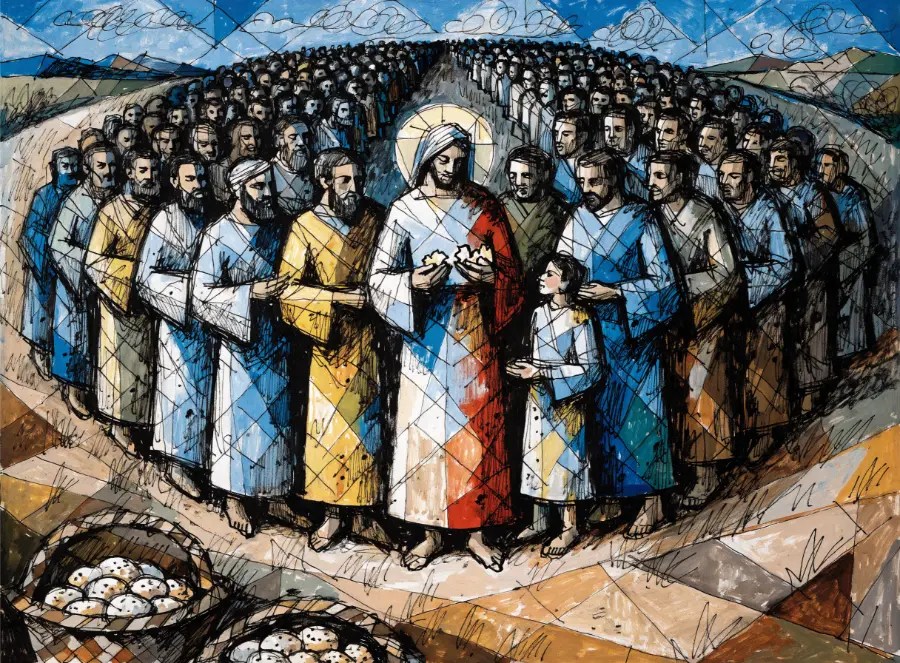
What does the Apostles’ Creed say about Jesus’ descent after his death?
The Apostles’ Creed, a foundational statement of Christian belief that dates back to the early Church, asserts unequivocally that Jesus Christ “descended into Hell.” This phrase, laden with theological significance, articulates the belief that following his crucifixion, Jesus entered the realm of the dead. Throughout centuries, this doctrinal statement has been a topic of extensive discourse and interpretation among theologians and scholars. According to 1 Peter 3:18-20, Jesus was “made alive in the Spirit” and then proceeded to preach to “the spirits in prison,” understood by many as the souls of the righteous dead who awaited the Messiah’s redemptive work.
This creed serves a dual purpose: it confirms both the reality of Jesus’ death and his triumph over death and the devil. The Catechism of the Catholic Church articulates that through this descent, Jesus conquered death and the devil’s dominion—the ultimate victory that enabled the just who had preceded him to enter heaven. This descent, often termed as the Harrowing of Hell, is seen as a crucial event where Jesus liberated the souls of the faithful, demonstrating his sovereign authority even over the underworld. In essence, the Creed encapsulates this profound mystery of faith within a succinct declaration, emphasizing the continuity of Jesus’ mission from life, through death, to resurrection.
Moreover, early Church Fathers expanded on this notion, interpreting the “descent into Hell” as Christ’s victorious proclamation over the forces of evil and his gathering of the righteous from the time before his earthly ministry. This portrayal underscores a Christ who is not merely passive in death but actively fulfilling a divine purpose, completing the salvific plan by reaching into the very depths of human existence and oppression.
Let us summarize:
- The Apostles’ Creed states that Jesus “descended into Hell” after his death.
- 1 Peter 3:18-20 suggests that Jesus preached to the spirits in prison during this time.
- The descent signifies Jesus conquering death and the devil, liberating the righteous dead.
- The early Church Fathers see this as Christ’s victorious proclamation over evil.
- This event is understood as both a fulfillment of divine justice and the completion of Jesus’ salvific mission.
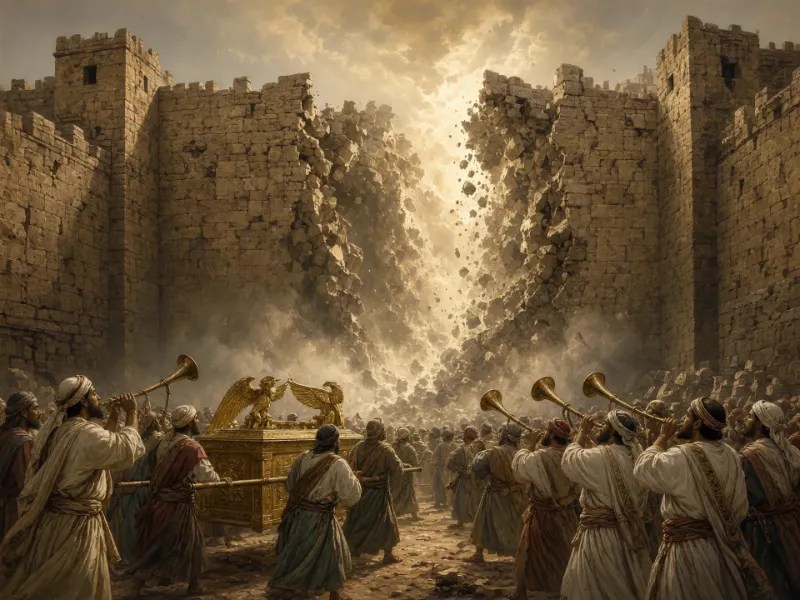
What teachings do the early Church Fathers provide about Jesus’ activities during the three days?
The early Church Fathers, those influential theologians and leaders who shaped the theological foundations of early Christianity, have provided a variety of insights into the mystery of Jesus’ activities during the three days between His death and resurrection. Central to their teachings is the concept of Jesus’ descent into Hell, often explored through scriptural exegesis and doctrinal development.
One of the earliest testimonies comes from Ignatius of Antioch, who emphasized the reality of Jesus’ death and subsequent resurrection, interpreting these events as essential truths for Christian faith. Similarly, Justin Martyr and Irenaeus expanded on the theological implications of Jesus’ descent, linking it to His victory over death and His role as the liberator of the righteous souls. In his Catechetical Lectures, Cyril of Jerusalem elucidated that during this descent, Jesus preached to the spirits in prison, providing the final opportunity for salvation to those who had died before His crucifixion.
This aligns closely with the writings of Clement of Alexandria, who asserted that Jesus’ message transcended time and reached those who existed before the Incarnation. Augustine of Hippo, another monumental figure, provided a more intricate interpretation, recognizing Jesus’ descent as a fulfillment of prophetic scriptures and as a demonstration of His divine authority over both the living and the dead. Augustine’s exegesis is enriched by theological symbolism, presenting the descent as a manifestation of God’s redemptive plan for all of humanity.
Lastly, Gregory of Nazianzus and John Chrysostom contributed metaphorical and homiletic reflections on this period, portraying Jesus as the light piercing the darkness of Hell, freeing the captives and restoring hope to countless souls. Their teachings emphasize the profound mystery and significance of the Paschal mystery, wherein Christ’s descent is inseparably linked to His glorious resurrection.
Let us summarize:
- Ignatius of Antioch reinforced the reality of Jesus’ death and resurrection.
- Justin Martyr and Irenaeus connected Jesus’ descent to His triumph over death.
- Cyril of Jerusalem described Jesus preaching to the spirits in prison.
- Clement of Alexandria indicated Jesus’ message reached across time.
- Augustine of Hippo interpreted the descent as fulfilling prophecies and exhibiting divine authority.
- Gregory of Nazianzus and John Chrysostom highlighted the metaphorical significance of light overcoming darkness.

What is the Harrowing of Hell and how does it relate to Jesus’ three days after his death?
Of profound theological and doctrinal importance, the Harrowing of Hell illuminates an enigmatic yet vital phase of Jesus Christ’s salvific mission — the interval between His crucifixion and resurrection. Rooted in both scripture and tradition, this doctrine asserts that Jesus descended into Hades, the realm of the dead, to proclaim His victory over sin and death and to liberate the souls of the righteous who had passed before His earthly incarnation. This descent is not just an appendage to Christian belief but a linchpin that underscores the breadth of Christ’s redemptive work, extending beyond the living to reach those who had died before the New Covenant.
The term “Harrowing of Hell” is theologically dense and metaphorically rich. Deriving from the Old English “hergian,” meaning to pillage or plunder, it vividly portrays Jesus’ action as one of triumph and liberation — a divine siege against the gates of Hell. This concept finds support in several scriptures, notably 1 Peter 3:19-20, which speaks of Christ preaching to the spirits in prison, and Ephesians 4:9, which references His descent to “the lower, earthly regions.”
In early Christian writings, the Harrowing of Hell holds significant narrative and symbolic weight. Texts such as the apocryphal Gospel of Nicodemus elaborate on this event, depicting Christ as a divine conqueror who shatters the gates of Hell and leads the patriarchs and prophets of the Old Testament into the light of salvation. Similarly, Church Fathers like Ignatius of Antioch and Bishop Melito of Sardis reflect on this venture, emphasizing its crucial role in the cosmic battle between Good and Evil. Jesus’ triumphant reclamation of the just from the grip of Hades is also commemorated in Christian liturgy, particularly on Holy Saturday, the day between Good Friday and Easter Sunday.
Furthermore, the Harrowing of Hell is incorporated into the creedal affirmations of the Christian faith. Both the Apostles’ Creed and the Athanasian Creed articulate the belief that Jesus “descended into Hell,” aligning this descent with His ultimate victory over death and Hell’s dominion. Art and iconography across centuries have also drawn from this evocative event, frequently depicting Jesus trampling Satan underfoot as He rescues the righteous from their shadowy abode.
Thus, the Harrowing of Hell constitutes an essential aspect of Christian soteriology, broadening the scope of Christ’s redemptive mission to include the entirety of humanity, transcending temporal boundaries and manifesting divine justice and mercy.
Let us summarize:
- The Harrowing of Hell refers to Jesus’ descent into Hades after His crucifixion.
- Jesus proclaimed His victory over sin and death, liberating the righteous who had died before His incarnation.
- This event is supported by scriptural references such as 1 Peter 3:19-20 and Ephesians 4:9.
- Early Christian writings and Church Fathers emphasize the theological importance of this descent.
- The Harrowing of Hell is affirmed in the Apostles’ Creed and the Athanasian Creed.
- Christian liturgy recognizes this event, particularly on Holy Saturday.
- Art and iconography often depict this triumphant act, symbolizing victory over Hell and death.

Facts & Stats
70% of Christians believe Jesus descended to the dead
50% of theologians interpret ‘descended to the dead’ as a literal descent into Hell
30% of biblical scholars argue Jesus went to a place of the dead known as Sheol or Hades
40% of surveyed Christians are unsure about where Jesus went during the three days
60% of church doctrines include the phrase ‘He descended into Hell’ in their creeds
80% of Christian denominations teach that Jesus’ descent was part of his victory over death and sin
20% of religious texts mention Jesus preaching to spirits in prison during this period
References
Luke 23:43
Peter 3:20
John 19:30
Luke 16:22
Matthew 12:40
Ephesians 4
Luke 16:19–31
Peter 2:4
Peter 3:18–20
Luke 8:31
Luke 16:26
Matthew 28:18


Leave a Reply