
 English
 Chinese
 Dutch
 Arabic
 Spanish
 Portuguese
 Russian
 French
 Italian
 German
 Japanese
Brianna is not in the Bible, and its meaning is not settled. It is the feminine of Brian, and Brian’s own origin is uncertain — possibly from a Celtic root meaning hill or high, possibly from one meaning might or power.
The feminine form is younger than most people assume. It appears in Edmund Spenser’s The Faerie Queene in 1590, which makes it a poet’s coinage, like Vanessa and Geraldine.
What does the name Brianna mean?
High, or strong, or possibly neither. Honest sources say the Old Irish root is not certain, and the popular gloss “noble” is a later smoothing rather than a documented meaning.
The name Brian was carried by Brian Boru, the Irish king who broke Viking attempts to conquer Ireland in the eleventh century and was killed at Clontarf while his army won the day. It became common in Ireland after him and travelled to northern England with Norse-Gael settlers.
Brianna and Briana are the same name; Brianna is now the commoner spelling.
Is Brianna in the Bible?
No — in no language and no spelling. A sixteenth-century English poem is a long way from Scripture, and there is no Hebrew form.
But “high” is a word Scripture handles carefully, and the way it handles it is not flattering to height.
What the Bible does with high places
The phrase “high places” appears dozens of times in the Old Testament, and almost always as a problem. They were hilltop shrines, and king after king is assessed by whether he removed them. Many good kings did not, and the text notes it every time, with a kind of weary precision.
Height in Scripture is where people go to be nearer to God on their own terms.
And then there is Babel, where the whole point was a tower with its top in the heavens, built by people who said, in so many words, let us make a name for ourselves.
Scripture is suspicious of climbing.
The direction God moves
Because the movement in the Bible is consistently the other way.
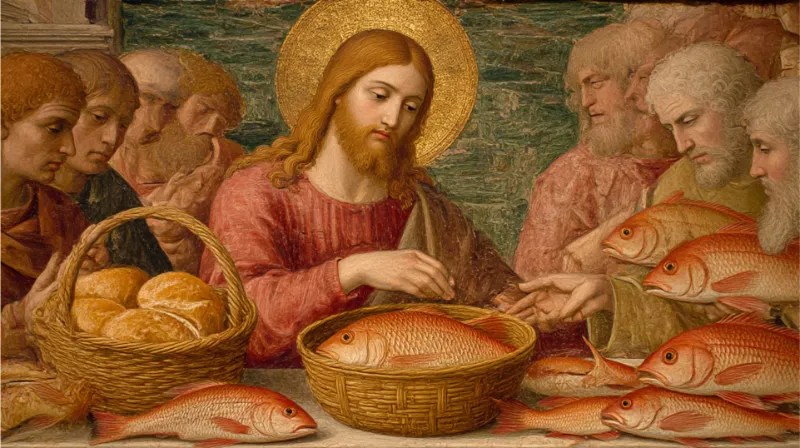
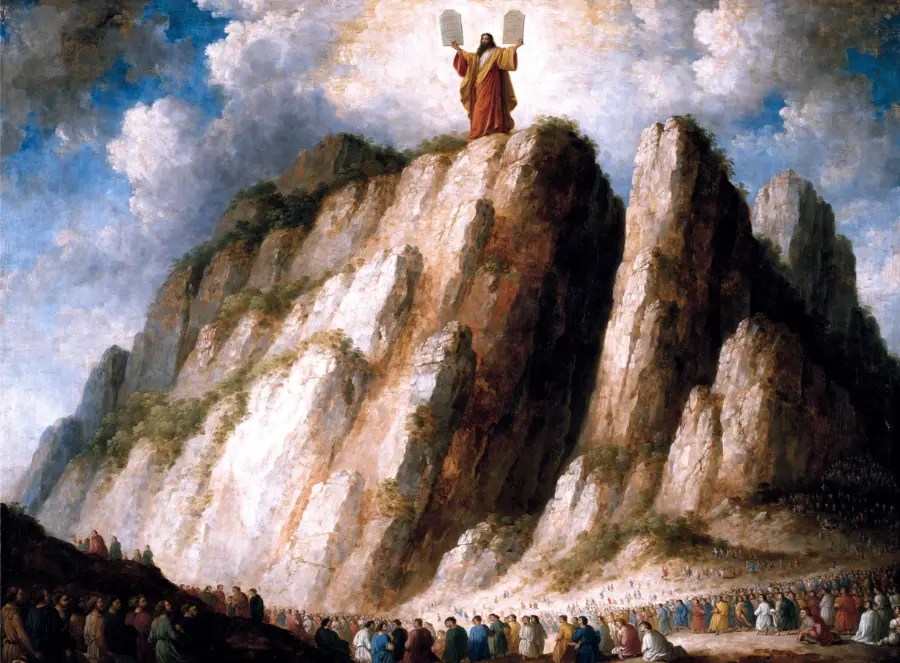
He comes down to see the city and the tower. He comes down on the mountain to speak to Moses. He comes down, finally and completely, as a child in a feeding trough.
And the hymn Paul quotes in Philippians describes it as deliberate: he did not consider equality with God something to be used to his own advantage, but made himself nothing, taking the very nature of a servant — and then humbled himself further, to death on a cross.
The exaltation comes afterwards, and it is given rather than taken.
Strength, then, and where to put it
If the other root is the right one — might, power — the same principle applies from the other side.
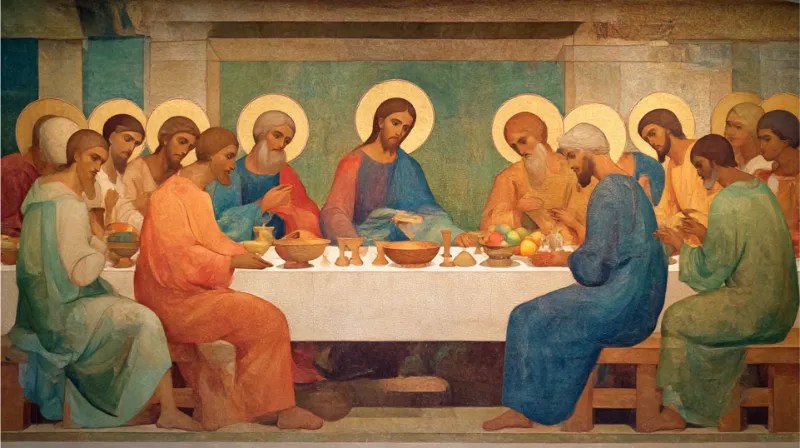
Scripture never treats strength as a problem. It treats unaccountable strength as one. The strong are told to bear with the failings of the weak, which is not an instruction to be weaker but to spend the strength on somebody.
Brian Boru won his battle and died in it. There are worse patterns.
A blessing for Brianna
May we be at peace with a meaning nobody can pin down, since the woman matters more than the etymology.
May we not build towers to make a name for ourselves, having already been given one.
And may whatever strength we have be spent downhill, on people who cannot return it.
Related reading
- Brian Is Not in the Bible: An Irish Name Meaning “Noble”
- Geraldine Is Not in the Bible — a Poet Invented It in 1537
- Is Your Name in the Bible? A Directory of 231 Names


Leave a Reply