-
Elias means “My God is Yahweh” in Hebrew, signifying faith and divine relationship. It appears biblically as Elijah’s Greek form.
-
Julianne is not in the Bible, but Julia (Romans 16:15) and Julius (Acts 27) are. Julianne comes from the Roman name Iulianus, formed from Julius.
-
Explore the meaning of Zion in the Bible—its history, spiritual significance, and connection to God’s promises for believers today.
-
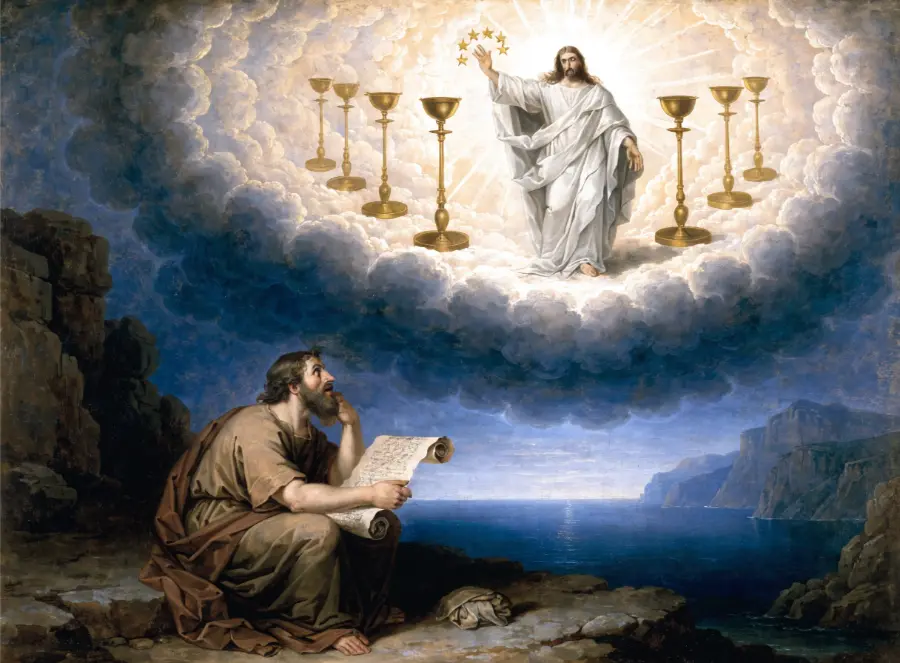
Leo is not a name in Scripture, but the lion is — and Revelation tells John to look at a Lion and shows him a Lamb.
-
Ashleigh is not in the Bible; it is a spelling of Ashley, an English surname from place names meaning “ash tree clearing,” in Old English æsc and lēah.
-
No one named Cornelia appears in the Bible. It is the feminine form of Cornelius, the Roman centurion of Acts 10 whom Peter baptized.
-
Daryl is not in the Bible. It is a form of Darrell, a surname from Norman French d’Airelle, “from Airelle,” and became a first name in the 1900s.
-
Yes. Michael is the archangel of Daniel, Jude and Revelation and the name of nine or ten Israelites. In Hebrew it asks, “Who is like God?”
-
Martin is not in the Bible. It means of Mars — and its first great bearer was a soldier who refused to fight.
-
Scripture does not say. First Kings 11 records Solomon’s turn to other gods and no repentance. Augustine saw a bad end; others read Ecclesiastes as repentance.
-
Explore the biblical symbolism of the moon, reflecting God’s faithfulness, creativity, and ultimate plans through captivating Old and New Testament references.
-
Eli was the priest at Shiloh who raised Samuel. His name means “ascent” or “lofty”; the “Eli, Eli” cried from the cross means “my God.”
-
Christina is not in the Bible, but it means “a Christian,” a word the New Testament uses three times, in Acts 11:26, Acts 26:28 and 1 Peter 4:16.
-
Explore the frequency and significance of ‘love’ in the Bible across various translations, its profound meanings, and transformative impact.
-
Alyson is not in the Bible, and the -son is a French diminutive rather than a patronymic. Nobody was the son of Aly.
-
No. Scripture says only God knows the heart. Aquinas taught that angels can infer thoughts from outward signs but cannot see the thoughts themselves.
-
Explores biblical evidence and historical context of Jesus wearing a prayer shawl, discussing its significance for Christian-Jewish relations and faith practices.
-
Eileen is not in the Bible, and its meaning is not settled. What is certain is that it was translated — which is what God did first at Pentecost.

Christian Education
“The fear of the Lord is the beginning of knowledge.” — Proverbs 1:7












Read without limits. Grow without end.
Become a member for unlimited access to every article, Bible study, and devotional on Christian Pure — completely ad-free.
Starting at $4.17/month · Cancel anytime