
 English
  Chinese
  Dutch
Dutch  Arabic
  Spanish
  Portuguese
  Russian
  French
  Italian
  German
  Japanese
What is the biblical definition of holiness?
The biblical concept of holiness is layered and powerful, encompassing both divine and human dimensions. At its core, holiness in the Bible refers to being set apart or consecrated for God’s purposes. The Hebrew word for “holy” (qadosh) appears 159 times in the Old Testament, underscoring its significance in biblical theology (Morgan, 2007).
From a divine perspective, holiness is an essential attribute of God’s nature. It denotes His absolute purity, perfection, and transcendence above all creation. God’s holiness is not merely one characteristic among many, but the very essence of His being that permeates all His other attributes (Senior, 2021).
For humans, holiness involves both a status and a process. As a status, it refers to being chosen and set apart by God for His purposes. This concept is evident in the Old Testament’s designation of Israel as a “holy nation” (Exodus 19:6). In the New Testament, all believers in Christ are called “saints” or “holy ones” (hagioi in Greek), indicating their set-apart status in God’s eyes (Senior, 2021).
As a process, holiness involves the ongoing transformation of a believer’s character to reflect God’s nature. This aspect of holiness is often referred to as sanctification in theological terms. It’s not merely about external conformity to rules but an internal transformation of the heart and mind (Bray, 2023).
Interestingly, the biblical concept of holiness also has spatial and temporal dimensions. Certain places (like the Temple in Jerusalem) and times (like the Sabbath) were considered holy because of their special relationship to God. This illustrates that holiness in the Bible is not an abstract concept but one that has tangible expressions in the physical world (Spicer, 2012, pp. 1–24).
From a psychological perspective, we can understand biblical holiness as a reorientation of one’s entire being – thoughts, emotions, will, and actions – towards God. It involves a radical shift in identity and purpose, from self-centeredness to God-centeredness. This transformation is not achieved through mere human effort but is primarily the work of God’s Spirit in the believer’s life, though it requires human cooperation (Hanes & Hanesová, 2024).
The biblical definition of holiness encompasses God’s absolute purity and perfection, the set-apart status of His people, and the ongoing process of character transformation to reflect God’s nature. It’s a comprehensive concept that touches every aspect of existence – from the nature of God to the daily lives of His followers.

How does the Bible describe God’s holiness?
The Bible portrays God’s holiness as a fundamental and awe-inspiring aspect of His nature, setting Him apart from all creation in His absolute purity, perfection, and transcendence. This divine holiness is not merely one attribute among many, but the very essence of God’s being that permeates all His other characteristics (Senior, 2021).
In the Old Testament, God’s holiness is often associated with His unapproachable glory and majesty. The prophet Isaiah’s vision in Isaiah 6 vividly illustrates this. He sees the Lord seated on a high throne, surrounded by seraphim crying out, “Holy, holy, holy is the Lord Almighty; the whole earth is full of his glory” (Isaiah 6:3). The threefold repetition of “holy” in Hebrew is a superlative, emphasizing the supreme and absolute nature of God’s holiness (Lebens, 2024).
God’s holiness is also closely linked to His righteousness and justice. The Psalmist declares, “The Lord is righteous in all his ways and faithful in all he does” (Psalm 145:17). This aspect of God’s holiness is often expressed through His righteous anger against sin and injustice. But it’s crucial to understand that this divine anger is not capricious or self-serving, but a reflection of His perfect holiness that cannot tolerate evil (Schenk, 2017, pp. 222–239).
Interestingly, the Bible also associates God’s holiness with His creative and life-giving power. In Exodus 15:11, after the crossing of the Red Sea, Moses sings, “Who among the gods is like you, Lord? Who is like you—majestic in holiness, awesome in glory, working wonders?” Here, God’s holiness is linked to His ability to perform miraculous acts of deliverance and creation (Amzallag, 2015, pp. 233–252).
In the New Testament, God’s holiness is most fully revealed in the person of Jesus Christ. The author of Hebrews describes Jesus as “holy, blameless, pure, set apart from sinners, exalted above the heavens” (Hebrews 7:26). Through Christ, we see that God’s holiness is not only about transcendent purity but also about self-giving love and grace (Senior, 2021).
From a psychological perspective, the biblical portrayal of God’s holiness serves several important functions. It instills a sense of awe and reverence, which can be psychologically beneficial in promoting humility and a realistic self-assessment. At the same time, it provides a perfect standard of moral excellence, serving as an aspirational goal for human behavior and character development (Hanes & Hanesová, 2024).
The concept of God’s holiness in the Bible is not meant to create distance but to invite relationship. While emphasizing God’s otherness, the Bible also reveals that this holy God desires communion with His creation. This paradox of transcendence and immanence can provide a powerful sense of security and significance to believers (Devine, 2016).
The Bible describes God’s holiness as His essential nature, encompassing His absolute purity, righteousness, creative power, and self-giving love. This holiness sets God apart from all creation while simultaneously drawing His people into a transformative relationship with Him.
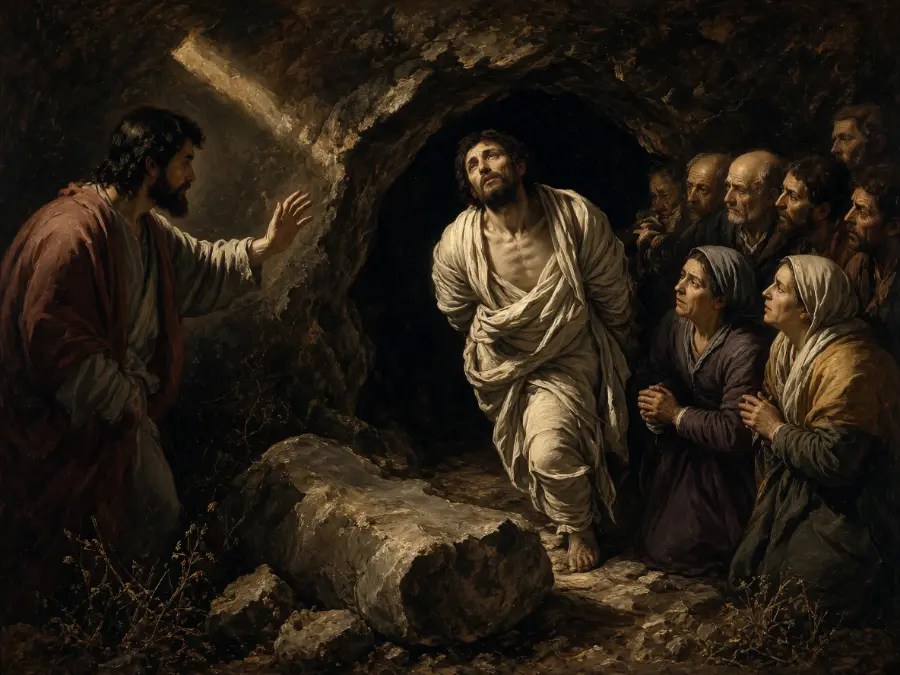
What does the Bible say about human holiness?
The Bible presents human holiness rooted in God’s own holiness and His desire for relationship with humanity. The foundational text for this concept is found in Leviticus 19:2, where God commands the Israelites, “Be holy because I, the Lord your God, am holy.” This directive is reiterated in the New Testament in 1 Peter 1:15-16, indicating its enduring significance in biblical theology (Udju, 2023).
Human holiness, according to the Bible, begins with a divine act of consecration. In the Old Testament, Israel is designated as a “holy nation” (Exodus 19:6), set apart by God for His purposes. This concept is expanded in the New Testament to include all believers in Christ, who are referred to as “saints” or “holy ones” (hagioi in Greek). This status of holiness is not earned but bestowed by God’s grace through faith in Christ (Senior, 2021).
But the Bible also presents holiness as a process of ongoing transformation. This aspect, often termed sanctification in theological discourse, involves the gradual conforming of a believer’s character to the likeness of Christ. The Apostle Paul describes this process in 2 Corinthians 3:18: “And we all, who with unveiled faces contemplate the Lord’s glory, are being transformed into his image with ever-increasing glory, which comes from the Lord, who is the Spirit” (Bray, 2023).
Importantly, the Bible portrays human holiness not as mere external conformity to rules, but as an internal transformation that affects every aspect of a person’s being. Jesus emphasized this in His teachings, particularly in the Sermon on the Mount, where He internalized the commandments to address not just actions, but thoughts and motivations (Matthew 5-7) (Senior, 2021).
The pursuit of holiness, according to Scripture, involves both divine empowerment and human responsibility. On one hand, it’s described as the work of God’s Spirit in the believer’s life (1 Thessalonians 5:23). On the other hand, believers are exhorted to “make every effort to live in peace with everyone and to be holy” (Hebrews 12:14), indicating an active role for human agency (Hanes & Hanesová, 2024).
From a psychological perspective, this biblical view of human holiness aligns well with concepts of personal growth and self-actualization. It provides a framework for continuous development towards an ideal self, which can contribute to psychological well-being and a sense of purpose. The tension between divine empowerment and human responsibility in pursuing holiness also resonates with psychological theories about the interplay between environmental factors and personal agency in human development (Hanes & Hanesová, 2024).
The Bible’s emphasis on holiness as affecting all aspects of life – thoughts, emotions, relationships, and actions – corresponds with holistic approaches in psychology that view human beings as integrated wholes rather than compartmentalized entities (Senior, 2021).
The Bible presents human holiness emphasizing its importance in both divine and human contexts. These verses provide a comprehensive picture of what holiness means and how it should be pursued. Let’s examine some of the most major passages:
- Leviticus 19:2 – “Speak to the entire assembly of Israel and say to them: ‘Be holy because I, the Lord your God, am holy.’” This verse establishes the fundamental basis for human holiness – it’s rooted in God’s own holiness (Udju, 2023).
- Isaiah 6:3 – “And they were calling to one another: ‘Holy, holy, holy is the Lord Almighty; the whole earth is full of his glory.’” This powerful vision of God’s holiness emphasizes its centrality to His nature (Lebens, 2024).
- 1 Peter 1:15-16 – “But just as he who called you is holy, so be holy in all you do; for it is written: ‘Be holy, because I am holy.’” This New Testament passage reiterates the Old Testament command, showing its enduring relevance (Udju, 2023).
- Hebrews 12:14 – “Make every effort to live in peace with everyone and to be holy; without holiness no one will see the Lord.” This verse underscores the importance of actively pursuing holiness (Hanes & Hanesová, 2024).
- 1 Thessalonians 4:7 – “For God did not call us to be impure, but to live a holy life.” This passage emphasizes that holiness is integral to God’s purpose for His people.
- 2 Corinthians 7:1 – “Therefore, since we have these promises, dear friends, let us purify ourselves from everything that contaminates body and spirit, perfecting holiness out of reverence for God.” This verse highlights the comprehensive nature of holiness, affecting both body and spirit.
- Romans 12:1 – “Therefore, I urge you, brothers and sisters, in view of God’s mercy, to offer your bodies as a living sacrifice, holy and pleasing to God—this is your true and proper worship.” This passage connects holiness with worship and daily living.
- Ephesians 1:4 – “For he chose us in him before the creation of the world to be holy and blameless in his sight.” This verse roots the call to holiness in God’s eternal purpose.
- 1 John 3:3 – “All who have this hope in him purify themselves, just as he is pure.” This passage links the pursuit of holiness with eschatological hope.
- Exodus 15:11 – “Who among the gods is like you, Lord? Who is like you—majestic in holiness, awesome in glory, working wonders?” This verse associates God’s holiness with His incomparable nature and miraculous acts (Amzallag, 2015, pp. 233–252).
From a psychological perspective, these verses collectively present holiness as a layered concept that encompasses identity (who we are), behavior (what we do), and aspiration (what we’re becoming). They suggest that holiness is not just about avoiding sin, but about positively embodying God’s character in all aspects of life.
These passages indicate that holiness is both a gift and a task. It’s something bestowed by God (Ephesians 1:4) and something to be actively pursued (Hebrews 12:14). This dual nature aligns with psychological understanding of personal growth, which often involves both accepting oneself and striving for improvement.
The emphasis on holiness affecting both “body and spirit” (2 Corinthians 7:1) resonates with holistic approaches in psychology that view humans as integrated beings. It suggests that spiritual growth should have tangible effects on physical and mental well-being.
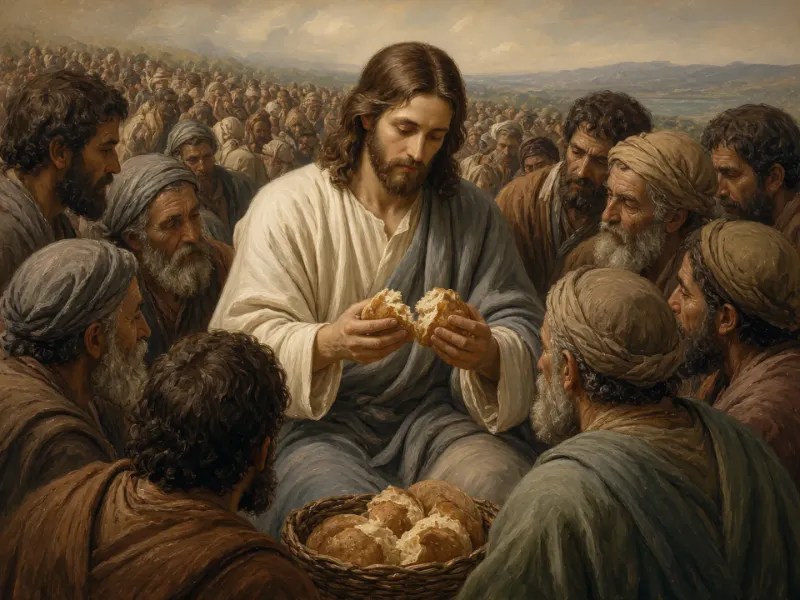
How can Christians pursue holiness in daily life?
The pursuit of holiness in daily life is a central theme in Christian spirituality, rooted in the biblical call to “be holy, because I am holy” (1 Peter 1:16). This pursuit involves a comprehensive transformation of one’s character and lifestyle, guided by biblical principles and empowered by God’s grace. Here are some key ways Christians can pursue holiness in their daily lives:
- Cultivate a Deep Relationship with God: The foundation of holiness is a vibrant, personal relationship with God. This involves regular prayer, meditation on Scripture, and worship. As Christians contemplate God’s holiness, they are gradually transformed into His likeness (2 Corinthians 3:18) (Senior, 2021).
- Study and Apply Scripture: The Bible is the primary guide for holy living. Regular study and application of Scripture helps align one’s thoughts and actions with God’s will. As Psalm 119:11 states, “I have hidden your word in my heart that I might not sin against you” (Berding, 2013, pp. 18–37).
- Practice Spiritual Disciplines: Disciplines such as fasting, solitude, and service can help cultivate holiness. These practices create space for God’s transforming work and help develop godly habits (Foster, 1998).
- Pursue Moral Excellence: Holiness involves striving for moral purity in thoughts, words, and actions. This includes avoiding sin and actively pursuing virtues like love, joy, peace, patience, kindness, goodness, faithfulness, gentleness, and self-control (Galatians 5:22-23) (Bray, 2023).
- Engage in Community: The pursuit of holiness is not a solitary endeavor. Being part of a Christian community provides accountability, encouragement, and opportunities for growth. As Proverbs 27:17 says, “As iron sharpens iron, so one person sharpens another” (Berding, 2013, pp. 18–37).
- Practice Confession and Repentance: Acknowledging sin and turning away from it is crucial in the pursuit of holiness. Regular self-examination, confession, and repentance keep one’s heart sensitive to God’s leading (Hanes & Hanesová, 2024).
- Cultivate Gratitude and Joy: Holiness is not about joyless rule-following but about delighting in God and His ways. Cultivating a spirit of gratitude and joy can help maintain a positive perspective in the pursuit of holiness (Senior, 2021).
- Serve Others: Jesus exemplified holiness through sacrificial service. Serving others, especially those in need, is a practical way to grow in holiness and reflect God’s character (Senior, 2021).
- Practice Mindfulness: Being aware of God’s presence in every moment can help align one’s thoughts and actions with His will. This involves developing a habit of bringing every thought captive to Christ (2 Corinthians 10:5) (Hanes & Hanesová, 2024).
- Embrace Trials as Opportunities for Growth: James 1:2-4 encourages believers to view trials as opportunities for spiritual growth. Embracing challenges with faith can lead to increased perseverance and maturity (Berding, 2013, pp. 18–37).
From a psychological perspective, these practices align well with principles of personal growth and well-being. The emphasis on relationship, community, and service addresses the human need for connection and purpose. The focus on moral excellence and mindfulness promotes self-awareness and self-regulation, key components of emotional intelligence.
The holistic nature of this pursuit – encompassing thoughts, emotions, and actions – resonates with integrated approaches to mental health. The practice of gratitude and joy, in particular, aligns with positive psychology’s emphasis on cultivating positive emotions for overall well-being.
Pursuing holiness is not about achieving perfection through human effort. Rather, it’s about cooperating with God’s transforming work in one’s life. This perspective can help prevent the anxiety and guilt that sometimes accompany legalistic approaches to spirituality.
Pursuing holiness in daily life involves a comprehensive approach that touches every aspect of a Christian’s existence. It’s a lifelong journey of transformation, empowered by God’s grace and guided by biblical principles. When approached with the right understanding, this pursuit can lead not only to spiritual growth but also to psychological well-being and a more fulfilling life.

What is the relationship between holiness and salvation?
holiness and salvation are intimately connected, like two sides of the same coin in God’s beautiful plan for humanity. Salvation is God’s gracious gift to us through Christ, rescuing us from sin and death. But this salvation is not just about escaping punishment – it is an invitation to a new way of living, a life of holiness.
When we speak of holiness, we are talking about being set apart for God, becoming more like Christ in our thoughts, words, and actions. It is the process of being transformed by God’s love and grace, allowing the Holy Spirit to work within us to make us holy as God is holy. This journey of holiness is not separate from salvation, but rather the outworking of our salvation in daily life.
Think of it this way: salvation is like being rescued from a sinking ship and brought safely to shore. But God doesn’t just leave us on the beach – He invites us to join Him in a new life, to learn to walk in His ways. This new way of living, this growth in holiness, is the evidence of our salvation at work.
From a psychological perspective, we can see how this process of growing in holiness brings healing and wholeness to our minds and hearts. As we align ourselves more closely with God’s will and character, we find greater peace, purpose, and fulfillment. The destructive patterns of sin are gradually replaced by life-giving habits of love, joy, and service.
But we must be careful not to see holiness as something we achieve on our own to earn salvation. Rather, it is the fruit of God’s saving work in us. As Saint Paul reminds us, “It is God who works in you to will and to act in order to fulfill his good purpose” (Philippians 2:13). Our role is to cooperate with God’s grace, to open ourselves to His transforming love.
Salvation and holiness are two aspects of God’s one great work of redemption. Salvation is the foundation, the starting point of our new life in Christ. Holiness is the ongoing journey of becoming more like Him, of allowing His life to be manifest in us. Both are gifts of God’s grace, and both are essential to the Christian life.
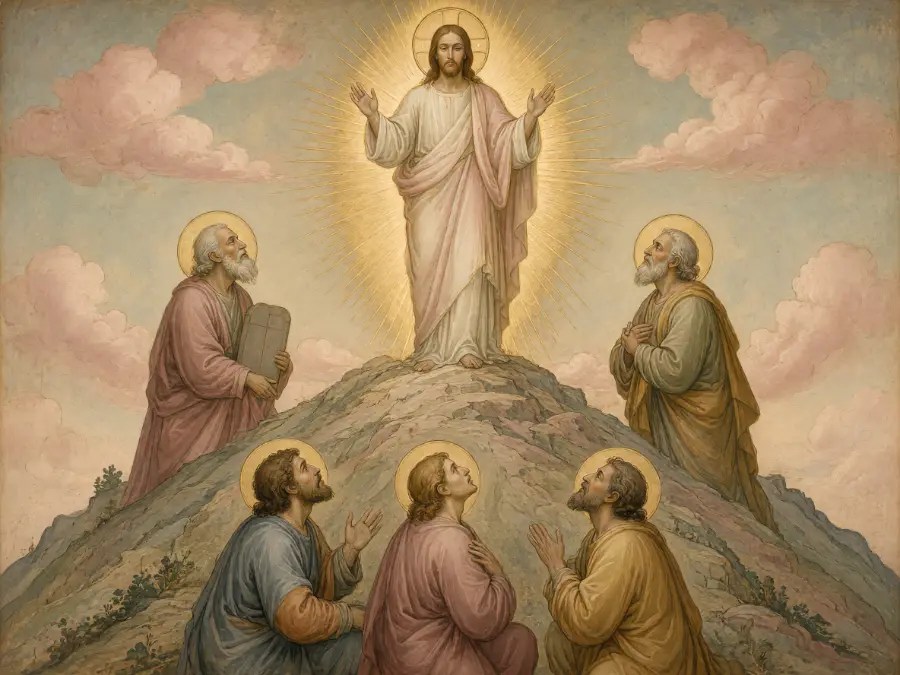
How does holiness relate to God’s love and grace?
when we speak of holiness in relation to God’s love and grace, we are touching upon the very heart of the Gospel message. These concepts are not separate realities, but rather intricately woven together in God’s beautiful tapestry of redemption.
God’s love is the foundation of all that we are and all that we are called to be. It is a love so vast, so deep, that it reaches out to us even in our brokenness and sin. This love is expressed most profoundly in the person of Jesus Christ, who gave Himself for us on the cross. As Saint John tells us, “This is love: not that we loved God, but that he loved us and sent his Son as an atoning sacrifice for our sins” (1 John 4:10).
Grace, my friends, is the outpouring of this divine love. It is God’s unmerited favor, His kindness toward us that we could never earn or deserve. Grace is what enables us to respond to God’s love, to turn from our old ways and embrace the new life He offers. As Saint Paul beautifully expresses, “For it is by grace you have been saved, through faith—and this is not from yourselves, it is the gift of God” (Ephesians 2:8).
Now, how does holiness fit into this picture of love and grace? Holiness is not a burden placed upon us, but rather the natural response of a heart that has been touched by God’s love and transformed by His grace. It is the process by which we become more like the One who loves us so deeply.
From a psychological perspective, we can understand holiness as a journey of integration and wholeness. As we experience God’s unconditional love and unmerited grace, our hearts begin to heal from past wounds, our minds are renewed, and our wills are strengthened. We find ourselves desiring to live in a way that reflects the love we have received.
This pursuit of holiness is not about earning God’s favor – that has already been freely given. Rather, it is about allowing the reality of God’s love and grace to permeate every aspect of our being. It’s a process of becoming who we truly are in Christ, of living out our identity as beloved children of God.
As we grow in holiness, we become more capable of receiving and reflecting God’s love. Our capacity for love expands, and we find ourselves better able to love God and others. This, in turn, opens us up to experience God’s love and grace even more deeply, creating a beautiful cycle of growth and transformation.
Let us remember, dear friends, that holiness is not about rigid rule-keeping or joyless self-denial. It is about being so filled with God’s love and grace that it overflows into every area of our lives, changing us from the inside out. As we pursue holiness, we are simply allowing the love and grace we have received to shape us more and more into the image of Christ.
In this light, holiness becomes not a burden, but a joy – the joy of becoming who we were always meant to be, fully alive in God’s love and grace.

What did Jesus teach about holiness?
When we look at the teachings of Jesus on holiness, we find a message that is both profoundly challenging and deeply liberating. Jesus, in His life and words, redefined holiness in ways that often surprised and even scandalized His contemporaries.
Jesus taught that true holiness flows from a heart transformed by love. He criticized the religious leaders of His day who focused on external observances while neglecting “the more important matters of the law—justice, mercy and faithfulness” (Matthew 23:23). For Jesus, holiness was not about ritual purity or strict adherence to rules, but about a heart aligned with God’s love and compassion.
Jesus emphasized that holiness is expressed in how we treat others, especially the marginalized and the suffering. In the parable of the Good Samaritan (Luke 10:25-37), He taught that loving our neighbor – even those we might consider enemies – is at the heart of what it means to be holy. This challenges us to move beyond our comfort zones and to see the face of Christ in every person we encounter.
Jesus taught that holiness is not about separating ourselves from the world, but about engaging with it in a transformative way. He was criticized for eating with tax collectors and sinners (Mark 2:16), but He understood that holiness is not threatened by contact with the “unclean.” Rather, true holiness has the power to bring healing and restoration to broken situations and lives.
From a psychological perspective, we can see how Jesus’ teachings on holiness promote mental and emotional well-being. By focusing on inner transformation rather than external conformity, Jesus invites us into a journey of authentic personal growth. His emphasis on love and compassion as the essence of holiness encourages the development of healthy relationships and empathy, key factors in psychological health.
Jesus also taught that holiness is not something we achieve through our own efforts, but something we receive as a gift from God. He spoke of the need to “remain in me” (John 15:4), emphasizing our dependence on God’s grace for true holiness. This relieves the burden of perfectionism and self-righteousness, allowing us to grow in holiness from a place of security in God’s love.
Jesus’ life itself was the ultimate teaching on holiness. He demonstrated what it means to be fully human and fully aligned with God’s will. His holiness was not austere or unapproachable, but radiant with love, joy, and life-giving power. He showed us that true holiness is attractive, drawing people to the beauty of God’s love.
In His teachings on the Kingdom of God, Jesus presented a vision of holiness that was both present and future. He called His followers to live out the values of God’s Kingdom now – love, justice, mercy – while also looking forward to the full realization of God’s reign.
let us take to heart these teachings of Jesus on holiness. Let us pursue a holiness that is rooted in love, expressed in compassion, engaged with the world, dependent on God’s grace, and reflective of the joy and fullness of life that Jesus came to bring. This is the holiness that will truly transform us and, through us, the world around us.
What did the Church Fathers teach about holiness?
The Church Fathers understood holiness as participation in the life of God. St. Athanasius famously wrote, “God became man so that man might become God.” This startling statement doesn’t mean we literally become divine, but rather that through Christ, we are invited to share in God’s nature, to be transformed by His love and grace. This concept of theosis, or divinization, was central to many of the Fathers’ understanding of holiness.
The Fathers also emphasized that holiness is not just for a select few, but is the calling of all Christians. St. Basil the Great taught that “all Christians in any state or walk of life are called to the fullness of Christian life and to the perfection of love.” This democratization of holiness reminds us that each of us, regardless of our role or status, is called to grow in likeness to Christ.
Many of the Fathers saw holiness as a journey, a process of ongoing transformation. St. Gregory of Nyssa described it as constant progress, likening the Christian life to climbing a ladder where each step leads to the next. This perspective aligns well with modern psychological understanding of personal growth as a lifelong process.
The Church Fathers also taught that holiness is intimately connected with love. St. Augustine famously said, “Love God and do as you please,” meaning that if we truly love God, our desires will align with His will. This echoes Jesus’ teaching that love of God and neighbor are the greatest commandments.
From a psychological standpoint, we can appreciate how the Fathers’ teachings on holiness promote mental and spiritual well-being. Their emphasis on participation in God’s life offers a sense of ultimate meaning and purpose. The concept of holiness as a journey allows for growth and change, reducing the anxiety of perfectionism. And the focus on love as central to holiness encourages the development of healthy relationships and empathy.
The Fathers also recognized the role of asceticism in the pursuit of holiness. But they generally saw ascetic practices not as ends in themselves, but as means to open oneself more fully to God’s grace. St. John Chrysostom taught that fasting of the body should be accompanied by fasting of the soul from vice.
Importantly, the Church Fathers understood holiness as both personal and communal. St. Cyprian famously stated, “He cannot have God for his Father who has not the Church for his mother.” This reminds us that our journey of holiness is not a solitary one, but one we undertake as part of the Body of Christ.
The Fathers also emphasized the role of the Holy Spirit in sanctification. St. Basil wrote extensively on the Holy Spirit’s work in making us holy, reminding us that holiness is ultimately God’s work in us, not something we achieve on our own.
How is holiness connected to Christian mission and witness?
Holiness, at its core, is about being set apart for God’s purposes, being transformed into the likeness of Christ. This transformation is not just for our own benefit, but for the sake of the world. As we grow in holiness, we become more effective witnesses to God’s love and grace. Our lives begin to reflect the beauty and power of the Gospel in ways that words alone cannot convey.
Jesus Himself made this connection clear when He said, “You are the light of the world… let your light shine before others, that they may see your good deeds and glorify your Father in heaven” (Matthew 5:14,16). Our pursuit of holiness, manifested in loving actions and Christ-like character, becomes a powerful testimony to the transforming power of God’s love.
From a psychological perspective, we can understand this connection between holiness and mission as an integration of identity and purpose. As we grow in holiness, our identity in Christ becomes more secure and our sense of purpose more clear. This internal alignment gives authenticity and power to our witness, as we’re not just speaking about transformation, but embodying it.
The pursuit of holiness equips us for mission. As we allow God’s love to permeate every aspect of our lives, we develop the fruits of the Spirit – love, joy, peace, patience, kindness, goodness, faithfulness, gentleness, and self-control (Galatians 5:22-23). These qualities enable us to engage in mission with grace and effectiveness, even in challenging circumstances.
Holiness also gives credibility to our witness. In a world often skeptical of religious claims, a life visibly transformed by God’s love can be a compelling argument for the truth of the Gospel. As St. Francis of Assisi is said to have advised, “Preach the Gospel at all times, and when necessary, use words.”
At the same time, engaging in mission can deepen our holiness. As we step out in faith to share God’s love with others, we often find ourselves challenged to grow, to rely more fully on God’s grace, and to love more deeply. Mission becomes a crucible for spiritual growth, pushing us beyond our comfort zones and into greater dependence on God.
This connection between holiness and mission is not about achieving some level of perfection before we can engage in witness. Rather, it’s about allowing our ongoing journey of transformation to be part of our testimony. Our struggles, our growth, our experiences of God’s grace in our weaknesses – all of these can be powerful witnesses to the reality of God’s love and the ongoing work of the Holy Spirit.
The communal aspect of holiness is crucial for effective mission. As we grow together in holiness as the Body of Christ, our collective witness becomes even more powerful. The love and unity within the Christian community can be a powerful testimony to the reconciling power of the Gospel.


Leave a Reply