
 English
 Chinese
 Dutch
 Arabic
 Spanish
 Portuguese
 Russian
 French
 Italian
 German
 Japanese
A rat crossing our path means nothing. Scripture assigns no significance to animal encounters, and reading omens in them is one of the few things the Bible explicitly forbids.
Rats are in the Bible, though — in one very strange chapter — and the story is worth knowing, because it is about precisely this: people trying to work out what a disaster meant.
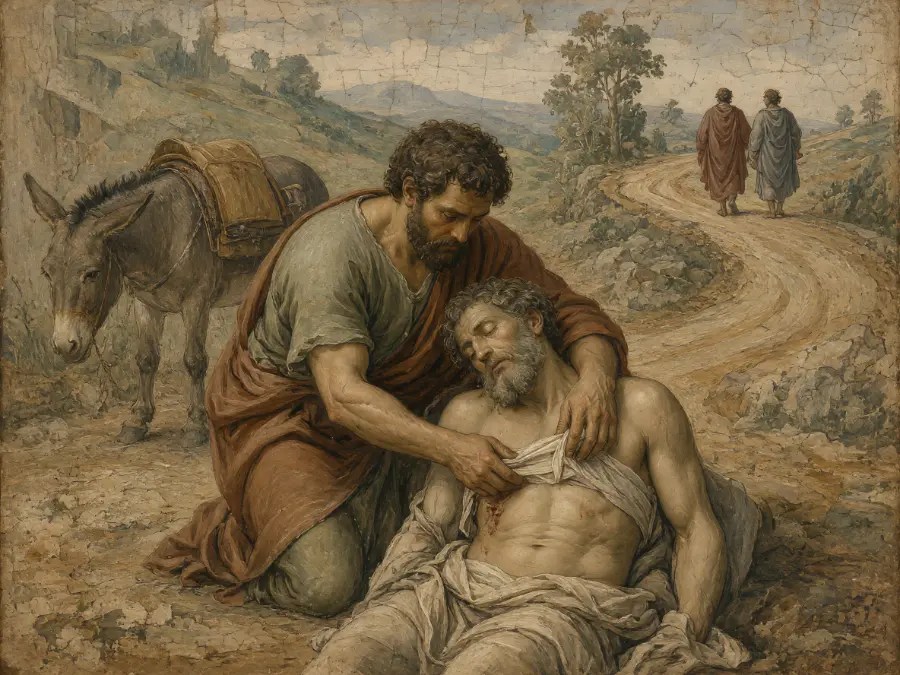
Does the Bible say anything about animals crossing your path?
Nothing, except that we should not read them.
Israel was forbidden divination, sorcery, the interpretation of omens and the consulting of the dead. That is a list from Deuteronomy, and it is unusually blunt.
The reason given is not that the future does not matter. It is that the nations around them did this, and Israel was to be different — because God had given his word and would speak plainly rather than through hints requiring an expert to decode.
A faith built on omens is exhausting. Every crossing animal becomes a message, and the one who reads them best has power over everybody else. Scripture removes that whole apparatus.
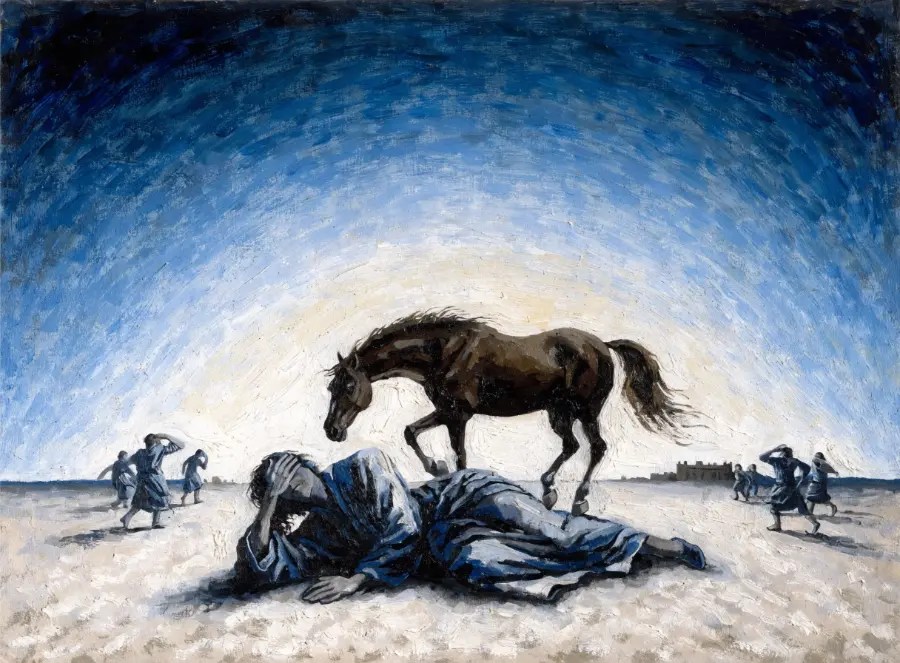
The golden rats
Now to the strange chapter, because rats genuinely are in Scripture.
The Philistines have captured the Ark of the Covenant, and it has gone badly for them. Tumours break out in every city it is taken to, and the land is overrun with rats. After seven months they have had enough and decide to send it back.
Their priests advise a guilt offering, and the offering they choose is remarkable:
Five gold tumors and five gold rats, according to the number of the Philistine rulers, because the same plague has struck both you and your rulers.
Gold models of their own affliction. Five tumours and five rats, one per ruler, sent back on a cart with the Ark.
What the Philistines were doing
Here is the detail worth sitting with, because it speaks directly to anyone searching for the meaning of a sign.
These were careful, sincere people. They looked at their situation, tried to read it, and then — not being certain the god of Israel was behind it — designed a test. They hitched two cows that had never been yoked to a cart, took their calves away, and watched to see whether the animals would go against every instinct and walk straight to Israel.
They did.
The Philistines were not foolish. They were doing their honest best with omens, because that was the only method they had. And Scripture tells the story with a certain sympathy.
But notice: Israel was never told to do that. They had something better. They had a word.
What to do when something unsettles us
If a rat, or anything else, has left us with a feeling that something is wrong, the feeling may be worth attending to even though the sign is not.
We are allowed to be uneasy. We are not required to decode.
Take the unease to God directly and plainly, and if it persists, say it to another person. That is the whole method, and it is available at any hour without an interpreter.
A closing thought
The rat was going somewhere. It had its own errand, and it did not know we were there.
God is not communicating through the wildlife. He is speaking in a book we can open and in a Son we can name, and he has gone to considerable trouble to be unambiguous.
Frequently asked
Are rats in the Bible?
Yes. Rats appear in 1 Samuel 6, and rodents are listed among unclean creatures in Leviticus 11:29.
What were the Philistines’ gold rats for?
They sent five gold tumours and five gold rats back with the ark as a guilt offering (1 Samuel 6:4) — an attempt to work out what the disaster meant and settle the account.
Which verse forbids reading omens?
Leviticus 19:26: “Do not practise divination or seek omens.” It is one of the few things Scripture rules out in so many words.


Leave a Reply