
 English
  Chinese
  Dutch
Dutch  Arabic
  Spanish
  Portuguese
  Russian
  French
  Italian
  German
  Japanese
Where in the Bible are doves mentioned, specifically three doves?
Doves appear throughout the Holy Scriptures as powerful symbols of God’s presence and peace. But we must note that there is no specific mention of exactly three doves together in the Bible. Nevertheless, doves play major roles in several key biblical passages that are worth reflecting upon.
In Genesis 8:8-12, we encounter Noah releasing a dove three separate times after the great flood. This dove becomes a messenger of hope, eventually returning with an olive branch to signal the receding waters. Here, the dove symbolizes God’s reconciliation with humanity after judgment.
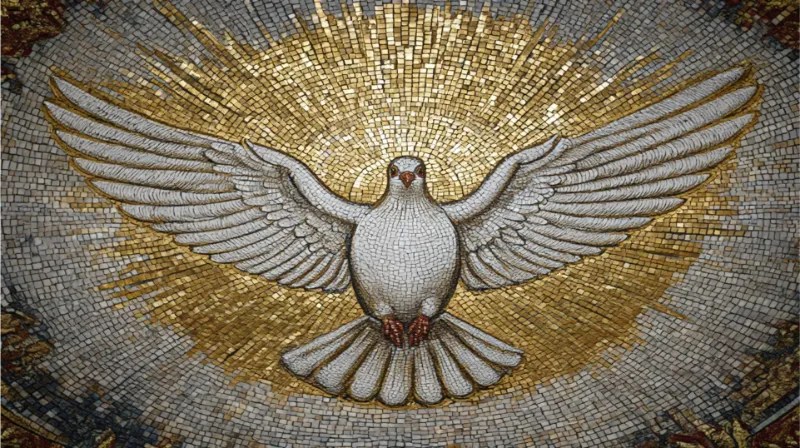
The Gospels present us with a powerful image in Matthew 3:16, Mark 1:10, and Luke 3:22, where the Holy Spirit descends upon Jesus at His baptism in the form of a dove. This manifestation reveals the Trinity and marks the beginning of Christ’s public ministry.
In the Song of Solomon, the beloved is repeatedly compared to a dove (2:14, 5:2, 6:9), emphasizing qualities of purity, gentleness, and beauty. These poetic references remind us of the tender love God has for His people.
Although we do not find three doves mentioned together, the repetition of the dove’s appearance in these passages and others underscores its importance in biblical symbolism. As Christians, we are called to meditate on these images, seeing in them reflections of God’s character and His relationship with us.
Let us remember that the absence of a literal “three doves” reference does not diminish the rich symbolism associated with doves in Scripture. Instead, it invites us to look deeper, to see how God uses these gentle creatures to convey powerful spiritual truths across the narrative of salvation history.
What is the significance of doves in biblical texts?
The dove holds a special place in our sacred texts, carrying layers of meaning that speak to our hearts and souls. As we explore its significance, we uncover powerful truths about God’s nature and His relationship with humanity.
The dove is a symbol of the Holy Spirit. When Jesus was baptized, the Spirit descended upon Him “like a dove” (Matthew 3:16). This image conveys the gentleness and peace of God’s presence, reminding us that the Almighty approaches us not with thunder and lightning with the soft flutter of wings. It teaches us to be attentive to the quiet whispers of God in our lives.
The dove also represents purity and innocence. In Matthew 10:16, Jesus instructs His disciples to be “as shrewd as snakes and as innocent as doves.” This dual nature calls us to navigate the complexities of the world while maintaining a pure heart before God. It challenges us to live in the world but not be of it, preserving our spiritual integrity amidst life’s challenges.
In the Old Testament, the dove symbolizes hope and new beginnings. Noah’s dove, returning with an olive branch, heralded the end of the flood and God’s renewed covenant with creation (Genesis 8:11). This powerful image reminds us that even after periods of trial and judgment, God offers hope and restoration. It encourages us to look for signs of God’s faithfulness in our own lives, especially during difficult times.
The dove is also associated with sacrifice and atonement. In Leviticus 5:7, doves could be offered as a sin offering for those who could not afford a lamb. This provision shows God’s concern for the poor and His desire to make atonement accessible to all. It foreshadows Christ’s ultimate sacrifice, which is available to everyone, regardless of social status.
Lastly, in the Song of Solomon, the dove represents love and devotion. The beloved is often compared to a dove, highlighting qualities of beauty, gentleness, and fidelity. This poetic use of the dove symbol reminds us of God’s tender love for His people and calls us to respond with wholehearted devotion.

What does the number three symbolize in the Bible?
My dear faithful, the number three holds a special place in biblical numerology, rich with theological significance that invites us to contemplate the deeper mysteries of our faith. Throughout Scripture, we see this number recurring in ways that reveal fundamental truths about God and His relationship with creation.
The number three is intimately connected with the Holy Trinity – Father, Son, and Holy Spirit. This divine reality, central to our Christian faith, is reflected in the triune nature of God. The concept of the Trinity, while not explicitly stated in those terms in Scripture, is woven throughout the biblical narrative, from the plural pronouns used for God in Genesis to the baptismal formula given by Jesus in Matthew 28:19.
In the Old Testament, we see the number three associated with completeness and divine perfection. The Patriarchs – Abraham, Isaac, and Jacob – form a triad that represents God’s covenant with His chosen people. The three annual pilgrimage festivals – Passover, Pentecost, and Tabernacles – structured the religious life of ancient Israel, reminding them of God’s provision and presence.
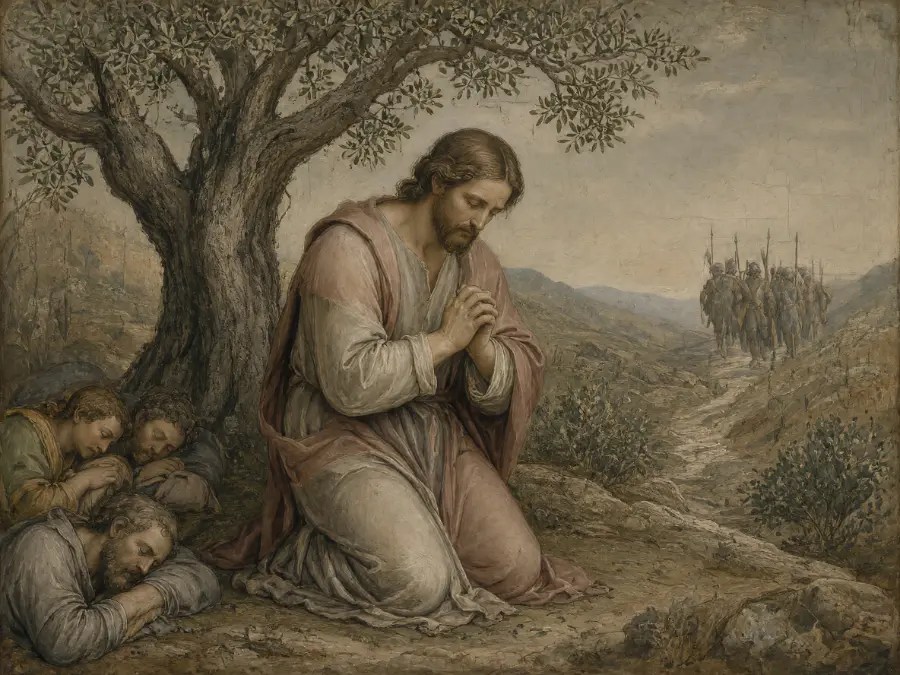
The number three also appears in major moments of Jesus’ life and ministry. His public ministry lasted approximately three years. In the Garden of Gethsemane, He prayed three times before His arrest. Peter denied Him three times, and Jesus later asked Peter three times if he loved Him, restoring their relationship. Most profoundly, Jesus rose from the dead on the third day, fulfilling prophecy and conquering death.
In biblical narrative, events often unfold in a pattern of three, creating a sense of completeness or emphasizing important truths. For example, Jonah spent three days in the belly of the great fish, foreshadowing Christ’s three days in the tomb. Paul experienced three shipwrecks in his missionary journeys, highlighting the trials he endured for the Gospel.
The number three can also represent the three dimensions of time – past, present, and future – reminding us of God’s eternal nature and His sovereignty over all of history. It speaks to the completeness of God’s work in creation, redemption, and ultimate restoration.
As we contemplate the symbolism of three in Scripture, let us be reminded of the fullness and perfection of God’s plan for us. May it deepen our appreciation for the intricate ways in which God has woven meaning into every aspect of His Word, inviting us into a richer understanding of His nature and purposes.

How do the Church Fathers interpret the symbolism of doves in Scripture?
The Church Fathers offer powerful insights into the symbolism of doves in Scripture, drawing deep spiritual meaning from these gentle creatures. In their writings, we see a vast web of interpretation that illuminates our understanding of God’s word.
Many of the early Church Fathers, such as St. Augustine and St. Ambrose, saw the dove as a symbol of the Holy Spirit, peace, and purity. This interpretation stems from the Gospel accounts of Christ’s baptism, where the Holy Spirit descended upon Jesus in the form of a dove (Matthew 3:16). St. Augustine, in particular, emphasized the dove’s gentleness and its association with love, seeing it as an embodiment of the Holy Spirit’s peaceful nature(Attard, 2023).
The Fathers also drew connections between the dove in Noah’s ark (Genesis 8:8-12) and the Church. Just as the dove brought an olive branch signaling the end of the flood, they saw the Church as bringing the message of salvation to a world engulfed in sin. St. Cyprian of Carthage beautifully expresses this, stating that the Church is like Noah’s ark, offering refuge and salvation amidst the storms of life.
The Church Fathers often interpreted the dove as a symbol of the soul’s purity and its journey towards God. In the Song of Songs, where the beloved is described as a “dove in the clefts of the rock” (Song of Songs 2:14), they saw an allegory for the soul seeking refuge in Christ. St. Gregory of Nyssa, in his mystical interpretations, viewed the dove as representing the soul’s ascent to divine contemplation.
Although the Fathers’ interpretations were diverse, they consistently emphasized the dove’s associations with peace, purity, and divine presence. Their teachings remind us to look beyond the literal meaning of Scripture and seek the deeper spiritual truths that God wishes to convey to us through these symbols(Loba, 2024).
Are there any connections between three doves and the Holy Spirit?
Although the Bible does not explicitly mention three doves in connection with the Holy Spirit, we can draw some meaningful spiritual parallels that enrich our understanding of the Trinity and the work of the Holy Spirit in our lives.
Let us recall that the dove is a well-established symbol of the Holy Spirit in Scripture, most notably appearing at Jesus’ baptism (Matthew 3:16). The image of three doves, though not directly biblical, can be seen as a beautiful representation of the Holy Trinity – Father, Son, and Holy Spirit – united in purpose and essence, yet distinct in person(Attard, 2023).
In the early some theologians like Gregory of Nazianzus spoke of the Trinity using the analogy of three suns, whose light blends into one. Similarly, we might contemplate three doves as a symbol of the Trinity’s unity and diversity. Each dove, representing a divine Person, maintains its individuality while being inseparable from the others in nature and purpose(Beeley, 2010, pp. 90–119).
The number three in Scripture often signifies completeness or divine perfection. We see this in the three days of Christ’s death and resurrection, the three temptations in the wilderness, and Peter’s threefold denial and restoration. In this light, three doves could symbolize the complete and perfect work of the Holy Spirit in our lives – sanctifying, empowering, and guiding us(Alvis, 2022).
The Church Fathers, in their wisdom, often saw multiple layers of meaning in biblical symbols. Following their example, we might see in the image of three doves a representation of the Holy Spirit’s threefold ministry: conviction of sin, righteousness, and judgment (John 16:8-11). Or perhaps we could view it as symbolizing the Spirit’s work in our past (redemption), present (sanctification), and future (glorification)(Loba, 2024).
It’s crucial to remember, that while such symbolic interpretations can enrich our spiritual reflection, they should always be grounded in Scripture and the teachings of the Church. The Holy Spirit, whether represented by one dove or three, remains the Comforter and Guide promised by Christ, working in our lives to conform us to His image.
As we contemplate these connections, let us open our hearts to the Holy Spirit’s transforming presence. May we, like doves, be messengers of peace and love in our world, reflecting the unity and diversity of the Trinity in our communities of faith(Lipiec, 2020, pp. 271–279).

What spiritual lessons can we learn from the symbolism of three doves in the Bible?
Although the Bible does not explicitly mention three doves together, we can draw powerful spiritual lessons from the symbolism of doves in Scripture and the significance of the number three. Let us reflect on these teachings with open hearts and minds.
The dove symbolizes peace, purity, and the presence of the Holy Spirit. In Genesis, Noah released a dove that returned with an olive branch, signaling the end of God’s judgment and the dawn of a new covenant (Genesis 8:11). This teaches us that God desires reconciliation and offers new beginnings, even after periods of trial and judgment. As followers of Christ, we are called to be peacemakers, bringing hope and reconciliation to a troubled world(Attard, 2023).
The number three in Scripture often represents completeness or divine perfection. We see this in the Trinity, the three days of Christ’s death and resurrection, and many other instances. When we consider three doves, we might reflect on the completeness of God’s peace, the perfection of His purity, and the fullness of the Holy Spirit’s presence in our lives(Alvis, 2022).
The image of three doves can also remind us of the three theological virtues: faith, hope, and love (1 Corinthians 13:13). Like doves soaring on the wind, these virtues lift our spirits and guide our journey towards God. We are called to nurture these virtues in our hearts, allowing them to transform our lives and relationships(Loba, 2024).
The gentle nature of doves teaches us about the character of the Holy Spirit and how we should conduct ourselves as Christians. Jesus instructed His disciples to be “as shrewd as snakes and as innocent as doves” (Matthew 10:16). This balance of wisdom and purity is crucial in our Christian walk, especially when facing challenges or opposition(Attard, 2023).
The flight of doves can also symbolize our spiritual ascent towards God. As St. Gregory of Nyssa interpreted the Song of Songs, the soul is like a dove seeking refuge in the “clefts of the rock” – Christ Himself. This imagery encourages us to continually seek intimacy with God, finding our true home and identity in Him(Loba, 2024).
Lastly, the communal nature of doves reminds us of the importance of Christian fellowship. Just as doves often fly together, we are called to journey in faith alongside our brothers and sisters in Christ, supporting and encouraging one another in love (Hebrews 10:24-25).
As we contemplate these lessons, let us ask the Holy Spirit to work in our lives, cultivating the virtues symbolized by the dove – peace, purity, gentleness, and a constant seeking after God. May we, like doves, rise above the storms of life, carried by the winds of God’s grace, and bring His message of love and hope to all we encounter(Lipiec, 2020, pp. 271–279).
How can understanding the meaning of three doves enhance a Christian’s faith today?
Understanding the rich symbolism of doves in Scripture, including the concept of three doves, can significantly deepen and enhance a Christian’s faith in our modern world. Let us explore how this understanding can transform our spiritual lives and strengthen our relationship with God.
The image of three doves can serve as a powerful reminder of the Holy Trinity – Father, Son, and Holy Spirit. In our fast-paced, often fragmented lives, this symbol can call us back to the central mystery of our faith. It encourages us to reflect on the perfect unity and love within the Godhead, inspiring us to seek greater unity in our relationships and communities. As we contemplate this, we are drawn into a deeper appreciation of God’s nature and invited to participate more fully in the divine life(Beeley, 2010, pp. 90–119).
Are there any specific stories or events in the Bible that involve three doves?
As we explore the Scriptures together, we find that while doves appear in several major passages, there is no specific story or event that explicitly mentions three doves together. But this absence does not diminish the powerful symbolism of doves in our faith tradition.
Let us reflect on the appearances of doves in Scripture, which can enlighten our understanding. In Genesis 8:8-12, Noah releases a dove three separate times to determine if the floodwaters have receded. This story, though not involving three doves simultaneously, demonstrates the dove’s role as a messenger of hope and new beginnings.
In the Gospels, we encounter the Holy Spirit descending like a dove upon Jesus at His baptism (Matthew 3:16, Mark 1:10, Luke 3:22, John 1:32). This singular dove represents the presence of God and the anointing of Christ for His ministry.
Although we do not find three doves together, the number three holds great significance in Scripture, often symbolizing completeness or divine perfection. Consider the Trinity, Christ’s resurrection on the third day, and Peter’s threefold affirmation of love for Jesus (John 21:15-17).
Though we may not find a literal account of three doves, we are called to look deeper into the spiritual truths these symbols convey. The dove’s qualities of gentleness, purity, and peace, combined with the completeness signified by the number three, can inspire us to embody these virtues fully in our Christian walk.
Let us remember, dear faithful, that God’s wisdom often speaks to us through symbols and patterns. Although we may not find three doves explicitly mentioned, we are invited to contemplate the vast web of meaning woven throughout Scripture, always seeking to understand God’s message of love and redemption for humanity.
How do doves represent peace and purity in the Bible?
The dove holds a special place in our biblical tradition as a powerful symbol of peace and purity. This symbolism is deeply rooted in Scripture and has powerful implications for our faith journey.
The dove’s representation of peace is perhaps most famously illustrated in the story of Noah’s ark. After the great flood, Noah sends out a dove, which returns with an olive branch (Genesis 8:11), signaling the end of God’s judgment and the promise of a new covenant. This olive branch carried by the dove has become a universal symbol of peace, reminding us of God’s reconciliation with humanity.
In the Gospels, we see the Holy Spirit descending like a dove upon Jesus at His baptism (Matthew 3:16). This manifestation of the Spirit in the form of a dove connects divine peace with the person of Christ, who is our Prince of Peace (Isaiah 9:6). It symbolizes God’s approval and the peaceful nature of Jesus’ mission, contrasting with expectations of a militant Messiah.
The dove’s association with purity is evident in the Mosaic law, where it was accepted as a sacrifice for purification rituals (Leviticus 12:6, Luke 2:24). The fact that Mary and Joseph offered doves for Jesus’ purification ceremony underscores the connection between doves and spiritual cleanliness.
In the Song of Solomon, the beloved is described as having “eyes like doves” (Song of Solomon 1:15), suggesting innocence and purity in love. This imagery invites us to contemplate the pure love between Christ and His Church.
Jesus Himself instructs His disciples to be “as innocent as doves” (Matthew 10:16), encouraging a life of purity and sincerity in our Christian witness. This call to dove-like innocence challenges us to maintain moral and spiritual purity in a world often hostile to our faith.
What do biblical scholars say about the meaning of three doves?
My dear faithful, as we delve into the scholarly interpretations of three doves in Scripture, we must approach this topic with humility and openness to the Holy Spirit’s guidance. While biblical scholars have not reached a consensus on the specific meaning of three doves, as this exact configuration is not explicitly mentioned in the Bible, their insights on related symbolism can deepen our understanding.
Many scholars emphasize the importance of considering the symbolic significance of both the dove and the number three separately. The dove, as we have discussed, is widely recognized as a symbol of peace, purity, and the Holy Spirit. The number three, in biblical numerology, often represents completeness, divine perfection, or the Trinity.
Some scholars suggest that the concept of three doves, if considered together, could symbolize the fullness of God’s peace or the complete work of the Holy Spirit. This interpretation aligns with the trinitarian nature of God and the comprehensive nature of His gifts to us.
Others point to the threefold release of the dove in the Noah narrative as a potential source for understanding the significance of three doves. Each release represents a stage in God’s plan of restoration and renewal, culminating in the establishment of a new covenant with humanity.
Certain scholars draw parallels between the symbolism of three doves and the three appearances of the Holy Spirit in dove-like form in the Gospels (at Jesus’ baptism). Although these are not three separate doves, the repetition of this imagery across the Gospels underscores its importance in conveying the Spirit’s presence and work.
Some scholars caution against over-interpreting symbols not explicitly defined in Scripture. They remind us that while symbolism can enrich our understanding, we must be careful not to build doctrine on speculative interpretations.
As we consider these scholarly perspectives, let us remember that the ultimate goal of biblical interpretation is to draw closer to God and live out His will more fully. Whether we encounter one dove or three in Scripture, each instance invites us to reflect on God’s peace, purity, and the working of the Holy Spirit in our lives.
—


Leave a Reply