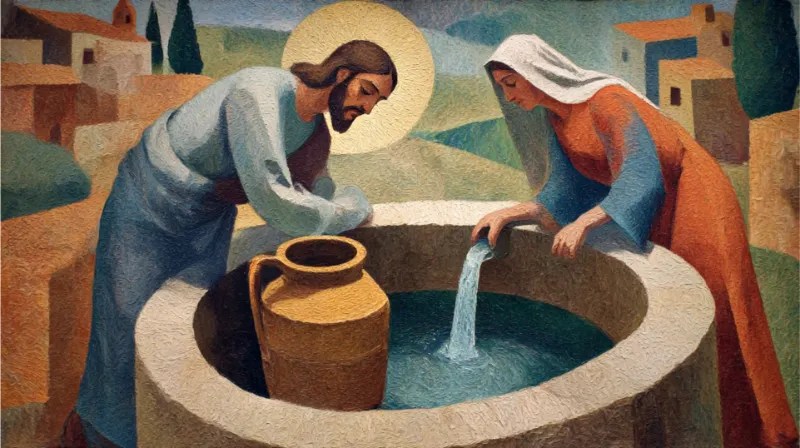
Chi non andrà in paradiso?


  • According to the Bible, individuals who continue in unrighteous behaviors, such as sexual immorality, idolatry, theft, and others, without repentance, will not inherit the kingdom of God.
  • Salvation involves repentance and faith in Jesus Christ, with true faith leading to a life of love, good works, and alignment with God’s will.
  • The question of losing salvation is complex, but consistent faith, repentance, and commitment to God are key to remaining on the path to heaven.
  • Judgment is based on our response to God’s grace and is integral to entering heaven, emphasizing ethical behavior, compassion, and sincere faith.

What does the Bible say about who cannot enter heaven?

The Scriptures speak clearly about certain categories of people who, without repentance and transformation, cannot enter the Kingdom of Heaven. In his first letter to the Corinthians, Saint Paul provides a sobering list: “Do you not know that the unrighteous will not inherit the kingdom of God? Do not be deceived: neither the sexually immoral, nor idolaters, nor adulterers, nor men who practice homosexuality, nor thieves, nor the greedy, nor drunkards, nor revilers, nor swindlers will inherit the kingdom of God” (1 Corinthians 6:9-10).

Similarly, in the book of Revelation, we find another list: “But as for the cowardly, the faithless, the detestable, as for murderers, the sexually immoral, sorcerers, idolaters, and all liars, their portion will be in the lake that burns with fire and sulfur, which is the second death” (Revelation 21:8).

Psychologically we can see how these behaviors represent a fundamental misalignment of the human heart with God’s will. They reflect a state of being that is incompatible with the perfect love and holiness of Heaven. Yet, we must be careful not to judge, for we are all sinners in need of God’s grace.

Historically, the Church has grappled with these teachings, seeking to balance the call to holiness with the recognition of human frailty. The development of the doctrine of Purgatory, for instance, reflects the Church’s understanding that many souls may need further purification before entering the full presence of God.

It is crucial to note that these passages do not suggest that those who have committed such sins are beyond redemption. , Saint Paul follows his list with these hopeful words: “And such were some of you. But you were washed, you were sanctified, you were justified in the name of the Lord Jesus Christ and by the Spirit of our God” (1 Corinthians 6:11). This passage reminds us that redemption is always possible, no matter the depth of one’s sins. In the context of Christ’s sacrifice, the profound significance of the ‘sette ultime parole di Gesù‘ resonates deeply, emphasizing forgiveness and hope. These final declarations offer reassurance that even in our darkest moments, transformation and grace are within reach.

In our pastoral care and in our own spiritual lives, let us always hold fast to the hope of redemption, even as we take seriously the Bible’s warnings about the consequences of unrepentant sin. For in the end, it is God’s mercy and justice that will prevail, and we trust in His perfect wisdom and love.

Are there specific sins that prevent people from going to heaven?

In the passages we examined earlier, such as 1 Corinthians 6:9-10 and Revelation 21:8, we see lists of specific sins that are incompatible with inheriting the Kingdom of God. These include sexual immorality, idolatry, theft, greed, drunkenness, slander, and deceit, among others. Jesus Himself speaks of the gravity of blasphemy against the Holy Spirit, saying, “Therefore I tell you, every sin and blasphemy will be forgiven people, but the blasphemy against the Spirit will not be forgiven” (Matthew 12:31).

Psychologically we can understand these sins as manifestations of a heart that is fundamentally turned away from God. They represent a state of being that is in opposition to the love, holiness, and truth that characterize God’s Kingdom. Each of these sins, in its own way, distorts the image of God in which we were created and damages our relationship with Him and with others.

Historically, the Church has grappled with the concept of mortal sins – those grave actions committed with full knowledge and deliberate consent that can separate us from God if unrepented. This teaching developed as a way to understand the seriousness of certain sins while still affirming the possibility of repentance and forgiveness.

But we must be careful not to fall into a legalistic mindset that reduces our faith to a mere checklist of dos and don’ts. The heart of the matter is not simply about avoiding certain actions, but about the orientation of our entire being towards God. As Saint Augustine wisely said, “Love God and do as you please.” When we truly love God, our desires align with His will, and we naturally turn away from sin.

It’s also crucial to understand that no sin, except the final rejection of God’s grace, is beyond the reach of divine mercy. The Catechism of the Catholic Church reminds us, “There are no limits to the mercy of God, but anyone who deliberately refuses to accept his mercy by repenting, rejects the forgiveness of his sins and the salvation offered by the Holy Spirit” (CCC 1864).

As pastors and as fellow pilgrims on the journey of faith, our role is not to condemn, but to call to conversion. We must proclaim the gravity of sin while simultaneously pointing to the unfathomable depths of God’s love and forgiveness. Let us encourage one another to continual repentance and growth in holiness, always remembering that it is God’s grace that transforms us and makes us fit for Heaven.

In our reflections on this topic, let us always keep before us the image of the prodigal son, welcomed home by his father with open arms. For this is the heart of our Heavenly Father towards all who turn to Him in repentance and faith.

Can someone lose their salvation and be barred from heaven?

This question touches upon one of the most powerful and sometimes contentious issues in Christian theology – the security of salvation. As we explore this topic, we must do so with humility, recognizing that we are dealing with mysteries that have been debated by faithful Christians for centuries.

The Bible presents us with passages that seem to point in different directions on this matter. On one hand, we have Jesus’ assuring words in John 10:28-29: “I give them eternal life, and they will never perish, and no one will snatch them out of my hand. My Father, who has given them to me, is greater than all, and no one is able to snatch them out of the Father’s hand.” This suggests a strong security in our salvation.

On the other hand, we find warnings like those in Hebrews 6:4-6: “For it is impossible, in the case of those who have once been enlightened, who have tasted the heavenly gift, and have shared in the Holy Spirit, and have tasted the goodness of the word of God and the powers of the age to come, and then have fallen away, to restore them again to repentance, since they are crucifying once again the Son of God to their own harm and holding him up to contempt.” This passage seems to indicate the possibility of losing one’s salvation.

Psychologically we can understand these seemingly contradictory teachings as reflecting the complex nature of human faith and commitment. Our relationship with God is not static, but dynamic. Like any relationship, it requires nurturing and can be neglected or even rejected.

Historically, different Christian traditions have emphasized different aspects of this tension. The Catholic for instance, has taught that mortal sin can separate us from God and endanger our salvation if unrepented. The Council of Trent declared, “If anyone says that a man once justified can sin no more, nor lose grace, and that therefore he who falls and sins was never truly justified… let him be anathema” (Session 6, Canon 23).

But we must be careful not to fall into despair or constant anxiety about our salvation. God’s grace is powerful and His love for us is steadfast. The apostle Paul expresses confidence that “he who began a good work in you will bring it to completion at the day of Jesus Christ” (Philippians 1:6).

Perhaps we can understand this issue best through the lens of relationship. Just as a marriage can be broken through persistent infidelity and rejection, so too can our relationship with God be severed if we persistently turn away from Him. Yet, like the father in the parable of the prodigal son, God always stands ready to welcome us back with open arms when we return to Him in repentance.

As pastors and fellow pilgrims, our role is to encourage perseverance in faith, regular self-examination, and continual turning to God in repentance and trust. We should neither presume upon God’s grace nor live in constant fear, but rather “work out your own salvation with fear and trembling, for it is God who works in you, both to will and to work for his good pleasure” (Philippians 2:12-13).

What role does faith play in determining who goes to heaven?

The Scriptures are clear about the centrality of faith in the matter of salvation. We read in Ephesians 2:8-9, “For by grace you have been saved through faith. And this is not your own doing; it is the gift of God, not a result of works, so that no one may boast.” This passage highlights the interplay between God’s grace and our faith, emphasizing that salvation is not something we earn, but something we receive through faith.

Jesus Himself emphasizes the importance of faith, saying, “Whoever believes and is baptized will be saved, but whoever does not believe will be condemned” (Mark 16:16). This stark statement underscores the critical role of faith in determining our eternal destiny.

Psychologically faith can be understood as a fundamental orientation of the whole person towards God. It involves not just intellectual assent to certain truths, but a deep trust and commitment that shapes our entire being. Faith transforms our perceptions, our values, and our behaviors, aligning us more closely with God’s will and character.

Historically, the Church has grappled with the nature of saving faith. The Council of Trent, responding to the Protestant Reformation, affirmed that faith is necessary for salvation but also emphasized the importance of love and good works as expressions of living faith. This reflects the biblical teaching that “faith by itself, if it does not have works, is dead” (James 2:17).

It’s crucial to understand that the faith that saves is not merely intellectual belief, but a dynamic, life-changing trust in God that manifests itself in obedience and love. As Saint Paul writes, “The only thing that counts is faith expressing itself through love” (Galatians 5:6).

But we must also remember that faith itself is a gift from God. We do not conjure it up by our own efforts, but respond to God’s gracious initiative. As Jesus said, “No one can come to me unless the Father who sent me draws him” (John 6:44).

As pastors and fellow pilgrims, our role is to nurture and encourage faith in ourselves and others. We do this through prayer, study of Scripture, participation in the sacraments, and living out our faith in loving service to others. We must also be sensitive to those who struggle with doubt, remembering the father in Mark’s Gospel who cried out, “I believe; help my unbelief!” (Mark 9:24).

How does repentance affect one’s eligibility for heaven?

The call to repentance echoes throughout the Scriptures. John the Baptist began his ministry with the proclamation, “Repent, for the kingdom of heaven is at hand” (Matthew 3:2). Jesus Himself inaugurated His public ministry with the same message (Matthew 4:17). This underscores the intimate connection between repentance and entry into God’s Kingdom.

In the book of Acts, we find Peter exhorting his listeners, “Repent and be baptized every one of you in the name of Jesus Christ for the forgiveness of your sins, and you will receive the gift of the Holy Spirit” (Acts 2:38). Here, we see repentance linked directly with forgiveness and the reception of the Holy Spirit, both of which are essential for our salvation.

Psychologically repentance can be understood as a reorientation of the whole person. It involves a recognition of our sinfulness, a genuine sorrow for our sins, and a firm resolve to change our ways with God’s help. This process of repentance aligns our will with God’s will, preparing us for life in His presence.

Historically, the Church has always emphasized the importance of repentance. The sacrament of Reconciliation, for instance, provides a formal means for expressing our repentance and receiving God’s forgiveness. The practice of penance, while sometimes misunderstood, is intended to help us in the process of turning away from sin and towards God.

It’s crucial to understand that repentance is not a one-time event, but an ongoing process in the Christian life. As we grow in our faith and understanding, we become more aware of our sinfulness and our need for God’s grace. This ongoing repentance is part of our sanctification, the process by which we are made holy and fit for heaven.

But we must be careful not to view repentance as a work by which we earn our salvation. Rather, it is our response to God’s gracious initiative. As the Catechism of the Catholic Church states, “Conversion is first of all a work of the grace of God who makes our hearts return to him” (CCC 1432).

The parable of the Prodigal Son beautifully illustrates the power of repentance. When the son “came to himself” and returned to his father, he was welcomed with open arms and restored to his place in the family. This is a powerful image of how our Heavenly Father responds to our repentance.

As pastors and fellow pilgrims, we must encourage a spirit of ongoing repentance in ourselves and others. This involves regular self-examination, a willingness to acknowledge our faults, and a constant turning towards God’s mercy. We should also be ready to extend forgiveness to others, remembering that we too stand in need of God’s forgiveness.

What did Jesus teach about who will not enter the kingdom of heaven?

Jesus’ teachings on who will not enter the kingdom of heaven are both challenging and illuminating. They call us to deep self-reflection and a sincere examination of our lives and hearts.

In the Gospels, we find several instances where Jesus speaks directly about those who will be excluded from the kingdom of heaven. Perhaps one of the most striking is found in Matthew 7:21-23, where Jesus says: “Not everyone who says to me, ‘Lord, Lord,’ will enter the kingdom of heaven, but only the one who does the will of my Father in heaven.” (Bullock, 2022)

This passage reveals a powerful truth – that mere verbal profession of faith is not enough. Jesus emphasizes the importance of aligning our actions with God’s will. I see in this teaching a call to integrity, to ensure that our outward expressions of faith are matched by an inward transformation of heart and mind.

Jesus also speaks about the exclusion of those who lack compassion and fail to care for others. In Matthew 25:31-46, in the parable of the sheep and the goats, He identifies Himself with the hungry, the thirsty, the stranger, the naked, the sick, and the imprisoned. Those who neglect these “least of these” are told, “Depart from me, you who are cursed, into the eternal fire prepared for the devil and his angels.” (Bullock, 2022)

This teaching underscores the inseparable link between love of God and love of neighbor. It challenges us to see Christ in every person, especially those who are marginalized or suffering. Psychologically this calls for the development of empathy and a willingness to move beyond our comfort zones to serve others.

In the Sermon on the Mount, Jesus also warns that “unless your righteousness surpasses that of the Pharisees and the teachers of the law, you will not enter the kingdom of heaven” (Matthew 5:20). (Bullock, 2022) This is not a call to mere outward observance of rules, but to a deeper, heartfelt righteousness that flows from a genuine relationship with God.

Jesus also speaks about the danger of wealth and materialism. In Matthew 19:24, He states, “it is easier for a camel to go through the eye of a needle than for someone who is rich to enter the kingdom of God.” (Bullock, 2022) This teaching reminds us of the potential spiritual pitfalls of material abundance and the need to prioritize spiritual wealth over earthly possessions.

Jesus warns against the unforgiving spirit. In Matthew 6:15, He says, “But if you do not forgive others their sins, your Father will not forgive your sins.” (Bullock, 2022) This teaching highlights the reciprocal nature of forgiveness and its crucial role in our spiritual lives.

I urge you to reflect on these teachings not with fear, but with a spirit of humble self-examination. Jesus’ words about exclusion from the kingdom are not meant to discourage us, but to awaken us to the seriousness of our spiritual journey and the need for genuine transformation.

Jesus teaches that those who will not enter the kingdom of heaven include those who profess faith without living it out, those who neglect the needs of others, those who rely on superficial righteousness, those who are enslaved by wealth, and those who refuse to forgive. These teachings call us to a faith that is active in love, grounded in humility, and expressed in compassion for all.

Are non-Christians automatically excluded from heaven?

This question touches on a powerful mystery of God’s love and justice. Although the Church has always proclaimed the necessity of faith in Christ for salvation, we must approach this topic with humility, recognizing the vastness of God’s mercy and the limitations of our understanding.

Let us consider the words of Jesus in John 14:6: “I am the way and the truth and the life. No one comes to the Father except through me.” (Tannehill & Fitzmyer, 2000, p. 144) This statement affirms Christ’s central role in salvation. But we must be careful not to interpret this in an overly narrow or exclusivist manner.

The Second Vatican Council, in its document Lumen Gentium, offers an important perspective: “Those who, through no fault of their own, do not know the Gospel of Christ or his but who nevertheless seek God with a sincere heart, and, moved by grace, try in their actions to do his will as they know it through the dictates of their conscience – those too may achieve eternal salvation.”

This teaching reminds us that God’s grace operates in ways that may be invisible to us. It acknowledges the possibility of salvation for those who have not explicitly accepted Christ but who live in accordance with the light they have received.

Psychologically we must consider the complex factors that influence a person’s religious beliefs – cultural background, personal experiences, access to information, and individual cognitive processes all play a role. It would be simplistic to assume that all non-Christians have deliberately rejected Christ.

Historically, the early Church grappled with this question as well. Justin Martyr, writing in the 2nd century, spoke of the “logos spermatikos” or “seed of the Word” present in all cultures, suggesting that truth and goodness found outside of explicit Christian faith could be seen as preparation for the Gospel.

But we must also be clear that this does not mean all religions are equal paths to salvation. The Church continues to proclaim the unique and universal salvific role of Christ. As the Catechism of the Catholic Church states, “God has willed that the Church founded by him be the instrument for the salvation of all humanity… Hence they could not be saved who, knowing that the Catholic Church was founded as necessary by God through Christ, would refuse either to enter it or to remain in it.”

I urge you to reflect on this question not with a spirit of judgment towards others, but with gratitude for the gift of faith we have received and a commitment to sharing the Good News with all. We must trust in God’s justice and mercy, recognizing that the final judgment belongs to Him alone.

It’s also important to note that this question should not lead us to complacency in our evangelization efforts. The Great Commission given by Christ (Matthew 28:19-20) remains a central task of the Church. We are called to proclaim the Gospel to all nations, inviting everyone to the fullness of life in Christ.

Although the Church affirms the necessity of Christ for salvation, it does not teach that all non-Christians are automatically excluded from heaven. God’s grace works in mysterious ways, and we trust in His perfect justice and mercy. Our task is to live and share our faith with love and conviction, always respecting the dignity and freedom of others, and leaving the final judgment to God.

What does the Bible say about judgment and its relation to entering heaven?

The Bible speaks extensively about judgment and its relation to entering heaven, presenting us with a powerful and layered understanding of God’s justice and mercy. This teaching calls us to serious reflection on our lives and choices.

We must recognize that judgment is an integral part of God’s plan. As the apostle Paul writes in Romans 14:10, “For we will all stand before God’s judgment seat.” (Tannehill & Fitzmyer, 2000, p. 144) This universal judgment is further elaborated in Revelation 20:12: “And I saw the dead, great and small, standing before the throne, and books were opened. Another book was opened, which is the book of life. The dead were judged according to what they had done as recorded in the books.” (Tannehill & Fitzmyer, 2000, p. 144)

These passages remind us that our actions in this life have eternal consequences. Psychologically this understanding can serve as a powerful motivator for ethical behavior and spiritual growth. But we must be careful not to let this lead to an unhealthy scrupulosity or fear, but rather to a mature sense of responsibility before God.

Jesus Himself speaks often about judgment, particularly in relation to entering the kingdom of heaven. In Matthew 25:31-46, He describes the final judgment in terms of how we have treated “the least of these” – the hungry, the thirsty, the stranger, the naked, the sick, and the imprisoned. (Bullock, 2022) This teaching emphasizes that our treatment of others, especially the most vulnerable, will be a key criterion in God’s judgment. This concept aligns with the broader biblical themes of compassion and mercy, where believers are called to reflect God’s love in their interactions with others. Additionally, the significato del numero 5 nella scrittura often represents grace and God’s favor, suggesting that our acts of kindness may not only influence judgment but also be an extension of the grace bestowed upon us. Ultimately, this teaching illustrates the profound interconnectedness of our actions and the divine standards by which we will be measured.

But we must also remember Jesus’ words in John 3:17: “For God did not send his Son into the world to condemn the world, but to save the world through him.” (Tannehill & Fitzmyer, 2000, p. 144) This reminds us that God’s ultimate desire is for our salvation, not our condemnation. The judgment we face is not arbitrary or capricious, but is based on our response to God’s love and grace.

The apostle Paul provides further insight in 1 Corinthians 3:12-15, where he speaks of a judgment of believers’ works: “If anyone builds on this foundation using gold, silver, costly stones, wood, hay or straw, their work will be shown for what it is, because the Day will bring it to light. It will be revealed with fire, and the fire will test the quality of each person’s work.” (Tannehill & Fitzmyer, 2000, p. 144) This suggests a purifying aspect to God’s judgment, where our imperfect works are refined.

I urge you to consider these teachings not with fear, but with a spirit of humble self-examination and trust in God’s mercy. The reality of judgment should inspire us to live with integrity, compassion, and faith, always striving to align our lives with God’s will.

It’s also important to note that Although the Bible speaks of a final judgment, it also teaches that those who believe in Christ have already passed from death to life (John 5:24). (Tannehill & Fitzmyer, 2000, p. 144) This gives us a powerful hope and assurance, even as we continue to work out our salvation with fear and trembling (Philippians 2:12).

The Bible presents judgment as a reality that all will face, intimately connected with our entry into heaven. It is based on our response to God’s grace, manifested in our faith and works. While this should inspire careful living, it should not lead to fear, for we trust in the mercy of God revealed in Christ. Let us, therefore, live each day in the light of eternity, seeking to love God and neighbor with all our heart, soul, mind, and strength.

What did the early Church Fathers teach about who will not go to heaven?

The teachings of the early Church Fathers on who will not go to heaven provide us with powerful insights into the early Christian understanding of salvation and judgment. Their writings, while diverse, offer a consistent emphasis on the importance of faith, repentance, and righteous living.

One of the most prominent themes in the writings of the Church Fathers is the exclusion of unrepentant sinners from heaven. St. Ignatius of Antioch, writing in the early 2nd century, warned that “those who corrupt families will not inherit the kingdom of God.” He further stated, “If anyone walks according to a foreign doctrine, he is not of Christ, nor a partaker of His passion.” This emphasizes the importance of both moral living and adherence to true doctrine.

St. Justin Martyr, in his First Apology, wrote extensively about those who would be excluded from heaven. He stated, “We have been taught that only they may aim at immortality who have lived a holy and virtuous life near to God.” He specifically mentioned that “the unrighteous, the intemperate, and those who do not believe in God” would face eternal punishment rather than enter heaven.

Psychologically we can see in these teachings a recognition of the transformative power of faith and the destructive nature of persistent sin. The Fathers understood that salvation involves not just belief, but a fundamental reorientation of one’s life towards God.

St. Irenaeus of Lyons, in his work “Against Heresies,” emphasized that those who reject the truth of God and persist in false teachings would not enter heaven. He wrote, “Those who do not obey the truth, but are obedient to unrighteousness, shall receive the condemnation which they deserve.” This highlights the early Church’s concern with maintaining doctrinal purity and the belief that embracing heresy could lead to exclusion from salvation.

But the Church Fathers also emphasized God’s mercy and the possibility of repentance. St. Clement of Alexandria wrote, “God’s punishments are saving and disciplinary, leading to conversion, and choosing rather the repentance than the death of a sinner.” This suggests a view of divine judgment as ultimately restorative rather than merely punitive.

I urge you to consider these teachings not as a cause for fear, but as an invitation to sincere self-examination and growth in faith. The Church Fathers’ words remind us of the seriousness of our choices and the importance of living out our faith authentically.

It’s also crucial to understand these teachings in their historical context. The early Church was facing persecution and the challenge of maintaining its identity in a hostile environment. Their strong language about exclusion from heaven often served to reinforce the boundaries of the Christian community and encourage faithfulness among believers.

We must remember that Although the Church Fathers provide valuable insights, their writings are not considered infallible. Their teachings must always be interpreted in light of the full revelation of Christ and the ongoing guidance of the Holy Spirit in the Church.

How can someone ensure they are on the path to heaven according to biblical teachings?

The question of how to ensure one is on the path to heaven is of utmost importance, touching the very core of our faith journey. Although we must always remember that salvation is ultimately a gift of God’s grace, the Bible provides clear guidance on how we can respond to this grace and live in a way that leads to eternal life.

The Bible emphasizes the centrality of faith in Jesus Christ. As we read in John 3:16, “For God so loved the world that he gave his one and only Son, that whoever believes in him shall not perish but have eternal life.” (Bullock, 2022) This faith, But is not merely intellectual assent, but a transformative trust that shapes our entire life.

The apostle Paul elaborates on this in Ephesians 2:8-9: “For it is by grace you have been saved, through faith—and this is not from yourselves, it is the gift of God—not by works, so that no one can boast.” (Tannehill & Fitzmyer, 2000, p. 144) This reminds us that our salvation is not earned through our own efforts, but is a gracious gift from God that we receive through faith.

But this faith must be accompanied by repentance. Jesus began His public ministry with the call: “Repent, for the kingdom of heaven has come near” (Matthew 4:17). (Bullock, 2022) Repentance involves a genuine turning away from sin and a reorientation of our lives towards God. Psychologically this can be understood as a powerful shift in our values, priorities, and behaviors.

The Bible also teaches that true faith will be evidenced by good works. As James writes, “Faith by itself, if it is not accompanied by action, is dead” (James 2:17). (Tannehill & Fitzmyer, 2000, p. 144) This doesn’t mean we earn our salvation through works, but rather that genuine faith naturally produces good fruit in our lives.

Jesus emphasizes the importance of love – both for God and for our neighbor – as essential for those seeking eternal life. When asked about the greatest commandment, He responded: “‘Love the Lord your God with all your heart and with all your soul and with all your mind.’ This is the first and greatest commandment. And the second is like it: ‘Love your neighbor 2022)

I urge you to reflect on these teachings not as a checklist to be completed, but as an invitation to a deep, transformative relationship with God. The path to heaven is not about perfection, but about progress – a continual growth in faith, love, and holiness.

It’s also crucial to remember the role of the Church in our journey. Christ established the Church as a means of grace, providing us with the sacraments, the teaching of the Word, and the support of the community of believers. Regular participation in the life of the Church is vital for our spiritual growth and perseverance.

We must cultivate a life of prayer and spiritual discipline. As Paul exhorts us, “pray continually, give thanks in all circumstances” (1 Thessalonians 5:17-18). (Tannehill & Fitzmyer, 2000, p. 144) This ongoing communion with God helps us to stay aligned with His will and to grow in our faith.

Finally, we must always trust in God’s mercy and grace. Although we strive to live faithfully, we know that we will fall short. The path to heaven is not about achieving perfection through our own efforts, but about humbly receiving God’s forgiveness and allowing His grace to transform us.

According to biblical teachings, to be on the path to heaven one should have faith in Jesus Christ, repent of sins, live a life of love and good works, participate in the life of the cultivate a life of prayer, and always trust in God’s mercy.


Scopri di più da Christian Pure

Abbonati ora per continuare a leggere e avere accesso all'archivio completo.

Continua a leggere

Condividi su...