
 English
 Chinese
 Dutch
 Arabic
 Spanish
 Portuguese
 Russian
 French
 Italian
 German
 Japanese
The Bible names them in three short lists. Paul writes that “the unrighteous shall not inherit the kingdom of God”, naming sexual sin, idolatry, theft, greed, drunkenness, slander and swindling (1 Corinthians 6:9–10). Galatians 5 and Revelation 21 add two more. Then Paul tells the church, “And such were some of you: but ye are washed” (1 Corinthians 6:11).
The people who first heard that list had been on it, and Paul had been near it. He calls himself one “who was before a blasphemer, and a persecutor, and injurious: but I obtained mercy” (1 Timothy 1:13). So the lists tell us what kind of life cannot live in God’s city, and the next verse tells us that nobody has to stay that kind of person. If you came to this question afraid that one of these lists is about you, brothers and sisters, do not stop at the list. Paul did not.
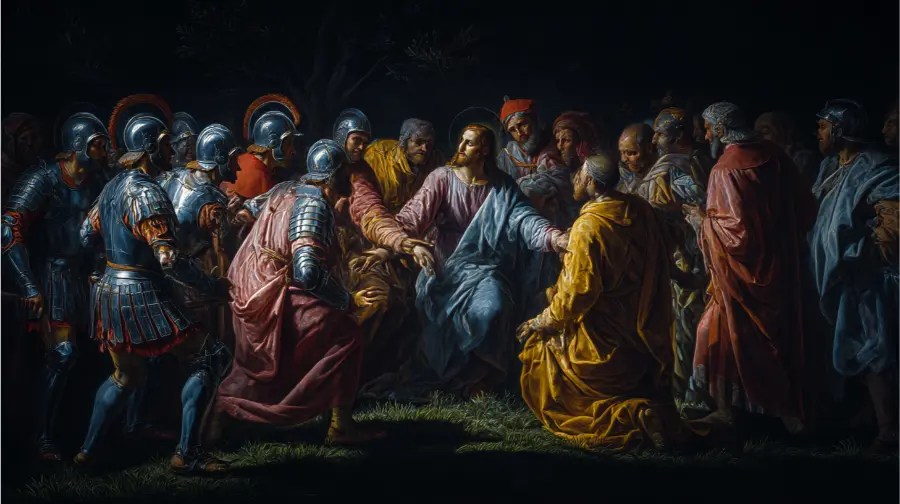
Which sins does the Bible say keep people out of heaven?
Here is Paul’s first list, in full:
Know ye not that the unrighteous shall not inherit the kingdom of God? Be not deceived: neither fornicators, nor idolaters, nor adulterers, nor effeminate, nor abusers of themselves with mankind, nor thieves, nor covetous, nor drunkards, nor revilers, nor extortioners, shall inherit the kingdom of God.
1 Corinthians 6:9–10
His second, in his letter to the Galatians, is longer and closer to home. Beside “adultery, fornication, uncleanness, lasciviousness” and “idolatry, witchcraft” it sets “hatred, variance, emulations, wrath, strife, seditions, heresies, envyings, murders, drunkenness, revellings, and such like”, and it ends with the same warning: “they which do such things shall not inherit the kingdom of God” (Galatians 5:19–21). Hatred, quarrelling, jealousy and fits of anger stand in the same line as murder. Few of us can read that list and find nothing of ourselves in it. As John says, “If we say that we have no sin, we deceive ourselves, and the truth is not in us” (1 John 1:8).
The third list comes near the very end of the Bible: “But the fearful, and unbelieving, and the abominable, and murderers, and whoremongers, and sorcerers, and idolaters, and all liars, shall have their part in the lake which burneth with fire and brimstone: which is the second death” (Revelation 21:8). A frightened reader may stop at its first word. The fearful here are not people who are afraid of God. The verse before speaks of “he that overcometh”, and the American commentator Albert Barnes explained that the fearful are those who “had not firmness boldly to maintain their professed principles”, the ones who give up their faith under pressure. Revelation repeats the list once more at the gates of the city: “For without are dogs, and sorcerers, and whoremongers, and murderers, and idolaters, and whosoever loveth and maketh a lie” (Revelation 22:15).
Jesus’ own warning goes somewhere the lists do not. “Not every one that saith unto me, Lord, Lord, shall enter into the kingdom of heaven; but he that doeth the will of my Father which is in heaven,” he says, and some who preached and cast out devils in his name will hear, “I never knew you: depart from me, ye that work iniquity” (Matthew 7:21–23). Words said in his name are not enough; the ones turned away are those he never knew.

What if I have done the things on the list?
Then you stand where the Corinthians stood, and Paul’s next sentence was written to you: “And such were some of you: but ye are washed, but ye are sanctified, but ye are justified in the name of the Lord Jesus, and by the Spirit of our God” (1 Corinthians 6:11). He puts their sins in the past tense. They were thieves and drunkards and adulterers. They are washed. Galatians makes the same turn, from the works of the flesh to “the fruit of the Spirit”, which “is love, joy, peace, longsuffering, gentleness, goodness, faith, meekness, temperance” (Galatians 5:22–23).
The lists describe lives that go on in sin and turn away the mercy offered for it. They are not a record of everything a person has ever done. The Catechism of the Catholic Church puts the danger this way: “To die in mortal sin without repenting and accepting God’s merciful love means remaining separated from him for ever by our own free choice.” What shuts the door is the refusal of mercy, and mercy is offered to everyone on every list: “If we confess our sins, he is faithful and just to forgive us our sins, and to cleanse us from all unrighteousness” (1 John 1:9).
When the disciples heard how hard it is to enter the kingdom, they asked the question many of us ask: “Who then can be saved?” Jesus looked at them and said, “With men it is impossible, but not with God: for with God all things are possible” (Mark 10:26–27). A thief dying beside him asked only, “Lord, remember me when thou comest into thy kingdom,” and heard, “Verily I say unto thee, Today shalt thou be with me in paradise” (Luke 23:42–43).
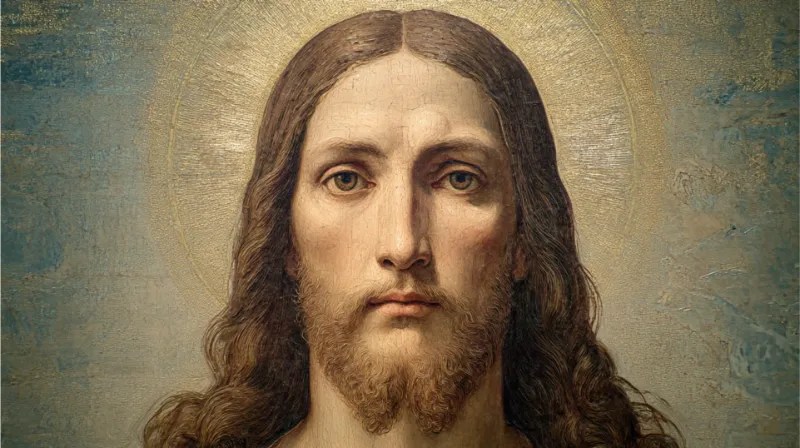
What does it mean that no sin will enter heaven?
The idea comes from the description of the holy city: “And there shall in no wise enter into it any thing that defileth, neither whatsoever worketh abomination, or maketh a lie: but they which are written in the Lamb’s book of life” (Revelation 21:27). Sin will not enter heaven. Sinners whose names are in the Lamb’s book will, because God makes them clean first. John promises that “when he shall appear, we shall be like him; for we shall see him as he is” (1 John 3:2).
Each church describes God finishing this work in its own way. Catholics believe that “all who die in God’s grace and friendship, but still imperfectly purified, are indeed assured of their eternal salvation; but after death they undergo purification”, which the Church calls Purgatory (Catechism 1030–1031). The Reformed Westminster Confession teaches that at death “the souls of the righteous, being then made perfect in holiness, are received into the highest heavens”. The Baptist Faith and Message names the end of the whole work glorification, “the final blessed and abiding state of the redeemed”.
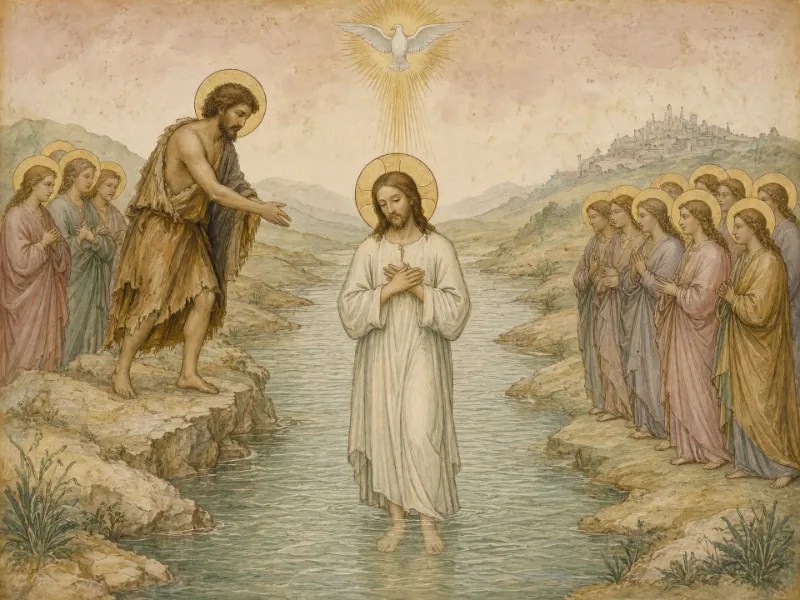
Can a Christian lose salvation and be kept out of heaven?
Here the churches give different answers, each from its own teaching.
- Catholic: “God predestines no one to go to hell; for this, a willful turning away from God (a mortal sin) is necessary, and persistence in it until the end” (Catechism 1037). A baptized person who falls into grave sin can return through confession, which the Catechism says gives “a new possibility to convert and to recover the grace of justification” (1446).
- Orthodox: The Orthodox Church in America’s question-and-answer service explains that Orthodoxy “understands that we are ‘being saved,’ not ‘already saved,’” so that a believer “can indeed jeopardize one’s salvation”. It adds that “regardless of how sinful we become, even after being born again through water and the Spirit, we always have the possibility to repent”.
- Reformed: The Westminster Confession teaches that those God has called and sanctified “can neither totally nor finally fall away from the state of grace, but shall certainly persevere therein to the end, and be eternally saved.”
- Baptist: The Baptist Faith and Message (2000) says true believers “will never fall away from the state of grace”, while warning that “believers may fall into sin through neglect and temptation”.
- Wesleyan and Methodist: The Methodist Articles of Religion say, “After we have received the Holy Ghost, we may depart from grace given, and fall into sin, and, by the grace of God, rise again and amend our lives.”
For all their differences, none of these churches tells a sinner who turns back to God that the door is shut. The longer argument is in once saved, always saved?
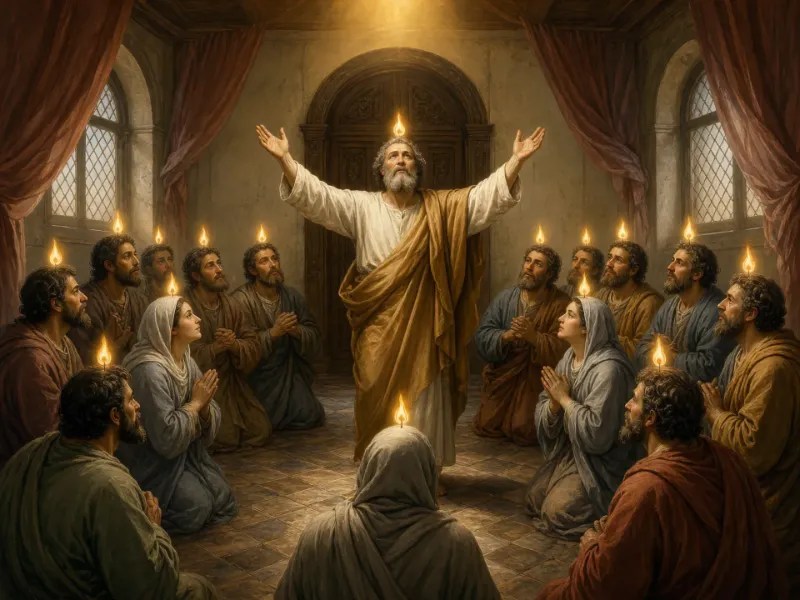
What is the sin that cannot be forgiven?
Jesus named one: “All manner of sin and blasphemy shall be forgiven unto men: but the blasphemy against the Holy Ghost shall not be forgiven unto men” (Matthew 12:31). The first half is a promise: blasphemy itself can be forgiven, and Paul, the former blasphemer, is the proof. The Catechism explains the second half as a refusal of mercy itself: “There are no limits to the mercy of God, but anyone who deliberately refuses to accept his mercy by repenting, rejects the forgiveness of his sins and the salvation offered by the Holy Spirit” (1864). If you are afraid you have committed it, read afraid you blasphemed the Holy Spirit?
Will people who have never heard of Jesus go to heaven?
Before the churches’ answers, one thing they share. No church claims to know that any particular person is in hell. The Catechism says that although an act can be judged gravely wrong, “we must entrust judgment of persons to the justice and mercy of God” (1861). Pope John Paul II said in 1999 that damnation “remains a real possibility, but it is not granted to us, without special divine revelation, to know which human beings are effectively involved in it,” and that the thought of hell “must not create anxiety or despair”.
The churches all teach that salvation comes through Christ, and they differ on those who never heard of him. The Catholic Church teaches that those who “through no fault of their own, do not know the Gospel of Christ or his Church, but who nevertheless seek God with a sincere heart, and, moved by grace, try in their actions to do his will as they know it through the dictates of their conscience – those too may achieve eternal salvation” (Catechism 847). The Westminster Confession says that men “not professing the Christian religion” cannot “be saved in any other way whatsoever”, yet it also teaches that “all other elect persons who are incapable of being outwardly called by the ministry of the Word” are saved by Christ through the Spirit, as are elect infants who die. The Baptist Faith and Message says, “There is no salvation apart from personal faith in Jesus Christ as Lord.” Thomas Hopko, for the Orthodox Church in America, writes that on the last day “all men will have to behold the Face” of Christ, and that each person’s destiny “depends solely on his response to this love”; that text does not say what becomes of those who never heard of him in this life. The verses behind the common belief are gathered in is Jesus the only way to heaven?
Who will go to heaven?
Those who come to Christ. “For God so loved the world, that he gave his only begotten Son, that whosoever believeth in him should not perish, but have everlasting life” (John 3:16). Paul writes, “For whosoever shall call upon the name of the Lord shall be saved” (Romans 10:13), and that we are saved “by grace”, “through faith”, as “the gift of God” (Ephesians 2:8). Jesus himself promises, “him that cometh to me I will in no wise cast out” (John 6:37).
Revelation shows the same mercy on either side of its warnings. Two verses before the list in chapter 21, God says, “I will give unto him that is athirst of the fountain of the water of life freely” (Revelation 21:6). Two verses after the list at the gates, the Bible makes its last invitation: “And let him that is athirst come. And whosoever will, let him take the water of life freely” (Revelation 22:17).


Leave a Reply