
 English
 Chinese
 Dutch
 Arabic
 Spanish
 Portuguese
 Russian
 French
 Italian
 German
 Japanese
The Bible grants physical training some value and gives godliness more, though readers differ over what kind of training is meant. Paul writes to Timothy that “physical training is of some value, but godliness has value for all things” (1 Timothy 4:8), and the Greek noun there, gumnasia, is related to the English word gymnasium.
Several passages on training use runners and boxers as pictures of the Christian life (1 Corinthians 9:24-27, Hebrews 12:1-2, 2 Timothy 4:7). Others concern the body itself, which Paul calls a temple of the Holy Spirit (1 Corinthians 6:19-20) and asks believers to offer to God (Romans 12:1).
Physical training and self-control

1 Timothy 4:7-8
“Have nothing to do with godless myths and old wives’ tales; rather, train yourself to be godly. For physical training is of some value, but godliness has value for all things, holding promise for both the present life and the life to come.”
Reflection: Paul writes to Timothy about teachers who “forbid people to marry and order them to abstain from certain foods” (4:3), and against them he sets another kind of training: “train yourself to be godly.” Readers take “physical training” in verse 8 in two ways. The HELPS Word-studies entry reads it as bodily exercise, while Thayer’s lexicon reads it as the self-denial of ascetics, “abstinence from matrimony and certain kinds of food,” the practice of the teachers in verse 3. On either reading the verse grants it “some value” and gives godliness the larger promise, “for both the present life and the life to come.”
1 Corinthians 9:24-27
“Do you not know that in a race all the runners run, but only one gets the prize? Run in such a way as to get the prize. Everyone who competes in the games goes into strict training. They do it to get a crown that will not last, but we do it to get a crown that will last forever. Therefore I do not run like someone running aimlessly; I do not fight like a boxer beating the air. No, I strike a blow to my body and make it my slave so that after I have preached to others, I myself will not be disqualified for the prize.”
Reflection: The race comes straight after Paul describes becoming “all things to all people” for the sake of the gospel (9:22-23). The runner’s “strict training” translates egkrateuomai, to exercise self-control; Thayer’s lexicon notes that athletes preparing for the games abstained from unwholesome food, wine and sexual indulgence. Paul contrasts their crown, which “will not last,” with one that will, and says he strikes a blow to his own body so that after preaching to others he “will not be disqualified for the prize.”
Galatians 5:22-23
“But the fruit of the Spirit is love, joy, peace, forbearance, kindness, goodness, faithfulness, gentleness and self-control. Against such things there is no law.”
Reflection: Self-control closes Paul’s list of the fruit of the Spirit, set against the acts of the flesh a few verses earlier, which include “drunkenness, orgies, and the like” (5:21). The Greek word is egkrateia, from the same root as the verb 1 Corinthians 9:25 uses for the athlete’s training. Verse 24 adds that “those who belong to Christ Jesus have crucified the flesh with its passions and desires.”
Hebrews 12:11
“No discipline seems pleasant at the time, but painful. Later on, however, it produces a harvest of righteousness and peace for those who have been trained by it.”
Reflection: The discipline in view is a father’s correction of his children, and verses 5-10 apply it to God and believers. “Trained” translates gumnazo, the verb of 1 Timothy 4:7’s “train yourself.” The next verse turns to the body: “Therefore, strengthen your feeble arms and weak knees.”
The Christian life as a race

Philippians 3:14
“I press on toward the goal to win the prize for which God has called me heavenward in Christ Jesus.”
Reflection: Paul says he has not “already arrived at my goal” (3:12), and describes himself “forgetting what is behind and straining toward what is ahead.” The prize is the same Greek word, brabeion, that 1 Corinthians 9:24 uses for the prize a runner wins in the games. Here the prize is the one “for which God has called me heavenward in Christ Jesus.”

Hebrews 12:1-2
“Therefore, since we are surrounded by such a great cloud of witnesses, let us throw off everything that hinders and the sin that so easily entangles. And let us run with perseverance the race marked out for us, fixing our eyes on Jesus, the pioneer and perfecter of faith.”
Reflection: The “cloud of witnesses” are the men and women of faith listed in Hebrews 11, and the runners are asked to throw off “everything that hinders and the sin that so easily entangles.” The race is run “with perseverance,” with eyes fixed on Jesus, “the pioneer and perfecter of faith.” Verse 3 gives the reason for looking to him: “so that you will not grow weary and lose heart.”

2 Timothy 4:7
“I have fought the good fight, I have finished the race, I have kept the faith.”
Reflection: Paul writes believing “the time for my departure is near,” and describes his life as a drink offering already being poured out (4:6). The fight, the race and the kept faith are all in the past tense. The next verse names what is waiting, “the crown of righteousness,” which the Lord will award “not only to me, but also to all who have longed for his appearing.”
Physical strength in the Old Testament
Isaiah 40:29-31
“He gives strength to the weary and increases the power of the weak. Even youths grow tired and weary, and young men stumble and fall; but those who hope in the LORD will renew their strength. They will soar on wings like eagles; they will run and not grow weary, they will walk and not be faint.”
Reflection: The prophet answers Israel’s complaint, “My way is hidden from the Lord” (40:27), by describing the Creator, who “will not grow tired or weary” (40:28). Youths tire, and young men stumble and fall. Those who hope in the Lord, by contrast, “will run and not grow weary.”
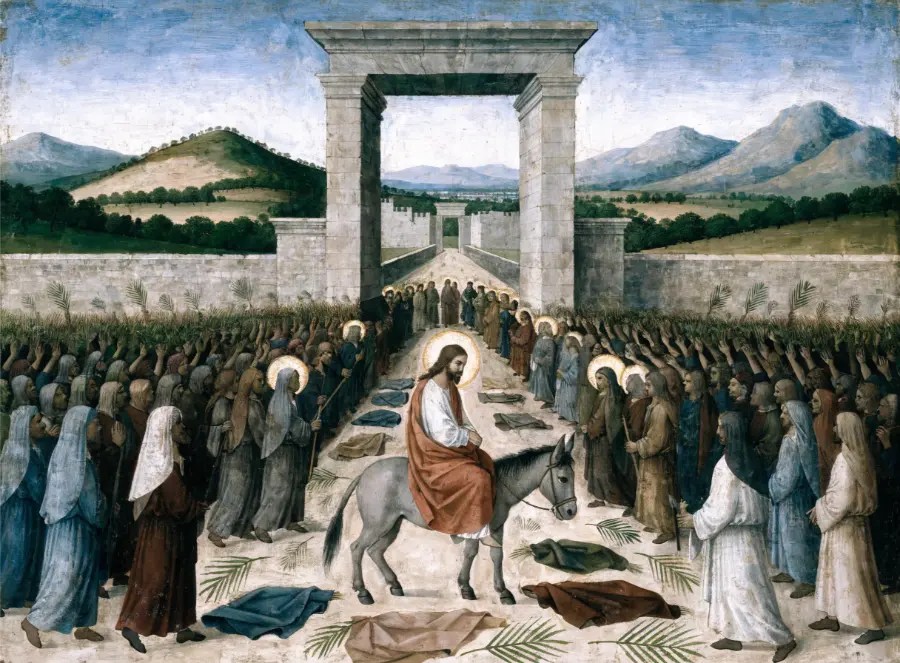
Proverbs 31:17
“She sets about her work vigorously; her arms are strong for her tasks.”
Reflection: The verse belongs to the poem on “a wife of noble character” (31:10). She gets up “while it is still night” to provide food for her household, buys a field and plants a vineyard from her earnings, and her strong arms are among the things the poem praises.
Honouring God with the body
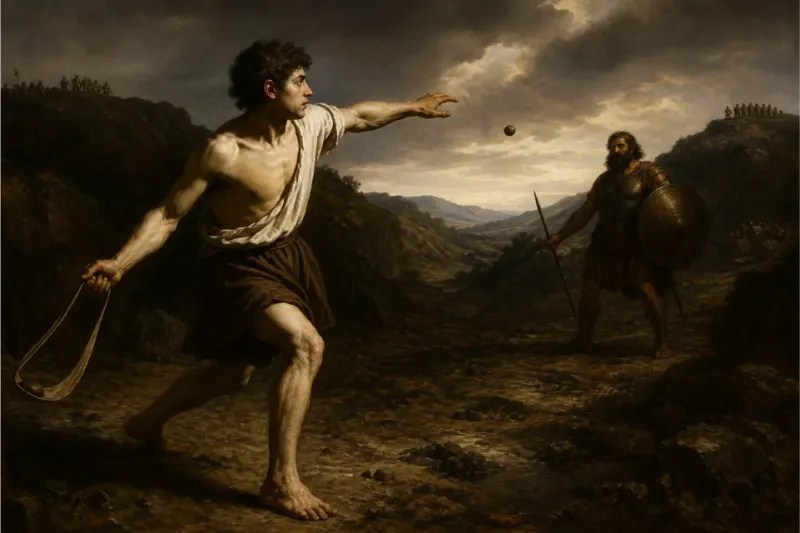
1 Corinthians 6:19-20
“Do you not know that your bodies are temples of the Holy Spirit, who is in you, whom you have received from God? You are not your own; you were bought at a price. Therefore honor God with your bodies.”
Reflection: The subject of the chapter is sexual immorality. Paul quotes a Corinthian saying, “Food for the stomach and the stomach for food,” and answers that the body “is not meant for sexual immorality but for the Lord” and that God will raise it (6:13-14). The temple here is each believer’s body, which the Spirit lives in and which was “bought at a price”; the command drawn from it is “honor God with your bodies.”
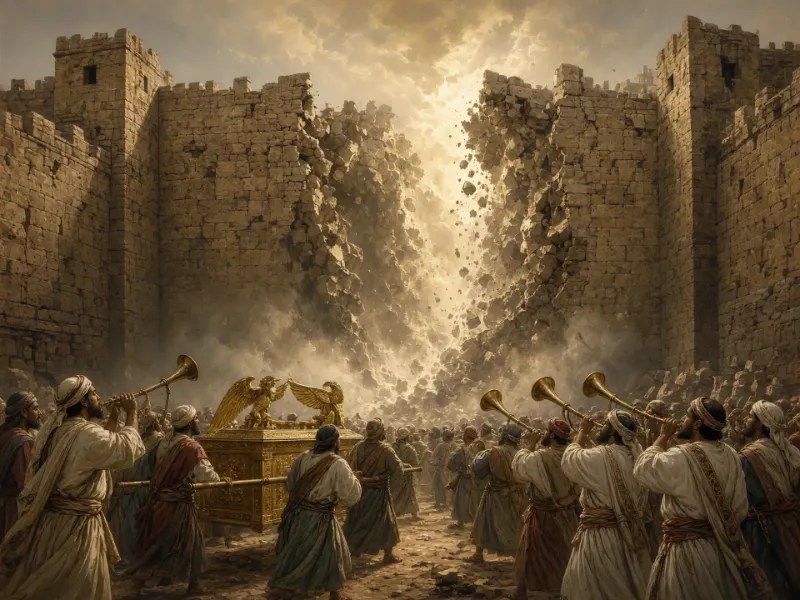
Romans 12:1
“Therefore, I urge you, brothers and sisters, in view of God’s mercy, to offer your bodies as a living sacrifice, holy and pleasing to God—this is your true and proper worship.”
Reflection: Paul makes the appeal “in view of God’s mercy.” What is offered is the body, a sacrifice that stays alive, and he calls it “true and proper worship.” Verse 2 turns from body to mind: “be transformed by the renewing of your mind.”
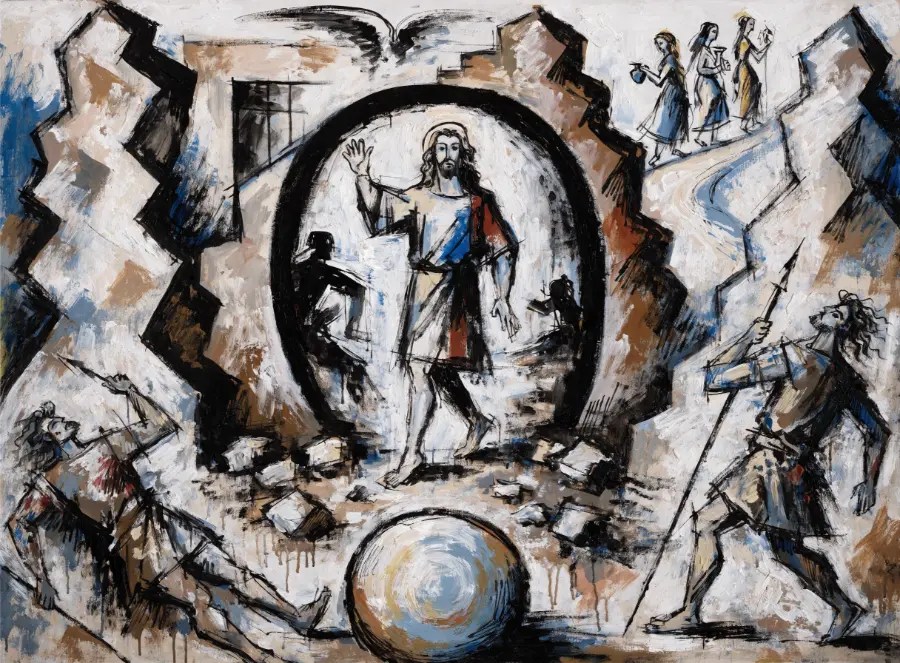
1 Corinthians 10:31
“So whether you eat or drink or whatever you do, do it all for the glory of God.”
Reflection: The sentence closes Paul’s discussion of meat sold in the market, some of it “offered in sacrifice” (10:28), and whether believers may eat it. He then widens it from eating and drinking to “whatever you do.”
3 John 1:2
“Dear friend, I pray that you may enjoy good health and that all may go well with you, even as your soul is getting along well.”
Reflection: The elder writes to Gaius, “whom I love in the truth.” His prayer covers body and soul together: good health, and that all may go well, “even as your soul is getting along well.” The next verse says how he knows the soul is well: believers came and told him Gaius continues to walk in the truth.
Two more passages on the temple and on strength
1 Corinthians 3:16-17 calls believers God’s temple, but the temple there is the church: Paul has been describing the builders of a congregation (3:10-15), and the passage ends, “you together are that temple.” The body as a temple is the subject of 1 Corinthians 6:19-20.
Philippians 4:13, “I can do all this through him who gives me strength,” follows Paul’s words on being content “whether well fed or hungry, whether living in plenty or in want” (4:12). The strength he names is strength to be content in both.


Leave a Reply