
 English
 Chinese
 Dutch
 Arabic
 Spanish
 Portuguese
 Russian
 French
 Italian
 German
 Japanese
In the Bible, repentance is a turn from sin to God that shows in how a person lives. Jesus opens his preaching in Galilee with “repent and believe in the gospel” (Mark 1:15), Ezekiel calls Israel to “turn back” and live (Ezekiel 33:11), and David says God will not despise “a broken and contrite heart” (Psalm 51:17).
The New Testament verb is metanoeo, which Strong’s defines as “to change one’s mind or purpose.” The New Testament calls for that change to show in conduct (Luke 3:8-9; Acts 26:19-20), address it to churches as well as to crowds (Revelation 2:5; 3:19), and describe joy in heaven when one sinner repents (Luke 15:7).
The command to repent
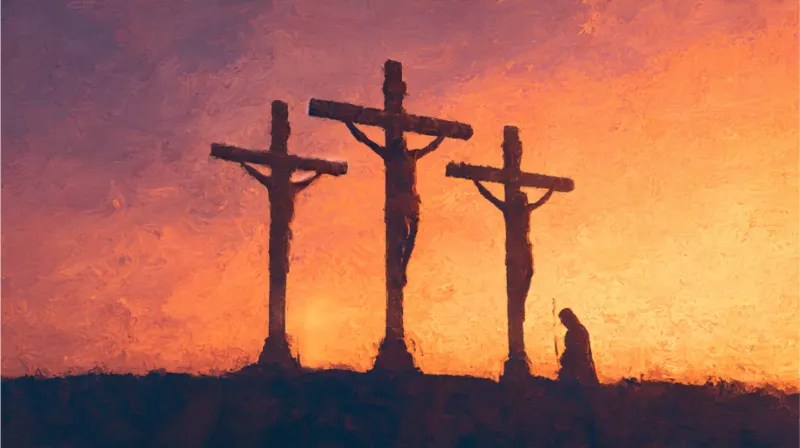
Mark 1:15
“The time is fulfilled, and the kingdom of God is at hand; repent and believe in the gospel.”
Reflection: Mark gives this as the message Jesus proclaimed when he came into Galilee after John the Baptist was arrested (Mark 1:14). The call to repent rests on a reason: the time is fulfilled and the kingdom of God is at hand. A second command stands beside it, to believe the gospel.
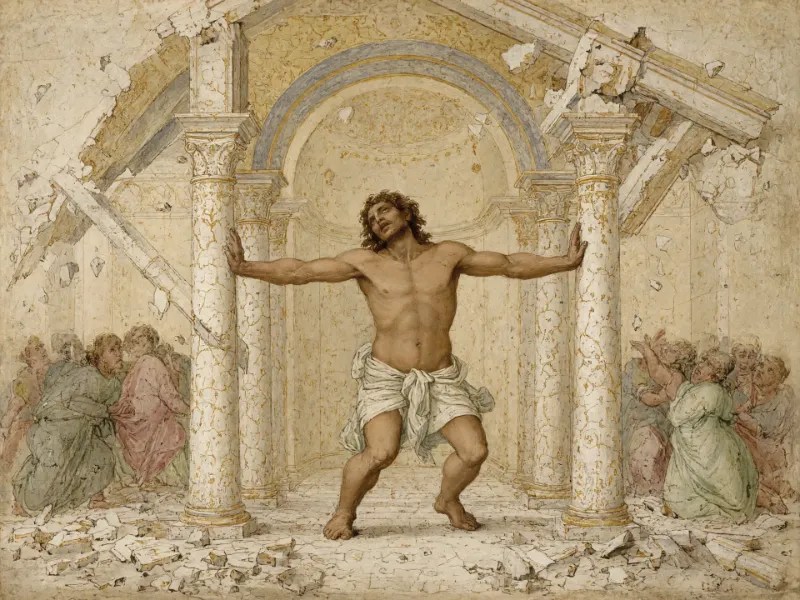
Luke 13:3
“No, I tell you; but unless you repent, you will all likewise perish.”
Reflection: People had told Jesus about Galileans whose blood Pilate had mingled with their sacrifices. He rejects the idea that they suffered because they were worse sinners, and he says the same of the eighteen killed when the tower in Siloam fell (Luke 13:4-5). Both times he turns the question back on his hearers, and the parable that follows is of a fig tree that has borne no fruit for three years and is given one more year before it is cut down (Luke 13:6-9).
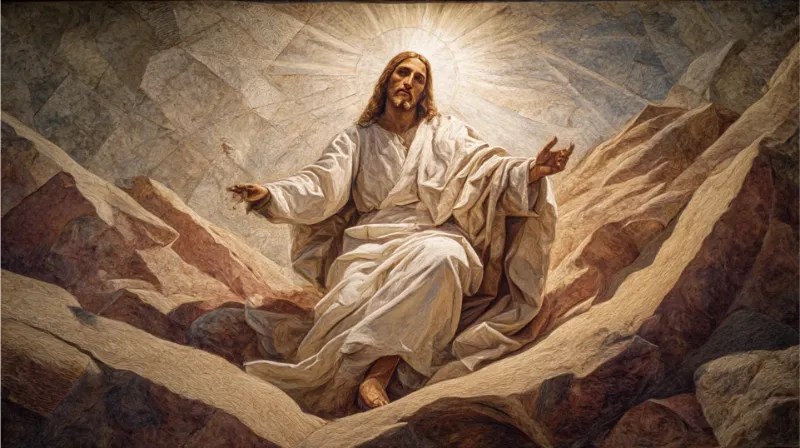
Acts 17:30
“The times of ignorance God overlooked, but now he commands all people everywhere to repent.”
Reflection: Paul is speaking in Athens, a city he saw was “full of idols” (Acts 17:16), and he has just said that the divine being is not like an image of gold, silver or stone (Acts 17:29). He says God overlooked the times of ignorance and now commands everyone everywhere to repent. The next verse gives the reason: God has fixed a day to judge the world by a man he has appointed, and he raised that man from the dead.
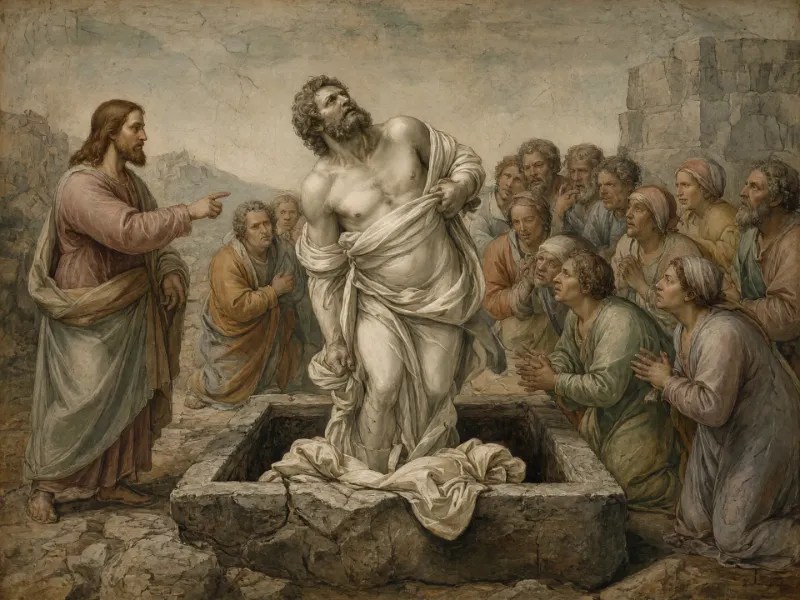
Luke 24:47
“And that repentance for the forgiveness of sins should be proclaimed in his name to all nations, beginning from Jerusalem.”
Reflection: The risen Jesus speaks these words to his disciples after opening their minds to understand the Scriptures (Luke 24:45). He places the preaching of repentance for the forgiveness of sins alongside his suffering and rising as things that “it is written” must happen. It is to go to all nations, beginning from Jerusalem, and the disciples are told, “You are witnesses of these things” (Luke 24:48).
Why God calls people to repent
Ezekiel 33:11
“Say to them, As I live, declares the Lord God, I have no pleasure in the death of the wicked, but that the wicked turn from his way and live; turn back, turn back from your evil ways, for why will you die, O house of Israel?”
Reflection: The house of Israel had said, “Surely our transgressions and our sins are upon us, and we rot away because of them. How then can we live?” (Ezekiel 33:10). This verse is God’s answer, sworn on his own life: he has no pleasure in the death of the wicked and wants them to turn and live. Ezekiel 18:32 says the same: “For I have no pleasure in the death of anyone, declares the Lord God; so turn, and live.”
2 Peter 3:9
“The Lord is not slow to fulfill his promise as some count slowness, but is patient toward you, not wishing that any should perish, but that all should reach repentance.”
Reflection: Peter writes to the “beloved” about scoffers who ask, “Where is the promise of his coming?” (2 Peter 3:3-4). He calls the delay God’s patience toward his readers, because God does not wish any to perish and wants all to reach repentance. The verse before says that with the Lord one day is as a thousand years, and the verse after says the day of the Lord will still come like a thief.
Romans 2:4
“Or do you presume on the riches of his kindness and forbearance and patience, not knowing that God’s kindness is meant to lead you to repentance?”
Reflection: Paul addresses someone who judges others for the sins he commits himself (Romans 2:3). God’s kindness, forbearance and patience are meant to lead that person to repentance, and treating them as permission is presuming on them. The next verse names the result of refusing: a “hard and impenitent heart” stores up wrath for the day of judgment.
Luke 5:32
“I have not come to call the righteous but sinners to repentance.”
Reflection: Jesus says this at a feast in the house of Levi, a tax collector, after the Pharisees and their scribes grumbled that his disciples ate with tax collectors and sinners. In the verse before, he compares himself to a physician, who is needed by the sick and not by the well. He describes his purpose as calling sinners to repentance.
Turning to God and being forgiven

Psalm 51:17
“The sacrifices of God are a broken spirit; a broken and contrite heart, O God, you will not despise.”
Reflection: The heading places Psalm 51 after the prophet Nathan confronted David over Bathsheba. David has said that God would not delight in sacrifice or be pleased with a burnt offering (Psalm 51:16). What God will accept instead is a broken spirit and a contrite heart. Earlier in the same prayer David asks, “Create in me a clean heart, O God” (Psalm 51:10).

Joel 2:12-13
“‘Yet even now,’ declares the Lord, ‘return to me with all your heart, with fasting, with weeping, and with mourning; and rend your hearts and not your garments.’ Return to the Lord your God, for he is gracious and merciful, slow to anger, and abounding in steadfast love; and he relents over disaster.”
Reflection: Joel calls the people back to God after a locust plague has stripped the land (Joel 1:4). The Lord asks them to return with fasting, weeping and mourning, and to tear their hearts in place of their garments. The reason given for returning is God’s character, described in the words of Exodus 34:6, and the next verse leaves the outcome open: “Who knows whether he will not turn and relent?”
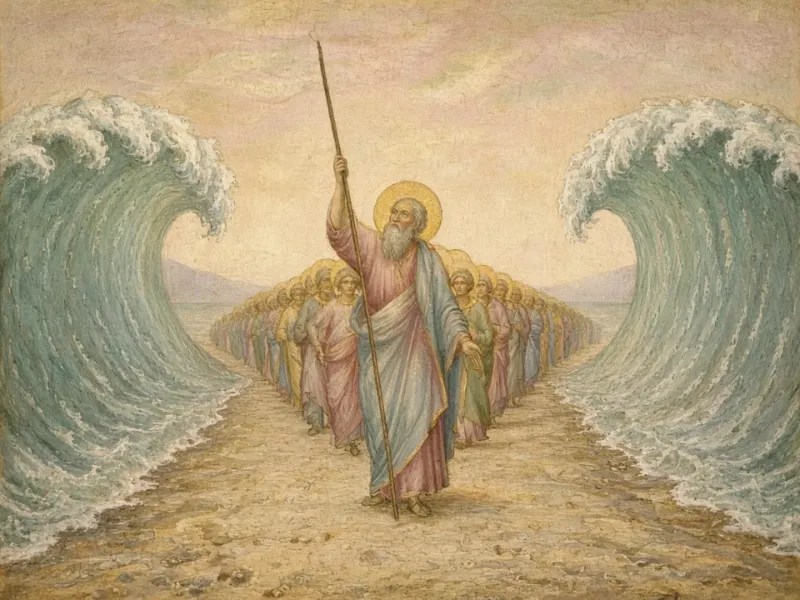
2 Chronicles 7:14
“if my people who are called by my name humble themselves, and pray and seek my face and turn from their wicked ways, then I will hear from heaven and will forgive their sin and heal their land.”
Reflection: God speaks these words to Solomon at night after the dedication of the temple, answering Solomon’s prayer. The verse before names the occasions in view: drought, locusts and pestilence sent on the land. The promise has conditions, which include turning from wicked ways, and it is made to “my people who are called by my name.”

Acts 2:38
“Peter said to them, ‘Repent and be baptized every one of you in the name of Jesus Christ for the forgiveness of your sins, and you will receive the gift of the Holy Spirit.’”
Reflection: The crowd at Pentecost had just heard Peter say that they crucified the one God made Lord and Christ, and they were “cut to the heart” and asked what to do (Acts 2:37). Peter tells them to repent and be baptized “for the forgiveness of your sins,” and says, “you will receive the gift of the Holy Spirit.” The next verse calls this “the promise” and extends it to their children and “all who are far off.” Verse 41 records that about three thousand were baptized that day.
Acts 3:19-21
“Repent therefore, and turn back, that your sins may be blotted out, that times of refreshing may come from the presence of the Lord, and that he may send the Christ appointed for you, Jesus, whom heaven must receive until the time for restoring all the things about which God spoke by the mouth of his holy prophets long ago.”
Reflection: Peter says this at the temple after a man lame from birth was healed at the gate called Beautiful (Acts 3:1-10). He tells the crowd that they and their rulers acted in ignorance (Acts 3:17), then calls them to repent and turn back. Three results follow in one sentence: sins blotted out, times of refreshing from the Lord, and the sending of Jesus, whom heaven receives until the time for restoring all things.

1 John 1:9
“If we confess our sins, he is faithful and just to forgive us our sins and to cleanse us from all unrighteousness.”
Reflection: John writes to believers, and the verses on either side answer anyone who claims to have no sin: “If we say we have no sin, we deceive ourselves” (1 John 1:8). Confessing sin is set against that denial. Forgiveness rests on God being “faithful and just,” and the verse promises cleansing from all unrighteousness as well as forgiveness.
What repentance produces
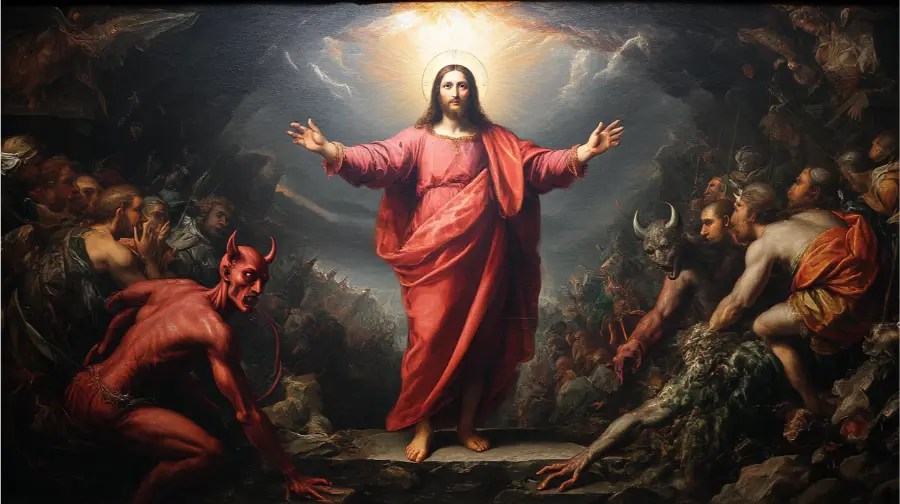
Luke 3:8-9
“Bear fruits in keeping with repentance. And do not begin to say to yourselves, ‘We have Abraham as our father.’ For I tell you, God is able from these stones to raise up children for Abraham. Even now the axe is laid to the root of the trees. Every tree therefore that does not bear good fruit is cut down and thrown into the fire.”
Reflection: John the Baptist says this to the crowds who came out to be baptized by him. Descent from Abraham will not protect them, and the axe is already at the root of the trees. When the crowds ask what to do, his answers are specific: share tunics and food, collect no more than authorized, and do not extort money (Luke 3:10-14).

Acts 26:19-20
“Therefore, O King Agrippa, I was not disobedient to the heavenly vision, but declared first to those in Damascus, then in Jerusalem and throughout all the region of Judea, and also to the Gentiles, that they should repent and turn to God, performing deeds in keeping with their repentance.”
Reflection: Paul is giving his defence before King Agrippa and describing what he did after the vision on the Damascus road. He preached the same message in Damascus, Jerusalem, Judea and to the Gentiles. The message has three parts: repent, turn to God, and perform deeds that fit that repentance.

2 Corinthians 7:10
“For godly grief produces a repentance that leads to salvation without regret, whereas worldly grief produces death.”
Reflection: Paul had sent the church in Corinth a letter that grieved them, and he says he does not regret it because their grief led them to repent (2 Corinthians 7:8-9). He sets godly grief, which produces repentance and salvation, against worldly grief, which produces death. The next verse lists what the godly grief produced in them: earnestness, eagerness to clear themselves, indignation, fear, longing, zeal and punishment.
Joy when a sinner repents
Luke 15:7
“Just so, I tell you, there will be more joy in heaven over one sinner who repents than over ninety-nine righteous persons who need no repentance.”
Reflection: Jesus tells the parable of the lost sheep to Pharisees and scribes who grumbled, “This man receives sinners and eats with them” (Luke 15:2). The shepherd leaves the ninety-nine, finds the one, and calls his neighbours to rejoice. The parable of the lost coin that follows ends the same way: “there is joy before the angels of God over one sinner who repents” (Luke 15:10).
Repentance for churches

Revelation 2:5
“Remember therefore from where you have fallen; repent, and do the works you did at first. If not, I will come to you and remove your lampstand from its place, unless you repent.”
Reflection: The risen Christ addresses the church in Ephesus, which he has just commended for its work and endurance, and holds one thing against it: it has abandoned the love it had at first (Revelation 2:4). The instruction has three steps: remember, repent, and do the works done at first. The warning is the removal of the church’s lampstand.
Revelation 3:19
“Those whom I love, I reprove and discipline, so be zealous and repent.”
Reflection: This is said to the church in Laodicea, which had said, “I am rich, I have prospered, and I need nothing” (Revelation 3:17). Reproof and discipline are presented as signs of love, and the church is told to be zealous and repent. The next verse follows with, “Behold, I stand at the door and knock.”


Leave a Reply