聖書に「411」という数字は登場しますか?
As we explore the significance of numbers in Scripture, it’s important to approach this topic with both faith and scholarly understanding. After careful examination of biblical texts and research, I must inform you that the number 411 does not appear explicitly in the Bible as a major numerical reference.
Although the Bible contains many important numbers with symbolic meanings, we must be careful not to impose meanings where they may not exist . I can tell you that biblical numerology is a legitimate field of study, with the Bible itself being described as “a mine of numeric interpretation” . But not every number carries specific theological significance.
特定の数字に意味を見出そうとする人間の心理的な欲求は理解できます。特に神の導きを求めている時にはなおさらです。このようなパターンやシンボルを探す行為は、神の知恵とつながりたいという私たちの深い欲求を反映しています。しかし、私たちはそのような解釈に対して、霊的な識別力と学問的な厳密さを持って臨まなければなりません。
「411」が明示されているかどうかを議論する代わりに、その構成要素である「4」と「11」について考えてみましょう。聖書数秘術において、数字の4はしばしば創造と物理的世界を表し、11は無秩序や不完全さを象徴することがあります。しかし、明確な聖書の裏付けなしにこれらの意味を組み合わせることには慎重であるべきです。
I encourage you to focus on the clear messages of Scripture rather than searching for hidden meanings in specific numbers that may not appear in the biblical text. Remember that God’s word is rich with obvious spiritual truths that can guide our faith journey without requiring complex numerical interpretations.
Let us approach the study of numbers in Scripture with humility, recognizing that while they can enhance our understanding, they should not overshadow the primary message of God’s love and salvation through Jesus Christ.

「411」という数字に関連して、詩篇41篇1節にはどのような意味がありますか?
As we contemplate the connection between Psalm 41:1 and the number 411, we must approach this with both spiritual insight and scholarly caution. Although the number 411 itself does not appear in the Bible, we can explore the significance of Psalm 41:1 and consider how it might relate to the concept of divine guidance often associated with the modern use of “411” as an information number.
Psalm 41:1 reads: “Blessed is he who considers the poor; The Lord will deliver him in time of trouble.” This verse carries powerful spiritual and social implications that resonate deeply with our Christian faith and mission.
Psychologically this psalm speaks to our innate desire for compassion and justice. It reminds us that caring for the less fortunate is not only a moral imperative but also a source of divine blessing. This aligns with the Christian understanding of God’s preferential option for the poor, a concept I have often emphasized in my teachings .
歴史的に、この詩篇は時代を超えて信者たちに慰めとインスピレーションを与えてきました。これは、人間の慈悲と神の恵みの間の相互関係に関する古代イスラエルの理解を反映しています。この原則が何世紀にもわたって多くのキリスト教社会の社会倫理を形成してきたことを、私は証言できます。
Although we cannot draw a direct numerical connection to 411, we can see how Psalm 41:1 provides essential “information” or guidance for Christian living. Just as people might dial 411 for important information, this verse offers crucial spiritual direction: care for the poor, and God will care for you.
In our modern context, we might view Psalm 41:1 as a kind of spiritual “411” – a concise, powerful message that provides vital information for navigating our faith journey. It reminds us that our relationship with God is intimately connected to how we treat the most vulnerable among us.
I encourage you to meditate on this verse, allowing its wisdom to guide your actions and deepen your faith. Let it be a constant reminder of our call to compassion and the assurance of God’s care for those who heed this call.

「411」という数字に関連する聖書の物語や出来事はありますか?
As we explore the connection between biblical stories and the number 411, we must approach this question with both spiritual openness and scholarly precision. Although there are no direct references to the number 411 in Scripture, we can examine stories that embody themes related to its potential symbolic meanings.
聖書数秘術において、数字はしばしば深い霊的意味を持ち、聖典におけるテーマ的要素および構造的要素の両方として機能します。411は明示されていませんが、その構成要素である4と11を考慮することはできます。数字の4はしばしば創造と物理的世界を表し、11は無秩序や不完全さを象徴することがあります。
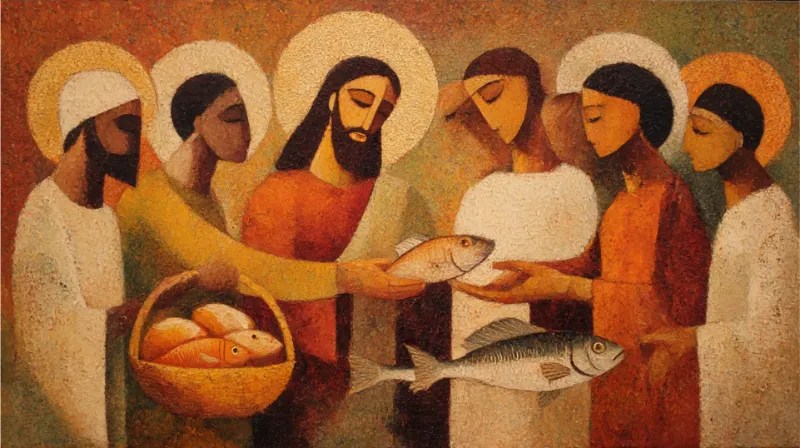
One biblical story that touches on these themes is the account of Jesus feeding the 4,000 (Mark 8:1-10). This miracle demonstrates God’s provision in the physical world (represented by 4) and the abundance that comes from divine intervention, potentially addressing the incompleteness symbolized by 11. While not directly related to 411, this story embodies the concept of God bringing order and fullness to human need.
もう一つの関連する物語は、バベルの塔の物語(創世記11章1〜9節)です。この記述は、神の領域に到達しようとする人間の試みと、その結果としての混乱と分散を扱っています。章番号の11は無秩序という概念と一致していますが、物語自体は人間の限界と創造に対する神の主権というテーマに触れています。
心理学的に、これらの物語は、備え、理解、そして神とのつながりに対する私たちの根源的な欲求に訴えかけます。これらの物語は、神が私たちの物理的世界で活動しており、混沌に秩序をもたらし、私たちの人生に欠けているものを完成させることができることを思い出させてくれます。
I must note that throughout Christian history, believers have found comfort and inspiration in these narratives, seeing them as timeless examples of God’s interaction with humanity. But we must be cautious not to impose numerical symbolism where it may not have been intended.
I encourage you, my faithful flock, to reflect on these stories not for hidden numerical meanings for their clear messages of God’s love, provision, and sovereignty. Let them inspire you to trust in divine guidance and to seek God’s wisdom in navigating the complexities of life.
Remember, while numerical symbolism can enrich our understanding of Scripture, the heart of our faith lies in the transformative power of God’s love and the salvation offered through Jesus Christ. Let us focus on living out these truths in our daily lives, showing compassion to others and trusting in God’s perfect plan for each of us.

聖書学者は「411」の意味をどのように解釈していますか?
聖書学者は一般的に「411」という数字に特定の重要性を認めていません。聖書の中で目立つ形で登場しないためです。しかし、その構成要素や関連する箇所を調べることで、洞察を得ることは可能です。
聖書における数字の4は、地の四隅や四つの福音書に見られるように、しばしば完全性や普遍性を表します。数字の11は、それほど一般的ではありませんが、聖書数秘術における完全数である12に届かないため、無秩序や不完全さを象徴することがあります。
When considering 411, scholars might look at Psalm 41:1, which states: “Blessed is the one who considers the poor! In the day of trouble the Lord delivers him” (ESV). This verse emphasizes God’s care for those who show compassion to the needy.
解釈学の観点から、聖書で明示的に強調されていない数字に恣意的な意味を割り当てることには慎重であるべきです(Pushaw, 2020, pp. 463–492)。その代わりに、聖書のテキスト自体に見られる明確なメッセージと教えに焦点を当てるべきです。
数字に隠された意味を求める実践(ゲマトリア)は、ユダヤ教とキリスト教の両方の伝統に根ざしています。しかし、このアプローチは時に、福音の信仰と愛という核心的なメッセージから注意をそらすような、投機的な解釈につながる可能性があります(Lembke et al., 2018)。
人間の心は、本質的に存在しない場合であっても、パターンや重要性を求める傾向があることに気づきました。これは慰めや洞察の源になり得ますが、私たちはこの傾向と、聖書の明確な道徳的・霊的教えを優先する地に足のついたアプローチとのバランスを取らなければなりません。
While 411 does not have a widely recognized interpretation among biblical scholars, we can use it as a prompt to reflect on related passages and themes in Scripture, always keeping in mind the broader context of God’s love and guidance for His people.

詩篇41篇1節からどのような霊的な教訓を学べますか?
Psalm 41:1 offers powerful spiritual lessons that resonate deeply with the Christian faith and our call to compassion. The verse states: “Blessed is the one who considers the poor! In the day of trouble the Lord delivers him” (ESV).
This verse teaches us about the importance of compassion and social responsibility. As Christians, we are called to not only be aware of those in need but to actively consider their plight and respond with love and support. This aligns with Jesus’ teachings about caring for “the least of these” (Matthew 25:40).
The psalm reveals a spiritual principle of reciprocity in God’s economy. Those who show mercy to others will receive mercy from God. This doesn’t imply a transactional relationship with God rather reflects the transformative nature of compassion in our spiritual lives.
The verse also highlights God’s special concern for the poor and marginalized. Throughout Scripture, we see God’s heart for those who are vulnerable and His call for His people to reflect this same concern(Antwi, 2024). This challenges us to examine our own attitudes and actions towards those in need in our communities.
Psychologically the act of considering the poor can lead to increased empathy and a broader perspective on life’s challenges. This, in turn, can contribute to our own emotional and spiritual well-being.
歴史的に、この詩篇はキリスト教の伝統の中で数え切れないほどの慈善活動や社会正義運動を鼓舞してきました。それは、私たちの信仰が、他者、特に恵まれない人々をどのように扱うかという実践的で具体的な表現を持つべきであることを思い出させてくれます。
I would emphasize that this verse calls us to a “culture of encounter” where we truly see and respond to the needs of others, recognizing Christ in each person we meet. This attitude of openness and compassion is essential for building a more just and fraternal world.
Psalm 41:1 teaches us that true blessedness comes not from accumulating wealth or status from cultivating a heart of compassion and actively responding to the needs of others. It challenges us to live out our faith in practical ways, trusting in God’s provision and care as we extend His love to those around us.

「411」という数字に関連する預言的な意味はありますか?
Although the number 411 does not have explicit prophetic meanings in Scripture, we can explore potential spiritual insights by examining related biblical themes and passages. But it’s crucial to approach this with caution, avoiding speculative interpretations that may distract from the core messages of our faith.
In biblical numerology, the number 4 often represents completeness or universality, while 11 can symbolize disorder or incompleteness. When combined, we might consider 411 as a reminder that even in the midst of life’s incompleteness or chaos, God’s complete and universal plan is at work.
Looking at Psalm 41:1 again, we can see a prophetic element in its promise of God’s deliverance for those who care for the poor. This aligns with the broader biblical theme of God’s ultimate justice and care for the vulnerable, which finds its fullest expression in the coming of Christ and the establishment of His kingdom.
歴史的に、聖書の数字がキリスト教の歴史を通じてどのように預言的に解釈されてきたかを見てきました。しかし、そのような解釈が時に聖書の誤解や誤用につながる可能性があることに留意しなければなりません(Pushaw, 2020, pp. 463–492)。聖書の豊かな象徴的言語を認めつつも、数値的な偶然に過度な意味を読み取ることは避けるよう警告します。
特に不確実な時代において、パターンや意味を求める人間の傾向は理解できます。これは慰めをもたらす可能性がありますが、私たちの信仰が投機的な数秘術ではなく、聖書の明確な教えに基づいていることを確認しなければなりません。
In the context of Christian eschatology, we might see 411 as a reminder to be watchful and prepared for Christ’s return. Just as 411 is associated with information services in modern times, we are called to be informed and alert in our spiritual lives, always ready to give an account of the hope that is in us (1 Peter 3:15).
I would emphasize that true prophetic insight comes not from decoding numbers from living out the Gospel message of love, justice, and reconciliation. The most powerful prophecy is the witness of a life transformed by Christ’s love.
While 411 does not have a specific prophetic meaning in Scripture, it can serve as a prompt for reflection on God’s completeness amidst our incompleteness, His care for the vulnerable, and our call to be alert and prepared in our faith journey. Let us focus on the clear prophetic messages of Scripture – the coming of God’s kingdom and our role in manifesting His love and justice in the world.

How does the number 411 relate to God’s character or teachings?
As we explore how the number 411 might relate to God’s character or teachings, we must approach this topic with both spiritual openness and scriptural fidelity. the number 411 does not appear explicitly in the Bible, nor does it hold a recognized symbolic significance in traditional biblical numerology. But we can reflect on how numbers are used in Scripture to convey deeper truths about God’s nature and His relationship with humanity. In our quest for understanding, we can draw parallels with other numbers that have been explored in a biblical context. For instance, the meaning of number 2323 in scripture may offer insights into the themes of divine guidance and support, reminding us of the importance of faithfulness in our spiritual journey. By examining various numerical patterns within Scripture, we can gain a richer appreciation of how God communicates His truths to us.
聖書において、数字はしばしば象徴的な意味を持ちます。例えば、創造の7日間で見られるように、数字の「7」はしばしば完全性や完璧さを表します。数字の「40」は、イスラエルの民が荒野を彷徨った40年間の例のように、試練や準備の期間を意味することがよくあります。「411」は直接言及されていませんが、その構成要素について考えることはできるかもしれません。
聖書における数字の「4」は、時に創造(地の四隅、四季)や普遍性と関連付けられます。「11」は、それほど一般的ではありませんが、不完全さや無秩序を表すことがあります。2回繰り返される「1」という数字は、しばしば統一や首位性を象徴します。
From this perspective, we might reflect on how God’s character encompasses both the created order (4) and His ability to bring wholeness out of disorder (11). The repetition of 1 could remind us of God’s oneness and supremacy over all creation.
数字の中にパターンや意味を見出そうとする人間の傾向は理解できます。これはインスピレーションの源となり得ますが、聖書のテキストに自分自身の意味付けへの願望を押し付けないよう注意しなければなりません。
My dear faithful, Although we may not find a definitive meaning for 411 in relation to God’s character, we can use this reflection as an opportunity to contemplate the broader themes of God’s nature revealed in Scripture. Let us remember that God’s character is most fully revealed not through numerical patterns through His self-disclosure in the person of Jesus Christ and in the ongoing work of the Holy Spirit in our lives and in the Church.
I encourage you to focus on the clear teachings of Scripture about God’s love, justice, mercy, and faithfulness. While numerical symbolism can be intriguing, it is in the Gospel message and in our lived experiences of faith that we truly encounter God’s character and teachings.

初期の教父たちは「411」という数字や詩篇41篇1節について何と言っていますか?
As we explore what the early Church Fathers might have said about the number 411 or Psalm 41:1, we must approach this topic with both scholarly rigor and spiritual openness. the early Church Fathers did not specifically address the number 411 in their writings, as it does not appear prominently in Scripture or hold a major place in early Christian numerology. But they did offer powerful insights into Psalm 41:1, which reads: “Blessed is he who considers the poor; the Lord delivers him in the day of trouble.”
Augustine, in his “Expositions on the Psalms,” saw in this verse a prefiguration of Christ’s own compassion for humanity. He wrote: “He considered our poverty, the Word was made flesh, and dwelt among us.” Augustine interpreted the “poor” not just in material terms as all of humanity in need of God’s grace (Khitruk, 2024).
社会正義を強調したことで知られるヨハネス・クリュソストモスは、この節を用いて、会衆に慈善活動を行うよう強く勧めました。彼は、救済の約束の中に、他者に憐れみを示す者への霊的な報いを見出しました。
Basil the Great, in his homilies on the Psalms, emphasized the practical implications of this verse, encouraging believers to actively seek out and assist those in need as a means of spiritual growth and obedience to God’s commands.
Historically we see that the Fathers’ interpretations of Scripture were deeply rooted in their pastoral concerns and the challenges faced by their communities. They sought to apply biblical wisdom to the lived realities of the faithful.
他者への思いやりと配慮に焦点を当てるこの姿勢は、人間性に対する深い理解と、利他主義が持つ変革の力を反映していることに気づきました。教父たちは、他者をケアすることの中に、私たち自身が癒やしと目的を見出すことが多いことを認識していました。
親愛なる信徒の皆さん、教父たちによる「411」という数字に関する具体的な教えを指摘することはできませんが、詩篇41篇1節に関する彼らの考察は、私たちに豊かな霊的糧を与えてくれます。彼らは、キリスト教生活における思いやりの中心性と、他者への接し方と神との関係の密接なつながりを思い出させてくれます。
この詩篇を振り返るにあたり、教父たちの知恵を黙想することをお勧めします。彼らの洞察に触発され、困っている人々への愛と奉仕という福音のメッセージを実践し、貧しい人々や社会から疎外された人々への思いやりと連帯を常に深めていくよう努めてください。

キリスト教徒は詩篇41篇1節の教えをどのように生活に適用できますか?
貧しい人を顧みるということは、単に認識するだけでは不十分であることを理解しなければなりません。それは、困っている人々に対する深い共感と積極的な関わりを私たちに求めています。キリスト者として、私たちは貧しい人や疎外された人の顔の中にキリストを見るよう召されています。この視点は、無関心から思いやりのある行動へと私たちを動かし、私たちの対人関係を変革するはずです。
現代の文脈において、この教えを適用することは、地元の慈善団体でのボランティア活動、ホームレス支援団体のサポート、あるいは構造的な貧困に対処する政策の提唱などに関わるかもしれません。また、身近なコミュニティのニーズに気を配ることも含まれます。生活費に苦しむ隣人、予期せぬ困難に直面している同僚、あるいは困難な時期を過ごしている家族などです。
この詩篇はまた、貧しい人への配慮が単なる物質的な援助にとどまらないことを思い出させてくれます。それは感情的および霊的なサポートも包含しています。私たちは、疎外された人々の物語に耳を傾け、彼らの尊厳を認め、彼らの苦闘に連帯して寄り添うよう召されています。
親切と慈悲の行為が、与える側と受け取る側の両方に強力な影響を与えることを私は認識しています。利他主義的な行動に従事することは、助ける相手に利益をもたらすだけでなく、私たち自身の幸福感や目的意識にも寄与します。それはつながりとコミュニティの感覚を育み、現代社会をしばしば悩ませる孤立に対抗するものです。
この節は、富や所有物に対する私たちの態度を吟味するよう挑戦しています。成功を物質的な豊かさと同一視しがちな世界において、私たちは異なる基準、つまり他者を愛し奉仕する能力によって私たちの価値を測る基準へと召されています。
The promise of deliverance in times of trouble is not a guarantee of an easy life rather an assurance of God’s presence and support as we navigate life’s challenges. By aligning our lives with God’s concern for the poor, we open ourselves to His grace and guidance.
この教えをより完全に実践するために、定期的に振り返ることをお勧めします。おそらく、慈善寄付を増やすために予算を見直すことや、定期的なボランティア活動にコミットすることかもしれません。あるいは、貧困や社会正義の問題について学びを深めること、あるいは困っている人々のために自分のスキルや才能を使うことかもしれません。
Remember, that in considering the poor, we are not just performing acts of charity participating in the very mission of Christ, who came “to bring good news to the poor” (Luke 4:18). Let us strive to make this teaching a living reality in our daily lives, trusting in God’s promise of blessing and deliverance as we do so.
—