仮庵の祭りとは何か?聖書の伝統におけるスコットを探る


  • The Feast of Tabernacles, also known as Sukkot, is a biblical festival celebrated by Jewish people.
  • It is a week-long celebration that commemorates the Israelites’ journey through the wilderness and the bounty of the harvest season.
  • The festival is mentioned multiple times in the Bible, including in the books of Leviticus, Numbers, and Deuteronomy.
  • The purpose of Sukkot is to remember and give thanks for God’s provision, to dwell in temporary booths, and to rejoice with family and community.

What is Sukkot and how is it celebrated in Jewish tradition?

Sukkot is a joyous harvest festival celebrated by the Jewish people. It begins on the 15th day of the seventh month in the Hebrew calendar, usually falling in September or October. The festival lasts for seven days in Israel and eight days in the diaspora.

The heart of Sukkot is the sukkah, a temporary shelter built outdoors. Families construct these booths with walls of wood or canvas and roofs made of natural materials like palm fronds or bamboo. The roof must be open enough to see the stars through it at night.

During the festival, observant Jews eat their meals in the sukkah. Many also sleep in it, weather permitting. This practice recalls the temporary dwellings used by the Israelites during their 40 years in the wilderness after the Exodus from Egypt.

Each day of Sukkot, Jews perform a ritual waving of the lulav and etrog. The lulav consists of palm, myrtle, and willow branches bound together. The etrog is a citron fruit. These “four species” are waved in six directions, symbolizing God’s presence everywhere.

Sukkot is a time of hospitality and community. Families invite guests to share meals in their sukkah. This custom of ushpizin welcomes both physical visitors and the spiritual presence of biblical ancestors.

In ancient times, Sukkot included a water-drawing ceremony at the Temple in Jerusalem. Priests would draw water from the Pool of Siloam and pour it on the altar. This ritual was accompanied by great rejoicing, music, and dancing.

Today, some communities still celebrate Simchat Beit HaShoevah, commemorating the water-drawing ceremony with music and dancing. The joyous atmosphere of these celebrations reflects the overall mood of Sukkot as a festival of thanksgiving and happiness.

Sukkot concludes with Hoshana Rabbah, a day of special prayers for rain and sustenance. This is followed by Shemini Atzeret and Simchat Torah, which mark the end of the annual cycle of Torah readings and the beginning of a new cycle.

The psychological impact of Sukkot is powerful. Living in a temporary shelter reminds us of life’s fragility and our dependence on God. It cultivates gratitude for the blessings we often take for granted. The communal aspects of the festival strengthen social bonds and promote a sense of belonging.

Historically, Sukkot’s agricultural roots connected the people to the rhythms of nature and the land. In modern times, it continues to foster an awareness of our relationship with the environment and the importance of sustainable living.

Sukkot teaches us to find joy and meaning in simplicity. It encourages us to look beyond material comforts and find contentment in spiritual values and human connections. In our fast-paced, technology-driven world, this message is more relevant than ever.

The festival also carries a universal message of peace and unity. The 70 bull sacrifices offered during Sukkot in Temple times were seen as atoning for all nations. This reminds us of our shared humanity and the need for global cooperation and understanding.

Sukkot is a celebration of life, nature, and community. It invites us to step outside our usual routines and experience the world with fresh eyes and open hearts.

What is the biblical basis for the Feast of Tabernacles?

The Feast of Tabernacles, or Sukkot, finds its primary biblical basis in the book of Leviticus. In chapter 23, verses 33-43, we find detailed instructions for this festival. The Lord speaks to Moses, commanding the people of Israel to observe this feast.

The text specifies that Sukkot should begin on the fifteenth day of the seventh month. It is to last for seven days, with the first day being a sacred assembly. The people are instructed to live in booths for seven days, reminding them of how their ancestors lived after the Exodus from Egypt.

This connection to the Exodus is crucial. It links Sukkot to the foundational story of the Jewish people. The temporary shelters symbolize God’s protection during their wilderness journey. They remind us that even in uncertain times, we can trust in divine providence.

In Deuteronomy 16:13-15, we find another reference to Sukkot. Here it is called the Feast of Tabernacles or Booths. The text emphasizes the joyous nature of the festival. It instructs the people to rejoice before the Lord for seven days. This joy is to be inclusive, extending to all members of society.

The book of Numbers provides additional details about Sukkot observance. In chapter 29, verses 12-38, we find instructions for the sacrifices to be offered during the festival. The complex system of offerings underscores the importance of Sukkot in the biblical calendar.

In Exodus 23:16 and 34:22, Sukkot is referred to as the Feast of Ingathering. This name highlights its agricultural significance as a harvest festival. It reminds us to be grateful for the earth’s bounty and the blessings of sustenance.

The prophet Zechariah offers a messianic vision related to Sukkot. In chapter 14, he describes a time when all nations will come to Jerusalem to celebrate the Feast of Tabernacles. This universalizes the message of Sukkot, extending its significance beyond the Jewish people.

Historically, we see Sukkot’s importance in the dedication of Solomon’s Temple. In 1 Kings 8, Solomon chooses the time of Sukkot for this momentous occasion. This links the festival to the concept of God’s dwelling place, a theme that resonates through Scripture.

In the book of Nehemiah, we find a poignant account of Sukkot’s observance. After returning from exile, the people rediscover the Torah’s instructions for the festival. Their joyful celebration marks a renewal of covenant faithfulness.

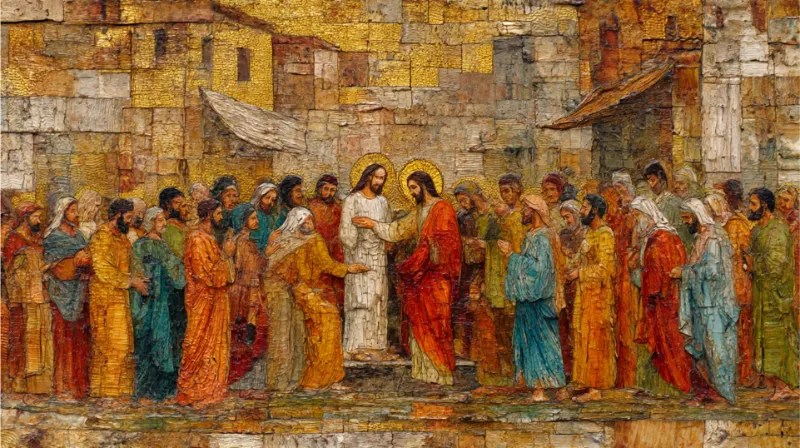
The Gospels also reference Sukkot, though indirectly. In John 7, we find Jesus teaching at the Temple during the Feast of Tabernacles. His words about living water likely allude to the water-drawing ceremony associated with Sukkot.

Psychologically, these biblical texts invite us to reflect on our life’s journey. They encourage us to remember times of hardship and deliverance. This practice fosters resilience and hope, reminding us that current difficulties are not the end of the story.

The emphasis on joy in these passages is major. It teaches us that gratitude and celebration are spiritual disciplines. Even in the midst of life’s uncertainties, represented by the temporary shelter, we are called to rejoice.

The biblical basis for Sukkot also highlights the importance of memory in shaping identity. By reenacting the experiences of their ancestors, each generation connects to the larger story of God’s people. This fosters a sense of continuity and belonging.

The biblical texts present Sukkot as a layered festival. It is a time of historical remembrance, agricultural thanksgiving, and spiritual renewal. Its enduring relevance speaks to fundamental human needs for security, gratitude, and community.

What spiritual meanings or symbolism are associated with Sukkot?

Sukkot is rich in spiritual symbolism, offering powerful insights into our relationship with God and the world around us. Let us explore some of these meaningful symbols and their deeper significance.

The sukkah itself is a powerful symbol of divine protection. Its fragile structure reminds us of our vulnerability. Yet within this temporary shelter, we find security. This paradox teaches us to trust in God’s care, even when life feels uncertain.

The open roof of the sukkah allows us to see the stars. This symbolizes our connection to the vastness of creation. It invites us to look beyond our immediate concerns and contemplate our place in the universe. It nurtures a sense of wonder and humility.

Living in the sukkah for seven days symbolizes our journey through life. We are all travelers, pilgrims on earth. This temporary dwelling reminds us not to become too attached to material possessions. It encourages us to focus on what truly matters – our relationships with God and others.

The four species used in Sukkot rituals – palm, myrtle, willow, and citron – carry multiple layers of meaning. Together, they represent the diverse unity of God’s people. Individually, they symbolize different aspects of human nature and divine attributes.

The palm branch, tall and straight, represents the spine. It symbolizes uprightness and moral integrity. The myrtle, with its eye-shaped leaves, represents the eyes. It encourages us to see goodness in others and in the world around us.

The willow, with its mouth-shaped leaves, represents the lips. It reminds us of the power of speech for blessing or harm. The citron, with its heart-like shape and pleasant fragrance, represents the heart. It symbolizes goodness and the cultivation of virtue.

Waving these species in six directions symbolizes God’s presence everywhere. It reminds us that there is no place devoid of divine presence. This practice can cultivate mindfulness and a sense of sacred purpose in all our activities.

The water-drawing ceremony of Sukkot carries deep symbolism. Water represents Torah, divine wisdom, and the Holy Spirit. The joyous celebration around this ritual teaches us to rejoice in spiritual nourishment as much as physical sustenance.

Sukkot’s timing after the High Holy Days is major. After the solemnity of Rosh Hashanah and Yom Kippur, Sukkot invites us to experience joy in our renewed relationship with God. It teaches us that true repentance leads to genuine happiness.

The tradition of ushpizin, inviting guests into the sukkah, symbolizes openness and hospitality. It reminds us of the importance of community and sharing. In welcoming others, we create space for divine presence in our midst.

Psychologically, the symbols of Sukkot can help us develop resilience and gratitude. By deliberately moving into a place of vulnerability, we confront our fears and limitations. This can lead to personal growth and a deeper appreciation for life’s blessings.

The agricultural aspect of Sukkot symbolizes our dependence on nature and ultimately on God. In our modern world, this reminds us of our responsibility to care for the environment. It encourages a spirituality that embraces stewardship of creation.

The historical remembrance aspect of Sukkot symbolizes the importance of collective memory. By reenacting the experiences of our ancestors, we connect to a larger story. This can provide a sense of meaning and purpose in our individual lives.

Sukkot’s universal themes make it a symbol of hope for global peace and unity. The vision of all nations celebrating together speaks to our shared humanity. It encourages us to look beyond our differences and work towards a common good.

The symbols of Sukkot invite us to live with greater awareness, gratitude, and purpose. They remind us of our place in the grand tapestry of creation and history. Through these symbols, we are called to a life of faith, joy, and service.

How did Jesus observe or reference the Feast of Tabernacles?

The Gospels provide us with a major account of Jesus’ participation in the Feast of Tabernacles. This event, recorded in John chapter 7, offers powerful insights into Jesus’ ministry and his relationship to Jewish traditions.

We are told that Jesus initially hesitated to go to Jerusalem for the feast. His brothers urged him to go public with his ministry, but Jesus knew the time was not yet right. This tension reveals the complex dynamics surrounding Jesus’ mission and his awareness of divine timing.

Eventually, Jesus did go to Jerusalem, but quietly, without public fanfare. This discretion shows his wisdom in navigating the volatile political and religious climate of his time. It reminds us of the importance of discernment in our own spiritual journeys.

During the feast, Jesus began teaching in the temple courts. His words caused amazement among the people. They wondered at his learning, given that he had not been formally educated in the rabbinic schools. This highlights the unconventional nature of Jesus’ wisdom and authority.

The content of Jesus’ teaching at Sukkot is major. He spoke about the source of his doctrine, attributing it to God the Father. This claim to divine authority was both compelling and controversial. It challenged his listeners to reconsider their understanding of God’s revelation.

In the middle of the feast, Jesus’ teaching became more explicit. He addressed the accusations against him and questioned the people’s understanding of the Law. This confrontational approach reflects the prophetic tradition, calling people to a deeper comprehension of God’s will.

On the last and greatest day of the feast, Jesus made a powerful declaration. He invited all who were thirsty to come to him and drink. This statement likely alluded to the water-drawing ceremony of Sukkot. Jesus was presenting himself as the source of living water, the ultimate fulfillment of the feast’s symbolism.

Jesus’ words about streams of living water flowing from within believers are particularly major. John interprets this as a reference to the Holy Spirit, which would be given after Jesus’ glorification. This connects Sukkot’s themes to the broader narrative of salvation history.

The reactions to Jesus’ words were mixed. Some believed he was the Prophet or the Messiah. Others were skeptical or hostile. This division foreshadows the varied responses Jesus would continue to evoke throughout his ministry and beyond.

Psychologically, Jesus’ approach at Sukkot reveals much about human nature. He understood the power of familiar symbols and rituals to convey new truths. By using the imagery of water, central to Sukkot celebrations, he connected his message to the people’s lived experience.

Historically, Jesus’ participation in Sukkot places him firmly within the Jewish tradition. He did not reject the festivals but rather used them as opportunities to reveal his identity and mission. This challenges simplistic views that pit Jesus against Jewish practices.

Jesus’ teachings at Sukkot also demonstrate his skill in public discourse. He engaged with his audience, addressed their questions and objections, and used the occasion to make powerful theological statements. This models effective communication of spiritual truths.

The timing of Jesus’ declarations at Sukkot is noteworthy. By waiting until the climax of the festival, he ensured maximum impact for his words. This teaches us about the importance of timing in spiritual leadership and proclamation.

Jesus’ reference to living water builds on a rich biblical tradition. From the rock in the wilderness to the prophetic visions of Ezekiel, water symbolized God’s life-giving presence. Jesus presents himself as the fulfillment of these hopes, the ultimate source of spiritual renewal.

Jesus’ observance of Sukkot demonstrates his deep engagement with Jewish tradition and his ability to infuse it with new meaning. He respected the forms of worship while pointing to their ultimate fulfillment in himself. This approach offers a model for how we might engage with religious traditions in our own time.

Should Christians celebrate Sukkot today? Why or why not?

The question of whether Christians should celebrate Sukkot is complex. It touches on issues of religious identity, cultural appreciation, and theological understanding. Let us explore this question with openness and respect for diverse perspectives.

Historically, early Christians, being largely of Jewish origin, likely continued to observe Sukkot. As the church became predominantly Gentile, many Jewish practices were set aside. This historical context reminds us that the relationship between Christianity and Jewish traditions has evolved over time.

Theologically, Christians believe that Jesus fulfilled the meaning of the biblical feasts. This fulfillment doesn’t necessarily negate the feasts but transforms their significance. Sukkot’s themes of God’s provision and presence find ultimate expression in Christ.

Some Christians argue that celebrating Sukkot can deepen their understanding of biblical history and Jesus’ cultural context. It can provide a tangible connection to the roots of their faith. This perspective values the educational and spiritual benefits of engaging with Jewish traditions.

Others caution that adopting Jewish practices might blur the distinctions between Judaism and Christianity. They worry about cultural appropriation or confusing the basis of salvation. This view seeks to maintain clear theological boundaries while respecting Jewish tradition.

Psychologically, participating in Sukkot can offer Christians meaningful experiences of community and spiritual reflection. The practices of building a sukkah and dwelling in it can foster mindfulness and gratitude. These benefits align with Christian values and spiritual disciplines.

Some Christian groups, particularly Messianic Jews and certain Protestant denominations, do celebrate Sukkot. They see it as a way to honor their Jewish roots or to express solidarity with Israel. This approach seeks to bridge Jewish and Christian traditions.

The New Testament doesn’t explicitly command or forbid Christians to celebrate Sukkot. This leaves room for individual conscience and community discernment. It allows for diversity of practice within the broader Christian family.

Celebrating Sukkot could be seen as an expression of Christian freedom. Paul teaches that all days can be honored to the Lord. From this perspective, Sukkot observance becomes a matter of personal conviction rather than obligation.

Interfaith dialogue and understanding could be enhanced by Christian engagement with Sukkot. Learning about and respectfully observing Jewish practices can foster mutual respect and cooperation. This aligns with the Christian call to love our neighbors and seek peace.

But Christians must be careful not to celebrate Sukkot in a way that offends or misrepresents Jewish tradition. Any observance should be done with knowledge, sensitivity, and respect for the Jewish community. This requires education and humility.

For Christians who choose to celebrate Sukkot, it’s important to do so in a way that aligns with Christian theology. The focus should be on Christ as the fulfillment of the feast’s themes. This approach maintains Christian distinctiveness while appreciating Jewish heritage.

What did the early Church Fathers teach about Sukkot and its relevance for Christians?

Some Church Fathers saw Sukkot as a prefiguration of Christ and Christian realities. Origen, for example, interpreted the booths of Sukkot as symbols of the temporary nature of our earthly bodies. He taught that just as the Israelites dwelt in temporary shelters, we too are pilgrims on earth, longing for our eternal home.

Others, like John Chrysostom, were more dismissive of Jewish festivals. They argued that such observances were no longer necessary after Christ’s coming. This view reflected the growing separation between Christianity and Judaism in the 4th and 5th centuries.

But we also find Church Fathers who maintained a more positive view of Sukkot. Methodius of Olympus saw in Sukkot a foreshadowing of the resurrection and the final ingathering of God’s people. He connected the joy of the festival to the joy Christians would experience in God’s eternal kingdom.

Some early Christians continued to observe Sukkot alongside their Christian faith. We see evidence of this in the writings of Egeria, a 4th century pilgrim who described Christians in Jerusalem celebrating the “feast of tabernacles” with great solemnity.

Attitudes toward Sukkot often reflected broader theological debates about the relationship between the Old and New Covenants. Those who emphasized continuity were more likely to find meaning in Sukkot for Christians.

Psychologically we can understand why some early Christians were drawn to Sukkot. Its themes of God’s provision, the transience of earthly life, and joyful thanksgiving resonated with Christian teachings. The festival offered a tangible way to connect with biblical history and express faith.

Yet we must also recognize the challenges faced by the early Church in navigating its Jewish roots while establishing a distinct identity. This tension shaped attitudes toward festivals like Sukkot.

In reflecting on this history, we are reminded that our faith has deep roots in Jewish tradition. The diverse views of the Church Fathers invite us to ponder how we might draw wisdom from our heritage while remaining true to the Gospel of Christ.

How do Messianic Jews interpret and observe Sukkot?

Messianic Jews offer us a unique perspective on Sukkot, blending traditional Jewish observance with faith in Jesus as the Messiah. Their approach invites us to consider how Jewish traditions can enrich Christian faith.

Messianic Jews typically observe Sukkot in ways similar to other Jewish communities. They build temporary shelters called sukkot, following the biblical command. Many eat their meals in these booths for seven days, symbolizing trust in God’s provision and the temporary nature of earthly life.

But Messianic interpretations add layers of meaning connected to Jesus. Many see in Sukkot a foreshadowing of God “tabernacling” among us in the person of Christ. The Gospel of John’s statement that “the Word became flesh and dwelt among us” uses language that evokes the imagery of Sukkot.

Some Messianic Jews connect the water-drawing ceremony of Sukkot to Jesus’ words in John 7:37-38, spoken during this festival: “If anyone is thirsty, let him come to me and drink.” They see Jesus as the ultimate source of living water.

The theme of harvest in Sukkot is often linked to the ingathering of believers into God’s kingdom. Messianic Jews may see in this a call to share their faith and anticipate the day when all will recognize Jesus as Messiah.

Many Messianic congregations hold special services during Sukkot, incorporating both traditional Jewish liturgy and New Testament readings. They may wave the lulav and etrog, traditional Sukkot symbols, while also offering prayers in Jesus’ name.

Psychologically we can appreciate how this blending of traditions provides a sense of continuity and identity for Messianic Jews. It allows them to honor their Jewish heritage while expressing their faith in Jesus.

Messianic Jewish observance of Sukkot reflects a broader movement to recover the Jewish roots of Christianity. This began in earnest in the 19th century and has gained momentum in recent decades.

Yet we must also be sensitive to the complex relationships between Messianic Judaism, mainstream Judaism, and traditional Christianity. Each community has its own understanding of how to properly interpret and apply biblical traditions.

For us as Christians, the Messianic Jewish approach to Sukkot offers food for thought. It challenges us to consider how we might more fully appreciate the Jewish context of our faith. At the same time, it invites us to reflect on how we understand the relationship between the Old and New Covenants.

In the Messianic Jewish observance of Sukkot, we see a vivid reminder that our faith is rooted in the story of God’s relationship with Israel. May it inspire us to delve deeper into Scripture and grow in our understanding of God’s unfolding plan of salvation.

What lessons can Christians learn from the themes of Sukkot?

The festival of Sukkot offers rich spiritual lessons that can deepen our Christian faith. Though we may not observe the festival in the same way as our Jewish brothers and sisters, its themes resonate with core Christian teachings.

Sukkot reminds us of our dependence on God’s provision. The temporary shelters recall how God sustained the Israelites in the wilderness. As Christians, we too are called to trust in God’s care, remembering Jesus’ words: “Do not worry about your life, what you will eat or drink” (Matthew 6:25).

This lesson is particularly relevant in our modern world, where we often place our security in material possessions. Sukkot challenges us to examine where we truly place our trust. Do we rely on our own resources, or do we lean on God’s faithfulness?

Sukkot teaches us about the transient nature of earthly life. The fragile booths symbolize our temporary dwelling on earth. This aligns with the Christian understanding that we are “aliens and strangers” in this world (1 Peter 2:11). It encourages us to set our hearts on eternal things rather than fleeting earthly pleasures.

Psychologically this reminder of life’s impermanence can actually bring freedom. When we accept that nothing here is permanent, we can hold our possessions and status more lightly. This opens us to greater generosity and compassion.

Sukkot is a joyful harvest festival, celebrating God’s bounty. For Christians, this can inspire gratitude for both material and spiritual blessings. It reminds us to cultivate thankfulness, echoing Paul’s exhortation to “give thanks in all circumstances” (1 Thessalonians 5:18).

The communal aspect of Sukkot, with its emphasis on hospitality, teaches us about the importance of Christian fellowship. It challenges us to open our homes and hearts to others, especially those in need.

I see in Sukkot a connection to our Christian hope of God dwelling with His people. The prophet Zechariah links Sukkot to the day when “the Lord will be king over the whole earth” (Zechariah 14:9). This foreshadows the vision in Revelation of God tabernacling with humanity in the new creation.

For us today, Sukkot’s themes can enrich our understanding of Christ’s incarnation. Jesus, in taking on human flesh, “tabernacled” among us. He became our shelter, our source of living water, our eternal joy.

Are there any Christian traditions or practices similar to Sukkot?

While Christians do not typically observe Sukkot in the same way as our Jewish brothers and sisters, we can find echoes of its themes in various Christian traditions and practices. These similarities remind us of the shared roots of our faiths and offer opportunities for deeper spiritual reflection.

One Christian practice that shares some similarities with Sukkot is the season of Advent. Like Sukkot, Advent is a time of anticipation and preparation. While Sukkot looks back to God’s provision in the wilderness and forward to the messianic age, Advent recalls Christ’s first coming and anticipates His return. Both involve a sense of joyful expectation.

Some Christian communities have harvest festivals that, like Sukkot, express gratitude for God’s provision. These often involve decorating churches with produce and sharing meals together. While not directly derived from Sukkot, they reflect similar themes of thanksgiving and community.

The Christian practice of pilgrimage also shares some commonalities with Sukkot. Just as the Israelites journeyed to Jerusalem for Sukkot, Christians throughout history have undertaken pilgrimages to holy sites. Both practices involve leaving the comfort of home to seek a deeper encounter with God.

In some Orthodox Christian traditions, the Feast of the Transfiguration includes the blessing of grapes and other fruits. This echoes the agricultural aspect of Sukkot and its connection to the fall harvest.

The Christian emphasis on hospitality, particularly in monastic traditions, reflects the spirit of Sukkot’s open sukkah. Both encourage welcoming strangers and sharing one’s blessings with others.

Psychologically we can see how these practices fulfill similar human needs for community, gratitude, and connection to the divine. They provide tangible ways to express faith and reinforce spiritual truths.

Early Christians, being initially part of the Jewish community, would have been familiar with Sukkot. While they gradually developed distinct practices, some influences may have carried over, even if not explicitly recognized.

These Christian practices, while sharing some thematic similarities with Sukkot, developed independently and have their own distinct meanings and contexts. We should be cautious about drawing too direct a parallel.

But understanding these connections can enrich our appreciation of our own traditions. It can also foster greater understanding between Christians and Jews, as we recognize the common threads in our spiritual heritage.

How might celebrating Sukkot enrich a Christian’s faith and understanding of Scripture?

While Christians are not obligated to celebrate Sukkot, engaging with this biblical festival can enrich our faith and deepen our understanding of Scripture. Let us explore how this ancient observance might nourish our Christian journey.

Celebrating Sukkot can help us better understand the biblical narrative. As we read about the Israelites’ wilderness journey, Sukkot brings those stories to life. It allows us to experience, in a small way, what it might have been like to dwell in temporary shelters, trusting in God’s provision. This experiential learning can make Scripture more vivid and relevant to our lives.

Psychologically such tangible experiences can create stronger emotional connections to our faith. When we engage multiple senses in our spiritual practices, we often find the lessons stay with us more powerfully.

Sukkot can also deepen our appreciation of Jesus’ Jewish context. When we read in John’s Gospel that Jesus taught at the Feast of Tabernacles, understanding Sukkot helps us grasp the rich symbolism of His words. His invitation to “come to me and drink” takes on new meaning when we know about the water-drawing ceremony of Sukkot.

As Christians, we believe that Christ fulfills the Old Testament. Engaging with Sukkot can help us see more clearly how Jesus embodies and transforms these ancient traditions. We might reflect on how He is the true tabernacle of God’s presence among us, the living water that truly satisfies our thirst.

Celebrating Sukkot can also enrich our understanding of Christian themes. Its emphasis on God’s provision in the wilderness can deepen our trust in divine care. The joy of the harvest can inspire greater gratitude in our lives. The temporary dwellings can remind us of our pilgrim status in this world, encouraging us to set our hope more fully on our heavenly home.

Historically engaging with Sukkot connects us to the long story of God’s people. It reminds us that our faith did not begin with the New Testament, but is part of God’s ongoing work throughout history. This can foster a sense of continuity and rootedness in our faith.

Learning about Sukkot can enhance our reading of the prophets and Revelation, where imagery from this festival often appears. Understanding its significance can unlock deeper layers of meaning in these texts.

Practically, celebrating aspects of Sukkot might involve building a simple sukkah, sharing meals with others, studying relevant Scriptures, or simply taking time to express gratitude for God’s provision. Such practices can create meaningful family traditions and opportunities for teaching children about faith.

As we consider celebrating Sukkot, let us do so with humility and respect for Jewish traditions. Our goal is not to appropriate another faith’s practices, but to deepen our own understanding of Scripture and God’s work in history. May our engagement with Sukkot lead us to a richer appreciation of God’s faithfulness, a stronger trust in His provision, and a more joyful anticipation of the day when God will dwell fully with His people. In all this, may we grow in our love for Christ, who is the ultimate fulfillment of all God’s promises.


Christian Pureをもっと見る

今すぐ購読し、続きを読んで、すべてのアーカイブにアクセスしましょう。

続きを読む

共有...