
 English
 Chinese
 Dutch
 Arabic
 Spanish
 Portuguese
 Russian
 French
 Italian
 German
 Japanese
Allison is not in the Bible. It is a medieval diminutive of Alice — Aalis in Old French, a worn-down Adelais, itself shortened from the Germanic Adalheidis, from adal, noble, and heit, kind or sort. Of the noble kind.
Which is a claim, dear friends, and Scripture is very interested in claims like that — mostly in who is entitled to make them.
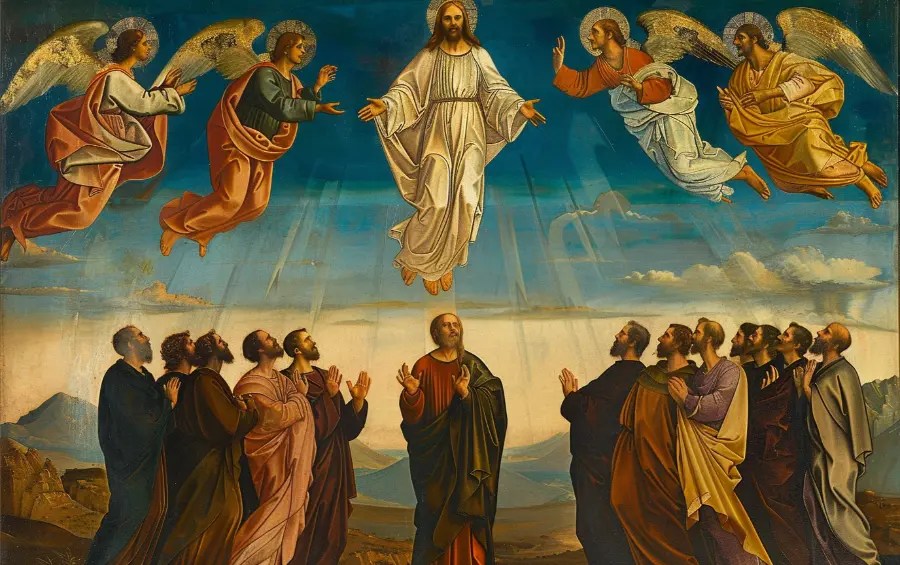
What does the name Allison mean?
“Of noble kind,” by way of Alice. In medieval France and England, Aalis took the common diminutive ending, giving Alison and later Allison. It was ordinary in England for centuries, went quiet, and came back strongly in the twentieth.
The two spellings, Alison and Allison, are the same name. Neither is more correct than the other.

Is Allison in the Bible?
No — not in Hebrew, Greek or Latin Scripture, and not under Alice or Adelais either. These are Germanic and Old French forms, and they postdate the New Testament by many hundreds of years. There is no Hebrew root beneath the name, whatever we may be told.
But nobility runs through the whole of Scripture, and it does not work the way the medieval world assumed.
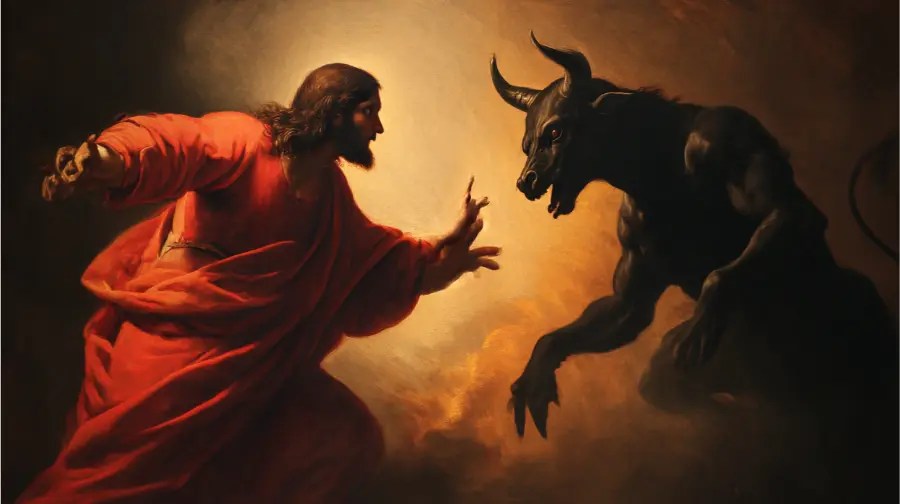
Nobility that is conferred, not inherited
In the world that gave us this name, to be of noble kind meant to be born into a family that already was. It was a fact about ancestry. Nothing could be done to acquire it, and nothing could be done to lose it.
Peter takes that vocabulary and hands it to a scattered group of ordinary believers, most of them of no standing whatever: you are a chosen people, a royal priesthood, a holy nation, God’s special possession.
Royal. Priestly. Holy. Said not to an aristocracy but to households in the provinces, some of them slaves, who had no rank anyone would have recognised. And Peter does not say they must become these things. He says they are.
That is the reversal. Nobility in Scripture is not a fact about our ancestry. It is a fact about whose we are — and it is conferred by someone who had every right to withhold it.
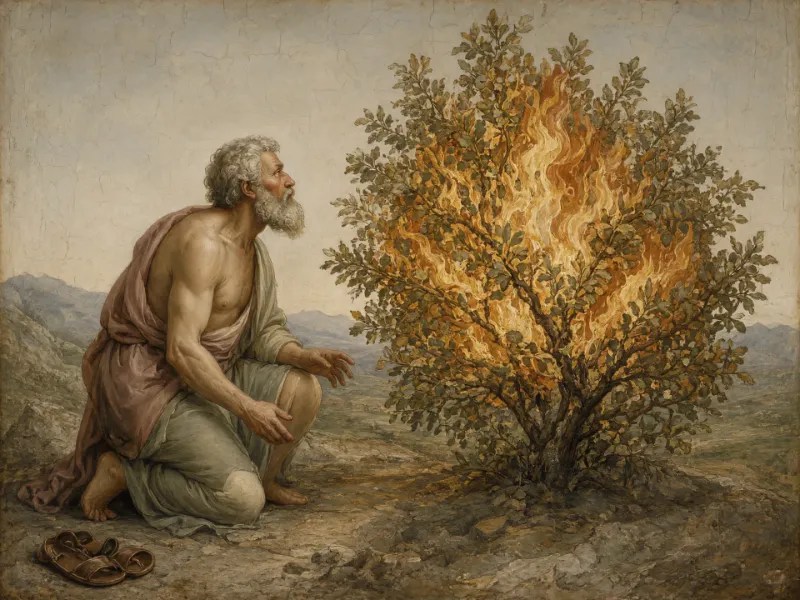
What the noble kind actually do
Luke uses the word of the Bereans, who received Paul’s message eagerly and then went home and checked it against the Scriptures every day to see whether it was true. He calls them of more noble character than the Thessalonians.
It is worth noticing what earned the compliment. Not birth. Not deference. They were praised for listening openly and then verifying carefully — for being neither cynical nor credulous. That is a rarer combination than it sounds, and it is available to anyone.
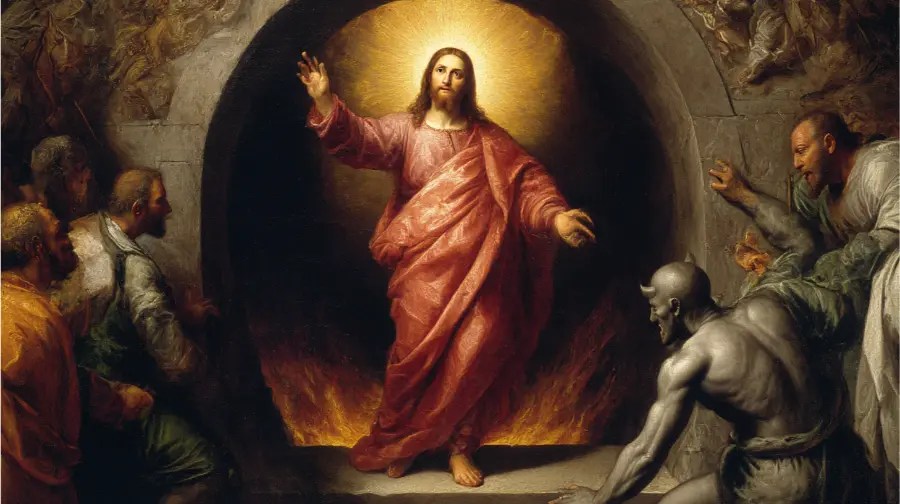
A caution, gently
A name that means noble can sit heavily on a person. Some of us have spent years trying to be worthy of an idea someone had about us before we could speak.
Let us set that down. The nobility Scripture describes is not a standard to be met. It is a status given before anything was achieved, to people who then spent the rest of their lives growing into it slowly and imperfectly, as we all do.
If today has not been noble, the name is not a reproach. It is a reminder of who did the conferring.
For everyone who carries the name
Allison: of the noble kind.
May we receive that as a gift rather than a demand. May we be the Berean sort of noble — open-hearted enough to listen, careful enough to check.
And may we treat the people around us as though the same thing had been said over them. It has been.
Related reading
- Amanda Is Not in the Bible: A Name That Means “Worthy of Love”
- Daisy Is Not in the Bible: The “Day’s Eye” and Morning in Scripture
- Jocelyn Is Not in the Bible: A Medieval Name and the Joy of Scripture
- Is Your Name in the Bible? A Directory of 231 Names
A blessing card for Allison
Allison
means of noble kind
Old French, a diminutive of Alice
Not in the Bible
Now the Bereans were more noble-minded than the Thessalonians, for they received the message with great eagerness and examined the Scriptures every day to see if these teachings were true.
Acts 17:11 Berean Standard Bible
Allison, may the LORD bless you and keep you. Numbers 6:24
The card is on its way
Look for an email from Christian Pure in the next few minutes.


Leave a Reply