
 English
 Chinese
 Dutch
 Arabic
 Spanish
 Portuguese
 Russian
 French
 Italian
 German
 Japanese
Scripture records no dream of triplets, and gives no meaning to one. There is no verse, and no honest reading to offer.
There are no triplets in the Bible either — but there are twins, three sets of them, and every one arrives in a story about which child was supposed to matter.
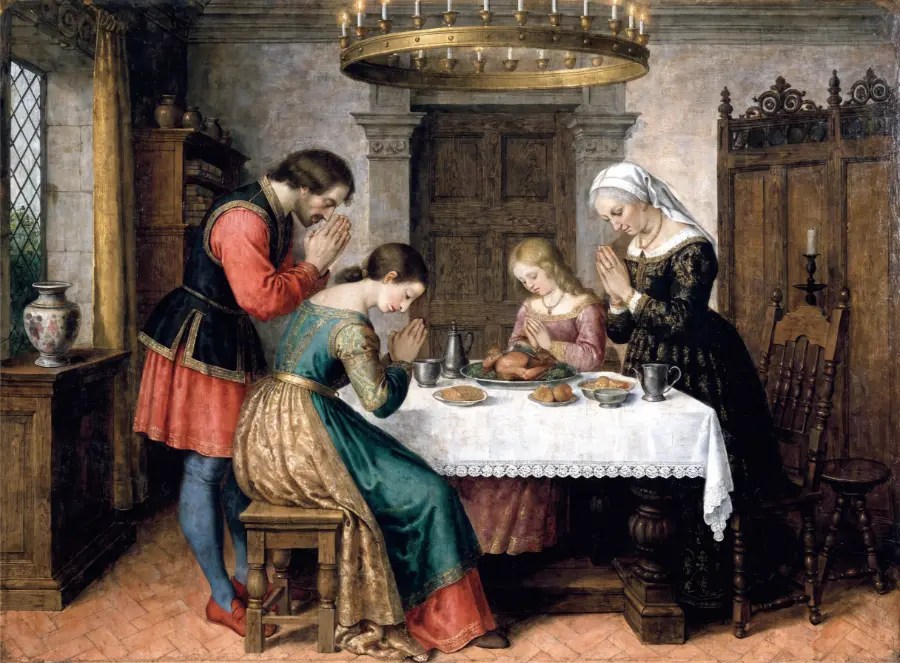
Does the Bible interpret dreams about triplets?
It does not. Scripture records many dreams and interprets a handful, and each meaning is given by God through a named servant, for one person, about one matter. No verse assigns a sense to children seen in sleep, or to their number.
We should be wary of anyone who tells us a dream promises a pregnancy. That is a cruel thing to say to someone who is hoping, and Scripture does not say it.
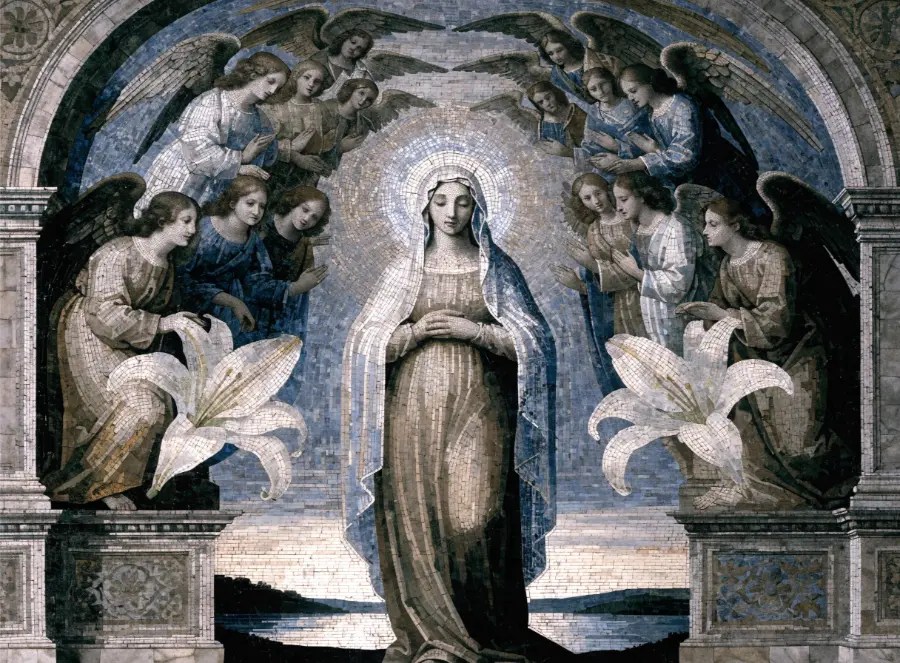
Are there multiple births in the Bible?
Twins, three times, and no triplets.
Jacob and Esau struggle in the womb and keep struggling for forty years, over a birthright that turned on minutes. Perez and Zerah are born to Tamar in a scene so strange the midwife ties a scarlet thread to a hand, and the wrong brother comes out first — and it is that brother, Perez, who ends up in the genealogy of Christ. And Thomas is called Didymus, the Twin, though Scripture never tells us who the other one was.
A pattern runs through all of it. Every time Scripture gives us more than one child at once, it is interested in the assumption that the order settles something. And every time, the assumption is wrong.
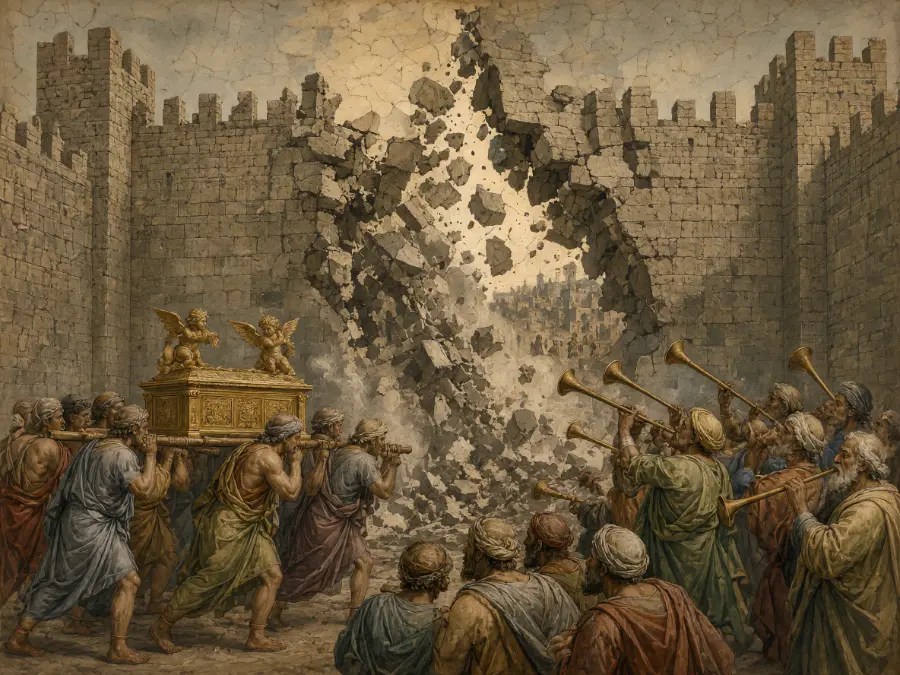
God’s habit with birth order
Let us name the pattern, because it is one of the most consistent in the Bible.
The elder serves the younger. It is said to Rebekah before her sons are born, and then it happens again and again: Isaac not Ishmael, Jacob not Esau, Ephraim not Manasseh with Israel’s hands crossed over the boys’ heads on purpose, and David, who was so obviously not the one that his father did not think to call him in from the sheep.
Scripture is not sentimental about families. It knows exactly how they rank their children — by age, by promise, by which one is easier to love — and it keeps overturning the ranking.

For anyone holding this dream tenderly
Let us be careful here, because this page will be read by people in very different places.
Some arrive carrying a longing for children that has not been answered, and Scripture is full of that ache — Sarah, Rachel, Hannah praying so hard the priest assumed she was drunk. It does not tidy their grief away, and neither should we, and a dream is not a promise.
Some arrive exhausted, with more children than hands. That is in Scripture too, mostly unremarked, in the ordinary women who fed households the Bible never names.
And some simply had an odd dream and were curious. That is allowed. Not everything means something.
What to do with the morning
Let us not read the dream. But if it touched a longing, let us take the longing itself to God, in the plainest words we have.
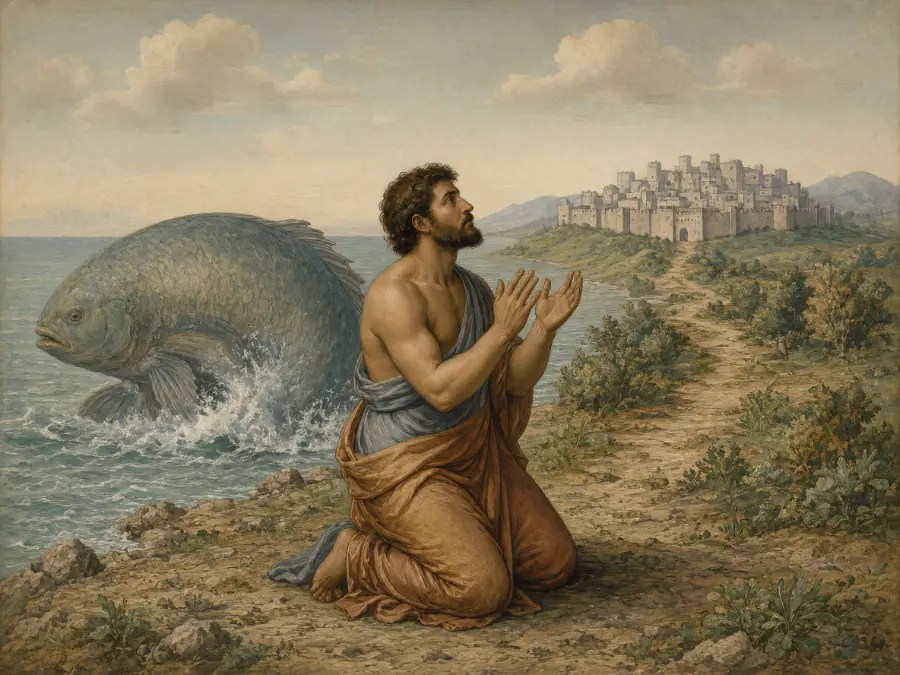
Hannah’s prayer was not eloquent. It was not even audible — her lips moved and nothing came out, and she was misjudged for it by the one man who should have known better. God heard it anyway. That is the encouragement to take from her, whether or not her particular outcome is ours.
A blessing for the morning
May we be spared the idea that our place in any line decides our worth.
May the longings we cannot say out loud be heard as clearly as Hannah’s were.
And may we hold our hopes without letting a dream set their terms.
Related reading
- Dreaming About Frogs: No Fixed Biblical Meaning
- No One in the Bible Dreams About Eggs — but Jesus Talks About One
- Prayers for Gratitude


Leave a Reply