
 English
 Chinese
 Dutch
 Arabic
 Spanish
 Portuguese
 Russian
 French
 Italian
 German
 Japanese
The Bible says Jesus died for sins, was buried and was raised on the third day. Paul passes on that summary as “of first importance” in 1 Corinthians 15:3-4, and each of the four Gospels closes with the arrest, crucifixion and resurrection of Jesus.
The Gospel verses on the Passion run from Gethsemane (Matthew 26:38) and the words spoken from the cross (Luke 23:34, Matthew 27:46, John 19:30) to the empty tomb (Matthew 28:5-6) and the appearances of the risen Jesus (Luke 24:39, John 20:29). Other passages explain what the two events accomplish. Isaiah 53:5 speaks of one “pierced for our transgressions”, Romans 4:25 pairs a death “for our sins” with a raising “for our justification”, Hebrews 2:14-15 says the death broke the power of the one “who holds the power of death”, and 1 Corinthians 15:20 calls the risen Christ “the firstfruits of those who have fallen asleep.”
Foretold and explained before the cross
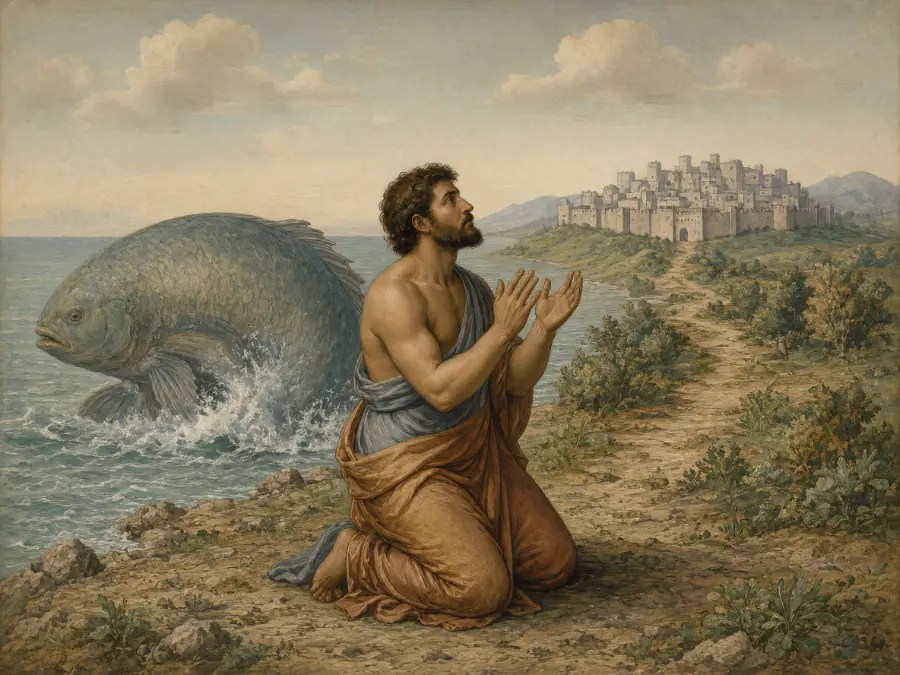
Isaiah 53:5
“But he was pierced for our transgressions, he was crushed for our iniquities; the punishment that brought us peace was on him, and by his wounds we are healed.”
Reflection: Isaiah 53 describes a sufferer whom onlookers “considered punished by God” (verse 4), and verse 5 says the wounds were for “our transgressions” and “our iniquities”. Verse 6 adds that “the Lord has laid on him the iniquity of us all.” The New Testament applies the passage to Jesus: 1 Peter 2:24 says he “bore our sins” in his body on the cross and quotes “by his wounds you have been healed.”
Mark 10:45
“For even the Son of Man did not come to be served, but to serve, and to give his life as a ransom for many.”
Reflection: James and John have just asked for the seats at Jesus’ right and left in his glory, and the other ten are indignant (Mark 10:37-41). Jesus contrasts Gentile rulers, who “lord it over” their subjects, with the Son of Man, who came to serve and to give his life. A few verses earlier, on the road up to Jerusalem, he had told the Twelve he would be condemned and killed, and “three days later he will rise” (Mark 10:34).
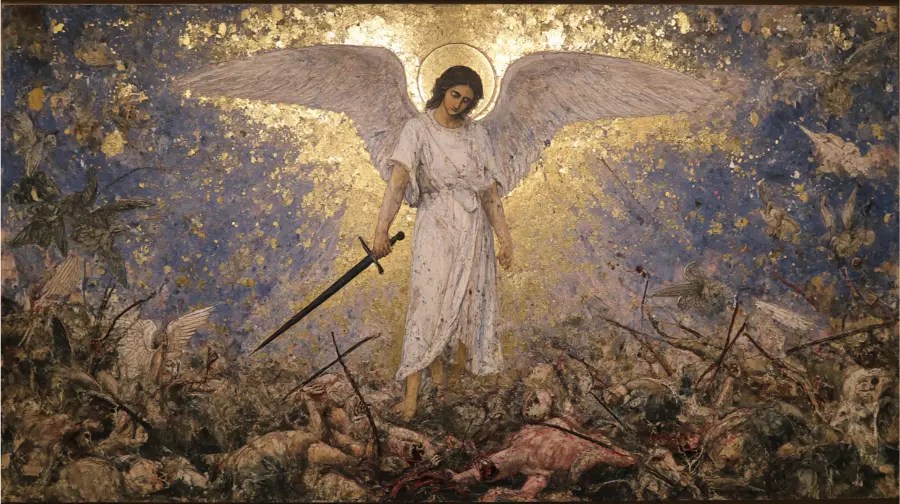
John 3:16
“For God so loved the world that he gave his one and only Son, that whoever believes in him shall not perish but have eternal life.”
Reflection: The verse follows Jesus’ words to Nicodemus that “just as Moses lifted up the snake in the wilderness, so the Son of Man must be lifted up” (John 3:14). The NIV closes Jesus’ quoted speech at verse 15, so it prints verse 16 as the Gospel writer’s comment. John uses “lifted up” again in John 12:32-33 and explains it there: “He said this to show the kind of death he was going to die.”
Gethsemane and the arrest
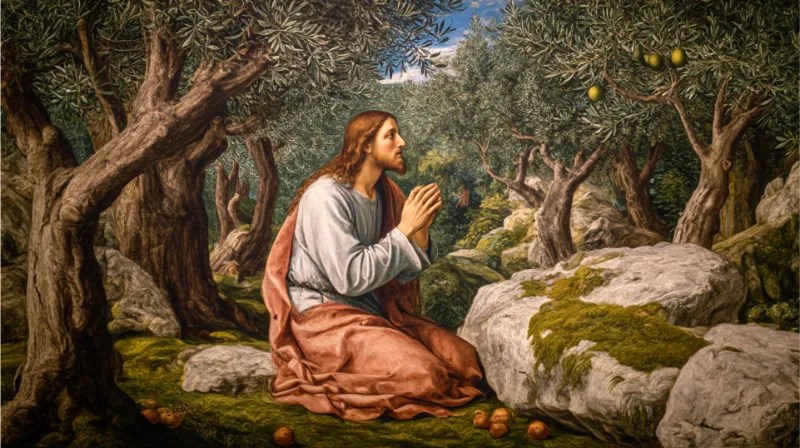
Matthew 26:38
“Then he said to them, ‘My soul is overwhelmed with sorrow to the point of death. Stay here and keep watch with me.’”
Reflection: In Gethsemane Jesus takes Peter and the two sons of Zebedee further with him and tells them his sorrow has brought him “to the point of death.” He then falls with his face to the ground and prays, “My Father, if it is possible, may this cup be taken from me. Yet not as I will, but as you will” (verse 39). Luke’s account of the same night adds that “his sweat was like drops of blood falling to the ground” (Luke 22:44).

John 18:11
“Jesus commanded Peter, ‘Put your sword away! Shall I not drink the cup the Father has given me?’”
Reflection: When the arresting party reaches the garden, Simon Peter draws a sword and cuts off the right ear of Malchus, the high priest’s servant. Jesus stops him with a question that uses the image of his prayer in Matthew 26:39, the cup. In John’s account he goes to arrest and death as a cup “the Father has given” him.
Words from the cross
Luke 23:34
“Jesus said, ‘Father, forgive them, for they do not know what they are doing.’ And they divided up his clothes by casting lots.”
Reflection: Jesus says this at the place called the Skull, where he is crucified between two criminals. The second half of the verse records the soldiers dividing his clothes by lot, and the next verse gives the rulers’ sneer: “He saved others; let him save himself if he is God’s Messiah” (Luke 23:35).
Luke 23:43
“Jesus answered him, ‘Truly I tell you, today you will be with me in paradise.’”
Reflection: One of the criminals crucified with Jesus hurls insults at him. The other rebukes him, says “this man has done nothing wrong,” and asks, “Jesus, remember me when you come into your kingdom” (verses 41-42). He asked to be remembered when the kingdom comes; Jesus’ answer names “today”.
Matthew 27:46
“About three in the afternoon Jesus cried out in a loud voice, ‘Eli, Eli, lema sabachthani?’ (which means ‘My God, my God, why have you forsaken me?’).”
Reflection: The cry comes after darkness has covered the land from noon until three in the afternoon (verse 45). “My God, my God, why have you forsaken me?” is the opening line of Psalm 22, and Matthew gives the words as Jesus spoke them before translating them. Some of the bystanders hear “Eli” as a call to Elijah (verse 47).
John 19:30
“When he had received the drink, Jesus said, ‘It is finished.’ With that, he bowed his head and gave up his spirit.”
Reflection: Verse 28 says Jesus knew “that everything had now been finished” when he said “I am thirsty,” so that Scripture would be fulfilled. After the wine vinegar is lifted to his lips he says “It is finished” and gives up his spirit. Luke records a different last saying: “Father, into your hands I commit my spirit” (Luke 23:46).
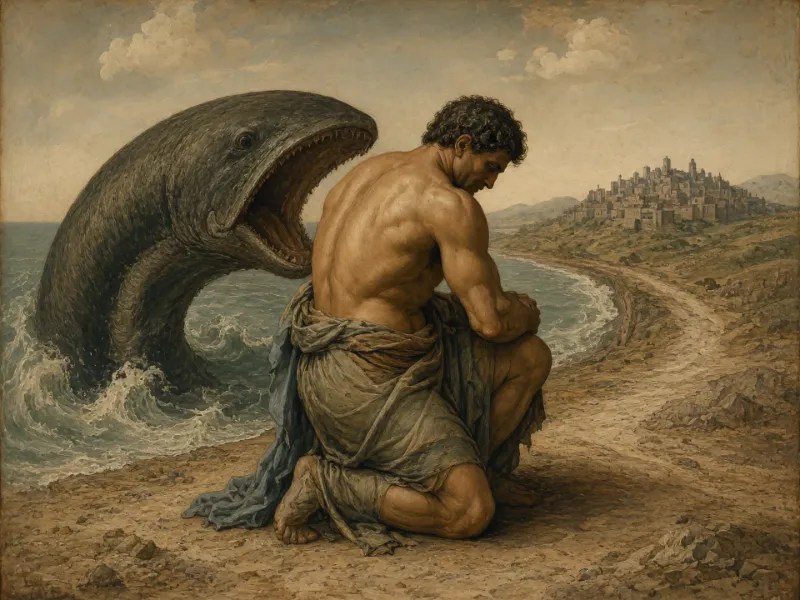
Mark 15:39
“And when the centurion, who stood there in front of Jesus, saw how he died, he said, ‘Surely this man was the Son of God!’”
Reflection: Mark sets the centurion’s words directly after Jesus breathes his last and the temple curtain is “torn in two from top to bottom” (verses 37-38). The centurion is the soldier standing “in front of Jesus” at the execution, and he speaks after seeing how Jesus died.
The empty tomb and the risen Jesus
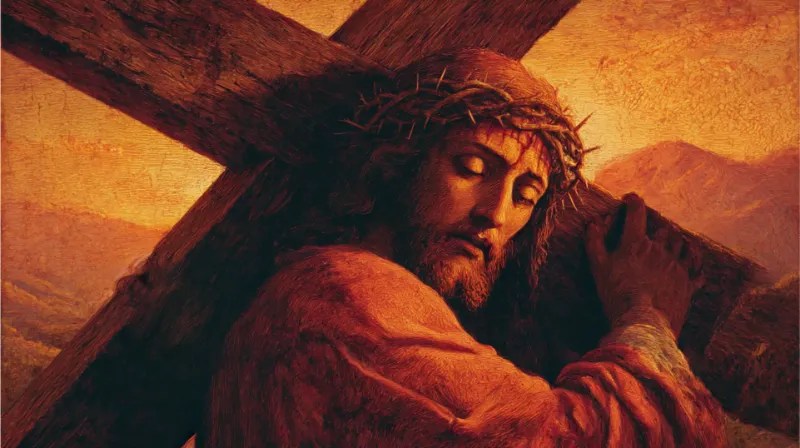
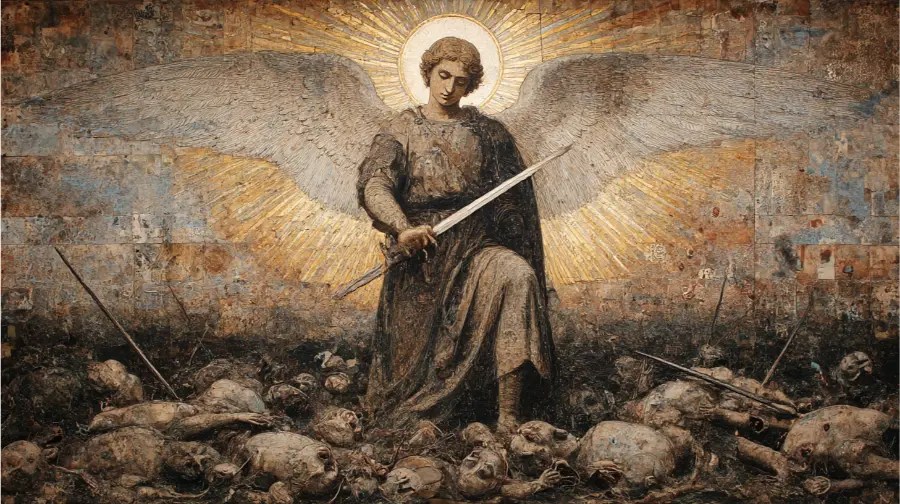
Matthew 28:5-6
“The angel said to the women, ‘Do not be afraid, for I know that you are looking for Jesus, who was crucified. He is not here; he has risen, just as he said.’”
Reflection: Mary Magdalene and “the other Mary” come at dawn after the Sabbath to look at the tomb, and find an earthquake, an angel sitting on the rolled-back stone, and guards who have become “like dead men” (verses 1-4). “Just as he said” points back to predictions such as Matthew 16:21, where Jesus told his disciples he “must be killed and on the third day be raised to life.” The angel then sends the women to tell the disciples.
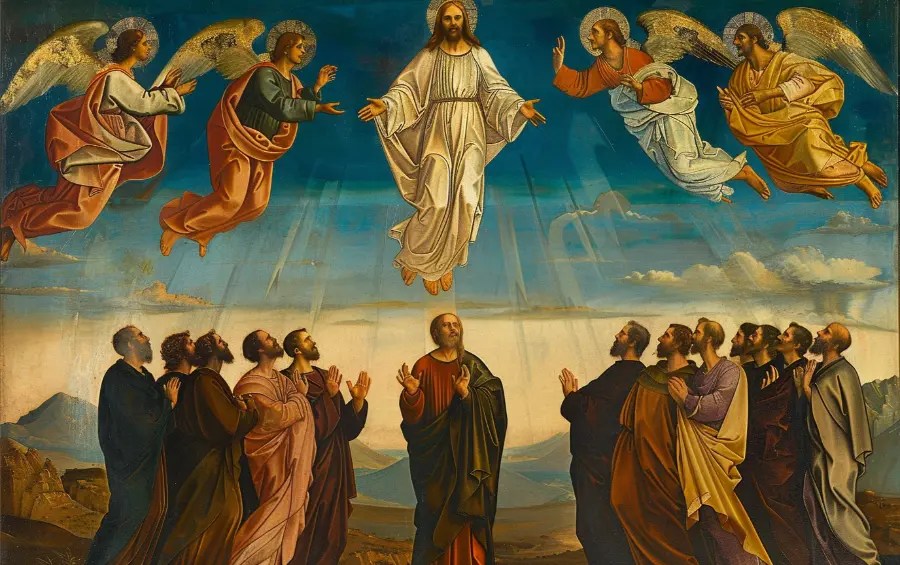
John 20:16
“Jesus said to her, ‘Mary.’ She turned toward him and cried out in Aramaic, ‘Rabboni!’ (which means ‘Teacher’).”
Reflection: Mary Magdalene is crying outside the tomb and takes Jesus for the gardener until he says her name. After she answers “Rabboni,” he sends her to his brothers with the message “I am ascending to my Father and your Father” (verse 17). She goes and tells the disciples, “I have seen the Lord!” (verse 18).
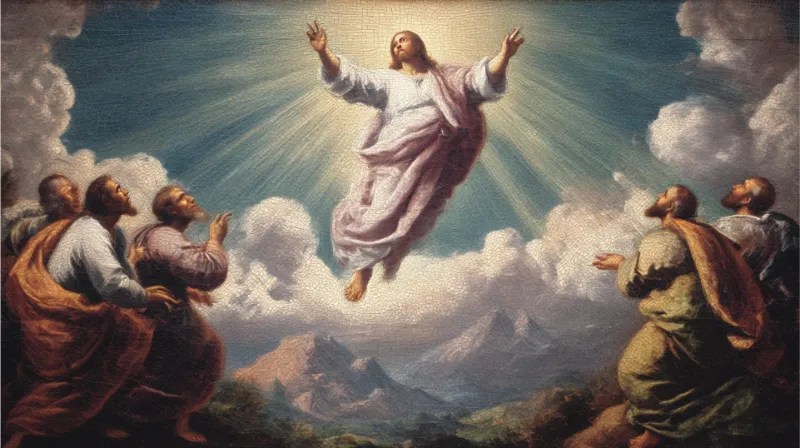
Luke 24:39
“Look at my hands and my feet. It is I myself! Touch me and see; a ghost does not have flesh and bones, as you see I have.”
Reflection: The disciples are “startled and frightened, thinking they saw a ghost” when Jesus stands among them. He shows them his hands and feet, invites them to touch him, and then eats a piece of broiled fish in front of them (verses 42-43). His own words state the point: “a ghost does not have flesh and bones, as you see I have.”
John 20:29
“Then Jesus told him, ‘Because you have seen me, you have believed; blessed are those who have not seen and yet have believed.’”
Reflection: Thomas missed Jesus’ first appearance to the disciples and said he would not believe unless he touched the nail marks and the wound in his side. A week later Jesus offers him that, and Thomas answers, “My Lord and my God!” (verse 28). The blessing is for those who believe without seeing, and two verses later John says his book was written “that you may believe that Jesus is the Messiah, the Son of God” (John 20:31).
What his death and resurrection accomplish
1 Corinthians 15:3-4
“For what I received I passed on to you as of first importance: that Christ died for our sins according to the Scriptures, that he was buried, that he was raised on the third day according to the Scriptures.”
Reflection: Paul reminds the Corinthians of the gospel he “received” and “passed on” to them: Christ died for sins, was buried and was raised, and both the death and the raising are “according to the Scriptures.” Verses 5-8 list the witnesses: Cephas, the Twelve, more than five hundred at the same time, James, all the apostles, and last of all Paul.
Romans 4:25
“He was delivered over to death for our sins and was raised to life for our justification.”
Reflection: Paul closes his chapter on Abraham with this verse, which joins the two events. The words “it was credited to him” were written, he says in verses 23-24, “also for us,” for “us who believe in him who raised Jesus our Lord from the dead.” The death answers “our sins”, and the raising is “for our justification.”
Romans 5:8
“But God demonstrates his own love for us in this: While we were still sinners, Christ died for us.”
Reflection: Verses 6-7 set up the comparison: someone might possibly dare to die for a good person, but Christ died “for the ungodly.” Verse 10 then links the death to the life that followed: those reconciled “through the death of his Son” will be “saved through his life.”
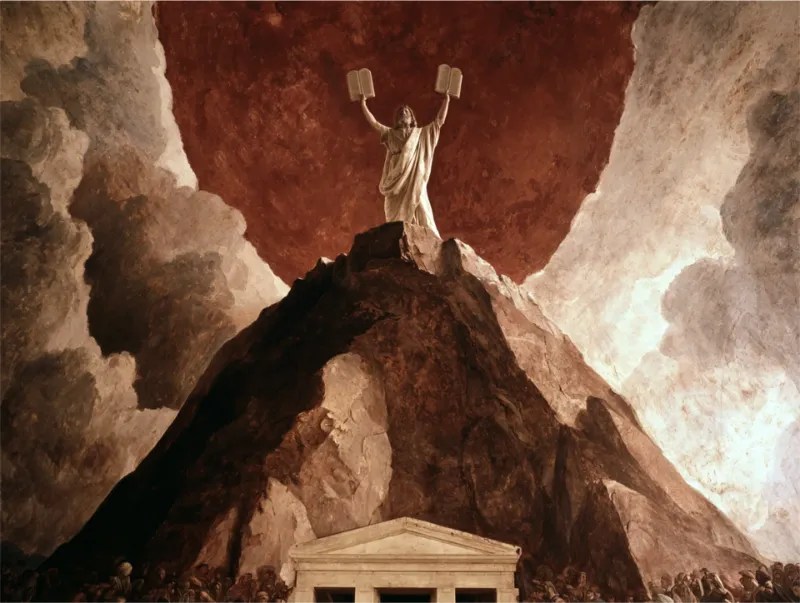
Romans 6:4
“We were therefore buried with him through baptism into death in order that, just as Christ was raised from the dead through the glory of the Father, we too may live a new life.”
Reflection: Paul is answering the question “Shall we go on sinning so that grace may increase?” (Romans 6:1). Those baptized into Christ were baptized “into his death,” and Christ’s burial and raising become the pattern for “a new life.” Verse 9 adds that Christ, once raised, “cannot die again; death no longer has mastery over him.”
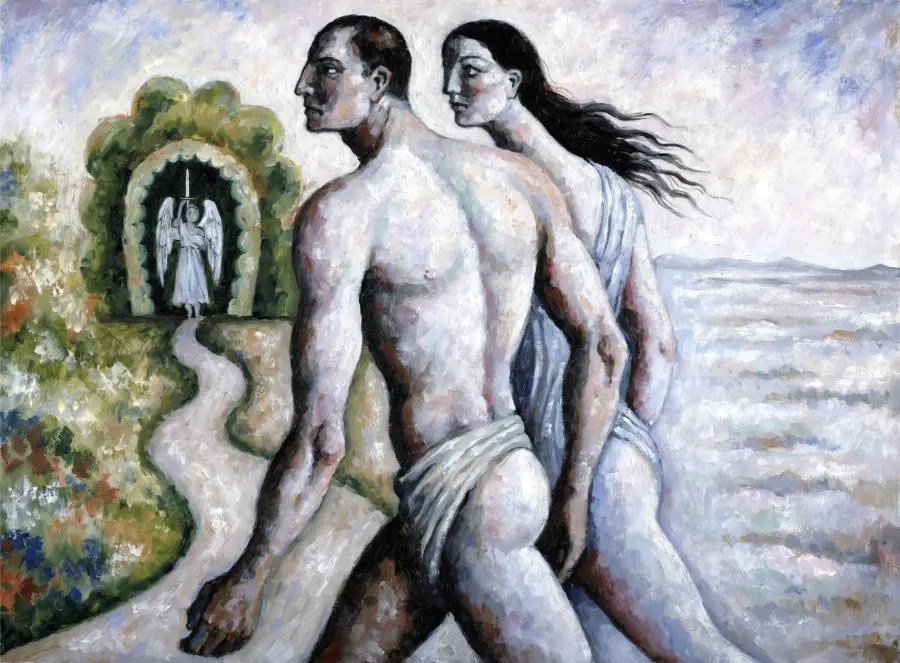
1 Peter 1:3
“Praise be to the God and Father of our Lord Jesus Christ! In his great mercy he has given us new birth into a living hope through the resurrection of Jesus Christ from the dead.”
Reflection: After the greeting, Peter begins with praise to God for “new birth into a living hope,” and he ties that hope to the resurrection of Jesus. Verse 4 names what the hope looks to: “an inheritance that can never perish, spoil or fade,” kept in heaven.
Death defeated
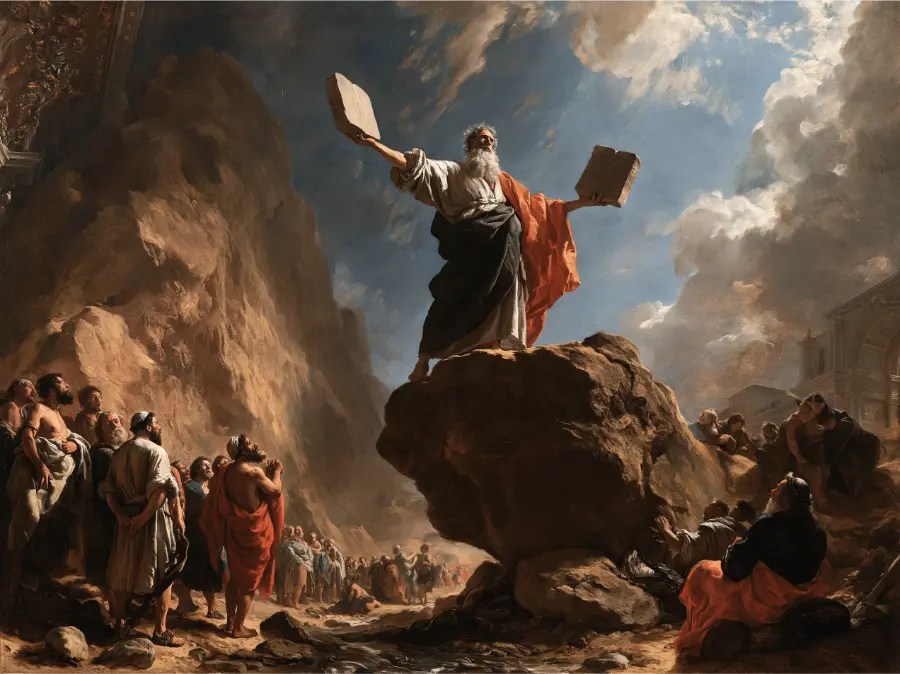
Hebrews 2:14-15
“Since the children have flesh and blood, he too shared in their humanity so that by his death he might break the power of him who holds the power of death—that is, the devil—and free those who all their lives were held in slavery by their fear of death.”
Reflection: Hebrews gives the reason the Son shared human “flesh and blood”: so that by his death he could break the devil’s power over death. The people set free are described by their fear, those “held in slavery by their fear of death” all their lives.
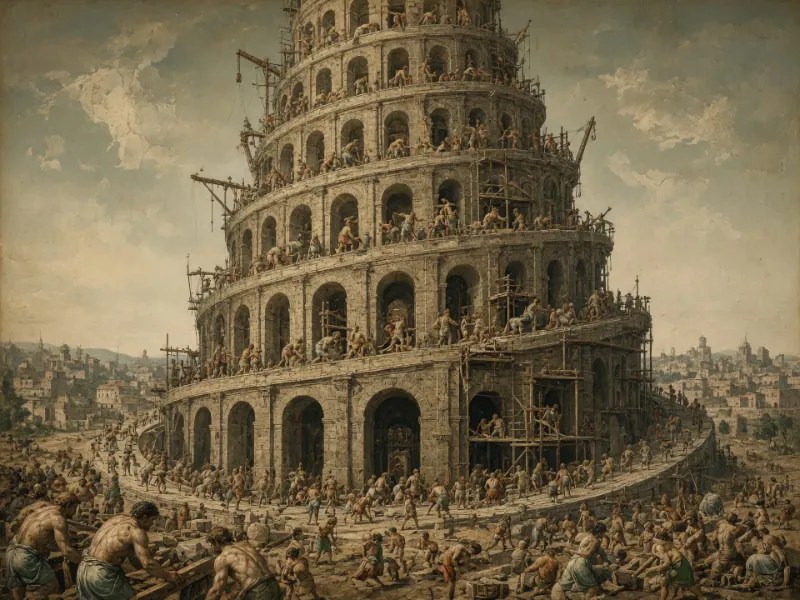
1 Corinthians 15:20
“But Christ has indeed been raised from the dead, the firstfruits of those who have fallen asleep.”
Reflection: Some in Corinth said there is no resurrection of the dead, and in verses 12-19 Paul sets out what follows if Christ has not been raised: preaching is useless, faith is futile, and “you are still in your sins.” Verse 20 turns the argument, and verse 23 gives the order: “Christ, the firstfruits; then, when he comes, those who belong to him.” Verse 26 names the end of the sequence: “The last enemy to be destroyed is death.”
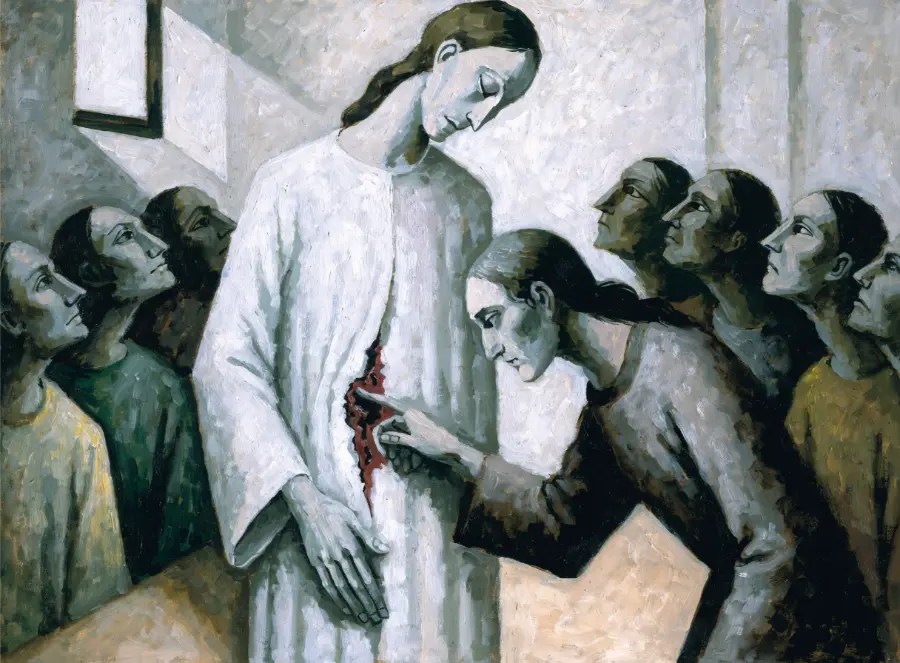
Revelation 1:17b-18
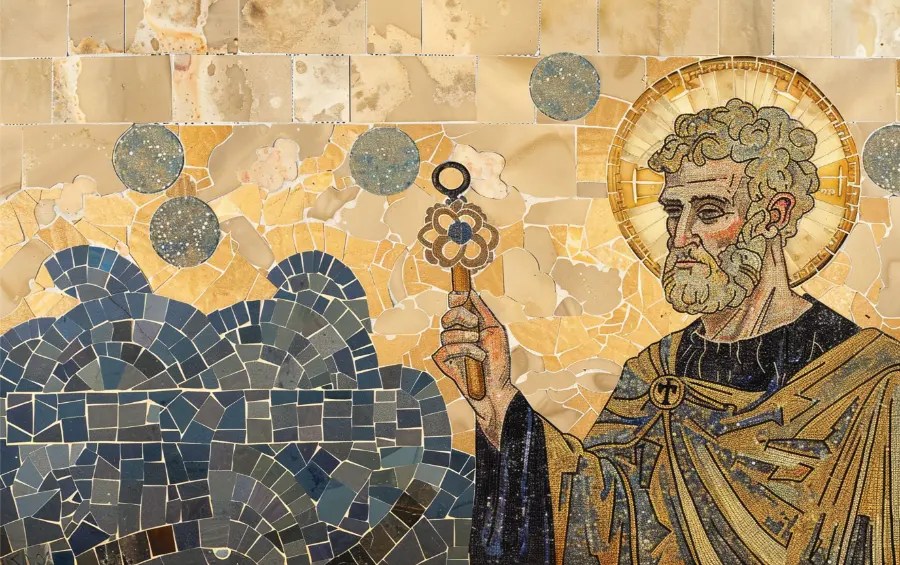
“Then he placed his right hand on me and said: ‘Do not be afraid. I am the First and the Last. I am the Living One; I was dead, and now look, I am alive for ever and ever! And I hold the keys of death and Hades.’”
Reflection: On the island of Patmos (verse 9), John sees “someone like a son of man” and falls at his feet “as though dead.” The figure lays his right hand on him, tells him not to be afraid, and speaks of his own death and life before claiming “the keys of death and Hades.”
The resurrection and the death of believers
Paul wrote 1 Thessalonians 4:13-14 for Christians grieving those who had died: “For we believe that Jesus died and rose again, and so we believe that God will bring with Jesus those who have fallen asleep in him.” 1 Corinthians 15:20 makes the same connection by calling the risen Christ “the firstfruits of those who have fallen asleep,” with “those who belong to him” to follow when he comes (verse 23).
Luke 23:43 promises paradise “today” to a man dying beside Jesus, Hebrews 2:15 speaks of freedom from the “fear of death,” and 1 Peter 1:3-4 ties a living hope to the resurrection and to an inheritance “that can never perish.”


Leave a Reply