
 English
 Chinese
 Dutch
 Arabic
 Spanish
 Portuguese
 Russian
 French
 Italian
 German
 Japanese
The Bible describes leaving home at God’s call, to marry, to follow Jesus, and in exile. Abraham leaves at God’s word in Genesis 12:1 and Hebrews 11:8-10, and Ruth leaves her people for Naomi’s in Ruth 1:16-17.
Genesis 2:24 describes leaving father and mother to marry, and Matthew 4:19-20, Luke 9:57-58 and Matthew 19:29 record what the disciples left behind.
Several of the promises below were spoken to people on the point of departure: to Jacob on the road to Harran (Genesis 28:15), to Joshua before crossing the Jordan (Joshua 1:9), and to the exiles in Babylon (Jeremiah 29:11).
Called to leave

Genesis 12:1
“The Lord had said to Abram, ‘Go from your country, your people and your father’s household to the land I will show you.’”
Reflection: God tells Abram to leave three things, his country, his people and his father’s household, and names no destination beyond “the land I will show you.” The next two verses attach the promise of a great nation through whom “all peoples on earth will be blessed.” Genesis 12:4 records that Abram went, at seventy-five, and that Lot went with him.

Hebrews 11:8-10
“By faith Abraham, when called to go to a place he would later receive as his inheritance, obeyed and went, even though he did not know where he was going. By faith he made his home in the promised land like a stranger in a foreign country; he lived in tents, as did Isaac and Jacob, who were heirs with him of the same promise. For he was looking forward to the city with foundations, whose architect and builder is God.”
Reflection: The letter to the Hebrews retells Genesis 12 and stresses what Abraham did not know: he “obeyed and went, even though he did not know where he was going.” Even after arriving he lived in tents, “like a stranger in a foreign country,” as did Isaac and Jacob. The reason given is that he was looking forward to “the city with foundations, whose architect and builder is God.”

Genesis 28:15
“I am with you and will watch over you wherever you go, and I will bring you back to this land. I will not leave you until I have done what I have promised you.”
Reflection: Jacob left home under threat: Esau had vowed to kill him, and Rebekah sent him away to her brother in Harran (Genesis 27:41-45). One night on the road, God speaks to him in a dream and promises to watch over him “wherever you go” and to bring him back. Jacob wakes saying, “Surely the Lord is in this place, and I was not aware of it” (Genesis 28:16).
Leaving one household to join another

Genesis 2:24
“That is why a man leaves his father and mother and is united to his wife, and they become one flesh.”
Reflection: The verse follows the man’s words over the woman, “bone of my bones and flesh of my flesh” (Genesis 2:23), and the narrator draws the conclusion with “That is why.” Leaving father and mother comes first in the sentence, then being united to a wife and becoming one flesh.

Ruth 1:16-17
“But Ruth replied, ‘Don’t urge me to leave you or to turn back from you. Where you go I will go, and where you stay I will stay. Your people will be my people and your God my God. Where you die I will die, and there I will be buried. May the Lord deal with me, be it ever so severely, if even death separates you and me.’”
Reflection: Naomi, widowed and returning home, has urged both her daughters-in-law to go back; Orpah goes “back to her people and her gods” (Ruth 1:15). Ruth’s reply leaves all of that behind: “Your people will be my people and your God my God.” She binds the promise with an oath that reaches past death, and Naomi stops urging her (Ruth 1:18).
Leaving home to follow Jesus

Matthew 4:19-20
“‘Come, follow me,’ Jesus said, ‘and I will send you out to fish for people.’ At once they left their nets and followed him.”
Reflection: Simon and Andrew were fishermen casting a net in the Sea of Galilee when Jesus called them, and they left their nets “at once.” The two verses after this describe James and John doing the same, and they left more: “the boat and their father” Zebedee (Matthew 4:22).

Luke 9:57-58
“As they were walking along the road, a man said to him, ‘I will follow you wherever you go.’ Jesus replied, ‘Foxes have dens and birds have nests, but the Son of Man has no place to lay his head.’”
Reflection: A man on the road offers to follow Jesus anywhere, and Jesus answers by telling him what following Jesus would cost: the Son of Man has no home to offer. Two more men follow in Luke 9:59-62, one asking first to bury his father and one to say goodbye to his family. Jesus’ answer to the second is, “No one who puts a hand to the plow and looks back is fit for service in the kingdom of God.”
Luke 14:26
“If anyone comes to me and does not hate father and mother, wife and children, brothers and sisters—yes, even their own life—such a person cannot be my disciple.”
Reflection: Jesus says this to the large crowds travelling with him, and the next verse adds the demand to carry one’s cross. Matthew 10:37 records a parallel saying in different terms: “Anyone who loves their father or mother more than me is not worthy of me.” The list in Luke goes further than family and ends with “even their own life.”
Matthew 19:29
“And everyone who has left houses or brothers or sisters or father or mother or wife or children or fields for my sake will receive a hundred times as much and will inherit eternal life.”
Reflection: Peter has just said, “We have left everything to follow you! What then will there be for us?” (Matthew 19:27). Jesus answers first that the twelve will sit on thrones, then widens the promise to “everyone” who has left houses, family or fields for his sake. The return is “a hundred times as much” and eternal life.
God goes with the one who leaves

Deuteronomy 31:8
“The Lord himself goes before you and will be with you; he will never leave you nor forsake you. Do not be afraid; do not be discouraged.”
Reflection: Moses is a hundred and twenty and has been told he will not cross the Jordan (Deuteronomy 31:2). He calls Joshua in front of all Israel and tells him that the Lord goes before him. The people will cross over, and Moses will stay behind. The same words, “he will never leave you nor forsake you,” are said to the whole people two verses earlier.
Joshua 1:9
“Have I not commanded you? Be strong and courageous. Do not be afraid; do not be discouraged, for the Lord your God will be with you wherever you go.”
Reflection: After the death of Moses, God tells Joshua to get ready to cross the Jordan with the people into the land. The command to be strong and courageous comes three times in Joshua 1:6-9, and the last time it is tied to the promise of God’s presence: God “will be with you wherever you go.”
Psalm 121:7-8
“The Lord will keep you from all harm—he will watch over your life; the Lord will watch over your coming and going both now and forevermore.”
Reflection: Psalm 121 is headed “A song of ascents” and opens with a question: “where does my help come from?” The closing verses answer that the Lord watches over “your coming and going,” which covers both the departure and the return, “both now and forevermore.”
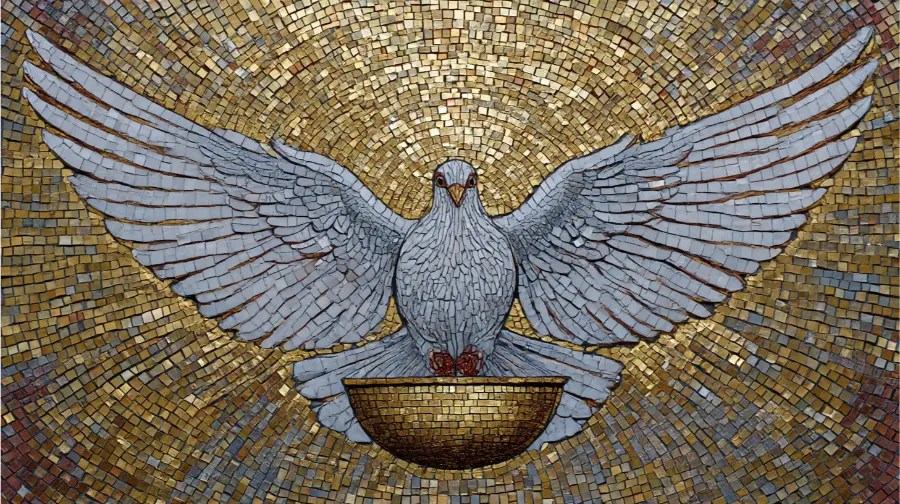
Matthew 28:20
“And surely I am with you always, to the very end of the age.”
Reflection: These are the last words of Matthew’s Gospel. Jesus has just sent his disciples to “make disciples of all nations” (Matthew 28:19), which means going far from Galilee, and the promise that he is with them always is attached to that command.
Living away and coming back
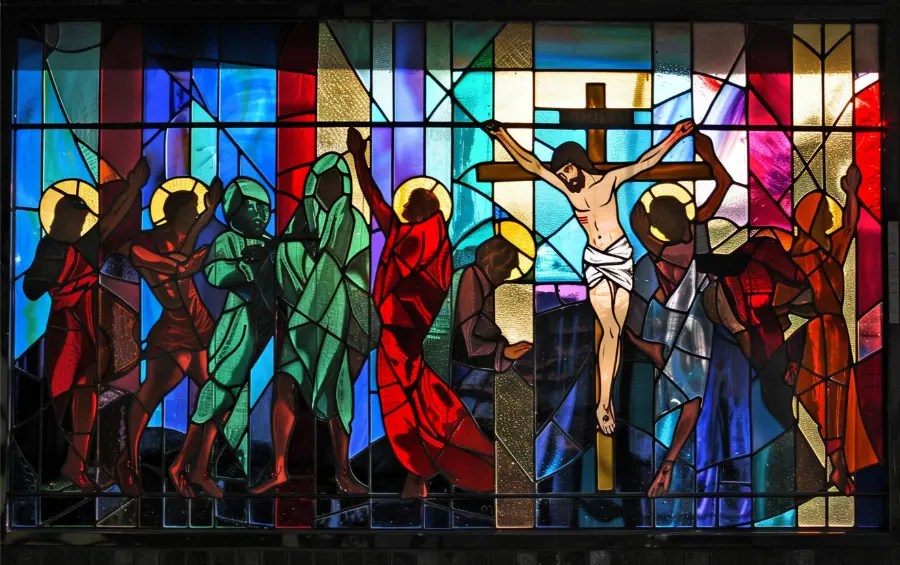
Jeremiah 29:11
“‘For I know the plans I have for you,’ declares the Lord, ‘plans to prosper you and not to harm you, plans to give you hope and a future.’”
Reflection: The verse comes from a letter Jeremiah sent to exiles already living in Babylon, the people carried there from Jerusalem. Before the promise, the letter tells them to build houses, plant gardens, marry and “seek the peace and prosperity of the city” where they live (Jeremiah 29:5-7). The verse before it sets the time: “When seventy years are completed for Babylon, I will come to you and fulfill my good promise to bring you back to this place.”
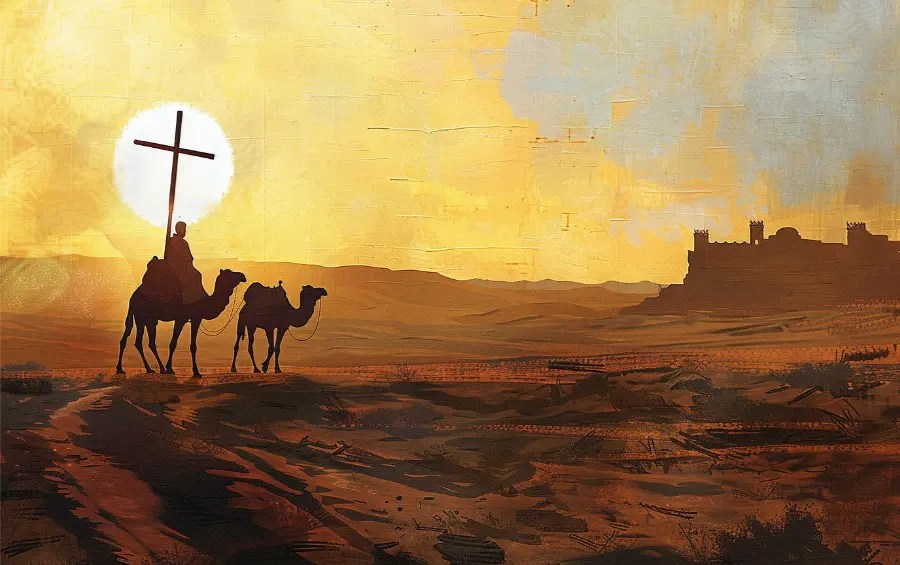
Luke 15:20
“So he got up and went to his father. But while he was still a long way off, his father saw him and was filled with compassion for him; he ran to his son, threw his arms around him and kissed him.”
Reflection: In Jesus’ parable, the younger son took his share of the estate and “set off for a distant country” (Luke 15:13), where he spent everything and ended up feeding pigs. He comes back intending to ask to be a hired servant. The father sees him “while he was still a long way off” and runs to him before the son has said a word.
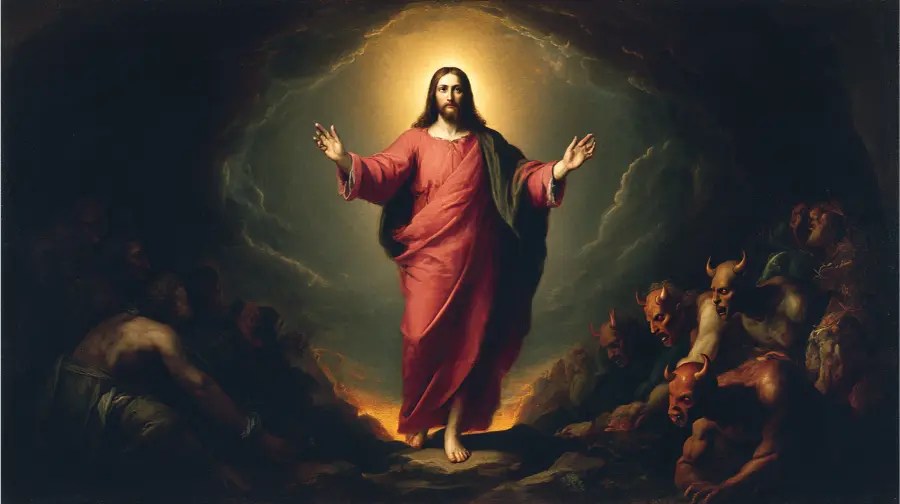
Hebrews 11:13-16
“All these people were still living by faith when they died. They did not receive the things promised; they only saw them and welcomed them from a distance, admitting that they were foreigners and strangers on earth. People who say such things show that they are looking for a country of their own. If they had been thinking of the country they had left, they would have had opportunity to return. Instead, they were longing for a better country—a heavenly one. Therefore God is not ashamed to be called their God, for he has prepared a city for them.”
Reflection: Speaking of Abraham, Sarah and their descendants, the writer says they called themselves “foreigners and strangers on earth.” The passage notes that they could have gone back to the country they had left, and says they did not because they were “longing for a better country—a heavenly one.” It ends with God preparing a city for them.
Leaving with and without a return
The departures in these verses end in different ways. Genesis 28:15 promises Jacob that God will bring him back to the land he is leaving, Jeremiah 29:10-14 promises the exiles a return after seventy years, and the son in Luke 15:20 comes home on his own. Hebrews 11:15-16 says the opposite of Abraham and his family: they could have returned to the country they had left and chose not to, looking instead for “a better country.”


Leave a Reply