
 English
 Chinese
 Dutch
 Arabic
 Spanish
 Portuguese
 Russian
 French
 Italian
 German
 Japanese
In the Bible, snakes are real animals and also a picture of deceit and danger. The serpent that deceived Eve (Genesis 3:1) is named in Revelation 12:9 as “the devil, or Satan,” and the bronze snake Moses lifted up (Numbers 21:8-9) is the comparison Jesus uses for his own lifting up (John 3:14-15).
Elsewhere a snake’s venom stands for lying speech (Psalm 140:3), a snakebite for a danger no one escapes (Amos 5:19), and Jesus tells the disciples he sends out to be “as shrewd as snakes” (Matthew 10:16). On Malta a viper fastens on Paul’s hand and he shakes it into the fire unharmed (Acts 28:3-6).
The serpent in Eden
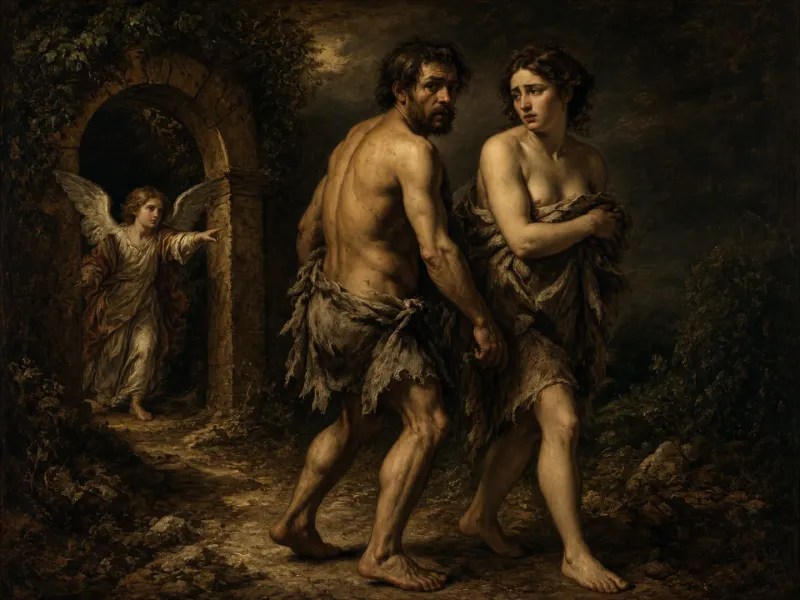
Genesis 3:1
“Now the serpent was more crafty than any of the wild animals the Lord God had made. He said to the woman, ‘Did God really say, ‘You must not eat from any tree in the garden’?’”
Reflection: The serpent is introduced as one of “the wild animals the Lord God had made.” Its first words misstate God’s command: God had told the man he was free to eat from any tree except the tree of the knowledge of good and evil (Genesis 2:16-17), and the woman’s answer in the next verse corrects the serpent. In verse 4 it contradicts God outright: “You will not certainly die.”
2 Corinthians 11:3
“But I am afraid that just as Eve was deceived by the serpent’s cunning, your minds may somehow be led astray from your sincere and pure devotion to Christ.”
Reflection: Paul uses Eve’s own word from Genesis 3:13, “The serpent deceived me,” to describe a danger in the church at Corinth. The next verse names it: someone who “preaches a Jesus other than the Jesus we preached,” and the Corinthians “put up with it easily enough.” Later in the chapter Paul adds that “Satan himself masquerades as an angel of light” (2 Corinthians 11:14).
Genesis 3:14
“So the Lord God said to the serpent, ‘Because you have done this, cursed are you above all livestock and all wild animals! You will crawl on your belly and you will eat dust all the days of your life.’”
Reflection: God questions the man and the woman before he speaks to the serpent, but he asks the serpent nothing. The curse sets it apart “above all livestock and all wild animals” and fixes how it will live: on its belly, eating dust. Isaiah 65:25 picks up the same words when it describes the new creation: “dust will be the serpent’s food.”
The serpent God will defeat
Genesis 3:15
“And I will put enmity between you and the woman, and between your offspring and hers; he will crush your head, and you will strike his heel.”
Reflection: The curse on the serpent continues with a lasting hostility between the serpent and the woman, and between their offspring. The verse ends with two blows: the woman’s offspring “will crush your head,” and the serpent “will strike his heel.” The Catechism of the Catholic Church calls this passage the Protoevangelium, the “first gospel,” reading it as the first announcement of the Messiah. Paul uses the same picture of crushing in Romans 16:20: “The God of peace will soon crush Satan under your feet.”
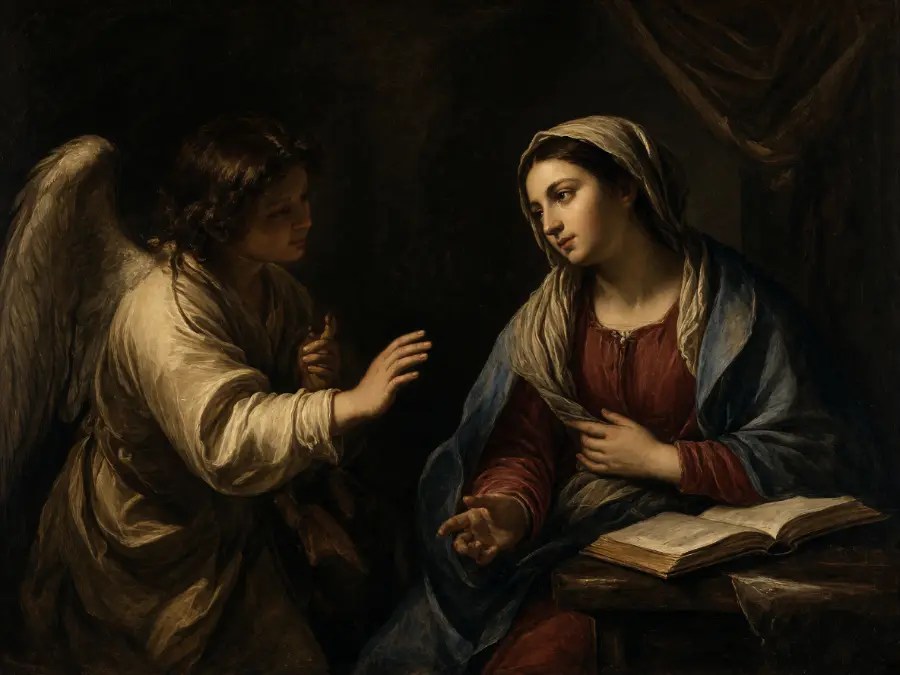
Isaiah 27:1
“In that day, the Lord will punish with his sword—his fierce, great and powerful sword—Leviathan the gliding serpent, Leviathan the coiling serpent; he will slay the monster of the sea.”
Reflection: “In that day” places this verse in the future, when the Lord will punish Leviathan with his sword. Isaiah calls Leviathan both “the gliding serpent” and “the monster of the sea.” Job 26:13 uses the same phrase of God’s past power: “his hand pierced the gliding serpent.”
Revelation 12:9
“The great dragon was hurled down—that ancient serpent called the devil, or Satan, who leads the whole world astray. He was hurled to the earth, and his angels with him.”
Reflection: Genesis 3 does not name the serpent as Satan. In John’s vision, after Michael and his angels fight the dragon and its angels in heaven (Revelation 12:7-8), the dragon is given four names at once: “the great dragon,” “that ancient serpent,” “the devil,” and “Satan.” It is described by what it does, leading “the whole world astray,” and later in the chapter it is called “the serpent” again as it pursues the woman (Revelation 12:15).
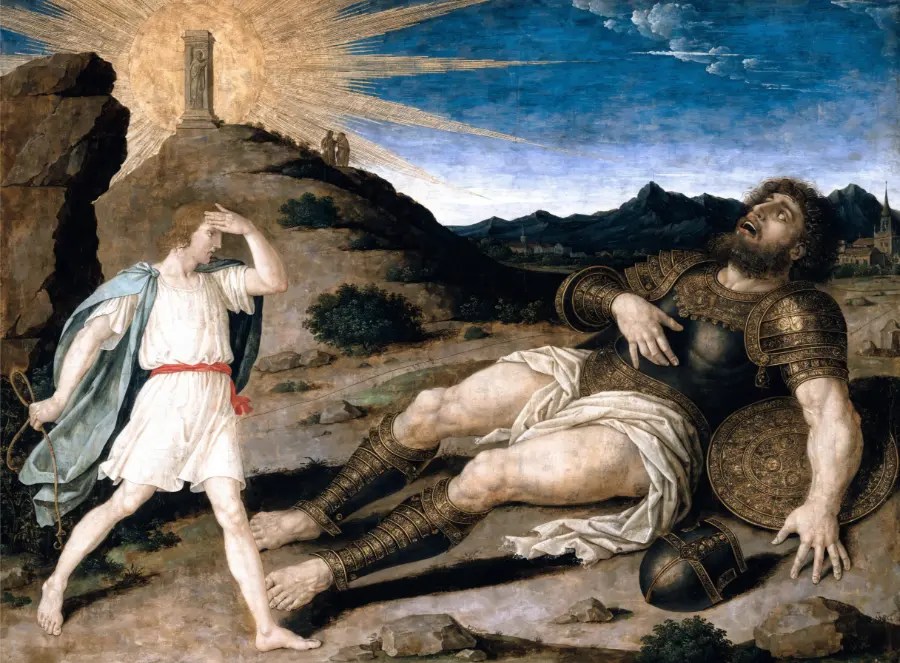
Revelation 20:2
“He seized the dragon, that ancient serpent, who is the devil, or Satan, and bound him for a thousand years.”
Reflection: An angel holding the key to the Abyss and a great chain seizes the dragon, and the verse repeats the names from Revelation 12:9. The next verse gives the purpose of the thousand years: “to keep him from deceiving the nations anymore.” He is then released “for a short time” (Revelation 20:3), and the chapter ends his story when the devil is “thrown into the lake of burning sulfur” (Revelation 20:10).
Staffs that became snakes
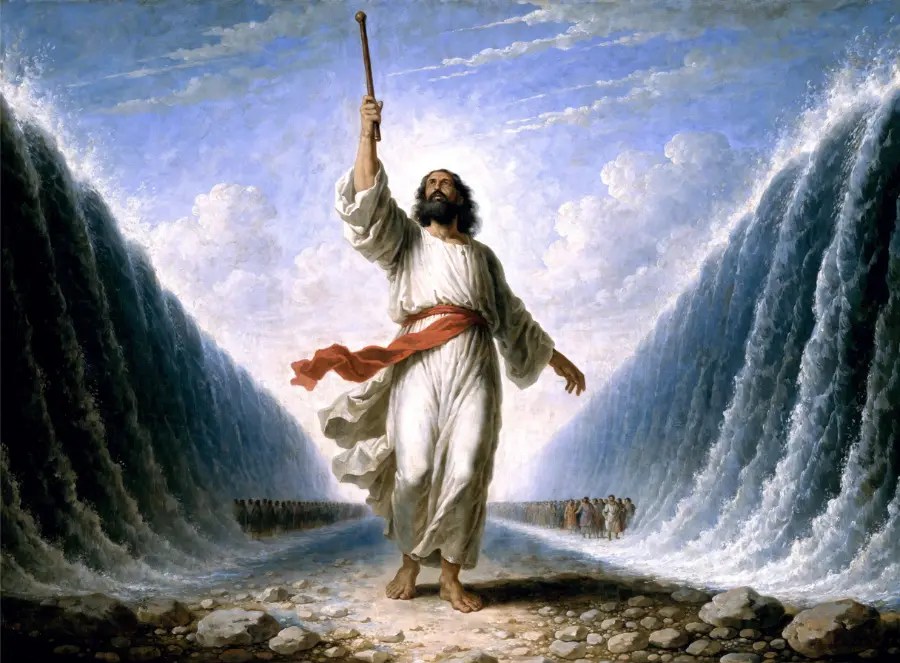
Exodus 4:2-4
“Then the Lord said to him, ‘What is that in your hand?’ ‘A staff,’ he replied. The Lord said, ‘Throw it on the ground.’ Moses threw it on the ground and it became a snake, and he ran from it. Then the Lord said to him, ‘Reach out your hand and take it by the tail.’ So Moses reached out and took hold of the snake and it turned back into a staff in his hand.”
Reflection: Moses has just asked, “What if they do not believe me or listen to me?” (Exodus 4:1), and God answers with a sign made from the staff in his hand. Moses runs from the snake, then is told to pick it up by the tail, and it turns back into a staff. Exodus 4:5 gives the reason: “so that they may believe that the Lord, the God of their fathers… has appeared to you.”
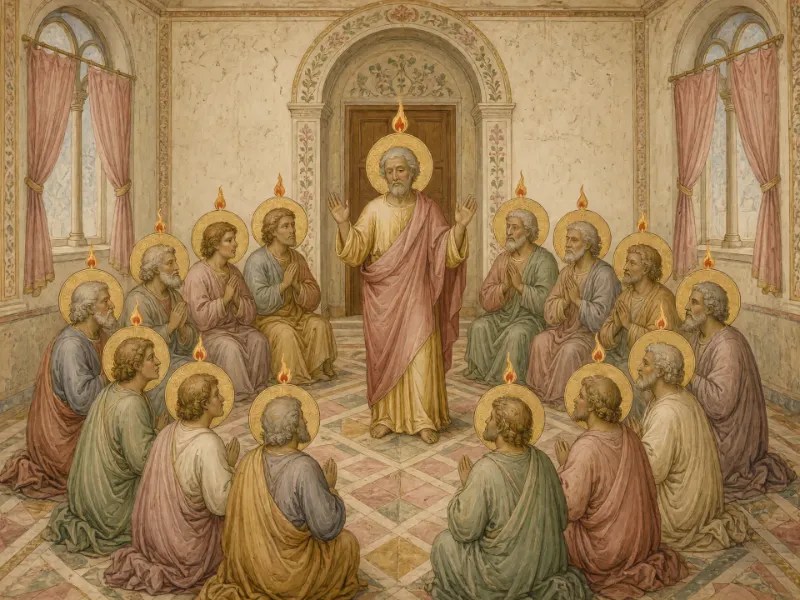
Exodus 7:10-12
“So Moses and Aaron went to Pharaoh and did just as the Lord commanded. Aaron threw his staff down in front of Pharaoh and his officials, and it became a snake. Pharaoh then summoned wise men and sorcerers, and the Egyptian magicians also did the same things by their secret arts: Each one threw down his staff and it became a snake. But Aaron’s staff swallowed up their staffs.”
Reflection: The sign given to Moses is now performed by Aaron before Pharaoh. The Egyptian magicians do the same “by their secret arts,” but Aaron’s staff swallows theirs. It changes nothing: “Pharaoh’s heart became hard and he would not listen to them” (Exodus 7:13). Moses is then told to take “the staff that was changed into a snake” to meet Pharaoh at the Nile (Exodus 7:15).
The venomous snakes and the bronze snake
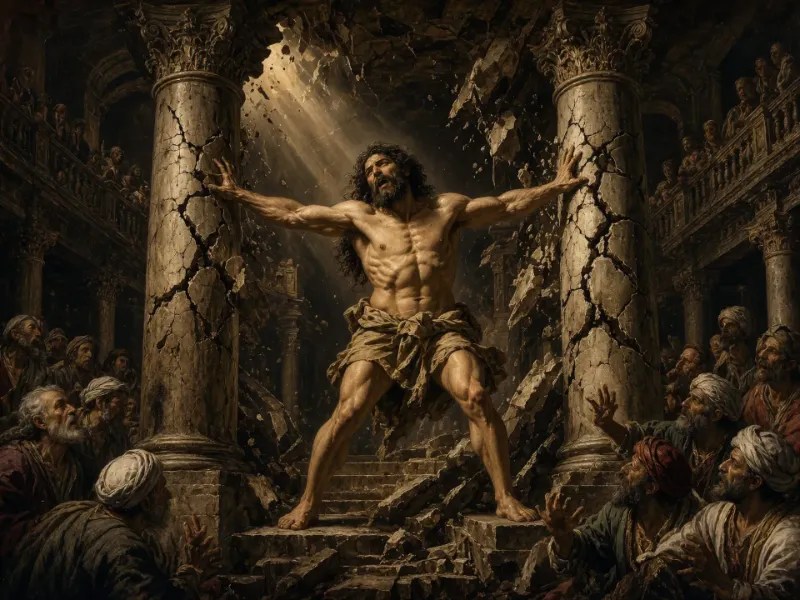
Numbers 21:6-7
“Then the Lord sent venomous snakes among them; they bit the people and many Israelites died. The people came to Moses and said, ‘We sinned when we spoke against the Lord and against you. Pray that the Lord will take the snakes away from us.’ So Moses prayed for the people.”
Reflection: The snakes come after the people “spoke against God and against Moses” on the way around Edom, complaining that there was no bread or water and that they detested “this miserable food” (Numbers 21:4-5). Many die. The people confess, “We sinned,” and ask Moses to pray that the snakes be taken away, and Moses prays for them.
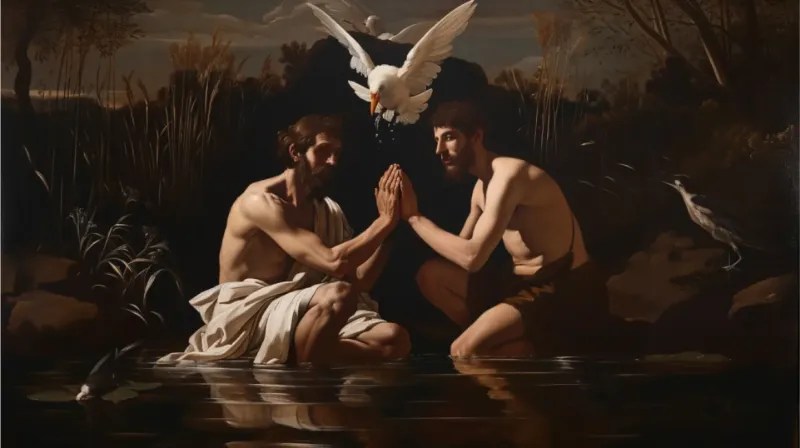
Numbers 21:8-9
“The Lord said to Moses, ‘Make a snake and put it up on a pole; anyone who is bitten can look at it and live.’ So Moses made a bronze snake and put it up on a pole. Then when anyone was bitten by a snake and looked at the bronze snake, they lived.”
Reflection: The people had asked for the snakes to be removed; God gives a remedy instead. Moses makes a bronze snake and sets it on a pole, and anyone bitten who looks at it lives.

2 Kings 18:4
“He removed the high places, smashed the sacred stones and cut down the Asherah poles. He broke into pieces the bronze snake Moses had made, for up to that time the Israelites had been burning incense to it. (It was called Nehushtan.)”
Reflection: The bronze snake was kept, and in Hezekiah’s reign the Israelites were burning incense to it. Hezekiah broke it into pieces along with the high places, the sacred stones and the Asherah poles, and it follows the statement that he “did what was right in the eyes of the Lord” (2 Kings 18:3).
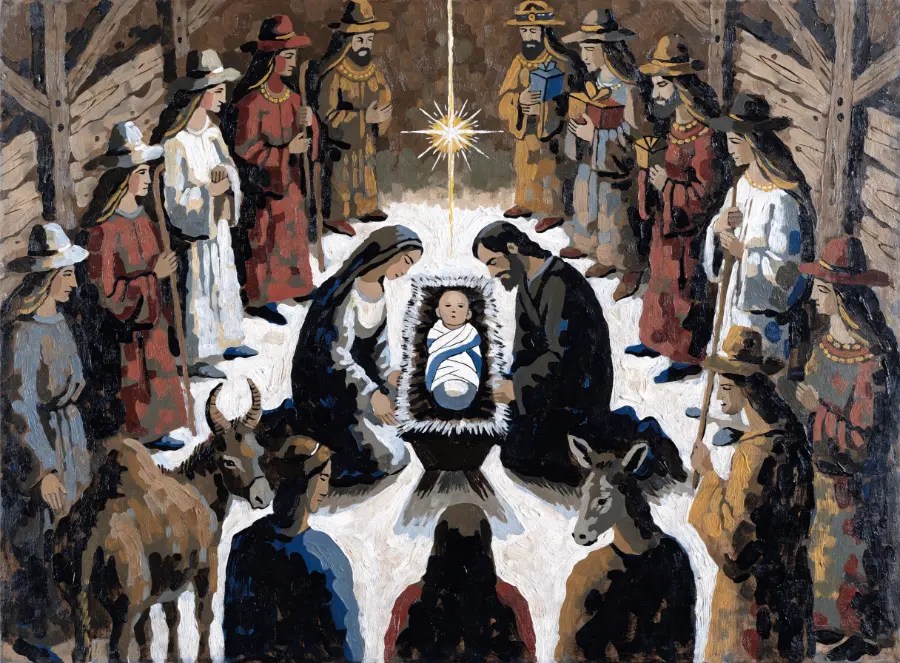
John 3:14-15
“Just as Moses lifted up the snake in the wilderness, so the Son of Man must be lifted up, that everyone who believes may have eternal life in him.”
Reflection: Jesus says this to Nicodemus, and he draws the comparison from Numbers 21:8-9. As the bronze snake was lifted up on a pole, the Son of Man “must be lifted up”; as the bitten Israelites looked and lived, everyone who believes “may have eternal life in him.”
Snakebite as a warning
Jeremiah 8:17
“See, I will send venomous snakes among you, vipers that cannot be charmed, and they will bite you,’ declares the Lord.”
Reflection: The snakes here belong to a passage about invasion: “The snorting of the enemy’s horses is heard from Dan” (Jeremiah 8:16), and the enemy has come “to devour the land.” God says the snakes he sends “cannot be charmed.” The people’s words in Jeremiah 8:14 give the cause: “we have sinned against him.”
Amos 5:19
“It will be as though a man fled from a lion only to meet a bear, as though he entered his house and rested his hand on the wall only to have a snake bite him.”
Reflection: Amos speaks to people who “long for the day of the Lord” and tells them it “will be darkness, not light” (Amos 5:18). The picture is of a man who escapes a lion, then a bear, and reaches his own house, where a snake bites him as he leans on the wall.
Proverbs 23:31-32
“Do not gaze at wine when it is red, when it sparkles in the cup, when it goes down smoothly! In the end it bites like a snake and poisons like a viper.”
Reflection: This saying begins with questions: “Who has woe? Who has sorrow?… Who has bloodshot eyes? Those who linger over wine” (Proverbs 23:29-30). The warning sets the pleasure of wine, red and sparkling and going down smoothly, against what comes “in the end”: a bite and a poison like a snake’s.
People compared to snakes
Psalm 58:4-5
“Their venom is like the venom of a snake, like that of a cobra that has stopped its ears, that will not heed the tune of the charmer, however skillful the enchanter may be.”
Reflection: The psalm is about the wicked, who “from the womb… are wayward, spreading lies” (Psalm 58:3). Their venom is compared to a cobra that “has stopped its ears,” so even a skilled charmer cannot reach it: they will not listen. The next verse turns to prayer: “Break the teeth in their mouths, O God.”

Psalm 140:3
“They make their tongues as sharp as a serpent’s; the poison of vipers is on their lips.”
Reflection: David asks to be rescued from “evildoers” and “the violent” who “stir up war every day” (Psalm 140:1-2), and this verse describes their weapon as speech: sharp tongues and the poison of vipers on their lips. Paul quotes the second line in Romans 3:13, beside “their tongues practice deceit.”
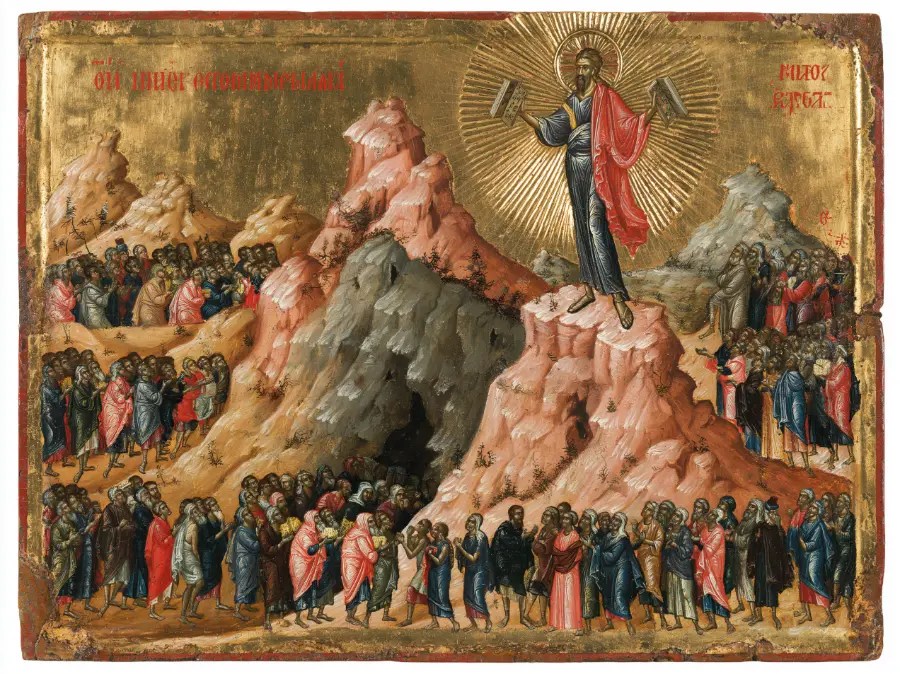
Matthew 3:7
“But when he saw many of the Pharisees and Sadducees coming to where he was baptizing, he said to them: ‘You brood of vipers! Who warned you to flee from the coming wrath?’”
Reflection: John the Baptist says this to Pharisees and Sadducees who come to where he is baptizing. He tells them to “produce fruit in keeping with repentance” and not to rely on having “Abraham as our father” (Matthew 3:8-9). Jesus uses the same phrase, “brood of vipers,” in Matthew 12:34 and Matthew 23:33.
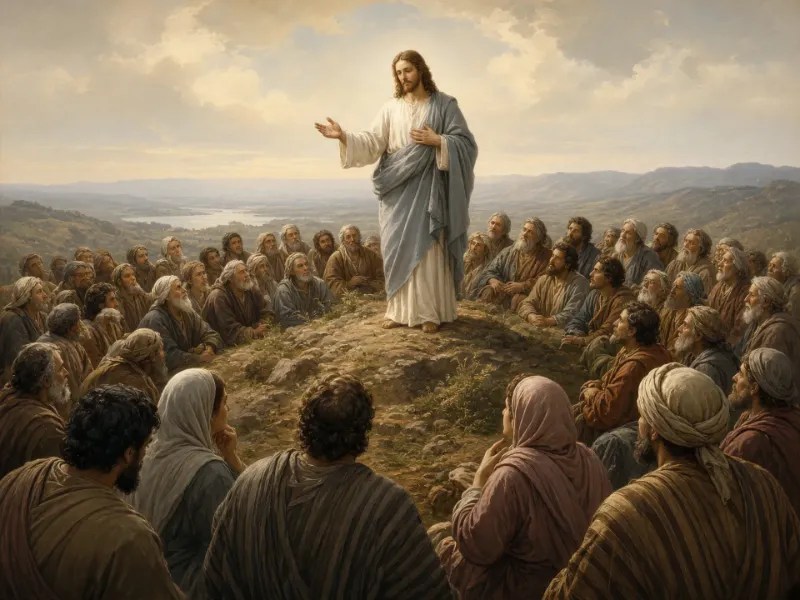
Matthew 10:16
“I am sending you out like sheep among wolves. Therefore be as shrewd as snakes and as innocent as doves.”
Reflection: Jesus says this while sending out the twelve, and the first half sets the danger: “like sheep among wolves.” Here the snake is a model to copy, paired with the dove, so the disciples are to be both shrewd and innocent.
Protection from snakes
Psalm 91:13
“You will tread on the lion and the cobra; you will trample the great lion and the serpent.”
Reflection: The two verses before this promise that God “will command his angels concerning you” so that “you will not strike your foot against a stone” (Psalm 91:11-12). In Matthew 4:6 the devil quotes those two verses to Jesus on the highest point of the temple, telling him to throw himself down, and Jesus answers, “Do not put the Lord your God to the test” (Matthew 4:7).
Luke 10:19
“I have given you authority to trample on snakes and scorpions and to overcome all the power of the enemy; nothing will harm you.”
Reflection: The seventy-two have returned saying, “even the demons submit to us in your name,” and Jesus answers, “I saw Satan fall like lightning from heaven” (Luke 10:17-18). The authority over snakes and scorpions is set beside authority over “all the power of the enemy.” The next verse tells them where to put their joy: not that the spirits submit, but “that your names are written in heaven.”
Acts 28:3-6
“Paul gathered a pile of brushwood and, as he put it on the fire, a viper, driven out by the heat, fastened itself on his hand. When the islanders saw the snake hanging from his hand, they said to each other, ‘This man must be a murderer; for though he escaped from the sea, the goddess Justice has not allowed him to live.’ But Paul shook the snake off into the fire and suffered no ill effects. The people expected him to swell up or suddenly fall dead; but after waiting a long time and seeing nothing unusual happen to him, they changed their minds and said he was a god.”
Reflection: Paul has just come ashore on Malta after shipwreck, and the islanders have built a fire against the rain and cold (Acts 28:1-2). When the viper fastens on his hand, they decide he must be a murderer whom “the goddess Justice” will not let live. When he suffers nothing, they change their minds and say he is a god.
Isaiah 65:25
“‘The wolf and the lamb will feed together, and the lion will eat straw like the ox, and dust will be the serpent’s food. They will neither harm nor destroy on all my holy mountain,’ says the Lord.”
Reflection: In this picture of God’s holy mountain the wolf feeds with the lamb and the lion eats straw, but the serpent’s food is still the dust of Genesis 3:14, and nothing there will “harm nor destroy.” Isaiah 11:8-9 uses the same closing line after a picture of an infant playing “near the cobra’s den.”


Leave a Reply