
 English
 Chinese
 Dutch
 Arabic
 Spanish
 Portuguese
 Russian
 French
 Italian
 German
 Japanese
The Bible calls the devil a deceiver. Revelation 12:9 says he “leads the whole world astray,” and Paul writes that “Satan himself masquerades as an angel of light” (2 Corinthians 11:14). In the garden the serpent opens with a question about what God said (Genesis 3:1), and in the wilderness the devil quotes a psalm to Jesus (Matthew 4:6).
Other passages describe his work through people: false prophets “in sheep’s clothing” (Matthew 7:15), weeds sown among the wheat (Matthew 13:25), and Peter, whom Jesus rebukes with “Get behind me, Satan!” (Mark 8:33). The New Testament also gives tests for seeing through it, among them testing the spirits (1 John 4:1) and holding to the gospel already received (Galatians 1:8).
How the devil disguises himself

Genesis 3:1
“Now the serpent was more crafty than any of the wild animals the LORD God had made. He said to the woman, ‘Did God really say, ‘You must not eat from any tree in the garden’?’”
Reflection: The serpent is introduced as “more crafty than any of the wild animals,” and its first words are a question that misquotes God, who had forbidden only one tree (Genesis 2:16-17). In verse 4 it contradicts God outright: “You will not certainly die.” Genesis itself does not call the serpent Satan; Revelation 12:9 makes that link with “that ancient serpent called the devil, or Satan.”
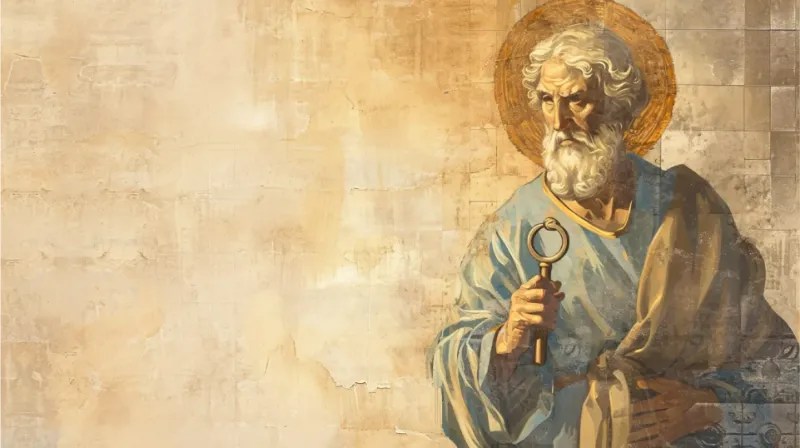
2 Corinthians 11:3
“But I am afraid that just as Eve was deceived by the serpent’s cunning, your minds may somehow be led astray from your sincere and pure devotion to Christ.”
Reflection: Paul reaches back to Genesis 3 to describe what he fears for the church in Corinth. The danger he names in the next verse is “a Jesus other than the Jesus we preached,” “a different spirit” and “a different gospel,” which the Corinthians “put up with” “easily enough.”
2 Corinthians 11:14
“And no wonder, for Satan himself masquerades as an angel of light.”
Reflection: The verse sits inside Paul’s defence against teachers he sarcastically calls “super-apostles” (11:5). Verse 13 calls them “false apostles, deceitful workers, masquerading as apostles of Christ,” and verse 15 draws the conclusion: if Satan can pass for an angel of light, “it is not surprising, then, if his servants also masquerade as servants of righteousness.”

Matthew 4:6
“‘If you are the Son of God,’ he said, ‘throw yourself down. For it is written: ‘He will command his angels concerning you, and they will lift you up in their hands, so that you will not strike your foot against a stone.’’”
Reflection: In the second temptation the devil answers Jesus’ use of Scripture with Scripture of his own, quoting Psalm 91:11-12 and leaving out the psalm’s words “to guard you in all your ways.” Jesus does not dispute the psalm. He answers with another text: “It is also written: ‘Do not put the Lord your God to the test’” (Deuteronomy 6:16).
Liar, deceiver and worker of false signs
John 8:44
“…He was a murderer from the beginning, not holding to the truth, for there is no truth in him. When he lies, he speaks his native language, for he is a liar and the father of lies.”
Reflection: Jesus is speaking to Jews who claimed Abraham, and then God, as their father (8:39-41). He answers that they are “looking for a way to kill” him (8:40), and he traces that intent and their refusal to hear the truth to the devil, whose “native language” is lying. Murder and lies are paired: the devil is “a murderer from the beginning” and “the father of lies.”
Revelation 12:9
“The great dragon was hurled down—that ancient serpent called the devil, or Satan, who leads the whole world astray.”
Reflection: John’s vision ties several names to one figure: the great dragon, the ancient serpent, the devil and Satan. His work is described as leading “the whole world astray,” and the next verse adds a further title, “the accuser of our brothers and sisters.” Revelation 20:3 again describes him in terms of deception, bound “to keep him from deceiving the nations anymore.”
2 Thessalonians 2:9
“The coming of the lawless one will be in accordance with how Satan works. He will use all sorts of displays of power through signs and wonders that serve the lie.”
Reflection: Paul is correcting a report that the day of the Lord had already come (2:2). Before that day, he writes, “the lawless one” will be revealed, and his coming will match “how Satan works”: signs and wonders “that serve the lie.” Verse 10 adds “all the ways that wickedness deceives those who are perishing,” people who “refused to love the truth and so be saved.”
His work through people
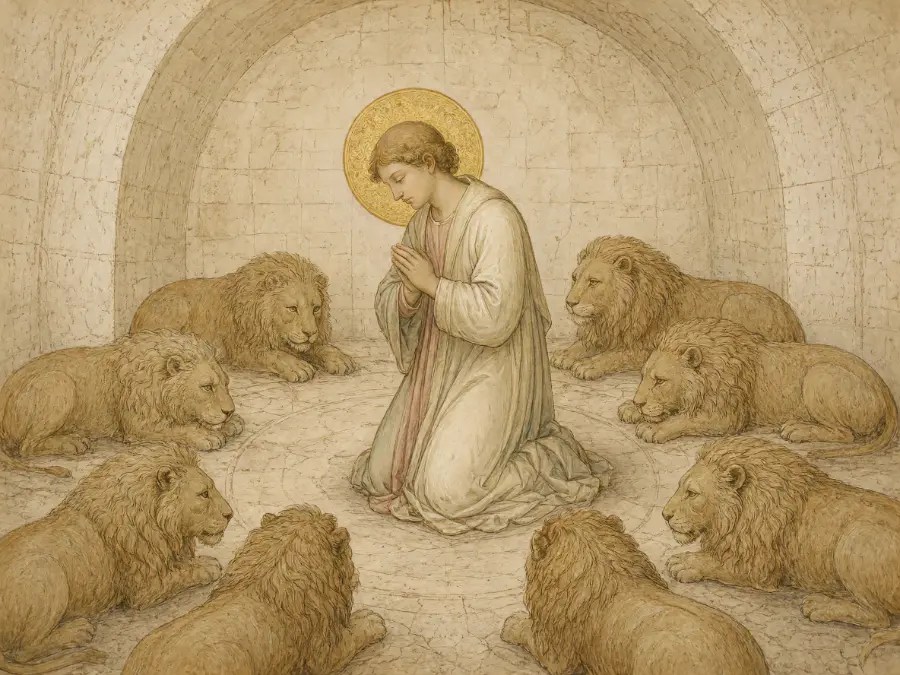
Matthew 7:15
“Watch out for false prophets. They come to you in sheep’s clothing, but inwardly they are ferocious wolves.”
Reflection: In the Sermon on the Mount, Jesus warns that false prophets look like members of the flock. He gives the test in the next verse and repeats it in verse 20: “By their fruit you will recognize them.” The image of good and bad trees that follows places the evidence in what the prophets produce, not in how they appear.

Matthew 13:25
“But while everyone was sleeping, his enemy came and sowed weeds among the wheat, and went away.”
Reflection: In the parable of the weeds, the enemy sows “while everyone was sleeping” and goes away. The weeds show only when the wheat sprouts (13:26), and the owner forbids pulling them up early: “you may uproot the wheat with them” (13:29). Jesus’ explanation names the sower: “the enemy who sows them is the devil” (13:39).
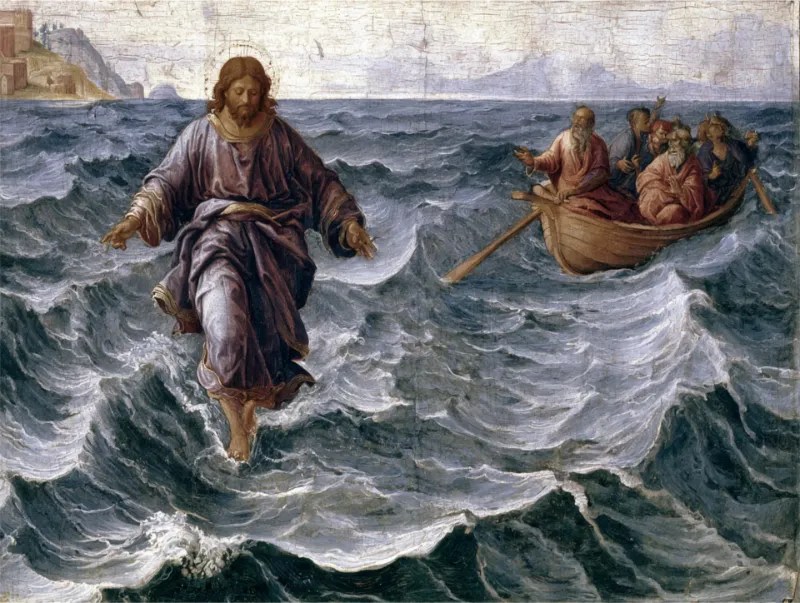
Mark 8:33
“But when Jesus turned and looked at his disciples, he rebuked Peter. ‘Get behind me, Satan!’ he said. ‘You do not have in mind the concerns of God, but merely human concerns.’”
Reflection: Peter has just called Jesus the Messiah (8:29), and when Jesus teaches that he must suffer, be rejected and be killed, Peter takes him aside and rebukes him. Jesus, looking at the other disciples, rebukes Peter in turn and addresses him as Satan; the reason he gives is that Peter has in mind “merely human concerns” and not “the concerns of God.” Matthew’s account adds, “You are a stumbling block to me” (Matthew 16:23).
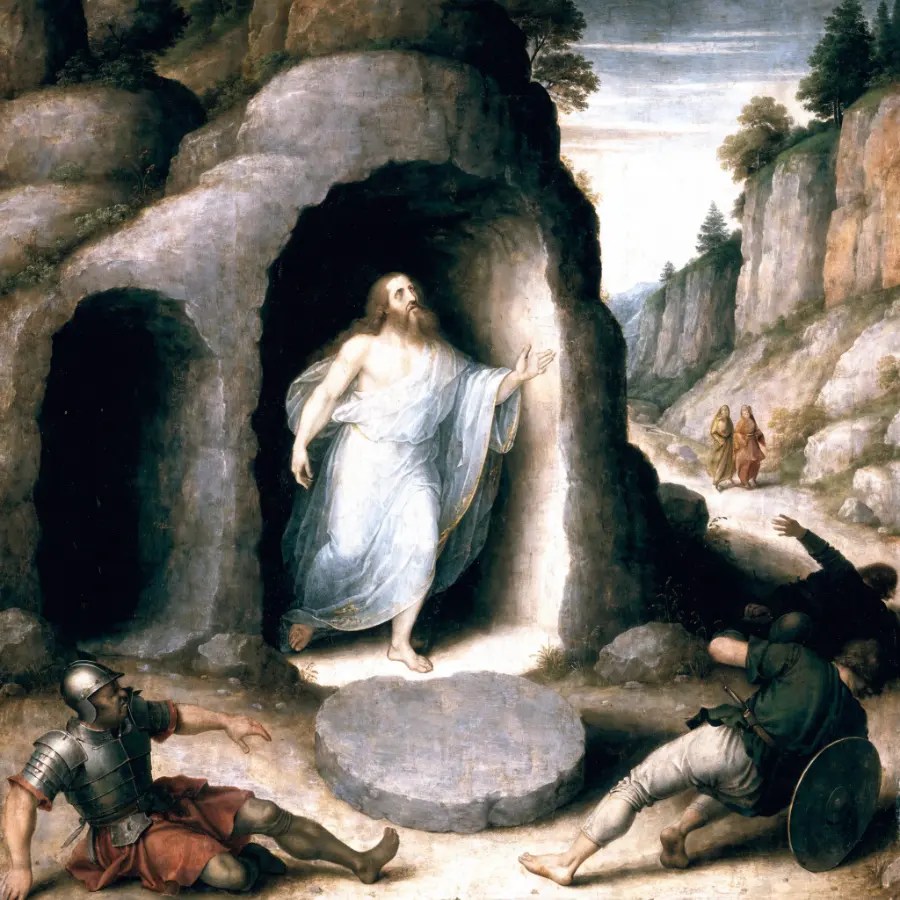
Galatians 1:8
“But even if we or an angel from heaven should preach a gospel other than the one we preached to you, let them be under God’s curse!”
Reflection: Paul includes himself and “an angel from heaven” among the messengers the Galatians should reject if they bring a different gospel. The measure is the gospel they first received, whoever preaches another. Verse 9 repeats the curse for “anybody” preaching “a gospel other than what you accepted.”
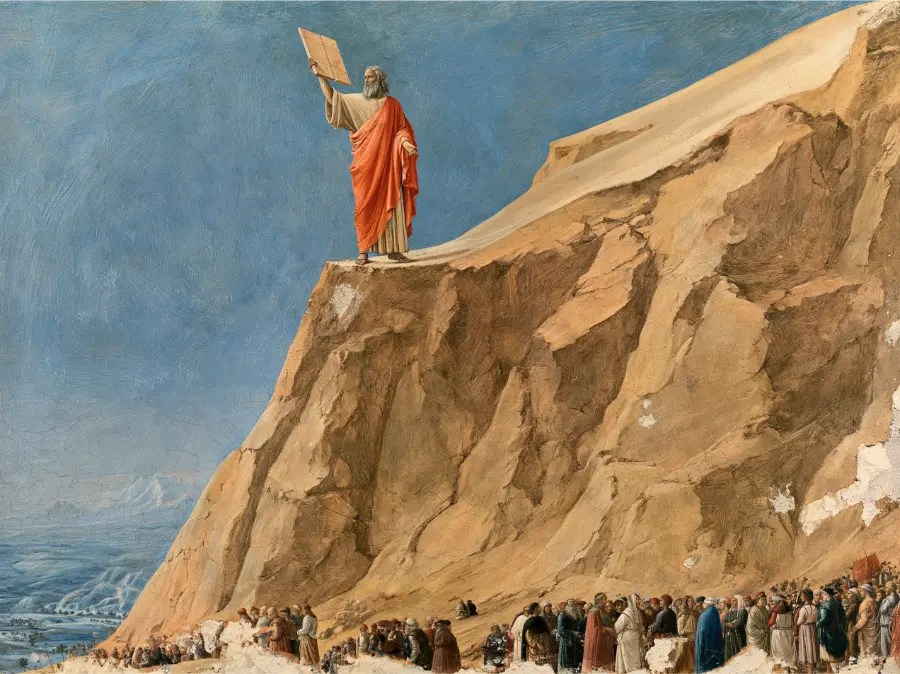
1 Timothy 4:1
“The Spirit clearly says that in later times some will abandon the faith and follow deceiving spirits and things taught by demons.”
Reflection: The “deceiving spirits” speak through “hypocritical liars” (4:2), whose teaching forbids marriage and orders people to abstain from certain foods (4:3). Paul answers that “everything God created is good” when it is received with thanksgiving (4:4).
Recognising and resisting him
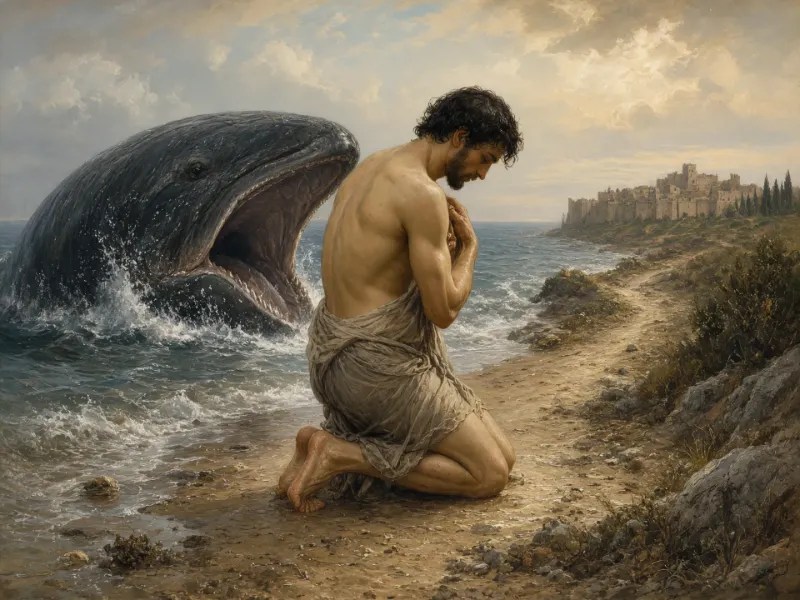
2 Corinthians 2:11
“…in order that Satan might not outwit us. For we are not unaware of his schemes.”
Reflection: The scheme Paul has in mind here is inside the church. A man who caused grief had been punished by the majority, and Paul urges the Corinthians to forgive and comfort him “so that he will not be overwhelmed by excessive sorrow” (2:7). Withholding that forgiveness is the opening he does not want Satan to use.
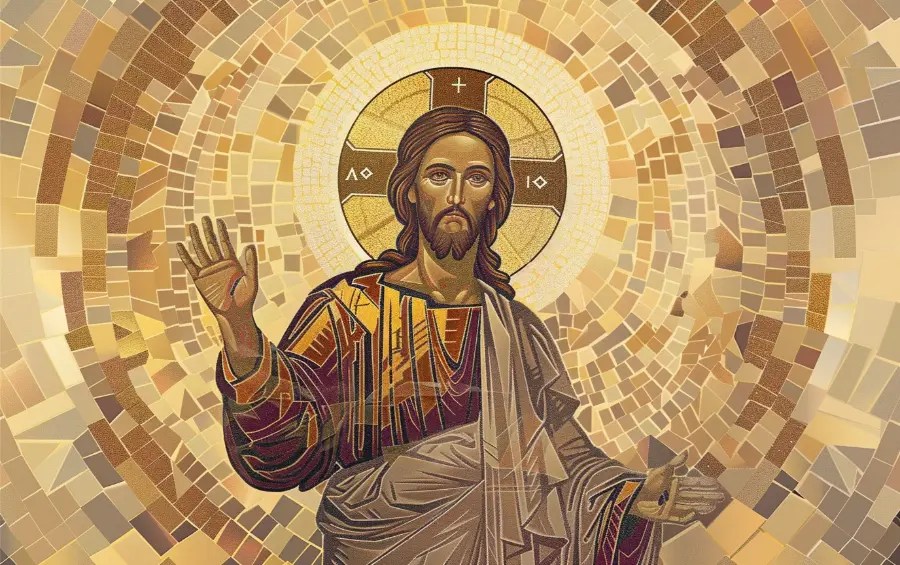
Ephesians 6:11
“Put on the full armor of God, so that you can take your stand against the devil’s schemes.”
Reflection: Paul calls the devil’s methods “schemes,” and verse 12 says the struggle is “not against flesh and blood” but against spiritual powers. The armour he lists in verses 14-17 begins with “the belt of truth,” and ends with “the sword of the Spirit, which is the word of God.”
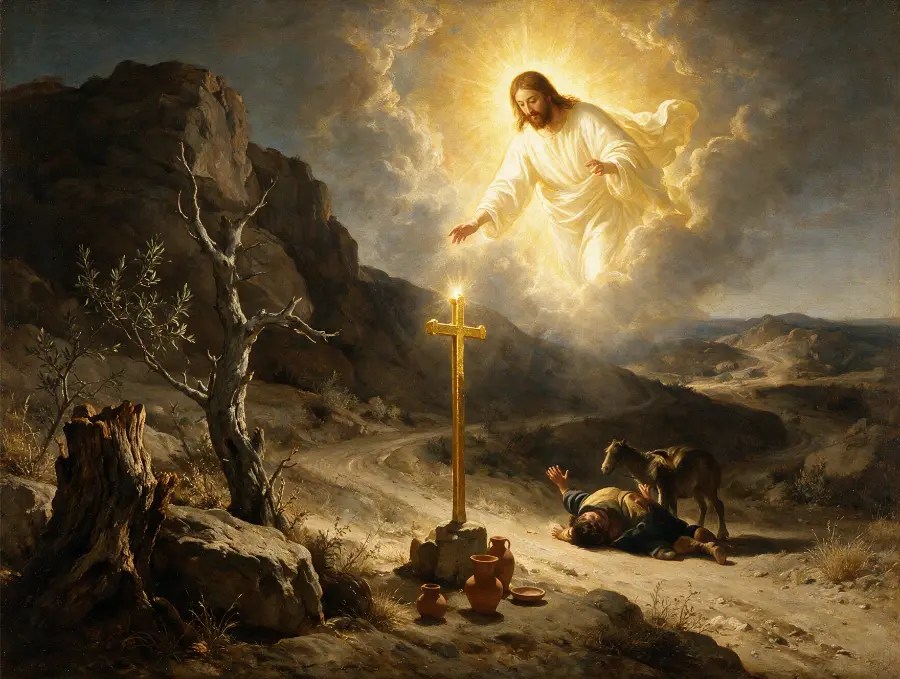
1 John 4:1
“Dear friends, do not believe every spirit, but test the spirits to see whether they are from God, because many false prophets have gone out into the world.”
Reflection: John tells his readers not to believe every spirit, because false prophets have gone out into the world. The test he gives in the next verse is what a spirit says about Jesus: “Every spirit that acknowledges that Jesus Christ has come in the flesh is from God.” Verse 4 adds that “the one who is in you is greater than the one who is in the world.”
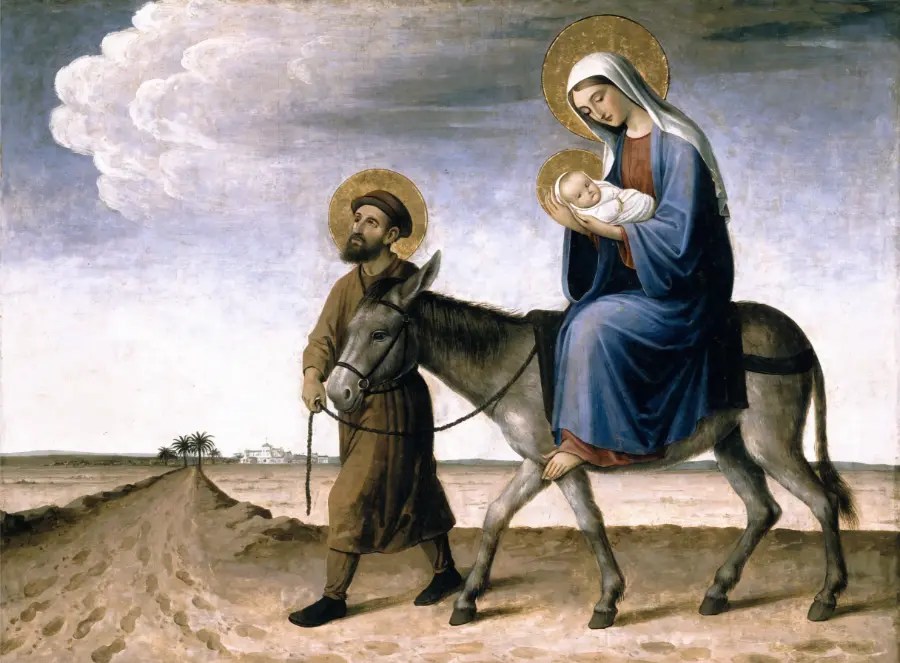
2 Timothy 2:26
“…and that they will come to their senses and escape from the trap of the devil, who has taken them captive to do his will.”
Reflection: Paul describes people who oppose Timothy as caught in the devil’s trap and held “to do his will.” The response he prescribes is gentle instruction, “in the hope that God will grant them repentance leading them to a knowledge of the truth” (2:25), with no quarrelling (2:24).
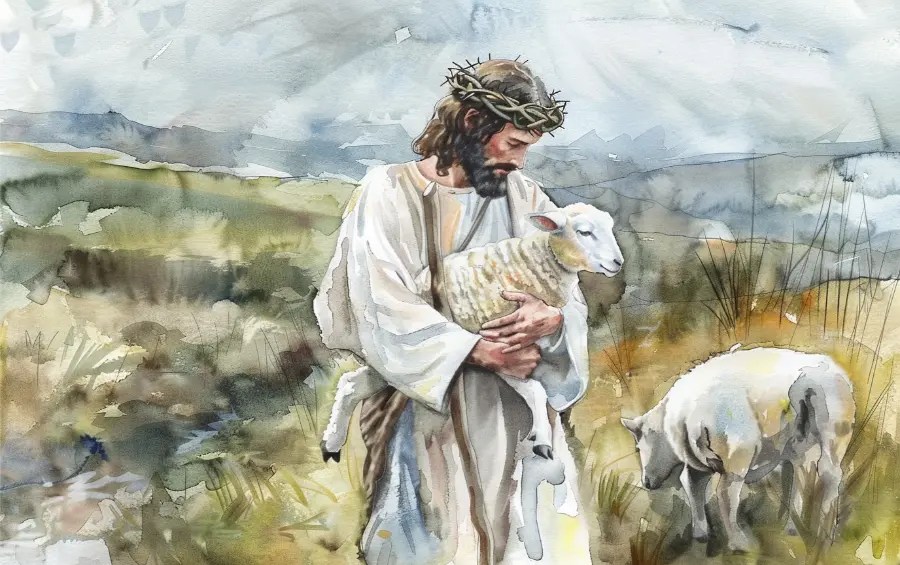
1 Peter 5:8
“Be alert and of sober mind. Your enemy the devil prowls around like a roaring lion looking for someone to devour.”
Reflection: Here the devil wears no disguise: he is a roaring lion looking for prey. Peter sets the warning between a call to cast all anxiety on God (5:7) and a command to “resist him, standing firm in the faith,” reminding his readers that believers “throughout the world” face “the same kind of sufferings” (5:9).
Tests for telling truth from deception
The New Testament gives several tests rather than one. Jesus points to a teacher’s fruit (Matthew 7:16), John to what a spirit confesses about Jesus Christ come in the flesh (1 John 4:2), and Paul to the gospel first received, whoever brings a different one (Galatians 1:8). In Matthew 4:7 Jesus answers a quoted psalm with another text, “It is also written.”
Matthew 13:29-30 adds a limit: the owner tells his servants to let the weeds grow until the harvest, because “you may uproot the wheat with them.”


Leave a Reply