
 English
 Chinese
 Dutch
 Arabic
 Spanish
 Portuguese
 Russian
 French
 Italian
 German
 Japanese
Satan is the adversary of God and of God’s people, whom he accuses, tempts and deceives. Jesus calls him “a liar and the father of lies” (John 8:44), and Revelation 20:10 describes his end in the lake of fire.
The Hebrew satan means adversary or accuser, the part he plays in Job 1:9-11 and Zechariah 3:1, and the Greek diabolos, translated devil, means accuser or slanderer. He tempts in Genesis 3:4-5 and Matthew 4:8-9, Revelation 12:9 gathers his names, “that ancient serpent, who is called the devil and Satan,” and 1 John 3:8 and Hebrews 2:14 tie his defeat to the Son of God.
The accuser before God
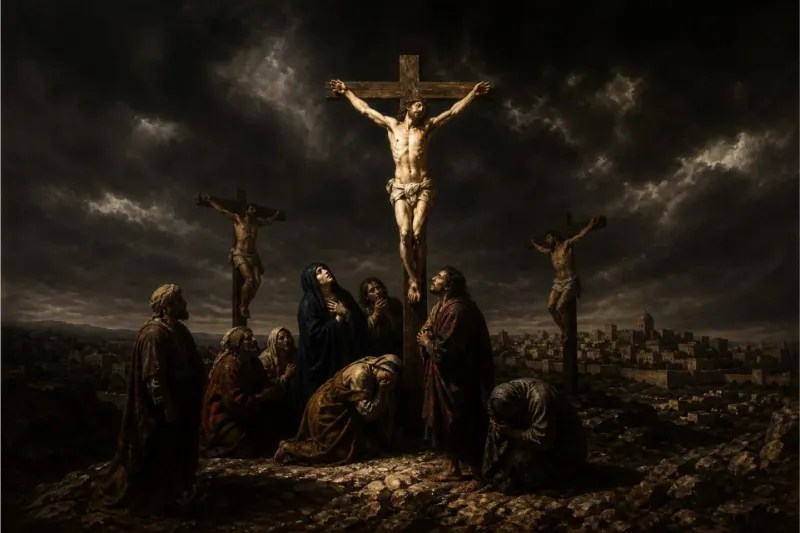
Job 1:9-11
“Then Satan answered the Lord and said, ‘Does Job fear God for no reason? Have you not put a hedge around him and his house and all that he has, on every side? You have blessed the work of his hands, and his possessions have increased in the land. But stretch out your hand and touch all that he has, and he will curse you to your face.’”
Reflection: Satan comes with “the sons of God” to present himself before the Lord (Job 1:6), and it is the Lord who raises Job’s name. Satan’s charge is that Job’s faith is paid for by the hedge around him. He acts only within the limit the Lord sets: “Only against him do not stretch out your hand” (verse 12). The Hebrew satan means adversary or accuser, the part he plays in this scene.
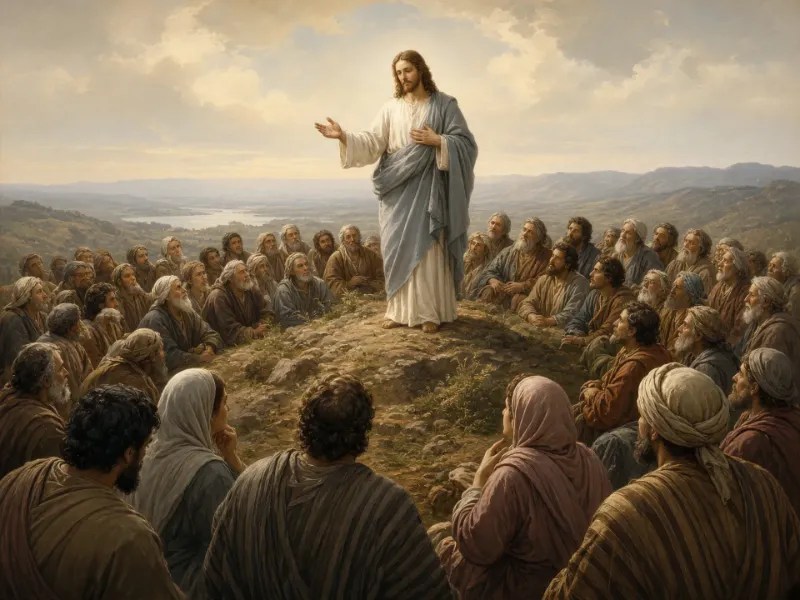
Zechariah 3:1
“Then he showed me Joshua the high priest standing before the angel of the Lord, and Satan standing at his right hand to accuse him.”
Reflection: In the prophet’s vision, Satan stands at the high priest’s right hand “to accuse him,” while Joshua stands in “filthy garments” (Zechariah 3:3). The Lord rebukes Satan and calls Joshua “a brand plucked from the fire.” The garments are then removed, with the words “I have taken your iniquity away from you” (verse 4).
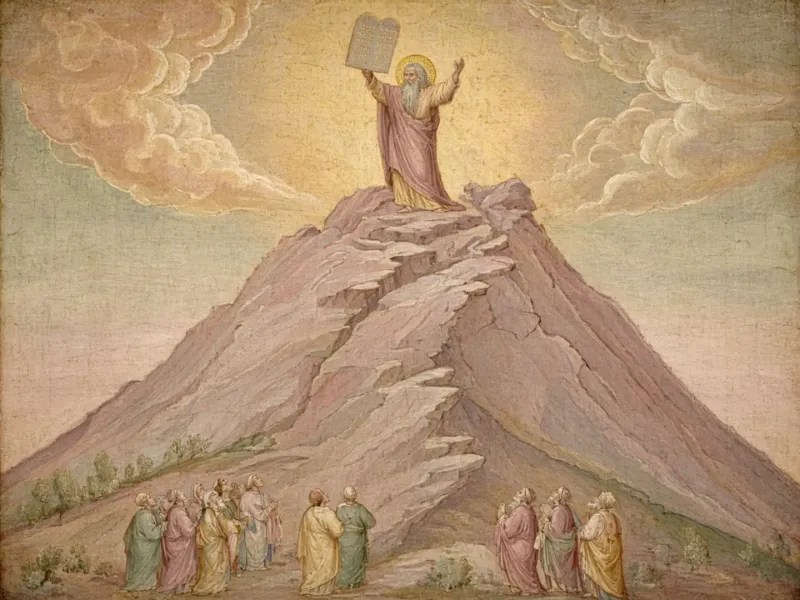
Revelation 12:10
“For the accuser of our brothers has been thrown down, who accuses them day and night before our God.”
Reflection: A loud voice in heaven announces this after Michael and his angels have thrown the dragon out (Revelation 12:7-9). The next verse says how the accused prevail: “they have conquered him by the blood of the Lamb and by the word of their testimony.” The title “accuser of our brothers” matches what Satan does in Job 1 and Zechariah 3.

Luke 22:31-32
“Simon, Simon, behold, Satan demanded to have you, that he might sift you like wheat, but I have prayed for you that your faith may not fail. And when you have turned again, strengthen your brothers.”
Reflection: Jesus speaks to Simon Peter by name, twice. As in Job 1, Satan has asked for the one he means to test. Jesus does not say the request was refused; he says he has prayed that Peter’s faith may not fail, and he gives Peter a task for after he has “turned again”: “strengthen your brothers.”
The tempter and deceiver
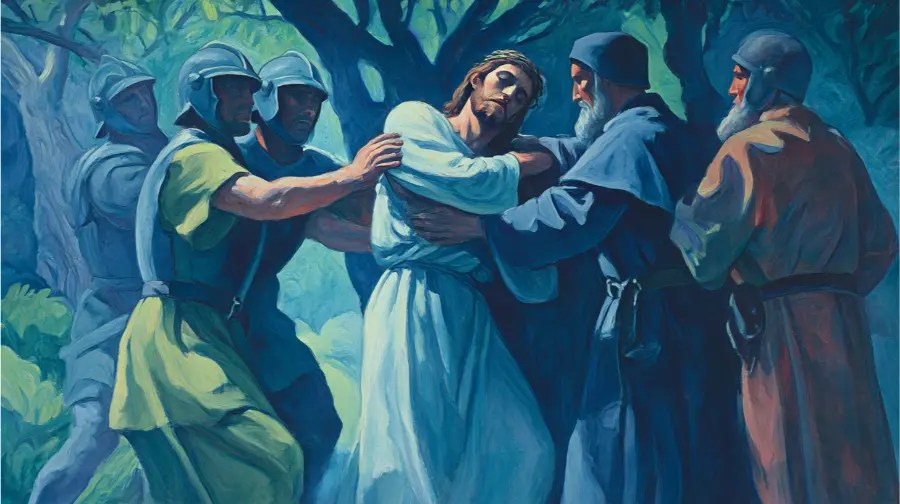
Genesis 3:4-5
“But the serpent said to the woman, ‘You will not surely die. For God knows that when you eat of it your eyes will be opened, and you will be like God, knowing good and evil.’”
Reflection: The serpent’s first words question God’s command (“Did God actually say…?” Genesis 3:1), and these words contradict it outright. Genesis 3 does not name Satan; Revelation 12:9 and 20:2 call him “that ancient serpent.” In Genesis 3:15 the Lord puts enmity “between you and the woman, and between your offspring and her offspring,” and says of her offspring, “he shall bruise your head, and you shall bruise his heel.”
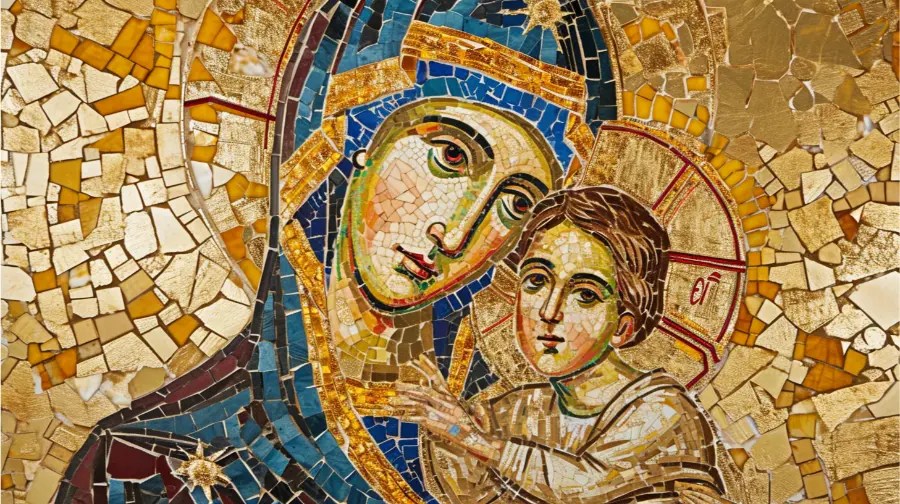
Matthew 4:8-9
“Again, the devil took him to a very high mountain and showed him all the kingdoms of the world and their glory. And he said to him, ‘All these I will give you, if you will fall down and worship me.’”
Reflection: This is the third temptation in Matthew 4, after the stones and bread (4:3) and the pinnacle of the temple (4:5-6). The first two begin “If you are the Son of God”; this one asks for worship outright. Jesus has answered each with “It is written,” and here he adds “Be gone, Satan!” before quoting the command to worship the Lord alone (Matthew 4:10).
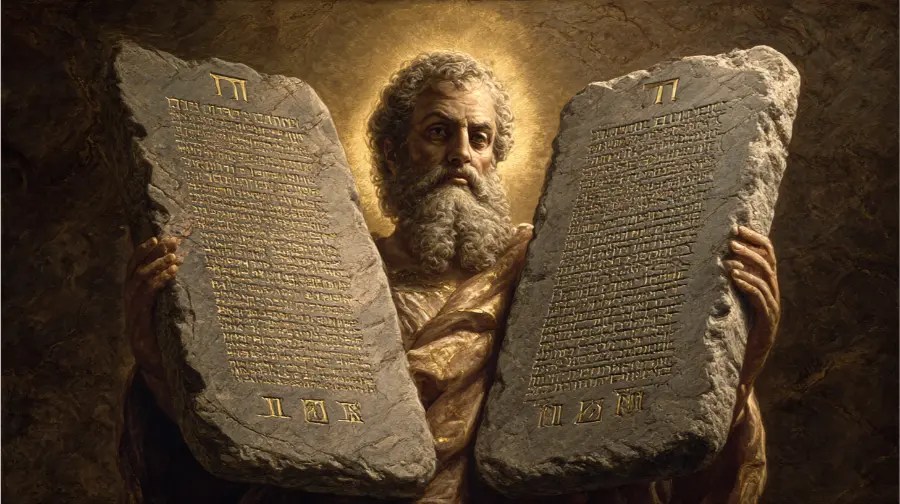
John 8:44
“He was a murderer from the beginning, and does not stand in the truth, because there is no truth in him. When he lies, he speaks out of his own character, for he is a liar and the father of lies.”
Reflection: Jesus is answering hearers who claim God as their Father, and he tells them, “If God were your Father, you would love me” (John 8:42). The verse makes two charges against the devil: murder “from the beginning” and lying as his own character. Jesus uses it to explain their unbelief: “But because I tell the truth, you do not believe me” (verse 45).
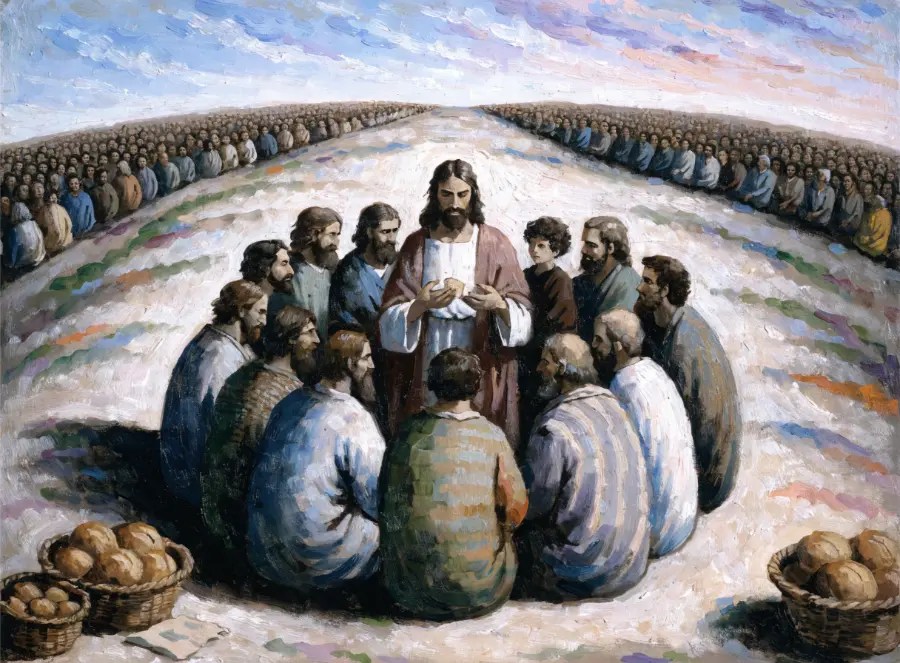
2 Corinthians 11:14
“And no wonder, for even Satan disguises himself as an angel of light.”
Reflection: Paul is writing about “false apostles, deceitful workmen, disguising themselves as apostles of Christ” (2 Corinthians 11:13). Satan’s disguise is his comparison: if Satan can appear as an angel of light, “it is no surprise if his servants, also, disguise themselves as servants of righteousness” (verse 15).

2 Corinthians 2:11
“…so that we would not be outwitted by Satan; for we are not ignorant of his designs.”
Reflection: The setting is church discipline. A man has been punished by the majority, and Paul asks the church to forgive and comfort him, “or he may be overwhelmed by excessive sorrow” (2 Corinthians 2:7). Paul ties that forgiveness, his and theirs, to Satan’s designs: they forgive “so that we would not be outwitted by Satan.”
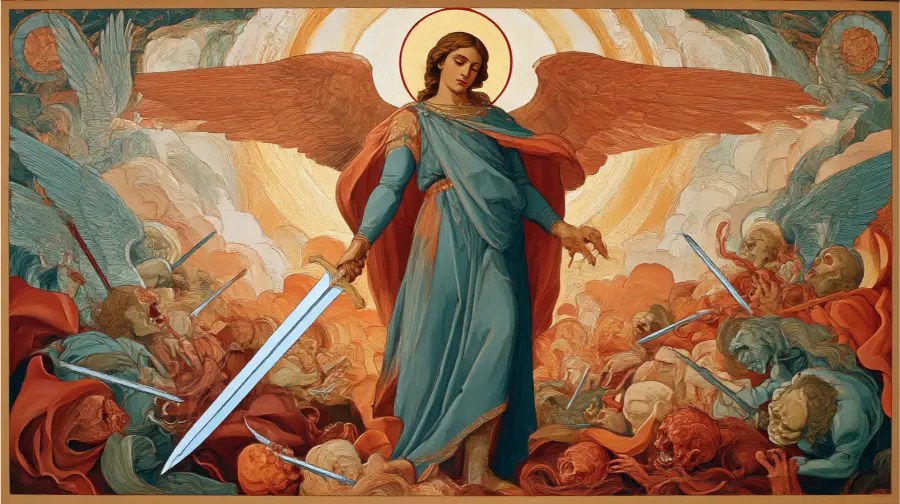
Revelation 12:9
“And the great dragon was thrown down, that ancient serpent, who is called the devil and Satan, the deceiver of the whole world—he was thrown down to the earth, and his angels were thrown down with him.”
Reflection: Revelation gathers the names in one verse: the great dragon, the ancient serpent, the devil, Satan, and “the deceiver of the whole world.” The verse follows a war in which “Michael and his angels” fought the dragon, and “there was no longer any place for them in heaven” (Revelation 12:7-8). The Greek diabolos, devil, means accuser or slanderer.
Falls from heaven
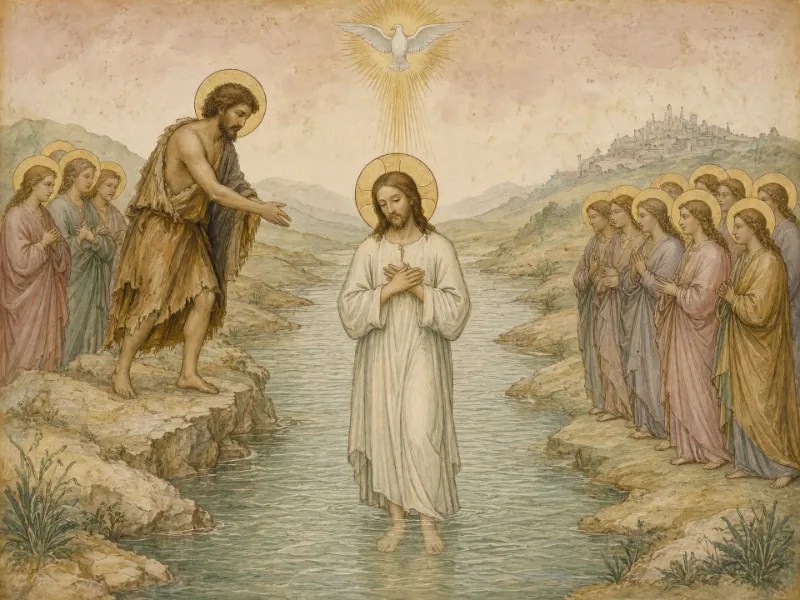
Isaiah 14:12-14
“How you are fallen from heaven, O Day Star, son of Dawn! How you are cut down to the ground, you who laid the nations low! You said in your heart, ‘I will ascend to heaven; above the stars of God I will set my throne on high; I will sit on the mount of assembly in the far reaches of the north; I will ascend above the heights of the clouds; I will make myself like the Most High.’”
Reflection: Isaiah 14:4 introduces these lines as a taunt to be taken up “against the king of Babylon,” and verse 16 asks of the fallen figure, “Is this the man who made the earth tremble?” The King James Version translates “Day Star” as “Lucifer.” The Catholic Encyclopedia notes that the word is applied to the king of Babylon here, and that in Christian tradition it came to describe the chief fallen angel, with the Fathers treating Lucifer as the state he fell from rather than as the devil’s proper name.
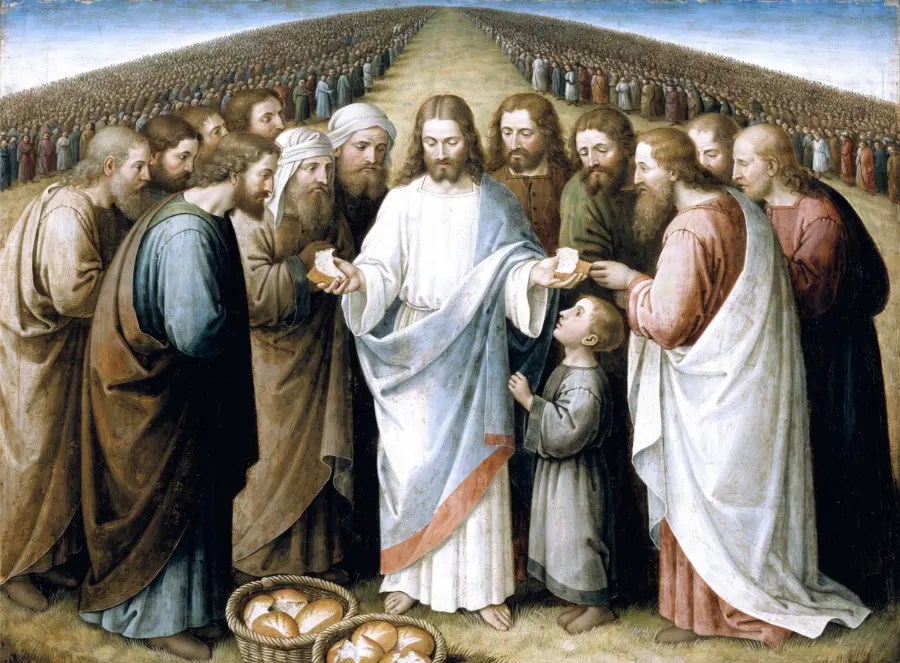
Luke 10:18
“And he said to them, ‘I saw Satan fall like lightning from heaven.’”
Reflection: Jesus says this when the seventy-two return from their mission reporting that “even the demons are subject to us in your name” (Luke 10:17). He tells them, “I have given you authority” over “all the power of the enemy” (verse 19), and then, “do not rejoice in this, that the spirits are subject to you, but rejoice that your names are written in heaven” (verse 20).
His hold on the world
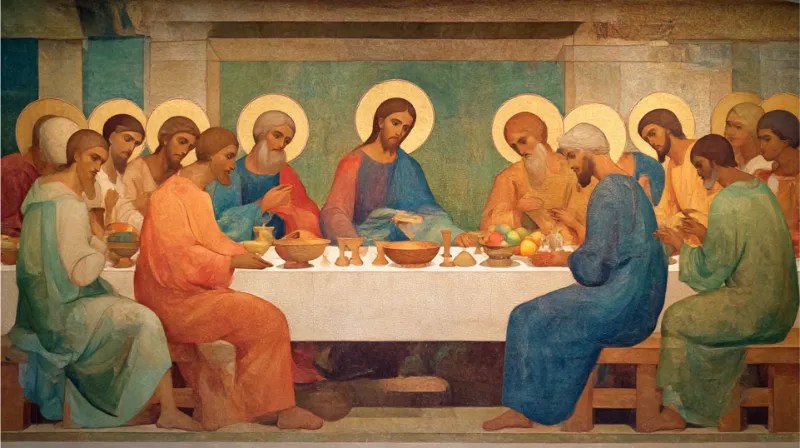
2 Corinthians 4:4
“In their case the god of this world has blinded the minds of the unbelievers, to keep them from seeing the light of the gospel of the glory of Christ, who is the image of God.”
Reflection: Paul explains why the gospel is “veiled” to those who are perishing (2 Corinthians 4:3): “the god of this world” has blinded their minds. He does not give that god a name in this verse. Verse 6 sets against the blinding the God who said, “Let light shine out of darkness,” and “has shone in our hearts.”
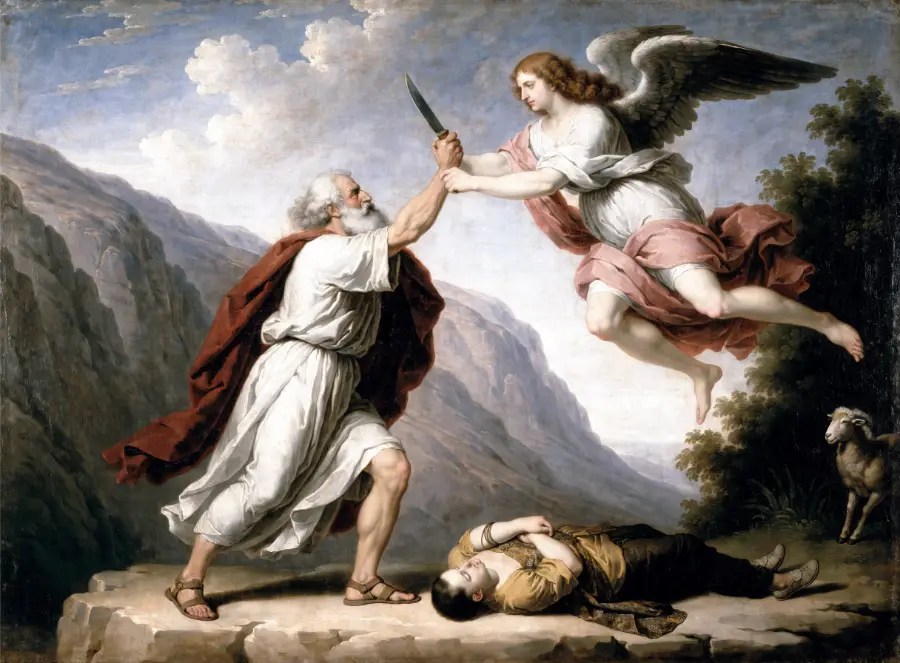
Ephesians 2:2
“…in which you once walked, following the course of this world, following the prince of the power of the air, the spirit that is now at work in the sons of disobedience—”
Reflection: Paul describes his readers’ life before Christ: “dead in the trespasses and sins” (Ephesians 2:1), following the course of the world and “the prince of the power of the air.” Verse 3 includes Paul himself: “among whom we all once lived.” The same spirit, verse 2 says, is “now at work in the sons of disobedience.”
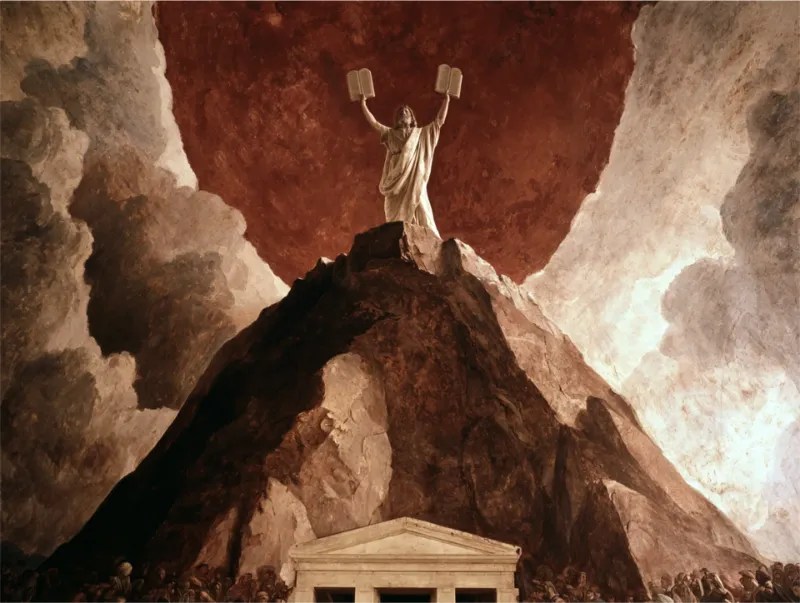
1 John 5:19
“We know that we are from God, and the whole world lies in the power of the evil one.”
Reflection: John sets two statements side by side: believers “are from God,” and “the whole world lies in the power of the evil one.” The verse before says of everyone born of God that “he who was born of God protects him, and the evil one does not touch him” (1 John 5:18).
Standing against him
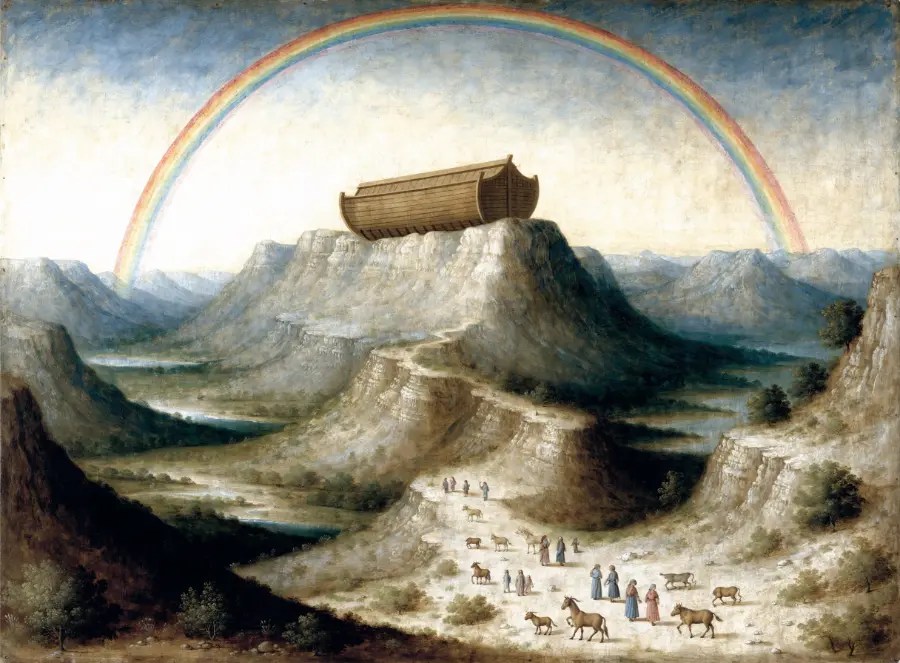
Ephesians 6:11-12
“Put on the whole armor of God, that you may be able to stand against the schemes of the devil. For we do not wrestle against flesh and blood, but against the rulers, against the authorities, against the cosmic powers over this present darkness, against the spiritual forces of evil in the heavenly places.”
Reflection: Paul’s closing instructions to the Ephesians begin “be strong in the Lord and in the strength of his might” (Ephesians 6:10). The armor is God’s, and the verbs are about holding ground: stand, withstand, “stand firm” (verse 13). Verse 12 names the opponents as spiritual “rulers” and “authorities” rather than people of “flesh and blood.”
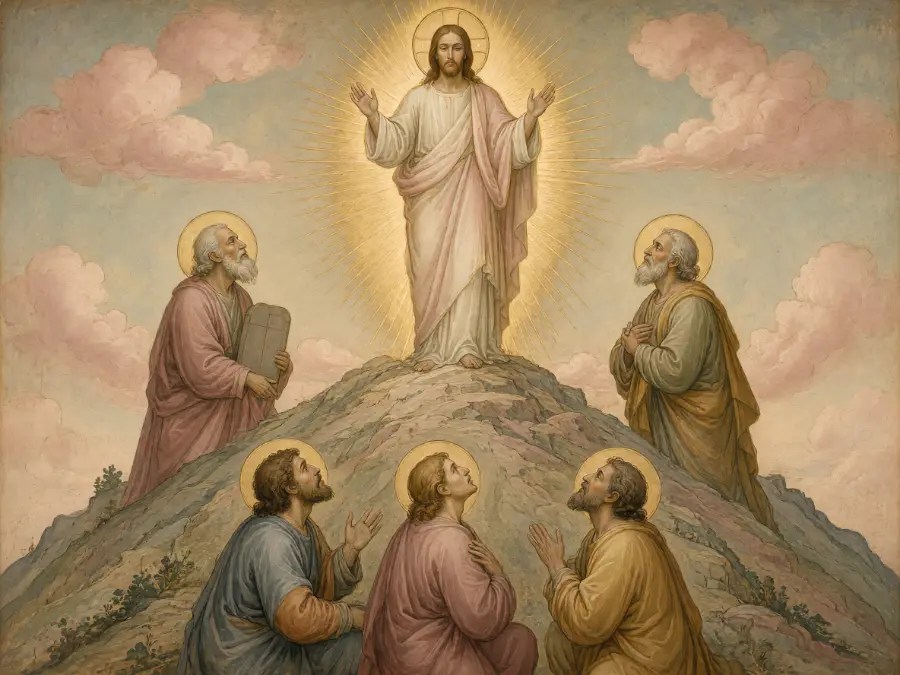
1 Peter 5:8
“Be sober-minded; be watchful. Your adversary the devil prowls around like a roaring lion, seeking someone to devour.”
Reflection: Peter follows the picture of the prowling lion with an instruction: “Resist him, firm in your faith” (1 Peter 5:9). The same verse tells his readers that “the same kinds of suffering” are being experienced by believers “throughout the world.”

James 4:7
“Submit yourselves therefore to God. Resist the devil, and he will flee from you.”
Reflection: The command to resist the devil sits between two others: submit to God, and “Draw near to God, and he will draw near to you” (James 4:8). Verse 6 gives the ground for submitting, quoting Scripture: “God opposes the proud but gives grace to the humble.”
His defeat and end
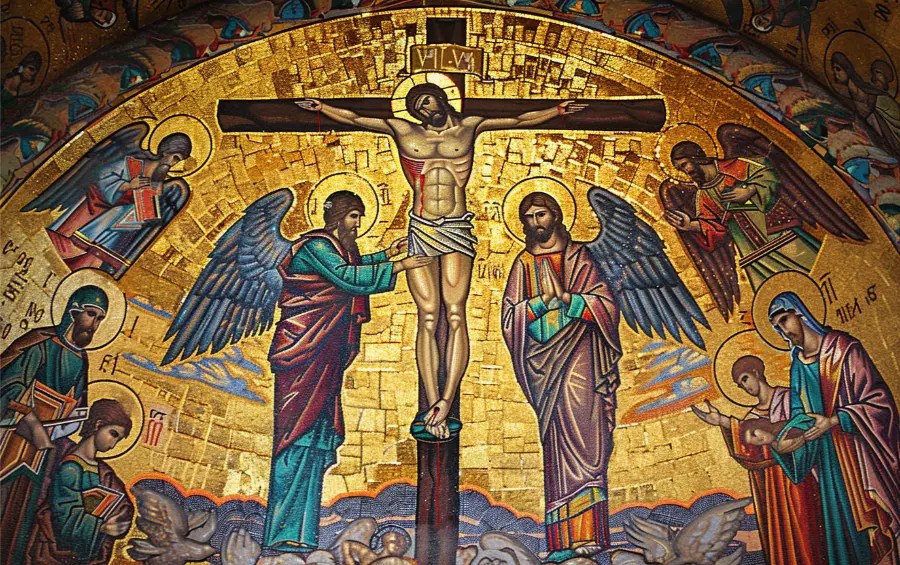
1 John 3:8
“…The reason the Son of God appeared was to destroy the works of the devil.”
Reflection: John writes that “the devil has been sinning from the beginning,” and that whoever makes a practice of sinning “is of the devil.” The Son of God appeared to destroy the devil’s works, and verse 10 gives a test for telling the two families apart: “whoever does not practice righteousness is not of God, nor is the one who does not love his brother.”
Hebrews 2:14
“…that through death he might destroy the one who has the power of death, that is, the devil,”
Reflection: The writer explains why the Son shared “flesh and blood”: to die, and by dying to destroy the one with “the power of death.” The next verse names what that death frees people from: the “fear of death” that kept them “subject to lifelong slavery” (Hebrews 2:15).
Romans 16:20
“The God of peace will soon crush Satan under your feet.”
Reflection: Paul writes this at the end of a warning about people who “cause divisions” and “deceive the hearts of the naive” (Romans 16:17-18). God does the crushing, under the believers’ feet, and Paul says it will be “soon.” Genesis 3:15 has a similar picture, in which the woman’s offspring “shall bruise” the serpent’s head.
Revelation 20:10
“…and the devil who had deceived them was thrown into the lake of fire and sulfur where the beast and the false prophet were, and they will be tormented day and night forever and ever.”
Reflection: Revelation 20 tells Satan’s end in stages. An angel binds “the dragon, that ancient serpent, who is the devil and Satan” for a thousand years (Revelation 20:2); he is then released and gathers the nations for battle (20:7-8); fire from heaven consumes them, and the devil is thrown into the lake of fire where the beast and the false prophet already are.


Leave a Reply