
 English
 Chinese
 Dutch
 Arabic
 Spanish
 Portuguese
 Russian
 French
 Italian
 German
 Japanese
In the Bible, standing up for what is right means refusing to take part in wrong, even under orders, and doing the good one knows to do. Daniel 3:17-18 and Acts 5:29 show the refusals, and Esther 4:14 the cost of keeping silent.
Proverbs 28:1 and Proverbs 29:25 set boldness against the fear of people, Proverbs 31:8-9 tells a king to speak up for those with no voice, and Matthew 5:10, 1 Peter 3:14 and 2 Timothy 3:12 expect doing right to bring opposition.
Refusing wrong and doing the good you know

Exodus 23:2
“Do not follow the crowd in doing wrong. When you give testimony in a lawsuit, do not pervert justice by siding with the crowd,”
Reflection: This law sits among rules for witnesses in a court case: do not spread false reports, and do not help the guilty by giving malicious testimony (verse 1). Siding with a crowd is named as one way to pervert justice. Verse 3 adds the other direction: “do not show favoritism to a poor person in a lawsuit.”

Daniel 3:17-18
“If we are thrown into the blazing furnace, the God we serve is able to deliver us from it, and he will deliver us from Your Majesty’s hand. But even if he does not, we want you to know, Your Majesty, that we will not serve your gods or worship the image of gold you have set up.”
Reflection: Nebuchadnezzar has been told that Shadrach, Meshach and Abednego will not worship the image of gold he set up, and he threatens them with the blazing furnace (verses 12-15). Their answer says that God is able to deliver them and will, and then: “even if he does not.” Their refusal does not depend on being rescued.
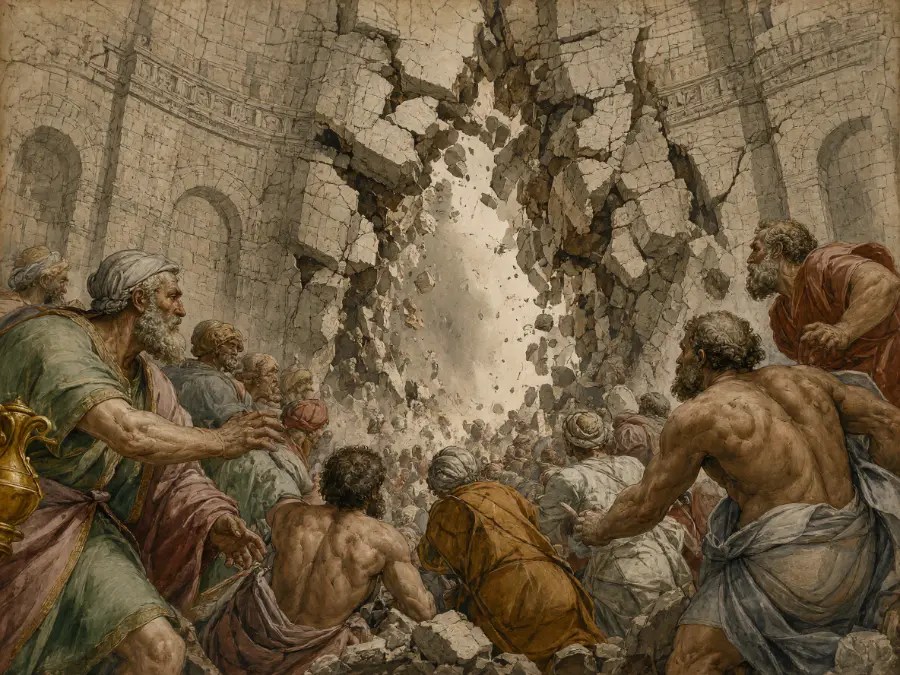
Acts 5:29
“Peter and the other apostles replied: ‘We must obey God rather than human beings!’”
Reflection: The high priest reminds the apostles that the Sanhedrin gave them “strict orders not to teach in this name” (verse 28). Peter and John had already answered the same order in Acts 4:19-20: “Which is right in God’s eyes: to listen to you, or to him? You be the judges!” Here the apostles state the principle directly and go on to name the Jesus whom the council had put to death (verse 30).
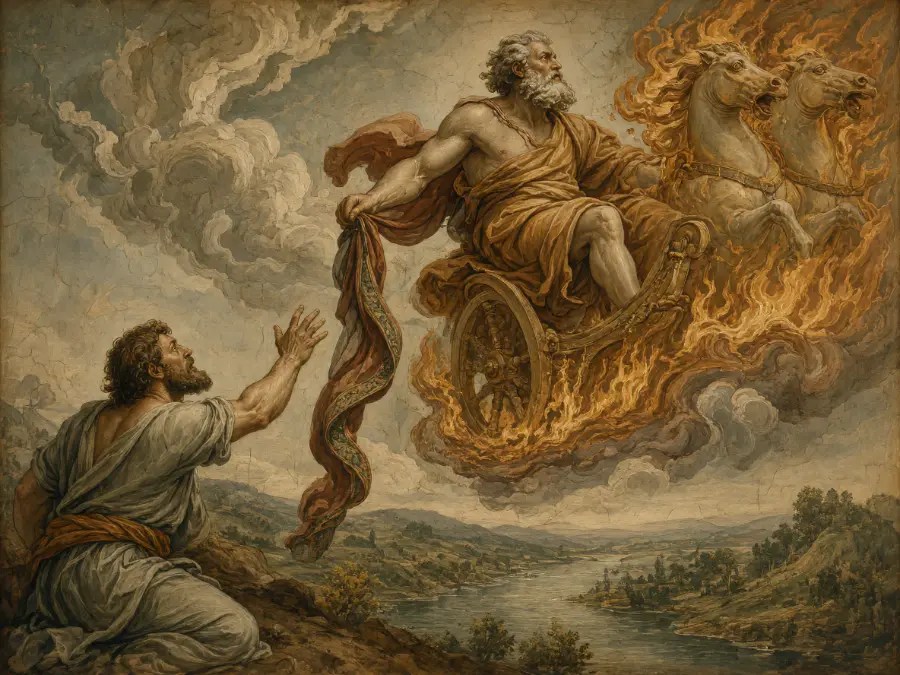
Ephesians 5:11
“Have nothing to do with the fruitless deeds of darkness, but rather expose them.”
Reflection: Paul tells the Ephesians that they were once darkness and are now “light in the Lord”, and that the fruit of the light is “goodness, righteousness and truth” (verses 8-9). The command has two parts: take no part in deeds of darkness, and expose them. Verse 13 explains how exposure works: “everything exposed by the light becomes visible.”
James 4:17
“If anyone, then, knows the good they ought to do and doesn’t do it, it is sin for them.”
Reflection: The verse closes a paragraph addressed to people planning a year of trade in another city without asking whether it is the Lord’s will (verses 13-16). James then states a rule in general terms, for anyone who knows the good they ought to do. The rule counts good left undone as sin.
Speaking and acting for the oppressed

Proverbs 31:8-9
“Speak up for those who cannot speak for themselves, for the rights of all who are destitute. Speak up and judge fairly; defend the rights of the poor and needy.”
Reflection: These are the words King Lemuel’s mother taught him (verse 1). She warns him that a ruler who drinks may “forget what has been decreed, and deprive all the oppressed of their rights” (verse 5). In verses 8-9 she tells him to speak up and judge fairly for people with no voice of their own.
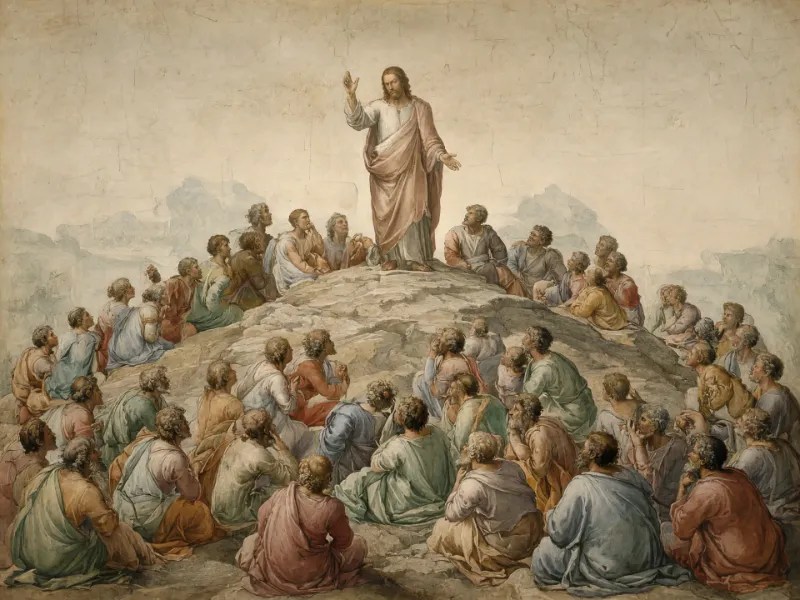
Esther 4:14
“For if you remain silent at this time, relief and deliverance for the Jews will arise from another place, but you and your father’s family will perish. And who knows but that you have come to your royal position for such a time as this?”
Reflection: Mordecai is asking Esther to go to the king on behalf of the Jews. She has answered that anyone who approaches the king unsummoned is put to death unless he holds out the gold scepter, and that she has not been called for thirty days (verse 11). Mordecai’s reply begins in verse 13: “Do not think that because you are in the king’s house you alone of all the Jews will escape.” In verse 16 she agrees: “I will go to the king, even though it is against the law. And if I perish, I perish.”

Isaiah 58:6
“Is not this the kind of fasting I have chosen: to loose the chains of injustice and untie the cords of the yoke, to set the oppressed free and break every yoke?”
Reflection: The people complain that God has not noticed their fasting (verse 3). God answers that on their fast days they exploit their workers and end in quarrels and fist fights (verses 3-4). The fast he wants is the freeing of the oppressed, and verse 7 adds food for the hungry, shelter for the poor wanderer and clothing for the naked.
Courage and the fear of people

Proverbs 28:1
“The wicked flee though no one pursues, but the righteous are as bold as a lion.”
Reflection: The proverb sets the wicked, who run when no one is chasing them, against the righteous, who are bold as a lion.
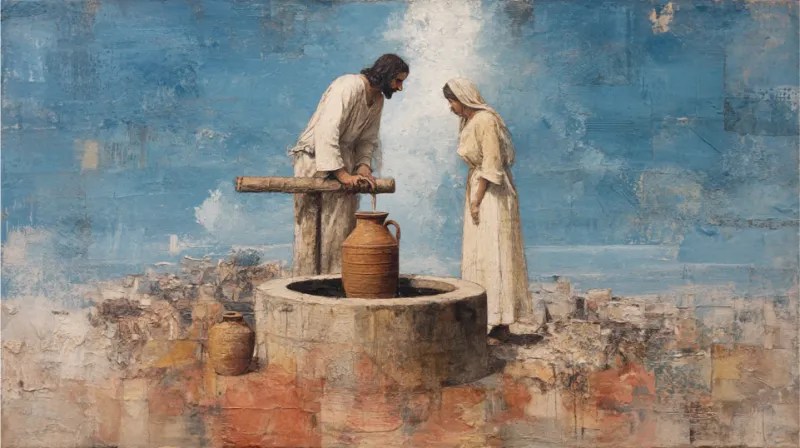
Proverbs 29:25
“Fear of man will prove to be a snare, but whoever trusts in the LORD is kept safe.”
Reflection: Fear of what people will do is called a snare, a trap that holds a person fast. Verse 26 says that justice comes from the Lord rather than from an audience with a ruler, and verse 27 expects opposition: “the wicked detest the upright.”
Joshua 1:9
“Have I not commanded you? Be strong and courageous. Do not be afraid; do not be discouraged, for the LORD your God will be with you wherever you go.”
Reflection: The Lord speaks to Joshua as he is about to lead Israel into the land (verse 6), and “be strong and courageous” comes three times in verses 6-9. Verse 7 ties the courage to obedience: “Be careful to obey all the law my servant Moses gave you; do not turn from it to the right or to the left.” Moses had used the same words to Israel and to Joshua in Deuteronomy 31:6-8.
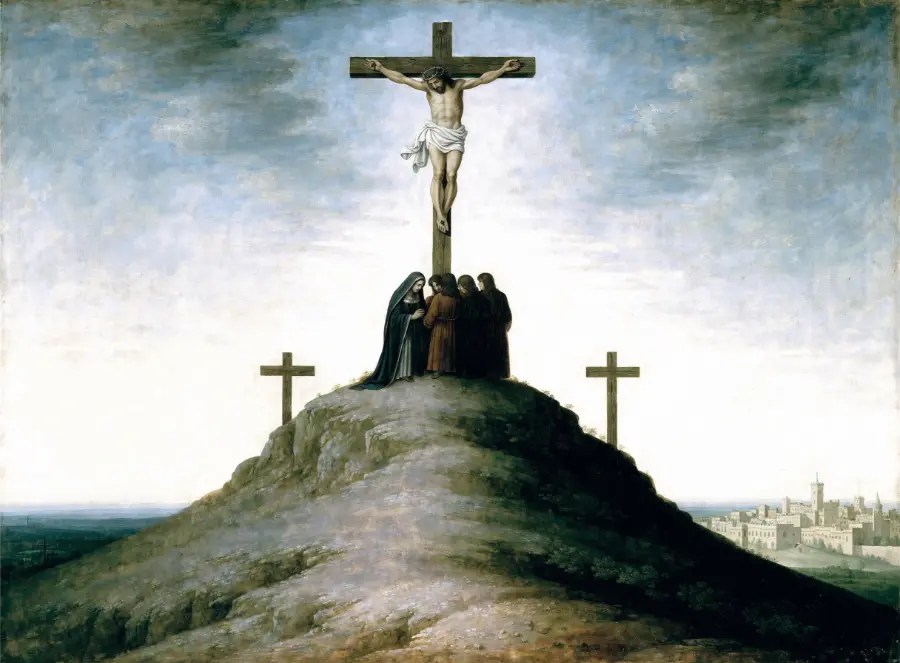
Ephesians 6:13
“Therefore put on the full armor of God, so that when the day of evil comes, you may be able to stand your ground, and after you have done everything, to stand.”
Reflection: Paul says the struggle is “not against flesh and blood” but against “the spiritual forces of evil in the heavenly realms” (verse 12). The verb stand runs through verses 11-14, and the armor he lists begins with “the belt of truth” and “the breastplate of righteousness” (verse 14).
Opposition and weariness in doing right
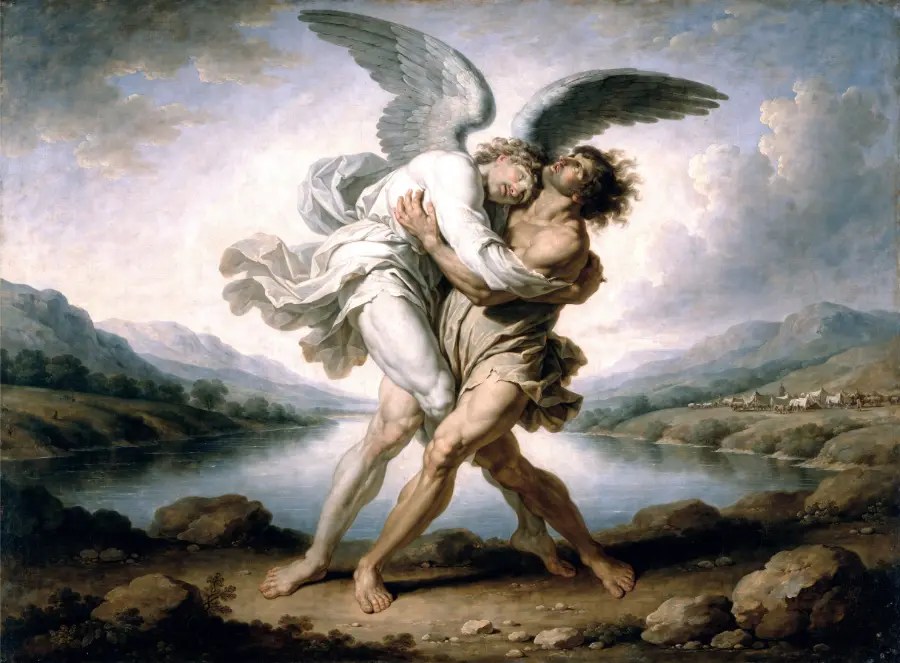
Matthew 5:10
“Blessed are those who are persecuted because of righteousness, for theirs is the kingdom of heaven.”
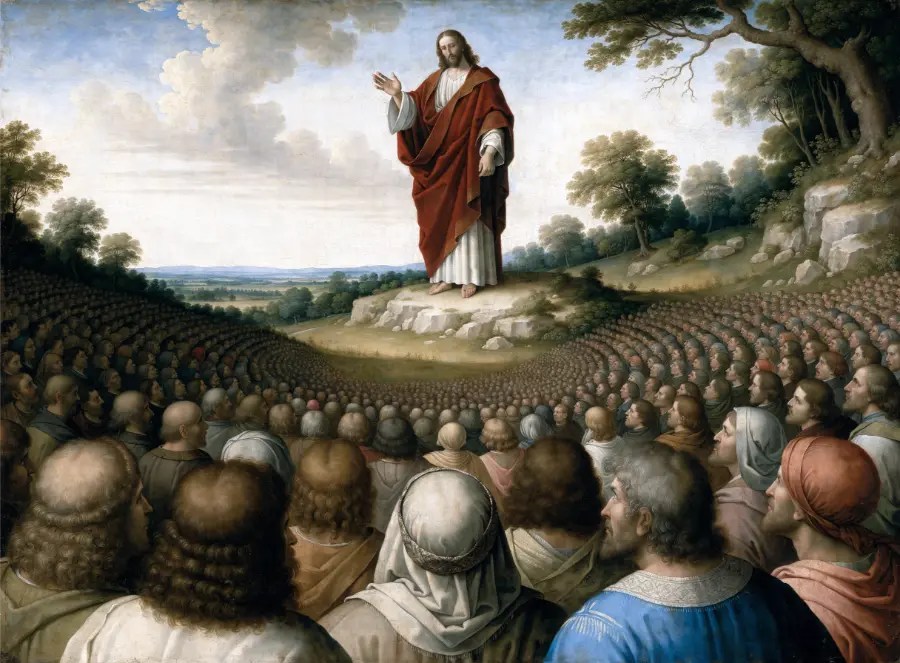
Reflection: In the Beatitudes, Jesus calls blessed those persecuted “because of righteousness.” Verses 11-12 turn to his listeners directly, “Blessed are you when people insult you”, and tell them that the prophets before them were persecuted in the same way.
1 Peter 3:14
“But even if you should suffer for what is right, you are blessed. ‘Do not fear their threats; do not be frightened.’”
Reflection: Peter has just asked, “Who is going to harm you if you are eager to do good?” (verse 13), and here he allows that it may happen anyway. Verses 15-16 say how to answer opponents: “with gentleness and respect, keeping a clear conscience.” Verse 17 adds that it is better to suffer for doing good than for doing evil.

2 Timothy 3:12
“In fact, everyone who wants to live a godly life in Christ Jesus will be persecuted,”
Reflection: Paul reminds Timothy of what happened to him in Antioch, Iconium and Lystra, and that “the Lord rescued me from all of them” (verse 11). He then states persecution as the expectation for everyone who wants to live a godly life, and tells Timothy to continue in what he has learned (verse 14).
Galatians 6:9
“Let us not become weary in doing good, for at the proper time we will reap a harvest if we do not give up.”
Reflection: The verse follows Paul’s warning that “a man reaps what he sows” (verse 7). The harvest comes “at the proper time”, and verse 10 turns the promise into a command: “as we have opportunity, let us do good to all people.”
What the verses ask of the one who stands up
Several of the passages limit how a person stands up. Exodus 23:3 forbids favoring a poor person in court as firmly as Exodus 23:2 forbids siding with the crowd, and 1 Peter 3:15-16 asks for gentleness, respect and a clear conscience toward opponents.
Esther 4:16 and Daniel 3:18 both decide before knowing the outcome. Esther says, “If I perish, I perish,” and the three men before Nebuchadnezzar say they will not worship the image “even if he does not” rescue them.


Leave a Reply