
 English
 Chinese
 Dutch
 Arabic
 Spanish
 Portuguese
 Russian
 French
 Italian
 German
 Japanese
The Bible often describes faith as a journey, and the earliest name for the Christian movement was “the Way,” a road word. Saul went to Damascus to arrest “any who belonged to the Way” (Acts 9:2), and years later Paul told a Roman governor that he worshiped God “as a follower of the Way” (Acts 24:14).
The verses below begin with Abram setting out, then turn to guidance, God’s presence along the road, the pace of a Christian life, and where the road leads.
It starts with leaving
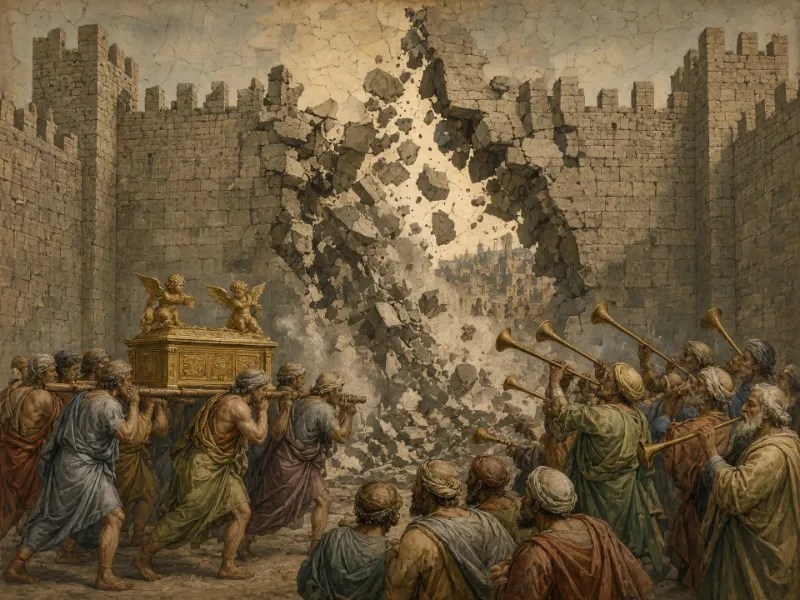
Genesis 12:1
“The Lord had said to Abram, ‘Go from your country, your people and your father’s household to the land I will show you.’”
Reflection: God names three things Abram must leave, his country, his people, and his father’s household, but does not name the destination. Abram was seventy-five when he set out (12:4), and Hebrews says he went “even though he did not know where he was going” (Hebrews 11:8).
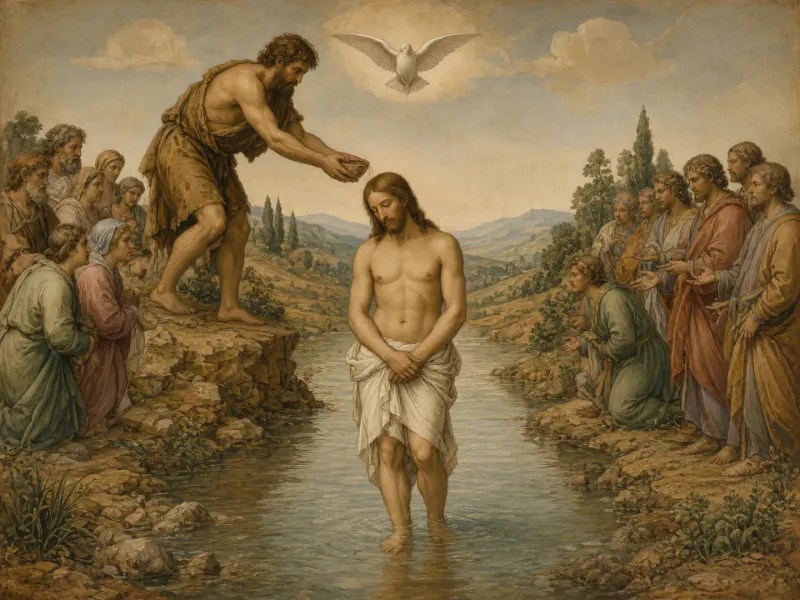
Luke 9:23
“Then he said to them all: ‘Whoever wants to be my disciple must deny themselves and take up their cross daily and follow me.’”
Reflection: Only Luke includes the word “daily” in this saying; Matthew and Mark do not. Following Jesus is described as something repeated each day rather than decided once.
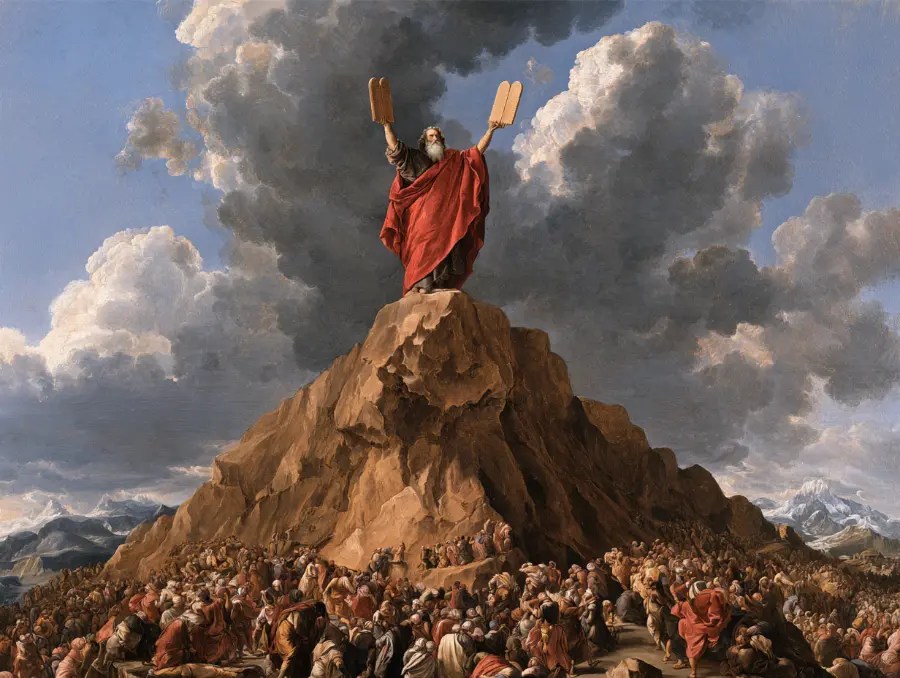
Matthew 7:13-14
“Enter through the narrow gate. For wide is the gate and broad is the road that leads to destruction, and many enter through it. But small is the gate and narrow the road that leads to life, and only a few find it.”
Reflection: Jesus contrasts two gates and two roads. The broad road is easy to find and many take it; the narrow road leads to life, and “only a few find it.”
Directions, when you cannot see far
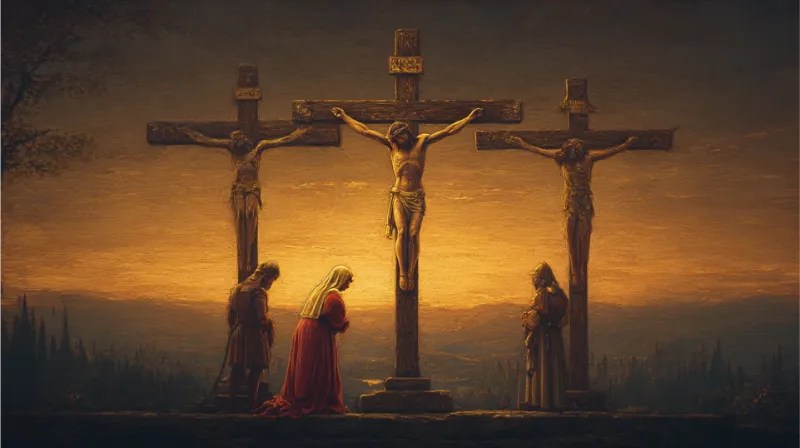
Psalm 119:105
“Your word is a lamp for my feet, a light on my path.”
Reflection: A lamp for the feet lights the ground just ahead, so the verse promises enough light for the next steps rather than a view of the whole road. Psalm 119 connects that light to God’s word throughout.
Psalm 25:4-5
“Show me your ways, Lord, teach me your paths. Guide me in your truth and teach me, for you are God my Savior, and my hope is in you all day long.”
Reflection: David asks to be shown, taught, and guided, and he says his hope is in God “all day long.” Asking repeatedly for guidance is part of the prayer, as it is in many prayers for guidance.
Isaiah 30:21
“Whether you turn to the right or to the left, your ears will hear a voice behind you, saying, ‘This is the way; walk in it.’”
Reflection: The verse before speaks of “the bread of adversity and the water of affliction,” and promises that God’s people will see their teachers again (30:20). The voice comes “behind you,” correcting the traveler at the moment of turning to the right or the left.
Proverbs 3:5-6
“Trust in the Lord with all your heart and lean not on your own understanding; in all your ways submit to him, and he will make your paths straight.”
Reflection: The proverb contrasts two things to lean on: God, and “your own understanding.” The promise attached is that he will make the paths straight.
Who is setting the steps
Proverbs 16:9
“In their hearts humans plan their course, but the Lord establishes their steps.”
Reflection: The proverb assumes that people plan their course. It adds that the Lord establishes their steps, which places the outcome in his hands.
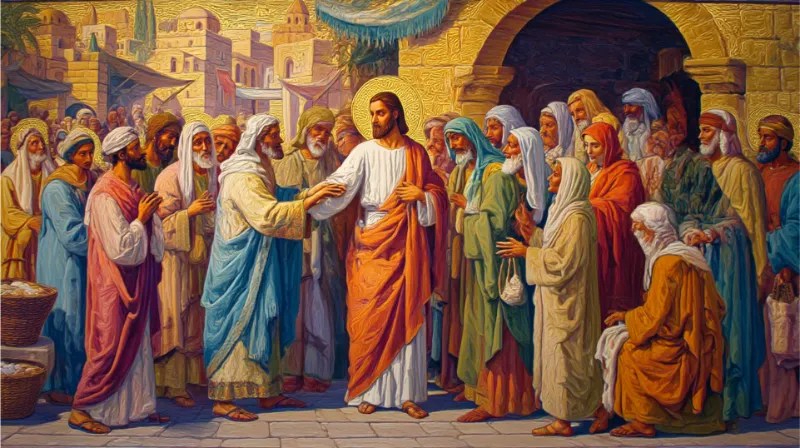
Psalm 37:23-24
“The Lord makes firm the steps of the one who delights in him; though he may stumble, he will not fall, for the Lord upholds him with his hand.”
Reflection: The promise includes stumbling: “though he may stumble, he will not fall, for the Lord upholds him with his hand.” It is made to the one who delights in the Lord.
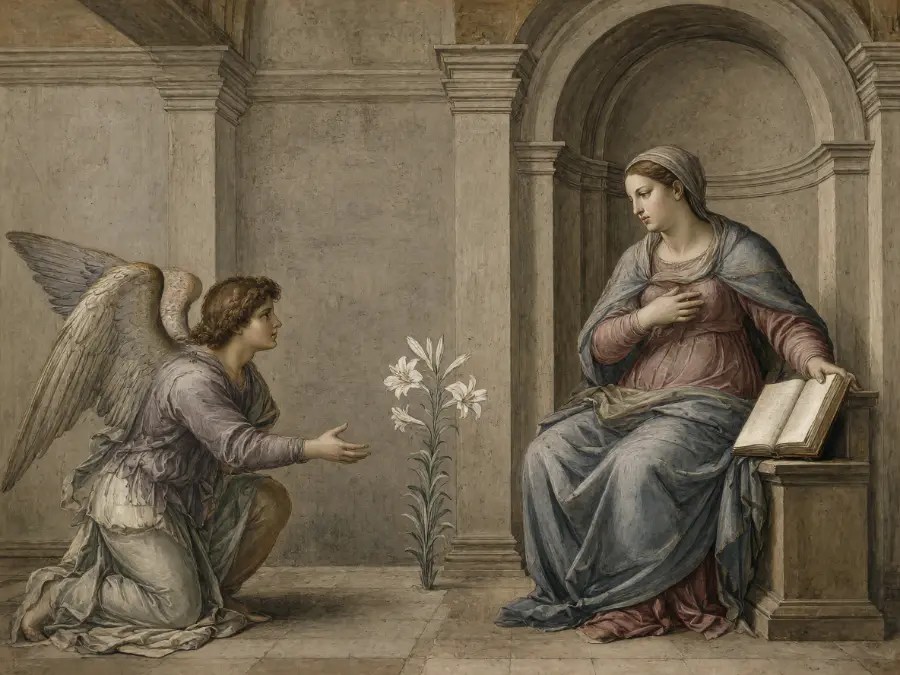
Ephesians 2:10
“For we are God’s handiwork, created in Christ Jesus to do good works, which God prepared in advance for us to do.”
Reflection: Paul has just said that salvation is “not by works” (2:8-9). Here he says believers were created for good works that God “prepared in advance.” Translations such as the ESV keep the Greek picture of a road: works “that we should walk in them.”
Who is on the road with us
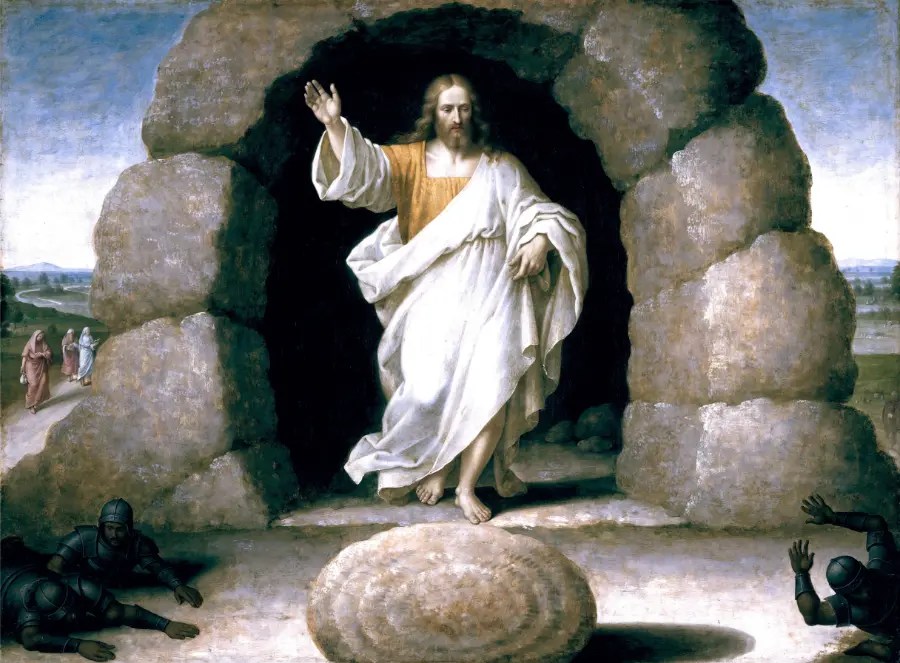
Deuteronomy 31:8
“The Lord himself goes before you and will be with you; he will never leave you nor forsake you. Do not be afraid; do not be discouraged.”
Reflection: Moses says this to Joshua in front of all Israel, as Joshua prepares to lead the people across the Jordan without him. God is promised in two places: going before them and staying with them.
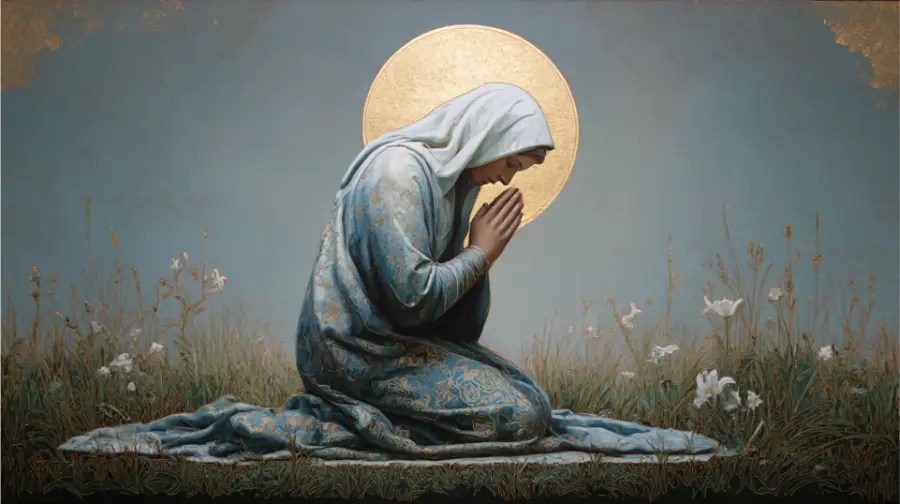
Psalm 23:1-4
“The Lord is my shepherd, I lack nothing. He makes me lie down in green pastures, he leads me beside quiet waters, he refreshes my soul. He guides me along the right paths for his name’s sake. Even though I walk through the darkest valley, I will fear no evil, for you are with me.”
Reflection: The shepherd leads “along the right paths,” and the next line describes walking through “the darkest valley.” The valley is part of the route the shepherd leads, and the psalmist says he will fear no evil because God is with him.
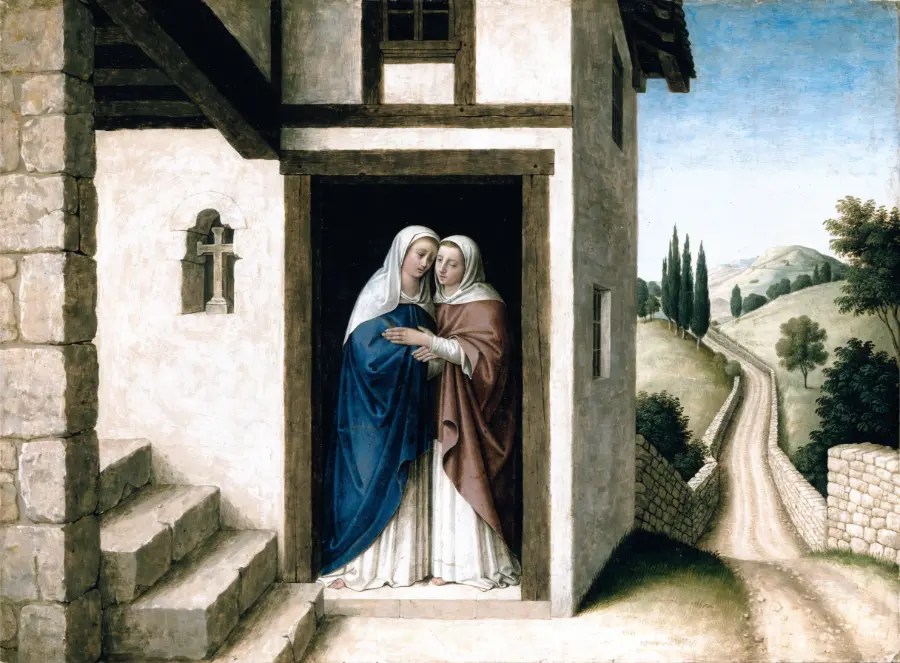
Isaiah 43:2
“When you pass through the waters, I will be with you; and when you pass through the rivers, they will not sweep over you. When you walk through the fire, you will not be burned; the flames will not set you ablaze.”
Reflection: The verse before says, “Do not fear, for I have redeemed you; I have summoned you by name; you are mine” (43:1). The promise is of God’s presence while passing through waters, rivers, and fire, not of avoiding them.
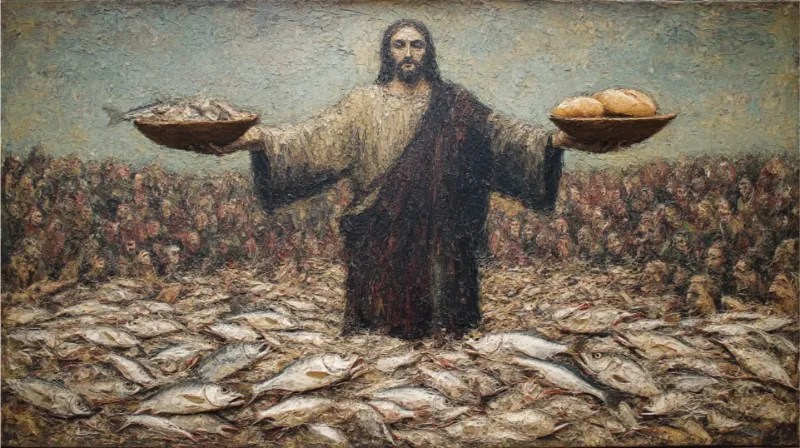
Psalm 139:9-10
“If I rise on the wings of the dawn, if I settle on the far side of the sea, even there your hand will guide me, your right hand will hold me fast.”
Reflection: David imagines going as far as he can, to the far side of the sea, and says God’s hand would be there to guide him and hold him.
The pace
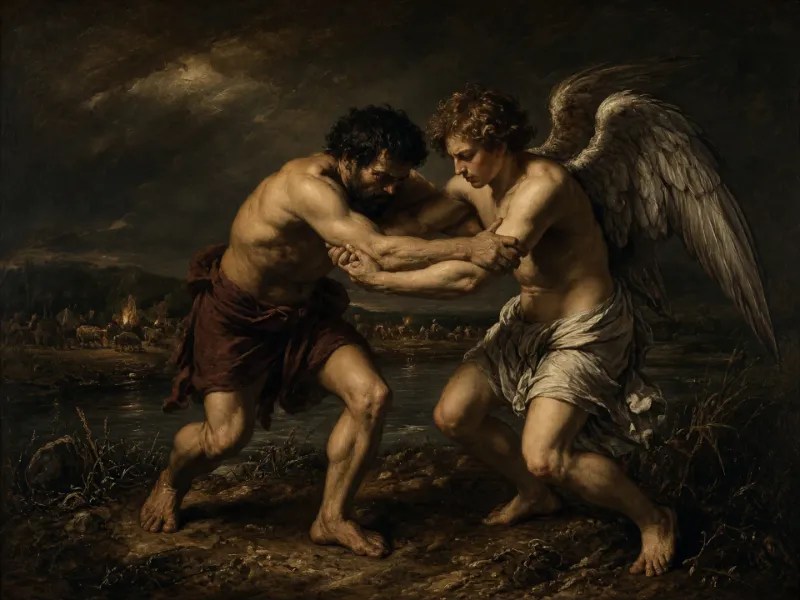
Galatians 5:25
“Since we live by the Spirit, let us keep in step with the Spirit.”
Reflection: The Greek word translated “keep in step” means to walk in line, as in a row or a procession. Paul uses it after listing the fruit of the Spirit (5:22-23).
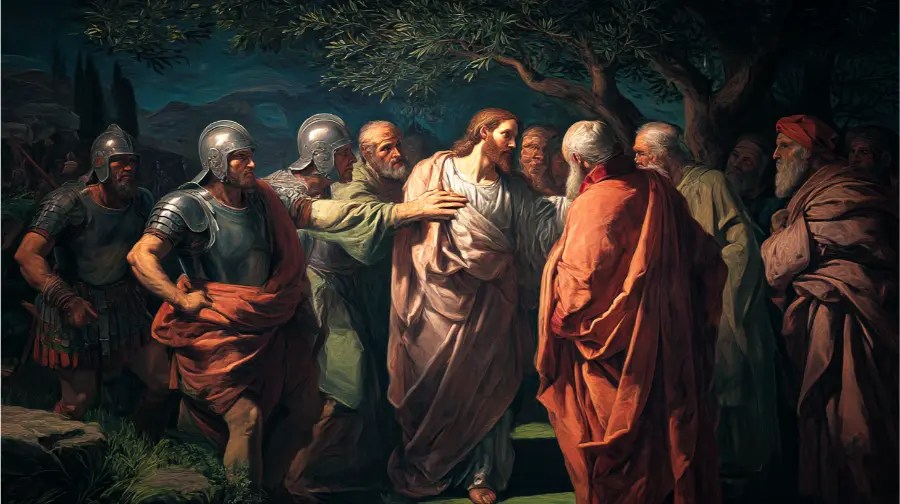
Micah 6:8
“He has shown you, O mortal, what is good. And what does the Lord require of you? To act justly and to love mercy and to walk humbly with your God.”
Reflection: Micah sums up what God requires in three phrases, and the last describes a journey: “to walk humbly with your God.”
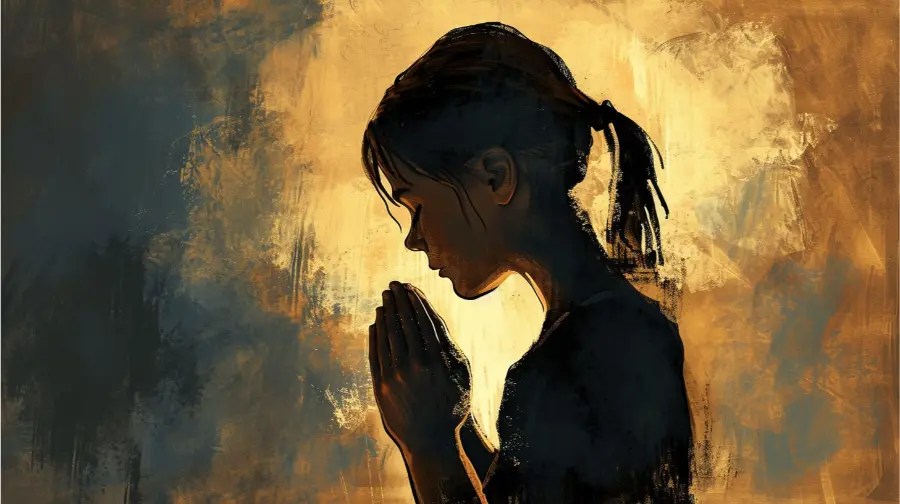
Matthew 11:28-30
“Come to me, all you who are weary and burdened, and I will give you rest. Take my yoke upon you and learn from me, for I am gentle and humble in heart, and you will find rest for your souls.”
Reflection: A yoke joined two animals so they could pull a load together. Jesus offers his yoke to the weary and burdened, and says it is easy and his burden light.
Where it goes
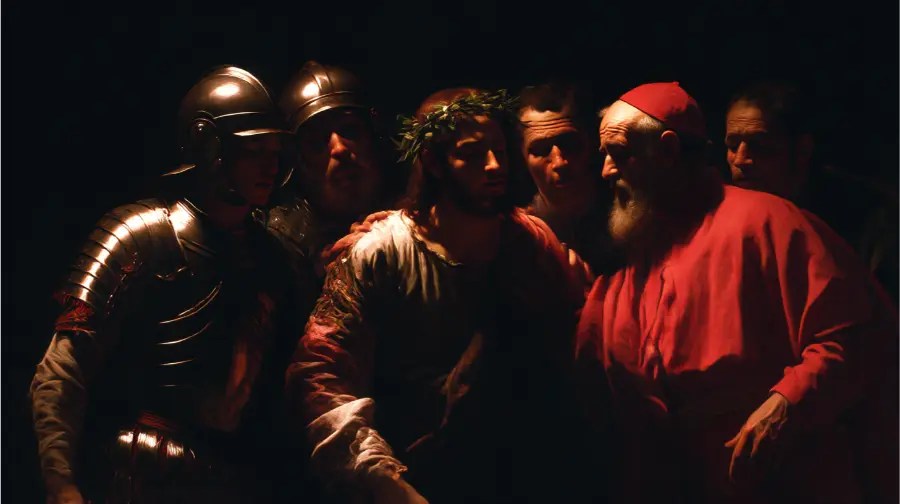
John 14:6
“Jesus answered, ‘I am the way and the truth and the life. No one comes to the Father except through me.’”
Reflection: Thomas had just said, “Lord, we don’t know where you are going, so how can we know the way?” (14:5). Jesus answers that he himself is the way to the Father.
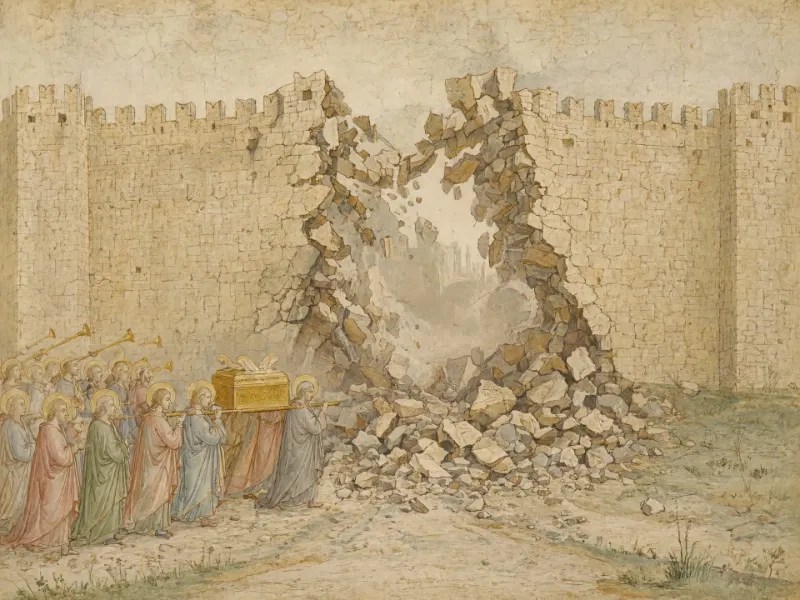
Psalm 16:11
“You make known to me the path of life; you will fill me with joy in your presence, with eternal pleasures at your right hand.”
Reflection: The psalm ends with the path of life and joy in God’s presence. Peter quotes this psalm at Pentecost as a prophecy of the resurrection of Jesus (Acts 2:25-28).
For the part you are on now
In these passages no one is shown the whole route in advance. Abram left without knowing where he was going, the lamp lights the next steps, and the voice in Isaiah speaks at the moment of turning.
What they promise is God’s company on the road, going before and staying with his people (Deuteronomy 31:8), and a pace set by the Spirit (Galatians 5:25). The destination is named in John 14:6: the Father, reached through Jesus.


Leave a Reply