
 English
 Chinese
 Dutch
 Arabic
 Spanish
 Portuguese
 Russian
 French
 Italian
 German
 Japanese
The Bible condemns treating faith as a way to make money, and it names people who did it. Paul warns against teachers “imagining that godliness is a means of gain” (1 Timothy 6:5), Micah accuses priests who “teach for a price” (Micah 3:11), and Peter refuses Simon’s money (Acts 8:20).
The verses below fall into four groups: warnings about teachers and leaders who serve for gain, money taken or offered for God’s gifts, the trading Jesus drove out of the temple (John 2:15-16), and religion used to get bread, praise or private ends.
Teachers and leaders who serve for gain
1 Timothy 6:5
“and constant friction among people who are depraved in mind and deprived of the truth, imagining that godliness is a means of gain.”
Reflection: Paul is describing anyone who “teaches a different doctrine” from “the sound words of our Lord Jesus Christ” (6:3). The list of their faults ends here, with the belief that godliness pays. Verses 6-7 take the same words and turn them around: “But godliness with contentment is great gain, for we brought nothing into the world, and we cannot take anything out of the world.”

1 Timothy 6:9-10
“But those who desire to be rich fall into temptation, into a snare, into many senseless and harmful desires that plunge people into ruin and destruction. For the love of money is a root of all kinds of evils. It is through this craving that some have wandered away from the faith and pierced themselves with many pangs.”
Reflection: These lines follow straight on from Paul’s answer to the teachers of verse 5, and they widen the warning to anyone who wants to be rich. The desire is described as a snare that ends in “ruin and destruction,” and the craving for money has already led some to wander “away from the faith.” Verse 11 then tells Timothy, “But as for you, O man of God, flee these things.”
Titus 1:11
“They must be silenced, since they are upsetting whole families by teaching for shameful gain what they ought not to teach.”
Reflection: Paul left Titus on Crete to appoint elders, and he names a group of “empty talkers and deceivers” there (1:10) who teach “for shameful gain.” A few verses earlier he lists the opposite as a requirement for an overseer, who must not be “greedy for gain” (1:7). The harm he points to is practical: whole families are being upset.

2 Corinthians 2:17
“For we are not, like so many, peddlers of God’s word, but as men of sincerity, as commissioned by God, in the sight of God we speak in Christ.”
Reflection: Paul sets his own preaching against those who treat God’s word as goods to sell. Against them he describes how he speaks: with sincerity, sent by God, and “in the sight of God.”

1 Peter 5:2
“shepherd the flock of God that is among you, exercising oversight, not under compulsion, but willingly, as God would have you; not for shameful gain, but eagerly;”
Reflection: Peter writes to the elders “as a fellow elder” (5:1) and gives three pairs of contrasts for their work: willingly rather than under compulsion, eagerly rather than “for shameful gain,” and as examples rather than domineering. Gain is named as a motive an elder can have and must not.
Jude 1:11
“Woe to them! For they walked in the way of Cain and abandoned themselves for the sake of gain to Balaam’s error and perished in Korah’s rebellion.”
Reflection: Jude compares the intruders in the church to three figures from the Old Testament: Cain, Balaam and Korah. Balaam is the one tied to money. In Numbers 22 the elders of Moab came to him “with the fees for divination in their hand” (22:7), asking him to curse Israel. Second Peter 2:15 makes the same point about Balaam, “who loved gain from wrongdoing.”
2 Peter 2:3
“And in their greed they will exploit you with false words. Their condemnation from long ago is not idle, and their destruction is not asleep.”
Reflection: Peter warns that false teachers will arise in the church as false prophets arose in Israel (2:1). Their method in this verse is greed working through “false words”: they make money from the people they teach. The second half of the verse says their judgment is already set, though it has not yet arrived.
Money taken or offered for God’s gifts
Micah 3:11
“Its heads give judgment for a bribe; its priests teach for a price; its prophets practice divination for money; yet they lean on the LORD and say, ‘Is not the LORD in the midst of us? No disaster shall come upon us.’”
Reflection: Micah addresses the rulers of Jerusalem, and in one verse he charges its judges, priests and prophets each with working for money. What makes the charge worse is the last line: they still lean on the Lord and assume no disaster can reach them. The next verse answers that assumption: “Zion shall be plowed as a field.” Earlier in the chapter Micah describes prophets who “cry ‘Peace’ when they have something to eat” (3:5).
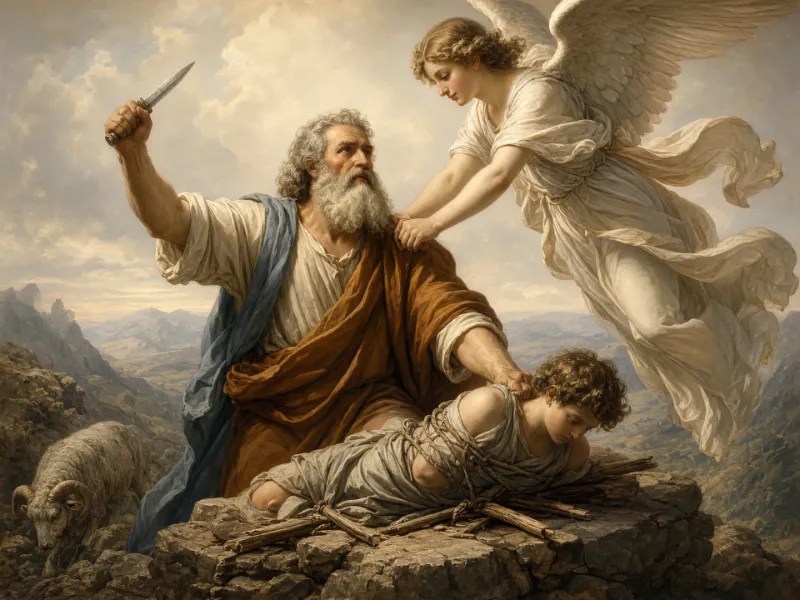
2 Kings 5:26
“But he said to him, ‘Did not my heart go when the man turned from his chariot to meet you? Was it a time to accept money and garments, olive orchards and vineyards, sheep and oxen, male servants and female servants?’”
Reflection: Elisha had healed the Syrian commander Naaman of leprosy and refused his gifts, swearing “As the Lord lives” that he would take nothing (5:16). His servant Gehazi ran after Naaman, invented a request in Elisha’s name, and came back with two talents of silver and clothing. Elisha’s question to him exposes the lie, and the leprosy Naaman had been healed of comes upon Gehazi (5:27).
Acts 8:20-21
“But Peter said to him, ‘May your silver perish with you, because you thought you could obtain the gift of God with money! You have neither part nor lot in this matter, for your heart is not right before God.’”
Reflection: Simon had practised magic in Samaria and was known as “the power of God that is called Great” (8:10). He believed and was baptized, but when he saw the Spirit given through the apostles’ hands, he offered them money for the same power. Peter’s answer refuses the deal and tells him to repent and pray to be forgiven (8:22).
Trade in God’s house
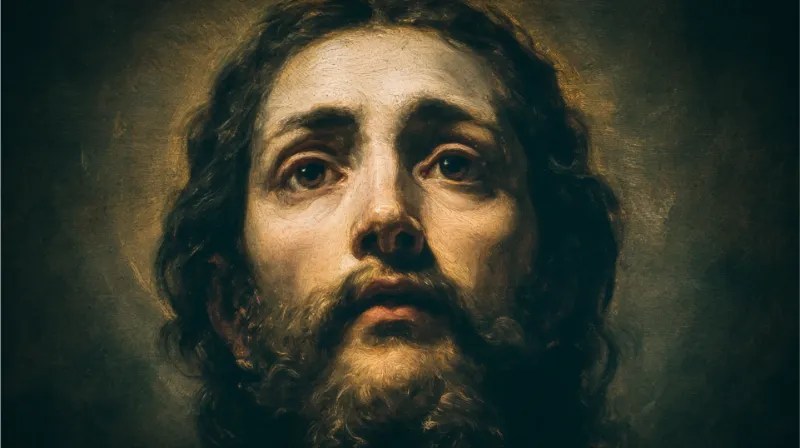
John 2:15-16
“And making a whip of cords, he drove them all out of the temple, with the sheep and oxen. And he poured out the coins of the money-changers and overturned their tables. And he told those who sold the pigeons, ‘Take these things away; do not make my Father’s house a house of trade.’”
Reflection: John places this at Passover, when Jesus found oxen, sheep and pigeons being sold in the temple and money-changers at their tables. He drove out the animals, scattered the coins and told the pigeon sellers, “do not make my Father’s house a house of trade.” His disciples remembered the line from Psalm 69, “Zeal for your house will consume me” (2:17).
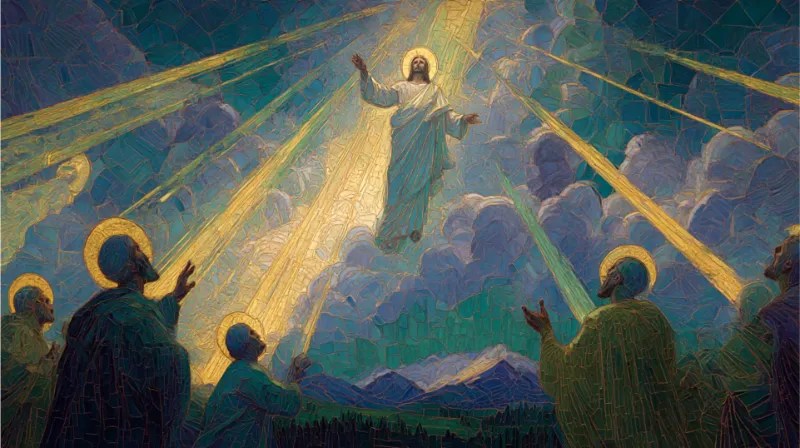
Matthew 21:13
“He said to them, ‘It is written, “My house shall be called a house of prayer,” but you make it a den of robbers.’”
Reflection: Matthew sets the clearing of the temple just after Jesus rides into Jerusalem. Jesus joins two prophets in one sentence: “house of prayer” is from Isaiah 56:7, which adds “for all peoples,” and “den of robbers” is from Jeremiah 7:11. In Jeremiah 7:9-10, the people steal, murder and swear falsely, then stand in the temple and say, “We are delivered!”
Religion used for bread, praise or private ends
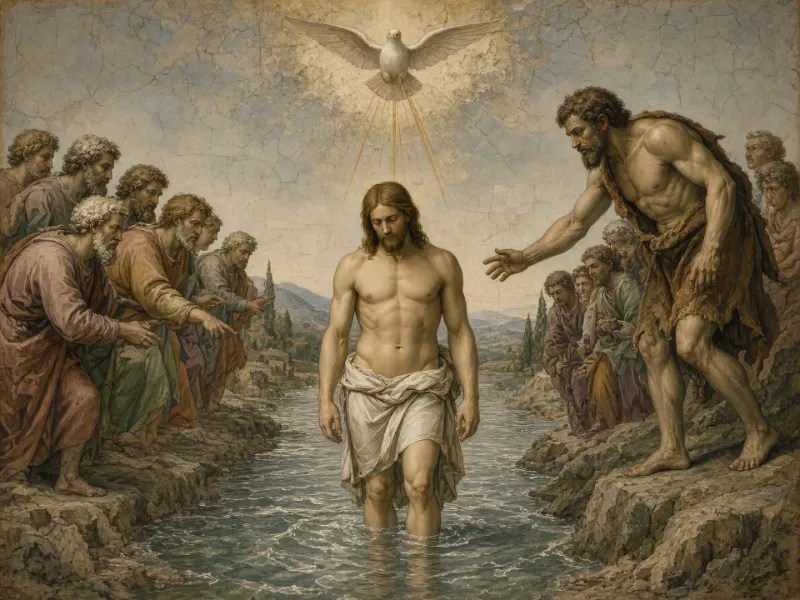
John 6:26
“Jesus answered them, ‘Truly, truly, I say to you, you are seeking me, not because you saw signs, but because you ate your fill of the loaves.’”
Reflection: The day before, Jesus had fed five thousand, and the crowd had wanted to make him king by force (6:15). They followed him across the lake, and he tells them plainly that bread, not the signs, brought them. His next words redirect them: “Do not work for the food that perishes, but for the food that endures to eternal life” (6:27).
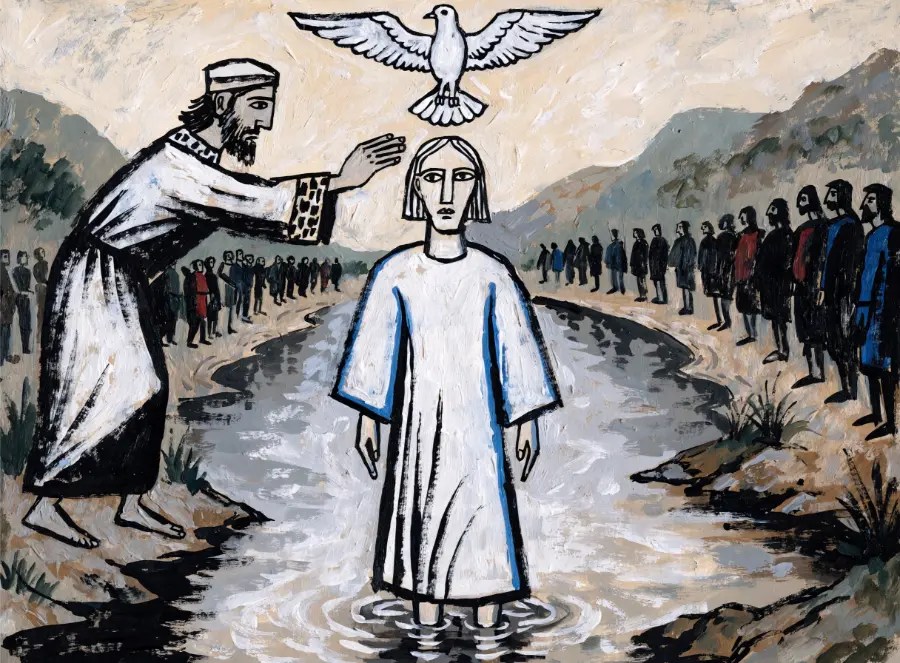
James 4:3
“You ask and do not receive, because you ask wrongly, to spend it on your passions.”
Reflection: James is writing about quarrels in the church, which he traces to desires “at war within you” (4:1). Prayer can serve the same desires: people ask God for things so they can spend them on their own passions. The next verse warns that “friendship with the world is enmity with God.”

Ezekiel 33:31
“And they come to you as people come, and they sit before you as my people, and they hear what you say but they will not do it; for with lustful talk in their mouths they act; their heart is set on their gain.”
Reflection: God tells Ezekiel how his own listeners treat him. They invite each other to come and hear “what the word is that comes from the Lord” (33:30) and sit before him as God’s people, but their hearts are set on gain and they do not do what they hear. Verse 32 says they treat him like a singer with a good voice. Verse 33 adds that when his words come true, “they will know that a prophet has been among them.”
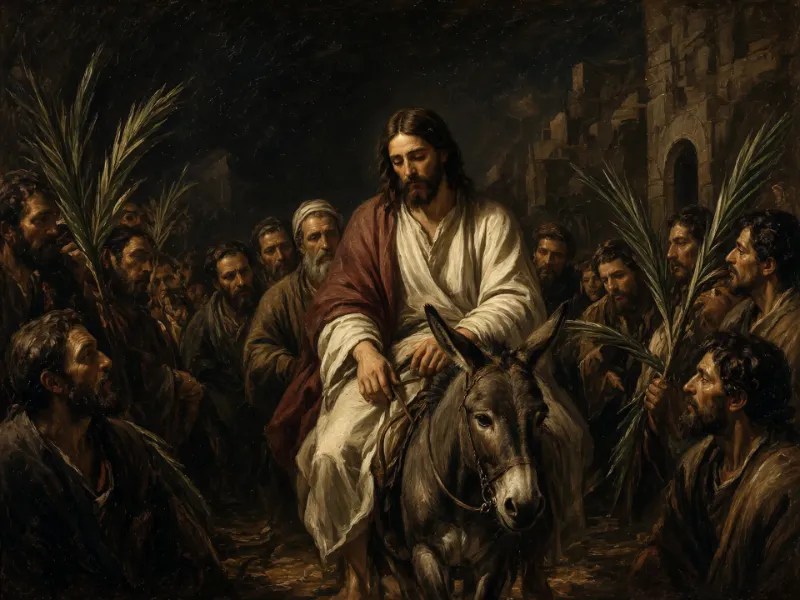
Matthew 6:2
“Thus, when you give to the needy, sound no trumpet before you, as the hypocrites do in the synagogues and in the streets, that they may be praised by others. Truly, I say to you, they have received their reward.”
Reflection: In the Sermon on the Mount, Jesus warns against “practicing your righteousness before other people in order to be seen by them” (6:1). The gain here is praise, and the giver who seeks it “received their reward.” Verse 5 says the same of people who pray on street corners.
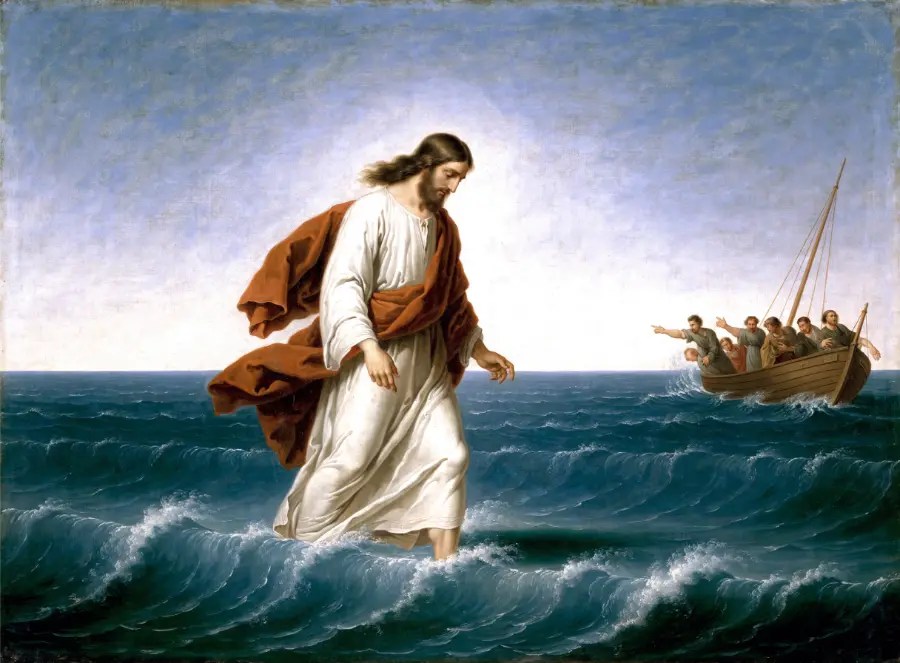
Acts 5:3-4
“But Peter said, ‘Ananias, why has Satan filled your heart to lie to the Holy Spirit and to keep back for yourself part of the proceeds of the land? While it remained unsold, did it not remain your own? And after it was sold, was it not at your disposal? Why is it that you have contrived this deed in your heart? You have not lied to man but to God.’”
Reflection: Ananias and his wife Sapphira sold land and brought part of the money to the apostles, keeping the rest while presenting it as the whole. The chapter before has just told how Barnabas sold a field and laid the money at the apostles’ feet (4:36-37). Peter makes clear the land and money were Ananias’s own to keep; the sin was the lie, which Peter says was told “to the Holy Spirit” and “to God.” Ananias died on hearing these words (5:5).


Leave a Reply