
 English
 Chinese
 Dutch
 Arabic
 Spanish
 Portuguese
 Russian
 French
 Italian
 German
 Japanese
The Bible asks believers to work wholeheartedly as people serving the Lord, and to spend that work on others. Colossians 3:17 covers “whatever you do,” and Romans 12:11 asks for zeal in serving the Lord.
In John 13:14-15 Jesus washes his disciples’ feet and tells them to wash one another’s. Galatians 5:13 and 1 Peter 4:10 direct that service toward other believers, and in Matthew 9:37-38 Jesus asks his disciples to pray for more workers.
Work done as for the Lord
Colossians 3:17
“And whatever you do, whether in word or deed, do it all in the name of the Lord Jesus, giving thanks to God the Father through him.”
Reflection: The verse closes a passage on how the Colossians are to live with one another: “clothe yourselves with compassion, kindness, humility, gentleness and patience,” forgive “as the Lord forgave you,” and teach one another through “psalms, hymns, and songs from the Spirit” (3:12-16). “Whatever you do” then takes in everything else, speech and action alike. Thanks comes up in three verses in a row: “And be thankful” (3:15), “singing to God with gratitude” (3:16), and “giving thanks to God the Father through him” here.

Colossians 3:23-24
“Whatever you do, work at it with all your heart, as working for the Lord, not for human masters, since you know that you will receive an inheritance from the Lord as a reward. It is the Lord Christ you are serving.”
Reflection: Paul addresses slaves whose masters can see only part of their work. In verse 22 he asks them to obey even when no one is watching, and in verse 24 he names Christ as the master from whom they will receive their inheritance.

Ephesians 6:7-8
“Serve wholeheartedly, as if you were serving the Lord, not people, because you know that the Lord will reward each one for whatever good they do, whether they are slave or free.”
Reflection: The instruction is addressed to slaves, who are told to serve “as slaves of Christ, doing the will of God from your heart” (6:6). The promise in verse 8 reaches past them: the Lord rewards “whatever good they do, whether they are slave or free.” Masters are then told to “treat your slaves in the same way,” because their own Master is in heaven and “there is no favoritism with him” (6:9).

Romans 12:11
“Never be lacking in zeal, but keep your spiritual fervor, serving the Lord.”
Reflection: Romans 12 opens by asking the readers to offer their bodies “as a living sacrifice” (12:1), then describes the church as one body whose members have different gifts. Each gift is to be used in its own way, among them “if it is to lead, do it diligently; if it is to show mercy, do it cheerfully” (12:8). A few verses later the call to zeal is addressed to the whole church, and the zeal is directed at “serving the Lord.”
1 Corinthians 15:58
“Therefore, my dear brothers and sisters, stand firm. Let nothing move you. Always give yourselves fully to the work of the Lord, because you know that your labor in the Lord is not in vain.”
Reflection: The verse closes Paul’s argument for the resurrection of the dead, written because “some of you say that there is no resurrection of the dead” (15:12). Its “Therefore” reaches back to the verse before: “He gives us the victory through our Lord Jesus Christ” (15:57). Earlier in the chapter Paul had said that if Christ has not been raised, “our preaching is useless and so is your faith” (15:14); with the resurrection affirmed, labor in the Lord “is not in vain.”
Diligence in everyday work
Proverbs 12:24
“Diligent hands will rule, but laziness ends in forced labor.”
Reflection: The proverb pictures two workers. The diligent one comes to have authority, while the lazy one ends up working under compulsion. Verse 27 draws the same distinction at the end of a hunt, when only the diligent enjoy a meal from the game.

Proverbs 13:4
“A sluggard’s appetite is never filled, but the desires of the diligent are fully satisfied.”
Reflection: Both people in the saying want something, and the proverb describes that desire as an appetite. The lazy person keeps hungering, while the one who works diligently has enough.
Proverbs 14:23
“All hard work brings a profit, but mere talk leads only to poverty.”
Reflection: Hard work and idle talk are measured by what each leaves a person to live on. The worker has something to show for the effort, while the person who only talks ends up poor.

Ecclesiastes 9:10
“Whatever your hand finds to do, do it with all your might, for in the realm of the dead, where you are going, there is neither working nor planning nor knowledge nor wisdom.”
Reflection: The writer has just urged his listener to enjoy meals and life with the wife he loves (verses 7 to 9). He gives the work at hand the same urgency, since even the chance to plan that work ends at death.
Serving other people

John 13:14-15
“Now that I, your Lord and Teacher, have washed your feet, you also should wash one another’s feet. I have set you an example that you should do as I have done for you.”
Reflection: Jesus has just washed the disciples’ feet, put his clothes back on and asked, “Do you understand what I have done for you?” (13:12). He accepts the titles Teacher and Lord and builds the instruction on them: if the Lord washes feet, his disciples should wash one another’s. He adds, “no servant is greater than his master,” and “you will be blessed if you do them” (13:16-17).

Galatians 5:13
“You, my brothers and sisters, were called to be free. But do not use your freedom to indulge the flesh; rather, serve one another humbly in love.”
Reflection: Paul’s letter to the Galatians defends their freedom: “It is for freedom that Christ has set us free” (5:1). Here he says what that freedom is not for, indulging the flesh, and what it is for, serving “one another humbly in love.” The next verse gives the reason: “the entire law is fulfilled in keeping this one command: ‘Love your neighbor as yourself’” (5:14).

1 Peter 4:10
“Each of you should use whatever gift you have received to serve others, as faithful stewards of God’s grace in its various forms.”
Reflection: Peter gives this instruction to readers he tells, “The end of all things is near” (4:7). Each gift is to be used for others, and the person using it is a steward of “God’s grace in its various forms.” The next verse names two kinds of gift, speaking and serving, and asks that serving be done “with the strength God provides, so that in all things God may be praised through Jesus Christ” (4:11).

Galatians 6:9
“Let us not become weary in doing good, for at the proper time we will reap a harvest if we do not give up.”
Reflection: The chapter opens with the work Paul asks of the Galatians toward one another: restoring someone caught in sin “gently,” carrying “each other’s burdens,” and sharing “all good things” with the one who teaches them the word (6:1-2, 6). Verse 9 asks that doing good continue without weariness, and promises a harvest to those who “do not give up.”

2 Thessalonians 3:13
“And as for you, brothers and sisters, never tire of doing what is good.”
Reflection: Paul and his companions tell the Thessalonians that they “worked night and day” to pay for their food (verse 8). After telling the idle to settle down and earn their own food in verse 12, they turn to the rest of the church and ask them to keep doing good.

Hebrews 6:10
“God is not unjust; he will not forget your work and the love you have shown him as you have helped his people and continue to help them.”
Reflection: The verse follows one of the letter’s sternest warnings, about those who have “fallen away” (6:4-8), and the tone changes: “we are convinced of better things in your case” (6:9). The readers’ work is their help to God’s people, which they are still giving, and the writer calls it love “shown him,” that is, to God. The following verses ask for “this same diligence to the very end” and add, “We do not want you to become lazy” (6:11-12).
How Paul describes Christian labor

1 Thessalonians 1:3
“We remember before our God and Father your work produced by faith, your labor prompted by love, and your endurance inspired by hope in our Lord Jesus Christ.”
Reflection: Paul, Silas and Timothy open the letter by thanking God for the church in Thessalonica, and this is what they remember about it in prayer. The verse gives each kind of effort a source: work is “produced by faith,” labor is “prompted by love,” and endurance is “inspired by hope.” Later in the chapter the same church is described as having “turned to God from idols to serve the living and true God” (1:9).

1 Corinthians 3:8
“The one who plants and the one who waters have one purpose, and they will each be rewarded according to their own labor.”
Reflection: The church in Corinth had split over its leaders, with one saying “I follow Paul” and another “I follow Apollos” (3:4). Paul answers that the two of them are “only servants”: “I planted the seed, Apollos watered it, but God has been making it grow” (3:5-6). They share one purpose, yet each is rewarded “according to their own labor,” and the next verse calls them “co-workers in God’s service” (3:9).

1 Timothy 4:10
“That is why we labor and strive, because we have put our hope in the living God, who is the Savior of all people, and especially of those who believe.”
Reflection: Paul sets physical training beside training in godliness: the first “is of some value,” but godliness holds “promise for both the present life and the life to come” (4:8). The labor and striving in this verse belong to that training in godliness, and the reason given for them is hope “in the living God.”
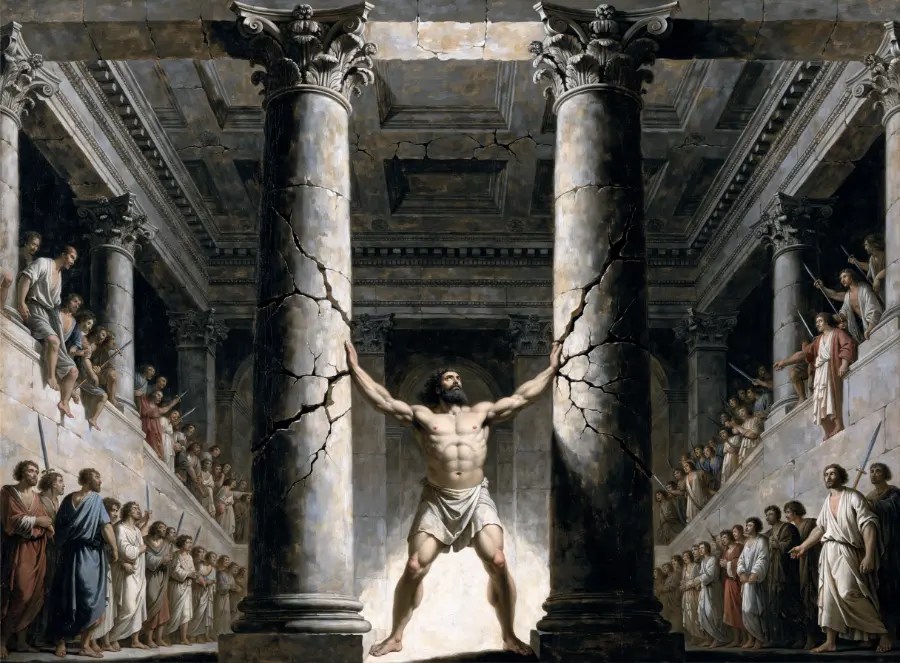
2 Timothy 2:6
“The hardworking farmer should be the first to receive a share of the crops.”
Reflection: Paul gives Timothy three pictures of committed work: a soldier who stays out of “civilian affairs” to please his commanding officer, an athlete who competes “according to the rules,” and a farmer who works hard (2:3-6). In the farmer’s picture, the one who did the work has the first claim on the crop. Paul then leaves Timothy to think it through: “Reflect on what I am saying, for the Lord will give you insight into all this” (2:7).
Jesus on workers and the work God requires
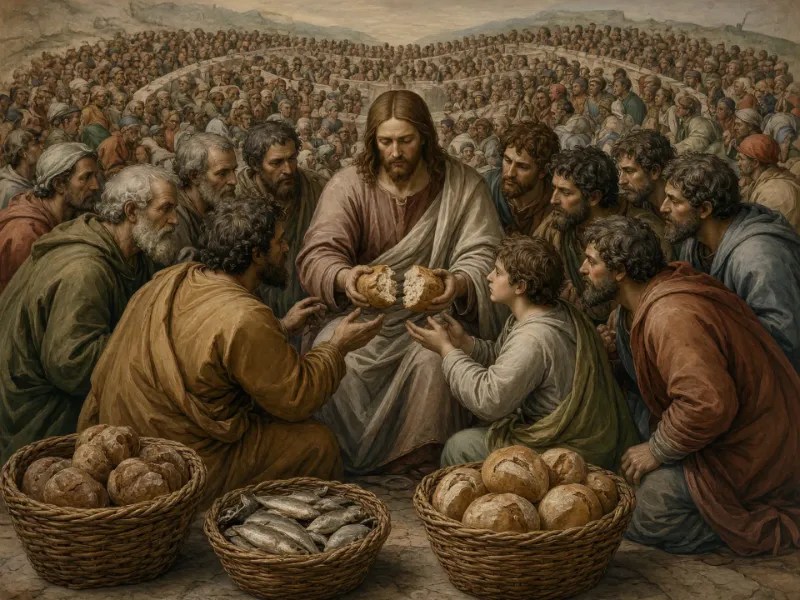
Matthew 9:37-38
“Then he said to his disciples, ‘The harvest is plentiful but the workers are few. Ask the Lord of the harvest, therefore, to send out workers into his harvest field.’”
Reflection: Jesus says this after going “through all the towns and villages,” when he sees crowds “harassed and helpless, like sheep without a shepherd” (9:35-36). The shortage he names is of workers, and the one instruction he gives is to pray to the Lord of the harvest for them. At the start of the next chapter he calls the twelve disciples and sends them out (10:1-5).
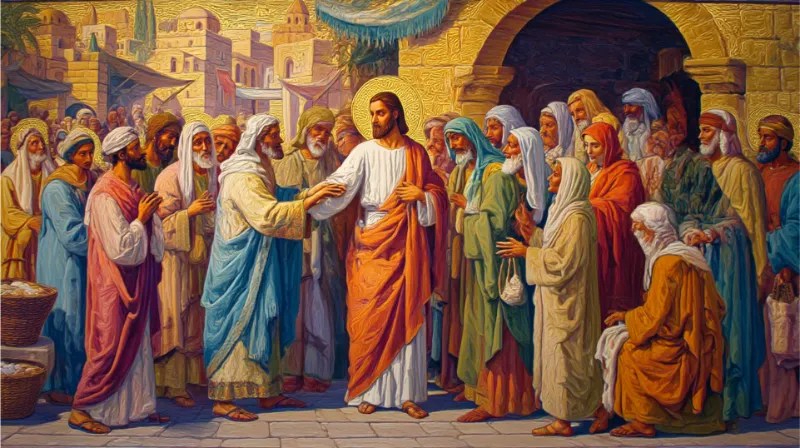
John 6:27
“Do not work for food that spoils, but for food that endures to eternal life, which the Son of Man will give you. For on him God the Father has placed his seal of approval.”
Reflection: The day after he fed the five thousand, Jesus tells the crowd that had crossed the lake to find him that they came “because you ate the loaves and had your fill” (6:26). He sets the food they were after against “food that endures to eternal life.” The crowd takes up his word and asks, “What must we do to do the works God requires?” and Jesus answers, “The work of God is this: to believe in the one he has sent” (6:28-29).


Leave a Reply