
 English
 Chinese
 Dutch
 Arabic
 Spanish
 Portuguese
 Russian
 French
 Italian
 German
 Japanese
The Bible presents serving others as the pattern Jesus set for his followers. He said he “did not come to be served, but to serve” (Mark 10:45), and after washing his disciples’ feet he told them to do as he had done (John 13:14-15).
The letters carry that into church life: “serve one another humbly in love” (Galatians 5:13), and use each gift “to serve others” (1 Peter 4:10). Other passages name who is to be served: the hungry, the stranger, the sick and the prisoner in Matthew 25:31-46, and a brother or sister without food or clothes in James 2:14-17.
What Jesus said about greatness and serving

Mark 10:45
“For even the Son of Man did not come to be served, but to serve, and to give his life as a ransom for many.”
Reflection: James and John had asked for the seats at Jesus’ right and left in his glory, and the other ten disciples were indignant. Jesus contrasts the rulers of the Gentiles, who “lord it over” their people, with his own followers: “whoever wants to become great among you must be your servant” (Mark 10:43). He then points to himself as the reason. Matthew 20:28 records the same saying, with the request made by the brothers’ mother.

Luke 22:27
“For who is greater, the one who is at the table or the one who serves? Is it not the one who is at the table? But I am among you as one who serves.”
Reflection: At the Passover meal, just after Jesus says that his betrayer is at the table, the disciples argue over which of them is the greatest. Jesus answers with an ordinary dinner: the guest at the table ranks above the one who waits on it, yet he places himself with the one who waits. The verb for serve is diakoneo, which Strong’s defines as “to be an attendant, to wait upon.”

Matthew 23:11
“The greatest among you will be your servant.”
Reflection: Jesus says this to the crowds and his disciples while warning them about the teachers of the law and the Pharisees, who love the places of honour at banquets and being called Rabbi. He tells his followers not to take such titles, because “you are all brothers,” and adds in the next verse that “those who humble themselves will be exalted.”
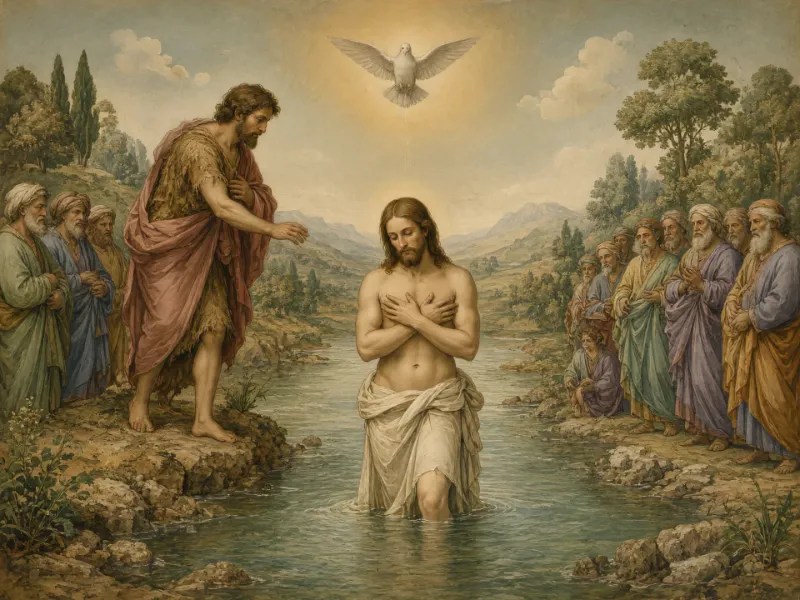
John 13:14-15
“Now that I, your Lord and Teacher, have washed your feet, you also should wash one another’s feet. I have set you an example that you should do as I have done for you.”
Reflection: Jesus washed his disciples’ feet during the evening meal before the Passover, wrapping a towel around his waist and drying their feet with it. Peter refused at first. Afterwards Jesus names himself their Lord and Teacher and gives the washing as an example to copy, adding that “no servant is greater than his master” and “you will be blessed if you do them” (John 13:16-17).
Serving one another in the church

Galatians 5:13
“You, my brothers and sisters, were called to be free. But do not use your freedom to indulge the flesh; rather, serve one another humbly in love.”
Reflection: Paul has told the Galatians that Christ set them free and that they should not take on “a yoke of slavery” again (Galatians 5:1). The verb he uses for serve here is douleuo, to serve as a slave, so the freedom he has just defended is put to work for one another. The next verse gives the reason: the whole law is fulfilled in “Love your neighbor as yourself.”

Galatians 6:2
“Carry each other’s burdens, and in this way you will fulfill the law of Christ.”
Reflection: The verse follows an instruction to restore gently a person caught in a sin. Paul had already summed up the law as love of neighbour (Galatians 5:14), and here carrying another’s burdens fulfils “the law of Christ.” A few lines later he adds that “each one should carry their own load” (Galatians 6:5).

Philippians 2:3-4
“Do nothing out of selfish ambition or vain conceit. Rather, in humility value others above yourselves, not looking to your own interests but each of you to the interests of the others.”
Reflection: Paul asks the Philippians to put the interests of others ahead of their own, and then gives the reason in the verses that follow: Christ Jesus “made himself nothing by taking the very nature of a servant” and was obedient to death on a cross (Philippians 2:7-8). The humility asked of the church is modelled on that of Christ.
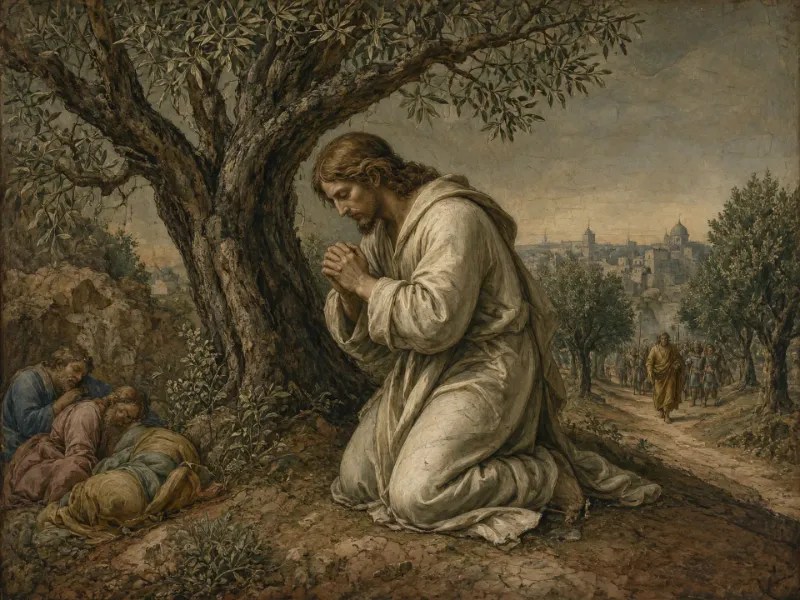
Romans 12:10
“Be devoted to one another in love. Honor one another above yourselves.”
Reflection: This command sits in a list of short instructions on how love behaves in the church. The next verse adds “serving the Lord,” and three verses later come the practical forms: “Share with the Lord’s people who are in need. Practice hospitality” (Romans 12:13).
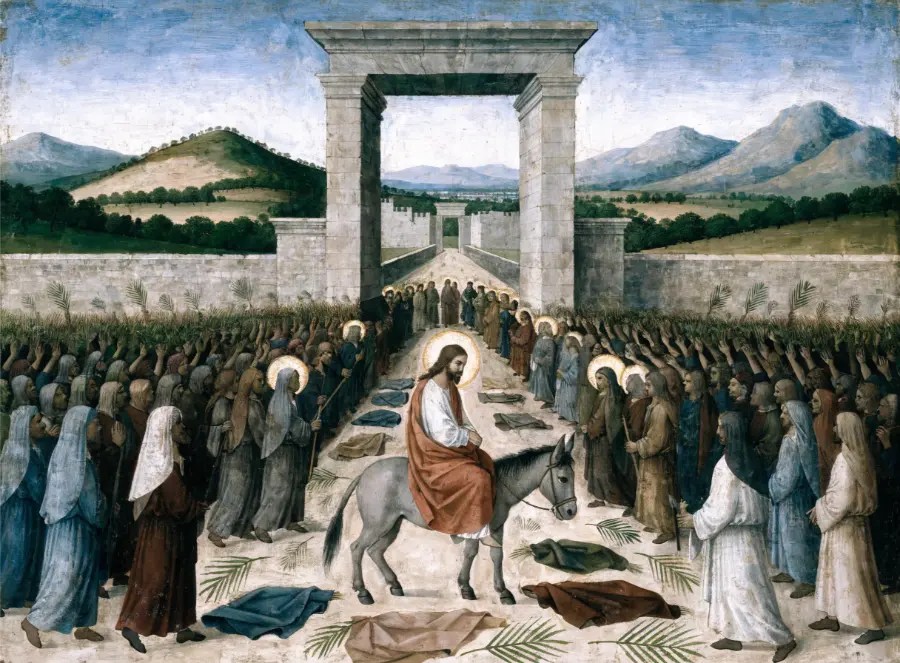
1 Peter 4:10
“Each of you should use whatever gift you have received to serve others, as faithful stewards of God’s grace in its various forms.”
Reflection: Peter writes that “the end of all things is near” and asks his readers to be alert and sober so that they may pray. He goes on to deep love, hospitality without grumbling, and gifts used for others. Each gift is a trust held by a steward. The next verse divides gifts into speaking and serving, and asks those who serve to do it “with the strength God provides, so that in all things God may be praised.”
When serving people is serving Christ

Matthew 25:40
“The King will reply, ‘Truly I tell you, whatever you did for one of the least of these brothers and sisters of mine, you did for me.’”
Reflection: The verse comes from Jesus’ account of the Son of Man judging the nations, separating them as a shepherd separates sheep from goats. The King lists food for the hungry, drink for the thirsty, welcome for the stranger, clothes for those who need them, care for the sick and visits to those in prison. The righteous do not know when they did any of this for him, and the same list, left undone, condemns those on his left (Matthew 25:45).
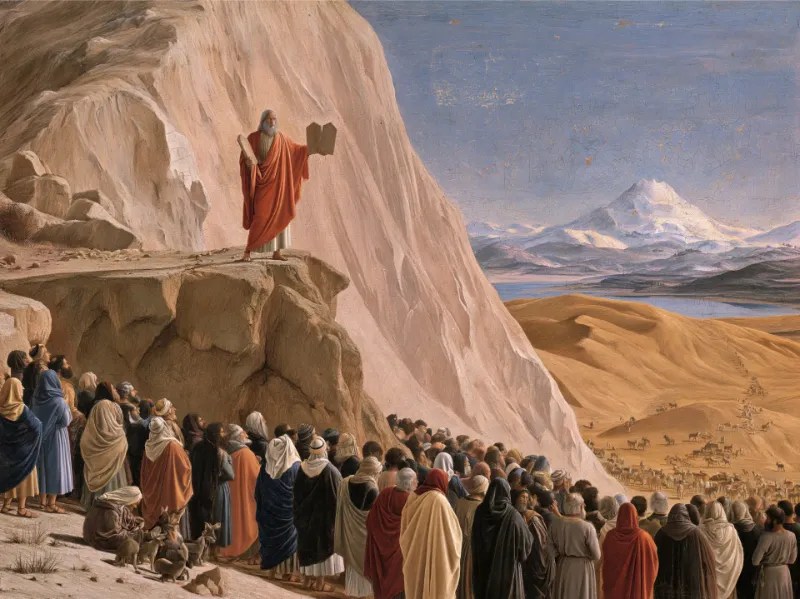
Colossians 3:23-24
“Whatever you do, work at it with all your heart, as working for the Lord, not for human masters, since you know that you will receive an inheritance from the Lord as a reward. It is the Lord Christ you are serving.”
Reflection: Paul addresses these words to slaves, telling them to work for their earthly masters “with sincerity of heart” rather than only when watched (Colossians 3:22). Their work is service to Christ, and the reward comes from him. The next instruction turns to the masters, who must treat their slaves fairly because “you also have a Master in heaven” (Colossians 4:1). Ephesians 6:5-8 gives the same instruction to slaves.
Meeting practical needs

James 2:14-17
“What good is it, my brothers and sisters, if someone claims to have faith but has no deeds? Can such faith save them? Suppose a brother or a sister is without clothes and daily food. If one of you says to them, ‘Go in peace; keep warm and well fed,’ but does nothing about their physical needs, what good is it? In the same way, faith by itself, if it is not accompanied by action, is dead.”
Reflection: James makes his point with a brother or sister who lacks clothes and daily food and is sent away with good wishes. Kind words that do nothing about their physical needs are no use to them, and James draws the same conclusion about faith that produces no action: it is dead.

Acts 20:35
“In everything I did, I showed you that by this kind of hard work we must help the weak, remembering the words the Lord Jesus himself said: ‘It is more blessed to give than to receive.’”
Reflection: Paul is speaking to the elders of the church in Ephesus, whom he called to meet him at Miletus. He reminds them that his own hands supplied his needs and those of his companions, and that he did so to show them how hard work should help the weak. He ends with a saying of the Lord Jesus: “It is more blessed to give than to receive.”

Proverbs 19:17
“Whoever is kind to the poor lends to the Lord, and he will reward them for what they have done.”
Reflection: The proverb treats kindness to the poor as a loan made to the Lord, and says the Lord will reward the one who showed it.
Hebrews 13:16
“And do not forget to do good and to share with others, for with such sacrifices God is pleased.”
Reflection: The last chapter of Hebrews opens with love for fellow believers, hospitality to strangers and care for prisoners and the mistreated (Hebrews 13:1-3). Here doing good and sharing are called sacrifices that please God.

1 Timothy 6:18
“Command them to do good, to be rich in good deeds, and to be generous and willing to share.”
Reflection: Paul tells Timothy what to command “those who are rich in this present world”: not to be arrogant or trust in wealth, but to put their hope in God. Their money is to become good deeds and sharing, and the next verse says that in this way they “lay up treasure for themselves as a firm foundation for the coming age.”


Leave a Reply