
 English
 Chinese
 Dutch
 Arabic
 Spanish
 Portuguese
 Russian
 French
 Italian
 German
 Japanese
Category 1: God’s Radical Acceptance of Us
This category focuses on the foundational truth that our acceptance is not earned, but is a gift from God, offered to us in our imperfection. This is the bedrock of all other forms of acceptance.

Romans 5:8
“But God demonstrates his own love for us in this: While we were still sinners, Christ died for us.”
Reflection: This verse dismantles the paralyzing belief that we must be “good enough” to be loved. God’s acceptance is not a response to our moral success, but a radical, initiating love extended to us in our deepest moments of failure and disconnection. This truth heals the core human fear of rejection, allowing us to build our sense of self not on our performance, but on the secure foundation of His unwavering embrace.

John 6:37
“All those the Father gives me will come to me, and whoever comes to me I will never drive away.”
Reflection: Herein lies a profound promise of emotional and spiritual safety. Jesus’ words offer a permanent sanctuary for the soul that fears being cast out or abandoned. There is no hidden clause, no performance requirement. The fear of ultimate rejection, which can fuel so much anxiety and striving, is met with the calming assurance of a divine welcome that has no expiration date.

Ephesians 1:5-6
“He predestined us for adoption to sonship through Jesus Christ, in accordance with his pleasure and will— to the praise of his glorious grace, which he has freely given us in the One he loves.”
Reflection: To be adopted is to be deliberately chosen and given a new identity and a place of belonging. This verse speaks to the deepest human need for significance and family. Our acceptance by God is not a reluctant act; it is born from His “pleasure and will.” Knowing we are wanted and cherished at this level brings a deep sense of wholeness and quiets the restless search for validation.

Colossians 1:21-22
“Once you were alienated from God and were enemies in your minds because of your evil behavior. But now he has reconciled you by Christ’s physical body through death to present you holy in his sight, without blemish and free from accusation.”
Reflection: This passage beautifully maps the journey from alienation to total acceptance. It acknowledges the reality of our mental and moral estrangement but declares it resolved. To be presented “free from accusation” speaks directly to the internal critic that plagues us with guilt and shame. God’s acceptance silences that condemning voice, allowing us to stand before Him with a quieted heart, not in fear, but in restored relationship.
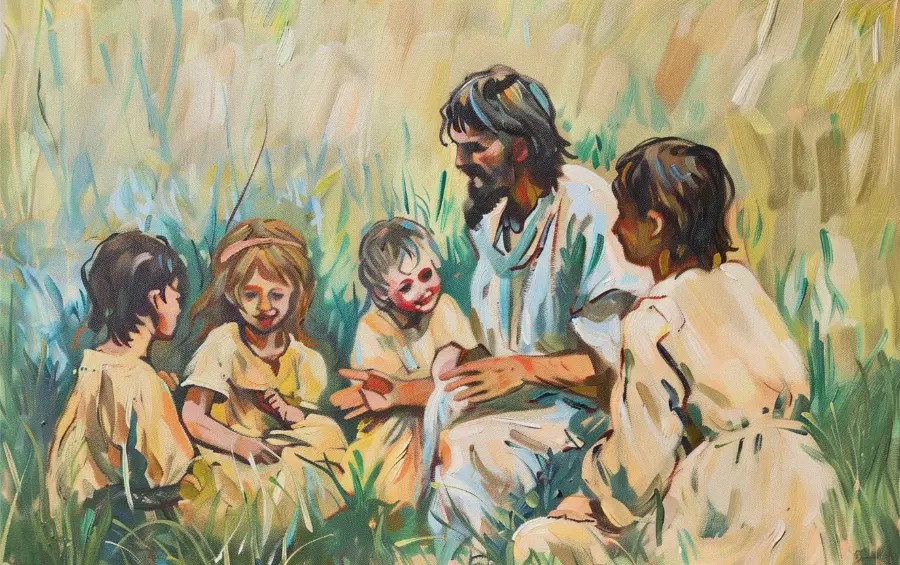
Isaiah 43:1
“But now, this is what the LORD says— he who created you, Jacob, he who formed you, Israel: ‘Do not fear, for I have redeemed you; I have summoned you by name; you are mine.’”
Reflection: This is a verse of profound intimacy and a powerful antidote to feelings of anonymity or insignificance. To be “summoned by name” by our Creator affirms our unique identity and intrinsic worth. The declaration “you are mine” provides a powerful sense of belonging that grounds us in a chaotic world. It moves us from a state of fear to one of sacred ownership and security.

1 Peter 2:9
“But you are a chosen people, a royal priesthood, a holy nation, God’s special possession, that you may declare the praises of him who called you out of darkness into his wonderful light.”
Reflection: Our acceptance into God’s family comes with a bestowed dignity and purpose. This verse reframes our identity entirely. We are not defined by our past (“darkness”) but by our new status (“chosen,” “royal,” “holy”). This new identity is not something we achieve, but something we receive. Embracing this truth can transform a poor self-concept into one of honor and mission.
Category 2: Our Call to Accept One Another
This category explores how God’s acceptance of us is the model and motivation for how we are to accept others—in our communities, families, and the wider world.

Romans 15:7
“Accept one another, then, just as Christ accepted you, in order to bring praise to God.”
Reflection: This is the cornerstone of Christian community. It presents acceptance not as a mere social courtesy, but as a deeply spiritual act of imitation. The measure of our acceptance of others is the unconditional, gracious way Christ accepted us. This command challenges our tendencies toward judgment and exclusion, calling us to create spaces of belonging that reflect God’s own heart and bring Him glory.

Romans 14:1
“Accept the one whose faith is weak, without quarreling over disputable matters.”
Reflection: This is a practical call for emotional and intellectual humility. It addresses the common human tendency to create in-groups and out-groups based on secondary opinions. True acceptance means welcoming people in their journey, not just when they arrive at our conclusions. It prioritizes the person over the argument, fostering a community where people feel safe to grow without fear of condemnation for their doubts or differences.

Galatians 3:28
“There is neither Jew nor Gentile, neither slave nor free, nor is there male and female, for you are all one in Christ Jesus.”
Reflection: This is one of the most powerful declarations against the social and psychological barriers we construct. In Christ, the categories that our world uses to divide, rank, and create prejudice are rendered meaningless. Our shared identity in Him is primary, demanding that we see and accept others through this unifying lens. It’s a radical call to dismantle our biases and honor the equal worth of every person.
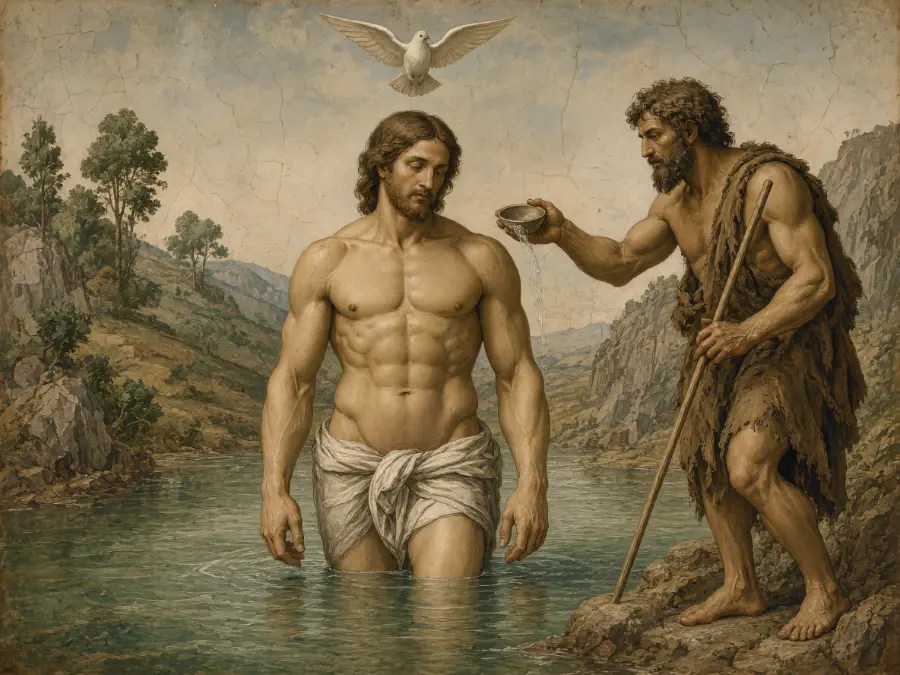
Colossians 3:13
“Bear with each other and forgive one another if any of you has a grievance against someone. Forgive as the Lord forgave you.”
Reflection: “Bearing with each other” is the active, and often difficult, work of acceptance. It means making space for others’ imperfections, annoying habits, and failures without withdrawing our love. It is an act of emotional maturity, modeled on God’s own patient forgiveness. This practice builds resilient relationships capable of weathering the inevitable frictions of life together.

James 2:1
“My brothers and sisters, believers in our glorious Lord Jesus Christ must not show favoritism.”
Reflection: James powerfully connects our theology to our behavior. Favoritism based on wealth, status, or appearance is a betrayal of the gospel, which declares every person has equal worth. This verse challenges us to examine the subtle and overt ways we judge and sort people. True acceptance is impartial, offering equal dignity and honor to everyone we encounter, reflecting the just and loving character of God.

1 Thessalonians 5:11
“Therefore encourage one another and build each other up, just as in fact you are doing.”
Reflection: Acceptance is not passive tolerance; it is an active effort to build others up. This requires seeing the potential and inherent worth in someone and speaking life into it. Encouragement is a form of verbal acceptance that communicates, “I see you, I value you, and I am for you.” It is a vital emotional nutrient for any healthy community.
Category 3: Accepting Ourselves as God Sees Us
This category focuses on the internal journey of accepting our own created being, our identity in Christ, and our profound worth, which are often at odds with our own self-criticism.
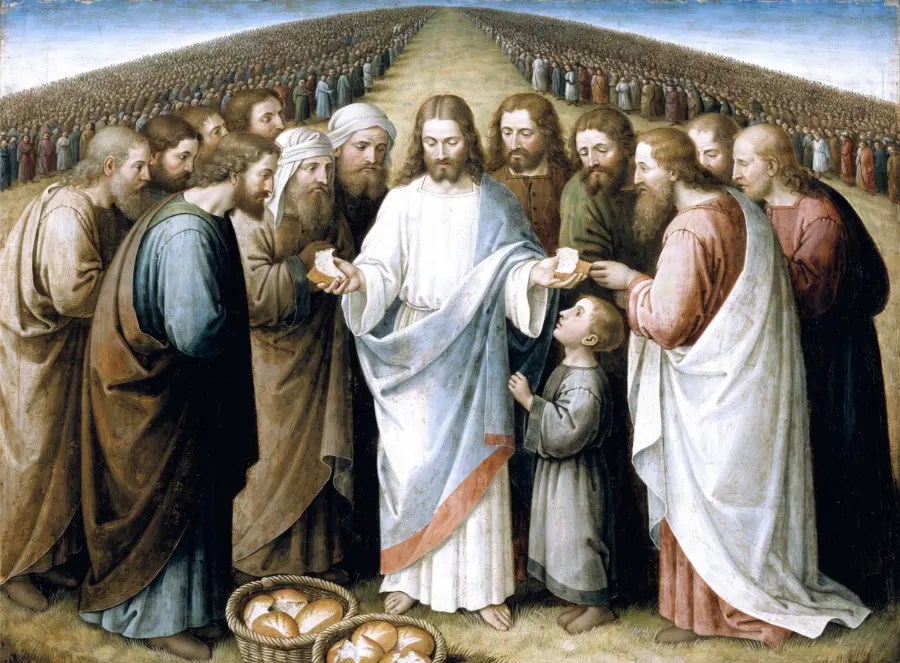
Psalm 139:14
“I praise you because I am fearfully and wonderfully made; your works are wonderful, I know that full well.”
Reflection: This is the foundational scripture for self-acceptance. It grounds our worth not in our achievements or appearance, but in the simple fact of our divine creation. To internalize that we are “wonderfully made” is to push back against feelings of inadequacy and self-hatred. It is a declaration that our very being is a testament to God’s artistry, worthy of praise, not critique.
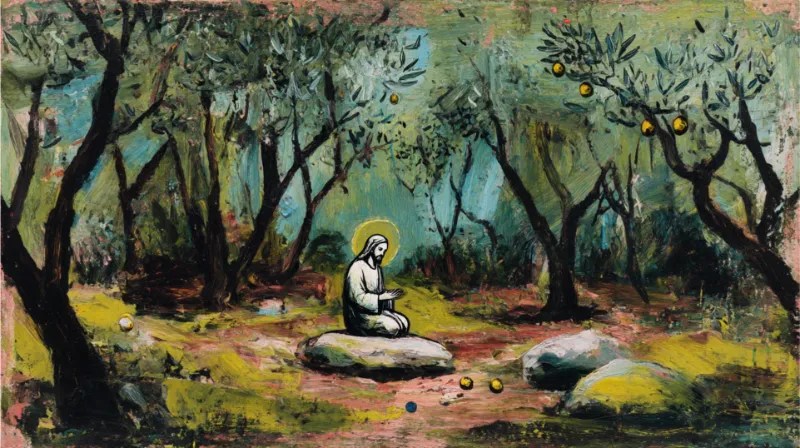
Ephesians 2:10
“For we are God’s handiwork, created in Christ Jesus to do good works, which God prepared in advance for us to do.”
Reflection: This verse gives us a profound sense of value and purpose. To be God’s “handiwork” (or “masterpiece” in some translations) elevates our self-concept from flawed product to intentional art. Acceptance of self, then, involves embracing this identity as a uniquely crafted person with a God-given purpose. It shifts our focus from our perceived defects to our designed potential.
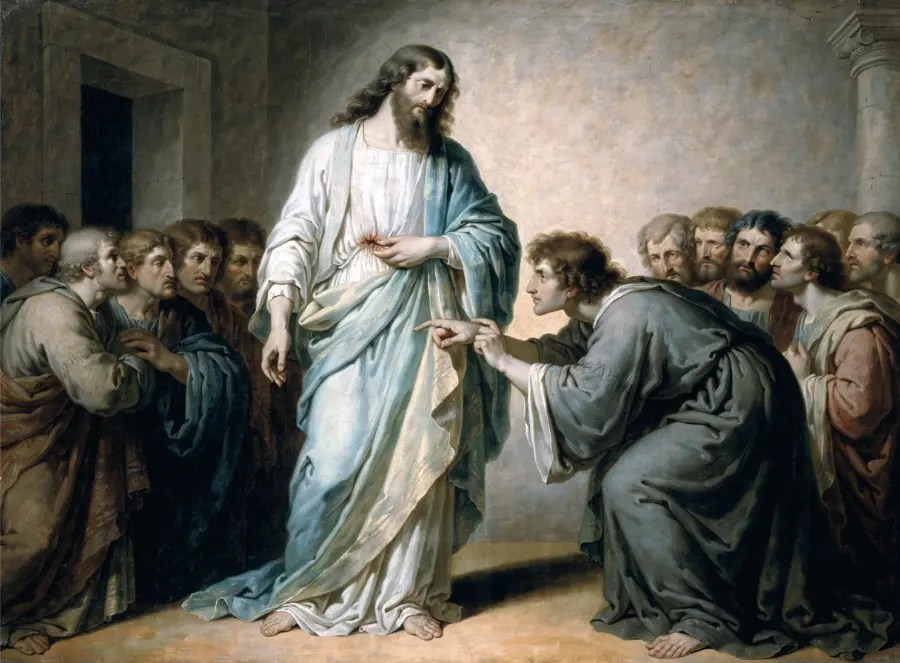
2 Corinthians 5:17
“Therefore, if anyone is in Christ, the new creation has come: The old has gone, the new is here!”
Reflection: Self-acceptance for a believer is not about embracing our flaws in a stagnant way, but about accepting the new and redeemed self that we are in Christ. This verse gives us permission to let go of the shame and regret of “the old.” It frees us from being emotionally defined by our past mistakes and allows us to live into the reality of the “new,” whole, and forgiven person God has made us.
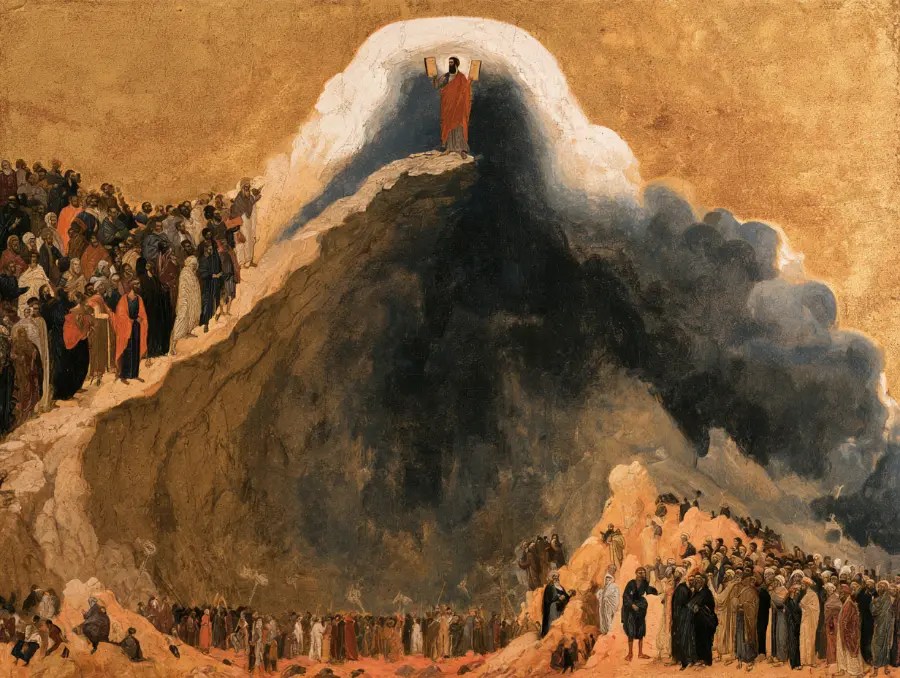
1 John 3:1
“See what great love the Father has lavished on us, that we should be called children of God! And that is what we are!”
Reflection: Our primary identity, the one that should shape our self-perception above all others, is “child of God.” This is not a metaphor; John insists, “And that is what we are!” Accepting this truth means accepting that our core self is one who is deeply and extravagantly loved. This knowledge acts as a powerful buffer against feelings of worthlessness and loneliness.

Zephaniah 3:17
“The Lord your God is with you, the Mighty Warrior who saves. He will take great delight in you; in his love he will no longer rebuke you, but will rejoice over you with singing.”
Reflection: This verse paints a breathtaking picture of God’s emotional posture toward us. Many of us live with an inner sense of a disappointed, critical deity. But this image is one of a delighted Father, a joyful Savior who rejoices over us “with singing.” To accept ourselves is to dare to believe that this is how God feels about us. It heals the wound of striving for approval and replaces it with the deep peace of being delighted in.
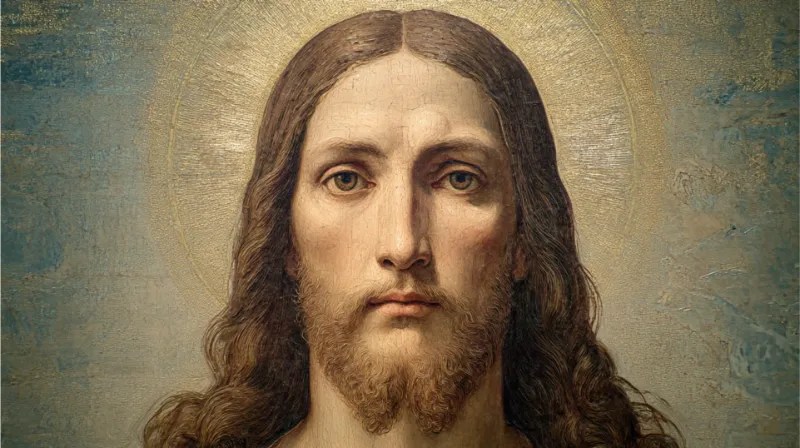
Genesis 1:27
“So God created mankind in his own image, in the image of God he created them; male and female he created them.”
Reflection: The most fundamental basis for self-acceptance is the knowledge that every human bears the Imago Dei—the image of God. This confers an incalculable, inherent dignity and worth that is not dependent on ability, intelligence, or morality. When we struggle with self-acceptance, we are struggling to see the divine imprint within. Meditating on this truth reorients our self-perception toward one of reverence and honor.
Category 4: Accepting Our Circumstances with Faith
This category deals with the difficult spiritual and emotional work of accepting life as it is—with its trials, uncertainties, and pains—by trusting in God’s sovereign and good plan.

Romans 8:28
“And we know that in all things God works for the good of those who love him, who have been called according to his purpose.”
Reflection: This is not a promise that all things are good, but that God can redeem all things for good. Accepting difficult circumstances through this lens is not resignation but an active trust. It allows us to face pain and uncertainty without despair, holding onto the conviction that even the most chaotic pieces of our lives can be woven into a meaningful, redemptive tapestry by a loving and sovereign God.

Proverbs 3:5-6
“Trust in the Lord with all your heart and lean not on your own understanding; in all your ways submit to him, and he will make your paths straight.”
Reflection: True acceptance of our reality requires relinquishing our desperate need for control and understanding. This verse calls us to a posture of heart-level trust that goes beyond our cognitive limits. It is a call to accept that we may not see the whole picture, and to find peace in submitting to the wisdom and guidance of One who does. This is the path from anxiety to inner stillness.
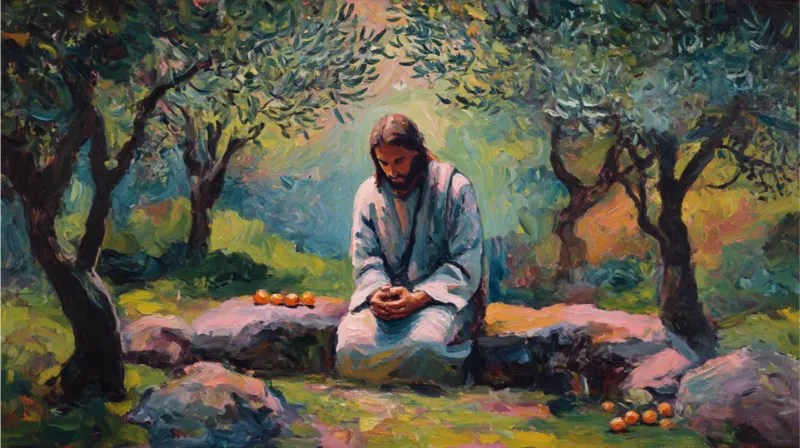
Philippians 4:11-12
“I am not saying this because I am in need, for I have learned to be content whatever the circumstances. I know what it is to be in need, and I know what it is to have plenty. I have learned the secret of being content in any and every situation…”
Reflection: Paul models a radical form of situational acceptance he calls “contentment.” This is not a passive apathy but a learned, internal state of well-being that is not dependent on external conditions. He found that his security was in Christ, not his circumstances. This challenges us to detach our emotional stability from life’s highs and lows and anchor it in something eternal.
James 1:2-3
“Consider it pure joy, my brothers and sisters, whenever you face trials of many kinds, because you know that the testing of your faith produces perseverance.”
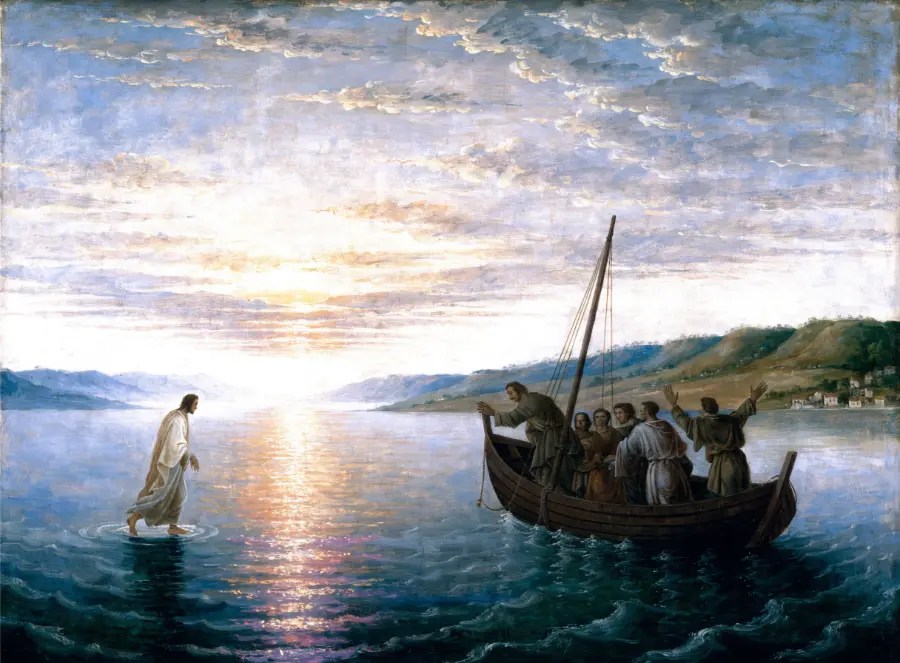
Reflection: This is perhaps the most challenging call to acceptance in scripture. It asks us to reframe our suffering not as a meaningless affliction, but as a purposeful tool for developing spiritual and emotional resilience (“perseverance”). To accept a trial in this way is to find meaning within the pain, trusting that it is producing something of eternal value within us.
Psalm 46:10
“He says, ‘Be still, and know that I am God; I will be exalted among the nations, I will be exalted in the earth.’”
Reflection: In moments of personal or global chaos, this verse is a command to cease our frantic striving, our anxious worrying, and our desperate attempts to control. It is a call to an acceptance that is rooted in stillness. In that quiet, we are invited to remember who is ultimately in charge. This act of “being still” is a profound act of faith that settles the soul and realigns our perspective.

Matthew 6:34
“Therefore do not worry about tomorrow, for tomorrow will worry about itself. Each day has enough trouble of its own.”
Reflection: Jesus provides intensely practical wisdom for managing the anxiety that comes from our inability to accept the present moment. Worry is a refusal to accept the limits of today. He calls us to inhabit the present day, with its own set of challenges and graces, and to trust that future grace will be there for future needs. This practice of mindful, daily acceptance breaks the exhausting cycle of anxiety about what is to come.


Leave a Reply