
 English
 Chinese
 Dutch
 Arabic
 Spanish
 Portuguese
 Russian
 French
 Italian
 German
 Japanese
The Bible places all authority with God and treats every other authority as given by him and answerable to him. David prays “Yours is the kingdom, O LORD” (1 Chronicles 29:11), the risen Jesus claims “All authority in heaven and on earth” (Matthew 28:18), and Paul writes that “there is no authority except from God” (Romans 13:1).
Other passages limit those who hold it. Rulers of the Gentiles “lord it over” others, “But it shall not be so among you” (Mark 10:42-43), and the apostles answered a council’s order with “We must obey God rather than men” (Acts 5:29). The usual New Testament word is exousia, the power or right to act, used for the authority Jesus claims to forgive sins (Mark 2:10) and to judge (John 5:27), for the centurion “under authority” (Matthew 8:9), and for the governing authorities of Romans 13:1.
God’s rule over everything
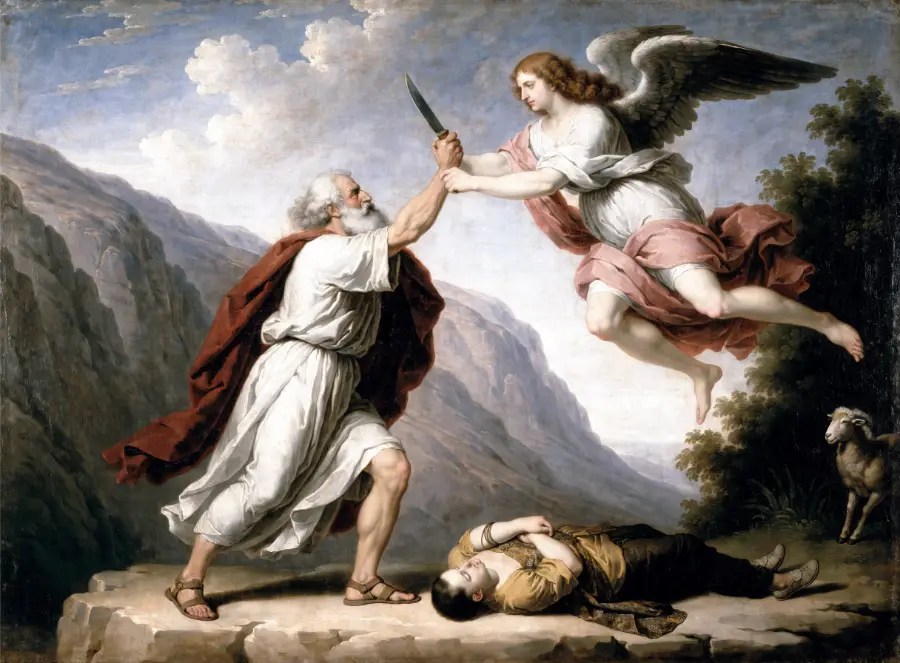
1 Chronicles 29:11
“Yours, O LORD, is the greatness and the power and the glory and the victory and the majesty, for all that is in the heavens and in the earth is yours. Yours is the kingdom, O LORD, and you are exalted as head above all.”
Reflection: David says this before the whole assembly, after the people have given gold, silver and stone for the temple his son Solomon will build. The prayer goes on, “Both riches and honor come from you, and you rule over all” (29:12), and ends with the people’s gifts described as God’s own property: “of your own have we given you” (29:14). A reigning king of Israel names God as the one who holds the kingdom.
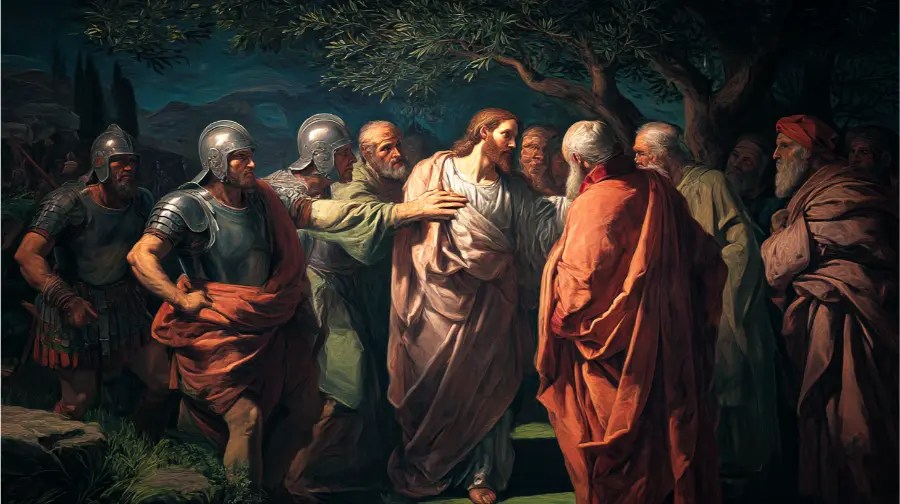
Psalm 103:19
“The LORD has established his throne in the heavens, and his kingdom rules over all.”
Reflection: The line comes near the end of a psalm headed “Of David,” and it turns straight into a call to worship. Angels, “mighty ones who do his word,” all his hosts and “all his works, in all places of his dominion” are told to bless the Lord (103:20-22). The throne is in the heavens, and the reach of the kingdom is “over all.”
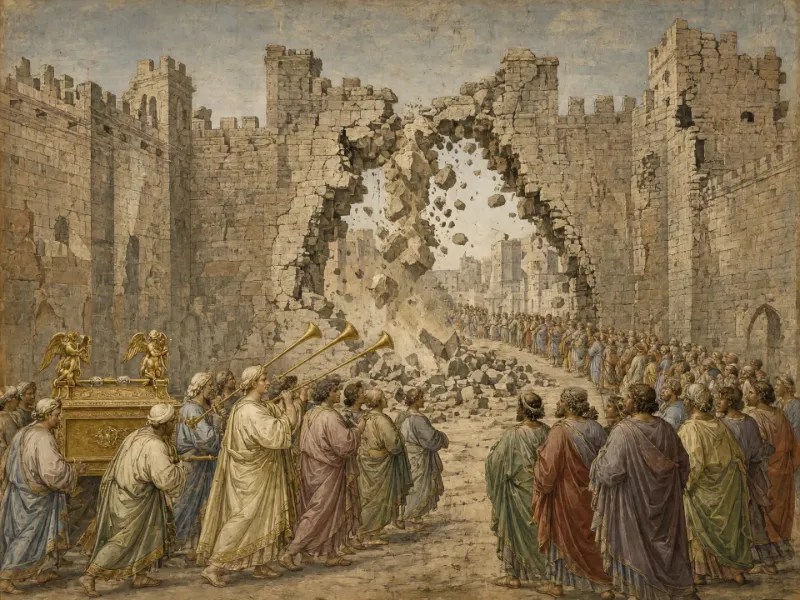
Daniel 4:35
“all the inhabitants of the earth are accounted as nothing, and he does according to his will among the host of heaven and among the inhabitants of the earth; and none can stay his hand or say to him, ‘What have you done?’”
Reflection: The speaker is Nebuchadnezzar, king of Babylon, after a voice from heaven took his kingdom from him and he lived like an animal “until you know that the Most High rules the kingdom of men and gives it to whom he will” (4:32). When his reason returns, he blesses God and says no one can “stay his hand.” His own kingdom is then given back, and he closes by saying that God is “able to humble” those who walk in pride (4:37).
The authority given to Jesus
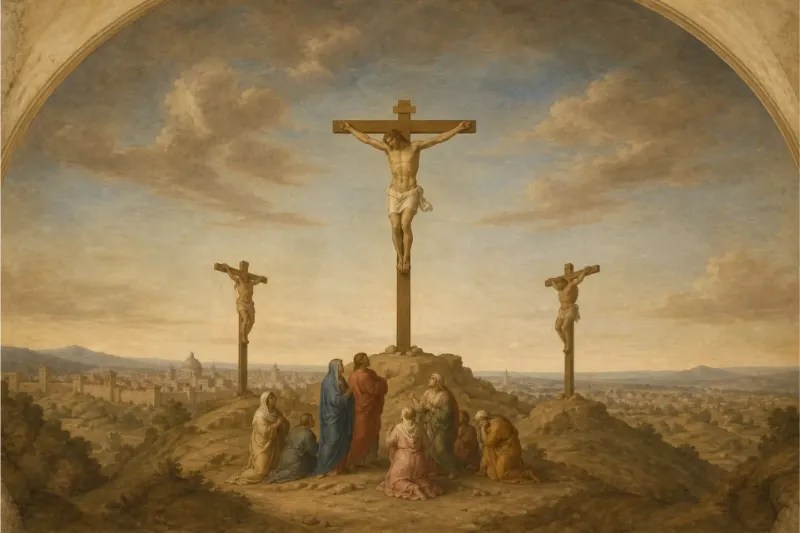
Matthew 7:29
“for he was teaching them as one who had authority, and not as their scribes.”
Reflection: These are the closing words of the Sermon on the Mount, reporting the crowd’s reaction. Through the sermon Jesus quotes what “was said” and answers it with “But I say to you” (Matthew 5:21-22, 27-28), speaking on his own word.
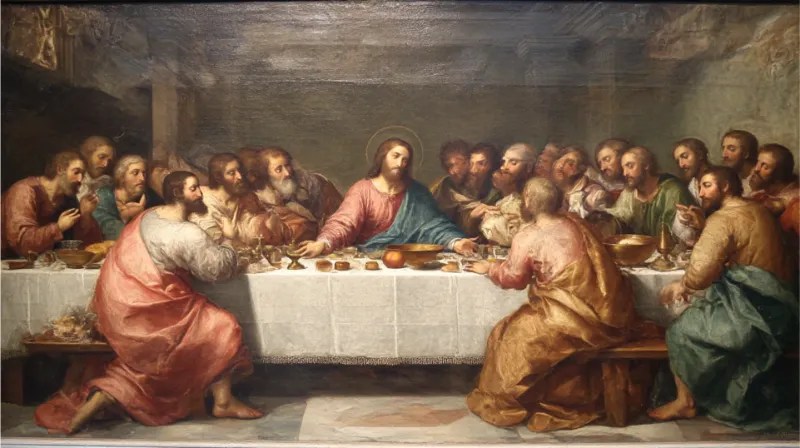
Matthew 8:9
“For I too am a man under authority, with soldiers under me. And I say to one, ‘Go,’ and he goes, and to another, ‘Come,’ and he comes, and to my servant, ‘Do this,’ and he does it.”
Reflection: A centurion in Capernaum asks Jesus to heal his paralyzed servant and tells him not to come to the house: “only say the word” (8:8). He reasons from his own place in a chain of command, as a man who takes orders and gives them. Jesus marvels and says, “with no one in Israel have I found such faith” (8:10).
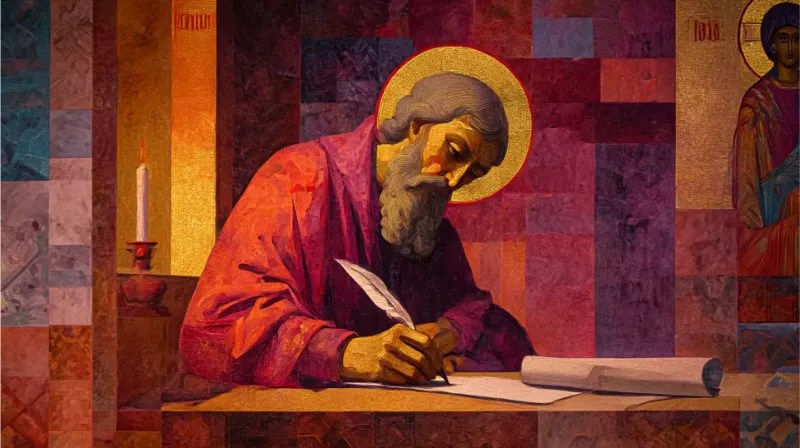
John 5:27
“And he has given him authority to execute judgment, because he is the Son of Man.”
Reflection: Jesus says this in his answer to those who objected to a healing on the Sabbath (5:16-18). The Father has granted the Son “to have life in himself” (5:26) and authority to judge, and the next verses say that all who are in the tombs will hear his voice (5:28-29). The title Son of Man recalls Daniel 7:13-14, where “one like a son of man” is given “dominion and glory and a kingdom.” Mark 2:10 uses the same title and word for his “authority on earth to forgive sins.”
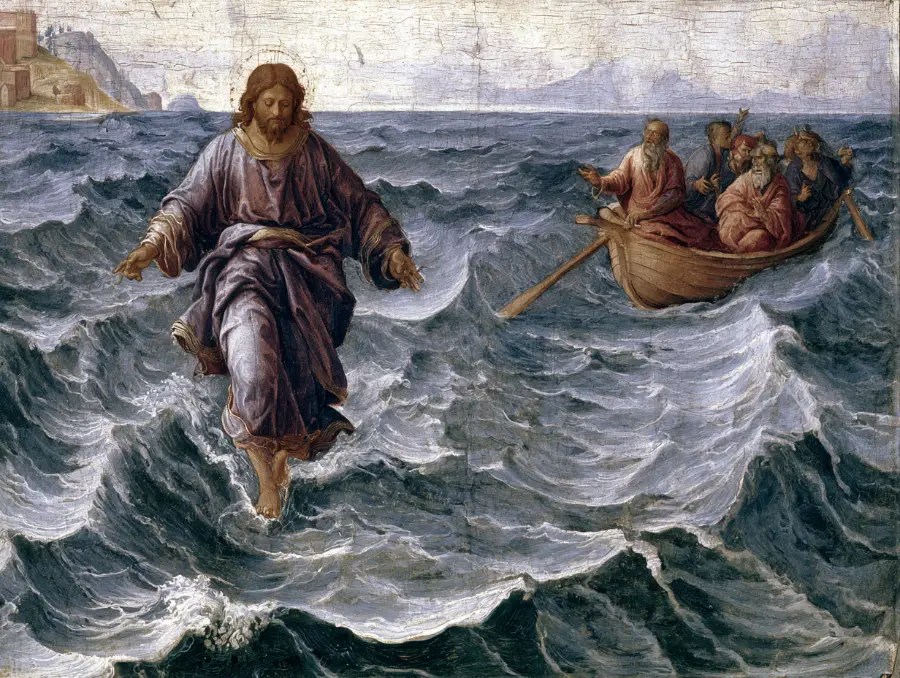
Matthew 28:18
“And Jesus came and said to them, ‘All authority in heaven and on earth has been given to me.’”
Reflection: The risen Jesus speaks to the eleven disciples on a mountain in Galilee, where some of them worshiped “but some doubted” (28:17). The command that follows rests on this claim: “Go therefore and make disciples of all nations” (28:19). The authority covers heaven and earth, and the passage ends with a promise, “I am with you always, to the end of the age.”
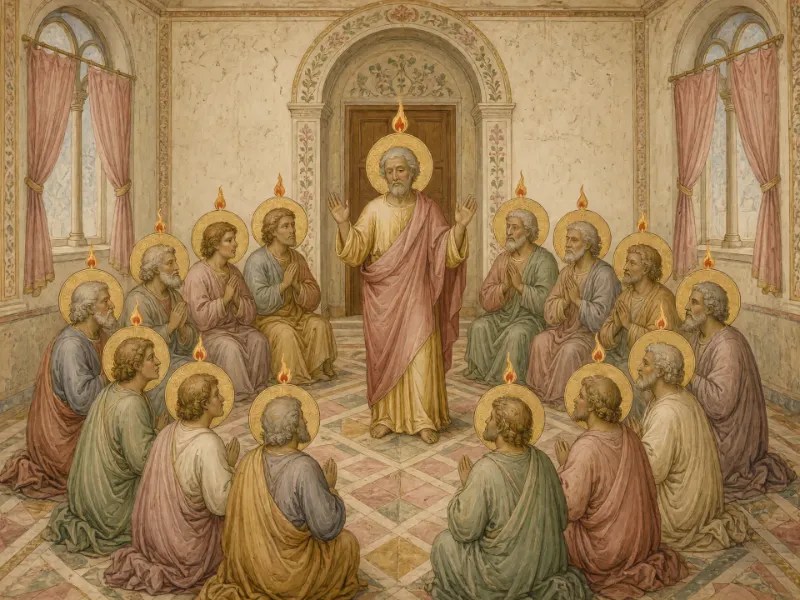
Philippians 2:9-11
“Therefore God has highly exalted him and bestowed on him the name that is above every name, so that at the name of Jesus every knee should bow, in heaven and on earth and under the earth, and every tongue confess that Jesus Christ is Lord, to the glory of God the Father.”
Reflection: The “therefore” looks back to verses 6-8, where Christ “emptied himself, by taking the form of a servant” and was obedient “to the point of death, even death on a cross.” The exalted name follows that obedience. The bowing knee and confessing tongue borrow Isaiah 45:23, where God says “To me every knee shall bow,” and apply it to Jesus. Paul introduces the passage with “Have this mind among yourselves” (2:5), so it is also given to the church in Philippi as a pattern for how its members treat one another.
Greatness as service
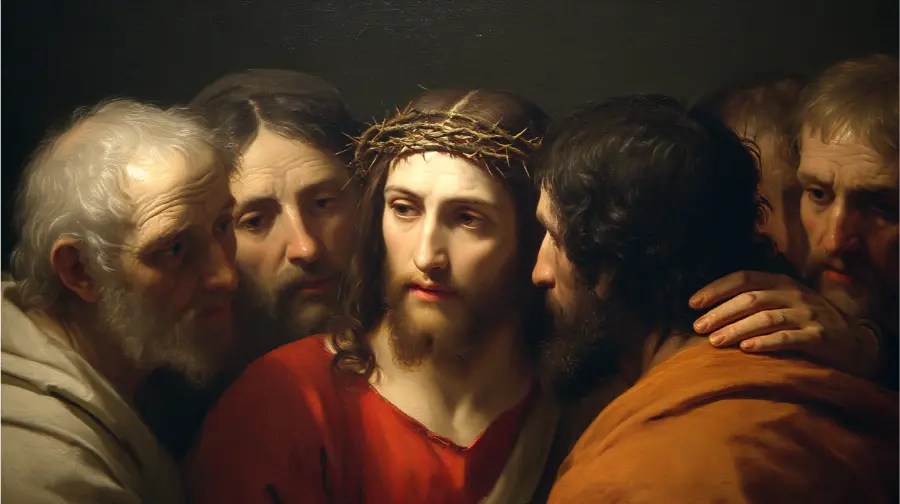
Mark 10:42-44
“And Jesus called them to him and said to them, ‘You know that those who are considered rulers of the Gentiles lord it over them, and their great ones exercise authority over them. But it shall not be so among you. But whoever would be great among you must be your servant, and whoever would be first among you must be slave of all.’”
Reflection: James and John had asked to sit at Jesus’ right and left hand in his glory, and the other ten were indignant (10:35-41). Jesus answers all twelve by contrasting two kinds of rule. The verb for “lord it over” is katakurieuo, the same one Peter uses when he tells elders not to be “domineering” (1 Peter 5:3). The next verse gives the reason: “even the Son of Man came not to be served but to serve, and to give his life as a ransom for many” (10:45).
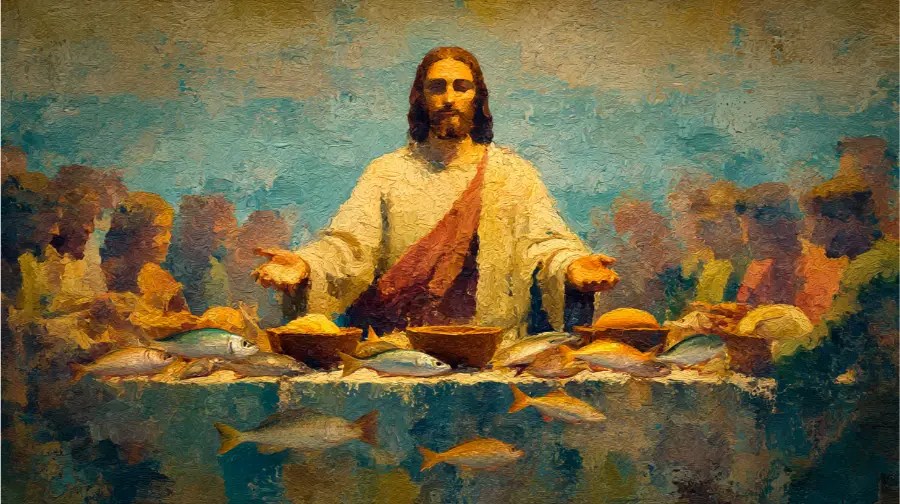
Luke 22:25-26
“And he said to them, ‘The kings of the Gentiles exercise lordship over them, and those in authority over them are called benefactors. But not so with you. Rather, let the greatest among you become as the youngest, and the leader as one who serves.’”
Reflection: Luke places this saying at the Passover meal, where “a dispute also arose” among the disciples over which of them was the greatest (22:24). Rulers, Jesus says, exercise lordship and are called “benefactors.” He points to the table in front of them: the one who reclines is greater than the one who serves, “But I am among you as the one who serves” (22:27).
John 13:14-15
“If I then, your Lord and Teacher, have washed your feet, you also ought to wash one another’s feet. For I have given you an example, that you also should do just as I have done to you.”
Reflection: After washing the disciples’ feet, Jesus keeps his title: “You call me Teacher and Lord, and you are right, for so I am” (13:13). The title becomes the ground of the command. If the Lord washes feet, those under him have no standing to refuse the same work, because “a servant is not greater than his master” (13:16).
Leaders in the church
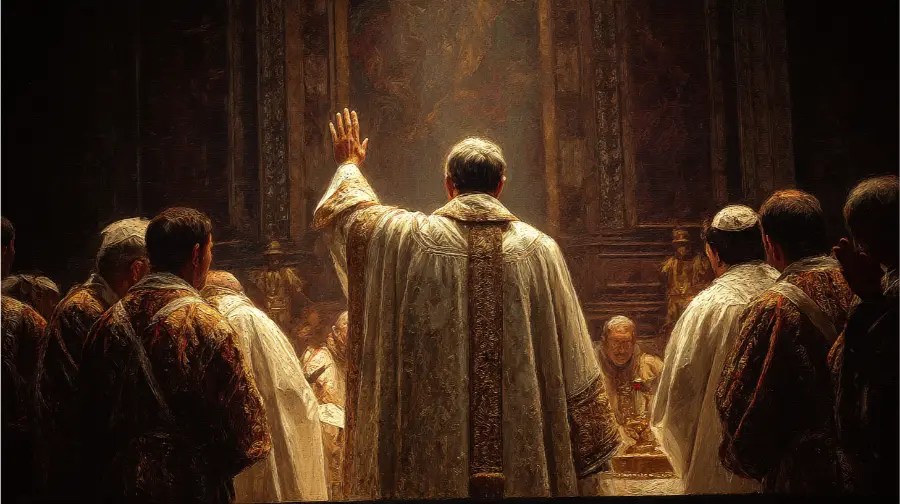
1 Peter 5:2-3
“shepherd the flock of God that is among you, exercising oversight, not under compulsion, but willingly, as God would have you; not for shameful gain, but eagerly; not domineering over those in your charge, but being examples to the flock.”
Reflection: Peter writes to the elders “as a fellow elder and a witness of the sufferings of Christ” (5:1). He sets three pairs: willingly rather than under compulsion, eagerly rather than for gain, by example rather than by domineering. The elders answer to “the chief Shepherd” (5:4), and the younger members are told to be subject to them, with humility required of “all of you” (5:5).
Hebrews 13:17
“Obey your leaders and submit to them, for they are keeping watch over your souls, as those who will have to give an account. Let them do this with joy and not with groaning, for that would be of no advantage to you.”
Reflection: The reason given for obedience is the leaders’ own accountability: they keep watch “as those who will have to give an account.” Earlier in the chapter the readers are told to remember leaders “who spoke to you the word of God” and to imitate their faith (13:7). The verse also asks the congregation to make their work a joy, since groaning leaders are “of no advantage to you.”
1 Thessalonians 5:12-13
“We ask you, brothers, to respect those who labor among you and are over you in the Lord and admonish you, and to esteem them very highly in love because of their work. Be at peace among yourselves.”
Reflection: Paul grounds the respect in the work: those who “labor among you” are to be esteemed “because of their work.” Being “over you in the Lord” is paired with admonishing, so the leaders’ part includes correction. 1 Timothy 5:17-18 makes a similar request, “double honor” for elders who rule well, supported by the saying “The laborer deserves his wages.”
Rulers and governments
Romans 13:1
“Let every person be subject to the governing authorities. For there is no authority except from God, and those that exist have been instituted by God.”
Reflection: Paul writes to the Christians in Rome that every authority is instituted by God, and the verses that follow call the ruler “God’s servant for your good,” who “does not bear the sword in vain” (13:4). He applies it to taxes and to giving “respect to whom respect is owed” (13:7). The passage describes a ruler who punishes wrong and approves good (13:3), and does not address a ruler who commands wrong. Jesus tells Pilate at his trial that his authority, too, comes from God: “You would have no authority over me at all unless it had been given you from above” (John 19:11).
Proverbs 21:1
“The king’s heart is a stream of water in the hand of the LORD; he turns it wherever he will.”
Reflection: The proverb places even the king under the Lord’s hand. A stream of water can be turned where the one directing it chooses, and the king’s heart is described the same way.
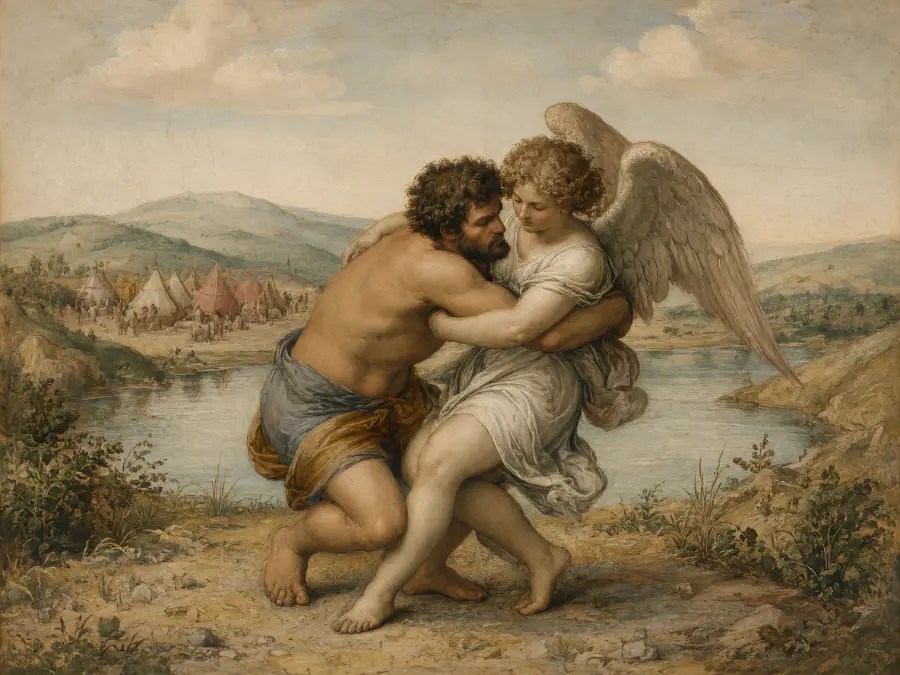
1 Peter 2:13-14
“Be subject for the Lord’s sake to every human institution, whether it be to the emperor as supreme, or to governors as sent by him to punish those who do evil and to praise those who do good.”
Reflection: Peter gives the reason as “for the Lord’s sake,” and describes governors as sent “to punish those who do evil and to praise those who do good.” The following verses tell his readers to live “as people who are free,” as “servants of God” (2:16). The paragraph ends “Honor everyone. Love the brotherhood. Fear God. Honor the emperor” (2:17), giving fear to God and to the emperor the same honor given to everyone.
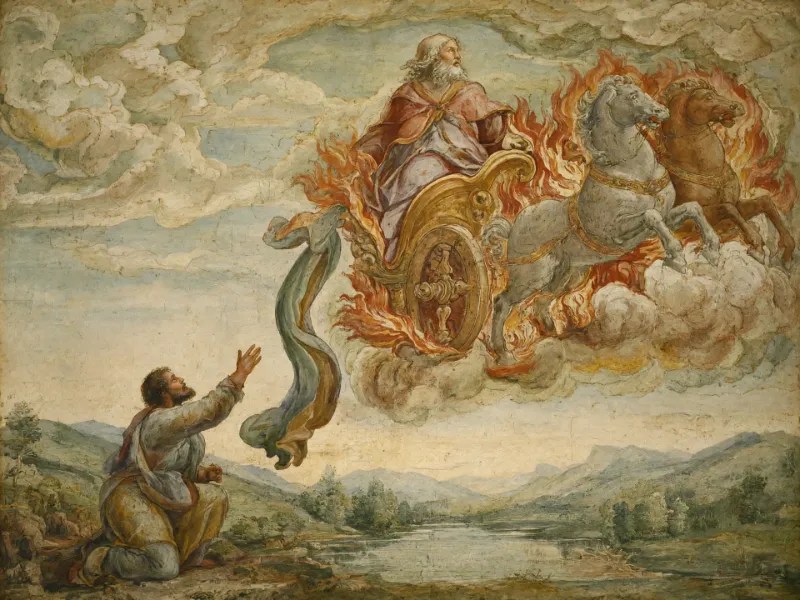
Acts 5:29
“But Peter and the apostles answered, ‘We must obey God rather than men.’”
Reflection: The high priest and the council had “strictly charged” the apostles not to teach in Jesus’ name (5:28), and this is their answer. Peter and John had already told the same council to judge “whether it is right in the sight of God to listen to you rather than to God” (Acts 4:19). The apostles were beaten and released, and “did not cease teaching” in the temple and from house to house (5:40-42).
Authority in the home
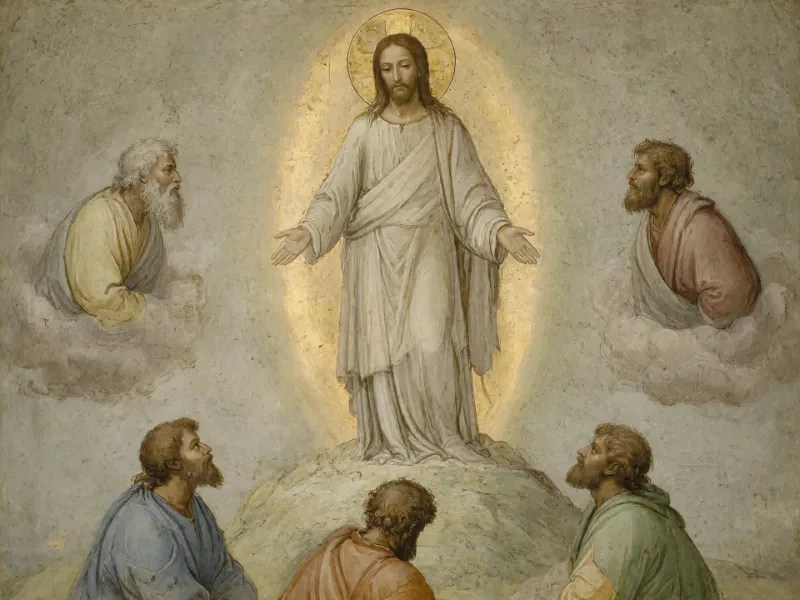
Ephesians 5:21
“…submitting to one another out of reverence for Christ.”
Reflection: The sentence runs straight into “Wives, submit to your own husbands” (5:22), and the husbands are told to love their wives “as Christ loved the church and gave himself up for her” (5:25). Christians read the passage differently. The Danvers Statement of the Council on Biblical Manhood and Womanhood cites Ephesians 5:21-33 for the husband’s leadership and the wife’s submission to it. Christians for Biblical Equality cites 5:21 for mutual submission and reads the husband’s role as “head” as self-giving love and service.
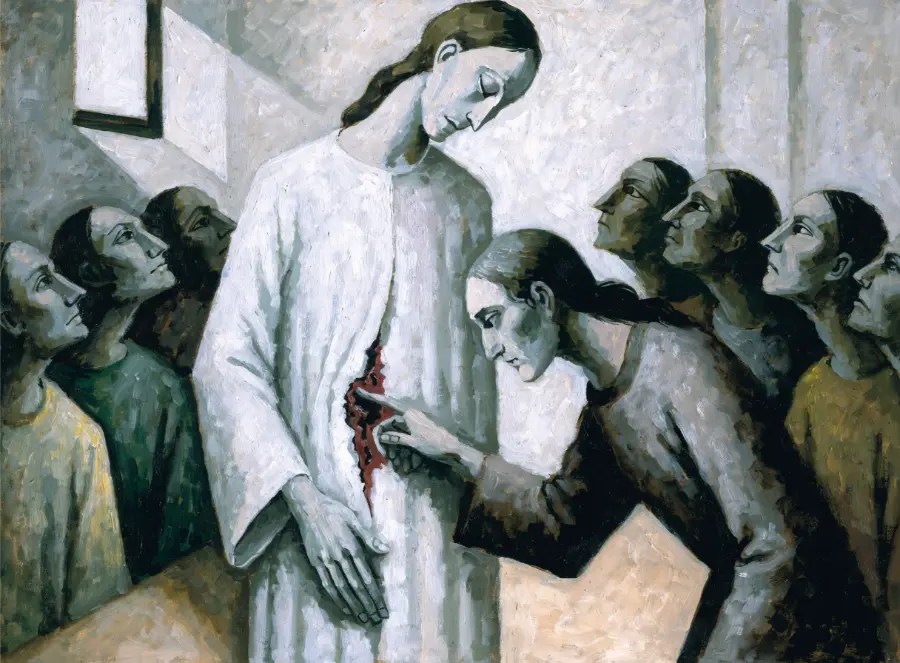
Ephesians 6:1-3
“Children, obey your parents in the Lord, for this is right. ‘Honor your father and mother’ (this is the first commandment with a promise), ‘that it may go well with you and that you may live long in the land.’”
Reflection: Paul quotes the commandment of Exodus 20:12 and points out its promise. The next verse limits the parents’ side: “Fathers, do not provoke your children to anger, but bring them up in the discipline and instruction of the Lord” (6:4). Colossians 3:20-21 gives the same pair, children to obey “in everything” and fathers not to provoke them, “lest they become discouraged.”
The limits set on human authority
Several of these passages place a check on the person who holds authority. The ruler is “God’s servant for your good” (Romans 13:4), elders are not to be domineering and answer to the chief Shepherd (1 Peter 5:3-4), church leaders “will have to give an account” (Hebrews 13:17), husbands are to love as Christ loved the church (Ephesians 5:25), and fathers are not to provoke their children (Ephesians 6:4).
Acts 5:29 is the case the other passages leave open: an authority that orders what God forbids. The apostles refused and accepted the beating that followed (Acts 5:40-41).


Leave a Reply