
 English
 Chinese
 Dutch
 Arabic
 Spanish
 Portuguese
 Russian
 French
 Italian
 German
 Japanese
The Bible places sufficiency in God and describes him giving it to people. When Paul prayed to be rid of a weakness, the answer was “My grace is sufficient for you” (2 Corinthians 12:9), and he writes that “our competence comes from God” (2 Corinthians 3:5).
Moses and Jeremiah both object that they are not equal to the work God gives them (Exodus 3:11; Jeremiah 1:6), and both are told that God will be with them. Scripture also speaks to how people are made (Genesis 1:27; Psalm 139:14), to love given “while we were still sinners” (Romans 5:8), to what God calls his people (1 Peter 2:9; 1 John 3:1), and to a shepherd with whom “I lack nothing” (Psalm 23:1).
When God’s grace is sufficient

2 Corinthians 12:9
“But he said to me, ‘My grace is sufficient for you, for my power is made perfect in weakness.’ Therefore I will boast all the more gladly about my weaknesses, so that Christ’s power may rest on me.”
Reflection: Paul had pleaded three times for the Lord to take away “a thorn in my flesh”, which he says was given “to keep me from becoming conceited” (12:7). He does not say what the thorn was. The answer to his prayer was this sentence, and Paul draws his own conclusion in the next verse: “For when I am weak, then I am strong” (12:10).
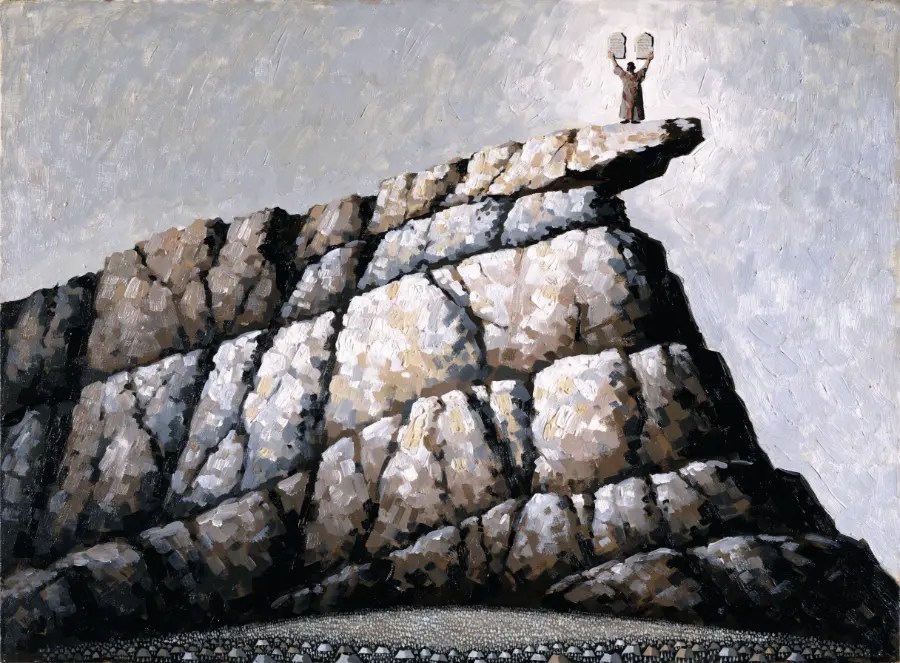
2 Corinthians 3:5
“Not that we are competent in ourselves to claim anything for ourselves, but our competence comes from God.”
Reflection: The chapter opens with Paul asking whether he needs “letters of recommendation” to or from the Corinthians (3:1). He answers that the church itself is his letter, and that his confidence is “through Christ before God” (3:4). Verse 6 says what the competence is for: God “has made us competent as ministers of a new covenant” (3:6).
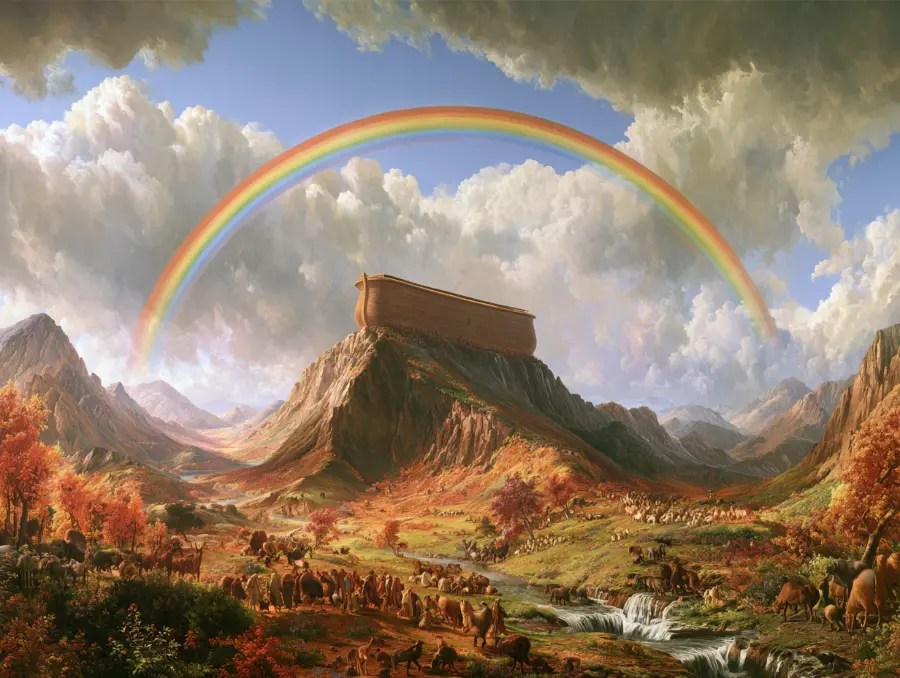
Philippians 4:13
“I can do all this through him who gives me strength.”
Reflection: Paul writes while thanking the Philippians for a gift (4:10). The “all this” refers back to what he has just described, being content “whether well fed or hungry, whether living in plenty or in want” (4:12), and he calls that contentment something he has “learned”. The strength he names comes from “him who gives me strength”, and it is strength for living with little as well as with much.
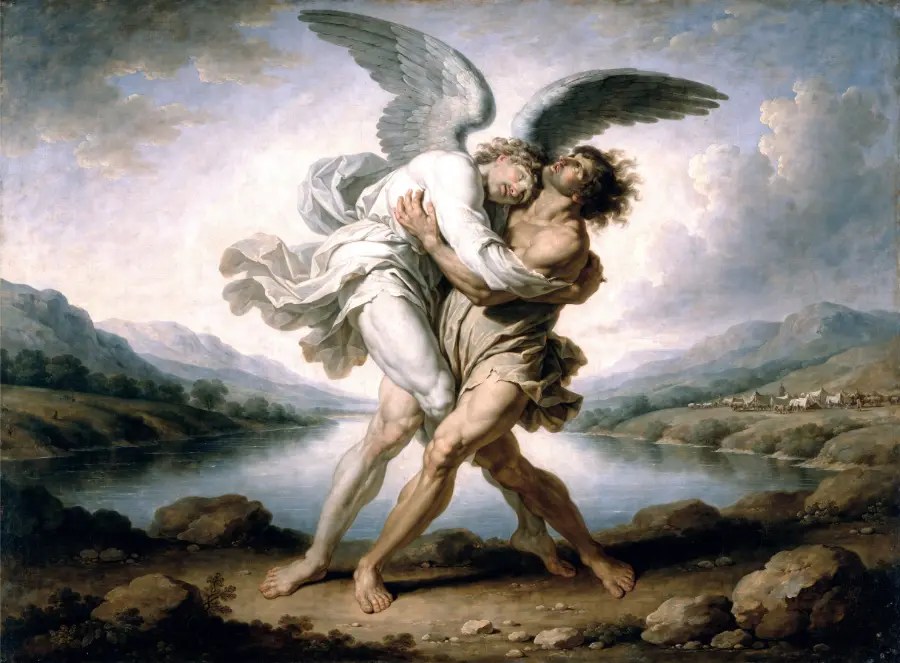
Isaiah 40:29-31
“He gives strength to the weary and increases the power of the weak. Even youths grow tired and weary, and young men stumble and fall; but those who hope in the Lord will renew their strength. They will soar on wings like eagles; they will run and not grow weary, they will walk and not be faint.”
Reflection: Israel had been complaining, “My way is hidden from the Lord; my cause is disregarded by my God” (40:27). The prophet answers that the Creator “will not grow tired or weary” (40:28) and gives strength to people who do. The passage grants that even youths and young men run out of strength; the renewal it promises is for “those who hope in the Lord”.
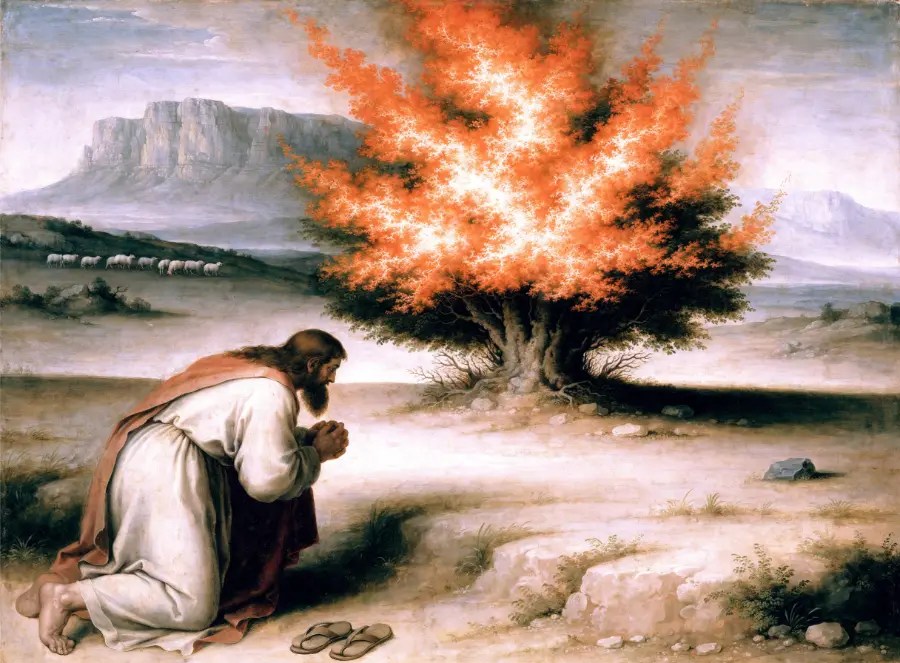
Hebrews 4:16
“Let us then approach God’s throne of grace with confidence, so that we may receive mercy and find grace to help us in our time of need.”
Reflection: The verse before gives the ground for approaching God with confidence: “we do not have a high priest who is unable to empathize with our weaknesses” (4:15). That high priest is Jesus, who “has been tempted in every way, just as we are—yet he did not sin.” What the reader is told to seek at the throne is mercy and “grace to help us in our time of need”.
When someone God calls says they are not enough
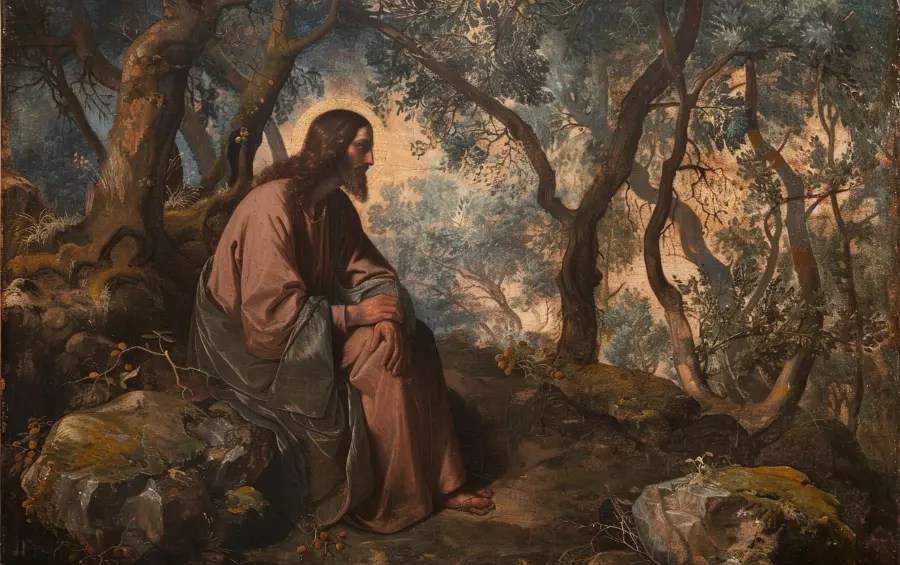
Exodus 3:11-12
“But Moses said to God, ‘Who am I that I should go to Pharaoh and bring the Israelites out of Egypt?’ And God said, ‘I will be with you. And this will be the sign to you that it is I who have sent you: When you have brought the people out of Egypt, you will worship God on this mountain.’”
Reflection: Moses has just been told to go to Pharaoh, and his reply is a question about himself. God’s answer is about God: “I will be with you.” In the next chapter Moses objects that he is “slow of speech and tongue”, and the Lord answers, “I will help you speak and will teach you what to say” (Exodus 4:10-12).
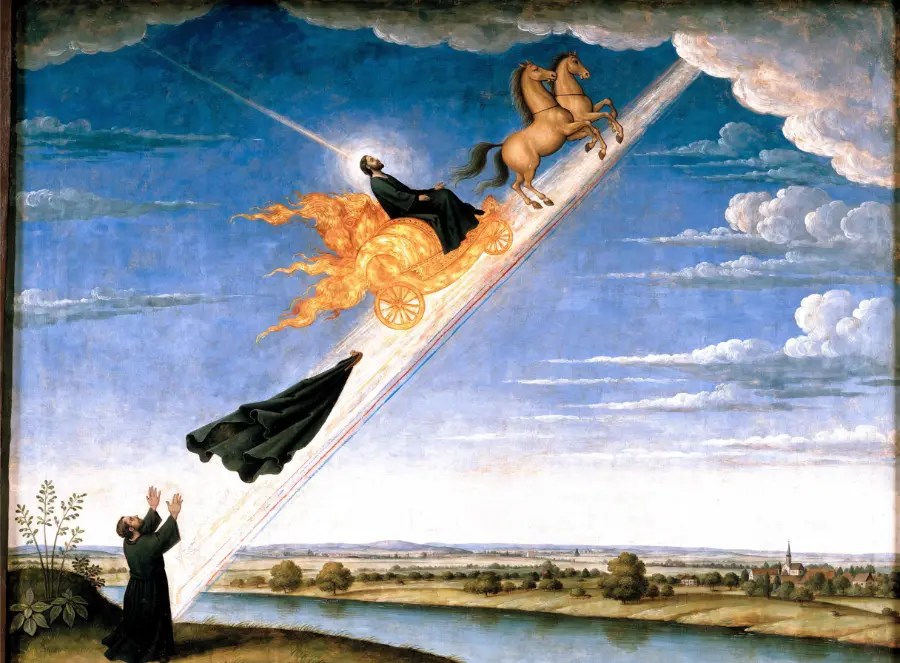
Jeremiah 1:5
“Before I formed you in the womb I knew you, before you were born I set you apart; I appointed you as a prophet to the nations.”
Reflection: These are the Lord’s words to Jeremiah at his call, appointing him “a prophet to the nations”. Jeremiah replies, “I do not know how to speak; I am too young” (1:6). The Lord tells him, “Do not say, ‘I am too young’”, and gives the same kind of answer Moses received: “I am with you and will rescue you” (1:7-8).
What God made and what he calls his people
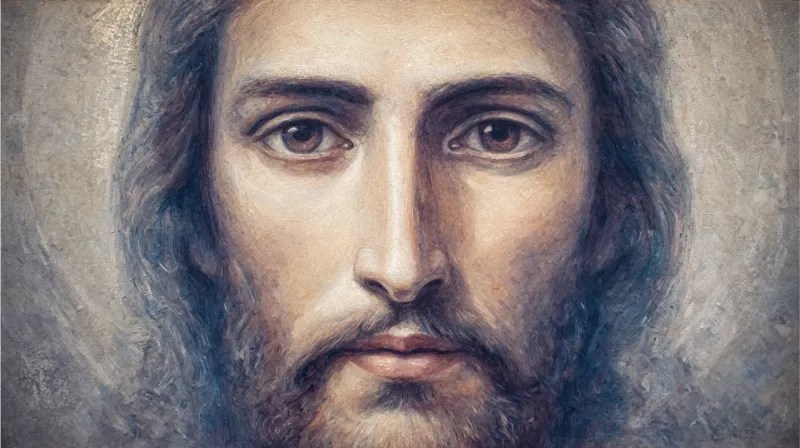
Genesis 1:27
“So God created mankind in his own image, in the image of God he created them; male and female he created them.”
Reflection: The verse carries out what God said in 1:26: “Let us make mankind in our image, in our likeness.” The image is given to male and female alike, and in the next verse God blesses them and gives them work, to fill the earth and rule over its creatures (1:28). At the end of the sixth day God saw all he had made, “and it was very good” (1:31).
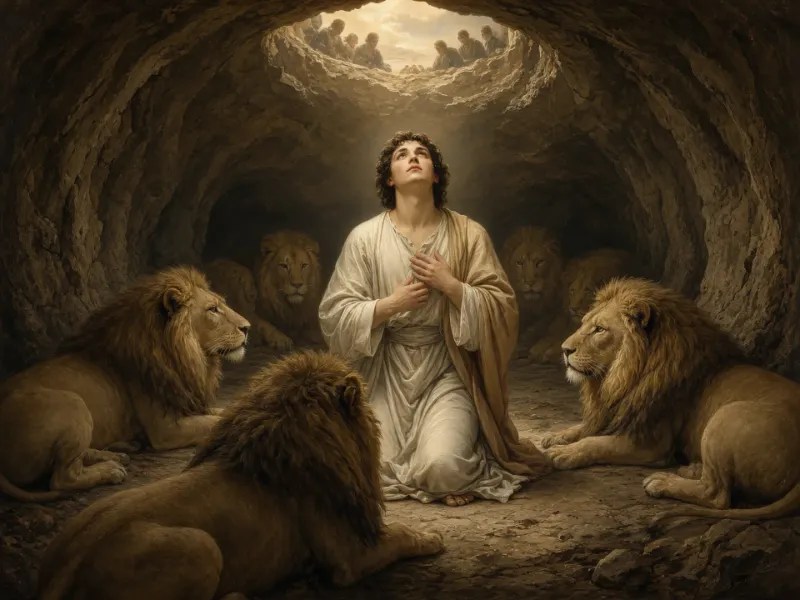
Psalm 139:14
“I praise you because I am fearfully and wonderfully made; your works are wonderful, I know that full well.”
Reflection: Psalm 139, headed “Of David”, begins “You have searched me, Lord, and you know me.” The praise in 139:14 follows “you knit me together in my mother’s womb” (139:13), and it is praise of God’s work: “your works are wonderful.” The psalm goes on to say that “all the days ordained for me were written in your book before one of them came to be” (139:16).
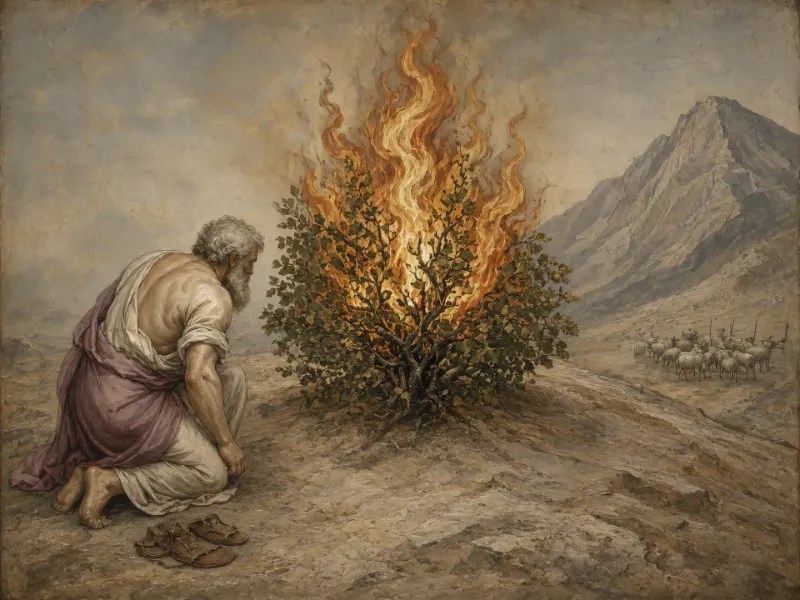
Ephesians 2:10
“For we are God’s handiwork, created in Christ Jesus to do good works, which God prepared in advance for us to do.”
Reflection: The verse follows directly on “it is by grace you have been saved, through faith—and this is not from yourselves, it is the gift of God—not by works, so that no one can boast” (2:8-9). Paul then calls believers God’s handiwork, “created in Christ Jesus”. The good works come after, and God “prepared” them “in advance”.
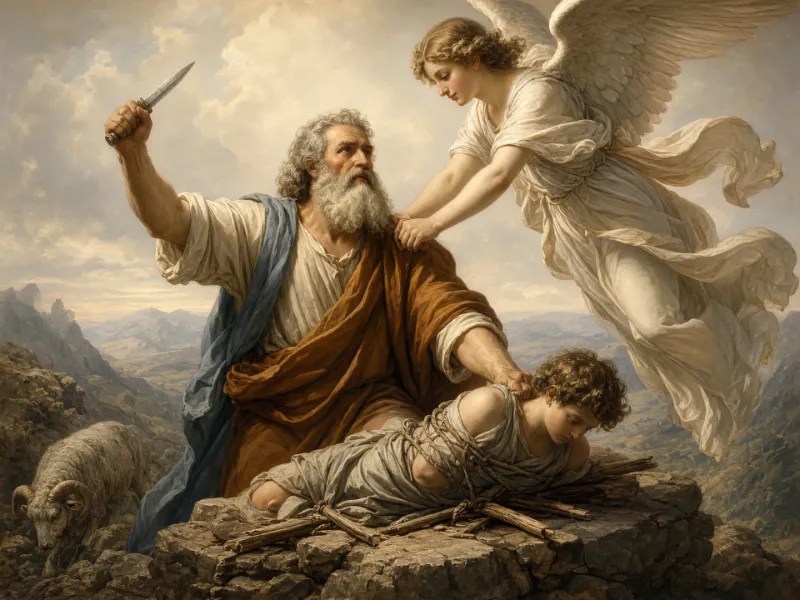
1 Peter 2:9
“But you are a chosen people, a royal priesthood, a holy nation, God’s special possession, that you may declare the praises of him who called you out of darkness into his wonderful light.”
Reflection: The titles echo what God told Israel at Sinai: “you will be for me a kingdom of priests and a holy nation” (Exodus 19:6). Peter gives them to a church, and in the next verse he sets out the change: “Once you were not a people, but now you are the people of God” (2:10). One purpose clause covers all four titles: to “declare the praises” of the one who called them “out of darkness into his wonderful light”.
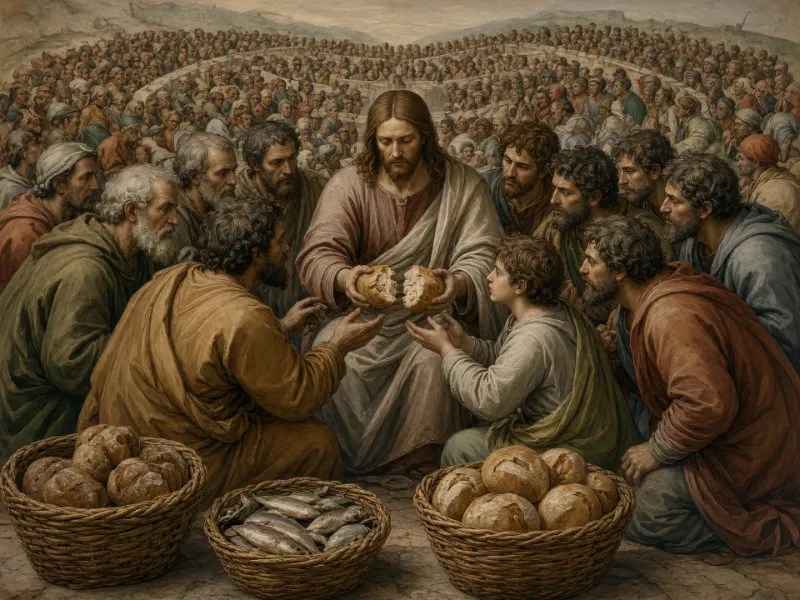
1 John 3:1
“See what great love the Father has lavished on us, that we should be called children of God! And that is what we are!”
Reflection: John says believers are called children of God, then adds, “And that is what we are!” The next verse admits that “what we will be has not yet been made known”, but says that “when Christ appears, we shall be like him” (3:2). The name comes from the love “the Father has lavished on us”.
Love that is not earned and cannot be lost
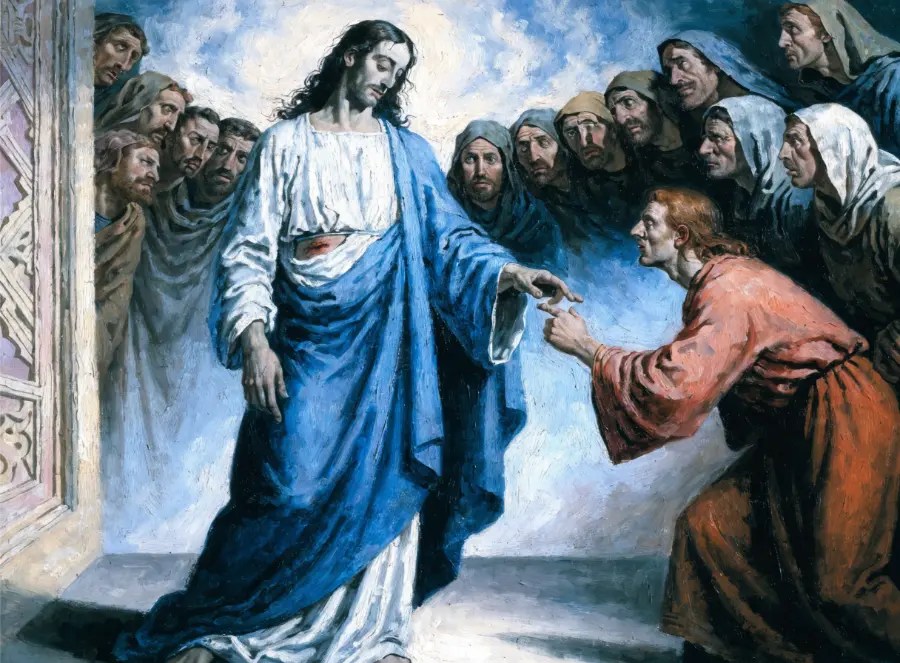
Romans 5:8
“But God demonstrates his own love for us in this: While we were still sinners, Christ died for us.”
Reflection: Paul sets this against ordinary human love: “Very rarely will anyone die for a righteous person” (5:7). Christ died “when we were still powerless” (5:6) and while people were “still sinners”. Paul treats that timing as the demonstration of God’s love.
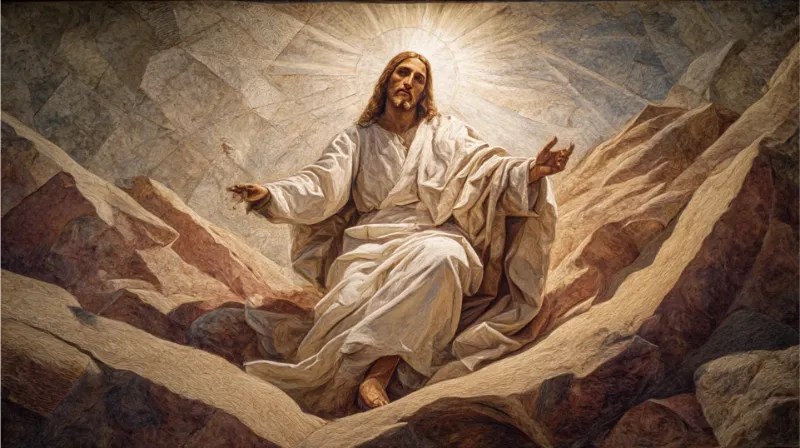
Ephesians 2:4-5
“But because of his great love for us, God, who is rich in mercy, made us alive with Christ even when we were dead in transgressions—it is by grace you have been saved.”
Reflection: The chapter opens by describing its readers as “dead in your transgressions and sins” (2:1). The turn comes with “But … God”, who made them alive with Christ while they were still dead. Paul breaks into his own sentence to say “it is by grace you have been saved”, and he says it again in 2:8.
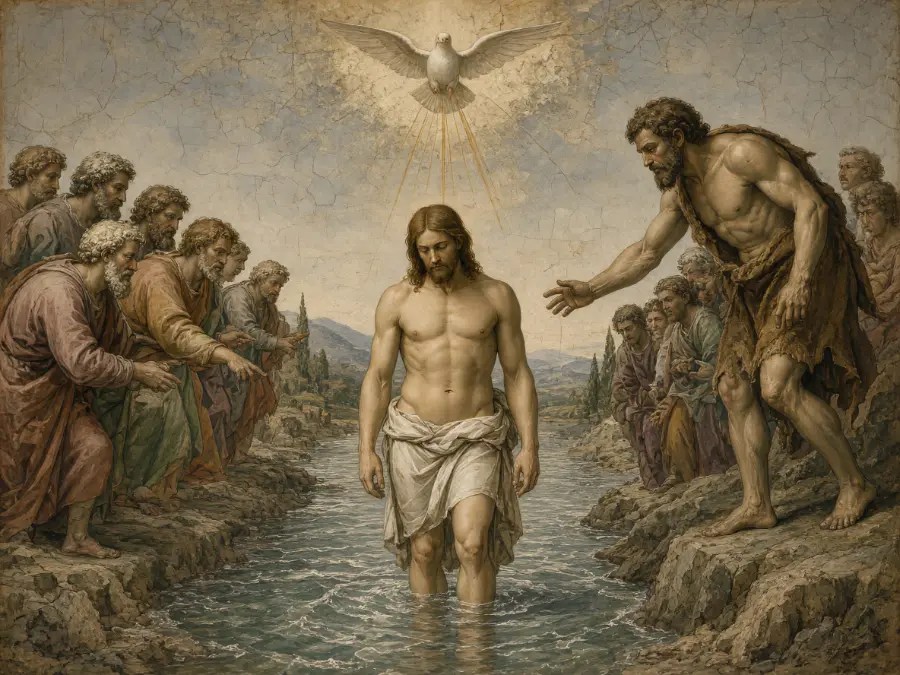
Galatians 2:20
“I have been crucified with Christ and I no longer live, but Christ lives in me. The life I now live in the body, I live by faith in the Son of God, who loved me and gave himself for me.”
Reflection: The verse belongs to Paul’s account of opposing Cephas (Peter) at Antioch for drawing back from eating with Gentiles (2:11-14), and to his argument that “a person is not justified by the works of the law, but by faith in Jesus Christ” (2:16). Paul describes his present life as lived “by faith in the Son of God, who loved me and gave himself for me.” The next verse ends the chapter: “if righteousness could be gained through the law, Christ died for nothing!”
Romans 8:1
“Therefore, there is now no condemnation for those who are in Christ Jesus.”
Reflection: The sentence follows Paul’s cry at the end of chapter 7: “What a wretched man I am! Who will rescue me from this body that is subject to death?” (7:24). Romans 8:1 gives the verdict for “those who are in Christ Jesus”, and 8:2 gives the reason: “the law of the Spirit who gives life has set you free from the law of sin and death.”
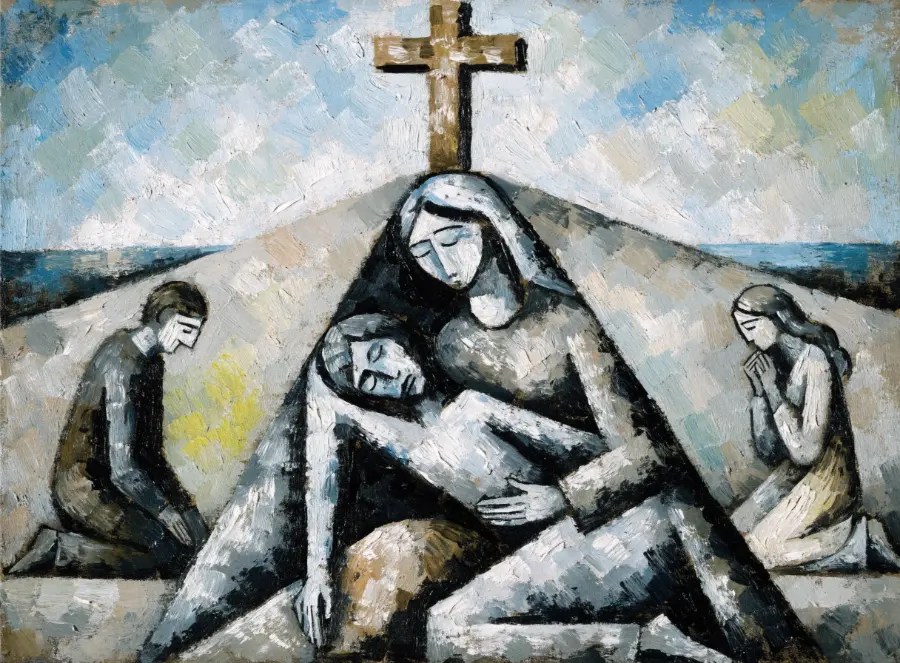
Zephaniah 3:17
“The Lord your God is with you, the Mighty Warrior who saves. He will take great delight in you; in his love he will no longer rebuke you, but will rejoice over you with singing.”
Reflection: Zephaniah’s book opens with the Lord’s judgment on Judah and Jerusalem (1:4), and this verse is addressed to the same city: “Do not fear, Zion” (3:16). By 3:15 “The Lord has taken away your punishment.” In 3:17 the one who delights and sings is God himself, over a people he says he will “no longer rebuke”.
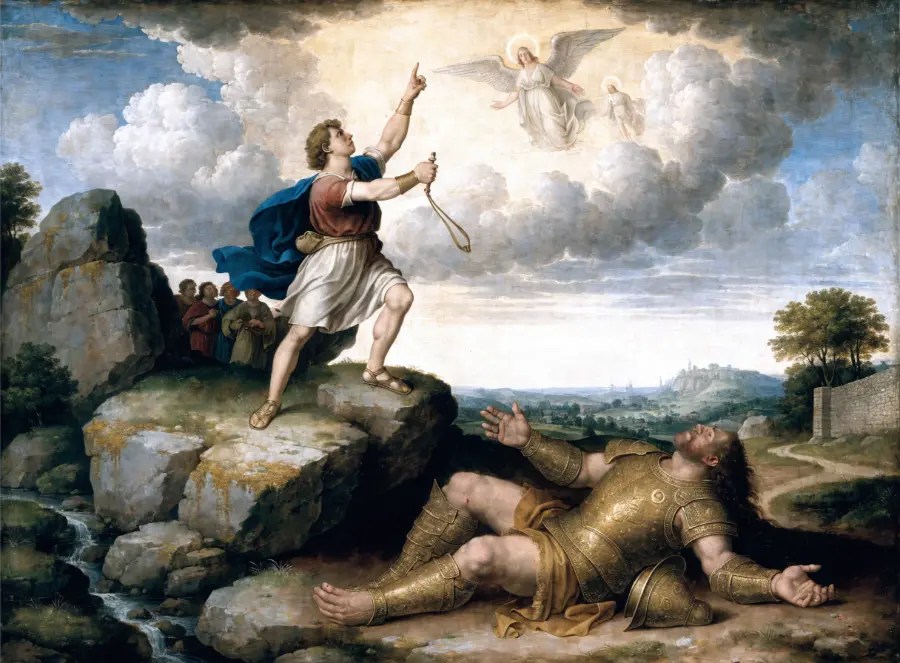
Romans 8:38-39
“For I am convinced that neither death nor life, neither angels nor demons, neither the present nor the future, nor any powers, neither height nor depth, nor anything else in all creation, will be able to separate us from the love of God that is in Christ Jesus our Lord.”
Reflection: The list answers Paul’s question in 8:35: “Who shall separate us from the love of Christ?” He first names trouble, hardship, persecution, famine, nakedness, danger and sword, then widens the list to death, life, angels, demons, powers and “anything else in all creation”. The love he names is “the love of God that is in Christ Jesus our Lord”.
Having enough
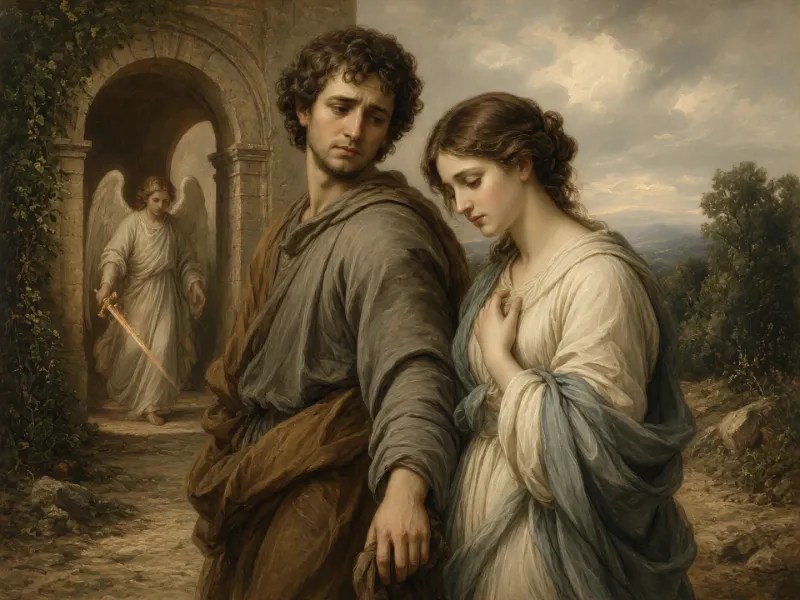
Psalm 23:1
“The Lord is my shepherd, I lack nothing.”
Reflection: In this psalm of David, “I lack nothing” is followed by what the shepherd provides: green pastures, quiet waters, a refreshed soul and “the right paths” (23:2-3). The psalm then goes through “the darkest valley” (23:4), and the reason given for fearing no evil there is “for you are with me”.
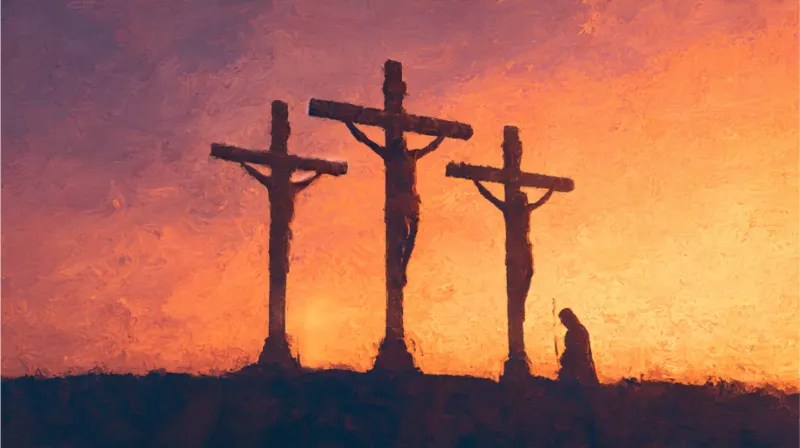
Philippians 4:19
“And my God will meet all your needs according to the riches of his glory in Christ Jesus.”
Reflection: Paul has just written, “I have received full payment and have more than enough”, from the gifts the Philippians sent with Epaphroditus (4:18). Having been supplied through them, he turns the promise back to them: “my God will meet all your needs”. The measure is “the riches of his glory in Christ Jesus”.
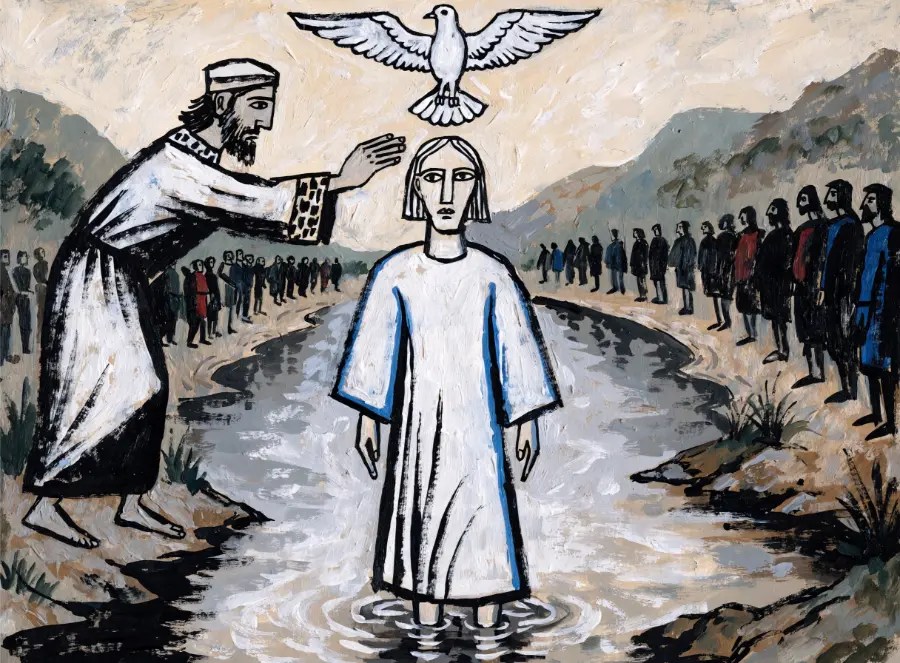
2 Peter 1:3
“His divine power has given us everything we need for a godly life through our knowledge of him who called us by his own glory and goodness.”
Reflection: The verse before speaks of “the knowledge of God and of Jesus our Lord” (1:2), and 1:3 does not say which of the two “His divine power” refers to. That power has given “everything we need for a godly life”, and the verse ties the gift to “our knowledge of him”. The verses that follow do not treat the gift as the end of effort: “make every effort to add to your faith goodness”, then knowledge, self-control, perseverance, godliness, mutual affection and love (1:5-7).
A verse for how you feel
Choose how you feel today and read a verse from Scripture.
And even the very hairs of your head are all numbered. So do not be afraid; you are worth more than many sparrows.
Get a verse each week
Thank you. Your first verse is on its way.
If nothing arrives in a few minutes, look in your spam or promotions folder.
Keep this for another day. A verse for how you feel has a page of its own, with our verses for each feeling.
Each verse is quoted from the Berean Standard Bible.
When the weakness is not taken away
Paul records no removal of his thorn after 2 Corinthians 12:9. In 12:10 he lists what he now delights in: “weaknesses, in insults, in hardships, in persecutions, in difficulties.” Moses kept objecting after Exodus 3:12, down to “Please send someone else” (Exodus 4:13). The Lord’s anger burned against him, yet he gave Moses his brother Aaron to speak for him and still sent Moses: “You shall speak to him and put words in his mouth” (Exodus 4:14-16).


Leave a Reply