
 English
 Chinese
 Dutch
 Arabic
 Spanish
 Portuguese
 Russian
 French
 Italian
 German
 Japanese
The Bible places a person’s worth in what God has done and said. God made humankind “in the image of God” (Genesis 1:27). Jesus told his disciples they are “worth more than many sparrows” (Matthew 10:31) and asked what anyone could give in exchange for a soul (Matthew 16:26).
Other passages speak to God’s people: Israel as his “treasured possession” (Deuteronomy 7:6), called by name (Isaiah 43:1), and Christians redeemed “with the precious blood of Christ” (1 Peter 1:19) and called “children of God” (1 John 3:1).
Made by God and in his image
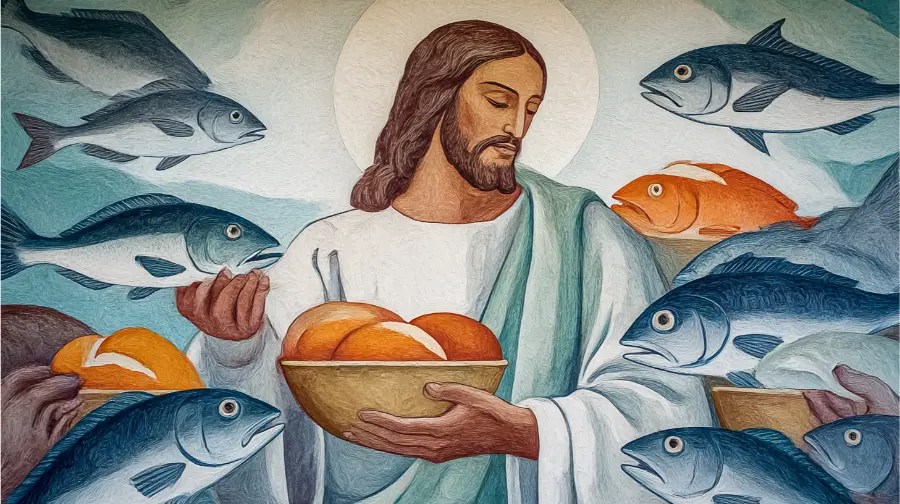
Genesis 1:27
“So God created mankind in his own image, in the image of God he created them; male and female he created them.”
Reflection: God announces the decision in the verse before: “Let us make mankind in our image, in our likeness.” The image is given to male and female alike, and in the next verse God blesses them and gives them rule over the fish, the birds and every living creature. At the end of the sixth day God sees all he has made and calls it “very good” (Genesis 1:31).
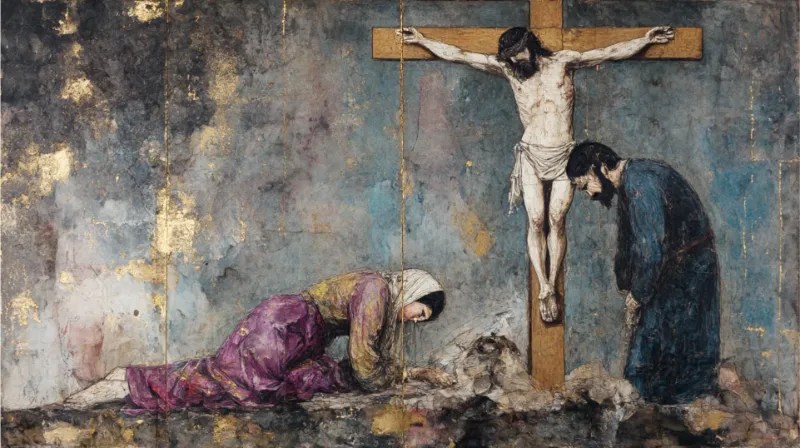
Genesis 9:6
“Whoever sheds human blood, by humans shall their blood be shed; for in the image of God has God made mankind.”
Reflection: God speaks to Noah and his sons after the flood. In the verse before, he says he will “demand an accounting for the life of another human being,” and the reason he gives is the image of God.
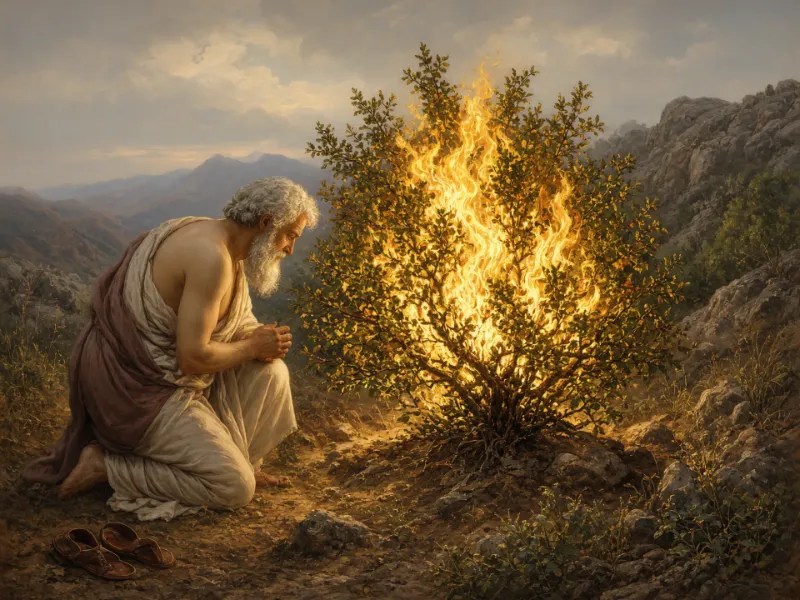
Psalm 8:3-5
“When I consider your heavens, the work of your fingers, the moon and the stars, which you have set in place, what is mankind that you are mindful of them, human beings that you care for them? You have made them a little lower than the angels and crowned them with glory and honor.”
Reflection: The psalm’s heading names David. Set beside the night sky, human beings look too small for God’s attention, and his answer is a status God has given. The next verses list what God made them rule: flocks, herds, wild animals, birds and fish (8:6-8), the creatures over which Genesis 1:26 gives mankind rule. The psalm opens and closes with the same line: “Lord, our Lord, how majestic is your name in all the earth!”
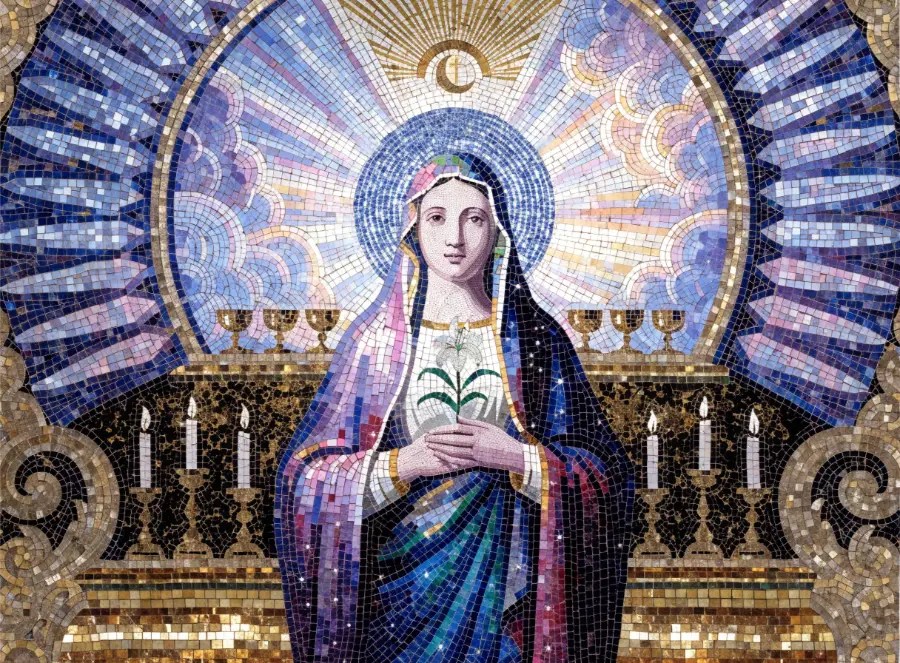
Psalm 139:14
“I praise you because I am fearfully and wonderfully made; your works are wonderful, I know that full well.”
Reflection: David’s psalm is addressed to God, and this line is praise for how God made him. The verse before says “you knit me together in my mother’s womb,” and two verses on, “Your eyes saw my unformed body; all the days ordained for me were written in your book before one of them came to be.”
Ephesians 2:10
“For we are God’s handiwork, created in Christ Jesus to do good works, which God prepared in advance for us to do.”
Reflection: Paul uses the language of making for people made new: believers are “God’s handiwork, created in Christ Jesus.” The verses before say salvation is “by grace” and “not by works, so that no one can boast” (2:8-9). Good works come after, as things God prepared in advance for those he has made.
Jesus on what a person is worth
Matthew 6:26
“Look at the birds of the air; they do not sow or reap or store away in barns, and yet your heavenly Father feeds them. Are you not much more valuable than they?”
Reflection: In the Sermon on the Mount, Jesus tells his hearers not to worry about food and clothing. The argument runs from lesser to greater: God feeds birds that neither sow nor reap, and people are worth more than birds. Luke’s version names ravens: “And how much more valuable you are than birds!” (Luke 12:24).
Matthew 10:30-31
“And even the very hairs of your head are all numbered. So don’t be afraid; you are worth more than many sparrows.”
Reflection: Jesus is sending out the twelve and warning them not to fear those who can kill the body (10:28). Two sparrows sell for a penny, and “not one of them will fall to the ground outside your Father’s care.” The worth he names is tied to fear: the reason not to be afraid is that God knows them down to the number of their hairs. Luke 12:6-7 gives the same saying with five sparrows sold for two pennies.
Matthew 16:26
“What good will it be for someone to gain the whole world, yet forfeit their soul? Or what can anyone give in exchange for their soul?”
Reflection: Jesus has just told his disciples that whoever wants to follow him must “deny themselves and take up their cross” (16:24). He sets one soul against the whole world and asks what could be given in exchange for it.
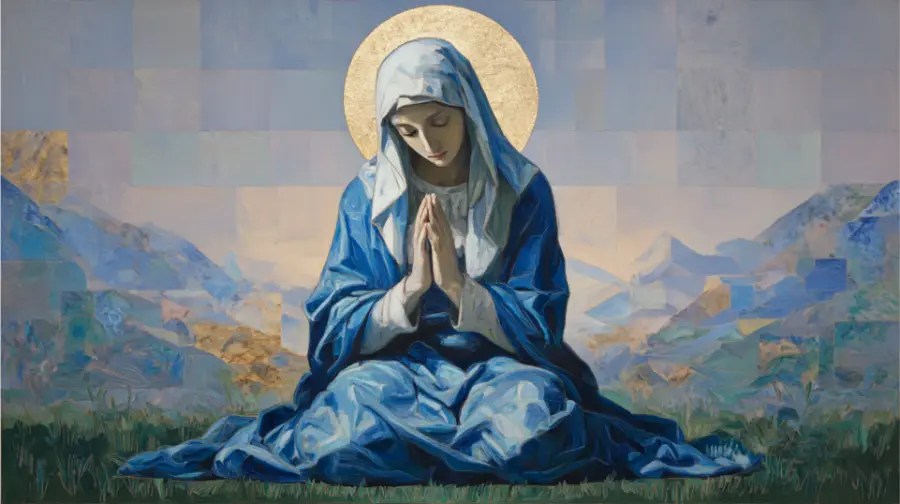
Luke 15:7
“I tell you that in the same way there will be more rejoicing in heaven over one sinner who repents than over ninety-nine righteous persons who do not need to repent.”
Reflection: The parable answers a complaint. Pharisees and teachers of the law were muttering, “This man welcomes sinners and eats with them” (15:2). In the story a shepherd leaves ninety-nine sheep to look for one, carries it home on his shoulders and calls his neighbors to celebrate. Two more stories of the lost follow in the chapter: a coin and a son.
Chosen and called by name
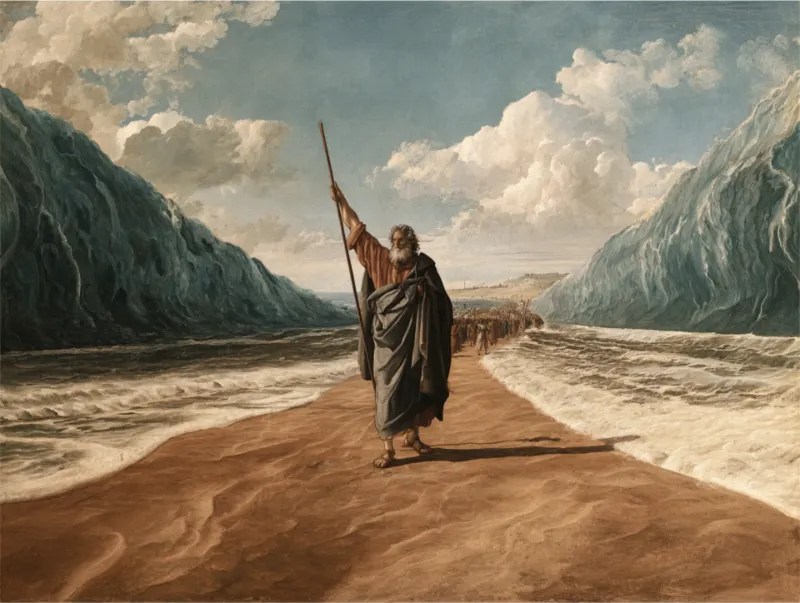
Deuteronomy 7:6
“For you are a people holy to the LORD your God. The LORD your God has chosen you out of all the peoples on the face of the earth to be his people, his treasured possession.”
Reflection: Moses tells Israel they are God’s “treasured possession” out of all the peoples on earth. The next verses give the reason, and it is not their size: “you were the fewest of all peoples. But it was because the Lord loved you and kept the oath he swore to your ancestors.” The phrase goes back to Sinai, where God told Israel, “out of all nations you will be my treasured possession” (Exodus 19:5).
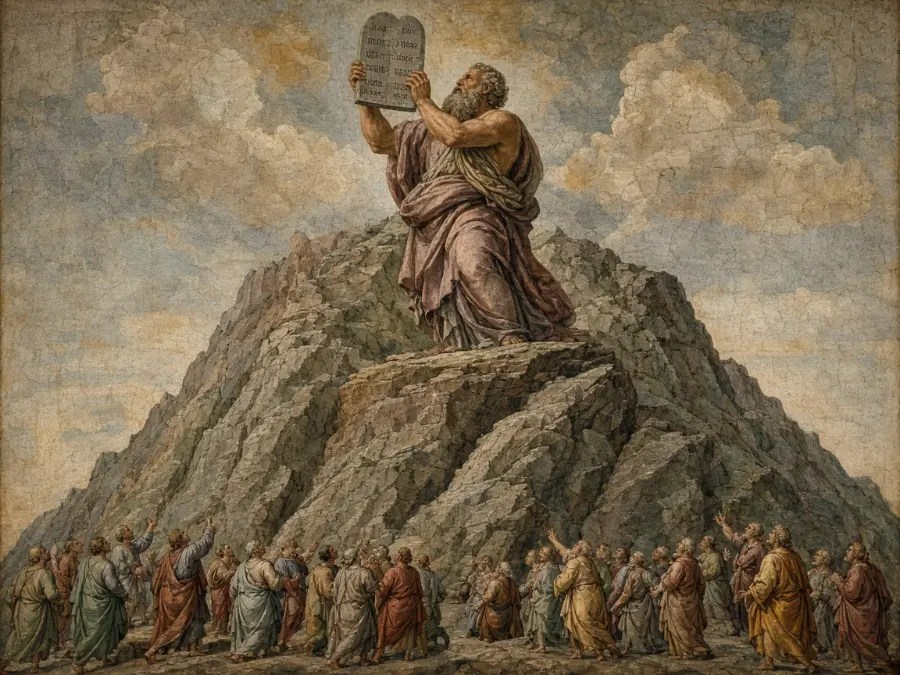
Isaiah 43:1
“But now, this is what the LORD says— he who created you, Jacob, he who formed you, Israel: ‘Do not fear, for I have redeemed you; I have summoned you by name; you are mine.’”
Reflection: The Lord speaks to Jacob, the people of Israel, as the one who created and formed them. The promises that follow are for waters and fire: “they will not sweep over you,” “you will not be burned.” Verse 4 names the people’s value directly: “Since you are precious and honored in my sight, and because I love you, I will give people in exchange for you.”
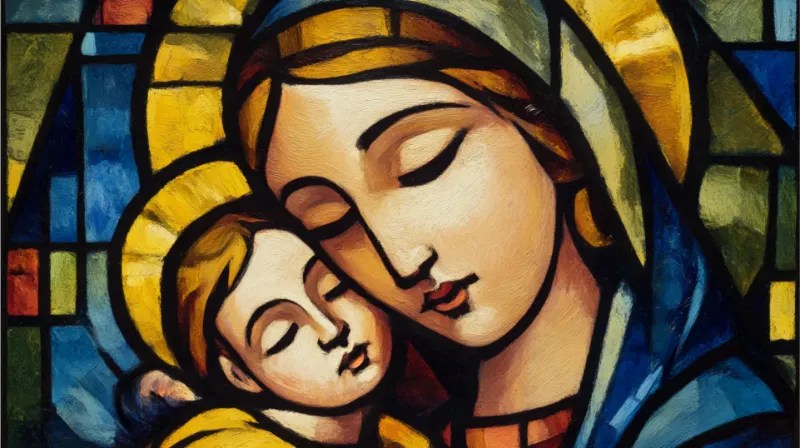
1 Peter 2:9
“But you are a chosen people, a royal priesthood, a holy nation, God’s special possession, that you may declare the praises of him who called you out of darkness into his wonderful light.”
Reflection: Peter writes to “exiles scattered throughout the provinces” of Asia Minor (1:1) and gives them titles God gave Israel at Sinai: “treasured possession” and “a kingdom of priests and a holy nation” (Exodus 19:5-6). The titles come with a purpose, “that you may declare the praises of him who called you.” The next verse says what changed: “Once you were not a people, but now you are the people of God.”
Bought at a price
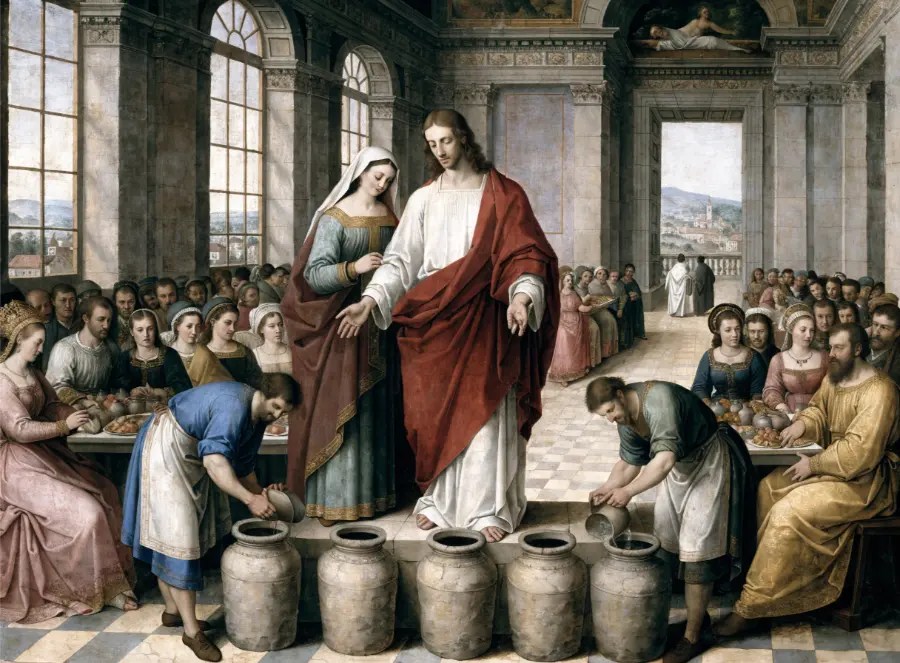
1 Peter 1:18-19
“For you know that it was not with perishable things such as silver or gold that you were redeemed from the empty way of life handed down to you from your ancestors, but with the precious blood of Christ, a lamb without blemish or defect.”
Reflection: Peter compares two kinds of payment: silver and gold, which perish, and the blood of Christ, which he calls precious. “A lamb without blemish or defect” recalls the Passover lamb, which had to be “without defect” (Exodus 12:5). Verse 17 gives the command, “live out your time as foreigners here in reverent fear,” and these verses give its ground, opening with “For you know.”
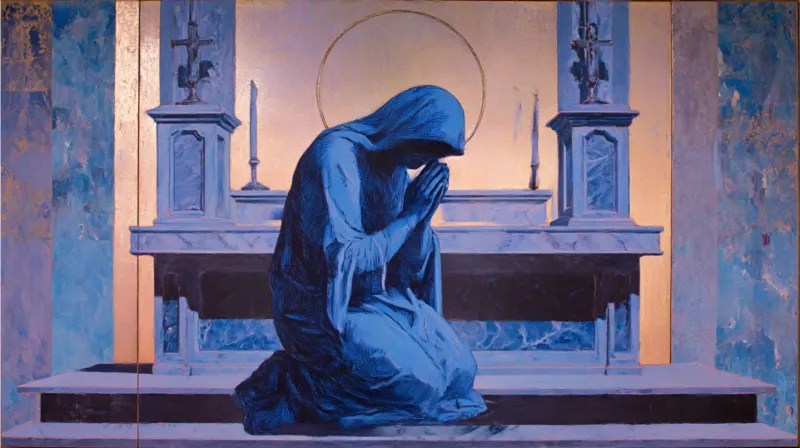
1 Corinthians 6:19-20
“Do you not know that your bodies are temples of the Holy Spirit, who is in you, whom you have received from God? You are not your own; you were bought at a price. Therefore honor God with your bodies.”
Reflection: Paul is writing to the church in Corinth, and the verse before gives the command “Flee from sexual immorality” (6:18). His “Therefore” draws the instruction about the body from the purchase. He uses the phrase again in 7:23, “You were bought at a price; do not become slaves of human beings,” and names the price in neither verse.
God’s love for his people
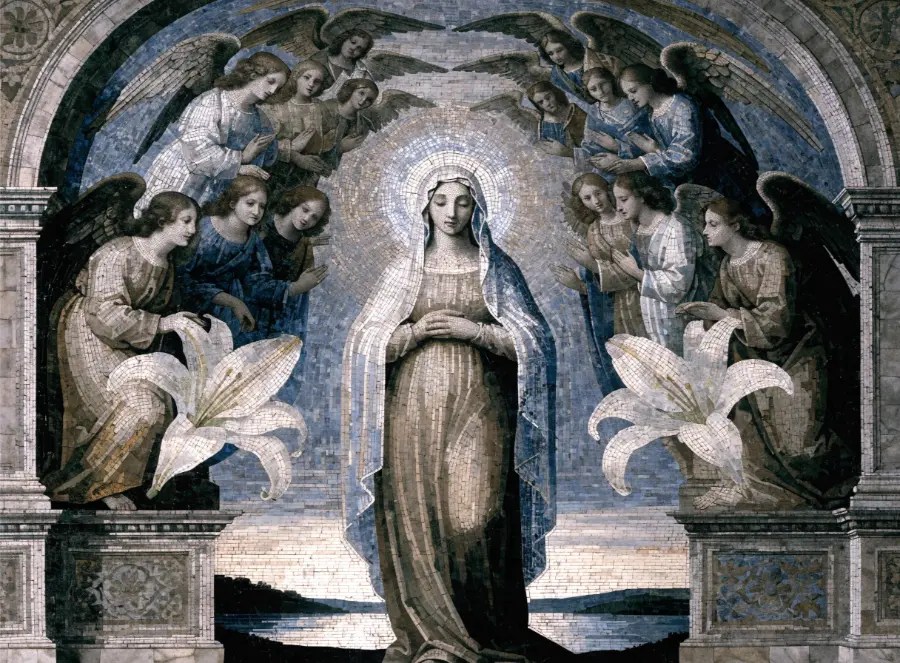
Zephaniah 3:17
“The LORD your God is with you, the Mighty Warrior who saves. He will take great delight in you; in his love he will no longer rebuke you, but will rejoice over you with singing.”
Reflection: The prophecy’s last chapter turns from judgment to Jerusalem restored: “The Lord has taken away your punishment” (3:15). Zephaniah first calls the city to sing and shout (3:14); in this verse the Lord himself delights in Jerusalem and rejoices over it with singing.
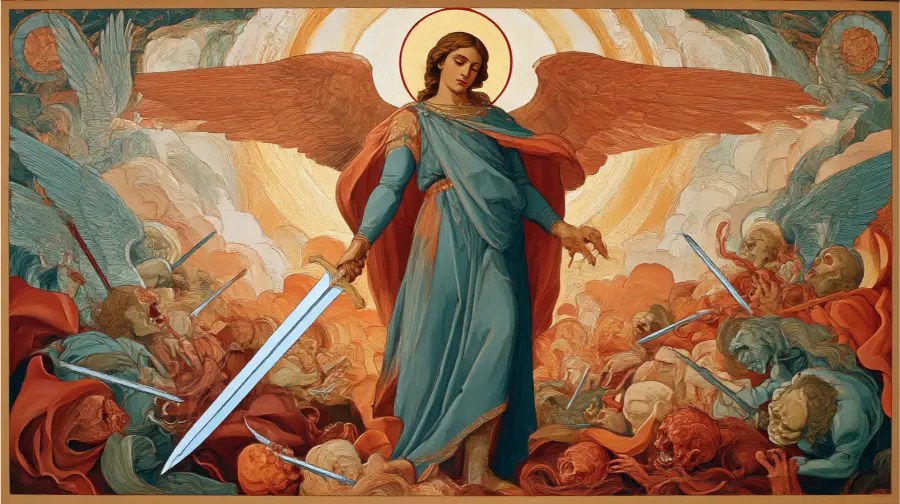
Romans 5:8
“But God demonstrates his own love for us in this: While we were still sinners, Christ died for us.”
Reflection: Paul sets this against ordinary human love: “Very rarely will anyone die for a righteous person, though for a good person someone might possibly dare to die” (5:7). Christ died for people who were “still powerless” and “ungodly” (5:6), and Paul says that is how God shows his love.
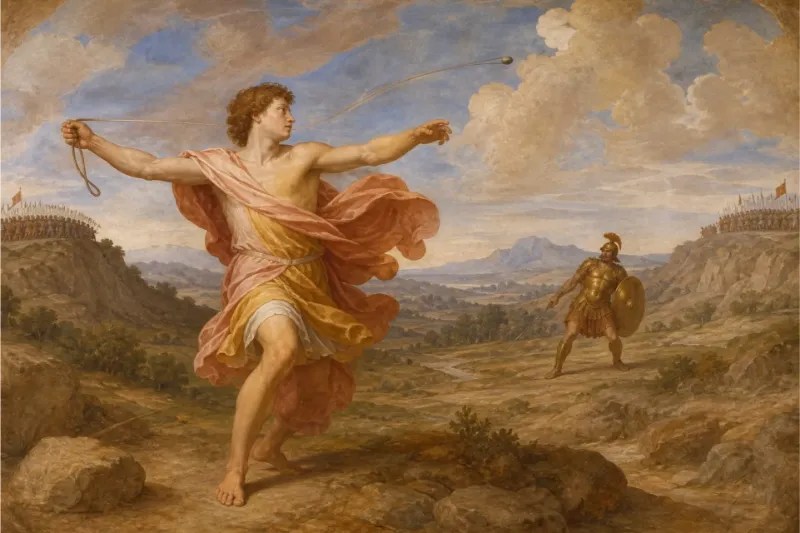
1 John 3:1
“See what great love the Father has lavished on us, that we should be called children of God! And that is what we are! The reason the world does not know us is that it did not know him.”
Reflection: The title “children of God” is given by the Father’s love, and John insists it is a fact now. The next verse separates the present from the future: “now we are children of God, and what we will be has not yet been made known.”
A verse for how you feel
Choose how you feel today and read a verse from Scripture.
For we are God’s workmanship, created in Christ Jesus to do good works, which God prepared in advance as our way of life.
Get a verse each week
Thank you. Your first verse is on its way.
If nothing arrives in a few minutes, look in your spam or promotions folder.
Keep this for another day. A verse for how you feel has a page of its own, with our verses for each feeling.
Each verse is quoted from the Berean Standard Bible.


Leave a Reply