
 English
 Chinese
 Dutch
 Arabic
 Spanish
 Portuguese
 Russian
 French
 Italian
 German
 Japanese
The Bible does not use the phrase “dream big”. Many of its dreams are messages from God (Genesis 37:5-7, Joel 2:28), and its large hopes rest on what God can do: “immeasurably more than all we ask or imagine” (Ephesians 3:20).
Alongside those, Proverbs 16:9 and James 4:13-15 set human plans under God’s will, and Numbers 14:24 and Hebrews 11 describe people who held to a promise before they saw it. Two verses often quoted on the subject read differently in their setting: Jeremiah 29:11 was written to exiles facing a seventy-year wait, and Proverbs 29:18 is about God’s revelation to his people.
What God is able to do

Ephesians 3:20-21
“Now to him who is able to do immeasurably more than all we ask or imagine, according to his power that is at work within us, to him be glory in the church and in Christ Jesus throughout all generations, for ever and ever! Amen.”
Reflection: These lines close the prayer Paul began in Ephesians 3:14, “For this reason I kneel before the Father.” He has just asked that the Ephesians grasp “how wide and long and high and deep is the love of Christ.” The measure in verse 20 is God’s power “at work within us”, and the sentence is a doxology: it gives God glory for what he is able to do and names no particular request.
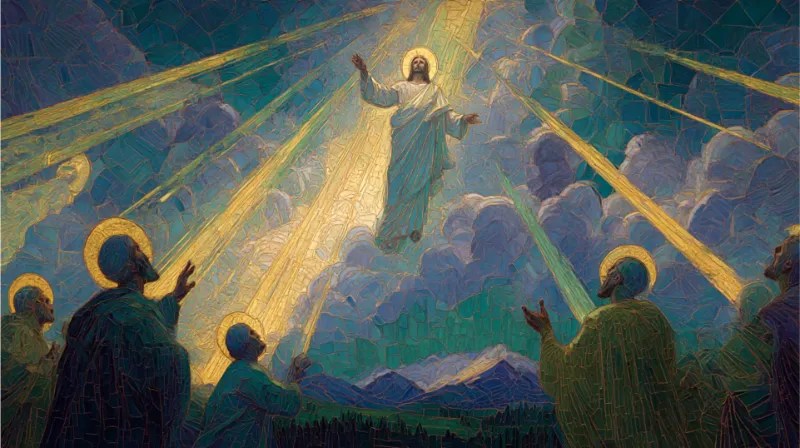
1 Corinthians 2:9
“However, as it is written: ‘What no eye has seen, what no ear has heard, and what no human mind has conceived’ — the things God has prepared for those who love him.”
Reflection: Paul introduces the line with “as it is written”, and its wording is close to Isaiah 64:4, where no eye has seen “any God besides you, who acts on behalf of those who wait for him.” The next verse says “these are the things God has revealed to us by his Spirit.” In Paul’s argument, what no mind conceived is God’s wisdom, hidden from the rulers who “crucified the Lord of glory” (2:8) and now made known.
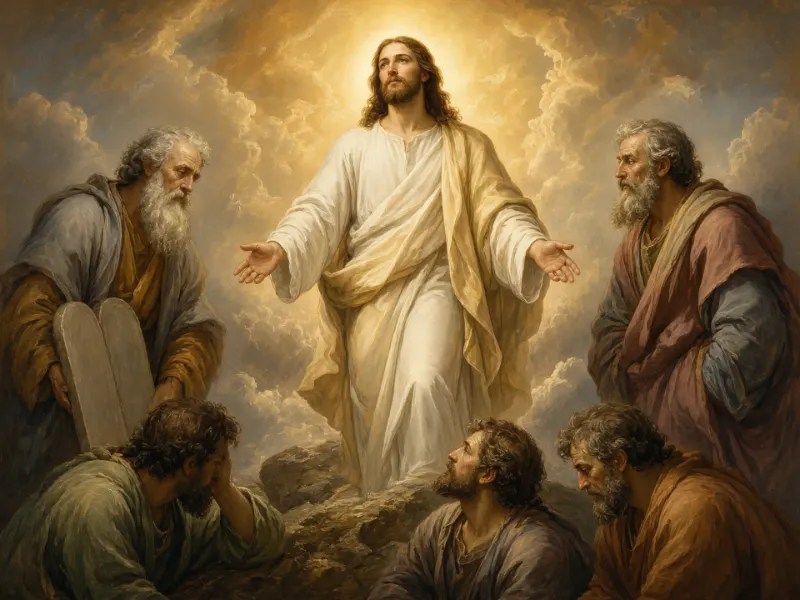
Luke 1:37
“For no word from God will ever fail.”
Reflection: The angel Gabriel says this to Mary after she asks how she can bear a son as a virgin. The sentence follows the news that her relative Elizabeth, “who was said to be unable to conceive”, is in her sixth month. Mary’s answer in the next verse takes up the same word: “I am the Lord’s servant. May your word to me be fulfilled.”
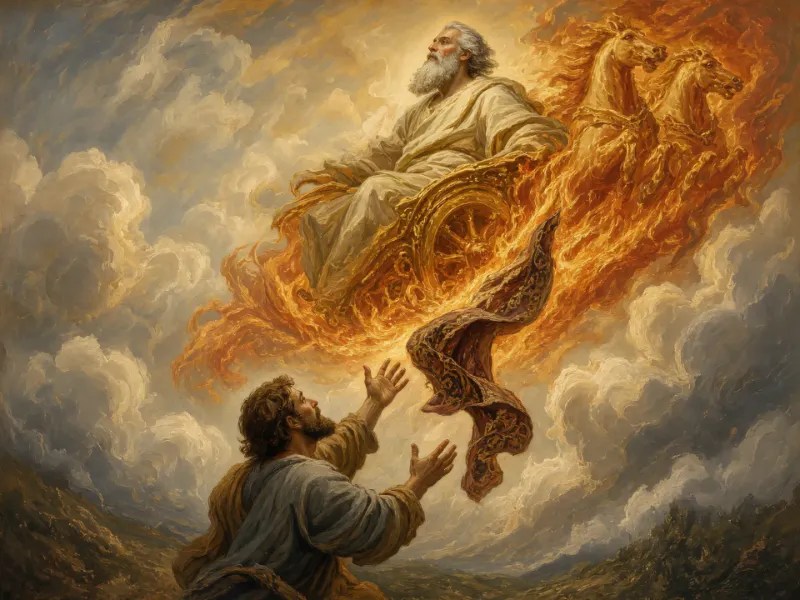
Isaiah 43:19
“See, I am doing a new thing! Now it springs up; do you not perceive it? I am making a way in the wilderness and streams in the wasteland.”
Reflection: God speaks to Israel as the one “who made a way through the sea” at the exodus (43:16). Verse 18 is a command about moving forward: “Forget the former things; do not dwell on the past.” The new thing is a road and water in the desert, given “to my people, my chosen” (43:20) so that they “may proclaim my praise” (43:21).
Dreams, visions and promises
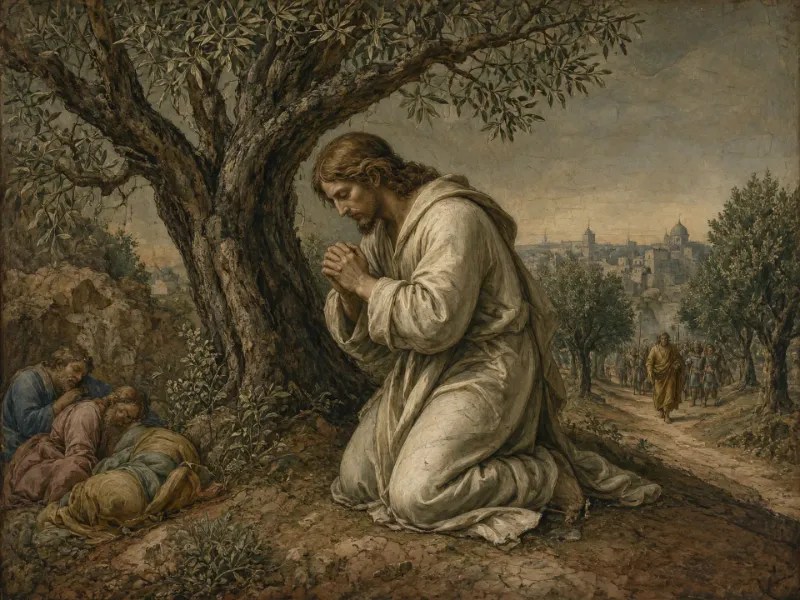
Joel 2:28
“And afterward, I will pour out my Spirit on all people. Your sons and daughters will prophesy, your old men will dream dreams, your young men will see visions.”
Reflection: The promise comes after God says he will repay “the years the locusts have eaten” (2:25). Dreams here are a gift of the Spirit, listed with prophecy and visions and given to sons, daughters, old men, young men and “even on my servants, both men and women.” At Pentecost Peter quotes the passage to explain what the crowd in Jerusalem was seeing (Acts 2:16-18).

Proverbs 29:18
“Where there is no revelation, people cast off restraint; but blessed is the one who heeds wisdom’s instruction.”
Reflection: The King James Version renders the first half “Where there is no vision, the people perish.” In both translations the second half sets the first beside instruction: the NIV has “wisdom’s instruction”, the King James “the law”. The vision in view is revelation from God to his people, and the loss it describes is a people without restraint.

Habakkuk 2:2-3
“Then the Lord replied: ‘Write down the revelation and make it plain on tablets so that a herald may run with it. For the revelation awaits an appointed time; it speaks of the end and will not prove false. Though it linger, wait for it; it will certainly come and will not delay.’”
Reflection: This is God’s answer to Habakkuk, who has complained that violence goes unpunished (1:2-4) and has been told that God is raising up the Babylonians (1:6). The prophet stations himself on the ramparts to wait for a reply (2:1), and he is told to write the revelation plainly because it “awaits an appointed time.” Verse 4 names how the righteous live while they wait: “the righteous person will live by his faithfulness.”
Jeremiah 29:11
“‘For I know the plans I have for you,’ declares the Lord, ‘plans to prosper you and not to harm you, plans to give you hope and a future.’”
Reflection: The words are addressed to “all those I carried into exile from Jerusalem to Babylon” (29:4). The promise is fulfilled “when seventy years are completed for Babylon” (29:10), and in the meantime the exiles are told to build houses, plant gardens and seek the prosperity of the city. Three verses earlier God warns them against the prophets and diviners: “Do not listen to the dreams you encourage them to have.”
Plans and desires under God’s purpose
Psalm 37:4
“Take delight in the Lord, and he will give you the desires of your heart.”
Reflection: The psalm, headed “Of David”, sets this verse among commands not to fret over evildoers who prosper (37:1, 37:7). The order of the verse is delight in the Lord first, then the desires of the heart, and the next verse continues, “Commit your way to the Lord; trust in him and he will do this.”

Proverbs 16:3
“Commit to the Lord whatever you do, and he will establish your plans.”
Reflection: The surrounding proverbs keep returning to who has the final say over a plan. Proverbs 16:1 gives humans “the plans of the heart” and the Lord “the proper answer of the tongue”, and 16:2 says motives are weighed by the Lord. In this verse the plans are established after the work is committed to the Lord.
Proverbs 16:9
“In their hearts humans plan their course, but the Lord establishes their steps.”
Reflection: Six verses after 16:3, the chapter returns to planning: people plan the course, and the Lord establishes each step. Proverbs 19:21 says the same in other words: “Many are the plans in a person’s heart, but it is the Lord’s purpose that prevails.”
James 4:13-15
“Now listen, you who say, ‘Today or tomorrow we will go to this or that city, spend a year there, carry on business and make money.’ Why, you do not even know what will happen tomorrow. What is your life? You are a mist that appears for a little while and then vanishes. Instead, you ought to say, ‘If it is the Lord’s will, we will live and do this or that.’”
Reflection: James addresses traders who plan a year of business in another city. The instruction is about how to speak of such a plan, “If it is the Lord’s will”, and the reason given is the length of a life, “a mist that appears for a little while and then vanishes.” Verse 16 calls the other way of speaking boasting in “arrogant schemes.”
Promises held and fulfilled
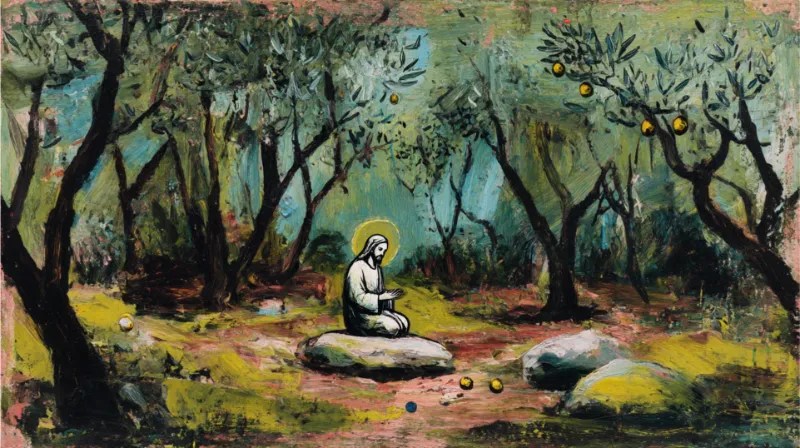
Genesis 50:20
“You intended to harm me, but God intended it for good to accomplish what is now being done, the saving of many lives.”
Reflection: Joseph says this to his brothers after Jacob’s death, when they fear revenge and throw themselves down before him (50:15-18). As a young man Joseph had dreamed that his brothers’ sheaves bowed down to his (Genesis 37:5-7), and they hated him for it. The brothers bowed to him in Egypt (Genesis 42:6), and in 42:9 he “remembered his dreams about them”. Here, looking back, Joseph names God’s purpose as “the saving of many lives.”
Numbers 14:24
“But because my servant Caleb has a different spirit and follows me wholeheartedly, I will bring him into the land he went to, and his descendants will inherit it.”
Reflection: Caleb was one of the men sent to explore Canaan. When the others reported fortified cities and said “We seemed like grasshoppers in our own eyes” (13:33), Caleb said, “We should go up and take possession of the land, for we can certainly do it” (13:30). With Joshua he rested the claim on God, “If the Lord is pleased with us, he will lead us into that land” (14:8), and this verse promises Caleb and his descendants the land he had seen.

Hebrews 11:1
“Now faith is confidence in what we hope for and assurance about what we do not see.”
Reflection: The verse opens a chapter of examples. Abraham obeyed “even though he did not know where he was going” (11:8), and Sarah bore a child when she was past childbearing age (11:11). The chapter says of them, “They did not receive the things promised; they only saw them and welcomed them from a distance” (11:13).


Leave a Reply