
 English
  Chinese
  Dutch
Dutch  Arabic
  Spanish
  Portuguese
  Russian
  French
  Italian
  German
  Japanese
 Category 1: The Father’s Heart of Compassion and Forgiveness
This is the foundation of our relationship. Before we can feel like a child, we must know we are safe and that our failures are met not with wrath, but with a restorative, compassionate embrace.

Psalm 103:13
“As a father has compassion on his children, so the LORD has compassion on those who fear him.”
Reflection: This verse speaks to the tender core of God’s nature. Human fatherhood, in its purest form, gives us a glimpse into the divine heart. This compassion is not a weak pity; it is a profound empathy that understands our human fragility, our dust-like nature. It calms the inner critic that says we are not enough, reminding us that with our Father, our weakness is met with a deep, sheltering tenderness, not judgment.
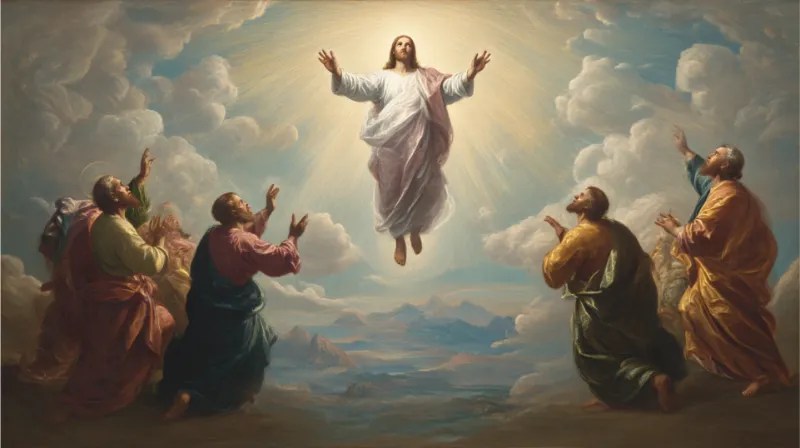
Luke 15:20
“But while he was still a long way off, his father saw him and was filled with compassion for him; he ran to his son, threw his arms around him and kissed him.”
Reflection: This is the portrait of a love that is not passive but active and searching. The Father is not waiting on the porch, arms crossed, demanding an apology. He is scanning the horizon, and at the first sign of our return, He runs. This image shatters the illusion of a distant, dignitary God. It heals the part of us that feels shame, the part that wants to hide. His impulsive, undignified run is the ultimate expression of a love that prioritizes relationship over reputation.
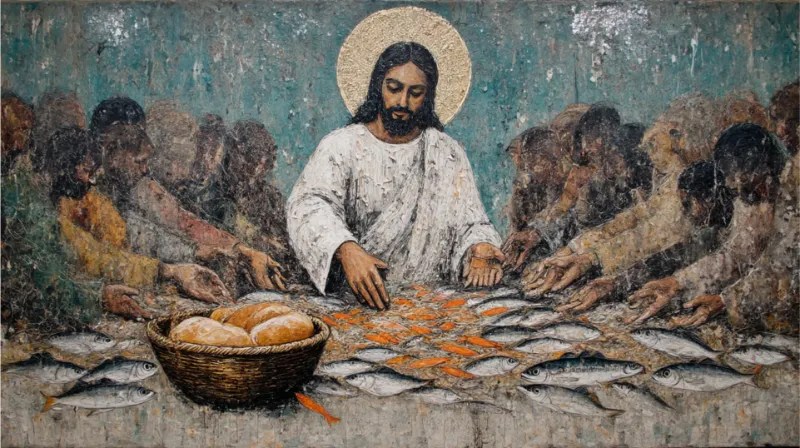
1 John 1:9
“If we confess our sins, he is faithful and just and will forgive us our sins and purify us from all unrighteousness.”
Reflection: A good father doesn’t just forgive a child who comes home muddy; he helps to clean them up. This verse is a picture of restorative love. The forgiveness is not a mere legal transaction; it is accompanied by purification. It addresses our deep-seated feeling of being “unclean” or stained by our mistakes. The Father’s faithfulness and justice are the very mechanisms that restore our inner sense of wholeness and moral alignment.
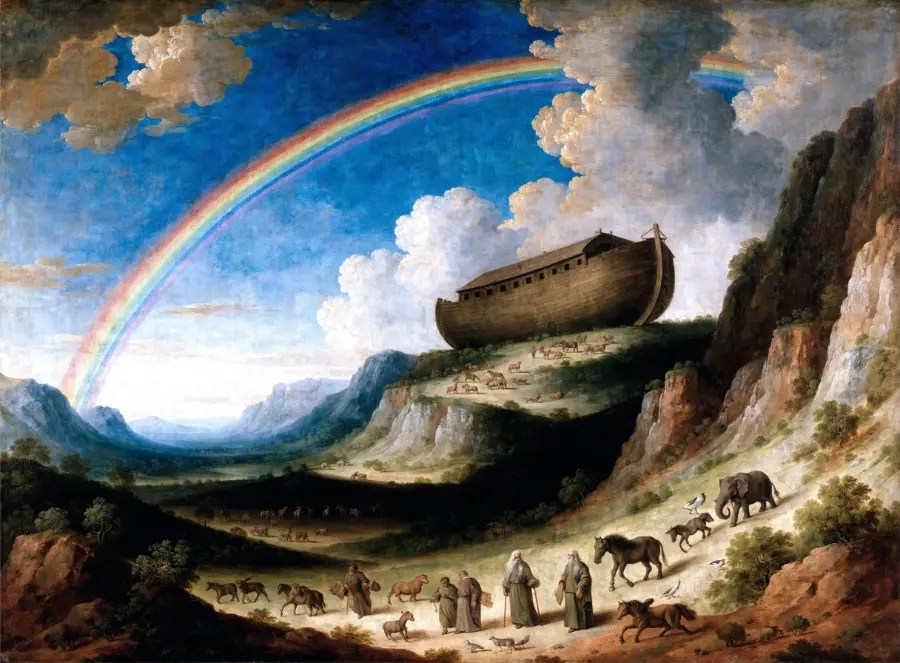
Micah 7:19
“He will again have compassion on us; he will tread our iniquities underfoot and hurl all our sins into the depths of the sea.”
Reflection: This imagery addresses the human tendency to ruminate on past failures. We often hold onto our sins long after we’ve been forgiven. But the Father’s forgiveness is decisive and final. He doesn’t just put our sins aside; He actively vanquishes them, treading them underfoot and casting them into a place of no return. This offers profound emotional relief, freeing us from the haunting ghosts of our past and allowing us to live in the present with a clear conscience.
Category 2: Our Identity as Beloved Children
Who are we? Our sense of self is the bedrock of our emotional health. These verses establish our core identity not in what we do, but in who we belong to.
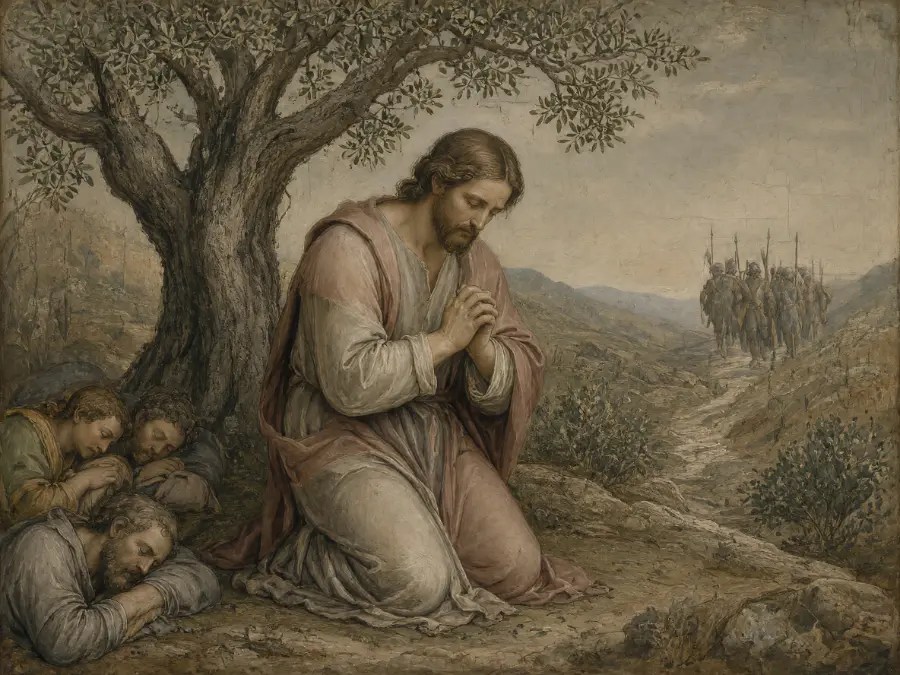
1 John 3:1
“See what great love the Father has lavished on us, that we should be called children of God! And that is what we are!”
Reflection: This is an invitation to be astonished. The title “child of God” is not a metaphor; it is a statement of reality, a lavished gift. The emotional weight of this is staggering. It confronts every feeling of worthlessness, every lie that we are an accident or an afterthought. To internalize this truth is to build an unshakeable foundation for our self-worth, rooted not in our performance but in the Father’s “great love.”
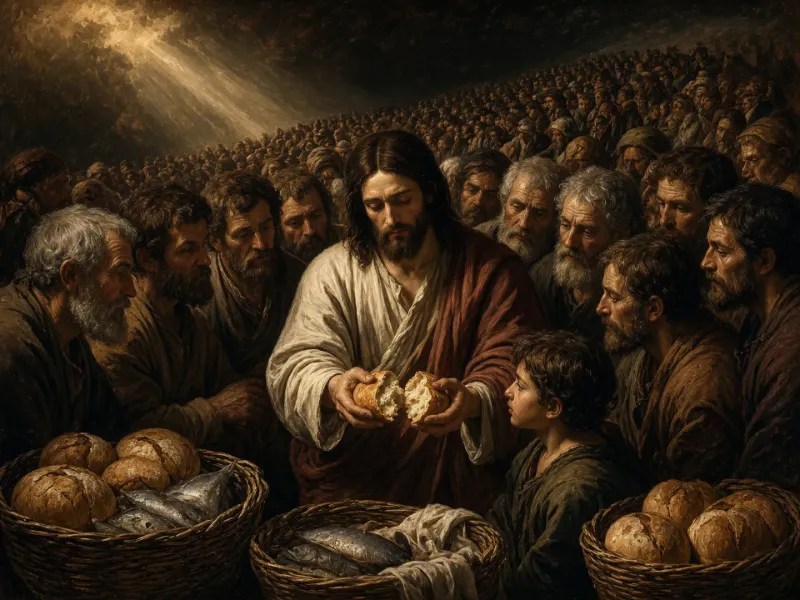
John 1:12
“Yet to all who did receive him, to those who believed in his name, he gave the right to become children of God.”
Reflection: Our sonship is not an inherent human right, but a divinely given one. This verse frames our identity as a bestowed honor, a received status. There’s a deep security in this. We don’t have to strive to earn our place at the table; we are given the “right” to be there through belief. This quiets the anxious, performance-driven parts of our soul and replaces them with the peace of a secure and legitimate position in His family.
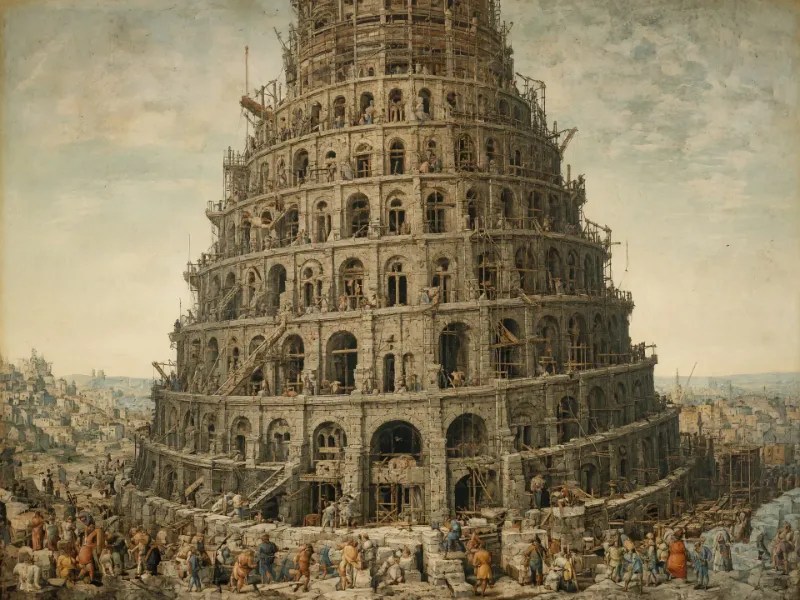
Ephesians 1:5
“He predestined us for adoption to sonship through Jesus Christ, in accordance with his pleasure and will.”
Reflection: The concept of being “chosen” for adoption speaks to the deepest human desire: to be wanted. This wasn’t a backup plan. The Father’s intention to make us His children was woven into the fabric of eternity, born out of His “pleasure and will.” This truth directly combats the fear of rejection and the “orphan spirit” that feels untethered and alone in the world. We are not cosmic orphans; we are wanted children, chosen before we ever existed.
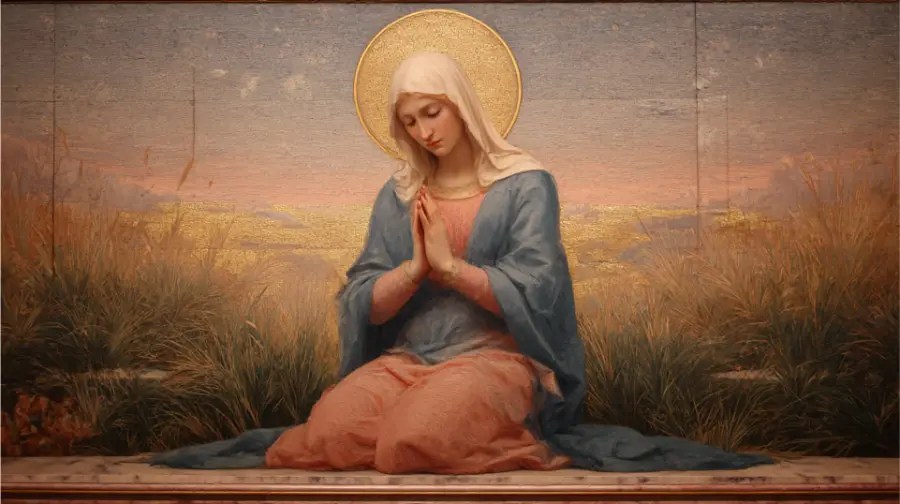
Romans 8:16
“The Spirit himself testifies with our spirit that we are God’s children.”
Reflection: This is not just an external truth we read; it is an internal reality we experience. There is a spiritual resonance, a deep, inner knowing that validates our status as children. The Spirit’s testimony is a quiet, steady confirmation that rises above the noise of self-doubt and accusation. It’s the inner voice that says, “You belong. You are His.” This internal witness is crucial for building a resilient faith that can withstand emotional turmoil.
Category 3: The Intimacy of “Abba, Father”
This moves us from a formal status to a felt relationship. It’s the difference between knowing you have a father and feeling the warmth of his presence.
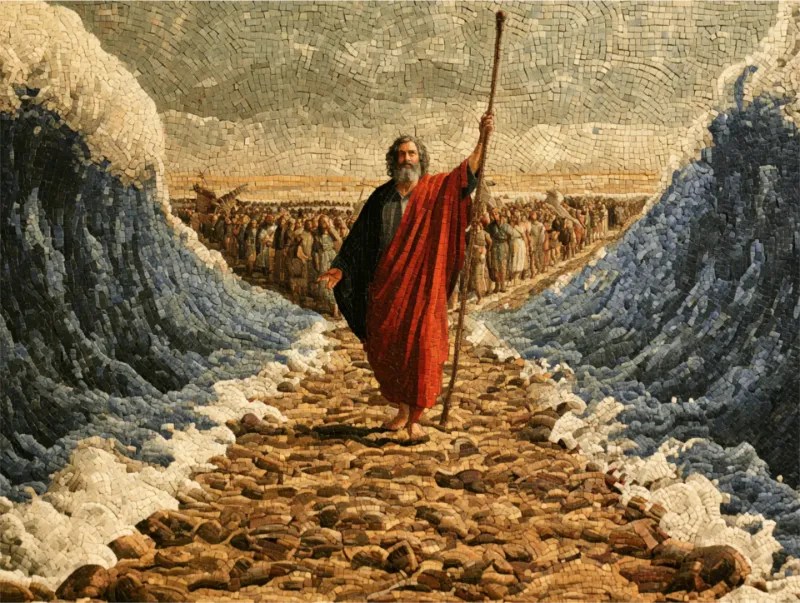
Romans 8:15
“The Spirit you received does not make you slaves, so that you live in fear again; rather, the Spirit you received brought about your adoption to sonship. And by him we cry, ‘Abba, Father.’”
Reflection: This verse signals a fundamental shift in our relational posture toward God. The spirit of slavery is characterized by fear, performance, and distance. But the Spirit of adoption brings us into the inner circle of family. The cry “Abba” is the Aramaic equivalent of “Daddy”—a term of profound trust, dependence, and affection. This cry dissolves the inner orphan, replacing the dread of a taskmaster with the profound security of knowing we are truly home, welcomed, and wanted in His presence.
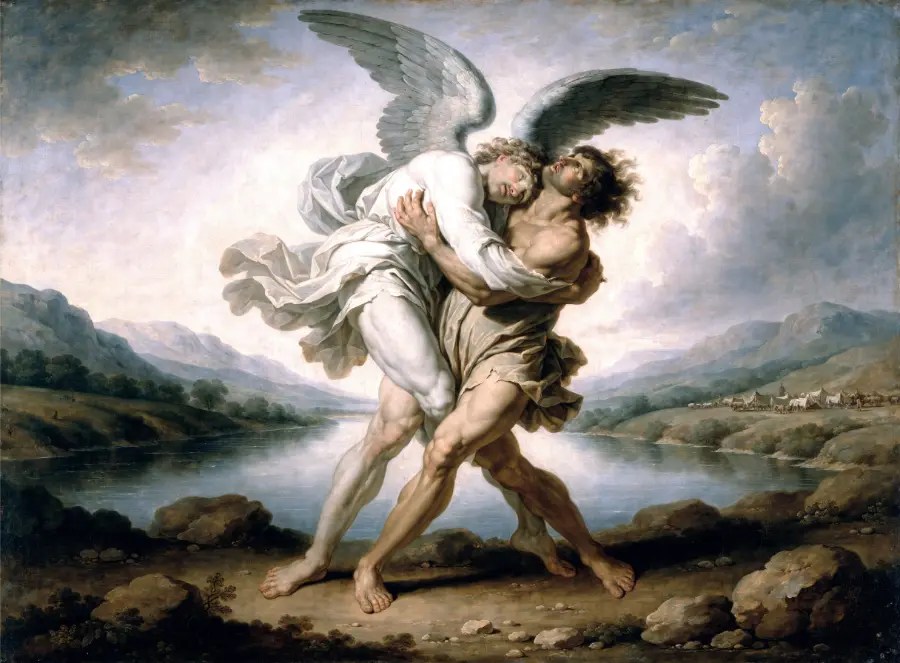
Galatians 4:6
“Because you are his sons, God sent the Spirit of his Son into our hearts, the Spirit who calls out, ‘Abba, Father.’”
Reflection: The ability to feel this intimacy is itself a gift from the Father. He doesn’t just declare us His children and then leave us to figure out how to feel like it. He sends the very Spirit of Jesus—the perfect Son—into our hearts to produce this authentic sense of belonging. Our cry of “Abba” is His Spirit’s cry through us. This takes the pressure off of us to manufacture feelings of intimacy and allows us to rest in the work He is doing within us to draw us close.
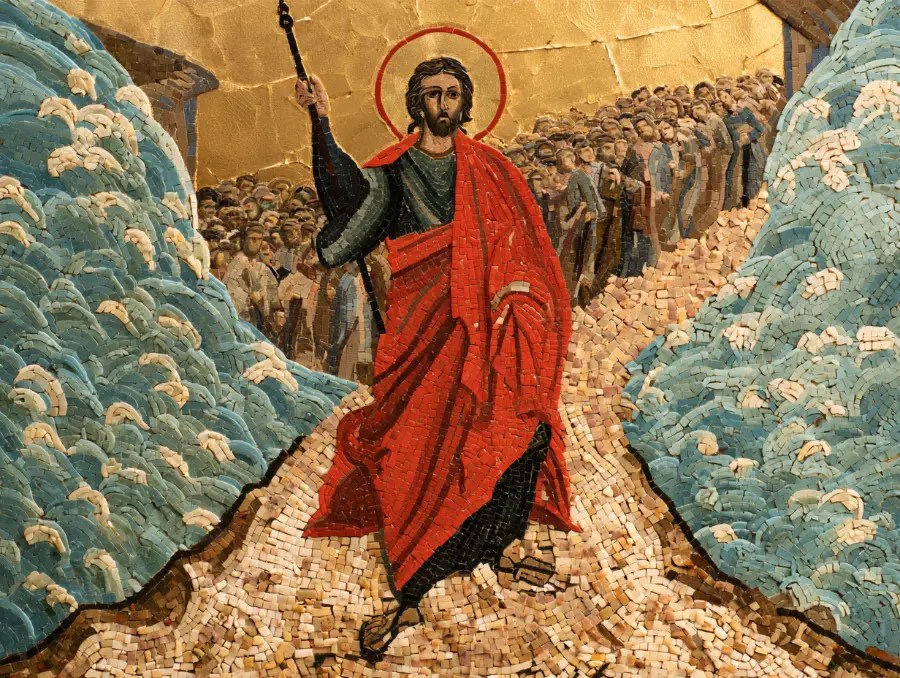
Matthew 6:9
“This, then, is how you should pray: ‘Our Father in heaven, hallowed be your name…’”
Reflection: Jesus’ model for prayer begins with the anchor of our relationship: “Our Father.” Before we bring our requests, our worries, or our confessions, we are instructed to ground ourselves in this identity. This simple opening reframes prayer from a religious duty into a family conversation. It assures us that we are speaking not to a distant cosmic force, but to a Father who is attentive, personal, and invested in the details of our lives.
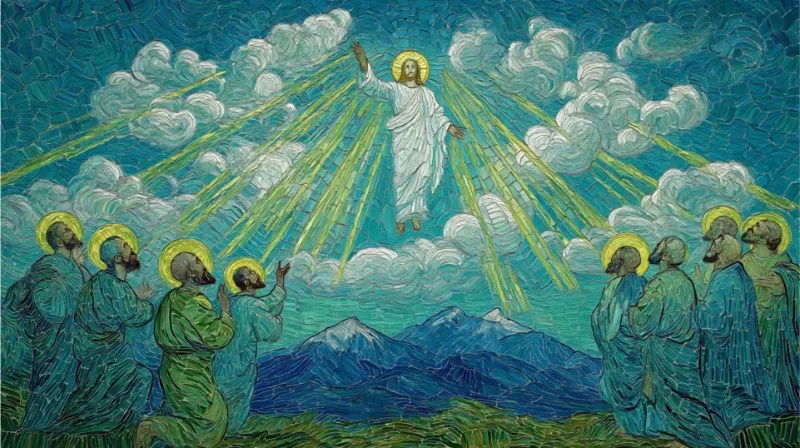
Ephesians 2:18
“For through him we both have access to the Father by one Spirit.”
Reflection: This verse dismantles the walls of separation we often feel. Shame, guilt, and unworthiness create a sense of distance from God. But here, we see that through the work of Christ, a permanent pathway of access has been opened. It’s an open-door policy. We don’t have to earn our way into the Father’s presence; we have been granted full access. This truth calms the anxiety of approach and instills a deep sense of relational security.
Category 4: The Father’s Loving Discipline and Guidance
A good father doesn’t just provide and protect; he corrects and shapes. This discipline is not punitive but formative, aimed at our maturation and well-being.

Hebrews 12:7
“Endure hardship as discipline; God is treating you as his children. For what children are not disciplined by their father?”
Reflection: This verse reframes our suffering. In moments of hardship, our primal fear is that we have been abandoned or are being punished. This passage offers a radically different interpretation: hardship can be a sign of the Father’s loving investment in our growth. It is evidence that He sees us as legitimate children, worthy of the difficult, character-forming work of discipline. This transforms our experience of pain from a source of fear into a potential pathway for maturity.
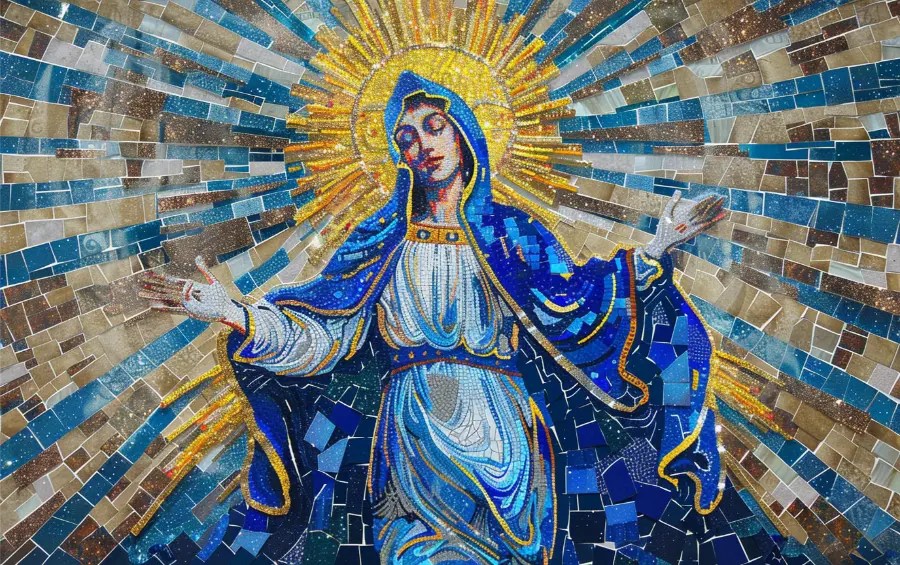
Proverbs 3:12
“because the LORD disciplines those he loves, as a father the son he delights in.”
Reflection: The motivation behind divine discipline is love and delight. This is crucial for our emotional processing of correction. It separates the Father’s discipline from the often-wounding criticism we experience from humans. His correction is not meant to shame or diminish us but stems from a deep delight in who we are and a desire to see us become the best version of ourselves. It is the action of a Father who is lovingly sanding the rough edges to reveal the beautiful grain within.

John 15:1
“I am the true vine, and my Father is the gardener.”
Reflection: The image of a gardener is one of intentional, focused care. A gardener doesn’t prune a vine out of anger, but with the specific goal of increasing its health and fruitfulness. When we feel the “pruning” of the Father—the removal of things from our lives, the challenging of our comfort zones—this verse reminds us it is not random or destructive. It is the skilled hand of a Father who knows that removing what is dead or distracting is necessary for a more vibrant, flourishing life.
Isaiah 64:8
“Yet you, LORD, are our Father. We are the clay, you are the potter; we are all the work of your hand.”
Reflection: This metaphor speaks to a posture of surrender and trust. Clay does not resist the potter’s hands; it yields. Recognizing God as our Father-Potter allows us to release the frantic need to control every outcome of our lives. It calms the anxiety of self-creation and allows us to trust that the pressures and shaping we experience are being guided by a master artisan who is lovingly forming us into a vessel of purpose and beauty.
Category 5: The Father’s Faithful Provision and Care
A core function of a father is to provide. These verses address our deepest anxieties about survival and worth, assuring us of the Father’s constant, attentive care.
Matthew 6:26
“Look at the birds of the air; they do not sow or reap or store away in barns, and yet your heavenly Father feeds them. Are you not much more valuable than they?”
Reflection: This is a direct therapeutic intervention for an anxious mind. Jesus points to the natural world to make a profound emotional point: the Father’s providential care is active and constant. The argument hinges on our value. If God cares for the birds, His care for us—His declared children—is exponentially greater. This verse is designed to break the cycle of worry by grounding our sense of security in our immense value to the Father.
Matthew 7:11
“If you, then, though you are evil, know how to give good gifts to your children, how much more will your Father in heaven give good gifts to those who ask him!”
Reflection: This uses an “argument from the lesser to the greater” to build our trust. It appeals to our own experience. Even flawed human parents have a natural instinct to provide for their children. The verse challenges us: can we believe that our perfect Heavenly Father is less generous, less loving than an imperfect earthly one? It’s a logical and emotional appeal to recalibrate our expectations of God, encouraging us to ask with the confidence of a beloved child.
Philippians 4:19
“And my God will meet all your needs according to the riches of his glory in Christ Jesus.”
Reflection: This is a promise of complete provision, rooted not in our limited resources, but in His infinite ones. The phrase “according to the riches of his glory” is key; He doesn’t give from His riches (like a billionaire giving a dollar), but in proportion to them. This verse addresses the scarcity mindset that so often plagues us. It frees us from the constant, low-grade anxiety about “not having enough” by connecting our need to a supply chain that is gloriously, infinitely abundant.

2 Corinthians 9:8
“And God is able to make all grace abound to you, so that in all things at all times, having all that you need, you will abound in every good work.”
Reflection: The Father’s provision is not just for our survival, but for our thriving and generosity. The goal of His abounding grace is so that we, in turn, can “abound in every good work.” This elevates us from being merely passive recipients to active participants in His kingdom. It provides a deep sense of purpose. We are cared for not just for our own comfort, but so that we can be conduits of His goodness to others, which is profoundly fulfilling.
Category 6: The Father’s Eternal Plan and Ultimate Gift
This is the grand narrative. Our relationship with the Father is not just for this life; it is part of an eternal story of love, sacrifice, and ultimate restoration.
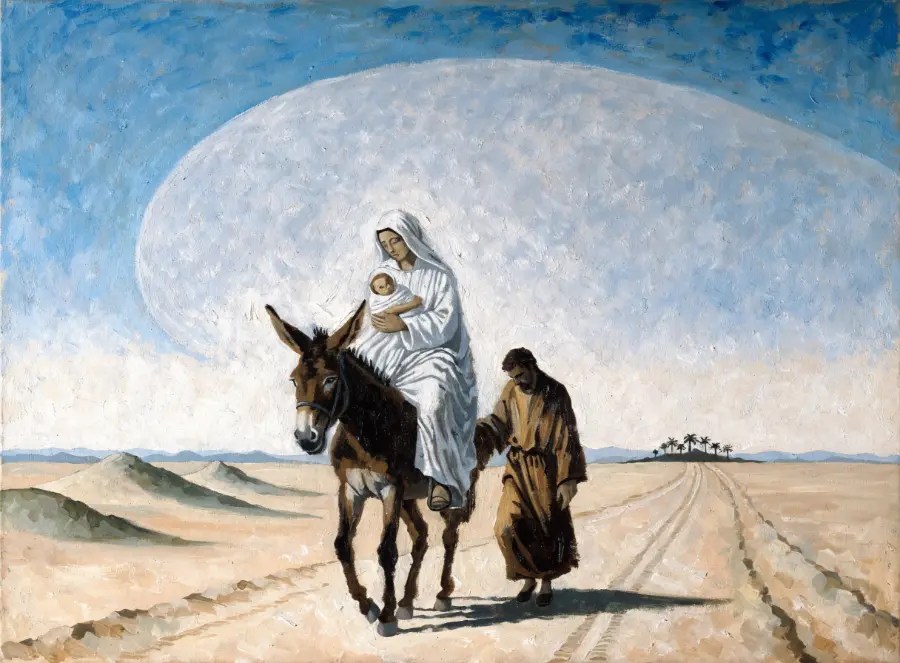
John 3:16
“For God so loved the world that he gave his one and only Son, that whoever believes in him shall not perish but have eternal life.”
Reflection: This is the ultimate expression of the Father’s love. The deepest pain a father could endure is the sacrifice of his son. That God would choose this path demonstrates a love that is beyond our full comprehension. This act becomes the ultimate measure of our worth to Him. It silences the question, “Does He really love me?” The answer is written in the staggering cost the Father was willing to pay to bring us into His family forever.
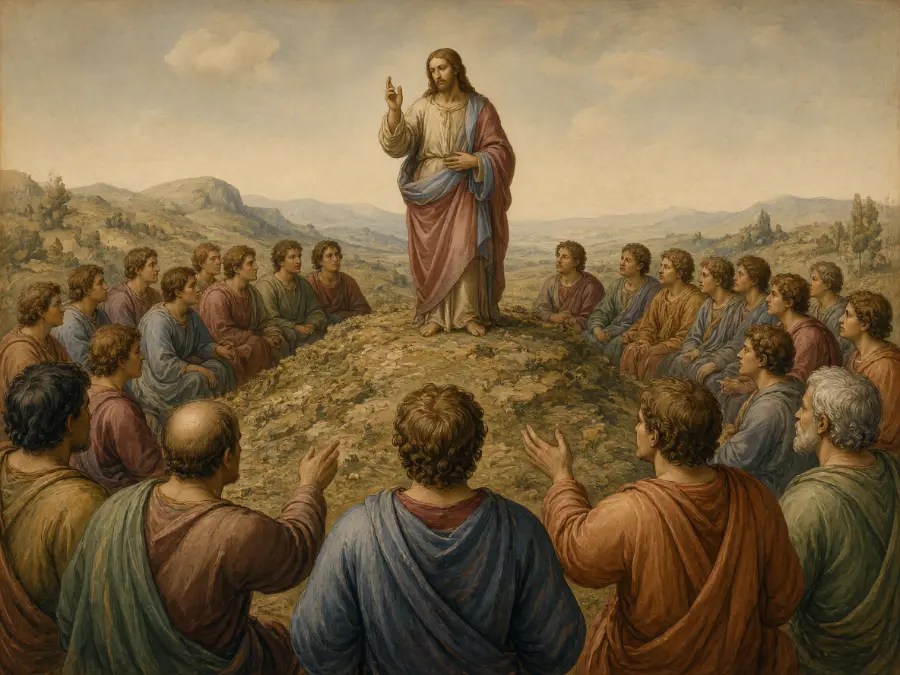
Romans 8:32
“He who did not spare his own Son, but gave him up for us all—how will he not also, along with him, graciously give us all things?”
Reflection: This is a verse of profound logical and emotional reassurance. It argues that the Father has already made the most difficult and costly investment in us. Having given the greatest gift (His Son), it is simply not in His character to then withhold the lesser gifts (daily provision, grace, help). This logic is designed to dismantle our lingering doubts about His goodness and willingness to care for us in the smaller details of life. If He handled the biggest problem, He can be trusted with everything else.

Ephesians 3:14-15
“For this reason I kneel before the Father, from whom every family in heaven and on earth derives its name.”
Reflection: God the Father is the archetype, the original source from which all concepts of “family” and “fatherhood” flow. Every good instinct in an earthly father is a faint echo of His perfect nature. This establishes Him not just as our Father, but as the universal Patriarch, the one who gives identity and belonging to all creation. This brings a cosmic sense of order and meaning to our place in the universe. We belong to the family that gives all other families their meaning.
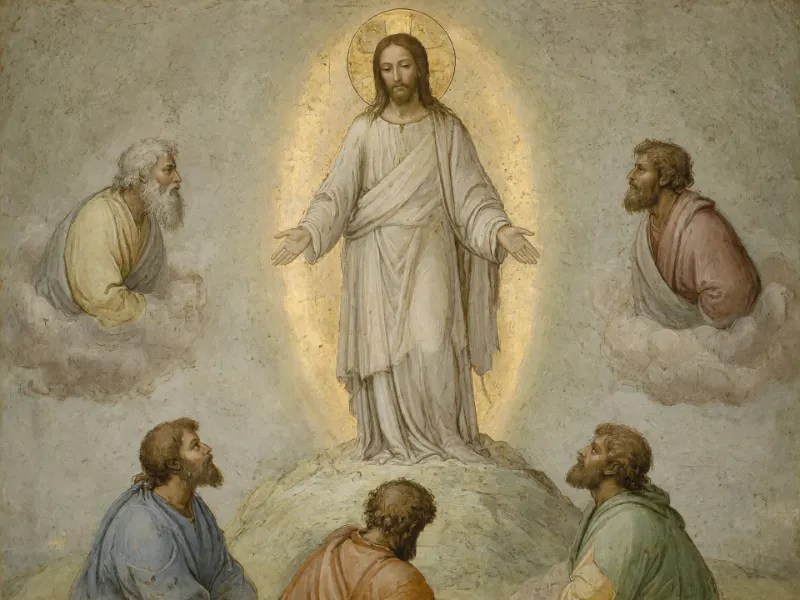
2 Corinthians 6:18
“And, ‘I will be a Father to you, and you will be my sons and daughters, says the Lord Almighty.’”
Reflection: This is the covenantal promise, the declaration that seals the deal. It is God Almighty, the sovereign ruler of all, speaking with the most intimate and personal language. The juxtaposition is stunning: the all-powerful Lord desires to be our Father. This verse is a foundational promise we can stand on, a declaration that quiets our fears of being rejected or cast out. It is the end-goal of His saving work: a restored, eternal family relationship between Himself and us.


Leave a Reply