
 English
 Chinese
 Dutch
 Arabic
 Spanish
 Portuguese
 Russian
 French
 Italian
 German
 Japanese
The Bible uses a parent’s love to describe God’s love. Psalm 103:13 compares the Lord’s compassion to a father’s, Isaiah 66:13 his comfort to a mother’s, and Matthew 7:11 his gifts to a father’s. In Luke 15:20 a father runs to meet a son who had wasted his inheritance.
Parents are told to impress God’s commands on their children (Deuteronomy 6:6-7) and not to exasperate them (Ephesians 6:4), and Titus 2:4 names love for children as something older women urge on younger ones. Love runs the other way too: “Honor your father and your mother” (Exodus 20:12) is repeated in Ephesians 6:2, and 1 Timothy 5:4 calls caring for a widowed parent or grandparent “repaying” them. More verses on the second subject are gathered under respecting parents.
God’s love described as a parent’s
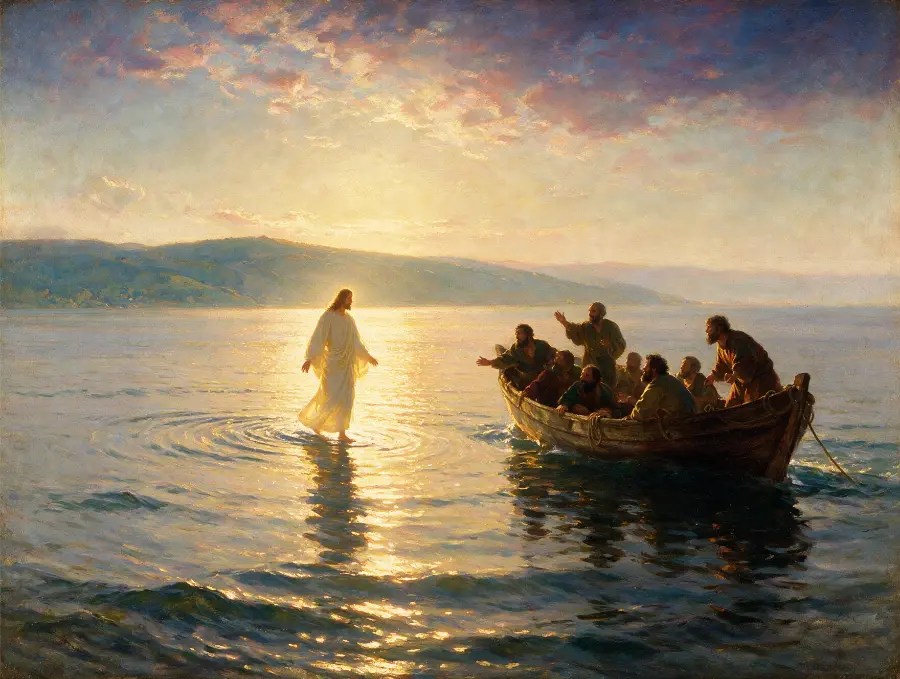
Psalm 103:13
“As a father has compassion on his children, so the Lord has compassion on those who fear him.”
Reflection: The comparison comes in a psalm about forgiveness: two verses earlier God’s love is “as high as the heavens are above the earth,” and he has removed transgressions “as far as the east is from the west.” The next verse gives the reason for the Lord’s compassion: “for he knows how we are formed, he remembers that we are dust.”
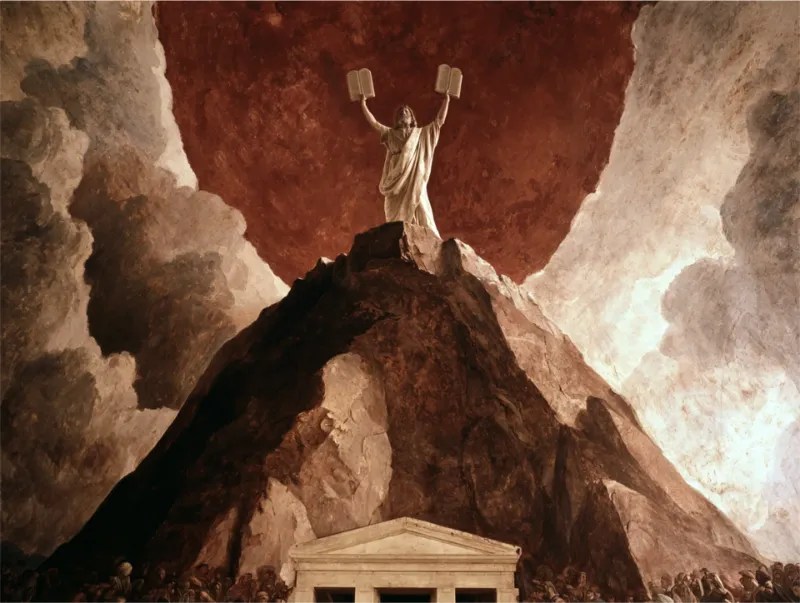
Isaiah 66:13
“As a mother comforts her child, so will I comfort you; and you will be comforted over Jerusalem.”
Reflection: In the closing chapter of Isaiah, Jerusalem is first pictured as the mother: her people “will nurse and be satisfied at her comforting breasts” and be “dandled on her knees” (66:11-12). Then the Lord takes the mother’s place himself and promises to comfort his people as she comforts her child.
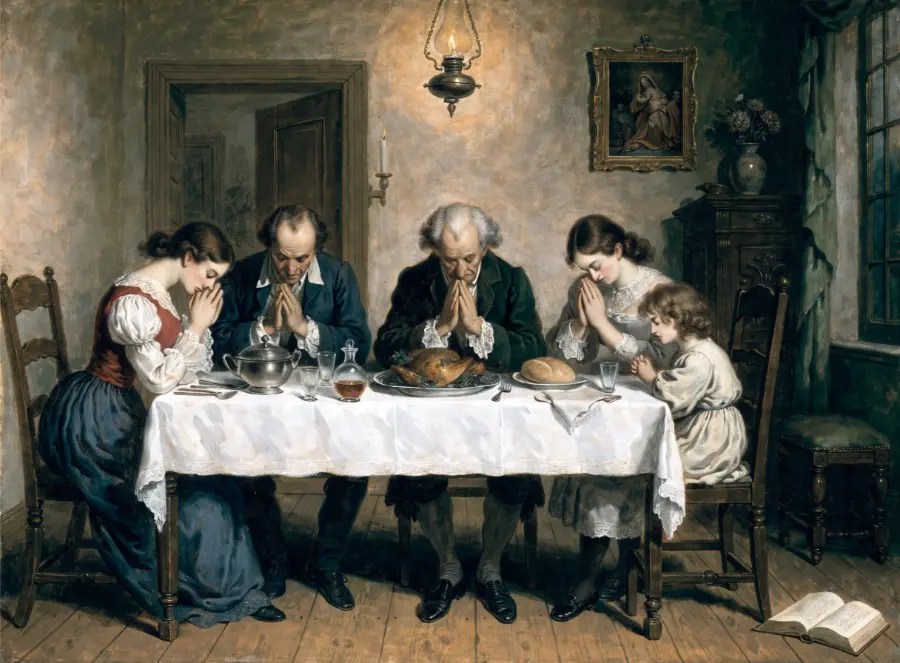
Isaiah 49:15
“Can a mother forget the baby at her breast and have no compassion on the child she has borne? Though she may forget, I will not forget you!”
Reflection: Zion has just said, “The Lord has forsaken me, the Lord has forgotten me” (49:14). The answer takes a nursing mother and her baby, grants that even she may forget, and says God will not. The next verse adds, “See, I have engraved you on the palms of my hands.”
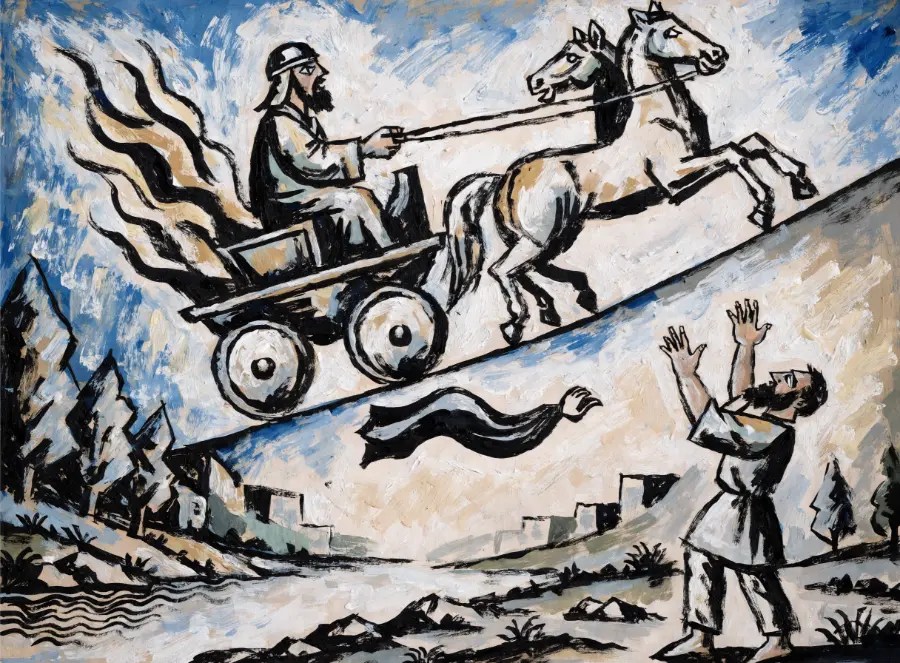
Hosea 11:3-4
“It was I who taught Ephraim to walk, taking them by the arms; but they did not realize it was I who healed them. I led them with cords of human kindness, with ties of love. To them I was like one who lifts a little child to the cheek, and I bent down to feed them.”
Reflection: The chapter opens, “When Israel was a child, I loved him, and out of Egypt I called my son.” God then recalls teaching Ephraim, another name for Israel in Hosea, to walk, lifting him to the cheek and bending down to feed him. The love is remembered in the middle of complaint: “the more they were called, the more they went away from me” (11:2).

Matthew 7:11
“If you, then, though you are evil, know how to give good gifts to your children, how much more will your Father in heaven give good gifts to those who ask him!”
Reflection: In the Sermon on the Mount, Jesus asks which father would hand a son a stone when he asks for bread, or a snake for a fish. The argument runs from lesser to greater: if parents who are evil still give their children good things, the Father in heaven gives more. Luke’s version of the saying ends that the Father will “give the Holy Spirit to those who ask him” (Luke 11:13).
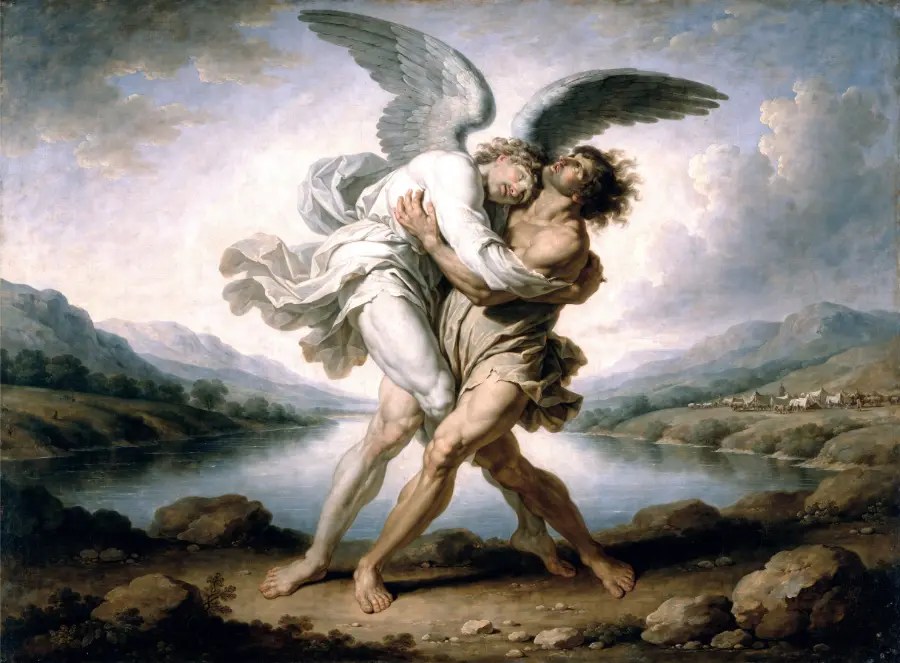
Luke 15:20
“But while he was still a long way off, his father saw him and was filled with compassion for him; he ran to his son, threw his arms around him and kissed him.”
Reflection: The younger son has rehearsed a speech ending with a request to be made a hired servant. The father runs to him while he is still far off, and the son gets through his confession but not the request before the father orders a robe, a ring and a feast. The parable does not end there: the father also “went out and pleaded with” the older son, who refused to come in, and tells him, “you are always with me, and everything I have is yours” (15:28, 31).
1 John 3:1
“See what great love the Father has lavished on us, that we should be called children of God! And that is what we are!”
Reflection: John writes to believers that being called children of God is a gift of the Father’s love, and adds, “And that is what we are!” The next verse looks ahead: “now we are children of God, and what we will be has not yet been made known.”
Matthew 23:37
“Jerusalem, Jerusalem, you who kill the prophets and stone those sent to you, how often I have longed to gather your children together, as a hen gathers her chicks under her wings, and you were not willing.”
Reflection: Jesus speaks these words over Jerusalem at the end of a chapter of warnings to the teachers of the law and the Pharisees. The picture is a mother bird gathering her young under her wings, and the sentence ends with the refusal: “you were not willing.” The next verse says, “Look, your house is left to you desolate.”
Love that disciplines
Proverbs 3:11-12
“My son, do not despise the Lord’s discipline, and do not resent his rebuke, because the Lord disciplines those he loves, as a father the son he delights in.”
Reflection: A father addresses his son and ties the Lord’s discipline to the Lord’s love: he disciplines “as a father the son he delights in.” Hebrews 12:5-6 quotes the passage to Christians under hardship, calling it “this word of encouragement that addresses you as a father addresses his son,” and goes on to say that God “disciplines us for our good, in order that we may share in his holiness” (12:10).
Proverbs 13:24
“Whoever spares the rod hates their children, but the one who loves their children is careful to discipline them.”
Reflection: The proverb sets two parents side by side and names them by what they feel: the one who spares the rod “hates” the child, and the one who “loves their children is careful to discipline them.”

Ephesians 6:4
“Fathers, do not exasperate your children; instead, bring them up in the training and instruction of the Lord.”
Reflection: Paul writes this straight after telling children to obey and honor their parents, so the duty is given to both sides. Fathers are limited in how they correct (“do not exasperate”) and given a task (“training and instruction of the Lord”). The parallel in Colossians 3:21 gives the reason for the limit: “Fathers, do not embitter your children, or they will become discouraged.”
Love that teaches and provides
Deuteronomy 6:6-7
“These commandments that I give you today are to be on your hearts. Impress them on your children. Talk about them when you sit at home and when you walk along the road, when you lie down and when you get up.”
Reflection: “These commandments” are the ones just given: “Love the Lord your God with all your heart and with all your soul and with all your strength” (6:5). Moses tells parents to pass them on in ordinary hours, at home, on the road, at bedtime and on waking, and the following verses add writing them on the doorframes and gates. More on this subject is gathered under teaching children.
Proverbs 22:6
“Start children off on the way they should go, and even when they are old they will not turn from it.”
Reflection: The verse is a proverb about early training and its long reach: what children are started on stays with them “even when they are old.” Related verses are gathered under raising children.
Proverbs 1:8-9
“Listen, my son, to your father’s instruction and do not forsake your mother’s teaching. They are a garland to grace your head and a chain to adorn your neck.”
Reflection: The book’s first address to a son names both parents: the father’s instruction and the mother’s teaching. In Proverbs 4:3-4 the father says he learned the same way: “For I too was a son to my father, still tender, and cherished by my mother. Then he taught me.”
Titus 2:4-5
“Then they can urge the younger women to love their husbands and children, to be self-controlled and pure, to be busy at home, to be kind, and to be subject to their husbands, so that no one will malign the word of God.”
Reflection: Paul tells Titus to have older women teach what is good, and love for children is on the list they pass to younger women, along with love for their husbands. The passage gives the purpose of the whole list: “so that no one will malign the word of God.”
2 Corinthians 12:14
“Now I am ready to visit you for the third time, and I will not be a burden to you, because what I want is not your possessions but you. After all, children should not have to save up for their parents, but parents for their children.”
Reflection: Paul is preparing a third visit to Corinth and refuses to be supported by the church there. He explains it with an ordinary rule of family life, that parents save for their children and not the reverse, and applies it to himself: “So I will very gladly spend for you everything I have and expend myself as well. If I love you more, will you love me less?” (12:15).
What children owe their parents
Exodus 20:12
“Honor your father and your mother, so that you may live long in the land the Lord your God is giving you.”
Reflection: The command stands in the Ten Commandments given at Sinai, directly after the Sabbath command. It comes with a promise attached: long life in the land God is giving.
Ephesians 6:1-3
“Children, obey your parents in the Lord, for this is right. ‘Honor your father and mother’—which is the first commandment with a promise—’so that it may go well with you and that you may enjoy long life on the earth.’”
Reflection: Paul tells the children in the church to obey their parents and quotes the commandment in the wording of Deuteronomy 5:16, “that it may go well with you,” and calls it “the first commandment with a promise.”

Proverbs 23:22
“Listen to your father, who gave you life, and do not despise your mother when she is old.”
Reflection: The saying gives the reason for listening to a father, “who gave you life,” and warns against despising a mother “when she is old.” Three verses later the joy runs back to the parents: “May your father and mother rejoice; may she who gave you birth be joyful!” (23:25).
1 Timothy 5:4
“But if a widow has children or grandchildren, these should learn first of all to put their religion into practice by caring for their own family and so repaying their parents and grandparents, for this is pleasing to God.”
Reflection: Paul is setting out which widows the church should support, and he puts the first duty on the family: children and grandchildren are to care for her. He calls this repaying parents and grandparents and putting religion into practice, and four verses later says that anyone who does not provide for their own household “has denied the faith” (5:8). Jesus applies the honor command to supporting parents in Mark 7:10-12, where he condemns a tradition that let people declare money “Corban” instead of using it to help a father or mother.


Leave a Reply