
 English
 Chinese
 Dutch
 Arabic
 Spanish
 Portuguese
 Russian
 French
 Italian
 German
 Japanese
The Bible gives instructions to both children and parents, and in Paul’s letters the two come together: children are to obey, and fathers are not to exasperate or embitter their children.
Ephesians 6:1 tells children to obey their parents, and three verses later Paul tells fathers not to exasperate their children; Colossians 3:20-21 pairs the same instructions. The Old Testament puts the teaching of children into ordinary daily life (Deuteronomy 6:6-7). The nineteen verses below cover the paired instructions, how teaching was meant to happen, Proverbs 22:6, the discipline passages, what children are, and Jesus’ care for his mother at the cross.
The instruction that runs both ways
Ephesians 6:1-3
“Children, obey your parents in the Lord, for this is right. ‘Honor your father and mother’—which is the first commandment with a promise.”
Reflection: Paul addresses children directly, so he expected them to hear the letter read in church. He quotes the commandment to honor father and mother and notes that it is the first with a promise.
Ephesians 6:4
“Fathers, do not exasperate your children; instead, bring them up in the training and instruction of the Lord.”
Reflection: Paul adds a positive instruction to the prohibition: bring them up in the training and instruction of the Lord.
Colossians 3:20
“Children, obey your parents in everything, for this pleases the Lord.”
Reflection: This is the broadest form of the instruction, “in everything,” and the very next verse addresses fathers.
Colossians 3:21
“Fathers, do not embitter your children, or they will become discouraged.”
Reflection: The result Paul warns against is discouragement.
How the teaching was meant to happen
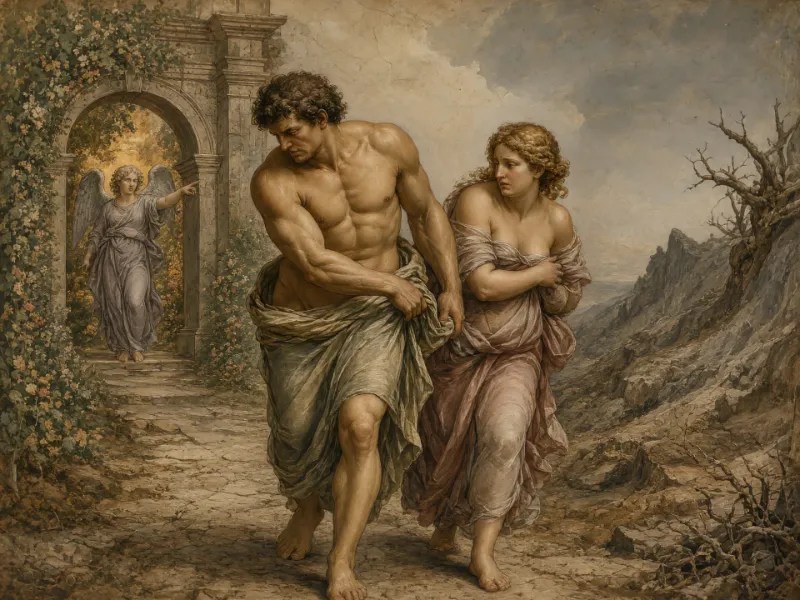
Deuteronomy 6:6-7
“These commandments that I give you today are to be on your hearts. Impress them on your children. Talk about them when you sit at home and when you walk along the road, when you lie down and when you get up.”
Reflection: Sitting, walking, lying down and getting up cover the whole day. The commandments are to be on the parents’ hearts first.
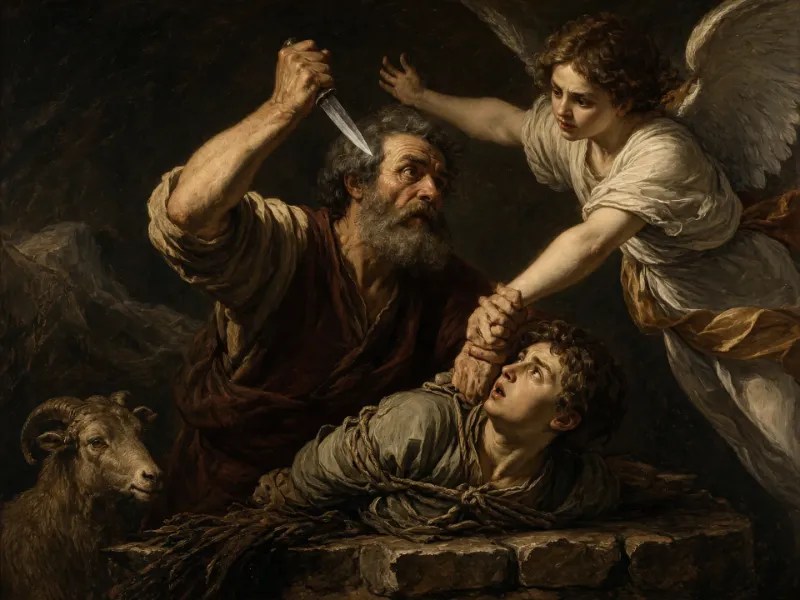
Deuteronomy 4:9
“Only be careful, and watch yourselves closely so that you do not forget the things your eyes have seen or let them fade from your heart as long as you live. Teach them to your children and to their children after them.”
Reflection: The warning is first to the parents: do not forget what you have seen. The teaching then reaches children and grandchildren.
Psalm 78:4
“We will not hide them from their descendants; we will tell the next generation the praiseworthy deeds of the Lord, his power, and the wonders he has done.”
Reflection: The psalm goes on to tell Israel’s history, including its failures, so that the next generation would not be like their stubborn ancestors (78:8).
2 Timothy 1:5
“I am reminded of your sincere faith, which first lived in your grandmother Lois and in your mother Eunice.”
Reflection: Paul names Timothy’s grandmother and mother as the first to have this faith, and says it now lives in Timothy.
The verse everyone quotes, and what kind of sentence it is
Proverbs 22:6
“Train up a child in the way he should go; even when he is old he will not depart from it.”
Reflection: This is a proverb, and proverbs describe what generally happens rather than guarantee it. A parent whose grown child has turned away is not being told here that they failed.
Proverbs 1:8-9
“Listen, my son, to your father’s instruction and do not forsake your mother’s teaching. They are a garland to grace your head and a chain to adorn your neck.”
Reflection: Father and mother are both named as teachers. Their instruction is pictured as a garland and a chain, ornaments worn where others can see them.
Proverbs 4:1-4
“Listen, my sons, to a father’s instruction; pay attention and gain understanding. I give you sound learning, so do not forsake my teaching. For I too was a son to my father, still tender, and cherished by my mother. Then he taught me.”
Reflection: The speaker says he learned this from his own father, and that he was cherished by his mother.
The discipline passages, and how to read them

Proverbs 13:24
“Whoever spares the rod hates their children, but the one who loves their children is careful to discipline them.”
Reflection: The Hebrew word for rod, shebet, is also the shepherd’s rod of Psalm 23:4. Proverbs states the contrast in extremes, hate and love, and its point is that neglecting discipline is not kindness.
Proverbs 22:15
“Folly is bound up in the heart of a child, but the rod of discipline will drive it far away.”
Reflection: Folly in Proverbs is a moral failing, not simply childishness, and the verse says discipline can drive it out.
Proverbs 29:17
“Discipline your children, and they will give you peace; they will bring you the delights you desire.”
Reflection: The result Proverbs expects from discipline is peace in the household and delight in the child.
Hebrews 12:7, 11
“Endure hardship as discipline; God is treating you as his children. For what children are not disciplined by their father? … No discipline seems pleasant at the time, but painful. Later on, however, it produces a harvest of righteousness and peace.”
Reflection: The passage is about God’s discipline of his people, and it admits that discipline is painful at the time. It also says human fathers “disciplined us for a little while as they thought best” (12:10).
What children are
Psalm 127:3-5
“Children are a heritage from the Lord, offspring a reward from him. Like arrows in the hands of a warrior are children born in one’s youth.”
Reflection: Children are called a heritage and a reward, and the arrow picture continues: “Blessed is the man whose quiver is full of them” (127:5).
Proverbs 17:6
“Children’s children are a crown to the aged, and parents are the pride of their children.”
Reflection: The honor runs both ways: grandchildren are a crown to the old, and parents are the pride of their children.
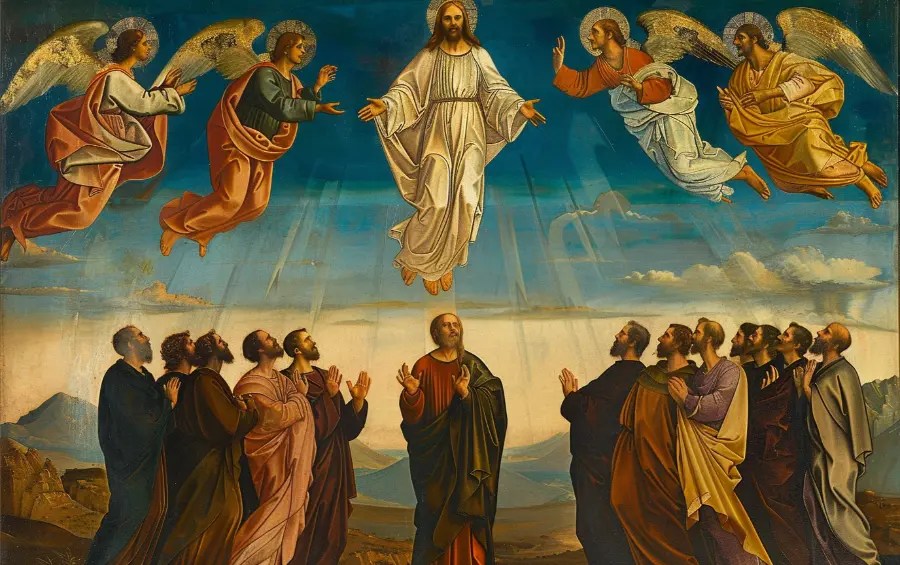
Malachi 4:6
“He will turn the hearts of the parents to their children, and the hearts of the children to their parents.”
Reflection: In the order of most English Bibles, these are the last words of the Old Testament, and they promise a turning of hearts between parents and children.
The last arrangement Jesus made
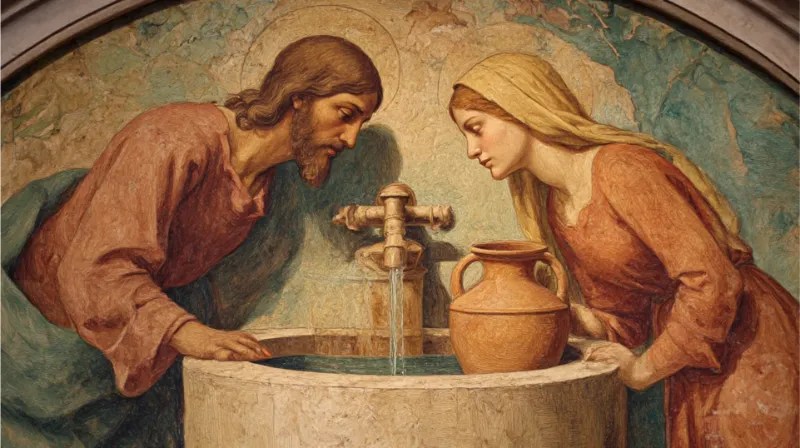
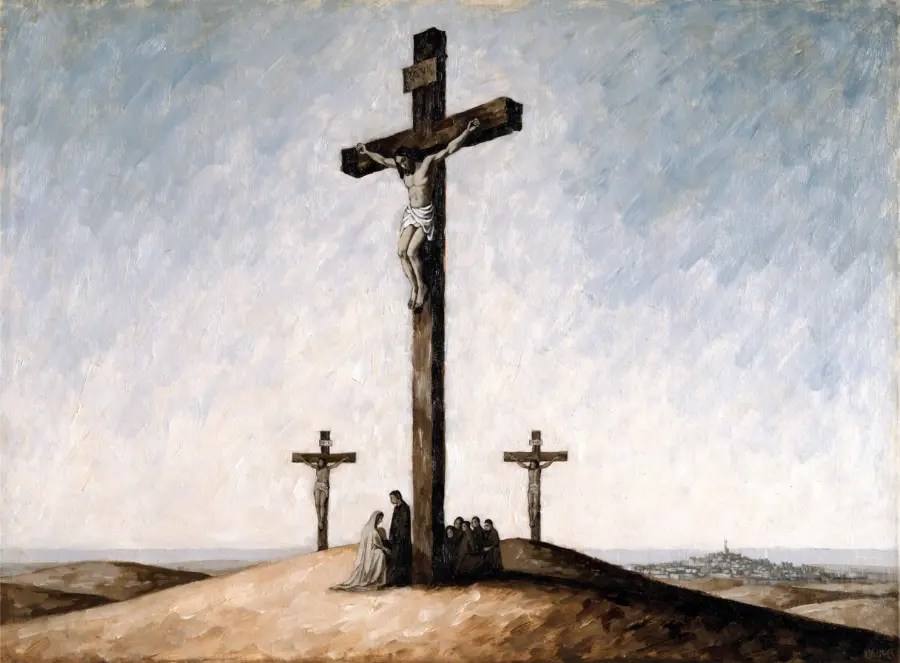
John 19:26-27
“When Jesus saw his mother there, and the disciple whom he loved standing nearby, he said to her, ‘Woman, here is your son,’ and to the disciple, ‘Here is your mother.’”
Reflection: From the cross, Jesus gives his mother into the care of the disciple he loved, and John says the disciple took her into his home “from that time on.”
What a household is being asked for
Paul addresses both ends of the household in the same passage: children are to obey, and fathers are not to exasperate or embitter them. The instructions are meant to be read together.
Proverbs 22:6 is a proverb, a general observation rather than a guarantee, and it is not a verdict on parents whose children have turned away. Hebrews says human fathers disciplined “as they thought best.” For more on honoring parents, see Bible verses about respecting parents.


Leave a Reply